
Why Are Unnatural Veneers Becoming More Common?
Hello, I am Park Jonguk, director of Dream Dental Clinic.
Veneer treatment is treatment that makes teeth pretty and beautiful. The standard for beauty differs from person to person. But at the very least, it shouldn't look strange to whoever sees it. People feel a sense of unease toward anything that departs from "naturalness." The word "unnatural" describes exactly that feeling. If a ratio or shape isn't what we're used to seeing, we naturally feel that it's unnatural.
Teeth are a part of the body we see all the time. When people meet each other, the face, the smile, and the teeth are quite important parts that are shown to one another. Cosmetic surgery is done to make these parts more beautiful or more likeable. Cosmetic surgery is something people get because they want to look more beautiful.
Not just eye or nose surgery, "tooth cosmetic treatment" has also been increasing a great deal these days. Through massive advertising by large dental clinics, tooth cosmetic treatment, which used to be something mainly celebrities, models, or people in smile-focused professions had done, has now drawn interest from people outside those specific professions as well. Tooth cosmetic treatment is usually called a veneer. A veneer refers to a very thin plate. In English it's called a laminate veneer, and both "laminate" and "veneer" refer to the same thin plate. Veneer, or laminate veneer, is the general term for any treatment that makes a thin ceramic plate and attaches it to the front surface of the tooth. In Korea it's usually called "laminate," while abroad "veneer" is used more often.
Recently in Korea, veneer treatment is often advertised under a different name as if it were a different treatment. Large clinics attach unique names to it and advertise it heavily as though it were different from veneer treatment, but it's all still veneer. There can certainly be differences in how well or how poorly a veneer is done, but changing the name alone can't make it a better treatment.
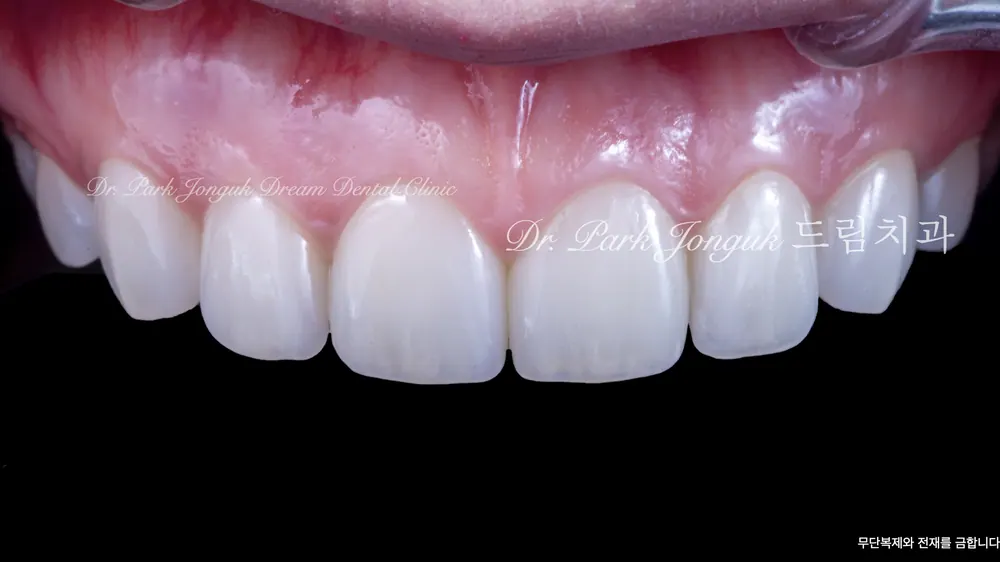
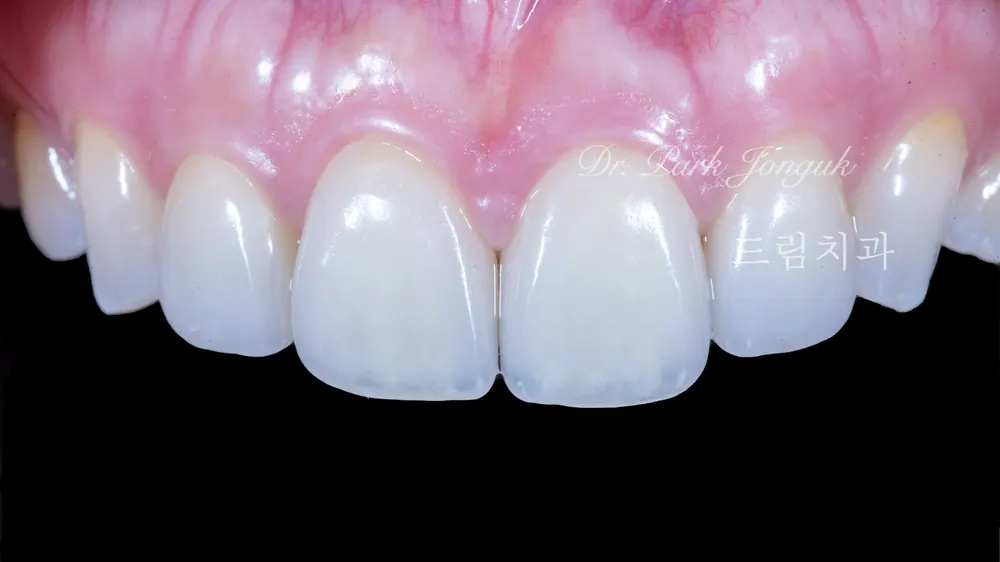
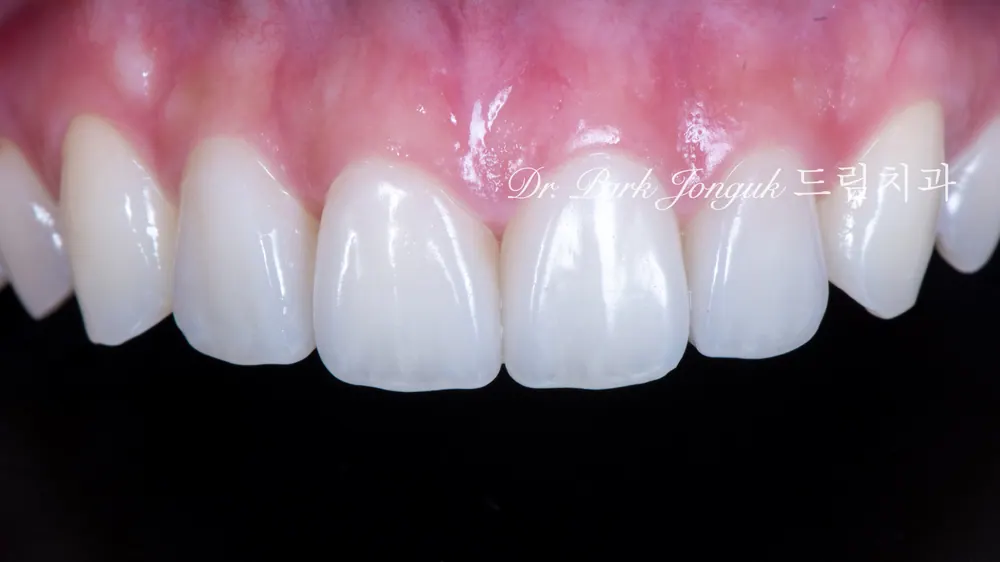
As with eye or nose surgery, some people prefer a result that's noticeably done, and others prefer a result that's "natural yet beautiful." From a cosmetic standpoint, "natural and beautiful" is naturally considered the highest form of beauty. It's the same with teeth. If there is a veneer that anyone can immediately tell is a veneer, and a veneer that looks as if the person's own natural teeth were simply beautiful, which one looks more beautiful?
And yet
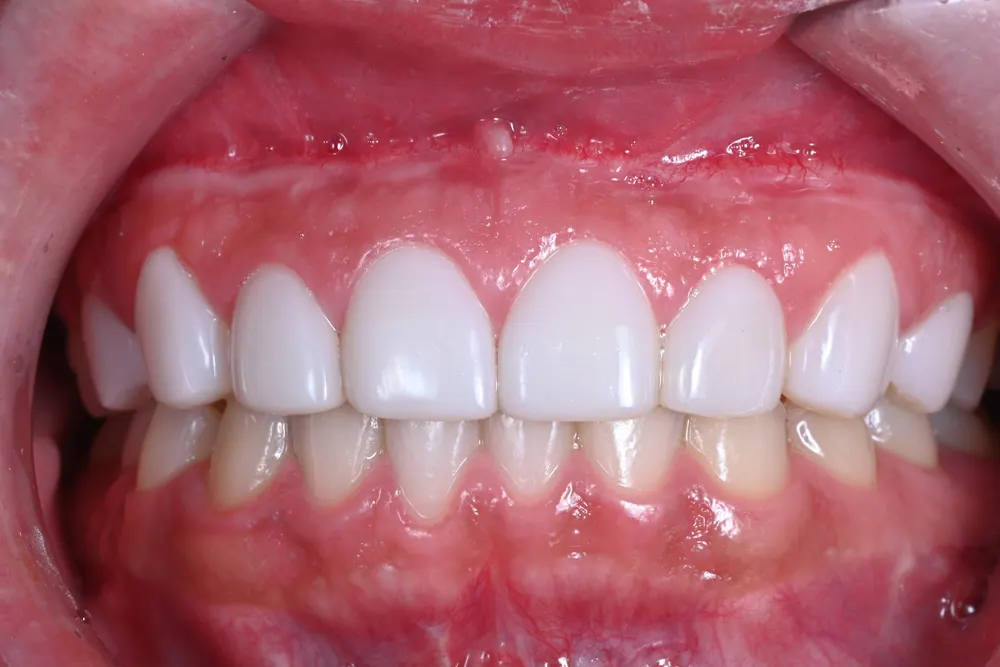
these days there really are more and more veneers that are just white, with no expression at all of the natural tooth shape.
Are those veneers becoming more common because they're beautiful?
As I said earlier, everyone's standard is different. What is certain is that the white, unnatural veneers that have been increasing lately are far removed from natural beauty.
So why are veneers like that becoming more common?
Having done veneer treatment for over 20 years, and having watched several waves of it pass through the middle of Gangnam, I think the current situation comes down to two things combined.
1. Mass production
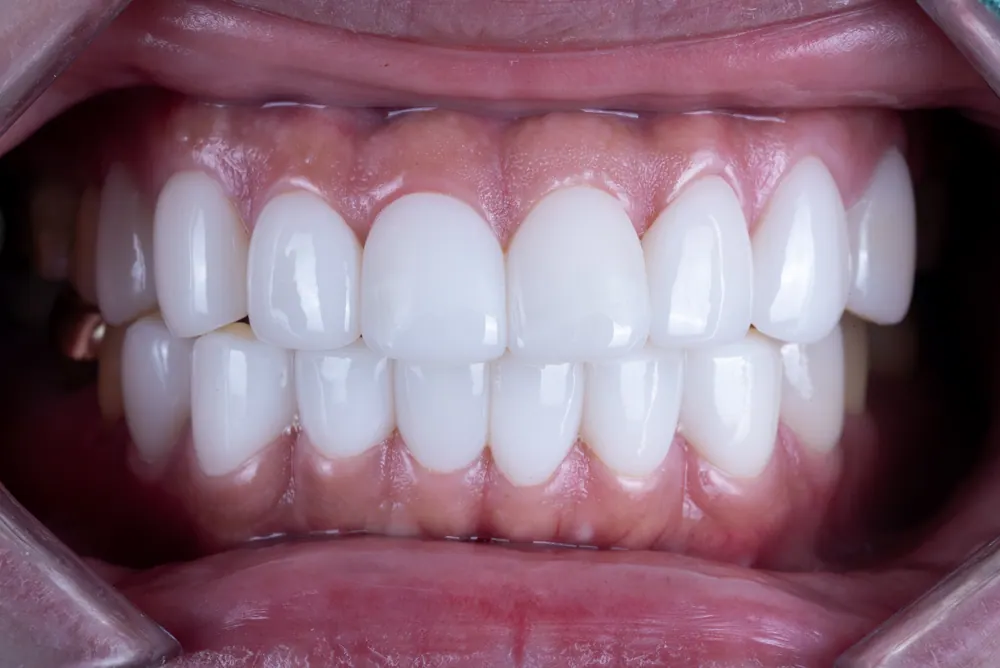
The biggest reason is mass production. Fully expressing a natural-looking veneer takes a great deal of hands-on work. It takes a long time and costs a lot. Mass-produced veneers, which are trending now, require much less hands-on work by comparison. Because most of them are made using computers and milling machines, they have the advantage of speed. Aside from the initial equipment cost, this method is also far cheaper in the long run. But the trade-off for mass production is giving up varied, individual expression.
2. Clinics growing larger
Large clinics and hospitals naturally have a considerable advantage in equipment and manpower. A mass-production system is what suits a large clinic well. The bigger the clinic, the more patients it sees, and the more dentists it has, so the more veneers it needs to produce. Rather than meeting each patient's individual needs and matching each dentist's own treatment style, it's far more efficient to fit both the patients and the dentists into a standardized production process. Insisting that mass-produced veneers are beautiful is simply far more efficient than pursuing a natural beauty tailored to each individual patient's face and skin.
Because of this, clinics keep growing larger, need to see more patients through heavier advertising, need to produce more veneers, and end up with no choice but factory-style mass production. Just as clothing has both mass-produced items like Uniqlo and small-batch pieces made by a master craftsman like Hermes, veneers can also be made either by mass production or by a small-batch method that only works when a hand touches each and every piece. A small-batch method can naturally achieve a more natural result.
3. There's one more difference
A "veneer made with care" tends to be friendlier to the gums. This isn't something where mass production is automatically a problem and small-batch production is automatically good. Even with mass production, if more skilled staff spend more time on the finishing work, the result naturally improves. With small-batch production, it's precisely because clinics want to pay attention to this that they stick with that method in the first place, so it does need to show better results. The problem is that the veneers I've recently seen coming out of "factory-style clinics" are quite lacking in this respect. I often see, quite sadly, veneers that have been attached in a shape that irritates the gums.
There's no end to the differences and problems I could point out, but for today I'll stop here with what comes to mind and close out this post.
For good veneer treatment,
don't be fooled by a name,
and don't just consult at a large, factory-style clinic. Look for a clinic where the director consults with you directly and there is a "precision diagnosis" process.
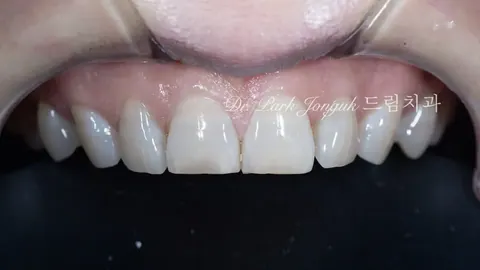
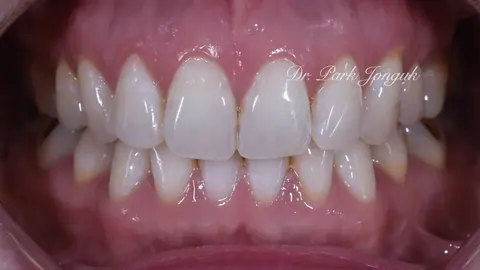
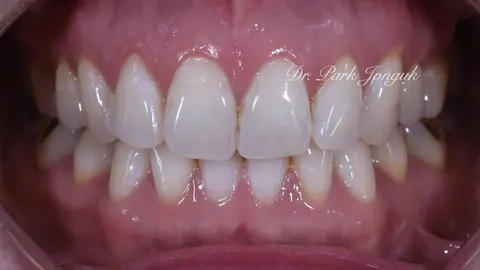
This article is a clinical note written by Dr. Park Jonguk of Dream Dental Clinic, Gangnam; the original was published on his blog. The photographs shown are real cases he treated. Results vary with each patient’s condition, and every procedure carries the possibility of individual variation and side effects.
Quick Consult
Request a Callback
Leave your number and we will call you back during clinic hours.
Request Received
We will contact you during clinic hours. For urgent matters, please call +82-2-3448-0028.