
Teeth Whitening
In-office whitening for a quicker start,
take-home whitening for steady care
Teeth whitening can improve the shade of naturally yellow teeth and teeth stained by coffee, tea, or smoking. We plan either focused in-office treatment or gradual take-home care with a custom tray according to your oral health, goals, and schedule.
 ESTHETIC CARE
 Teeth Whitening
What is teeth whitening?
Rather than trimming the teeth or covering them with restorations, whitening applies an agent to the tooth surface to break down stains and help lighten the shade. We first check the cause of discoloration, the health of your teeth and gums, your starting shade, and your goal. If the color comes from deep within the tooth and may respond poorly, we discuss other options as well.
Professional vs At-Home
In-office or take-home — what is the difference?
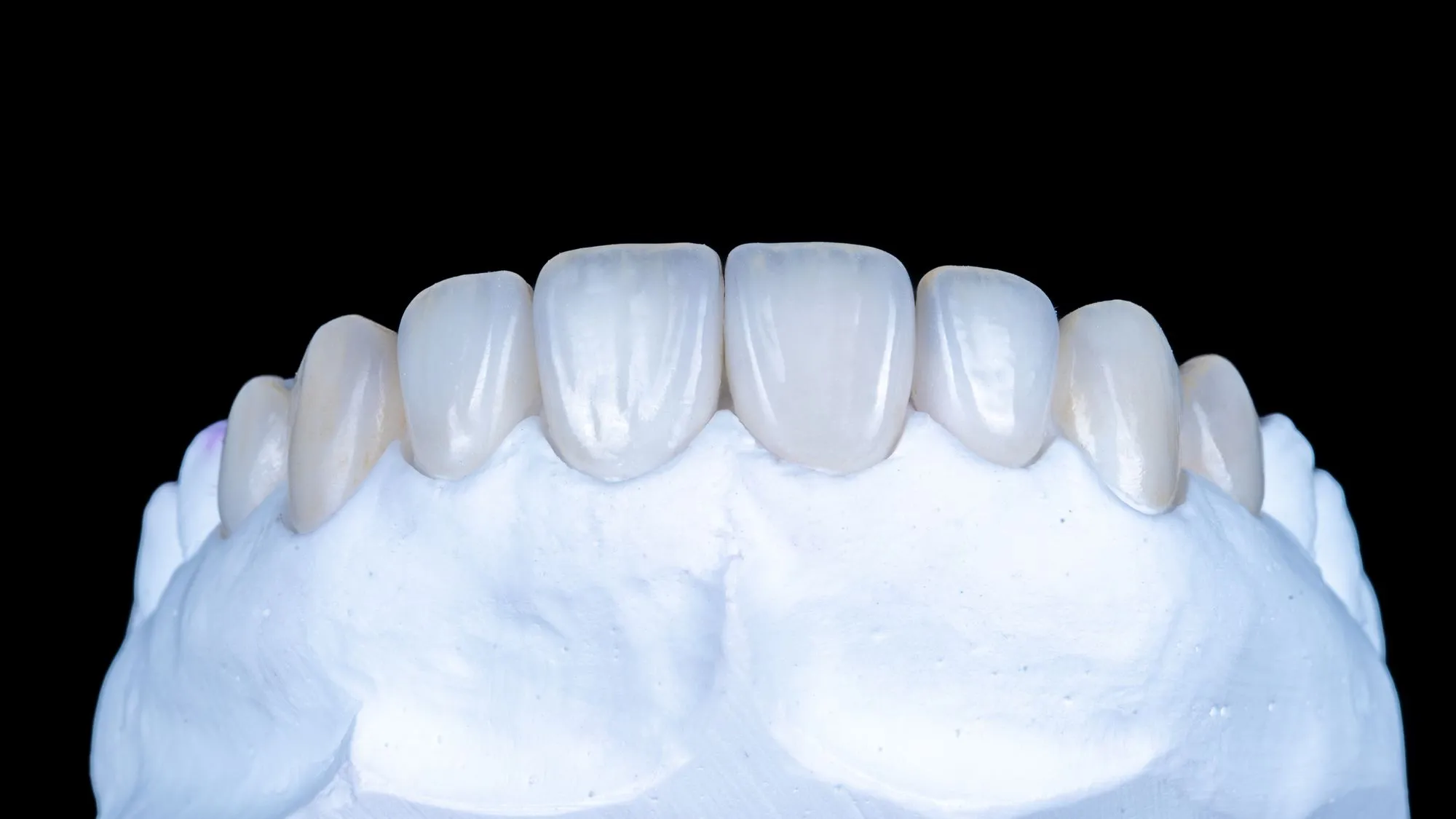
In-office whitening is designed around a small number of clinic visits. Take-home whitening uses a lower-concentration gel gradually over several weeks. When appropriate, combining them can balance an earlier shade change with ongoing maintenance.
| Compare | In-office whitening | Take-home whitening |
|---|---|---|
| How it works | A professional-strength agent is applied in the clinic after an exam and protective preparation | A lower-concentration gel is placed in a custom tray and worn for the prescribed time |
| Timeline | Usually 1–2 sessions, depending on the staining | Daily or every other day for 2–4 weeks |
| Pace | A relatively quick shade change can be planned | The shade changes gradually over time |
| Best use | Can suit a shorter timeline | Useful for maintenance after in-office care or recurring surface stains |
| Sensitivity | Protective steps and the product are adjusted to the condition of the teeth | The lower concentration may reduce the burden; stop and contact us if sensitivity develops |
In-Office Process
In-office whitening in eight steps
The details and number of visits vary with the condition and degree of staining. Treatment is commonly planned over 1–2 sessions.
- 01
Whitening assessment
We identify the cause and degree of staining, check the teeth and gums, record the starting shade, and ask about sensitivity.
- 02
Scaling
When needed, calculus and surface deposits are removed first.
- 03
Lip protection
A protective product is applied to the lips and nearby soft tissue.
- 04
Whitening agent
After the gums are isolated, an agent suited to the condition of the teeth is applied.
- 05
Tooth polishing
The tooth surface is finished and any remaining product is removed.
- 06
Tooth protection
Protective care may be added to help manage sensitivity.
- 07
Lip protection reapplied
The lips and surrounding tissue are cleaned and protected again after treatment.
- 08
Shade review and aftercare
We check the shade and explain how to limit new stains and what to do if sensitivity occurs.
Take-Home Process
Take-home whitening in eight steps
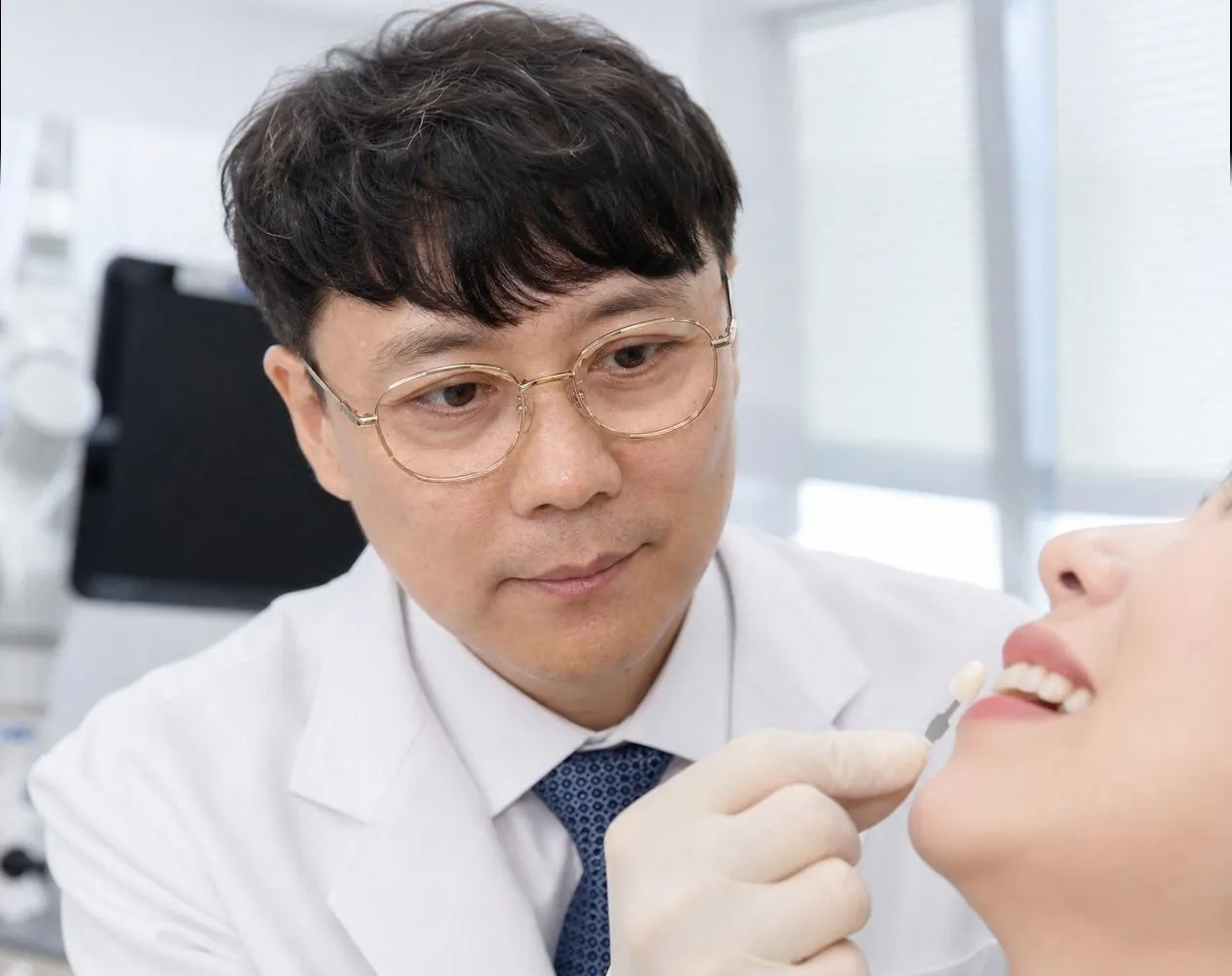
Take-home whitening uses a custom tray and a lower-concentration gel, usually every day or every other day for 2–4 weeks. Follow the prescribed amount and wearing time.
- 01
Brush thoroughly
Remove food debris and surface deposits before whitening.
- 02
Dry the tooth surface
Use clean, dry gauze or a cloth to remove moisture from the teeth.
- 03
Place gel in the tray
Apply only the prescribed amount inside the custom tray.
- 04
Seat the tray
Fit the tray over the teeth and wipe away any gel that spills onto the gums.
- 05
Brush after the set time
After overnight use or the time you were given, remove the tray and clean your mouth thoroughly.
- 06
Check the tooth surface
Make sure no gel remains and check for sensitivity or gum irritation.
- 07
Rinse the tray in cold water
Use cold running water rather than hot water, which can distort the tray.
- 08
Dry and store
Let the tray dry fully, then keep it in its case.
Indications
When might whitening fit?
Whitening may be considered in the situations below. We check for decay, gum disease, restorations, and the cause of the color before choosing a method.
- Naturally yellow-looking teeth when you would like a lighter shade
- Noticeable surface stains from coffee, tea, wine, or smoking
- Tooth color that bothers you in daily life, or a wish for a brighter shade
- Shade changes after orthodontic treatment or with age that you would like to manage
- A wedding, interview, or other near-term event, or take-home whitening that has not produced enough change
- A wish to maintain in-office whitening, or to take a slower approach because sensitivity is a concern
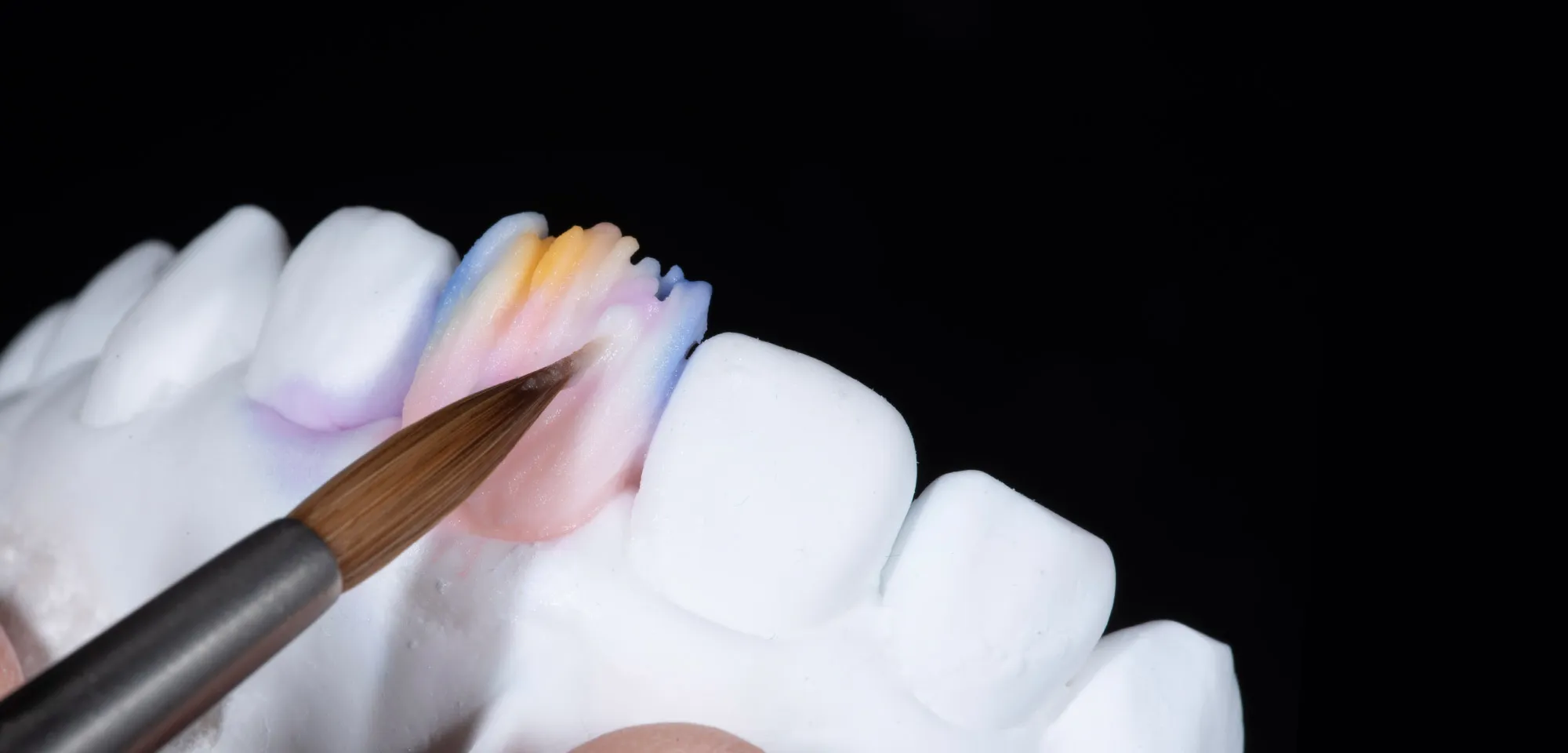
Surface stains from coffee, tea, or smoking can respond to whitening. Discoloration that begins inside the tooth — from medication, nerve damage or root-canal treatment, or fluorosis — may respond only to a limited degree. If that sounds familiar, see our guide to discoloration that whitening may not reach and veneer options.
Quick Consult
Request a Callback
Leave your number and we will call you back during clinic hours.
Request Received
We will contact you during clinic hours. For urgent matters, please call +82-2-3448-0028.
Is it possible in my case?
The available range depends on your condition. Feel free to ask us.
FAQ
Whitening — FAQ
01 How long does the whitening effect last?
It depends on staining habits — coffee, wine, and smoking gradually re-stain teeth. Rinsing after staining drinks and periodic touch-up whitening are how the brightness is maintained.
02 I heard whitening makes teeth sensitive — should I worry?
Temporary sensitivity during and after whitening is possible. We examine your teeth first, protect the gums, and add desensitizing care; for sensitive patients, a gentler take-home protocol with adjusted concentration and pace is often the better path.
03 In-office or take-home — which is better for me?
In-office suits those who need visible change fast; take-home spreads the process gently over weeks. Combining both — speed first, then maintenance — is also common. We decide together based on your staining.
04 Are there teeth that whitening cannot help?
Yes. Discoloration that begins inside the tooth — tetracycline bands, post-root-canal darkening, fluorosis — responds only partially. Internal bleaching or veneers become the alternatives, sorted out at diagnosis.
05 What does whitening cost?
Teeth whitening is disclosed at KRW 550,000–880,000 (VAT excluded, as of 2026), depending on the program. When combined with veneers, whitening comes first to set the target shade the veneers will match.
This page is general information about the treatment. Diagnosis, treatment options, and duration vary by individual condition — an in-person examination is how we plan your actual care.
A whitening plan for your type of staining
We begin with the cause and condition of the teeth, then explain the timeline, sensitivity considerations, and fees for in-office and take-home options. Reception until 5:30 pm weekdays, 12:30 pm Saturdays.