
Specialist-led treatment
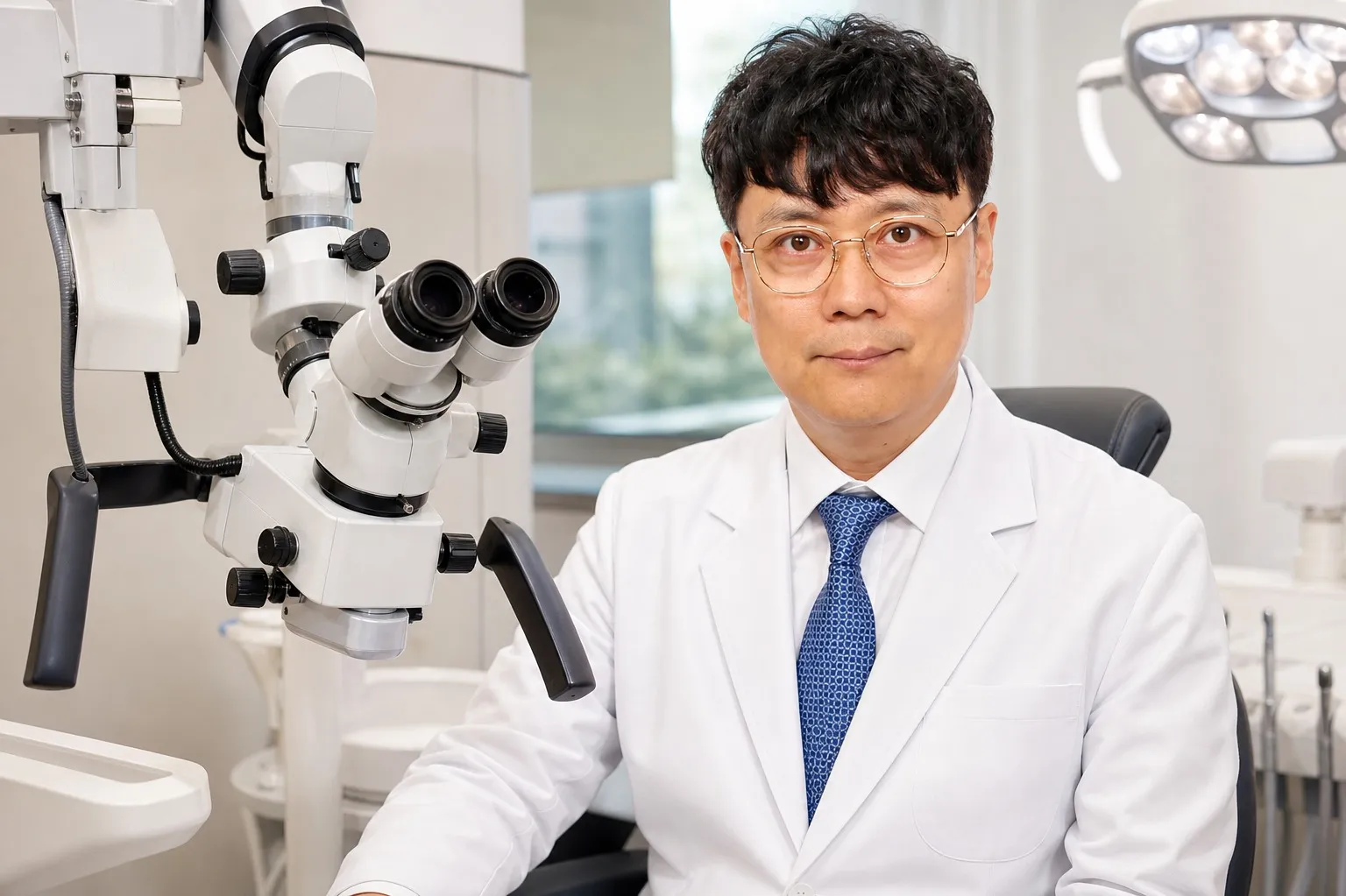
An SNU-trained specialist, board-certified in conservative dentistry, personally handles diagnosis, placement, and the final restoration.
Dental Implants
The outcome of an implant is decided less by the placement itself than by where and at what angle it is planned. We map the nerves and bone with 3D-CT simulation first, and an SNU-trained specialist board-certified in conservative dentistry personally handles diagnosis, placement, and the final restoration.
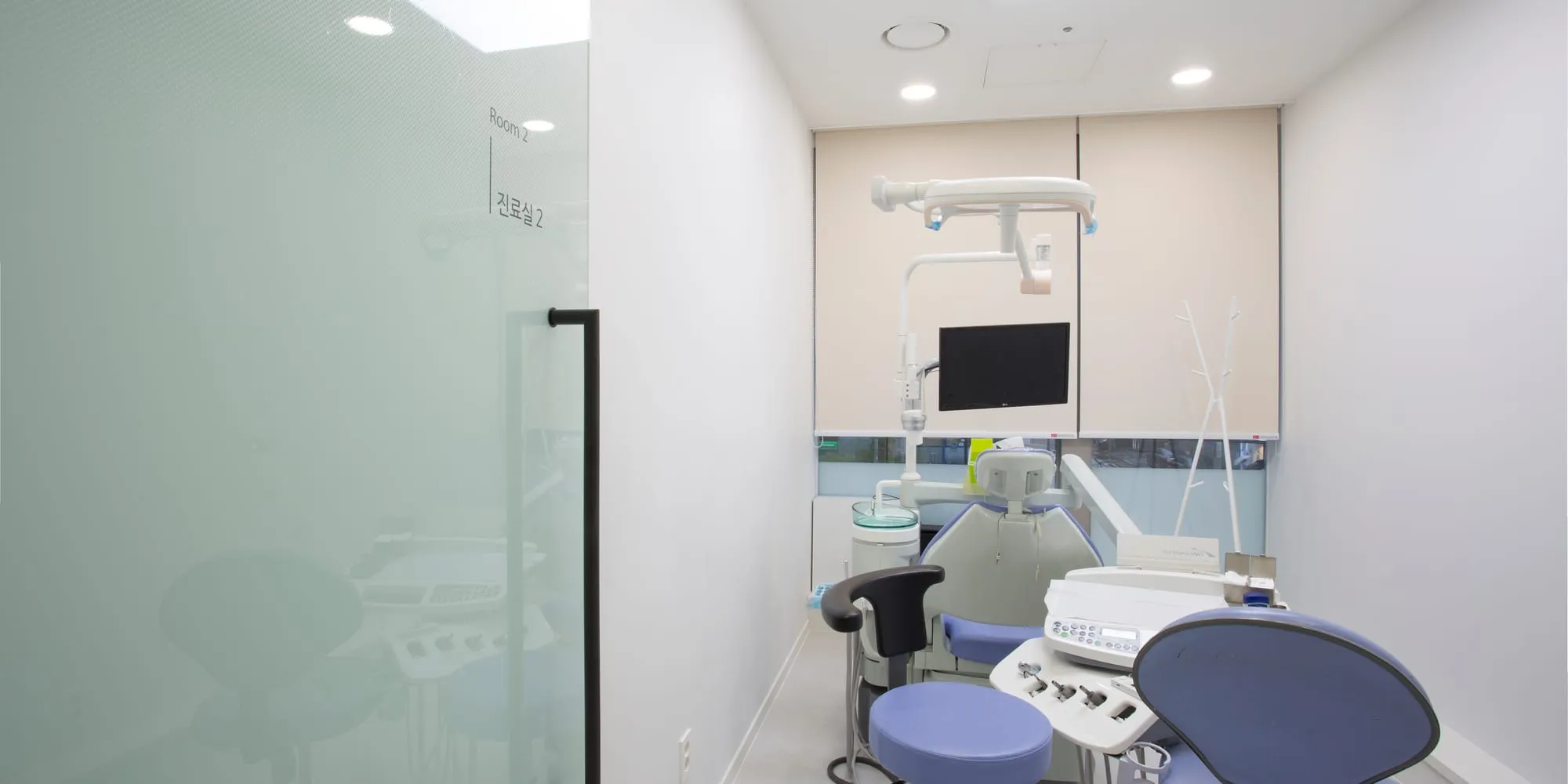 GENERAL CARE
 Implant
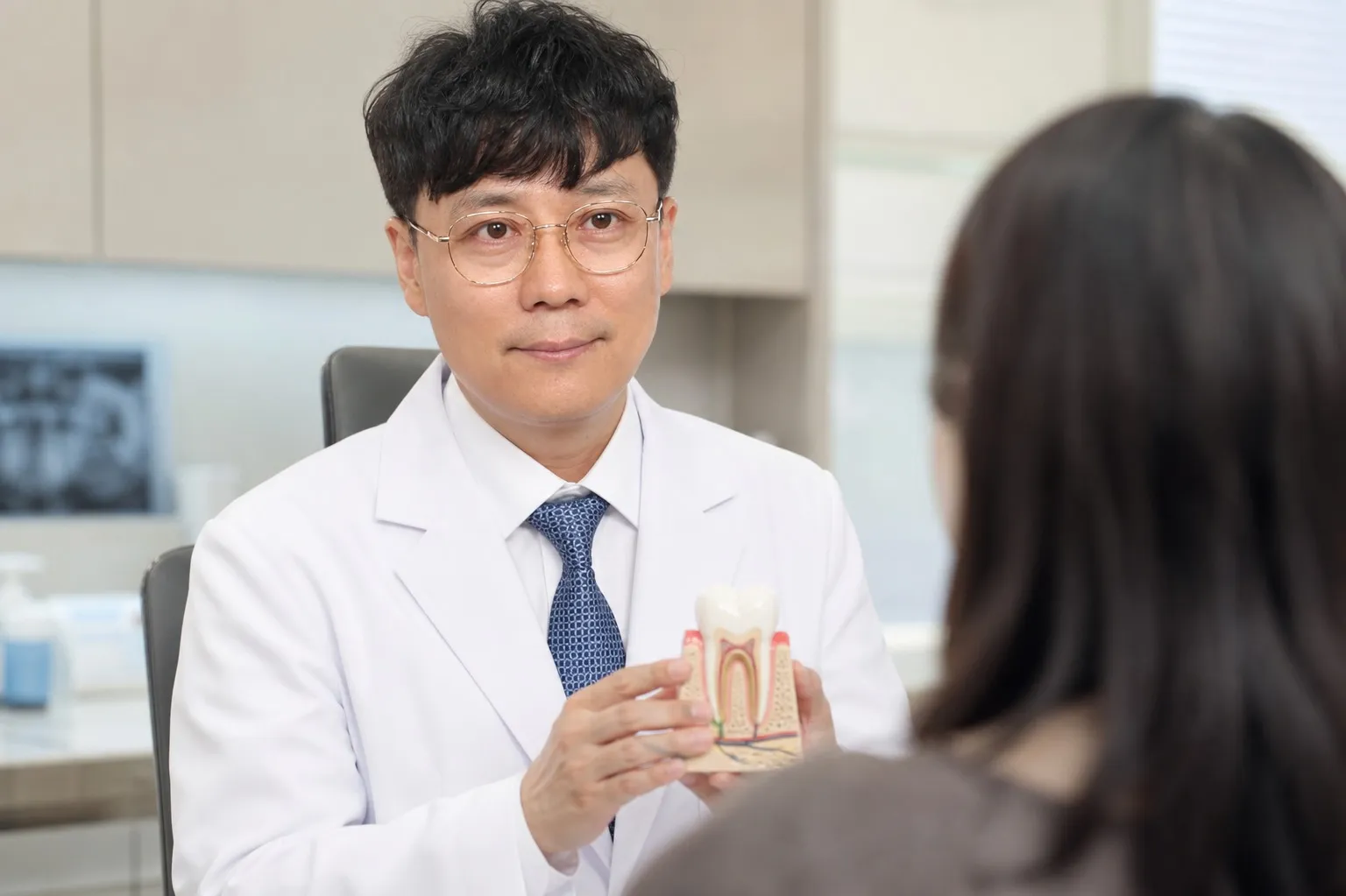
An implant replaces a missing tooth with an artificial root (fixture), a connecting post (abutment), and a crown. How precisely these three parts integrate with the jawbone determines the implant’s lifespan and ease of care — which makes the planning stage the most important part of treatment.
Why Dream
An SNU-trained specialist, board-certified in conservative dentistry, personally handles diagnosis, placement, and the final restoration.
X-ray, 3D-CT, and intraoral scanning are used to reduce error in the position and angle of placement.
Computer-controlled anesthesia and varied techniques help lower the pain burden of treatment.
Instruments follow a 12-step protocol — from collection through autoclave and low-temperature plasma sterilization to opening the sealed pack in front of the patient.
Guided Surgery
A simulated surgery locates the nerves and evaluates the bone before a guide transfers the plan to the mouth. Whether guided placement applies is judged case by case.
X-ray and 3D-CT imaging
Radiographs map the nerve canal and the width and height of the bone.
Planning and simulated surgery
The position, depth, and angle of placement are decided in a computer simulation.
Custom surgical guide
A guide is fabricated to carry the simulated plan into surgery.
Guided placement
The implant is placed through the guide at the planned position. A minimal-incision approach can be considered depending on the case.
Incision vs Guided
The right approach depends on the gums and the amount of bone; we advise what applies after an examination.
| Compare | Conventional incision | Guided placement |
|---|---|---|
| Method | The gum is opened to place the implant under direct view of the bone | The implant follows the simulated plan through a guide, at the planned position and angle |
| Incision | An incision is needed to verify the bone | Can be used with or without an incision; a minimal incision is considered in selected cases |
| Recovery | The sutured site needs time to heal | When a minimal incision is possible, post-operative discomfort may be reduced |
| Suited for | Cases where bone and soft tissue must be verified directly | Sites near nerves or multiple implants at once, where precise position planning matters |
Bone Graft
Without enough bone, an implant cannot be held firmly — grafting rebuilds the thickness first. Near the sinus in the upper molars, a sinus lift creates the needed space.
Once gum bone is lost, it does not regenerate on its own. Guided bone regeneration (GBR) cleans the site, fills it with graft material, covers it with a membrane, and waits for integration before placement — sometimes performed together with the implant. For the gum health around implants, see our guide to gum and periodontal care.
Details that Matter
Peri-implantitis, the leading cause of implant failure, involves several factors together — oral hygiene, regular maintenance, smoking, and the form of the restoration.
An abutment shaped to the gumline reduces gaps where debris collects, easing the peri-implantitis burden and spreading chewing force more evenly.
Highly visible and set in thin bone, front teeth demand attention to shade, form, and translucency. An all-ceramic connection can reduce metal show-through at the gumline.
Failed implants usually trace back to poor integration, peri-implantitis, bite problems, or neglected care. Regular checks of integration and occlusion after placement extend the lifespan.
For troubled implants — including those placed elsewhere — we diagnose the cause first, then discuss removal, re-placement, or alternatives. Revision surgery faces harder conditions than the first and needs precise planning.
Quick Consult
Leave your number and we will call you back during clinic hours.
Request Received
We will contact you during clinic hours. For urgent matters, please call +82-2-3448-0028.
The available range depends on your condition. Feel free to ask us.
Insurance FAQ
Korean national health insurance members and dependents aged 65 or older. Fully edentulous patients (no remaining teeth) are excluded from implant coverage and are guided to denture benefits instead.
Two implants per person over a lifetime, at a 30% co-payment of the covered treatment cost. Coverage applies regardless of tooth position.
Bone grafting for implant placement is excluded from coverage and billed separately. Whether you need it, and the cost, is confirmed after radiographic examination.
Covered restorations can be made as a PFM crown (porcelain fused to metal) or a zirconia crown — zirconia was added to coverage in February 2025. Other materials may fall outside coverage; we confirm eligibility during consultation.
There is no fixed lifespan — it depends greatly on preventing peri-implantitis and managing the bite. Like natural teeth, implants last when regular checkups, scaling, and daily care continue.
This page is general information about the treatment. Diagnosis, treatment options, and duration vary by individual condition — an in-person examination is how we plan your actual care.
Articles
How the same topic is judged chairside, written up with real cases.
We evaluate your bone and nerve anatomy with 3D-CT, then explain the placement plan, costs, and insurance eligibility. Reception until 5:30 pm weekdays, 12:30 pm Saturdays.