
Peg Lateral: Why No-Prep Veneers Are the Best Fit
A peg lateral refers to a tooth that developed smaller than normal.
It most commonly appears in the tooth right next to the front teeth, the lateral incisor.
If, when you look in the mirror, one or two teeth stand out as small and pointed and bother you when you smile,
there's a good chance that's a peg lateral.
But people who've consulted about a peg lateral often share the same concern.
Some clinics say to get orthodontics, others say veneers, and some say to do both.
Which is correct? Let me lay it out based on 20 years of experience treating peg laterals.
Why does a peg lateral occur?
A peg lateral is, in most cases, congenital.
It forms smaller during tooth development, so it has nothing to do with how well someone brushed
or how well they cared for their teeth.
In many cases there's no major functional problem.
But space is left on both sides of the small tooth, making the teeth look gapped,
and that tooth in particular stands out when smiling.
Most people who want a peg lateral treated come in for aesthetic reasons.

Why orthodontics alone can't solve it
There's something many people misunderstand here.
Orthodontics is a treatment that moves the position of teeth.
It cannot make a tooth larger.
What happens if orthodontics is used to close the gaps around a peg lateral?
The small tooth is still small.
In fact, it can even break the left-right symmetry and look more awkward.
That's why the order matters.
Orthodontics arranges the teeth so the peg lateral has the appropriate amount of space in its proper place,
and filling that space with a natural tooth shape is the role of veneers.
That's why many patients come in to finish with a veneer on the peg lateral after completing Invisalign treatment.
Of course, if the tooth alignment is already fine, many cases are resolved with veneers alone, without orthodontics.
Why no-prep veneers suit a peg lateral so well
No-prep veneers are a treatment that bonds thin ceramic onto the tooth without any reduction.
It's not possible for every tooth. Since the tooth isn't reduced,
there needs to already be room for the ceramic to be bonded onto.
So what about a peg lateral?
Since the tooth is smaller than normal, there's already space around it.
In effect, it already meets the conditions for no-prep veneers from the start.
This is why I say a peg lateral is exactly the kind of tooth that suits no-prep veneers best.
Since the tooth isn't reduced, no anesthesia is needed, and there's no sensitivity or pain.
Above all, the enamel is preserved intact.
The enamel on a front tooth is only about 0.3-1.1mm thick, so once it's reduced, there's no going back.
For treatment done in one's 20s, preserving the original tooth matters even more.
Let me show you a real case
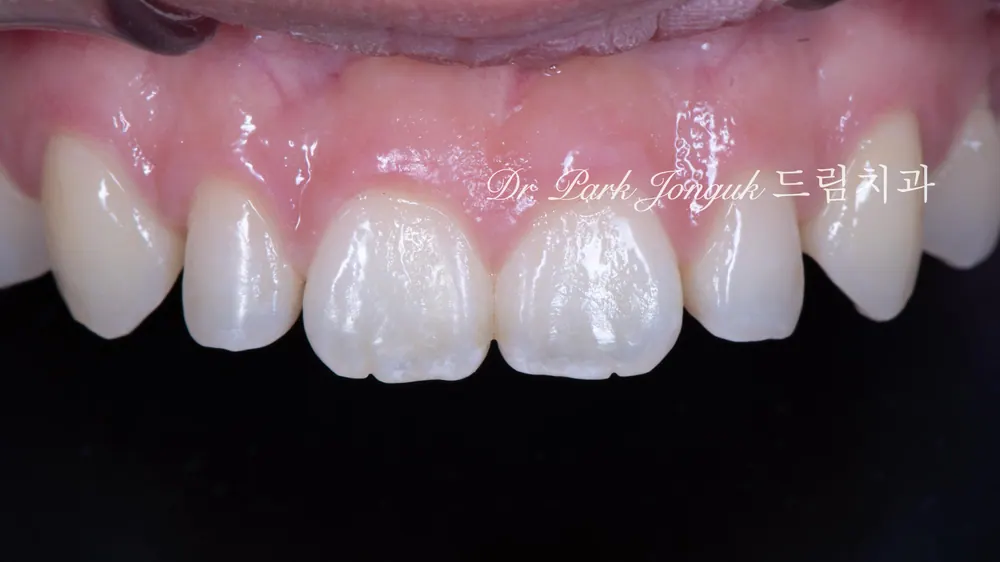
Photo 1 shows the before-treatment state of a patient in her 20s whose lateral incisors on both sides were peg laterals.
The two central incisors were large while the adjacent teeth were small, with space on both sides, so the eye was drawn there when she smiled.
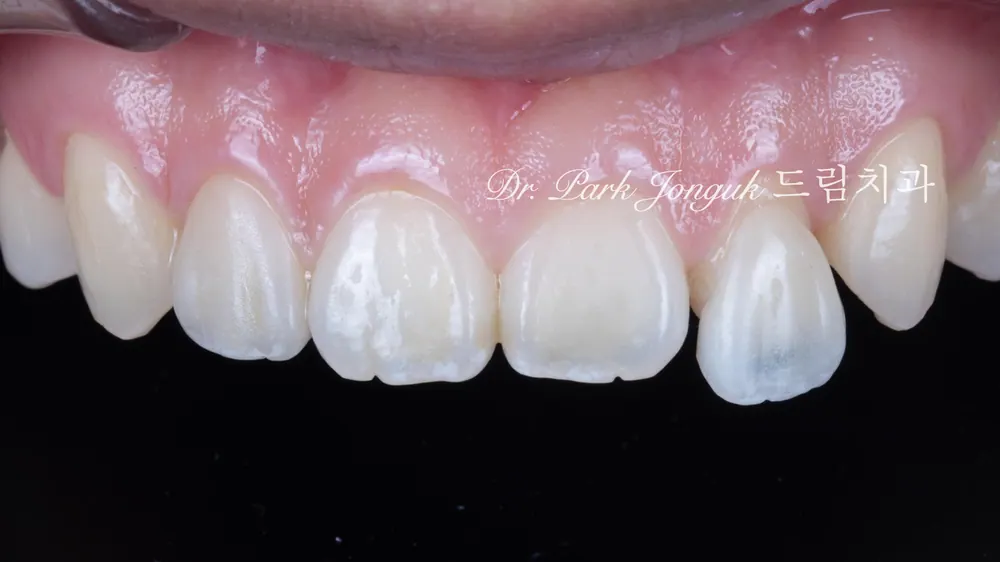
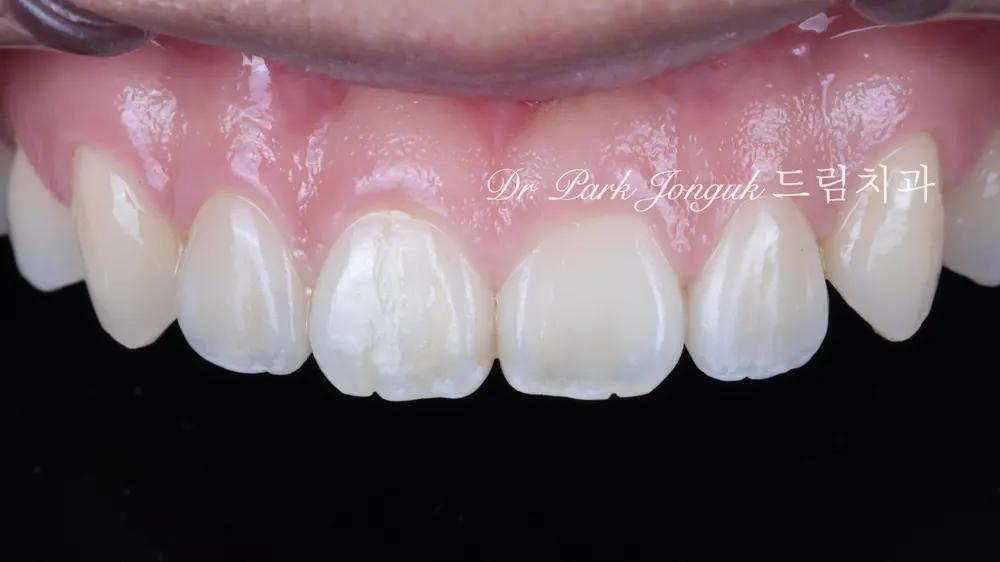
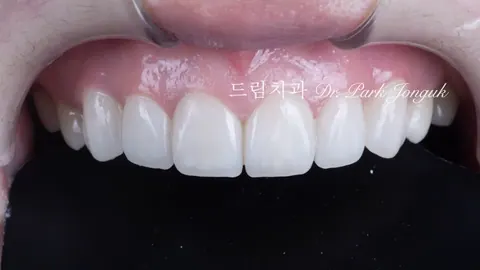
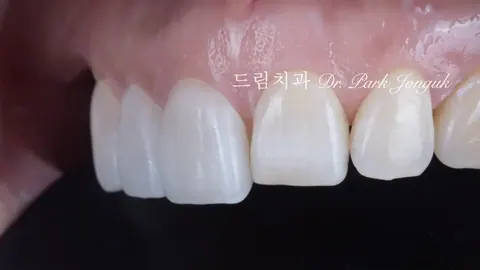
Photos 2 and 3 are right after the two no-prep veneers were bonded on.
The teeth weren't reduced at all.
The ceramic was built up layer by layer so the color and translucency would flow seamlessly into the adjacent teeth.
The goal of treating a peg lateral isn't a tooth that stands out as pretty, but one that looks like it was always this way.
Frequently asked questions
Q. I only have one peg lateral. Can I just treat that one tooth?
Yes. In fact, I prefer treating only as many teeth as necessary. If the color of the adjacent tooth can be reproduced accurately, even a single tooth can look natural.
Q. Don't no-prep veneers come off easily?
Now that bonding techniques have improved, there's not a big difference in retention compared to the reduced type. That said, any veneer faces more strain if there's severe teeth grinding or a poor bite, so occlusal diagnosis before treatment is essential.
Q. I'm currently in orthodontic treatment. When should I get a veneer for a peg lateral?
As a rule, after orthodontics is finished. Orthodontics secures the right amount of space at the peg lateral's location, and once you enter the retention period, the veneer completes the shape. Discussing the space design with your orthodontist before treatment leads to better results.
In closing
A peg lateral is congenital, but that doesn't mean it has to stay that way for life.
There are more cases than you'd think that can be resolved without reducing the tooth at all.
If you're wondering whether your teeth are suitable for no-prep veneers,
Dream Dental Clinic will give you an accurate diagnosis.
This article is a clinical note written by Dr. Park Jonguk of Dream Dental Clinic, Gangnam; the original was published on his blog. The photographs shown are real cases he treated. Results vary with each patient’s condition, and every procedure carries the possibility of individual variation and side effects.
Quick Consult
Request a Callback
Leave your number and we will call you back during clinic hours.
Request Received
We will contact you during clinic hours. For urgent matters, please call +82-2-3448-0028.