
 01
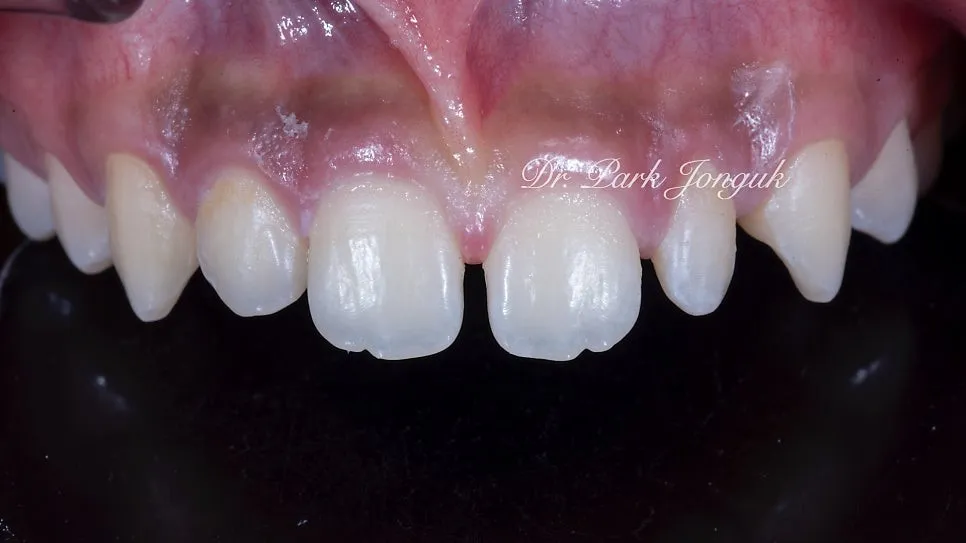
01 Tooth–jaw size mismatch
Teeth small relative to the jaw leave extra space as gaps — the most common type, and the one veneers suit best by adding form.
Gapped Teeth
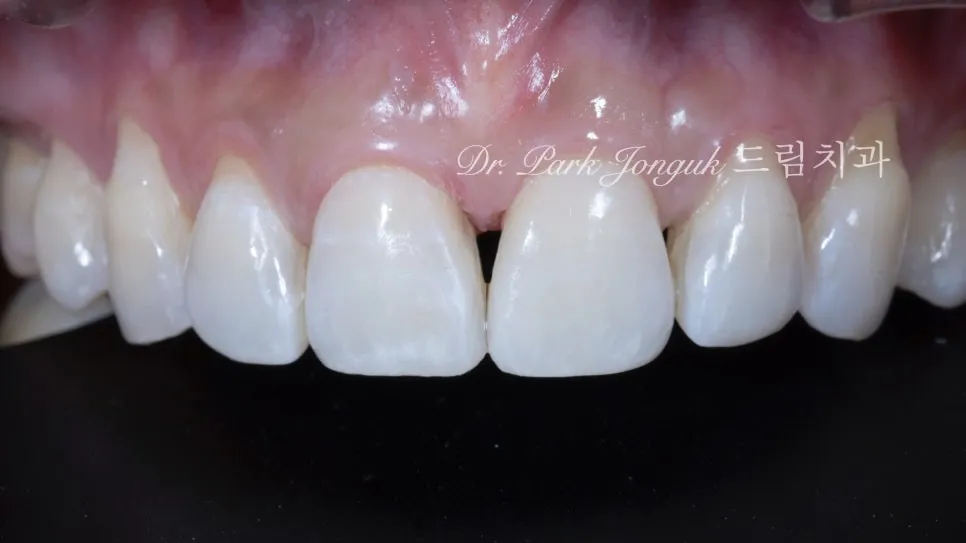
Simply filling a gap makes front teeth look oversized. We plan the design around tooth width-to-length ratios and the gum line, deciding which teeth share the gap and by how much.
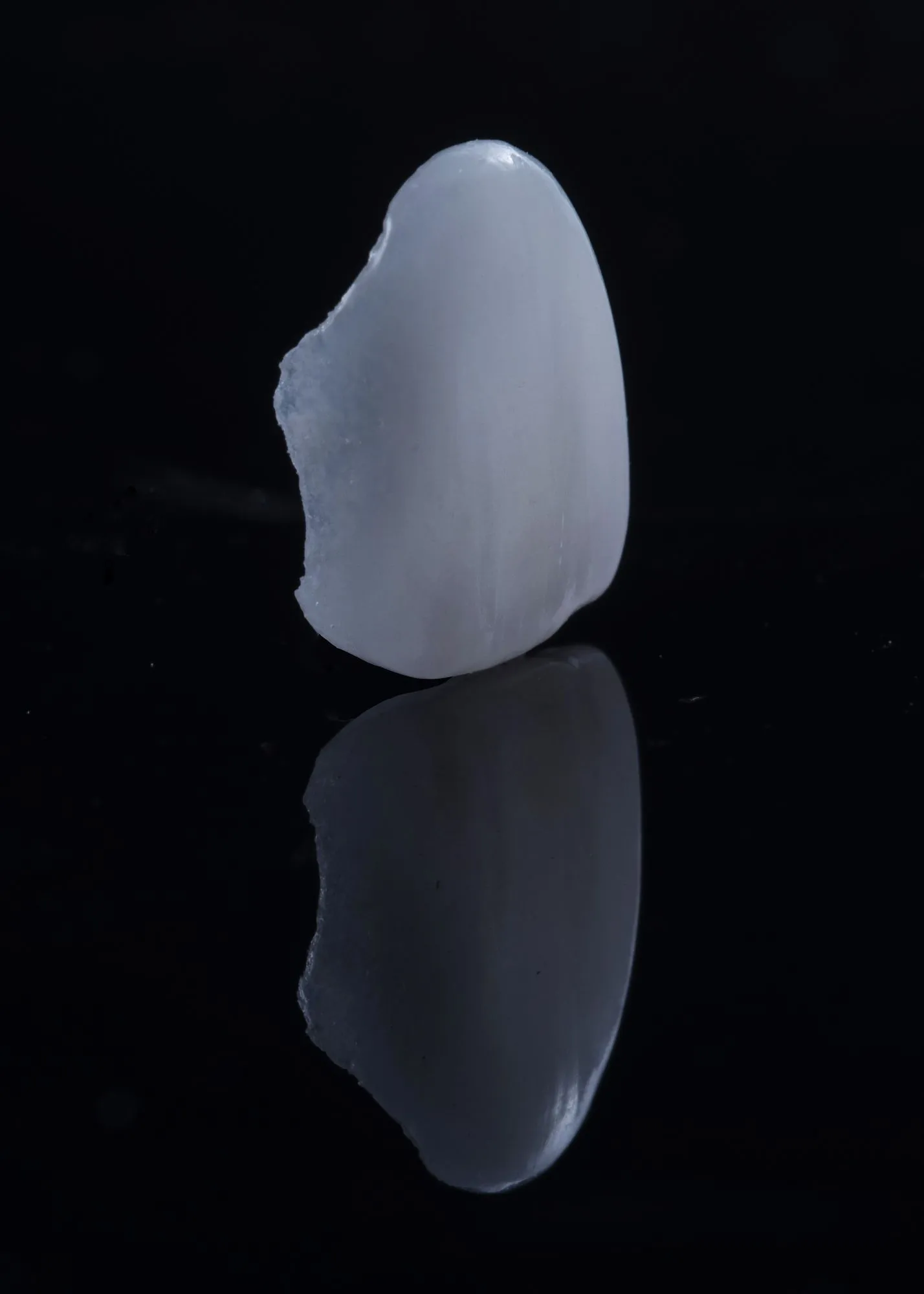 PORCELAIN VENEER
 Diastema
A diastema is a space between teeth, most visibly between the front two. Teeth small for the jaw, peg-shaped laterals, tongue pressure, or childhood habits — the causes differ, so the right answer differs too.
Four Causes
The same gap calls for different treatment depending on its origin. Diagnosis always starts with “why did it open?”
01 Teeth small relative to the jaw leave extra space as gaps — the most common type, and the one veneers suit best by adding form.
 02
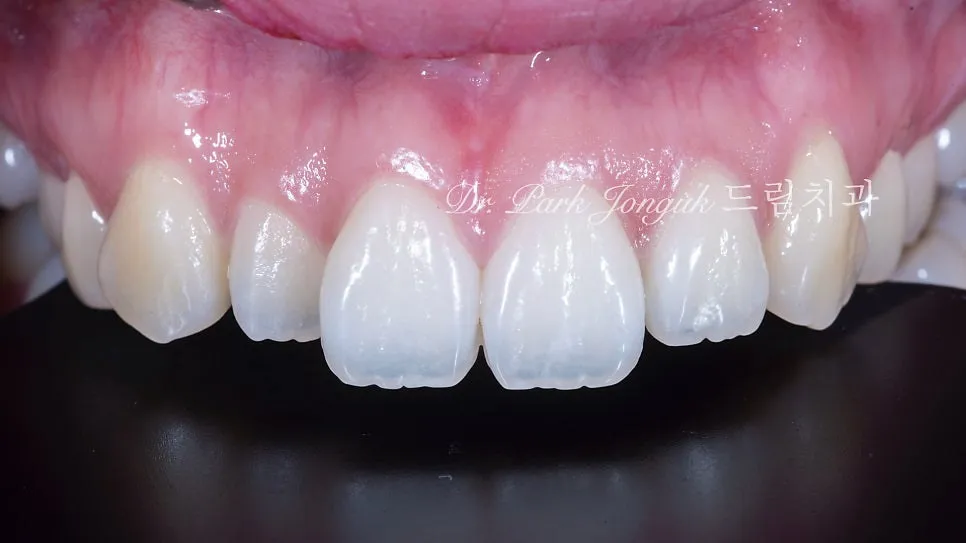
02 Small, pointed lateral incisors break the left–right balance and open spaces. Building up the peg tooth restores the symmetry.
 03
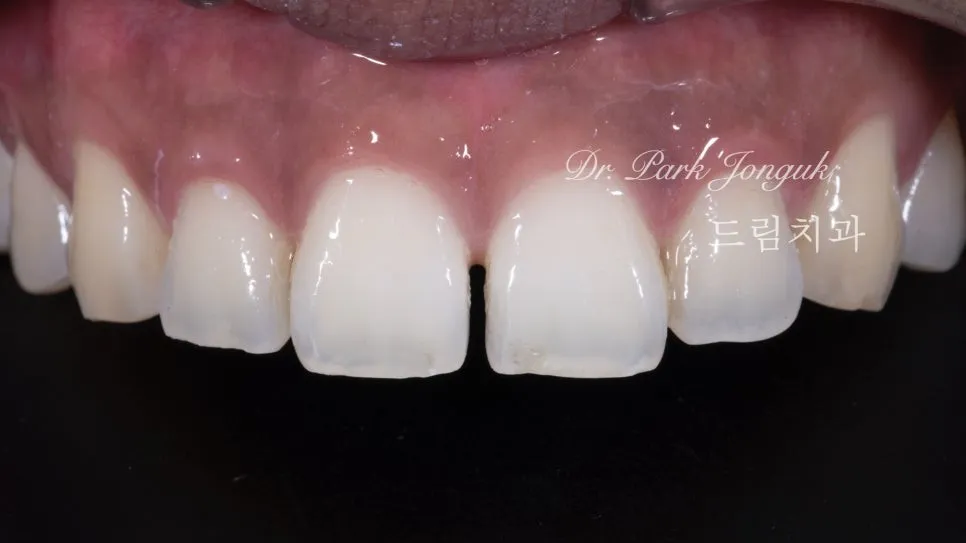
03 A low-attached lip frenum or a tongue-thrust habit can push front teeth apart — managed together with the veneer plan.
 04
04 If periodontal disease pushed the teeth apart, gum treatment comes first. Respecting that order is what prevents relapse.
BEFORE / AFTER
Real veneer cases treated by Dr. Park Jonguk at Dream Dental Clinic, Gangnam. Tap a photo to compare before and after up close.
The before-and-after photos above are real clinical cases treated at Dream Dental Clinic, Gangnam (Dr. Park Jonguk). Results vary with each patient’s condition, and every procedure carries the possibility of individual variation and side effects.
Indications
When the cause lies in tooth size or shape rather than the whole bite, adding form with veneers is often the efficient choice.

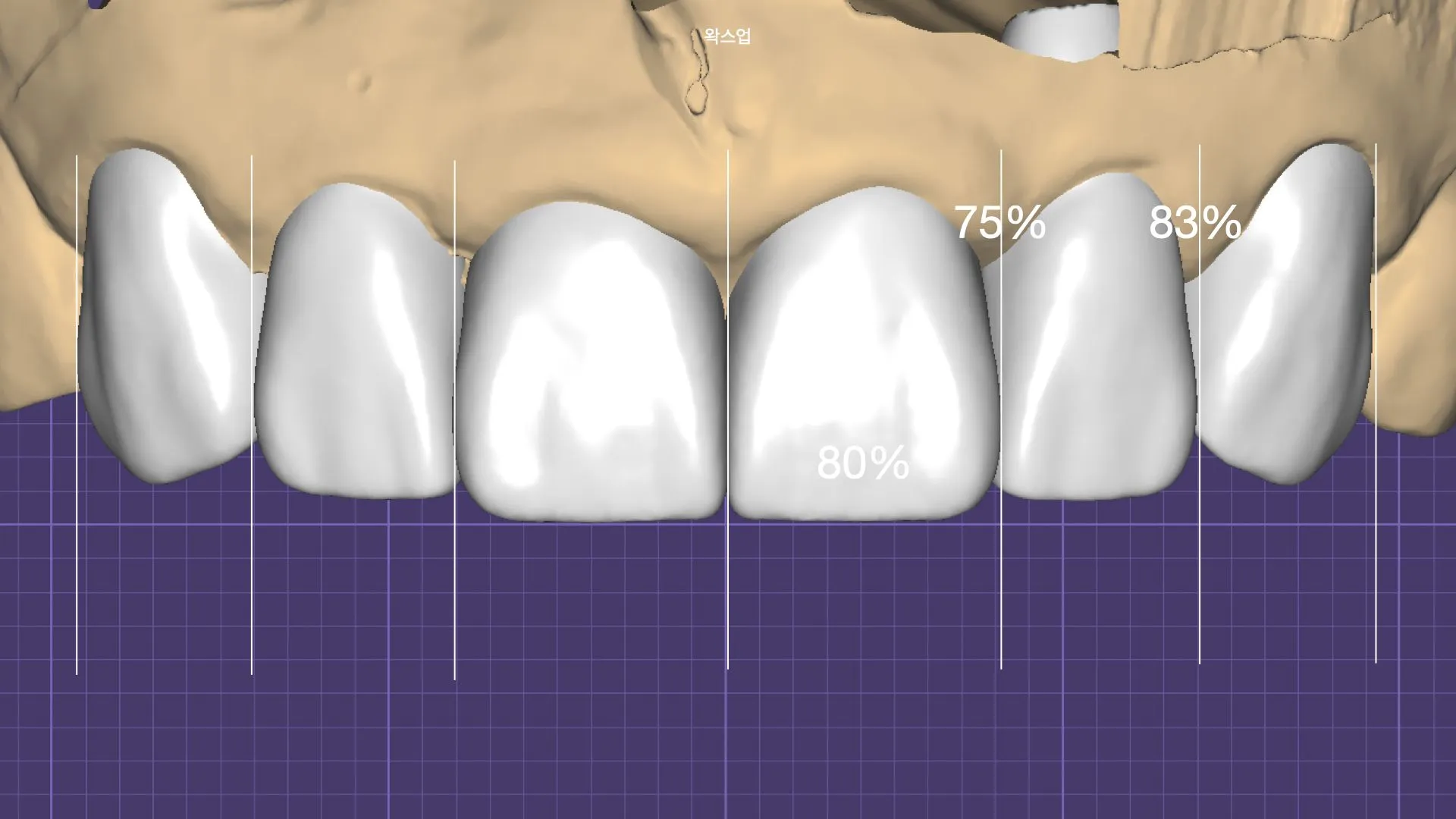
Filling only the gap makes the two front teeth look unnaturally wide. We distribute the space across neighboring teeth by ratio, so nothing looks patched.
How It Works
Twenty years of veneer practice, one principle: look for the no-prep option first, and trim only what is calculated.
A gap means space already exists — shells can often be seated without any reduction. We check this possibility first.
Width-to-length ratios and the smile line decide how the space is distributed — drawn digitally before anything touches a tooth.
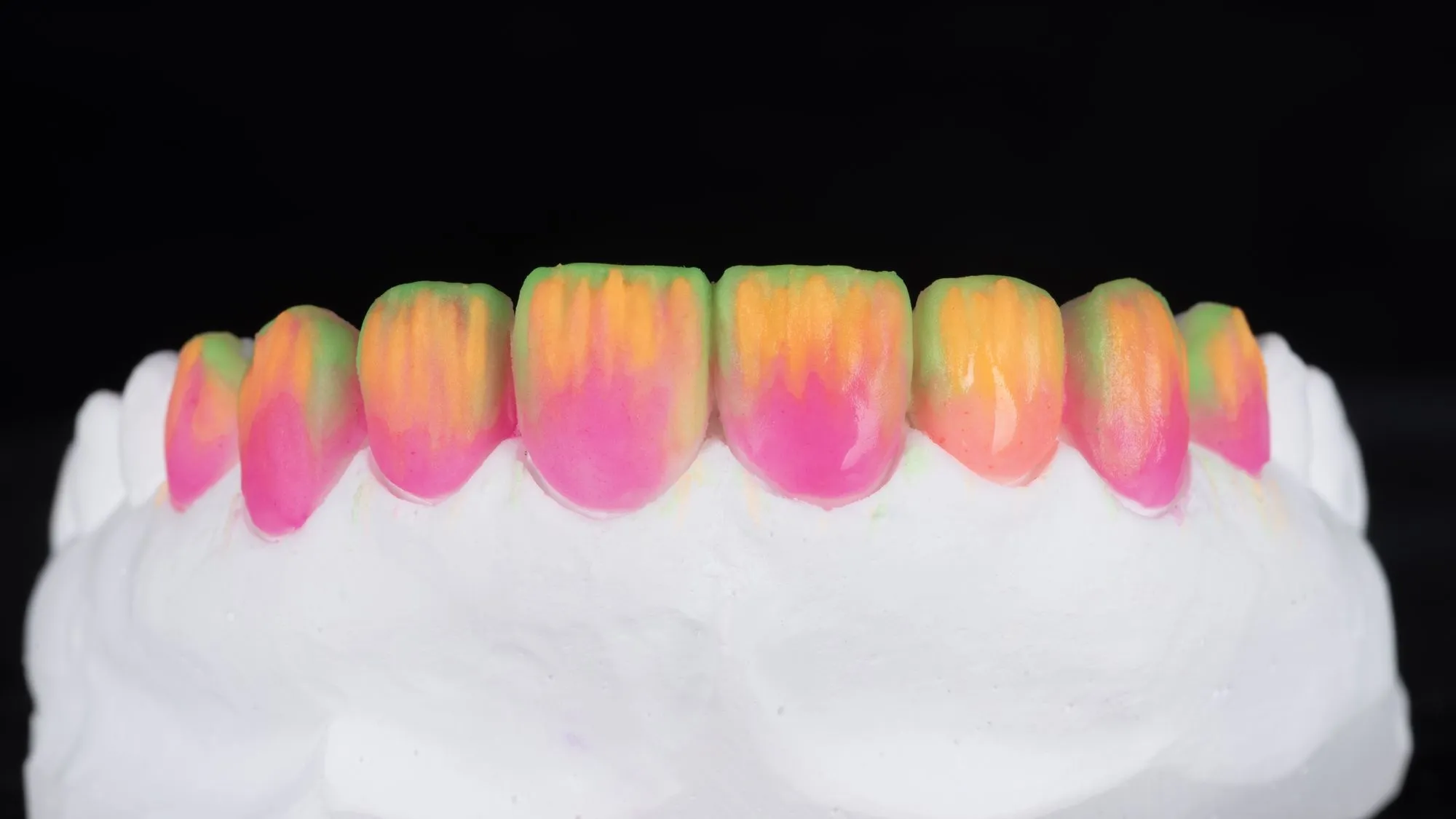
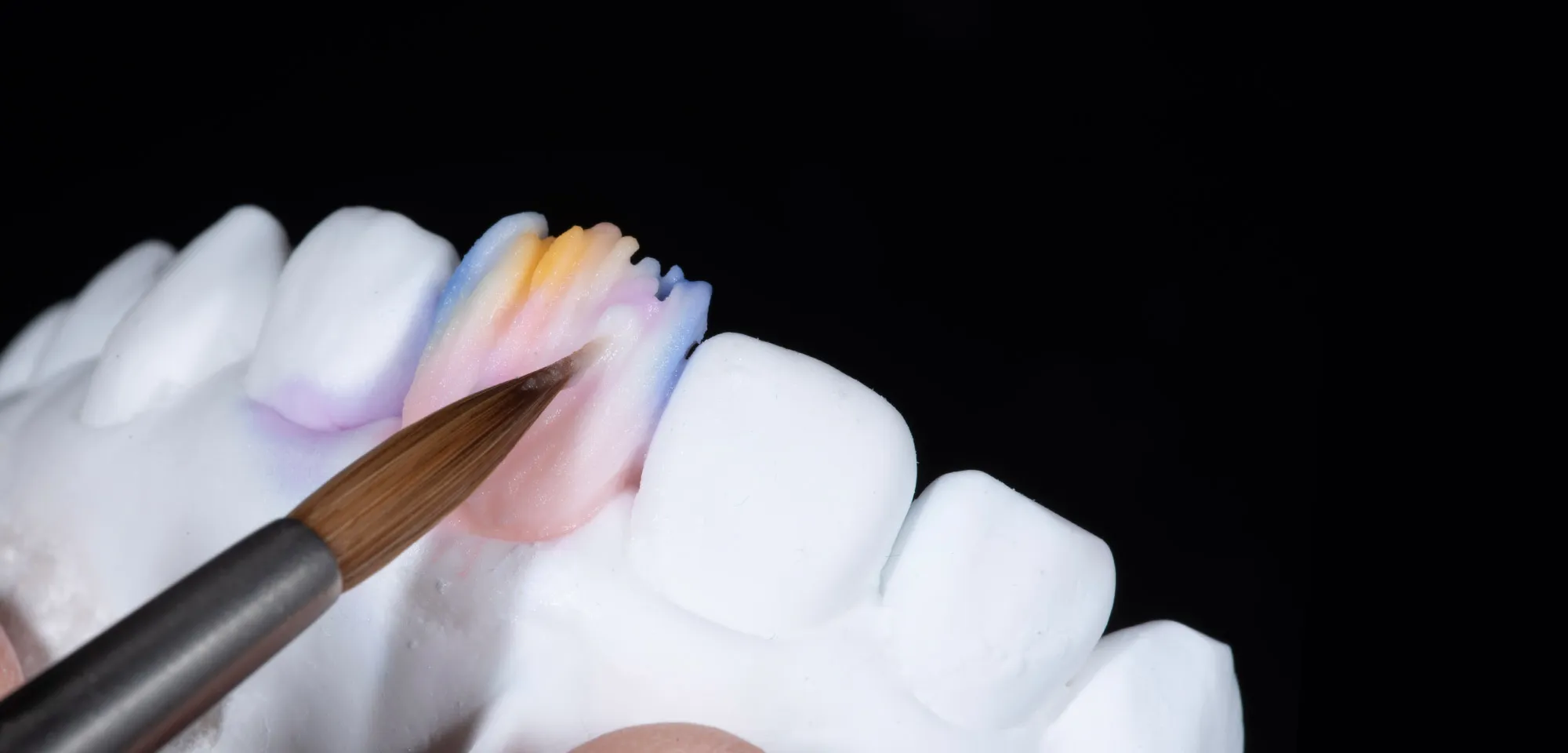
Ceramics are layered by hand to adjust translucency, matched to the neighboring shade so the closed area does not stand out brighter.
Once diagnosis and design are set, the treatment itself is usually brief. Duration varies by individual condition.
Veneer vs Ortho
If the cause is the whole arch rather than tooth shape, orthodontics can be the better path — we tell you which side your case falls on.
| Veneers | Orthodontics | |
|---|---|---|
| Best for | Local gaps from tooth size/shape | Gaps from overall alignment |
| Duration | Usually 2 visits (2–3 with minimal prep) | Months to years |
| Shape & shade | Corrected together | Position only |
| Relapse | Closed by form — relatively stable | Retainers essential |
Process
Diagnosis
We classify the cause and honestly recommend veneers or orthodontics.
Digital design
Park’s AES protocol plans space distribution and proportions in advance.
No-prep / minimal prep
If reduction is needed at all, only the calculated minimum.
Build-up & bonding
Hand-layered shells are precisely bonded and the bite is checked.
Check-up
We review the result and go over care routines.
Residual gaps and black triangles after braces are among the most common cases we finish with veneers.
By Gap Width
A 1mm gap and a 3mm gap call for different shell counts and distribution. We measure the space at diagnosis and choose the design path accordingly.
Often closed by slightly widening just the two central incisors — the type most likely to proceed fully no-prep.
Widening only two teeth can make them look oversized, so we consider distributing the width across four — centrals and laterals.
Closing by form alone can break the proportions, so we may stage the plan: partial orthodontics to shrink the space first, veneers to finish.
When teeth are small overall, the shell count is planned around what the smile line actually reveals — only the teeth that need it.
Quick Consult
Leave your number and we will call you back during clinic hours.
Request Received
We will contact you during clinic hours. For urgent matters, please call +82-2-3448-0028.
The available range depends on your condition. Feel free to ask us.
FAQ
Orthodontics closes gaps by moving teeth, which is why retainers are essential afterward. Veneers close them by form, so relapse pressure is low — though if gum disease caused the gap, periodontal care must continue alongside.
A central gap is most often finished with exactly two. Multilayer build-up is layered to the shade and translucency of the neighboring teeth, with the aim that even two veneers blend in.
Resin bonding finishes same-day and costs less, but can discolor and wear over time. Ceramic veneers hold their shade and carry a surface texture much closer to enamel — the stronger choice for long-term front-tooth aesthetics.
Yes — residual gaps and black triangles after orthodontics are classic veneer cases. With alignment already settled, they often proceed no-prep or micro-prep.
The tooth form can be widened to shrink the triangle. If gum recession is the cause, the gums are evaluated first, and we tell you honestly how much improvement is realistic.
A gap means space for the shell already exists, so gapped teeth are among the most likely no-prep cases. Eligibility is confirmed against the S·A·F criteria at diagnosis.
Yes — replacing stained resin with a ceramic shell is a common request. Ceramic strongly resists shade change, easing the worry of coffee and tea staining over the years.
They can, but lower incisors are small and take direct bite force, so the design is more demanding. After a bite assessment we recommend veneers or an alternative, whichever genuinely fits.
Yes — and you should, since hygiene at the shell margin is what protects its lifespan. Sliding the floss out sideways rather than snapping it upward puts less stress on the bonded edge.
If air used to escape through the gap and blur your “s” sounds, closing it can actually sharpen them. A few days of adaptation to the new contours is normal, and speech is tested in advance at try-in.
A gap during growth often closes on its own as the canines erupt, so watchful waiting usually comes first. Veneers are considered only after growth is complete — for children, an exam to identify the cause is all we recommend.
Veneers close the space by form, so relapse pressure is low — but if a tongue-thrust habit or gum disease caused the gap, managing that cause keeps things stable. Check-ups review the gums and bonding margins together.
The shell’s side surfaces are designed with natural tooth-to-tooth contact, so trapping usually decreases compared with the open gap. Floss passing with slight resistance is the sign of ideal contact.
Gapped teeth usually finish within two visits over one to two weeks, so planning around a shoot or ceremony is realistic. Counting a buffer check-up, we suggest a first consult four to six weeks out.
This page is general information about the treatment. Diagnosis, treatment options, and duration vary by individual condition — an in-person examination is how we plan your actual care.
Articles
How the same topic is judged chairside, written up with real cases.
Find out honestly whether your gap suits veneers. Registration until 17:30 weekdays, 12:30 Saturdays.