
Resin
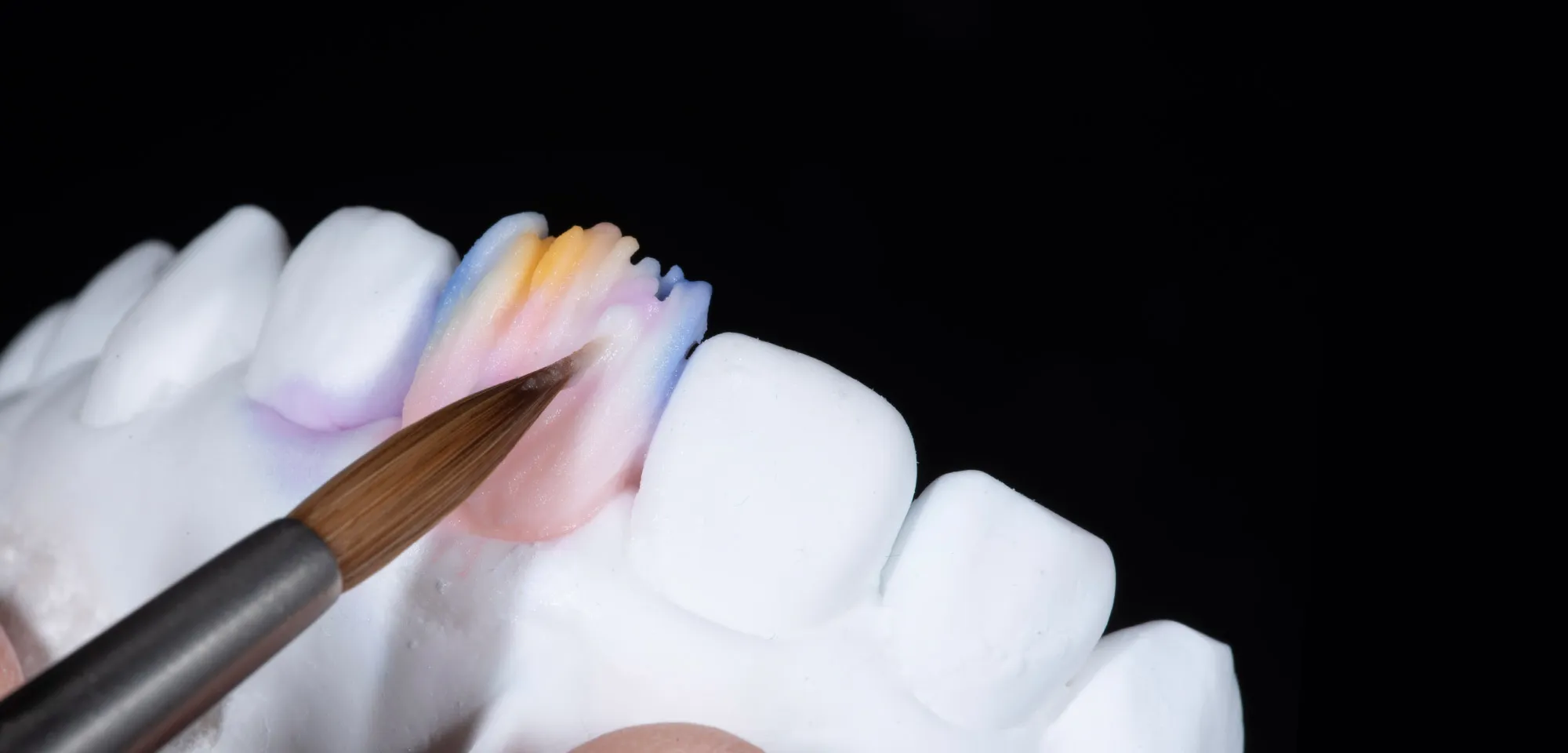
A tooth-colored filling for smaller cavities, preserving as much tooth structure as possible.
One-Day Cavity Treatment
Deeper cavities that need an inlay or crown used to mean impressions and a second visit. With an intraoral scanner and in-office CEREC milling, we can plan decay removal and the final ceramic restoration in one day, depending on the extent of the cavity and the condition of the tooth.
 GENERAL CARE
 One-Day Treatment
After decay is removed, the tooth needs to be rebuilt to its original shape for comfortable chewing and speech — and to protect what remains. Instead of conventional impressions, we scan the tooth with a 3D intraoral scanner and mill a ceramic restoration on site, reducing the days spent waiting with a temporary.
Stages of Decay
The treatment a cavity needs depends on how far it has progressed. The earlier it is found, the less tooth structure is removed — which is why regular checkups matter.
| Stage | Condition | Typical treatment |
|---|---|---|
| 1 · Enamel | Only the surface is affected; usually no pain or symptoms | Monitor with good care, or restore with resin once a cavity forms |
| 2 · Dentin | Sensitivity or mild pain may appear | Resin or an inlay, depending on the extent |
| 3 · Pulp (nerve) | Growing sensitivity to temperature and stronger pain | Root canal treatment followed by a crown, depending on the pulp |
| 4 · Root apex | Decay has reached the root tip | Preservation is evaluated first — root canal retreatment or apical surgery — with extraction and replacement only when saving the tooth is unlikely |
Restoration Types
The method is chosen by the size and location of the cavity — or, when a tooth is lost, by how it is best replaced.
A tooth-colored filling for smaller cavities, preserving as much tooth structure as possible.
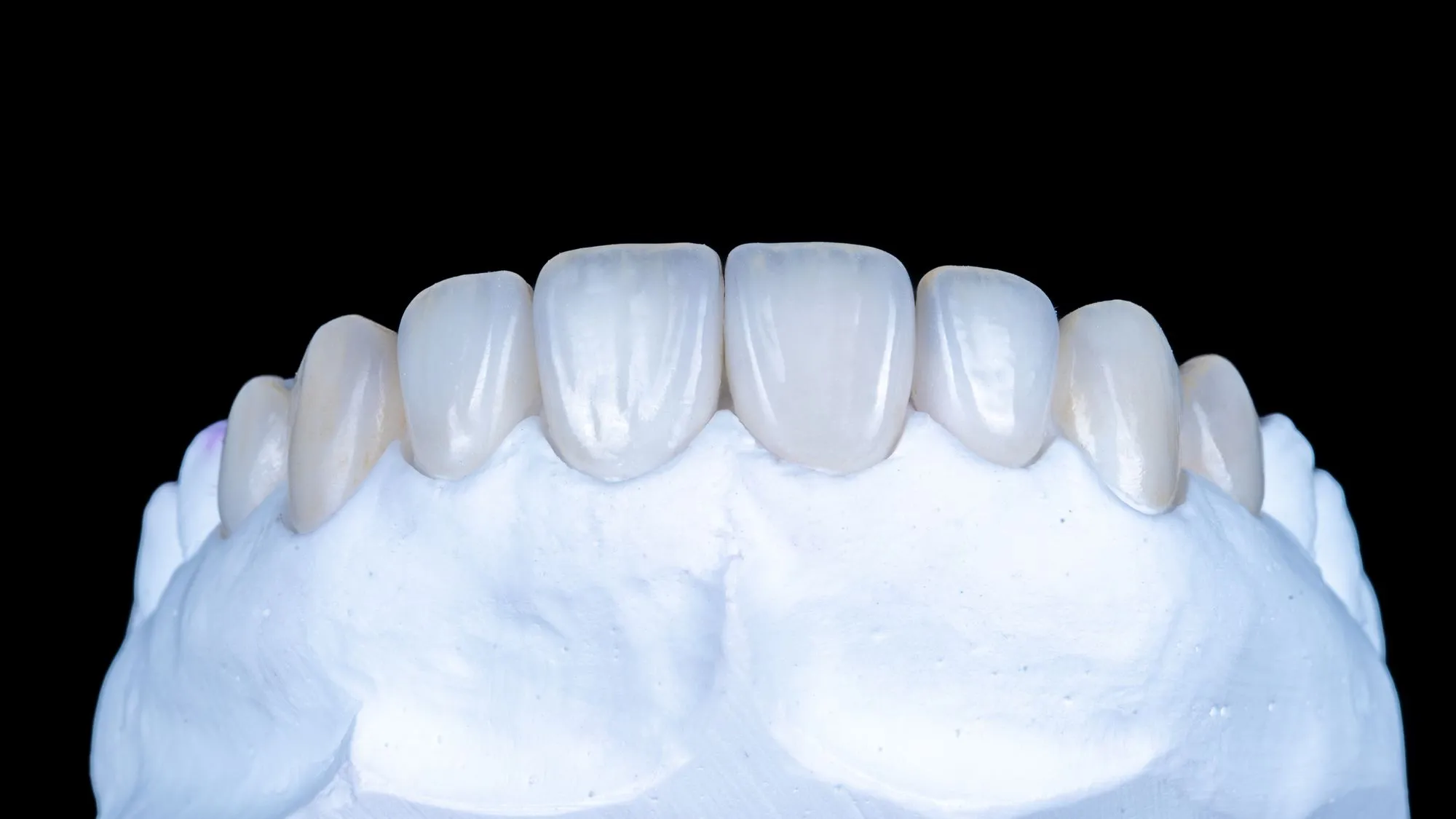
A custom-made restoration bonded into larger cavities that resin alone cannot rebuild.
A full covering that protects a tooth after root canal treatment or when the remaining walls are thin.
A connected restoration that replaces a missing tooth by anchoring to its neighbors.

CEREC Process
CEREC mills a ceramic restoration in-office from scan data. Details vary with the cavity and the bite.
Decay removal and 3D scan
The cavity is cleaned, then the tooth and bite are scanned — no impression material.
Restoration design
The restoration is designed on the scan data to match the tooth and occlusion.
In-office milling
The CEREC unit mills the restoration from a ceramic block on site.
Bonding and bite check
The finished restoration is bonded and the bite is adjusted.
Materials
The material is chosen by the size and position of the cavity, esthetics, and chewing force.
| Compare | Resin | Ceramic | Gold alloy |
|---|---|---|---|
| Best for | Smaller cavities, visible areas | Wider cavities or between teeth | Large cavities on hard-chewing molars |
| Esthetics | Tooth-colored | Excellent shade and translucency | Metal color shows |
| Character | Preserves tooth structure | Stronger than resin | Durable, balanced against natural teeth |
When to Visit
Early decay rarely hurts — most is found at regular checkups.
Very early decay can sometimes be monitored with good care rather than drilled right away. Once decay passes into dentin, however, it does not heal on its own — timing matters. If the decay has reached the nerve, see our guide to microscope root canal treatment.
Quick Consult
Leave your number and we will call you back during clinic hours.
Request Received
We will contact you during clinic hours. For urgent matters, please call +82-2-3448-0028.
The available range depends on your condition. Feel free to ask us.
FAQ
Inlay and crown restorations without nerve involvement can usually be planned for same-day completion. If the decay has reached the nerve or the gums need treatment first, more visits may be needed. We confirm the schedule after an examination.
A system that mills ceramic restorations in-office from a 3D intraoral scan. It removes the impression tray and the outside-lab waiting period, so bonding can proceed the same day when the tooth allows.
Amalgam is economical but requires more tooth removal and carries corrosion, staining, and fracture-related recurrence concerns, so its use has declined. We discuss resin, ceramic, or gold according to the tooth and its position.
A tooth that had deep decay may feel temporarily sensitive after treatment, and this usually settles with time. If sensitivity lingers or chewing stays painful, the nerve may need evaluation — please visit for a check.
This page is general information about the treatment. Diagnosis, treatment options, and duration vary by individual condition — an in-person examination is how we plan your actual care.
Articles
How the same topic is judged chairside, written up with real cases.
We assess the extent of decay, whether same-day completion fits your tooth, and which material suits it. Reception until 5:30 pm weekdays, 12:30 pm Saturdays.