
Bonding quality
Veneers are, above all, a bonding treatment. Careful isolation and a precise protocol are what prevent debonding and microleakage.
Lifespan & Care
A veneer is not bonded once and forgotten. Bonding and bite design decide half of its lifespan; your daily habits decide the rest. Well-made veneers often serve for more than a decade — this page covers what makes that difference.
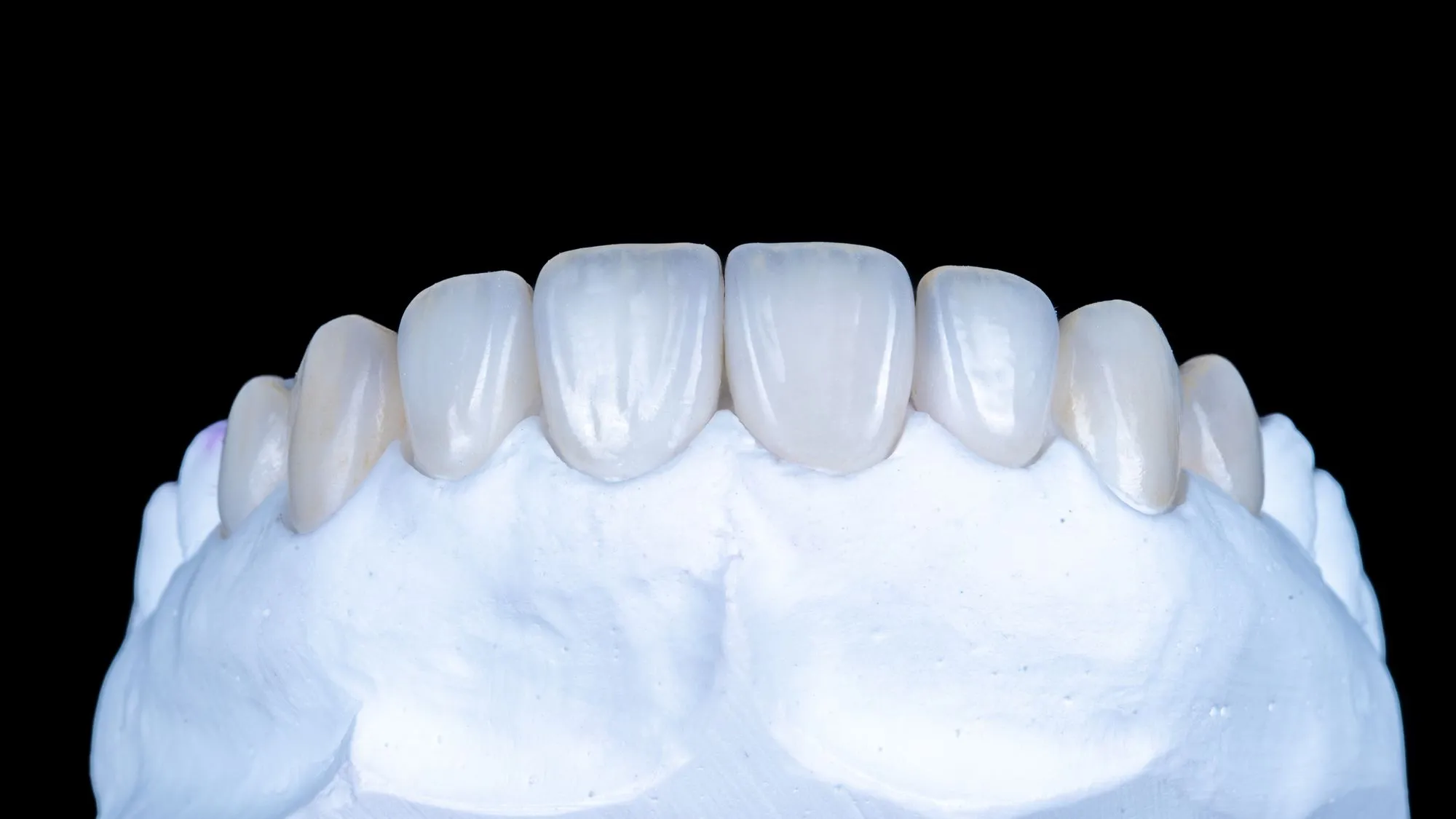 PORCELAIN VENEER
 Lifespan
It varies with care and habits, but veneers with sound bonding and a well-adjusted bite often serve for over ten years. Conversely, even the best-made veneer wears out early against grinding or rough use. Lifespan is not a property of the material — it is the sum of design and habit.
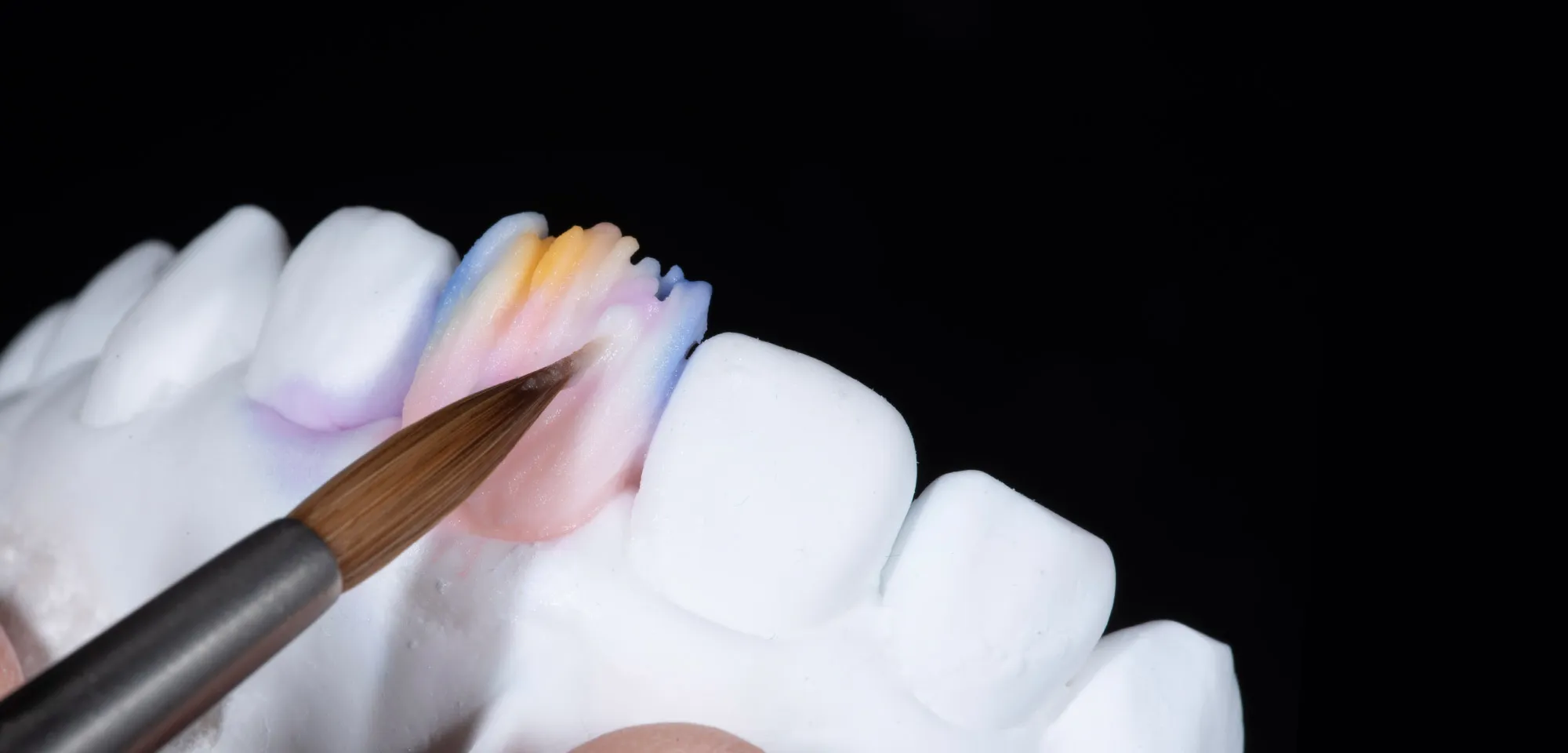
What Decides It
Half of a veneer’s lifespan is decided before you leave the chair. This is why we invest so heavily in reduction planning and bonding.
Veneers are, above all, a bonding treatment. Careful isolation and a precise protocol are what prevent debonding and microleakage.
Ceramic bonds strongest to enamel. The less we trim, the more enamel remains — the no-prep principle protects longevity, not just aesthetics.
Bite force concentrated on one tooth is how ceramic chips. Occlusal checks and adjustment after bonding lower the fracture risk.
Grinding, clenching, and biting hard objects deliver repeated impact to ceramic. If you grind, we plan a night guard alongside the veneers.
BEFORE / AFTER
Real veneer cases treated by Dr. Park Jonguk at Dream Dental Clinic, Gangnam. Tap a photo to compare before and after up close.
The before-and-after photos above are real clinical cases treated at Dream Dental Clinic, Gangnam (Dr. Park Jonguk). Results vary with each patient’s condition, and every procedure carries the possibility of individual variation and side effects.
Avoid These
These are harmful to natural teeth too — avoid them especially after veneers.

If you grind your teeth, tell us — do not hide it. With an adjusted bite design and a night guard, veneers can still serve long even for grinders.
Daily Routine
Consistency matters more than special tools. It is not far from ordinary tooth care.
Brush gently, twice or more daily
Prefer a regular toothpaste and soft bristles over abrasive whitening pastes. Sweep gently along the bonding margins.
Slide floss out sideways
Pulling floss straight up can load the veneer edge. Slide it out sideways instead.
Rinse after staining drinks
A sip of water after coffee, wine, or tea helps keep the margins clear.
A night guard if you grind
It protects ceramic and natural teeth alike from repeated impact during sleep.
Check-ups every 6–12 months
We verify bonding, bite, and gum health, and clean up staining professionally. Catching small problems early is the heart of lifespan care.
If This Happens
If you notice any of these, come in rather than wait — early visits usually mean simple fixes.
| Symptom | Likely cause | What to do |
|---|---|---|
| Brief sensitivity | Settling-in right after bonding | Usually fades within days; persistent → check-up |
| Margin staining | Stain at the bonding interface | Often resolved with professional cleaning |
| Small chip | Bite concentration or impact habits | Polishing or repair, depending on location |
| Loosening / debonding | Bond deterioration | Keep the piece and come in promptly |
| Gum recession | Gum inflammation or hard brushing | Treat the cause first; refabricate if needed |
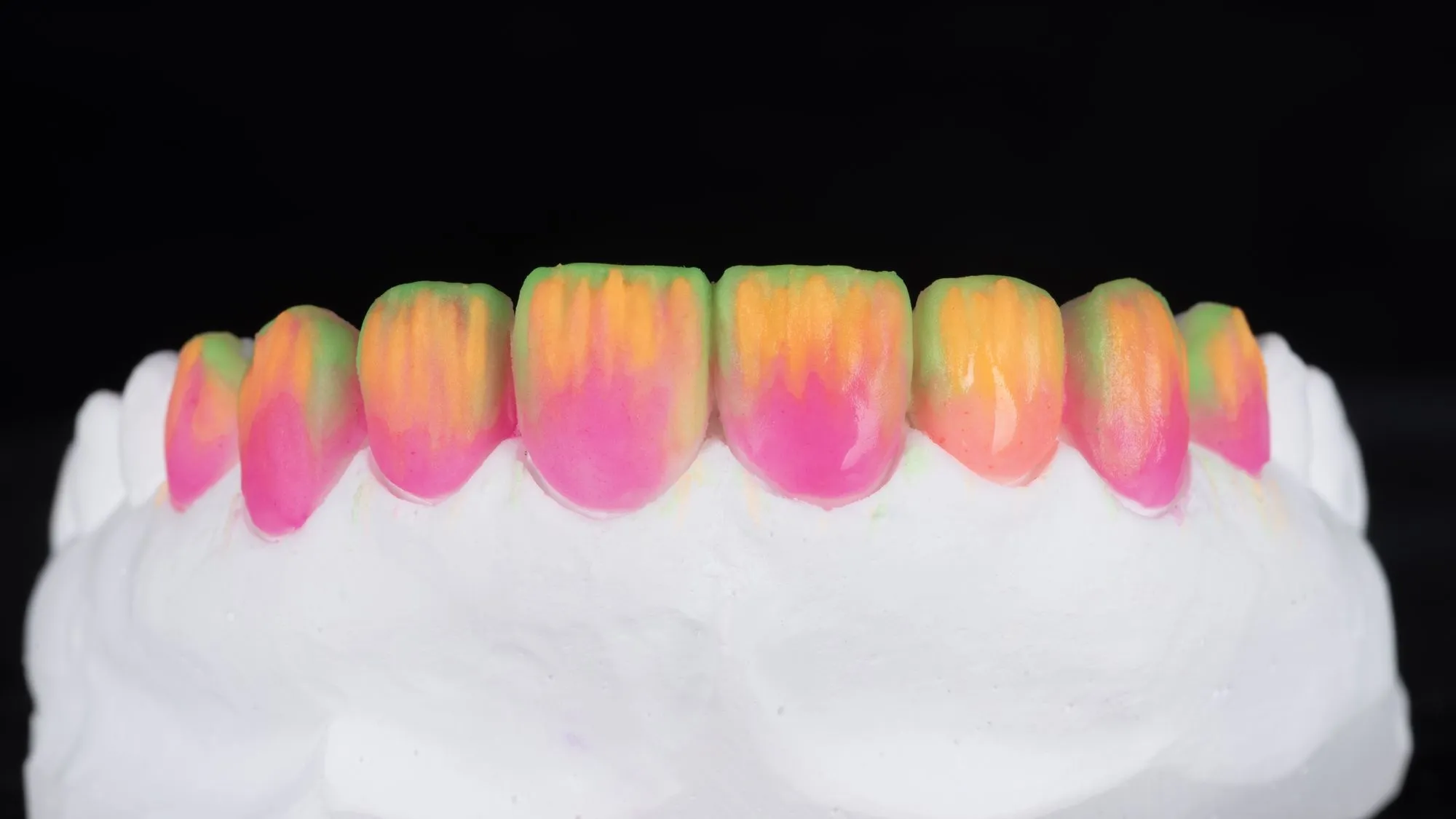
If a veneer comes off, never re-attach it with household glue — a contaminated surface can make professional re-bonding impossible. Store the piece in a clean container and bring it in; re-bonding is sometimes possible.
Myth vs Fact
The internet runs to extremes about veneer lifespan. Set against what the clinic actually sees, judgment gets easier.
| Common myth | What clinical practice shows |
|---|---|
| Veneers all fall off within a few years | Debonding mostly traces to flaws in the bonding procedure. Bonds placed under proper isolation and protocol commonly stay stable for many years |
| One treatment lasts forever | Not quite. Ceramic is still a material — habits and bite decide its span, and regular check-ups extend it |
| A veneered tooth cannot decay | The ceramic cannot, but margins and the rest of the tooth can — daily care remains exactly as necessary |
| A chip means redoing everything | Small chips are polished or repaired; even larger fractures usually mean remaking only that one tooth |
Over the Years
What we look for shifts as time passes — these are the actual items on the check-up list.
Year one — settling in
The bite stabilizes under real use. We check for subtle chewing discomfort or lingering sensitivity, and fine-tune the occlusion if needed.
Years 1–5 — traces of habit
Grinding and diet leave their marks on the ceramic surface. Night-guard fit and stain management are the focus of this period.
Years 5–10 — margins and gums
We watch the bonding margins for stain and microleakage, and the gum line for change — recession can expose the margin, so cause control matters.
Beyond ten years — selective care
Sound teeth stay as they are. Only teeth with wear or margin change are considered for repair or refabrication — condition, not age, is the criterion.
Quick Consult
Leave your number and we will call you back during clinic hours.
Request Received
We will contact you during clinic hours. For urgent matters, please call +82-2-3448-0028.
The available range depends on your condition. Feel free to ask us.
FAQ
It varies widely with habits and care, but veneers with sound bonding and bite design often serve for over a decade. With risk factors like grinding, we add protective measures to defend that lifespan.
No. Age alone is not a reason to replace them. If the bond, margins, and bite are sound, you simply keep using them with regular check-ups — we only treat what actually has a problem.
Small chips can often be polished or repaired; a larger fracture means remaking only that tooth. Laser removal lets us take off just one veneer without harming the tooth underneath.
The ceramic itself cannot decay, but the rest of the tooth and the bonding margins can. Brushing, flossing, and regular check-ups remain just as necessary after treatment.
Ceramic resists discoloration, so the veneer itself barely changes. Margins and neighboring natural teeth can stain, though — professional cleaning or whitening the neighbors restores the balance.
Every six to twelve months. We check bonding, bite, and gums, and clean off stains — catching small issues before they grow is what keeps veneers alive.
Yes — they should. Tartar control is essential for gum health and the bonding margins. Mention your veneers beforehand and the margins are treated with appropriate care.
Yes to both. Choose soft bristles for the electric brush; interdental brushes and floss actively help keep the bonding margin clean. Daily use of gritty whitening toothpaste, though, can dull the glaze — a regular paste serves better.
A stain line at the margin, lifting near the gum, recurring sensitivity, and a fading surface luster are the classic signals. If you notice them, have the veneer examined — but absent any signs, age alone is no reason to replace it.
Crunching ice or hard candy with front teeth, opening bottles or packaging with your teeth, and nail biting top the list. If you grind at night, a night guard is the key protection. Habit management alone changes the lifespan dramatically.
We inspect the bonding margins for staining or lifting, check the bite for change, review the gums, and re-polish the luster where needed. Problems caught early end with simple care — keeping the check-up rhythm is the foundation of maintenance.
For contact sports like basketball or martial arts, a custom mouthguard is recommended — it protects natural teeth too, but the value is greater with veneers in place.
Rinse it in cool running water after use and store it dry — hot water warps it. A worn or loose guard loses its protective effect, so we check its condition at your regular visits and advise when to replace it.
This page is general information about the treatment. Diagnosis, treatment options, and duration vary by individual condition — an in-person examination is how we plan your actual care.
Articles
How the same topic is judged chairside, written up with real cases.
Bonding, bite, and stain review — registration until 17:30 weekdays, 12:30 Saturdays.