
 01
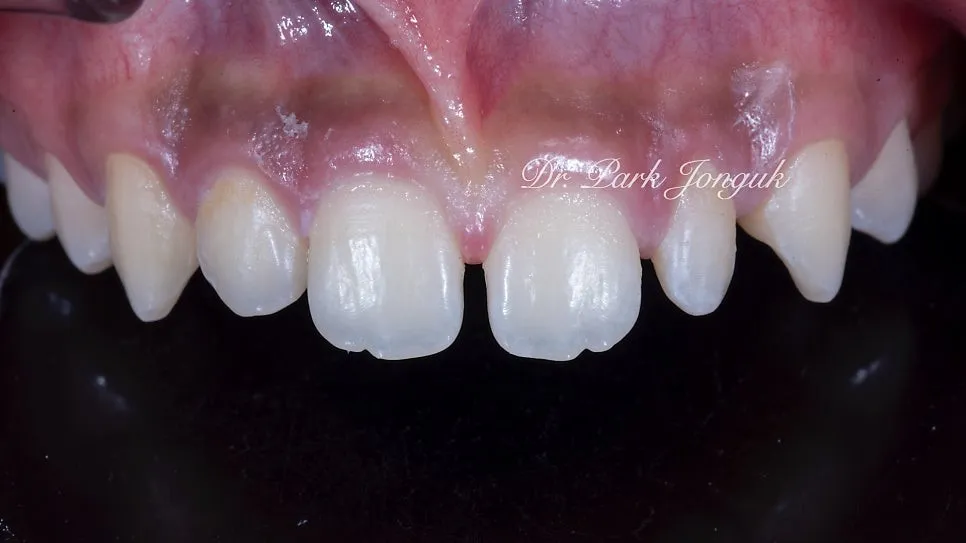
01 A gap between the front teeth
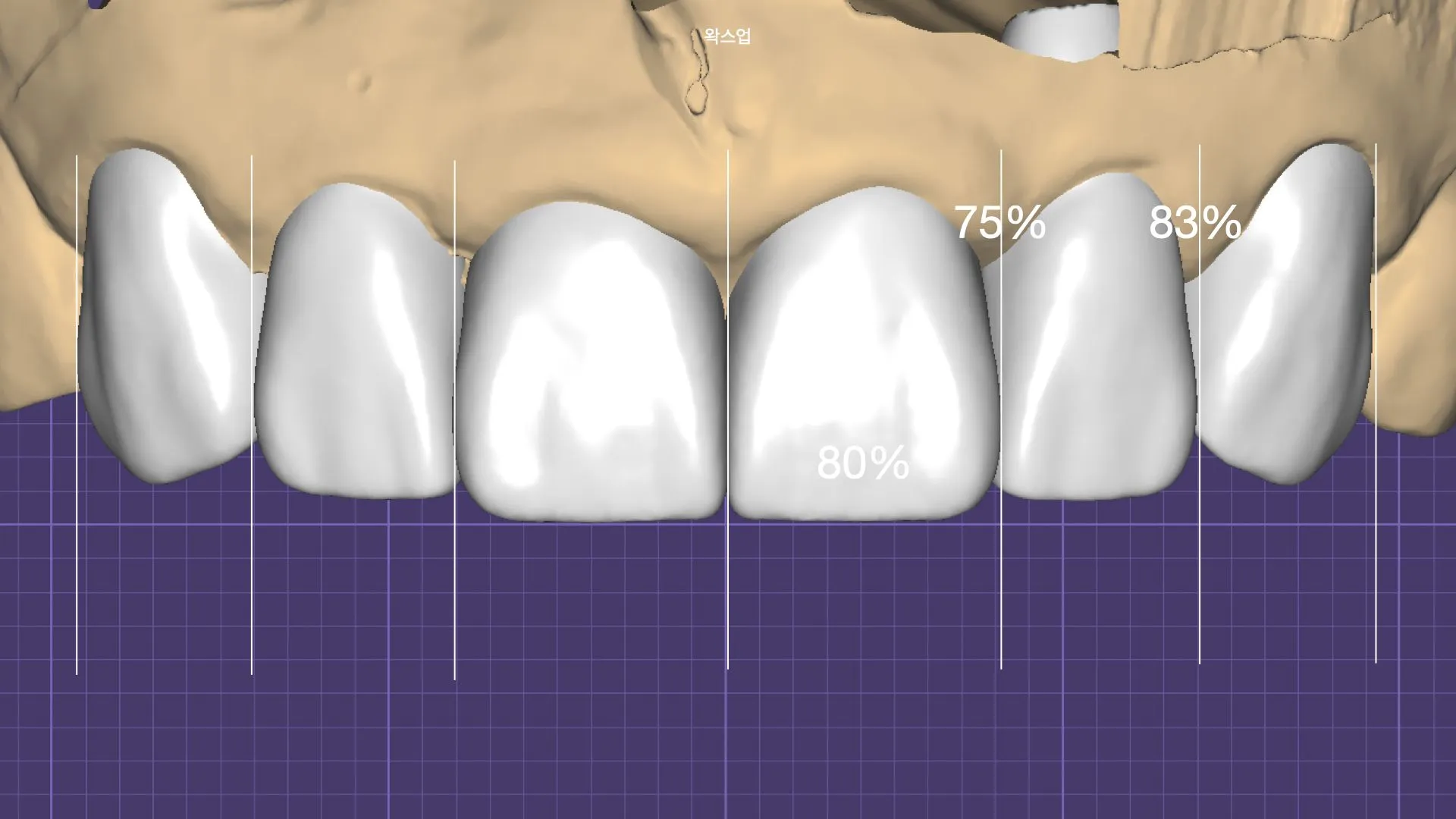
A midline diastema is closed by widening the teeth to fill the space. If the gap is wide, teeth can end up looking oversized — so how the width is distributed across several teeth is the heart of the design.
Front Teeth Veneers
The most common question about front teeth veneers is the number. Because the range that shows when you smile differs from person to person, the answer lies not in a number but in how far your smile reveals. This page covers how that range is decided and how the result stays in harmony with the teeth beside it.
 PORCELAIN VENEER
 Front Teeth
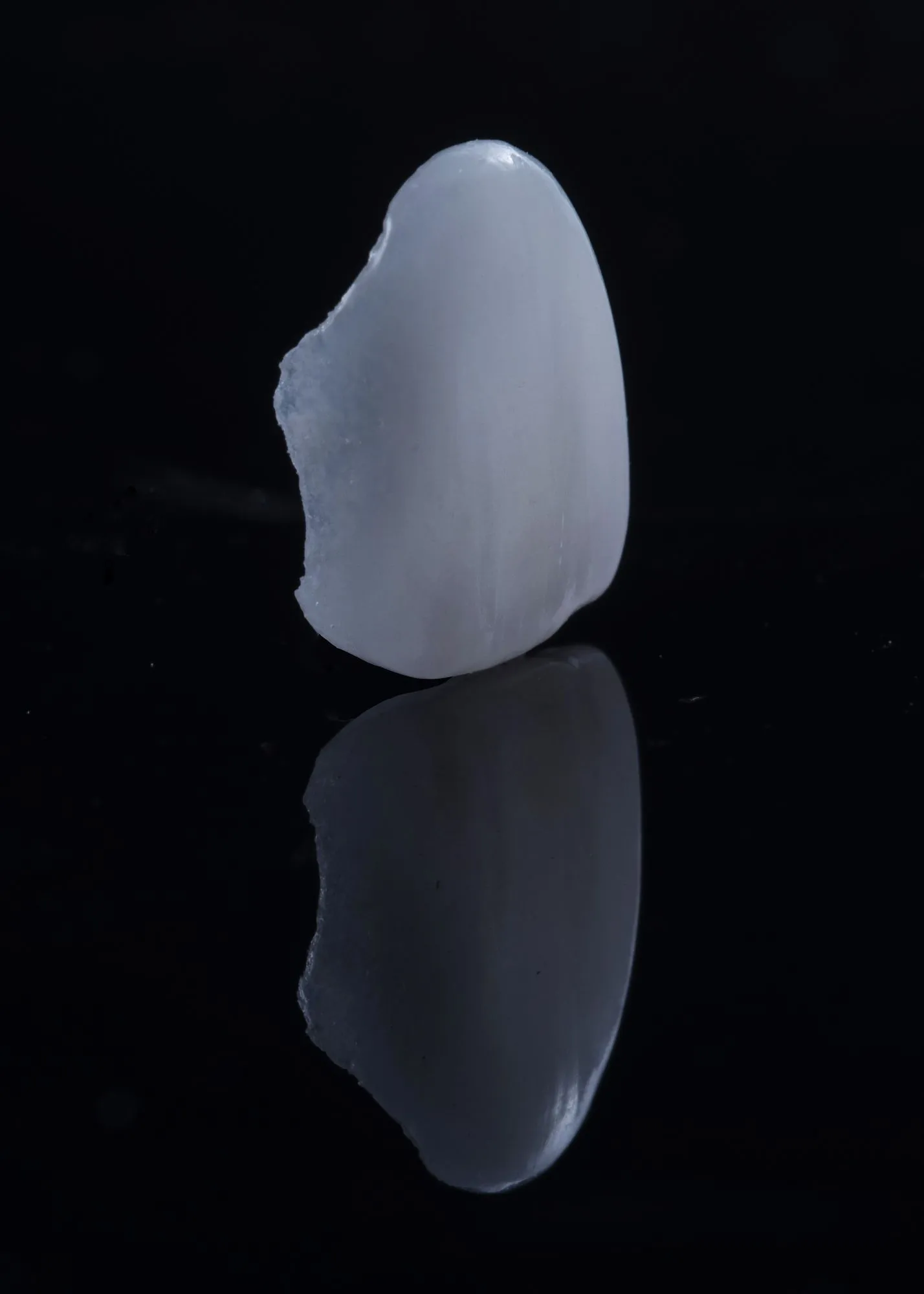
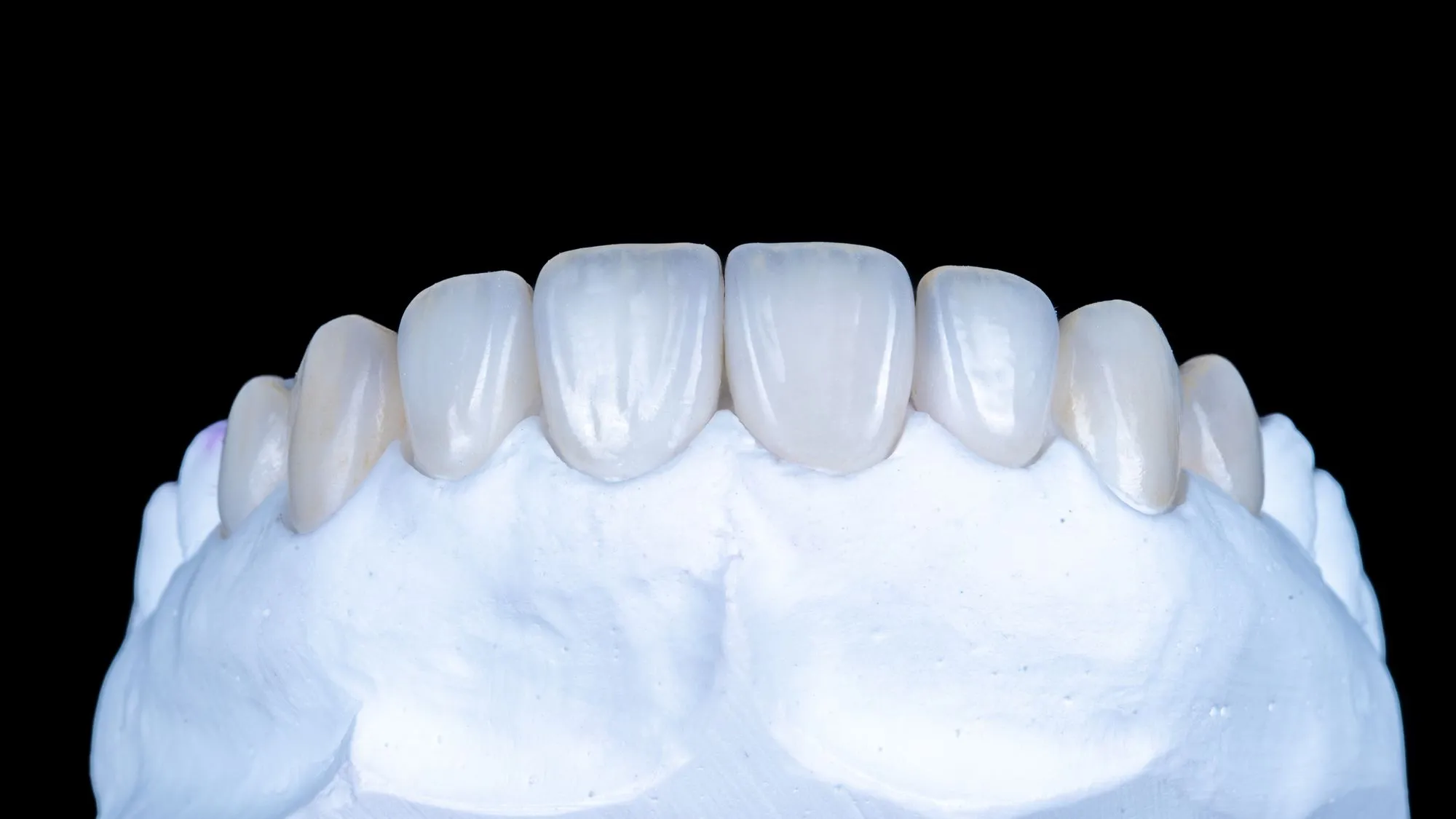
Front teeth veneers refine the shade and shape of the teeth seen first in a smile by bonding thin ceramic to their front surface. Unlike molars, front teeth are judged more by how they look than by chewing load, which is why treating only the facial surface suits them. Sometimes two central incisors are enough; a wide smile may call for six or eight planned together.
Common Concerns
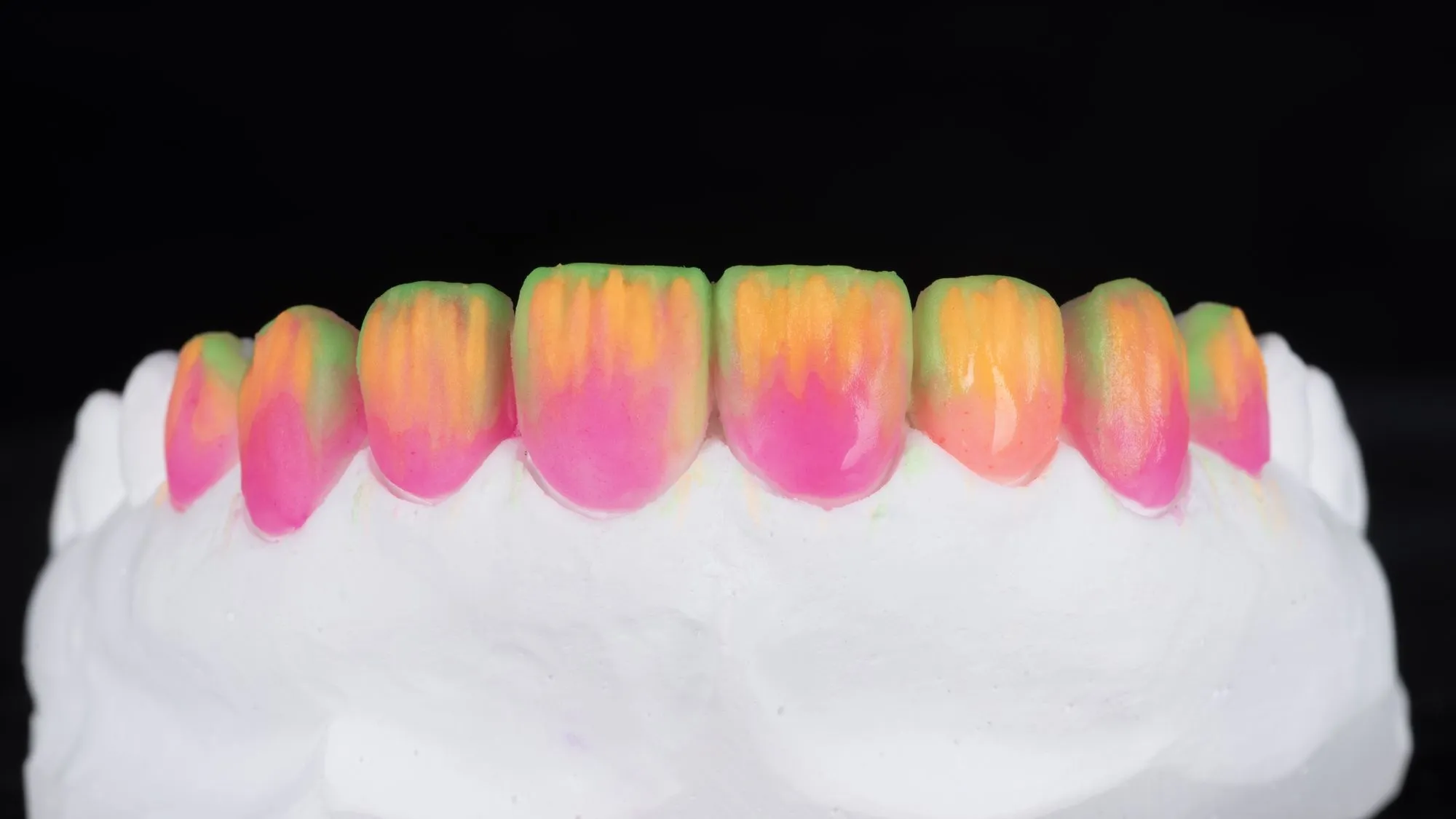
When the concern comes down to shade, shape or size, veneers can be expected to help. Detailed criteria for each condition are covered on their own pages.
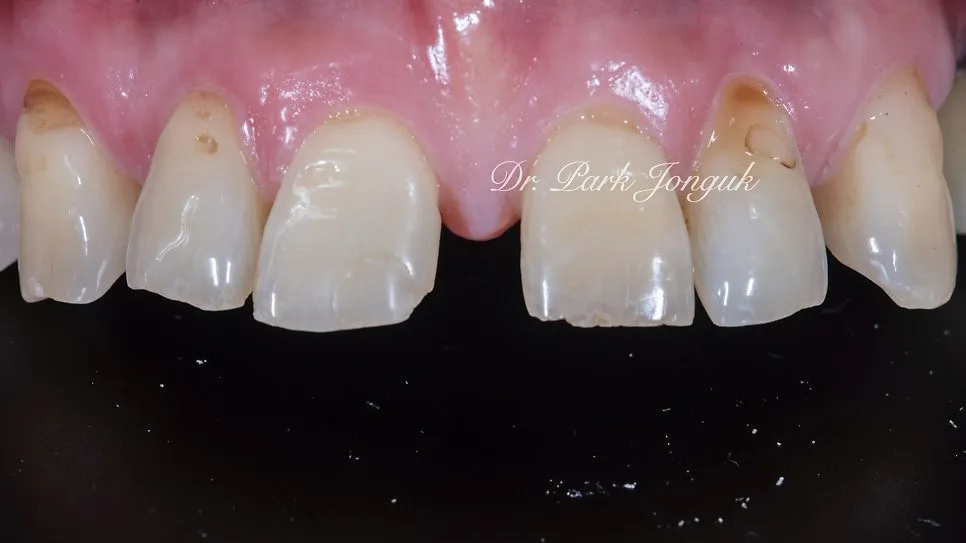
01 A midline diastema is closed by widening the teeth to fill the space. If the gap is wide, teeth can end up looking oversized — so how the width is distributed across several teeth is the heart of the design.
 02
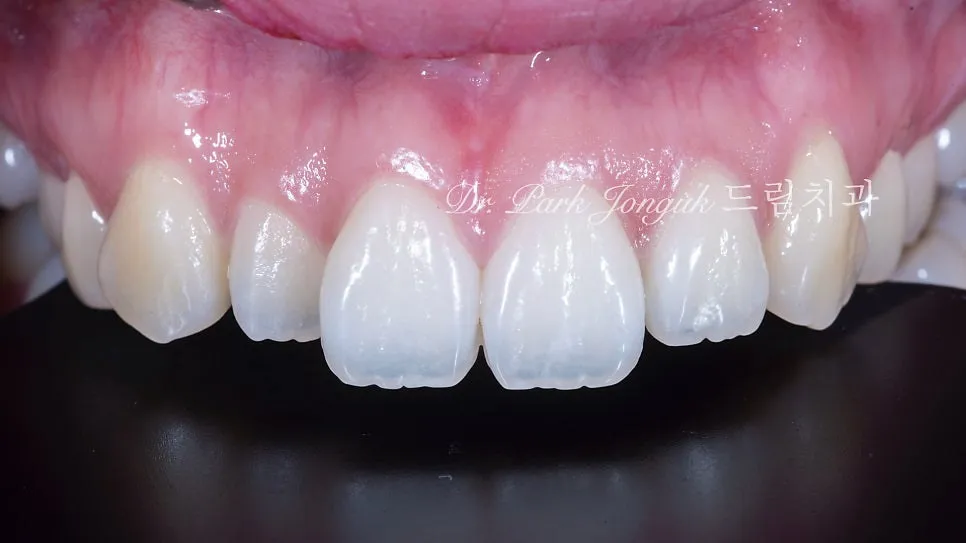
02 Unusually small lateral incisors, or centrals that stand out against them, are rebalanced by resetting the width ratios. Because these teeth are being built up rather than reduced, less enamel is usually touched.
 03
03 Tetracycline staining or a tooth darkened after root canal treatment will not lift with whitening. These need the shade rebuilt in ceramic layers rather than simply covered.
 04
04 An incisal chip, or front teeth flattened by grinding, need the lost length restored while the bite against the lower teeth is checked — otherwise the same edge chips again.
BEFORE / AFTER
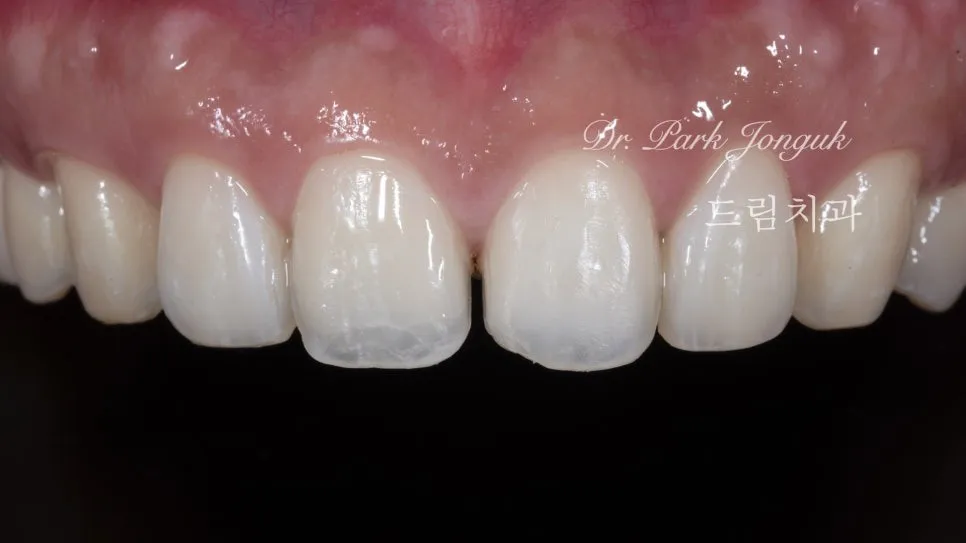
Real veneer cases treated by Dr. Park Jonguk at Dream Dental Clinic, Gangnam. Tap a photo to compare before and after up close.
The before-and-after photos above are real clinical cases treated at Dream Dental Clinic, Gangnam (Dr. Park Jonguk). Results vary with each patient’s condition, and every procedure carries the possibility of individual variation and side effects.
How Many
The number under consideration follows the range your smile reveals. The figures below are arithmetic examples of the listed fee (KRW 1.3M per tooth, VAT excluded).
| Units | Range covered | Typical case | Total (VAT excl.) |
|---|---|---|---|
| 2 | Central incisors only | A midline gap, or one chipped tooth | KRW 2.6M |
| 4 | Centrals + laterals | Unifying shade and shape across the front line | KRW 5.2M |
| 6 | Up to the canines | The range most smiles reveal | KRW 7.8M |
| 8 | Canines included, both sides | A wide smile planned for symmetry | KRW 10.4M |
More units does not make the result look more natural. If the diagnosis says two will do, two is what we recommend.
How We Decide
The number is not a matter of preference — it follows these four checks.
How far your smile reveals
How high the lip rises decides how many teeth are seen. We look at photographs and video of your actual smile before setting the range.
Whether the shade carries across
Brightening only the front teeth can leave a visible border with the ones beside them. Where needed, whitening comes first to set the base shade, and the veneer shade is matched to it.
Whether both sides balance
Treating one side alone can leave width and length looking off against the other. Both sides are calculated together from the midline.
Whether orthodontics should come first
If the teeth are markedly tilted, or the bite itself is the issue, orthodontic treatment may need to come before veneers. We say so at the diagnosis stage.
Before You Decide
These are worth going through together at the consultation.
Quick Consult
Leave your number and we will call you back during clinic hours.
Request Received
We will contact you during clinic hours. For urgent matters, please call +82-2-3448-0028.
The available range depends on your condition. Feel free to ask us.
FAQ
Yes. A midline gap or a shape issue on one tooth often ends with two. We still calculate both sides from the midline so the widths do not look uneven.
The listed fee is KRW 1.3M per tooth, VAT excluded — so two comes to KRW 2.6M, four to KRW 5.2M and six to KRW 7.8M as arithmetic. How many you actually need is a matter of diagnosis, so the final figure follows an examination.
It depends on whether your canines show when you smile. If they do, stopping at four can leave a visible border in shade and shape, so six is considered. We decide from photographs of your actual smile.
Front teeth are treated on the facial surface only, so less is removed than for a crown. Where a tooth sits back or is undersized, a no-prep approach is sometimes possible.
They can. Lower incisors meet the uppers, so securing thickness is more demanding and the bite has to be checked first. In many cases the upper teeth alone are enough — we assess both at diagnosis.
Mild irregularity can be brought into an even line with veneers. If the teeth are strongly tilted or heavily overlapped, the amount of reduction becomes excessive and we may recommend orthodontics first.
It depends on care and habits. Front teeth take force from the front, so grinding and hard foods affect longevity. Regular check-ups and, where indicated, a night guard help.
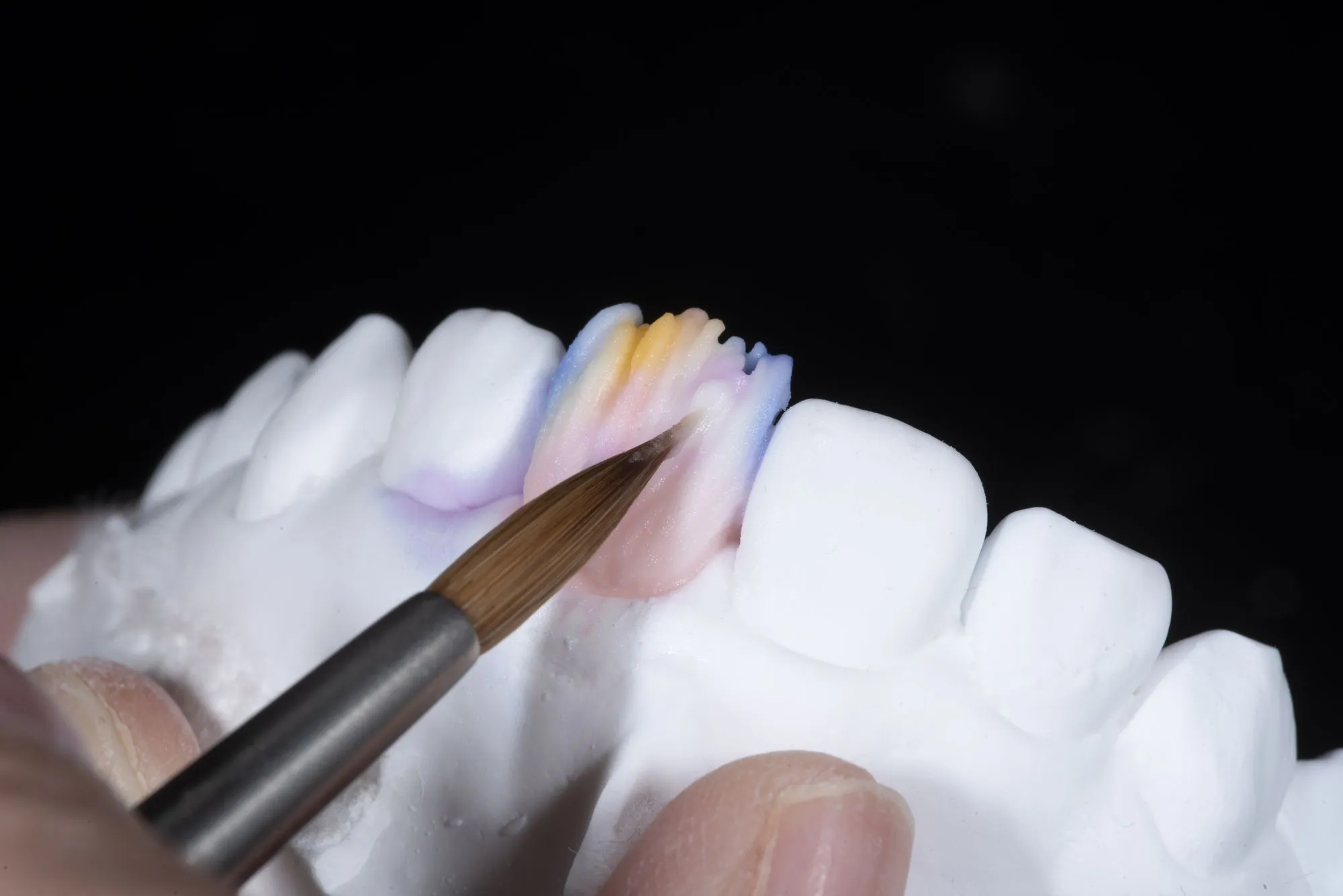
After diagnosis and design, treatment usually runs over several visits. Layering the ceramic in our in-house lab takes a few days, and you can wear temporaries in the meantime if needed.
By Symptom
Criteria and real cases for each condition are on their own pages.
01
Closing the space while distributing width naturally.
Learn more02
How far veneers can even out a line without orthodontics.
Learn more03
Rebuilding a shade that whitening cannot lift.
Learn more04
Restoring lost length while checking the bite.
Learn more05
When front teeth can be treated without reduction.
Learn more06
Totals by number of teeth and the full listed fees.
Learn moreThis page is general information about the treatment. Diagnosis, treatment options, and duration vary by individual condition — an in-person examination is how we plan your actual care.
Articles
How the same topic is judged chairside, written up with real cases.
We look at the range your smile reveals and start from the smallest number that works.