1
Naturalness
Aiming for the look of natural teeth — shade and form in harmony with their neighbors.
Porcelain Laminate Atelier — Since 2006
Dream Aesthetic
The aesthetic standard we have kept for twenty years.
20 Years of Excellence
Watch Dream Dental Clinic’s twenty-year journey on film
Real Laminate
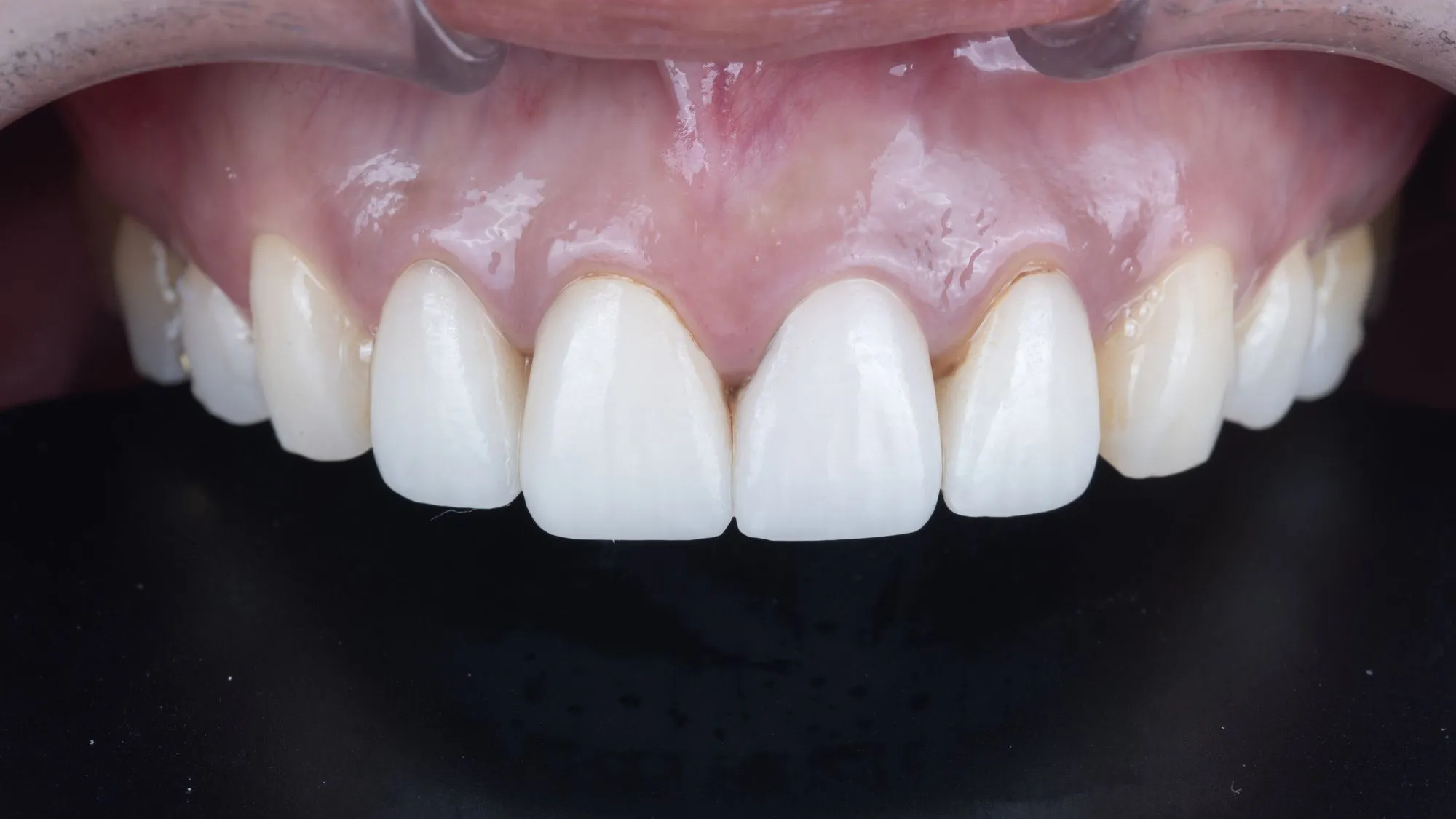
Every photograph in this section is an actual clinical and laboratory record taken at Dream Dental Clinic. From a thin porcelain shell at the fingertips to a finished tooth — made the same way for twenty years.
Unretouched clinical records — not staged or generated. Individual results may vary.

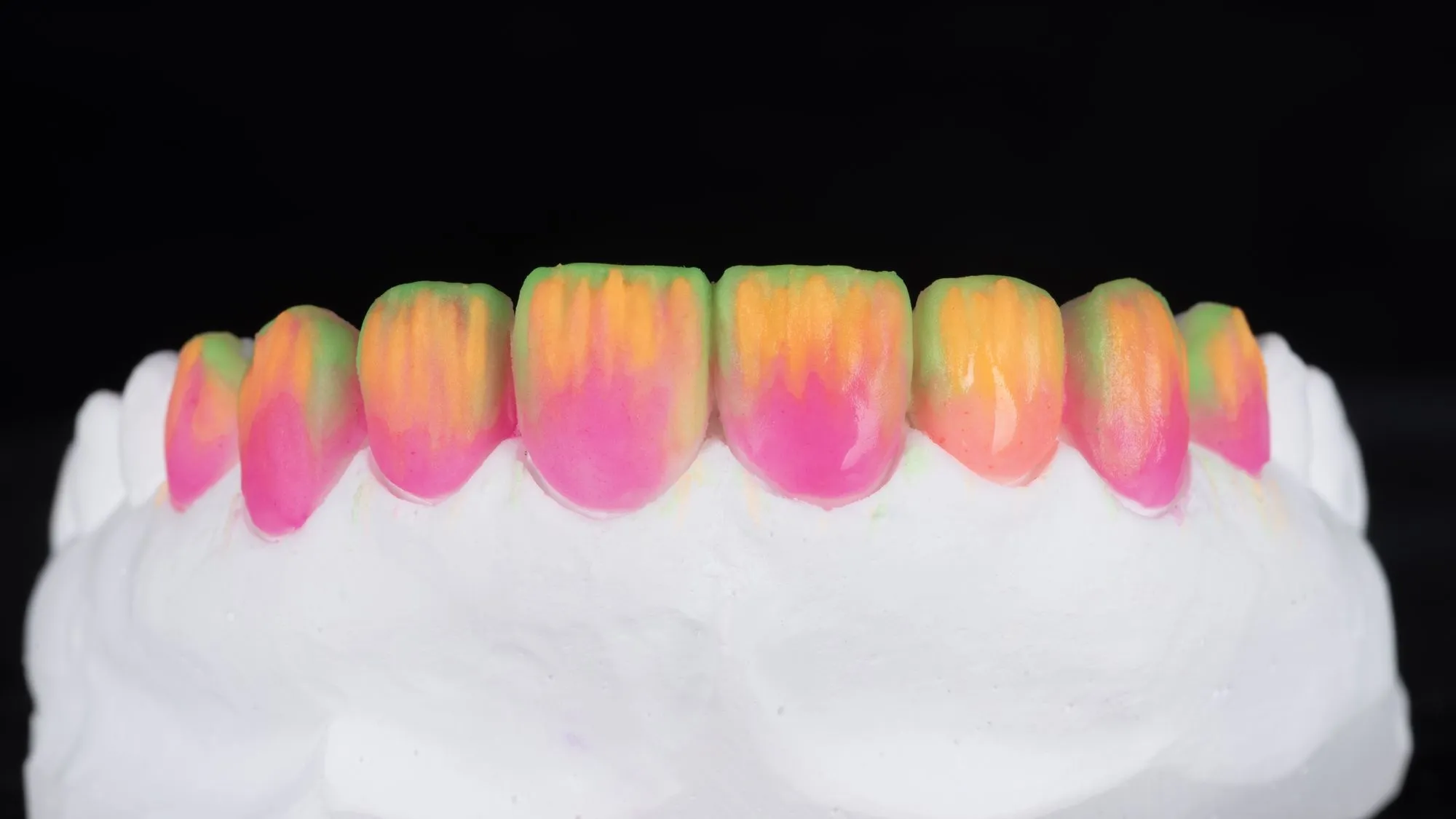
Multilayer build-up — stains before firing
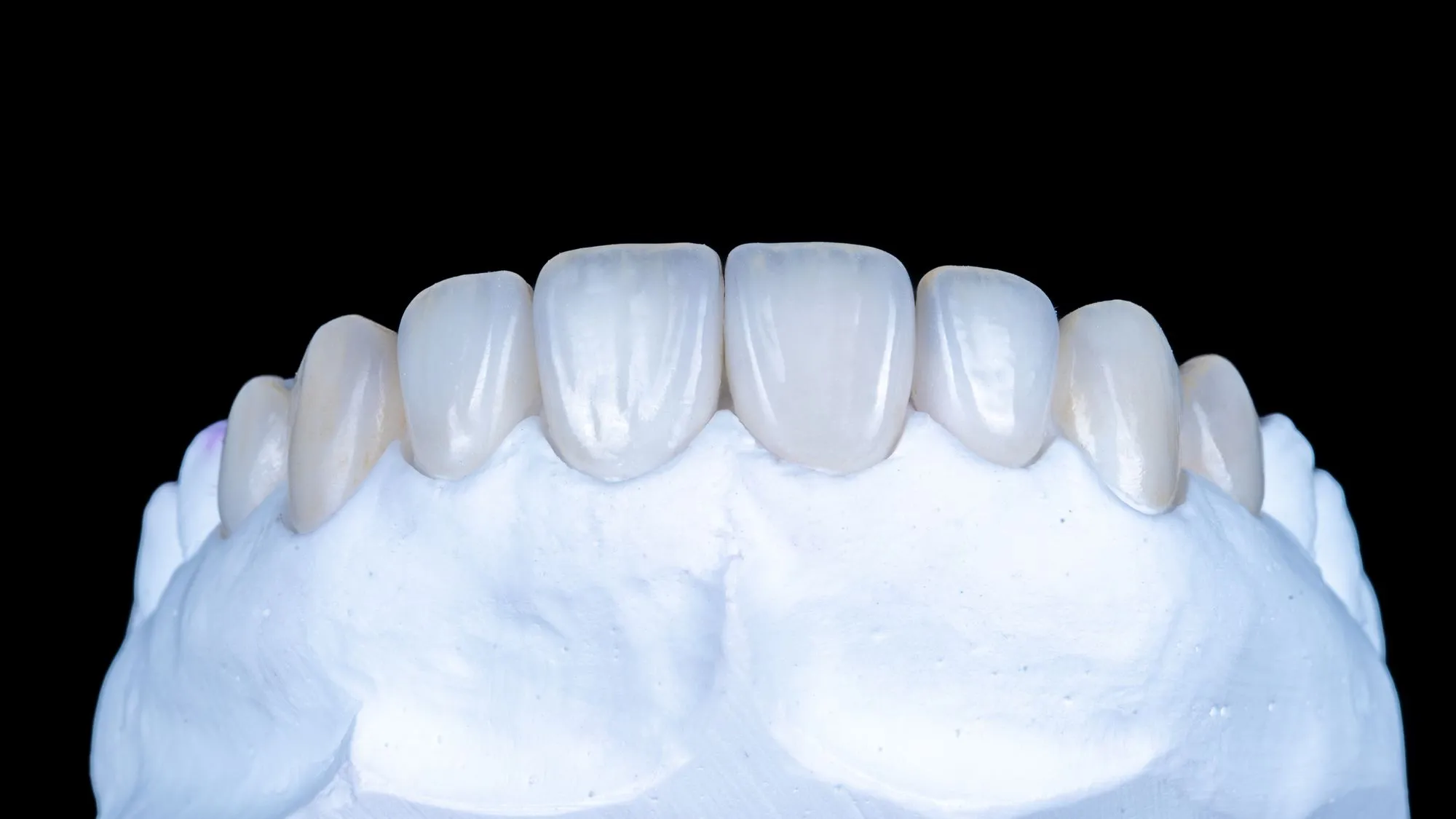
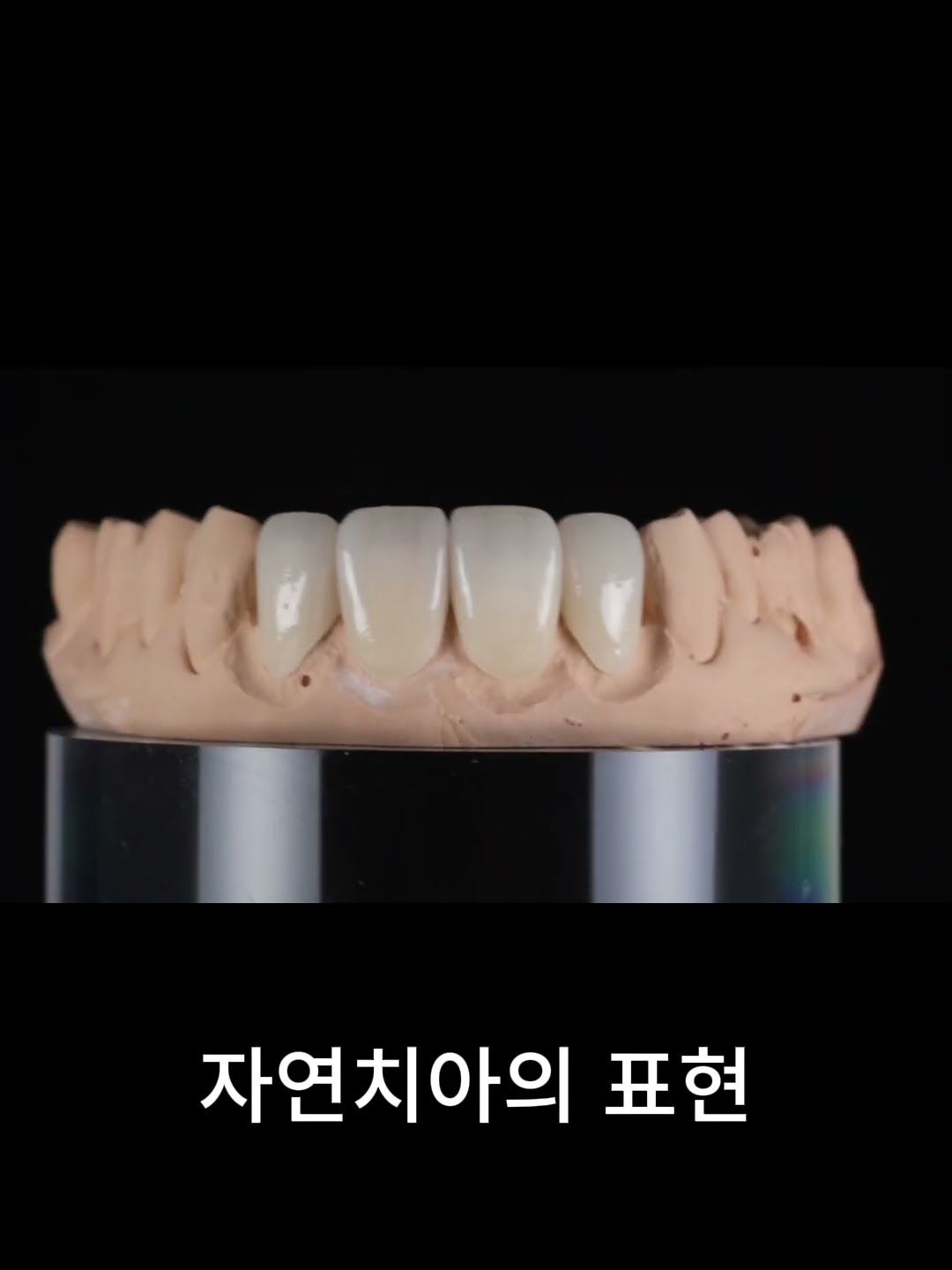
After firing — on the stone model

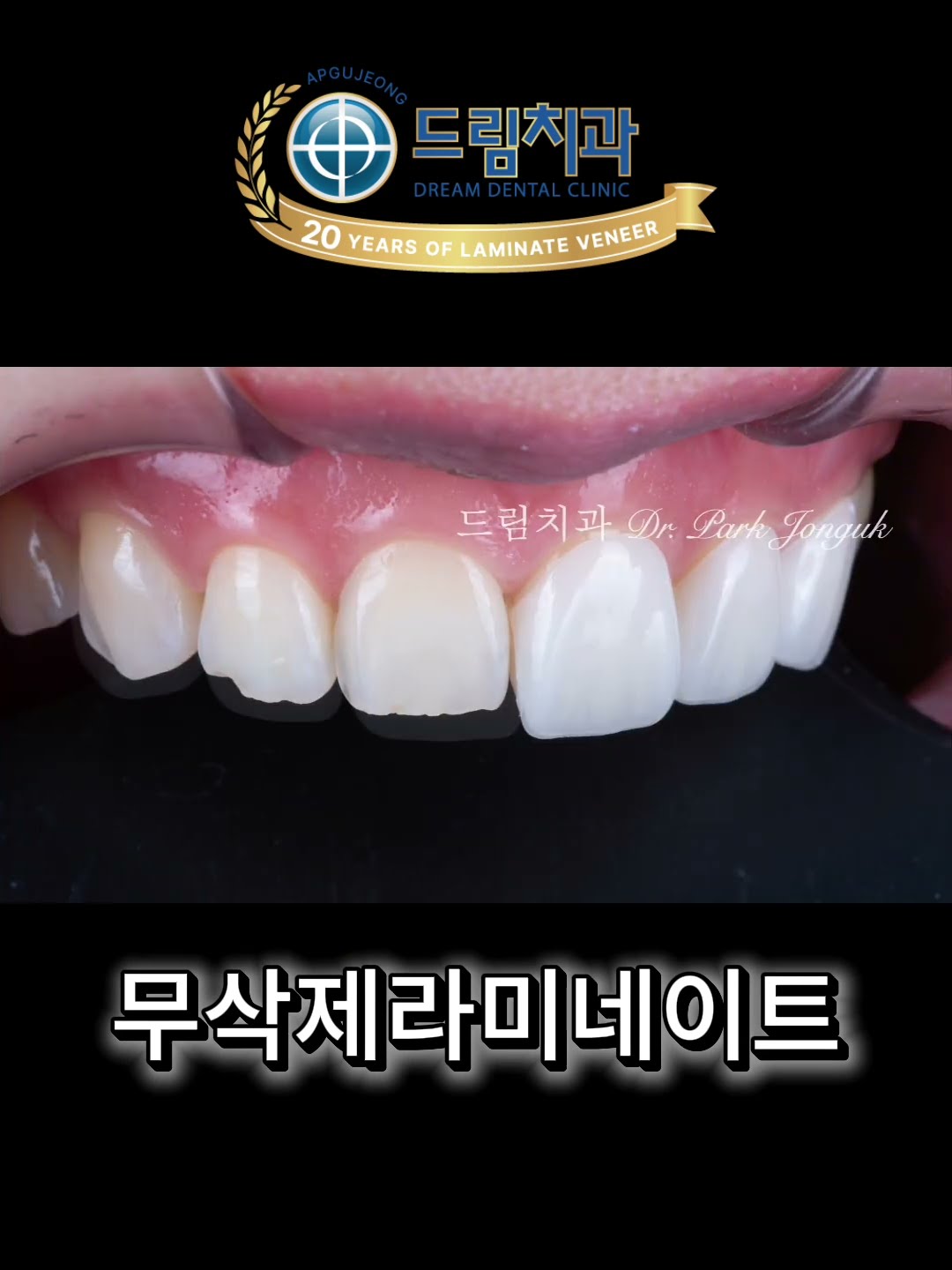
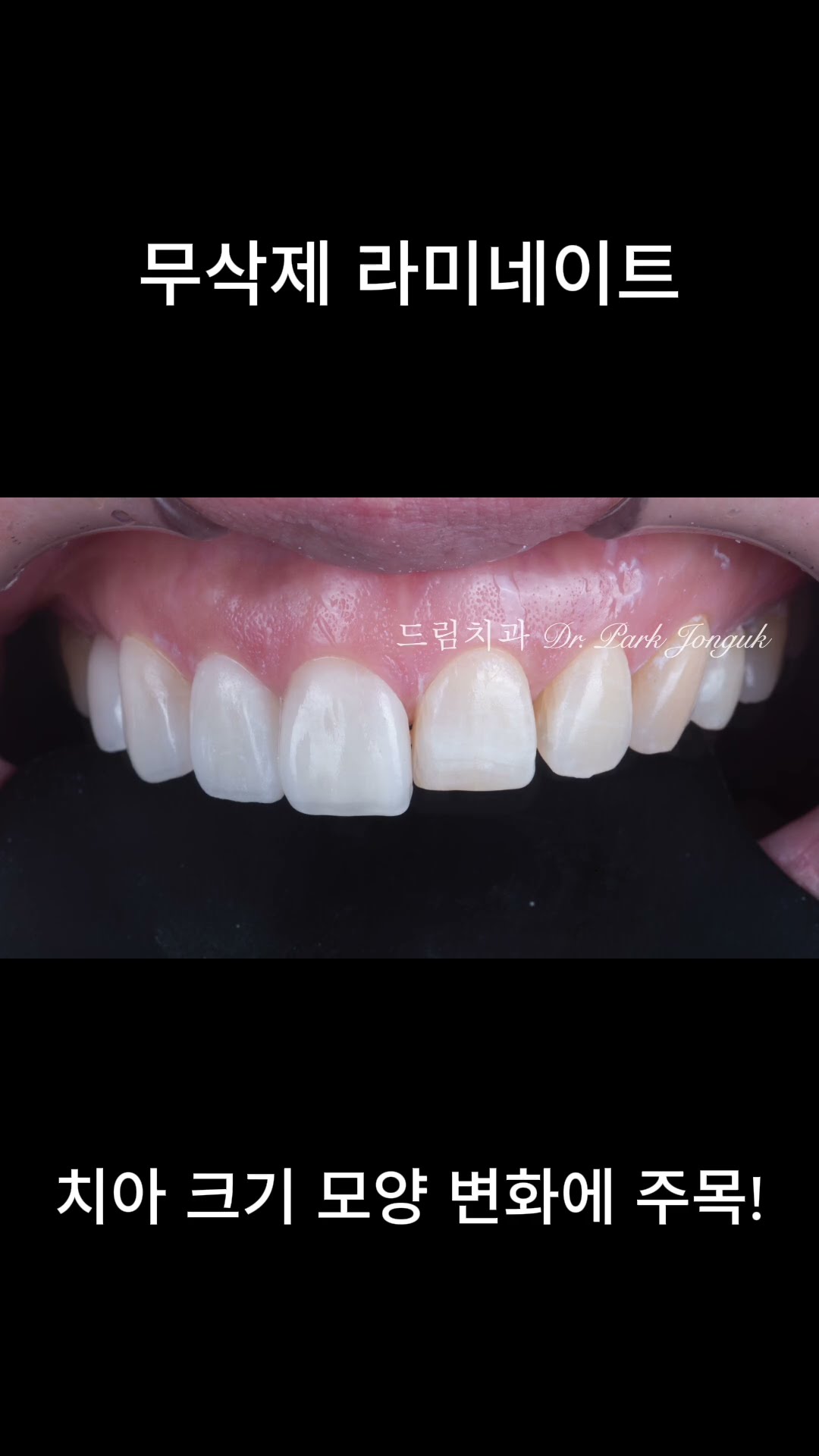
No-prep veneers — at try-in

Multilayer build-up — seated result
Chapter 01 — Porcelain Atelier
Four to five ceramic powders, and twenty years at the fingertips. Every Dream veneer is a piece of porcelain fired in an atelier.
Philosophy
The standards we have kept for twenty years.
1
Aiming for the look of natural teeth — shade and form in harmony with their neighbors.
2
We preserve as much tooth structure as possible, reducing only what is precisely needed.
3
Multilayer, handmade. Ceramic powders are layered one stratum at a time.
4
Accumulated clinical records guide the diagnosis, and the expected range is explained before treatment.
Event
Six cards on the treatments people ask for most — read on from any card.
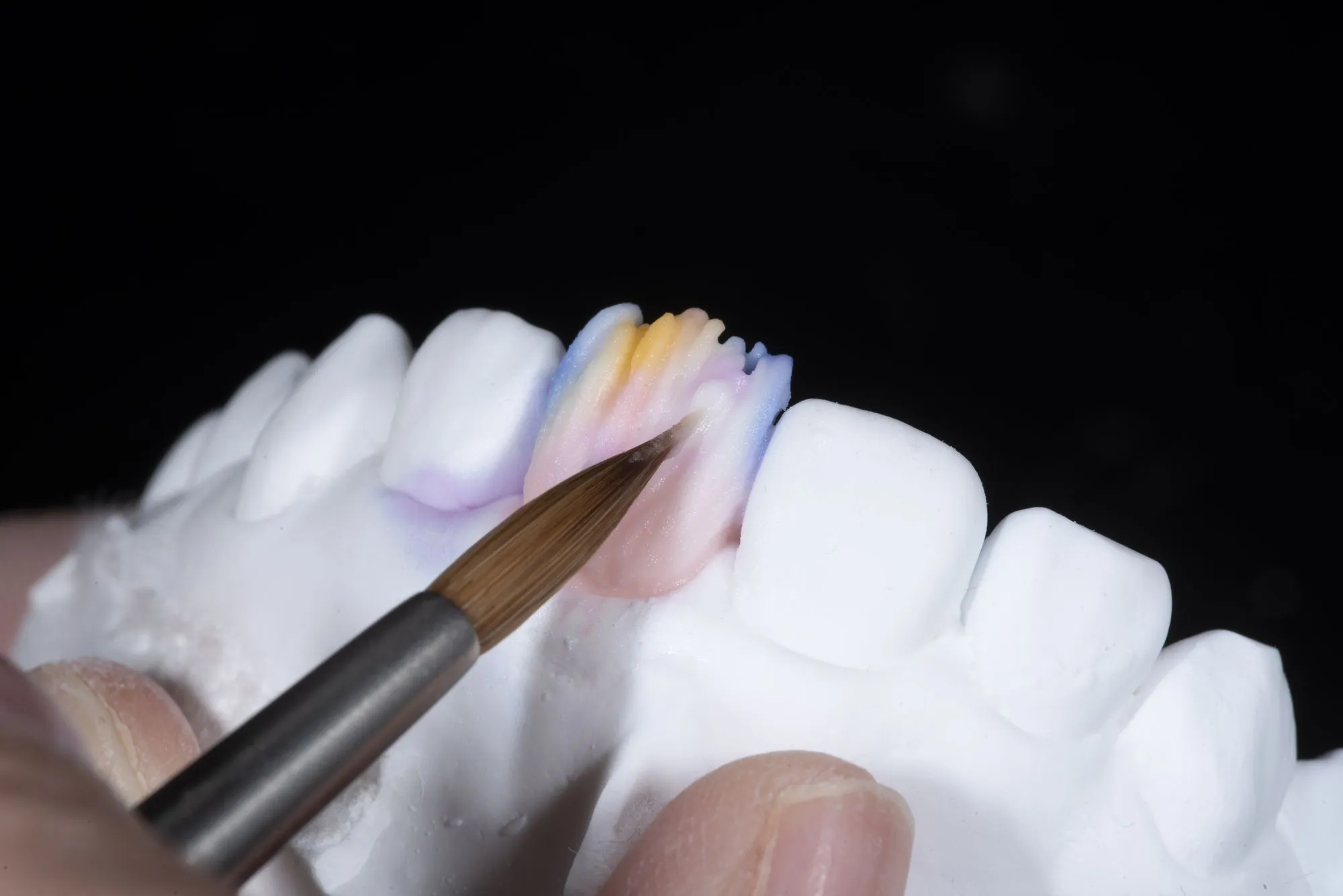
Multilayer
From powder to porcelain — five hand-built ceramic layers
1.3M KRW per tooth · VAT excluded
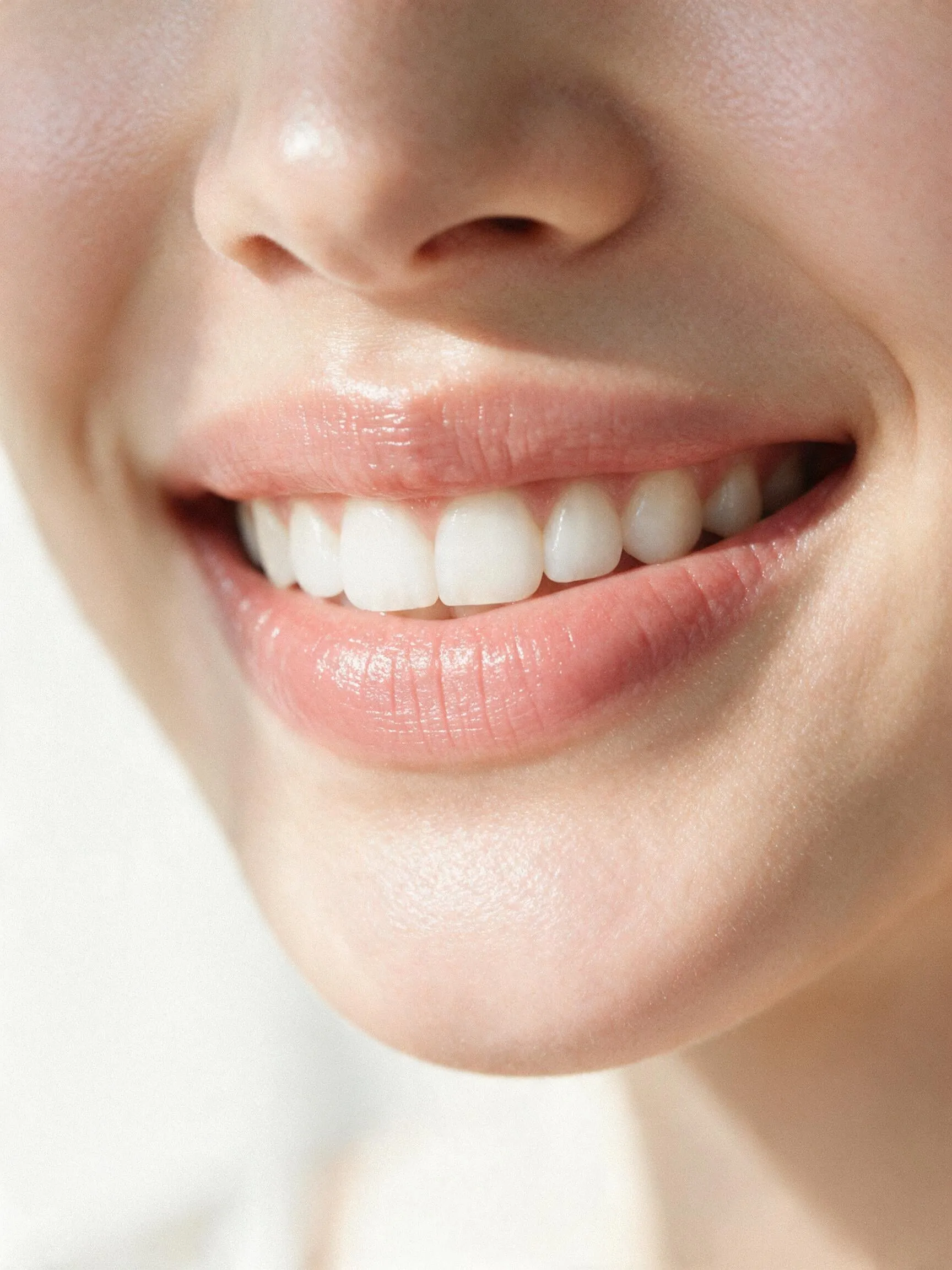 Model — staged image
 No-Prep
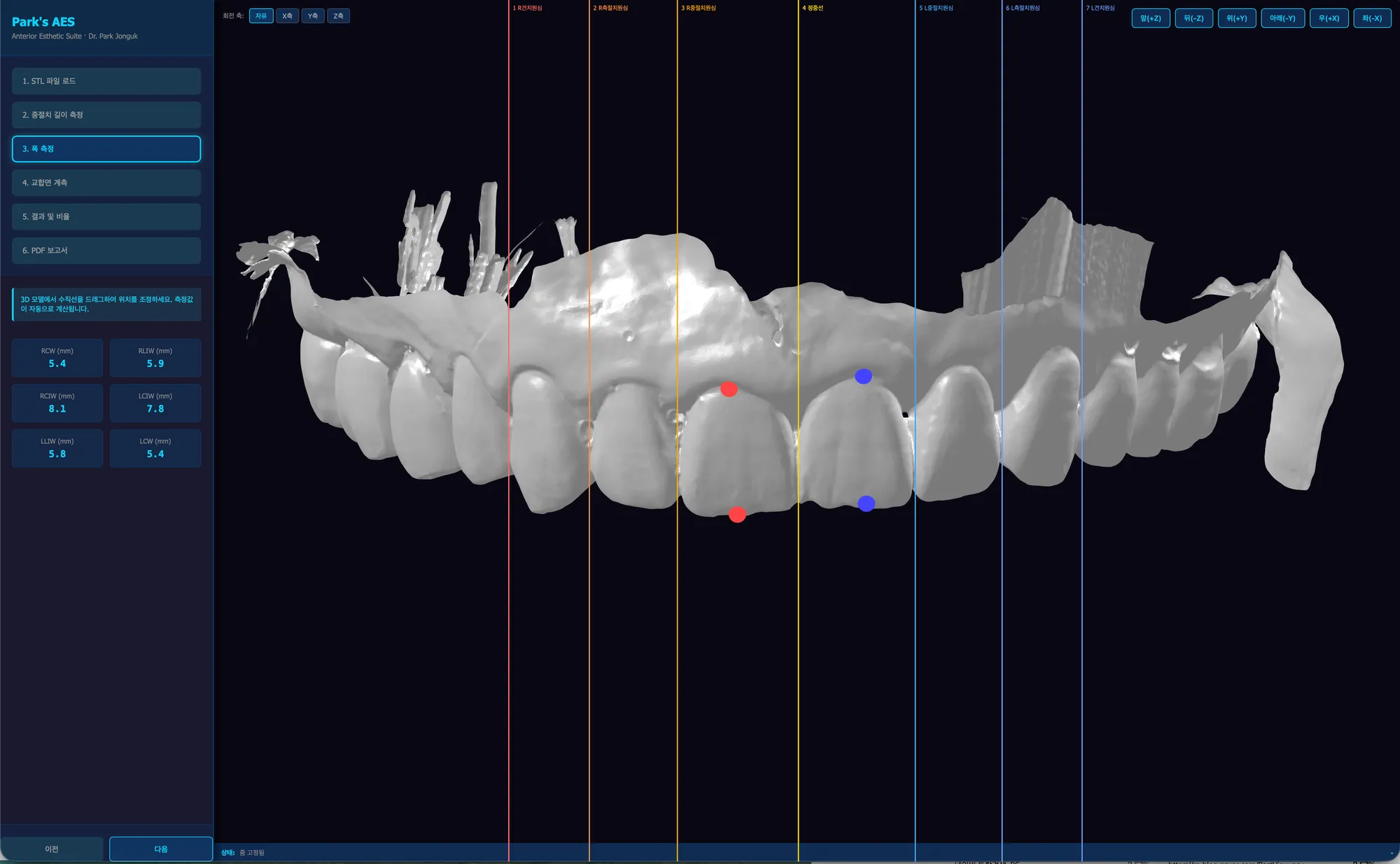
Three conditions for leaving teeth uncut
Park’s AES
Calculated before cutting — proprietary, patent pending
All-Ceramic
Held to the same aesthetic standard as veneers
1.3M KRW per tooth · 2026 fee disclosure
 Model — staged image
 Revision
Laser separation — redone without re-cutting
 Model — staged image
 Gum Line
The gum line that frames a smile
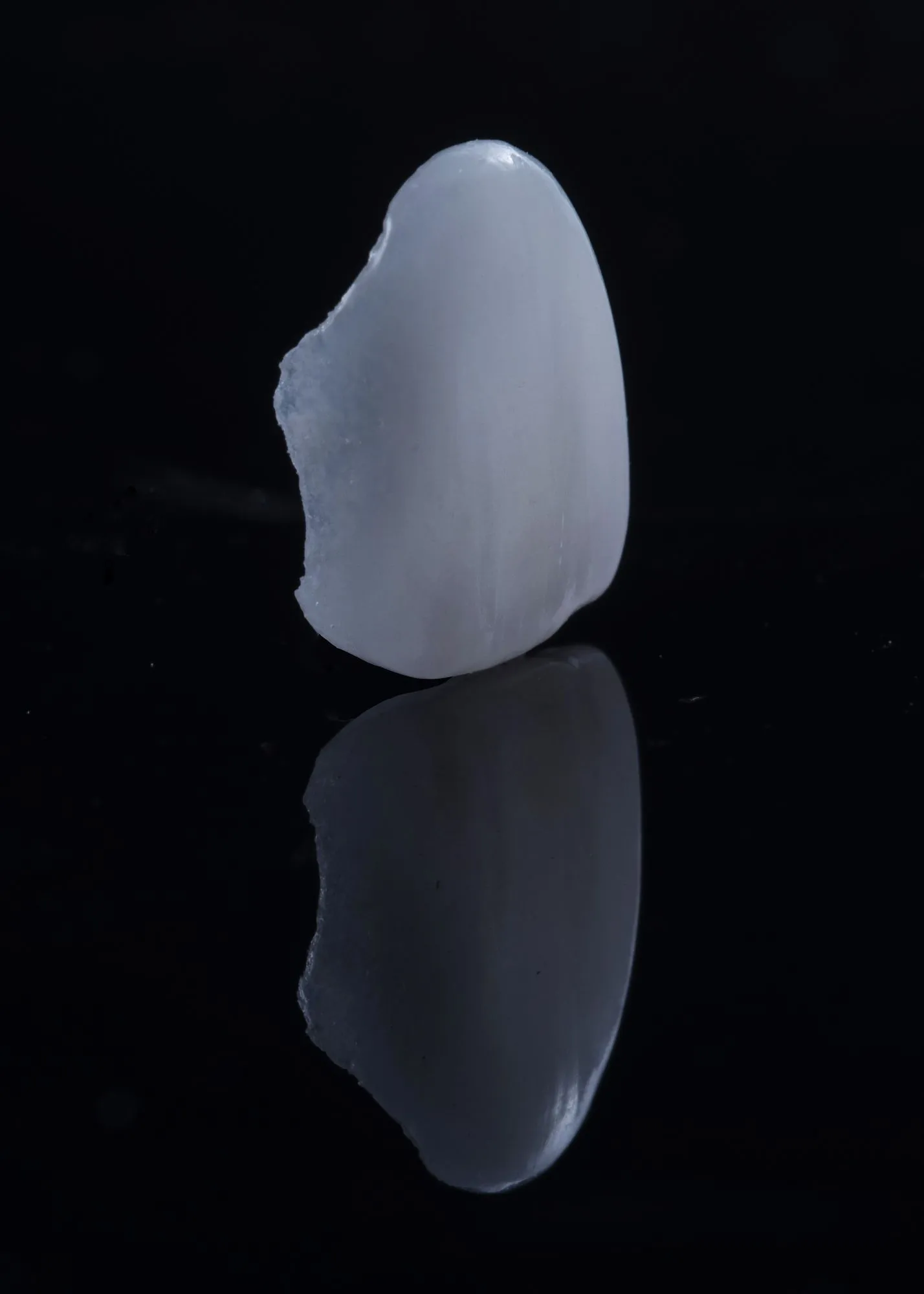
Handcrafted Shell
Chapter 02 — Treatments
Diagnosis, fabrication, and revision — the entire veneer journey in one clinic.
Treatment 01 / 04
Four to five ceramic powders layered by hand, with translucency and shade adjusted layer by layer.
Learn more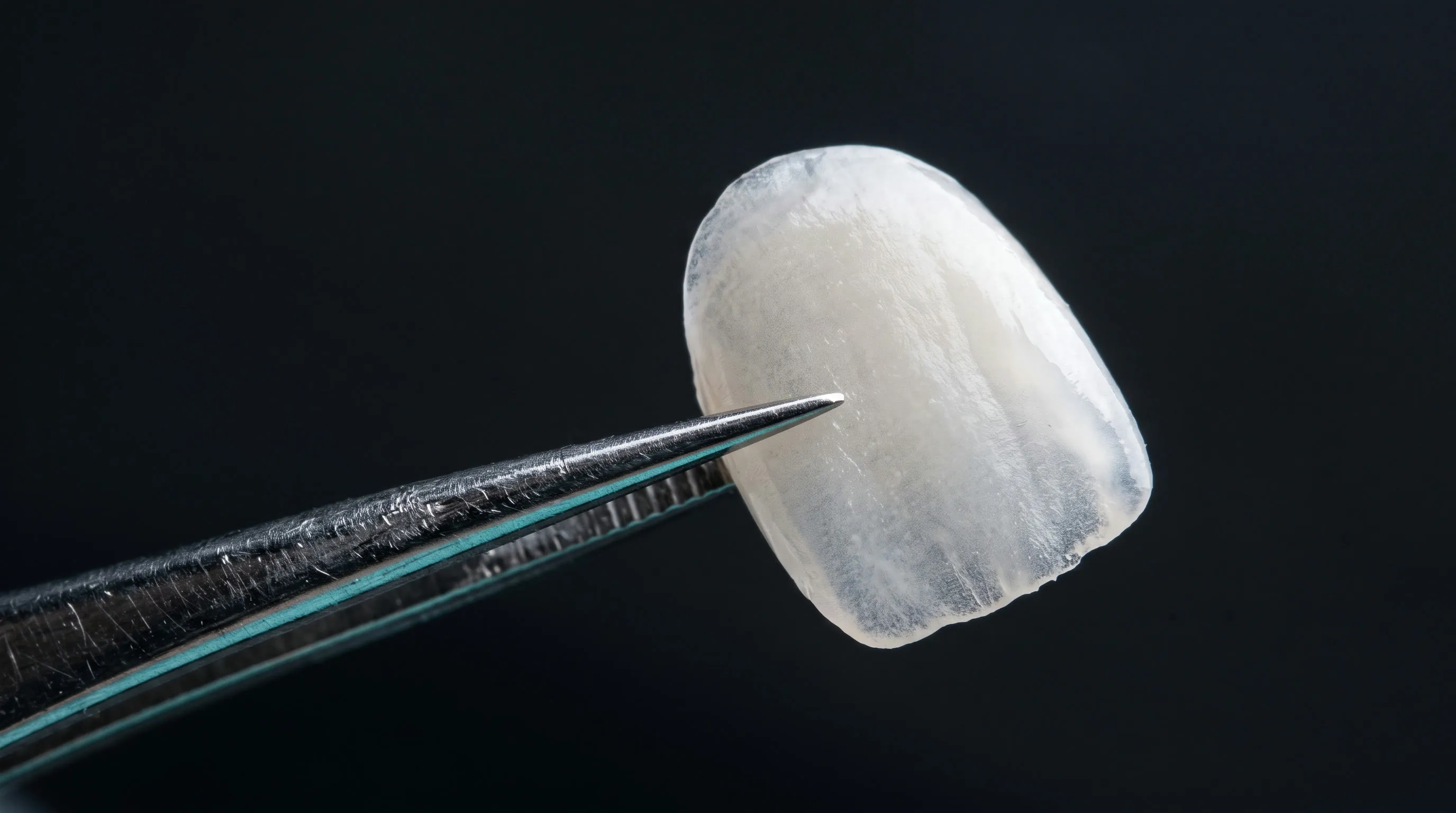
Treatment 02 / 04
Thin ceramic bonded without drilling the tooth, for teeth that meet the criteria. Anesthesia is usually not needed.
Learn more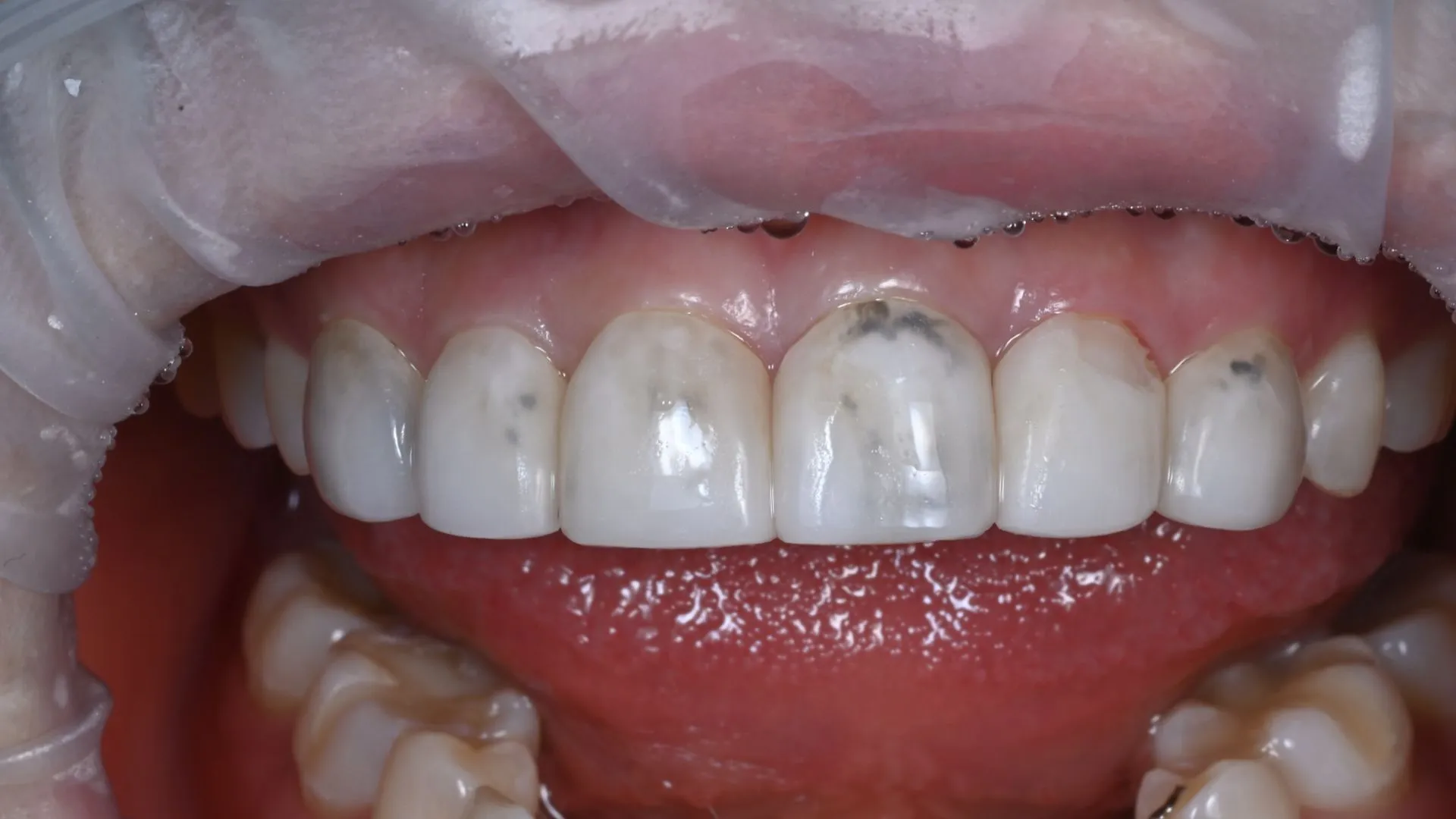
Treatment 03 / 04
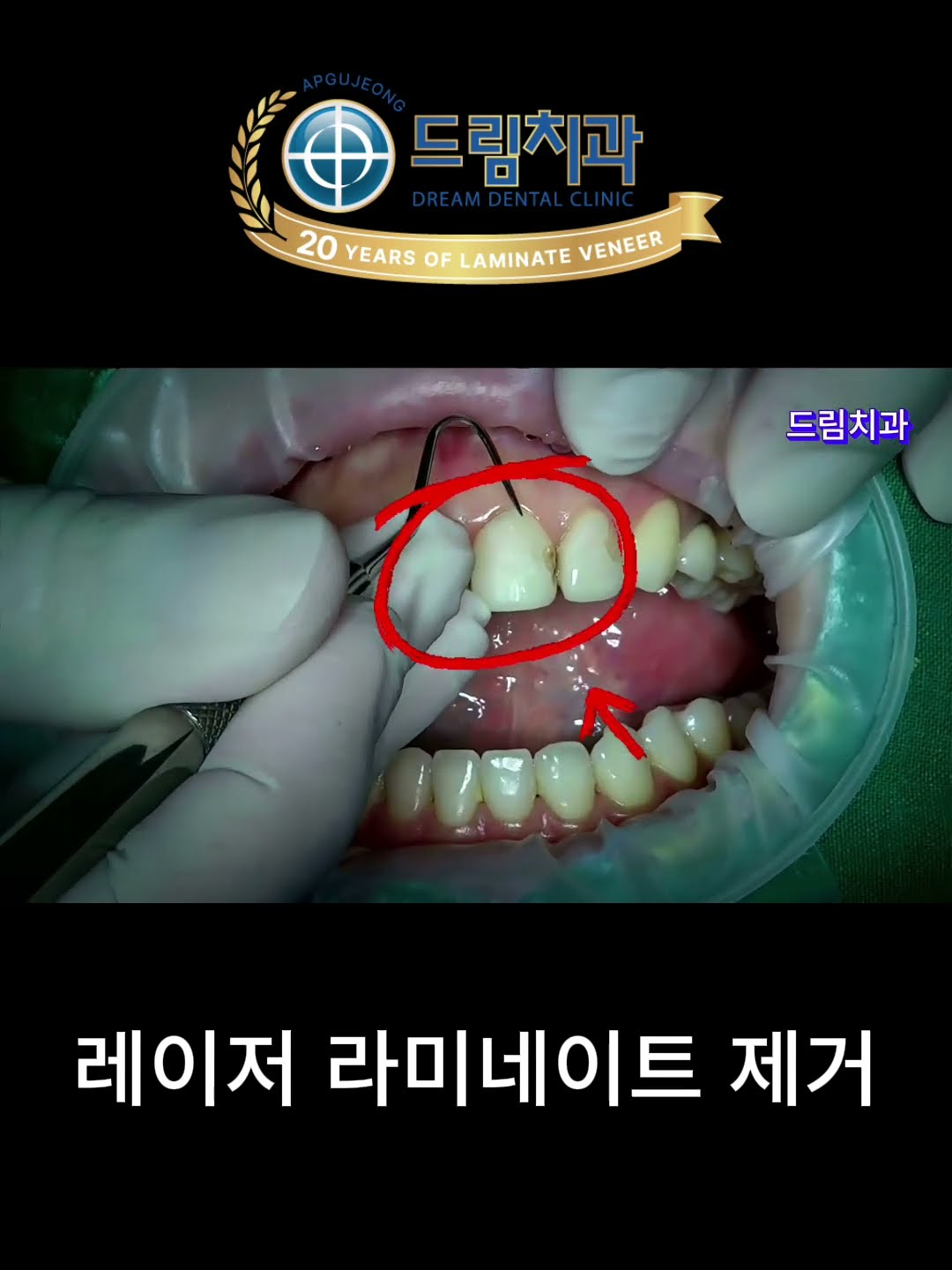
An Er:YAG laser removes existing veneers precisely, without damaging the tooth surface.
Learn more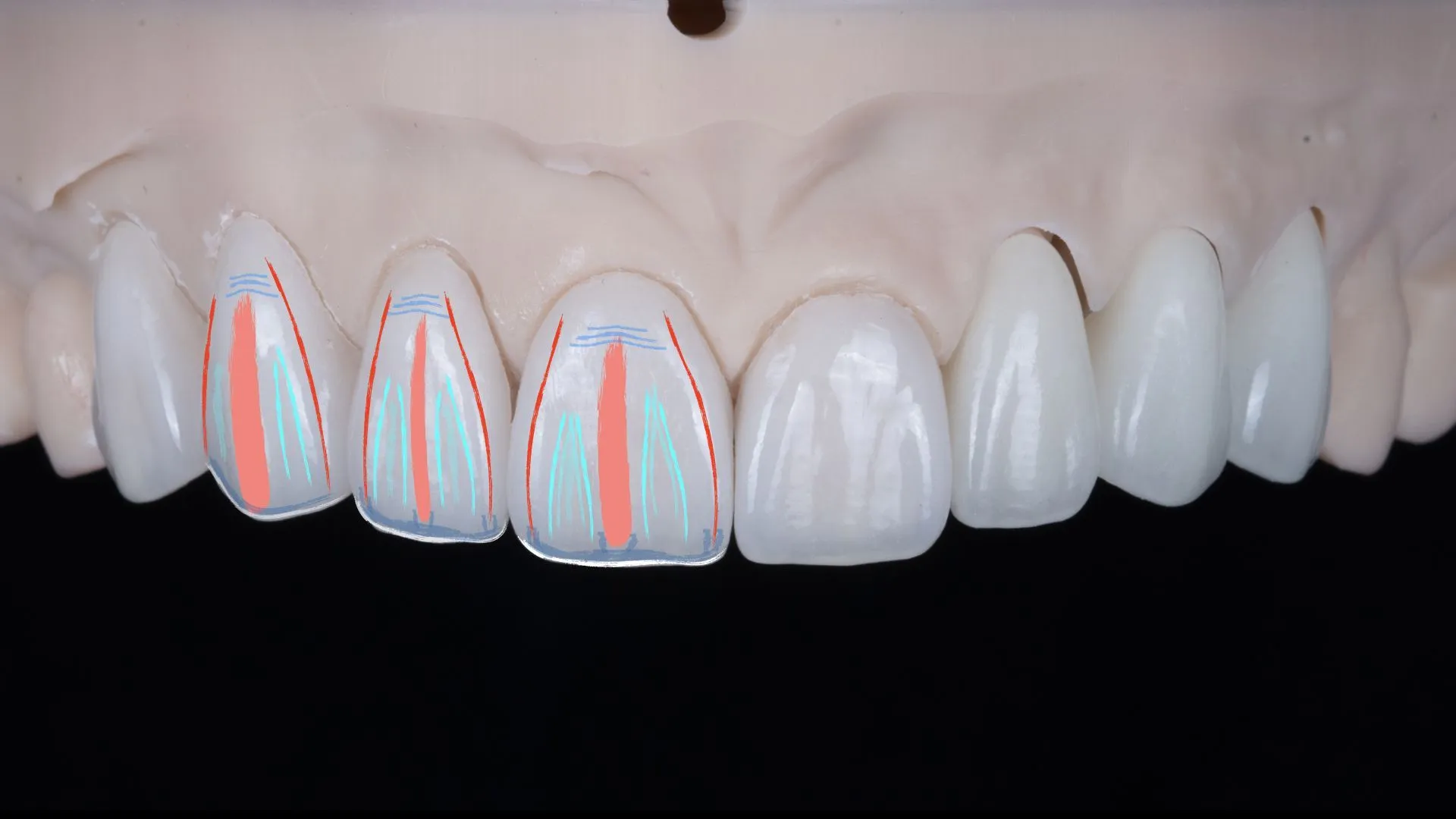
Treatment 04 / 04
A proprietary system that plans reduction down to 0.01 mm. Patent pending.
Learn moreFind Your Case
Gaps, unevenness, discoloration, wear — start from the symptom and find the approach that fits, through to the aesthetic finish.
The right approach differs case by case. Ask us and we will take a look.
Evidence
How the fabrication differs, side by side. Twenty years of results, built on evidence.
How the fabrication differs
| Criteria | One-day / single ceramic | Multilayer build-up |
|---|---|---|
| Fabrication time | 20–30 minutes | Several days |
| Ceramics used | One | Four to five |
| Shade and translucency | Expressed within one block | Built up across several layers |
Digital + Analog Diagnosis
Dream Dental Clinic combines digital technology with twenty years of accumulated analog clinical experience to design the optimal veneer design for each individual patient. Our proprietary Park’s AES (Aesthetic Evaluation System) scientifically analyzes tooth proportion and aesthetics, and pre-computes the precise reduction for each region of each tooth.
PARK’S AES — proprietary · patent pending (KR 10-2026-0084505)
Chapter 03 — Clinical Cases
Every photograph is an actual case treated at Dream Dental Clinic.
Porcelain Process
A Dream veneer is finished by hand, not by a milling machine — powder is mixed, layered stratum by stratum, and fired in a kiln, exactly like fine porcelain.
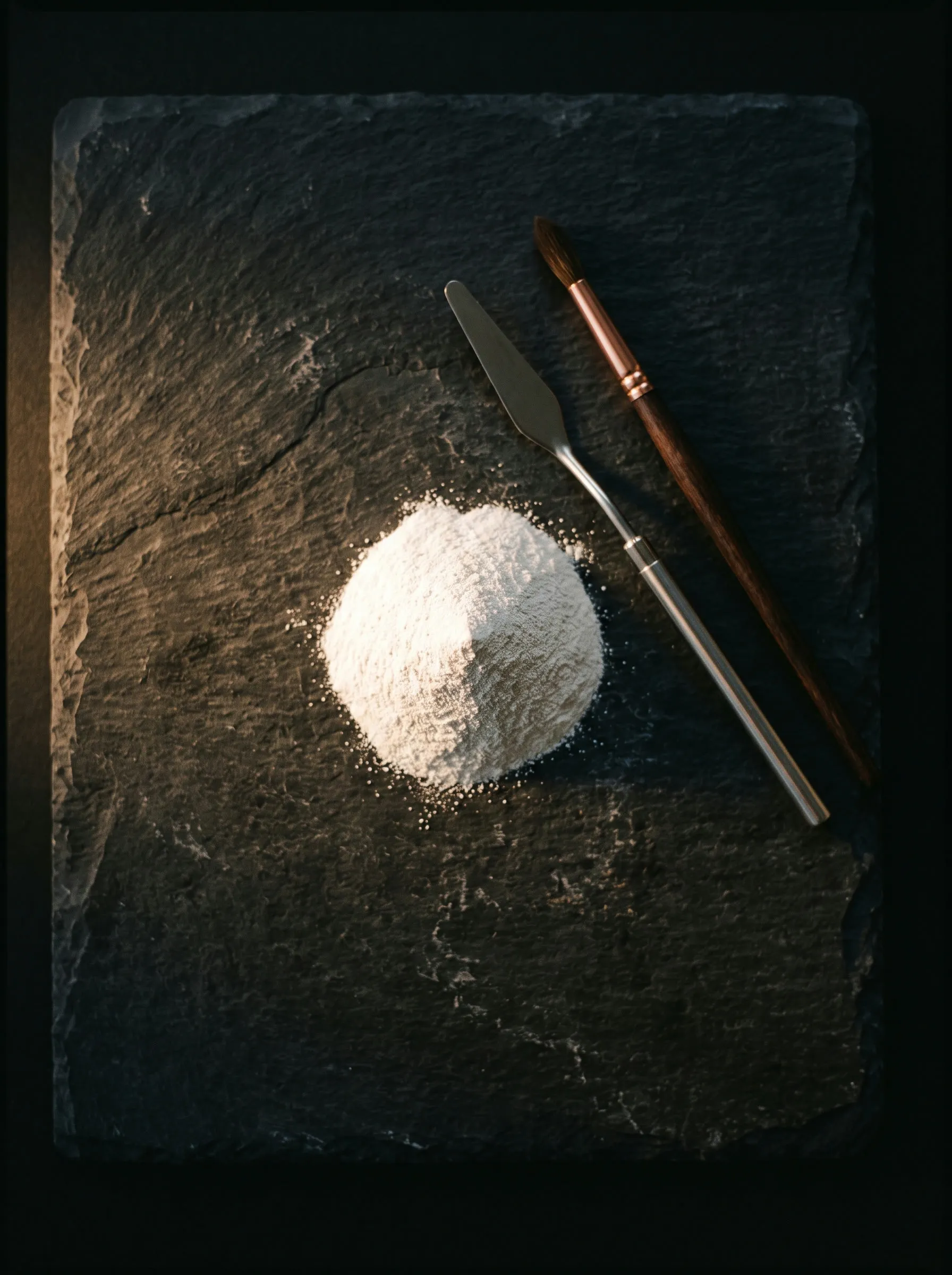 01 — Powder
 Four to five powders of differing shade and translucency are blended for a single tooth. Everything begins as powder.
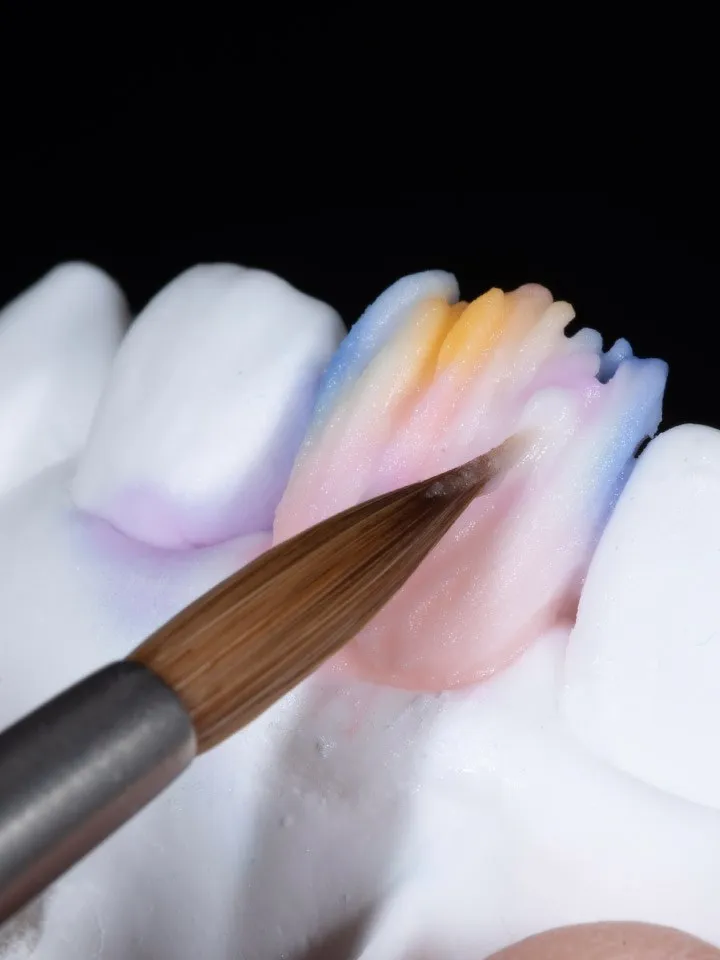 02 — Build-up
 Thin strata are laid down one by one, recreating the enamel-and-dentin structure of a natural tooth.
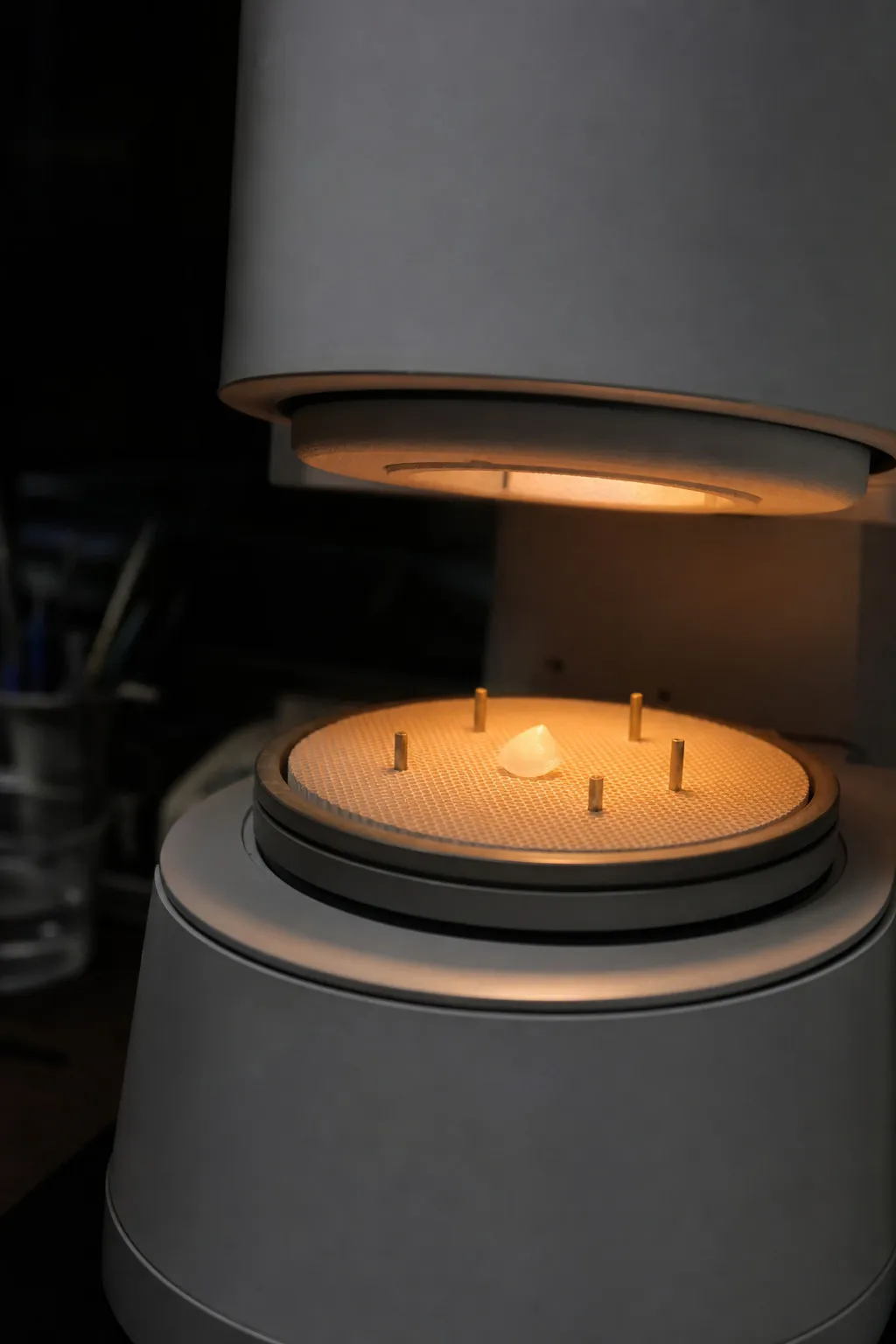 03 — Firing
 In the kiln the layered strata fuse into one, and their translucency and depth come through.
Chapter 04 — Maestro
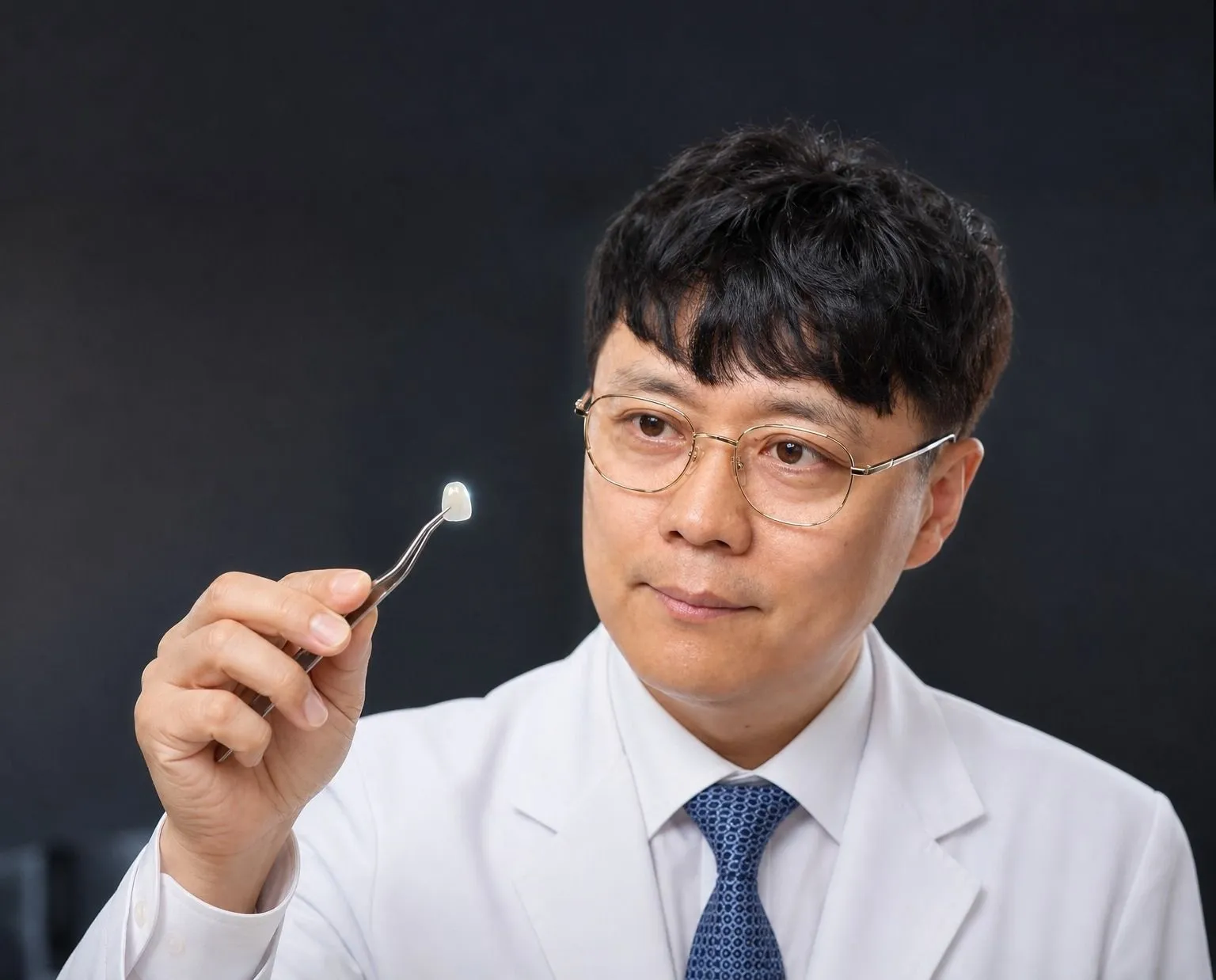
Dr. Park Jonguk, SNU-trained conservative dentistry specialist, performs every step himself — from diagnosis to bonding.
 Dr. Park Jonguk
 Director
A board-certified specialist in conservative dentistry, trained at Seoul National University College of Dentistry and SNU Dental Hospital. Twenty years of veneer-focused practice in Gangnam — author of Korea’s first clinical veneer textbook and education director of the Korea Academy of Adhesive Dentistry, teaching regular seminars for practicing dentists.
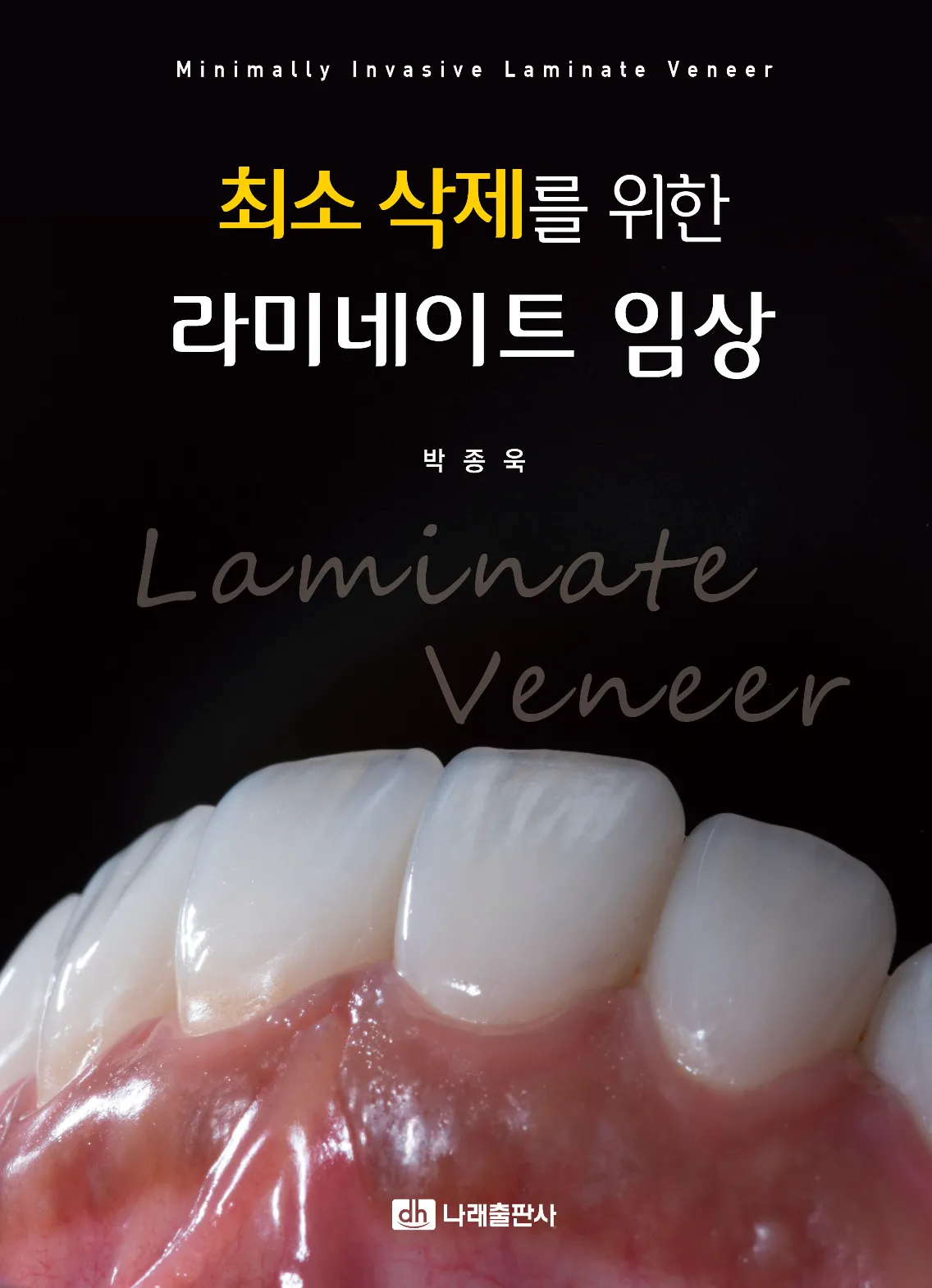
“Clinical Porcelain Veneers for Minimal Reduction”
Korea’s first clinical veneer textbook · first printing sold out in 8 months
At the Chair
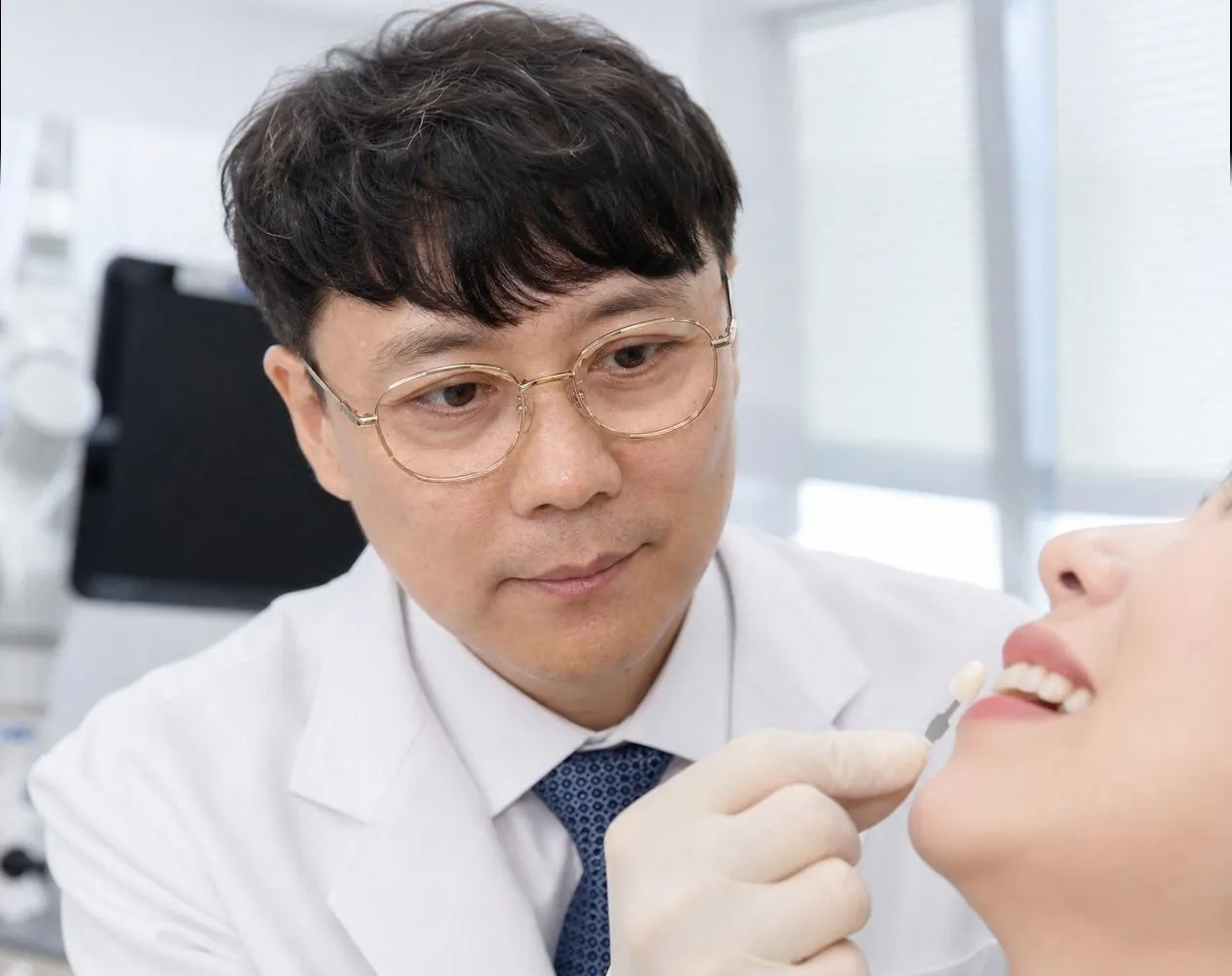
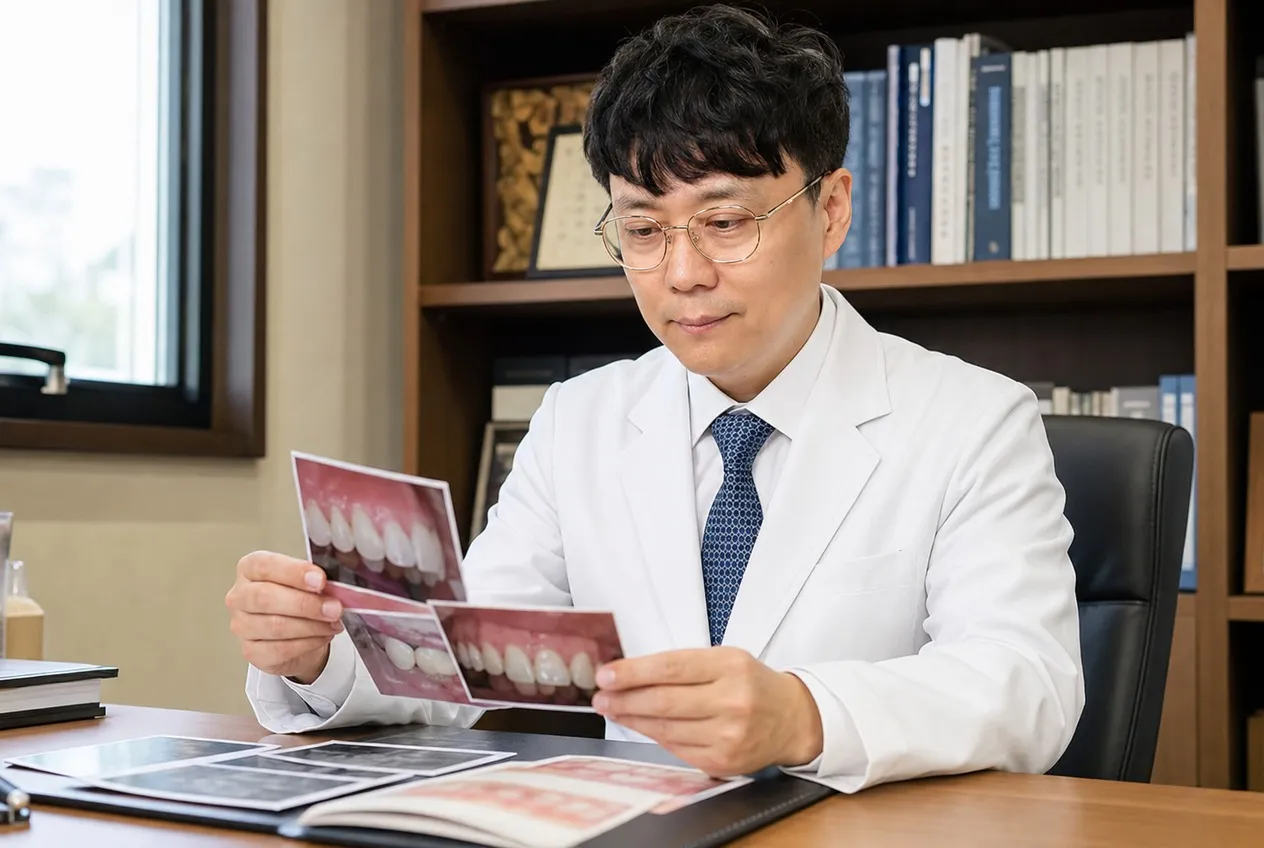
Diagnosis, shade, form, bonding — the steps that decide a veneer’s result are handled by the director himself rather than delegated.
Invited Lectures
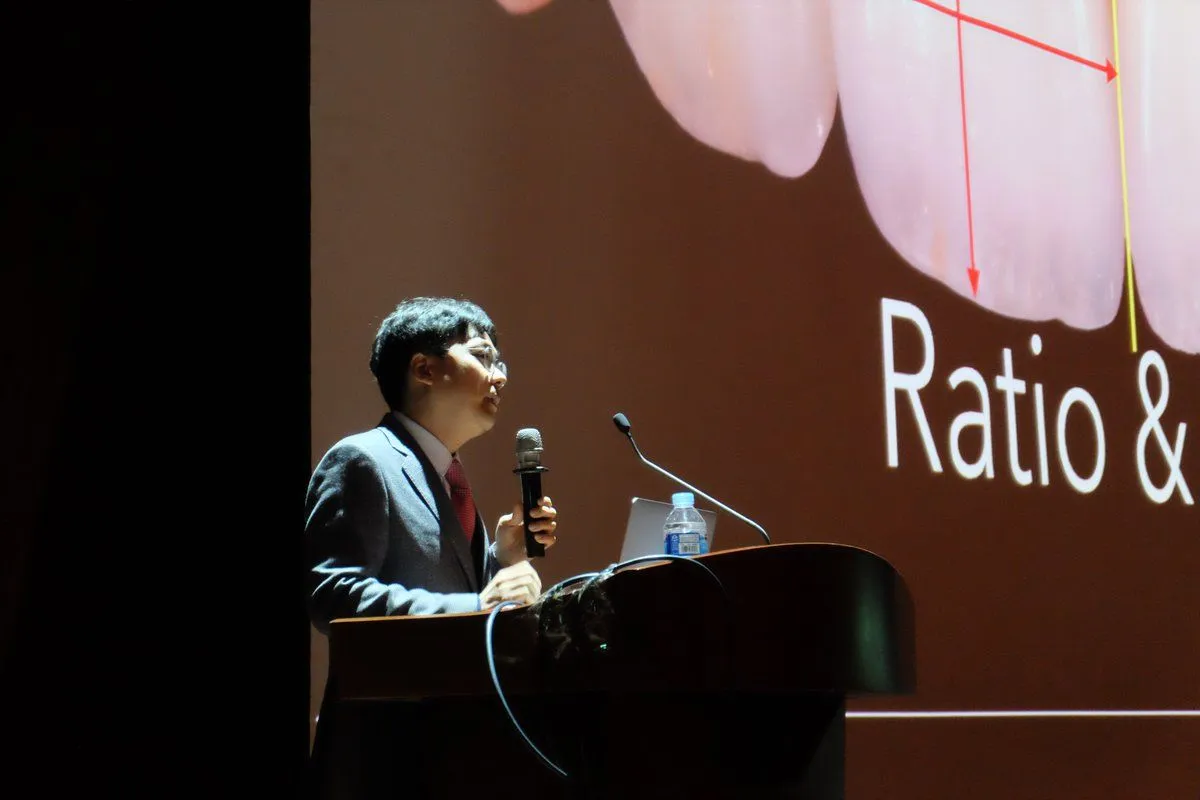
From 2019 to 2026, eleven Korean academic societies and institutions invited Dr. Park to lecture on laminate veneers — each engagement documented by a certificate of appreciation.
Select a thumbnail to view the original document. Meet the Director
YouTube
All 32 videos Dr. Park has published on his YouTube channel. Tap a card to play it right here.
Short cases
무삭제 라미네이트, 치아 안 깎고 이렇게 바뀝니다.
0:16 · 2026.04.13 · 3,119 views
반점치 해결의 정석: 무삭제 라미네이트
0:10 · 2026.04.21 · 2,359 views
라미네이트 제거, 레이저로 이렇게 합니다 #라미네이트재시술
0:24 · 2026.04.13 · 2,234 views
라미네이트, 붙이기 전 ‘이 과정’이 제일 중요합니다 🦷
0:16 · 2026.04.27 · 1,814 views
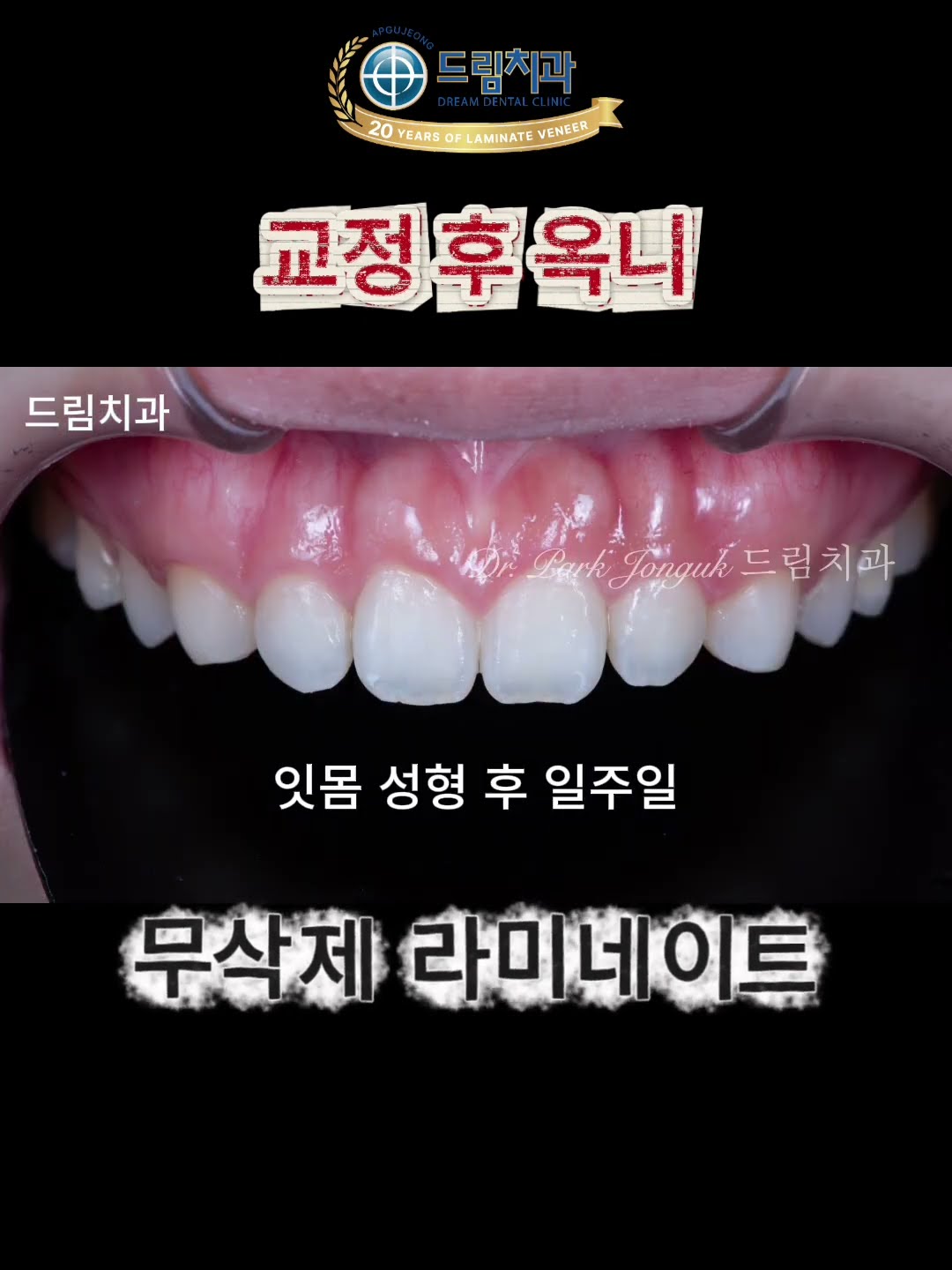
교정 했는데 왜 아직 옥니처럼 보일까요? #무삭제라미네이트
0:21 · 2026.04.13 · 1,800 views
교정 후 옥니는 무삭제 라미네이트로 해결!
0:18 · 2026.05.07 · 1,799 views
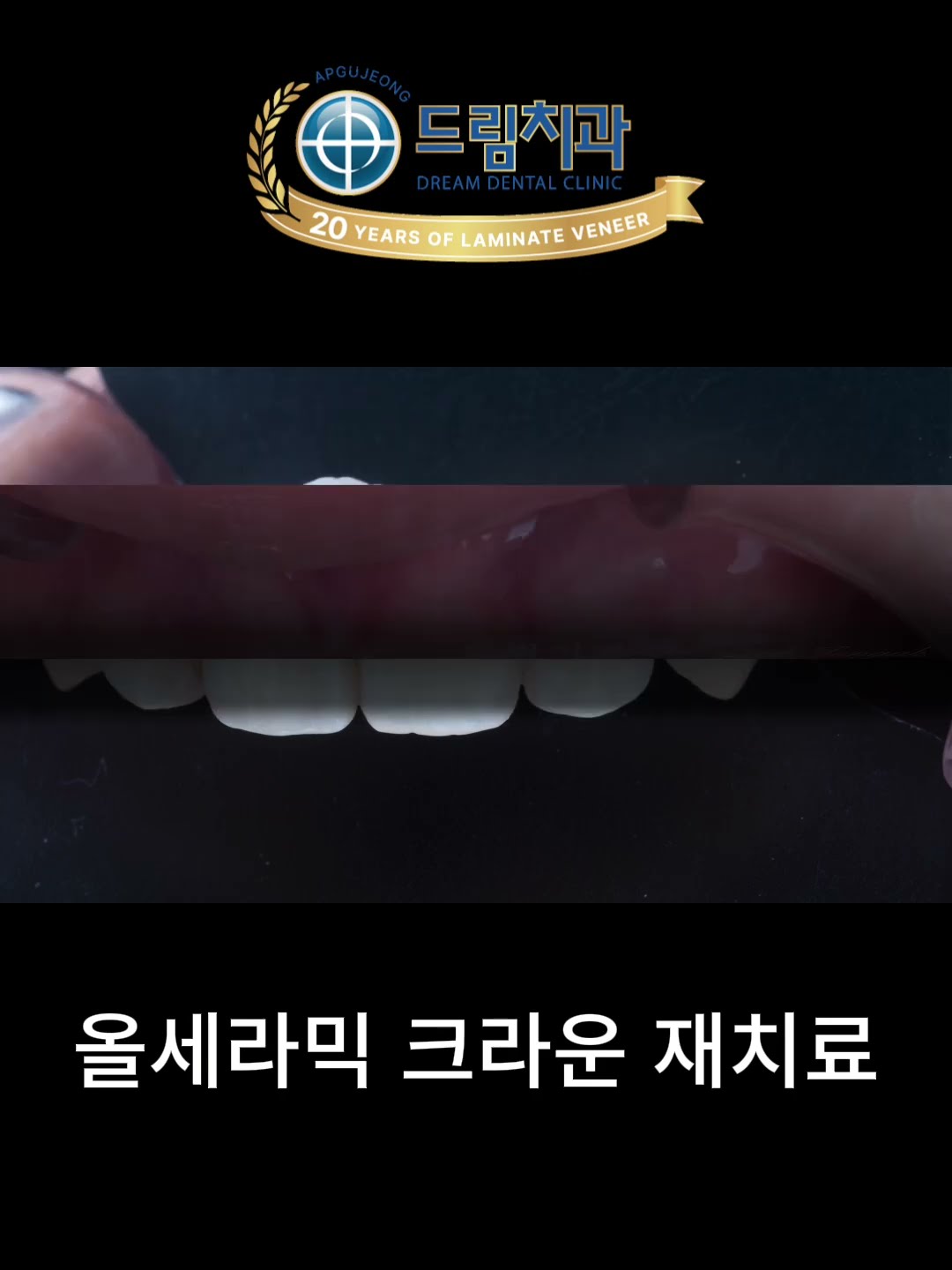
앞니 올세라믹 크라운, 라미네이트의 재치료는 자연스러움을 회복하는 것이 중요!!! retreatment front teeth
0:18 · 2026.05.08 · 1,763 views
라미네이트의 임시치아 laminate veneer temporary
0:26 · 2026.04.20 · 1,156 views
나이 들면 치아도 늙습니다. 되돌릴 수 있습니다 #라미네이트
0:20 · 2026.04.13 · 1,031 views
하루 만에 만드는 라미네이트? 저희는 절대 그렇게 안 합니다.
0:17 · 2026.04.24 · 721 views
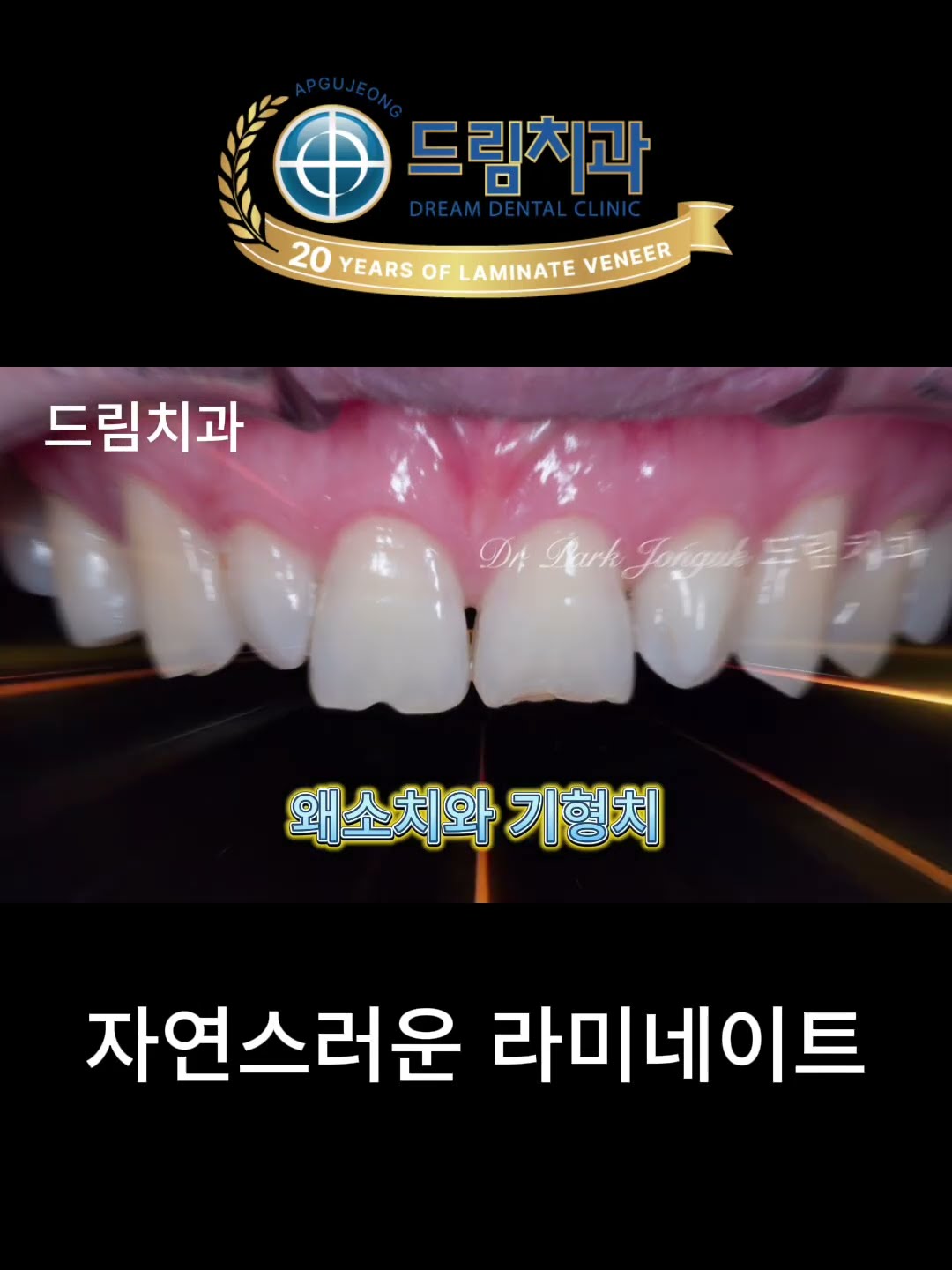
왜소치, 기형치도 자연스럽게 바뀝니다 #라미네이트
0:14 · 2026.04.14 · 666 views
치아의 자연스러움! 모든것을 담아내는 것이 라미네이트의 심미!
0:26 · 2026.04.28 · 661 views
라미네이트 교과서 저자가 직접 보여주는 빌드업 과정 laminate veneer buildup
0:23 · 2026.04.16 · 587 views
검게 변한 앞니 크라운, 미백으로 살려냈습니다
0:14 · 2026.04.23 · 377 views
압구정 드림치과 | 라미네이트 20년의 기록
0:43 · 2026.04.17 · 142 views
Full-length talks
라미네이트 후 부작용 주의! 라미네이트 치료를 한 후 잇몸에 염증이 생기는 분들! 꼭 보세요!
7:57 · 2024.11.07 · 929 views
블랙 트라이앵글의 라미네이트 치료
8:02 · 2024.10.24 · 799 views
잇몸을 만든다고??? 핑크 라미네이트의 모든것!!!
5:25 · 2024.10.28 · 739 views
교정 치료 후에 옥니가 되었다면?? 무삭제 라미네이트 하세요!!
6:05 · 2024.11.26 · 703 views
이런 라미네이트는 처음이다!!! 부분 라미네이트의 모든것!
7:17 · 2024.11.01 · 679 views
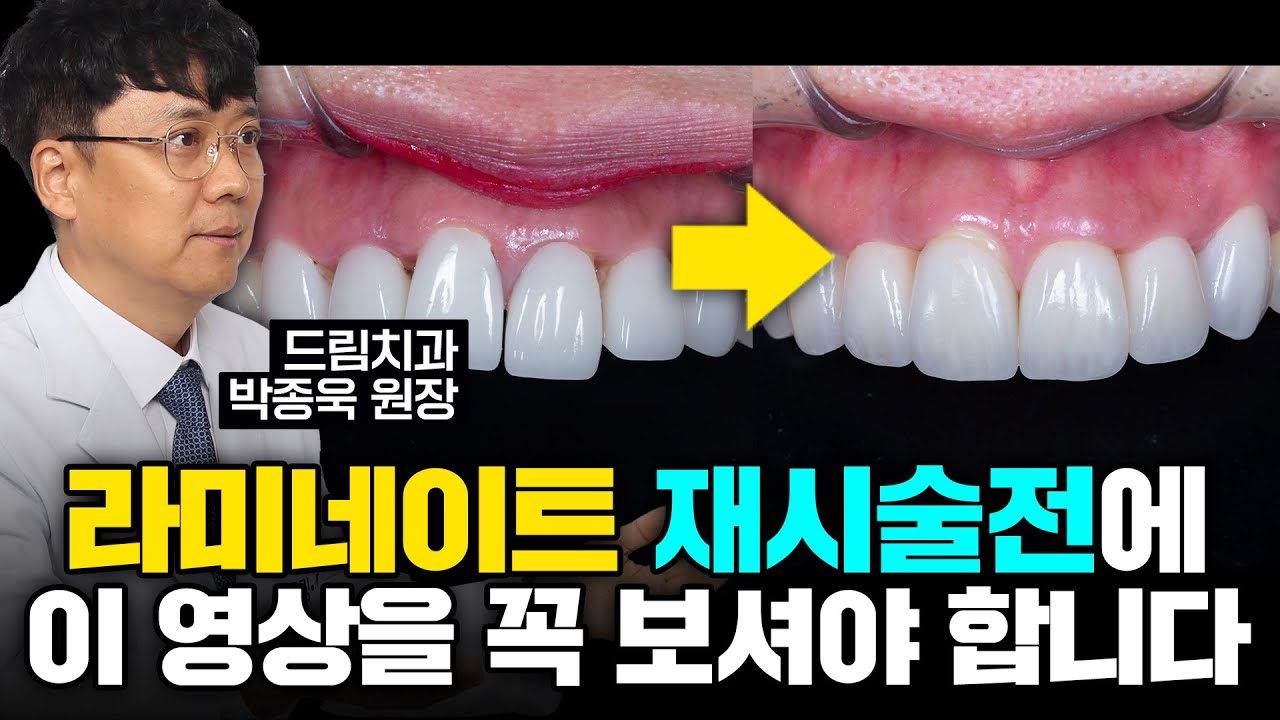
라미네이트 재시술 전에 꼭 보셔야 할 이 영상!!
10:54 · 2024.10.18 · 556 views
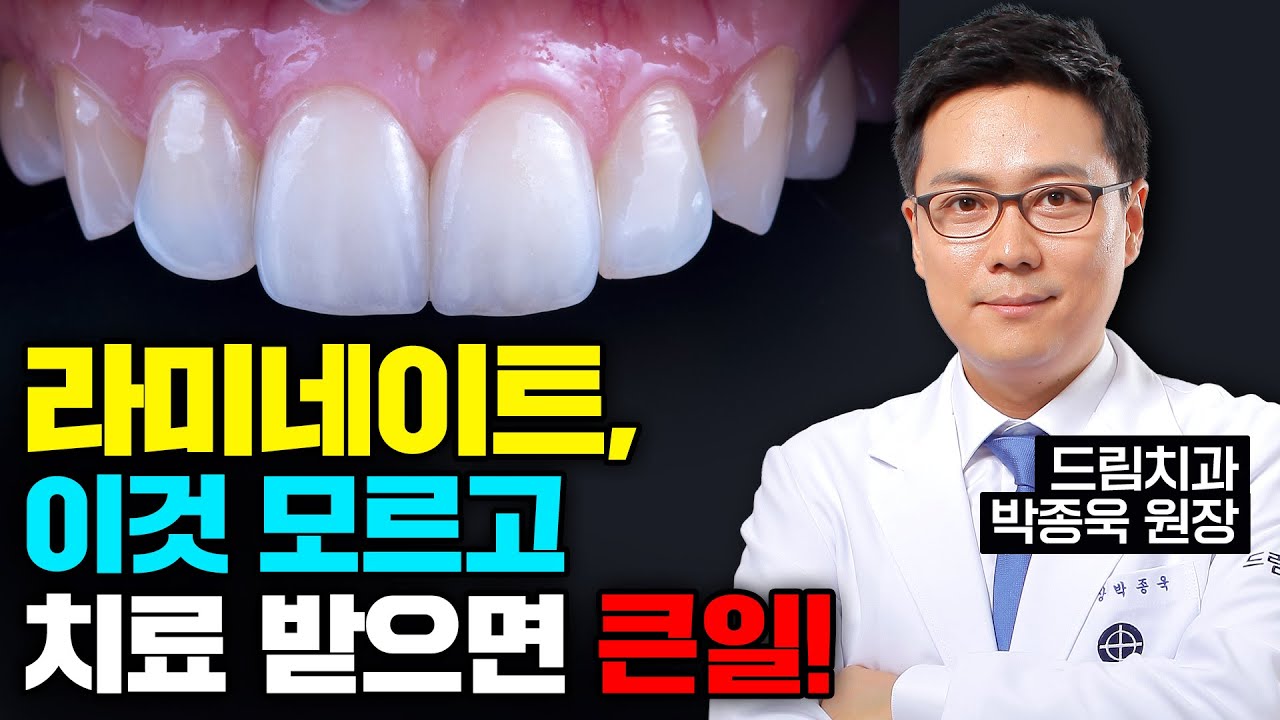
라미네이트 치료 전에 꼭 알아야 할 것!
14:56 · 2024.10.08 · 500 views
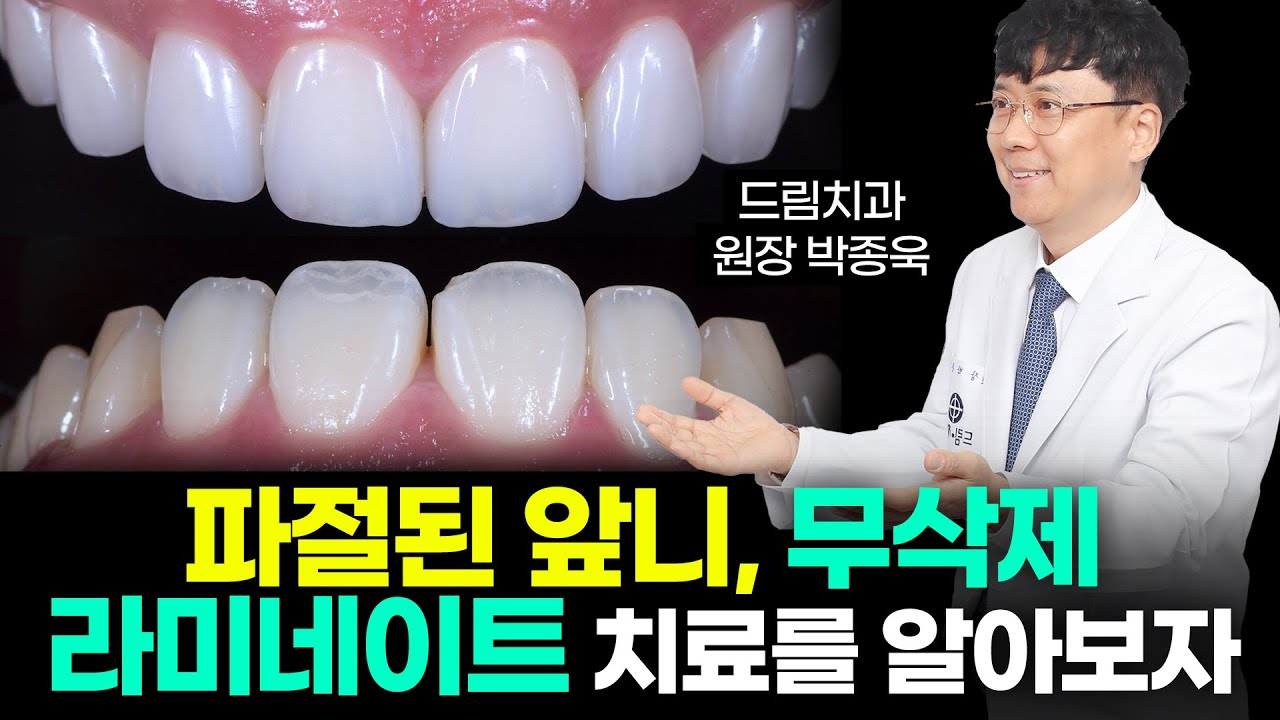
치아가 파절되었을때 무삭제 라미네이트가 가능한 경우에 대해서 알아보겠습니다.
4:49 · 2024.12.03 · 437 views
라미네이트 재시술을 하기 전 꼭 보세요!!
7:07 · 2025.01.07 · 408 views
다양한 최소삭제 라미네이트 케이스들을 보여드립니다.
6:52 · 2024.12.17 · 360 views
라미네이트는 다 티가 나고 어색할까? 자연스러운 라미네이트에 대해서 알려드립니다.
3:56 · 2024.11.19 · 287 views
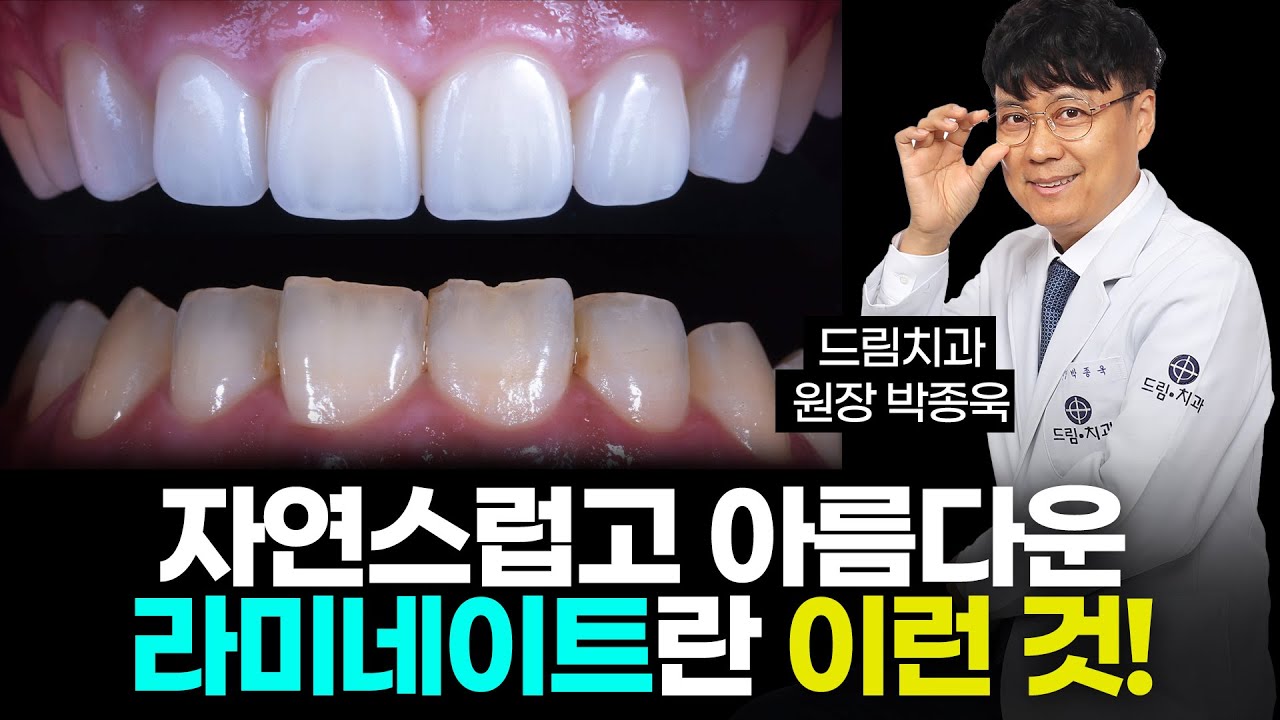
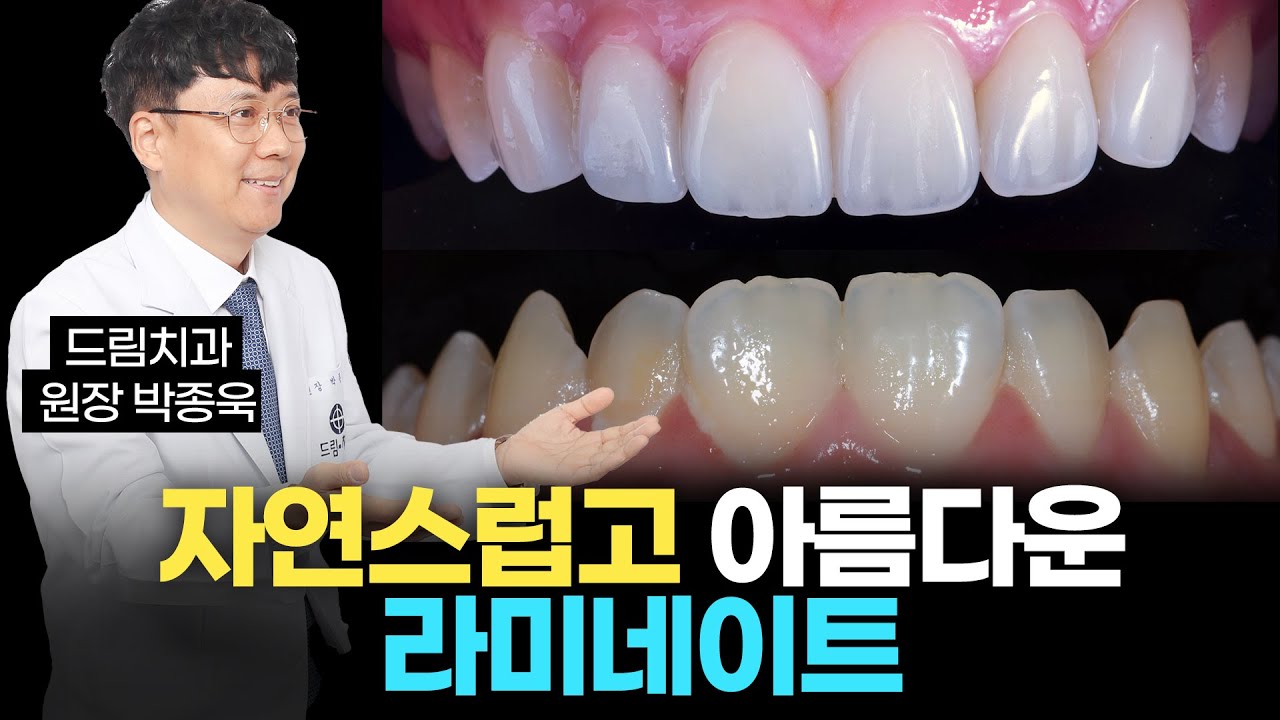
자연스럽고 아름다운 라미네이트
5:25 · 2024.12.27 · 265 views
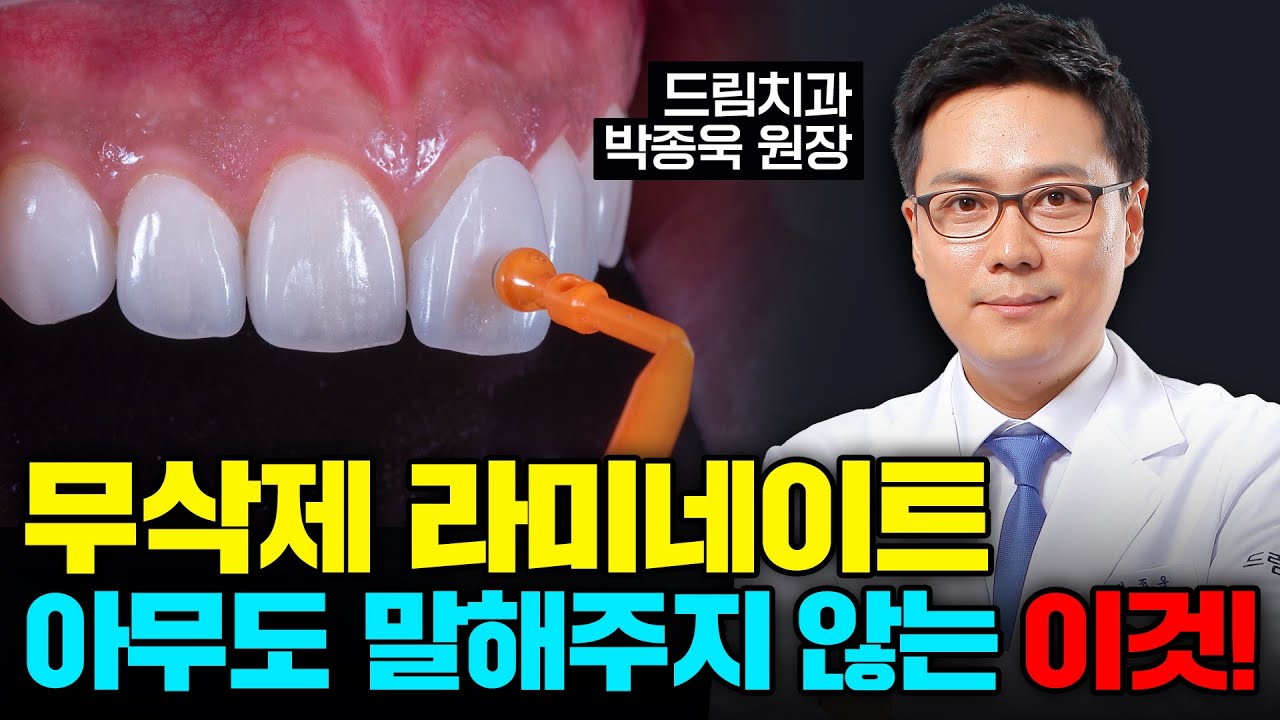
무삭제 라미네이트! 아무도 말해주지 않는 이것!
11:55 · 2024.10.10 · 218 views
무삭제 라미네이트, 확실하게 알려드립니다.
7:04 · 2024.11.14 · 214 views
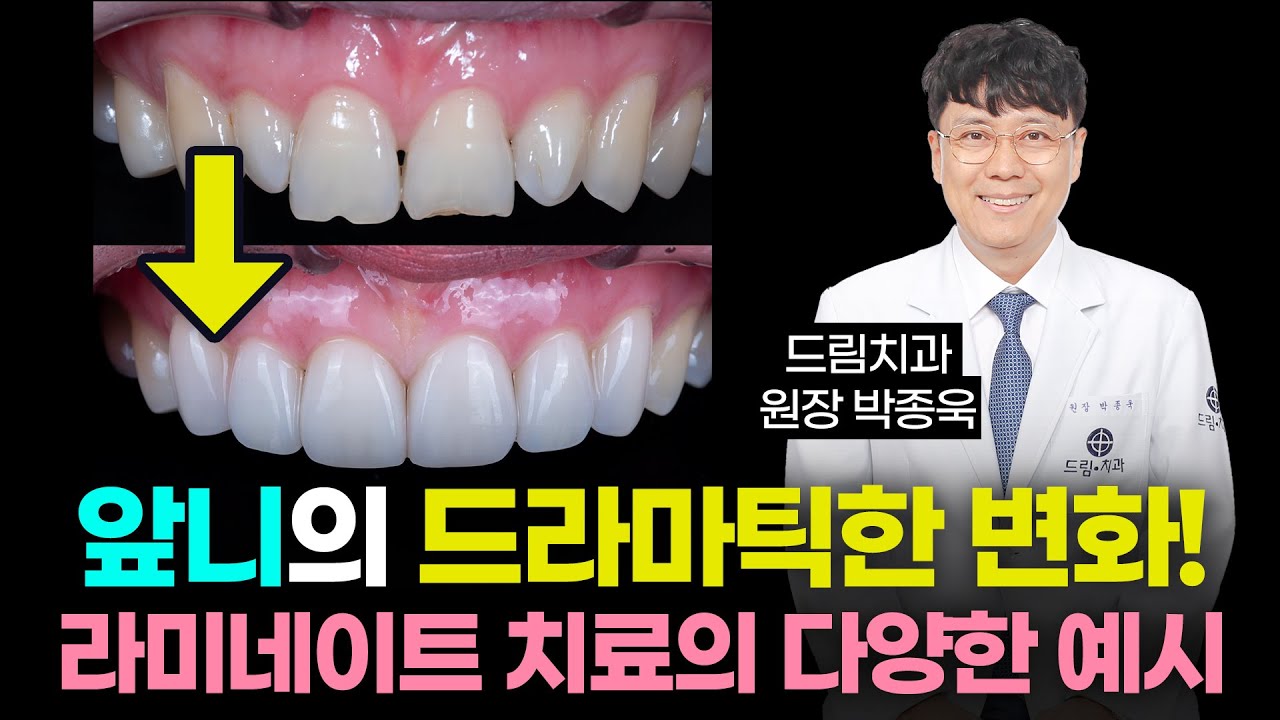
앞니의 드라마틱한 변화!!! 다양한 라미네이트 치료의 예시
6:41 · 2024.12.10 · 193 views
이것이 빠진 라미네이트, 절대로 하시면 안됩니다.
14:07 · 2024.10.14 · 159 views
어색하고 인공적인 라미네이트는 이제 그만!! 자연스럽고 아름다운 라미네이트 치료!!
7:17 · 2024.10.16 · 122 views
Spoken in Korean. Several are edited excerpts from lectures given to practicing dentists. Visit the channel
The available range depends on your condition. We advise you after a diagnosis.
Lamista Academy
Lamista Academy — regular seminars, 1:1 mentoring, and a published textbook. The 2026 course calendar is underway.
2026 Schedule
Regular seminars — Regular seminars run across a weekend.
Invited & overseas lectures
Textbook — First printing sold out — KDA Dental News
“Clinical Porcelain Veneers for Minimal Reduction”
Korea’s first clinical veneer textbook, consolidating multilayer build-up theory and twenty years of practice (Daehan Narae Publishing, 2025). The first printing of 1,000 copies sold out in eight months (as covered by the KDA’s Dental News).
The full curriculum, hands-on program, and seminar registration details are listed on the Academy page.
FAQ
It depends on care and habits, but multilayer build-up veneers stay in good condition for a long time with proper care. We recommend regular check-ups.
No-prep is applicable when the teeth are small, the arch is even, and the teeth do not protrude. An exact assessment is provided after diagnosis.
One-day veneers are milled from a single ceramic block on the day, while build-up veneers layer four to five ceramics over several days, adjusting shade and translucency layer by layer.
The multilayer build-up method puts harmony with the neighboring natural teeth first. Even when only two teeth are treated, we take care to match the shade and translucency of the teeth beside them.
Yes. Enamel loss, discoloration, and wear caused by aging can be improved with veneers once the condition of the teeth has been diagnosed.
Revision is possible for existing veneers with discoloration, fracture, or unsatisfactory results. We examine their current state in detail and then guide you to the best approach.
At Dream Dental Clinic, veneers are KRW 1,300,000 per tooth (VAT excluded). Other non-covered fees — anterior all-ceramic crown KRW 1,300,000, ceramic crown KRW 700,000 — are listed in the fee guide on our website and may vary with tooth condition and treatment scope.
Every added layer must be fired at high temperature, and the layering, carving, and glazing are done by hand.
A traditional porcelain known for optical behavior close to natural enamel, suited to thin, hand-layered build-up. It is the material we use for multilayer veneers — unlike milled ceramic blocks, it allows shade expression layer by layer.
Porcelain strongly resists color change, and the glaze layer reduces staining — coffee and tea affect it less than natural enamel. The bonded margin can pick up slight staining over the years, which is managed with polishing at regular check-ups.
Only as much as the layer budget requires — typically within 0.3–0.7mm. Whether a no-prep veneer is possible is decided at diagnosis. Per-tooth thickness design comes before any trimming.
Usually one visit for diagnosis and shade records, then one or two for try-in and bonding. The fabrication days are in-house lab time, so no visit is needed in between.
Before bonding, the shells are seated temporarily so shade, form, length, and speech can be checked in your actual mouth — under daylight and room light together. Anything unsatisfying is corrected layer by layer first. We never rush past this stage.
Together, on the shade guide, compared against your neighboring teeth and skin tone. Photographic records and chairside observation drive the layer recipe — so the target is never just “white,” but a specific shade at a specific translucency.
Small chips are often recovered with polishing or repair; a larger fracture means remaking that tooth alone. Your shade records stay on file in our in-house lab, so even a single remake can be matched to its neighbors.
The layers are built to pass and reflect light close to the way enamel does, with the goal of matching the neighboring teeth under camera flash or dim lighting. We verify this under multiple light sources at try-in.
It needs the hand skill to layer ceramic, plus a dental lab equipped for that work.
The micro-contours of natural enamel shape how it reflects light. At the carving stage we study the texture of your neighboring teeth, carve a similar grain, and adjust the gloss with the glaze. A surface that is merely smooth can look artificial.
Visit
#211 JB Miso Bldg., 841 Nonhyeon-ro, Gangnam-gu, Seoul
Reach us by phone or KakaoTalk. Registration until 17:30 weekdays, 12:30 Saturdays.