
Chipped-Tooth Veneers: Even Teeth Eroded by Acid Reflux Can Be Saved
Hello, I am Park Jonguk, director of Dream Dental Clinic in Apgujeong.
Today I'd like to share a special case.
It's the story of teeth eroded by acid reflux (GERD) that were treated with no-prep veneers and the sandwich technique.
Acid reflux destroys teeth
Acid reflux (GERD) is a condition in which stomach acid flows back up into the esophagus.
But this also has a serious impact on the teeth.
Stomach acid is highly acidic (pH 1–2).
When this acid comes up into the mouth, it dissolves the teeth.
In particular, the inner (palatal) surface of the teeth erodes severely.
That's because, while sleeping at night, refluxed stomach acid continues to dissolve the back surface of the teeth.
It can even end up looking like a chipped tooth.
"I'd like veneers after finishing orthodontic treatment."
This patient came in for veneers after orthodontic treatment.
Orthodontic treatment had made the alignment even, but the teeth were severely eroded.
She had reportedly suffered from acid reflux for a long time.
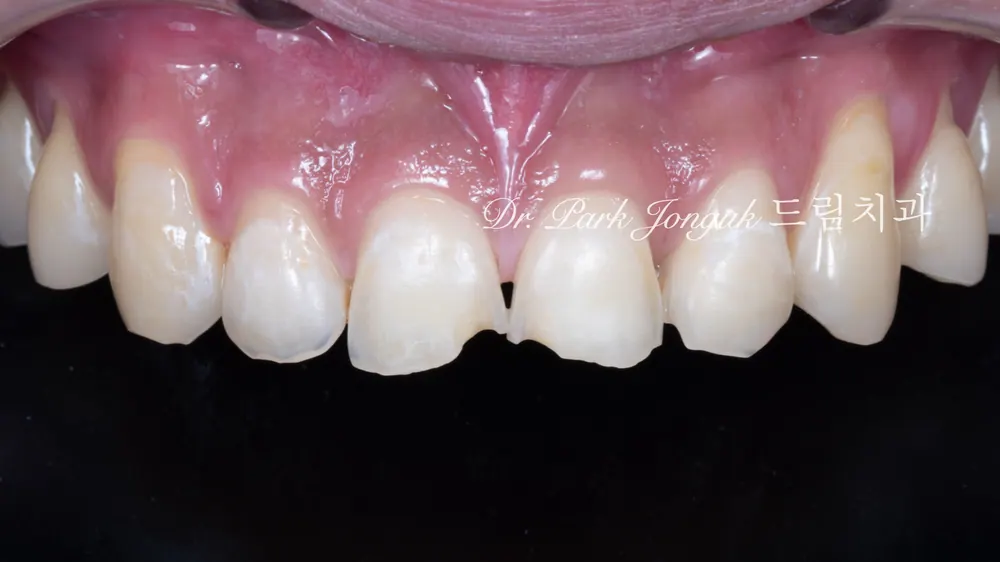
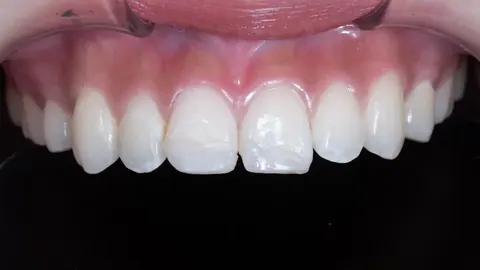
Photo 1 is the initial examination photo.
Viewed from the front, the teeth look irregular, almost like they're chipped.
The color is also dark and dull.
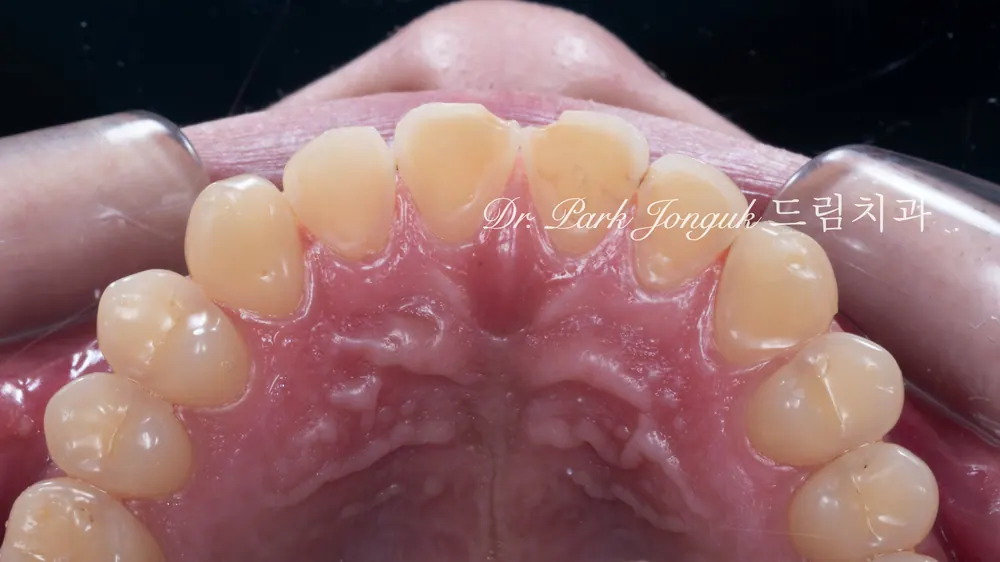
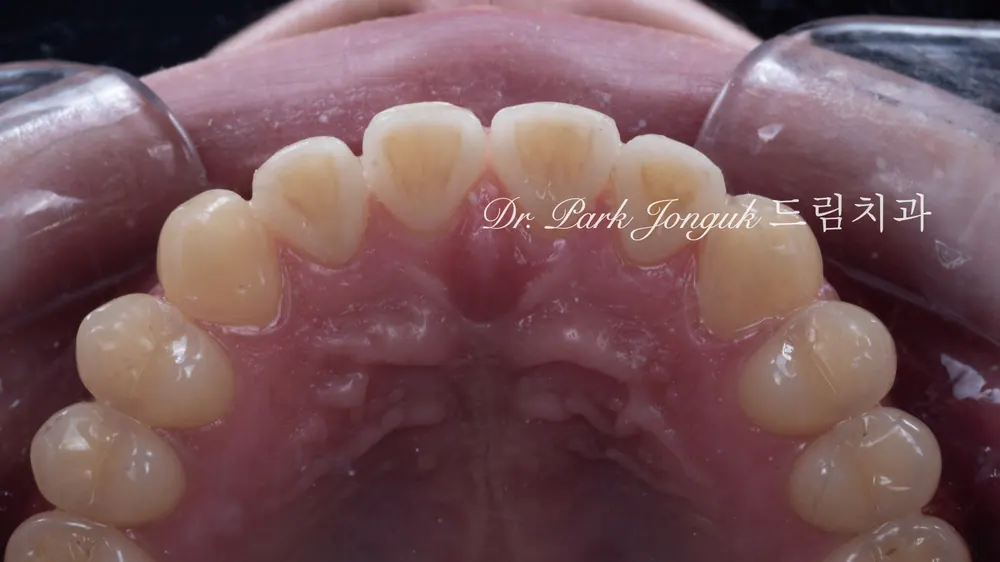
Photo 2 is the view from the palatal side.
It's genuinely shocking.
You can see that the teeth are severely eroded all the way to the palatal surface.
The back surface of the teeth is uneven and dissolved.
A crown? That would require far too much reduction
She said every other dental clinic had recommended all-ceramic crowns.
Why was that?
Since even the back of the teeth was eroded, they assumed a crown that covers the entire tooth was needed.
But a crown requires far too much reduction
An all-ceramic crown requires reducing 1.5–2mm.
The teeth were already significantly damaged by erosion.
Reducing another 1.5–2mm on top of that would leave almost no tooth structure.
"That would mean far too much tooth reduction."
I found this genuinely unfortunate.
There's a better way.
We solved it with the sandwich technique
Since the palatal side also had to be addressed, we decided to use the sandwich technique.
What is the sandwich technique?
It's a method that wraps the tooth with two veneers, front and back.
One veneer on the front (buccal side), one veneer on the back (palatal side).
It protects the tooth just like a sandwich.
Why use the sandwich technique?
It can protect the tooth with minimal reduction.
There's no need to reduce 1.5–2mm the way a crown requires.
You can go no-prep or minimal-reduction, and just smooth out the chipped area.
It can also perfectly cover the eroded area on the palatal side.
We build the plan through precise diagnosis
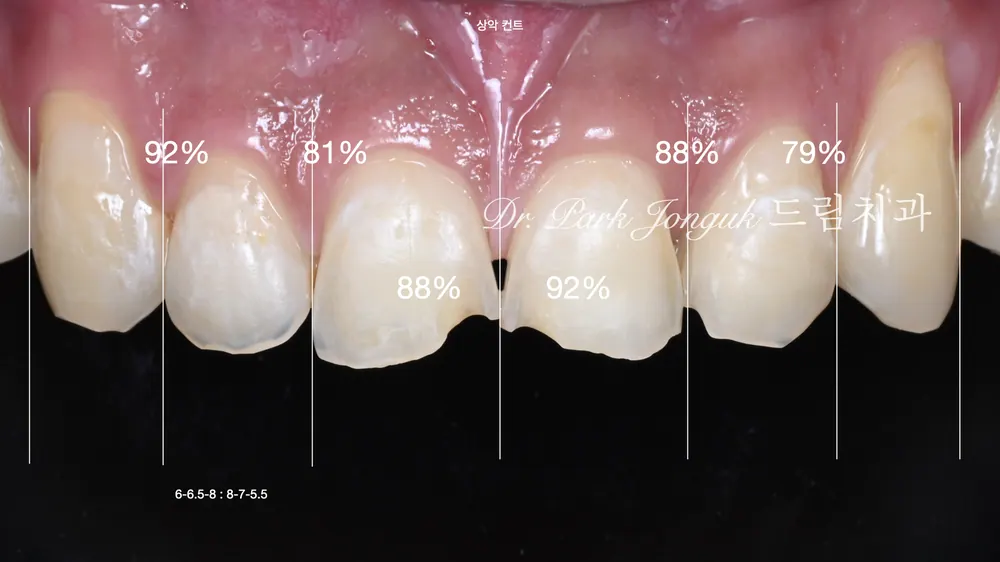
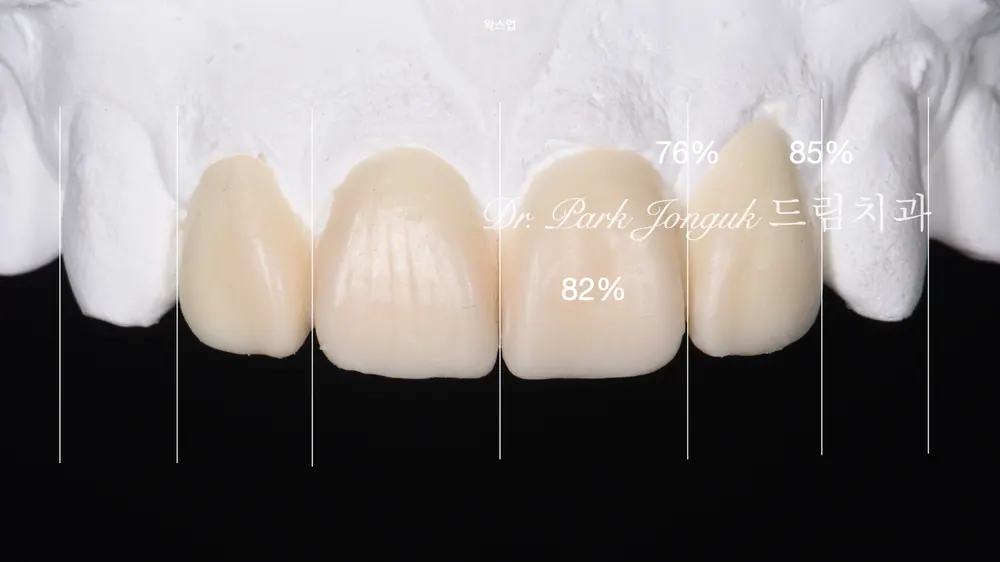
Photos 3 and 4 show the analysis for the wax-up and the results of the wax-up precision diagnosis.
Analysis stage
We precisely analyze the degree of erosion on the teeth.
How far does the coverage need to extend?
Where should the boundary between the buccal and palatal veneers be set?
How should the shape of the tooth be designed?
Wax-up diagnosis
We create the final shape in advance.
We design the shape of the buccal veneer.
We determine the extent of the palatal veneer.
We precisely plan the point where the two veneers meet.
We check in advance with temporary teeth
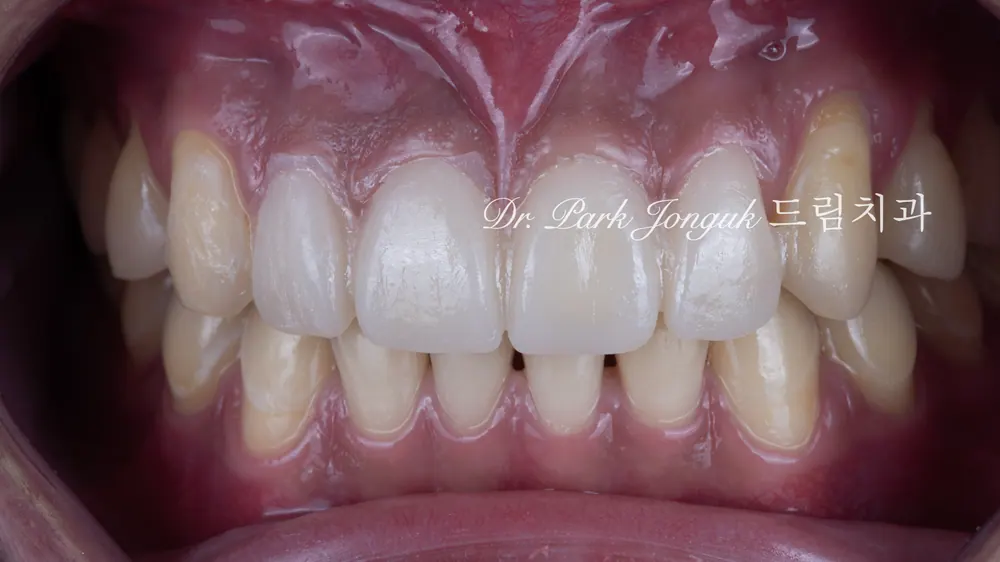
Photo 5 shows the process of checking the change in the teeth using temporary teeth.
Based on the wax-up, temporary teeth are made and actually worn.
The patient checks it herself, looking in the mirror.
Is the size appropriate?
Does the shape look natural?
Is the palatal veneer uncomfortable?
We consult thoroughly and make adjustments.
We reduce only the bare minimum
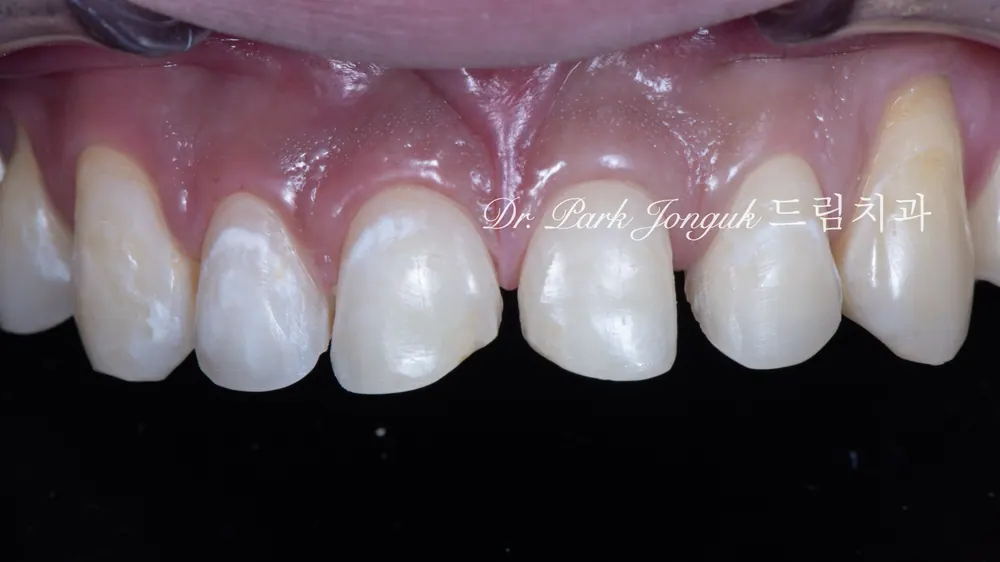
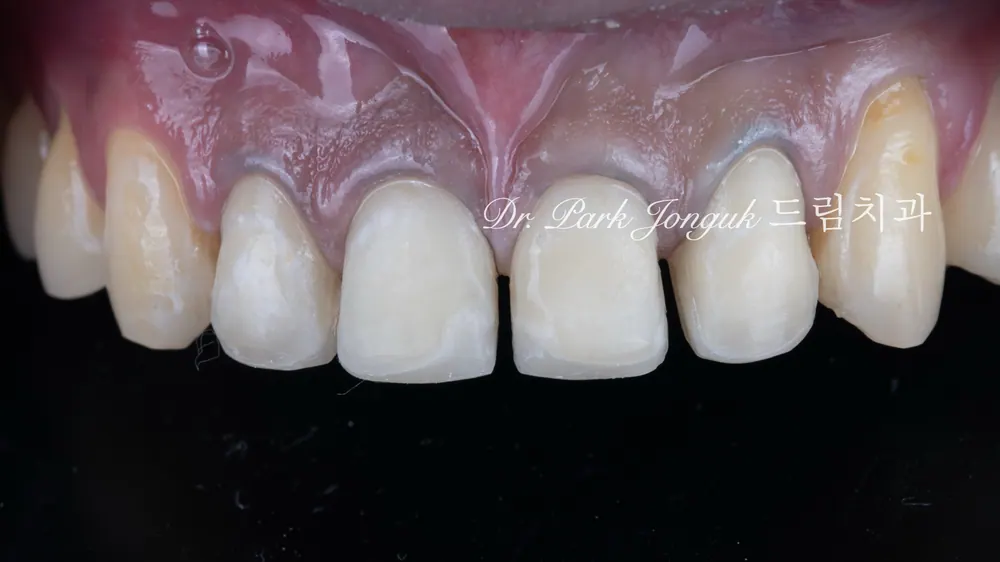
Photo 6 shows the tooth preparation process.
Only a minimal amount of reduction was done, on the overly sharp areas and the chipped areas.
The sharply protruding areas are smoothed out.
The sharp edges of the chipped area are cleaned up.
This isn't reducing 1.5–2mm the way a crown does.
Only the minimum, only the necessary areas, are reduced precisely.
The tooth is preserved as much as possible.
We fabricate the palatal veneer first
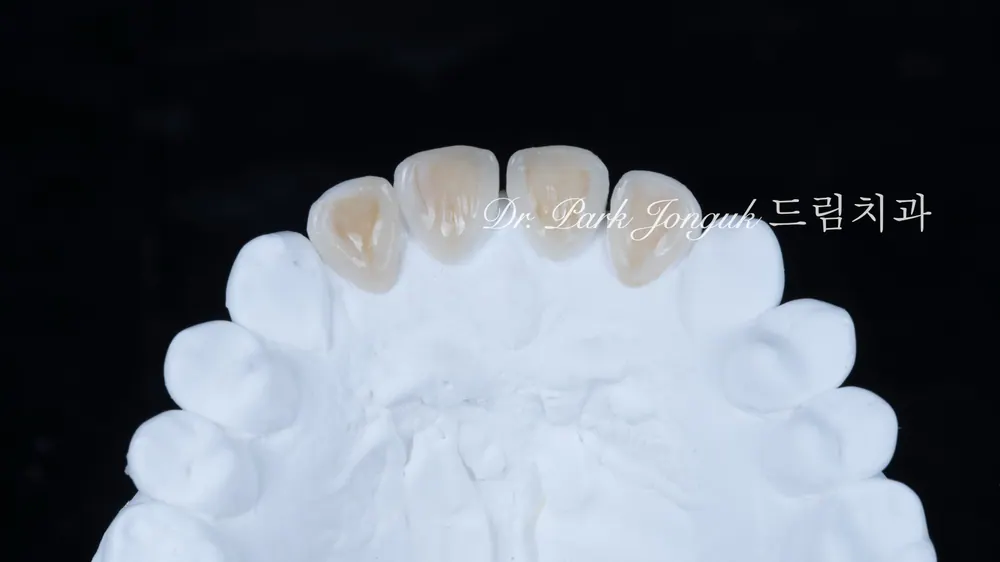
Photo 7 shows the fabrication of the palatal veneer.
With the sandwich technique, order matters.
The palatal veneer is made first.
It's designed to completely cover the eroded back surface of the tooth.
The area where it meets the buccal veneer is designed with precision.
Photos 8 and 9 show the bonding process for the palatal veneer.
The palatal veneer is bonded first.
It's positioned with precision.
It's bonded perfectly.
The back surface of the tooth is now protected.
We finish with the buccal veneer
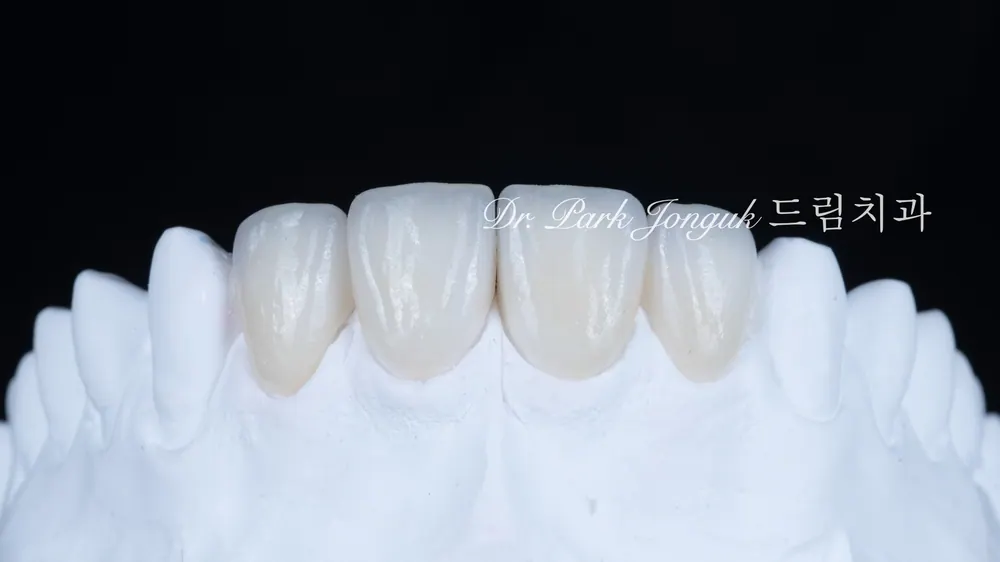
Photo 10 shows the fabrication of the buccal veneer.
Now the front veneer is made.
It's fabricated to fit precisely together with the palatal veneer.
It's designed with a natural shape and color.
The translucency and color gradient are reproduced.
After treatment: a complete recovery
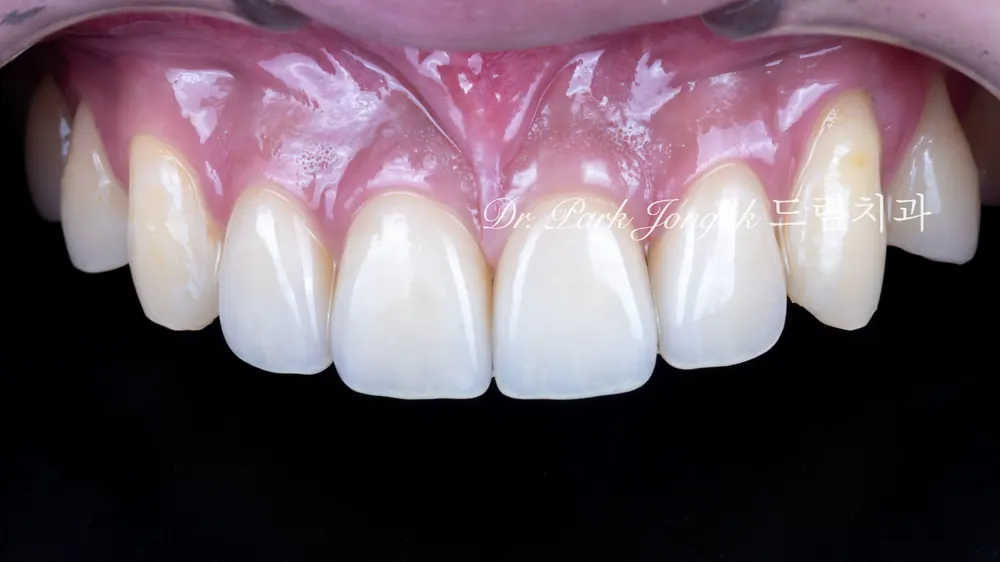
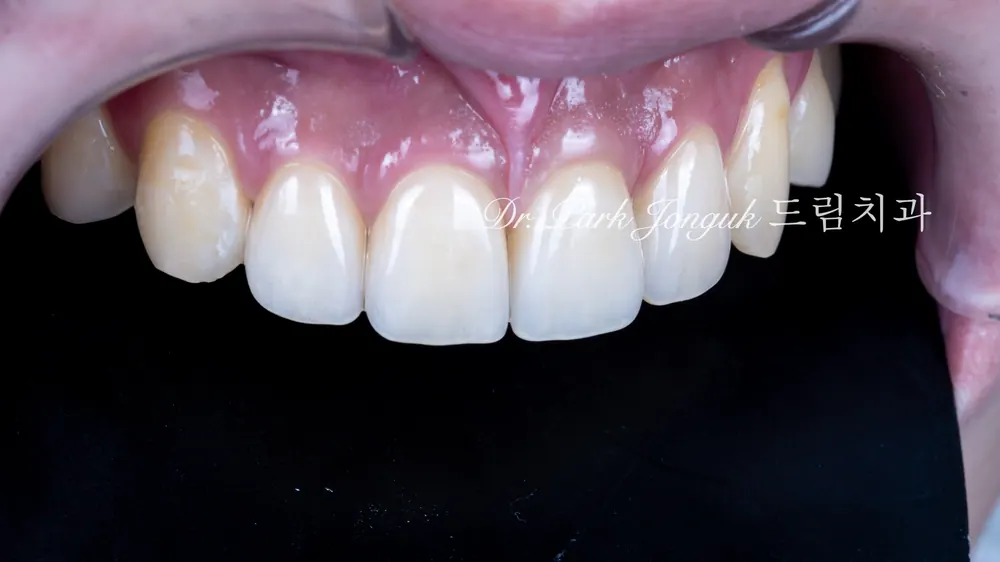
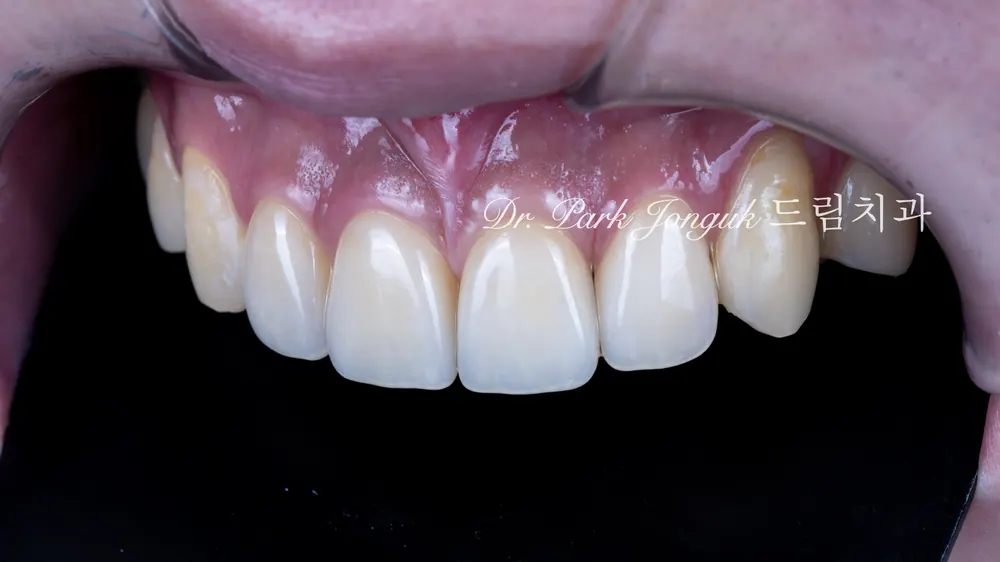
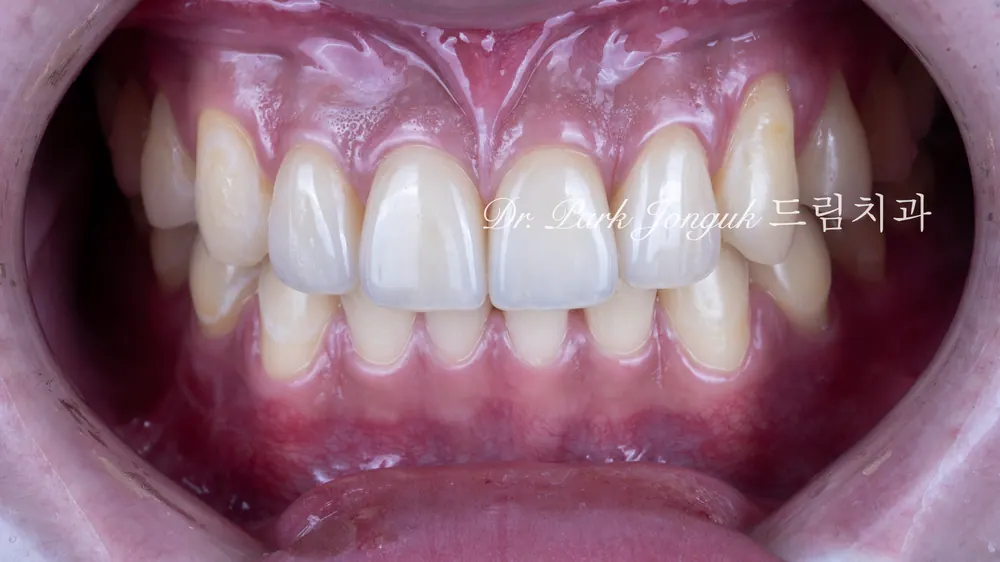
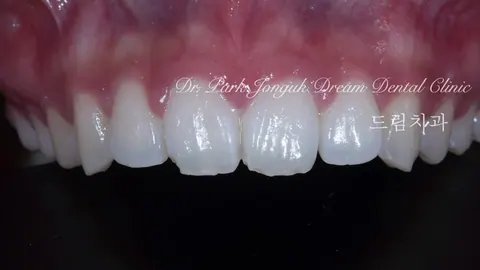
Photos 11, 12, 13, and 14 show the appearance after treatment.
It was finished off looking natural and well done.
The shape is beautiful
The tooth that had been chipped and eroded was transformed into a natural, elegant shape.
Delicate detail is preserved in each individual tooth.
The color is bright and natural
The dark, dull color changed into a bright, vibrant one.
The translucency was beautifully reproduced.
The palatal side is fully protected as well
The back surface of the tooth that had been eroded is now completely covered.
Now, even if stomach acid refluxes, the teeth are protected.
Tooth reduction was minimized
If a crown had been used, 1.5–2mm would have had to be reduced.
But with the sandwich technique, only minimal reduction was needed.
Healthy tooth structure was preserved as much as possible.
Advice for patients with acid reflux
If you're concerned about teeth eroded by acid reflux, here's what to do.
Treating the acid reflux comes first
Treat the acid reflux before starting dental treatment.
If the acid reflux continues, the teeth will keep eroding.
Internal medicine treatment needs to go hand in hand with dental care.
A crown isn't automatically the answer
Just because the erosion extends to the palatal side doesn't mean a crown is necessarily required.
It can be solved with minimal reduction using the sandwich technique.
Ask for a precise diagnosis
The buccal and palatal veneers need to be precisely planned through a wax-up diagnosis.
Checking in advance with temporary teeth is also essential.
Choose a clinic with extensive experience
The sandwich technique is a highly demanding skill.
Two veneers have to be fabricated and bonded with precision.
Choose a clinic with more than 20 years of clinical experience.
Frequently Asked Questions (Q&A)
Q1. Doesn't the sandwich technique tend to come loose easily?
A. No. If it's fabricated and bonded properly, it can be used stably for more than 10 years. Since the buccal and palatal veneers support each other, it can actually be even more stable.
Q2. Can't I just get veneers without treating the acid reflux?
A. If the acid reflux continues, the teeth and gums around the veneers will keep getting damaged. Internal medicine treatment absolutely has to go hand in hand with dental care. Veneers restore the areas that have already been damaged, while treating the acid reflux is the key to preventing recurrence.
Q3. Which is better, a crown or the sandwich technique?
A. Each has its own advantages and disadvantages, but in terms of preserving tooth structure, the sandwich technique is superior. A crown requires 1.5–2mm of reduction, while the sandwich technique can be done with minimal reduction. It's important to choose the optimal method for each case through precise diagnosis.
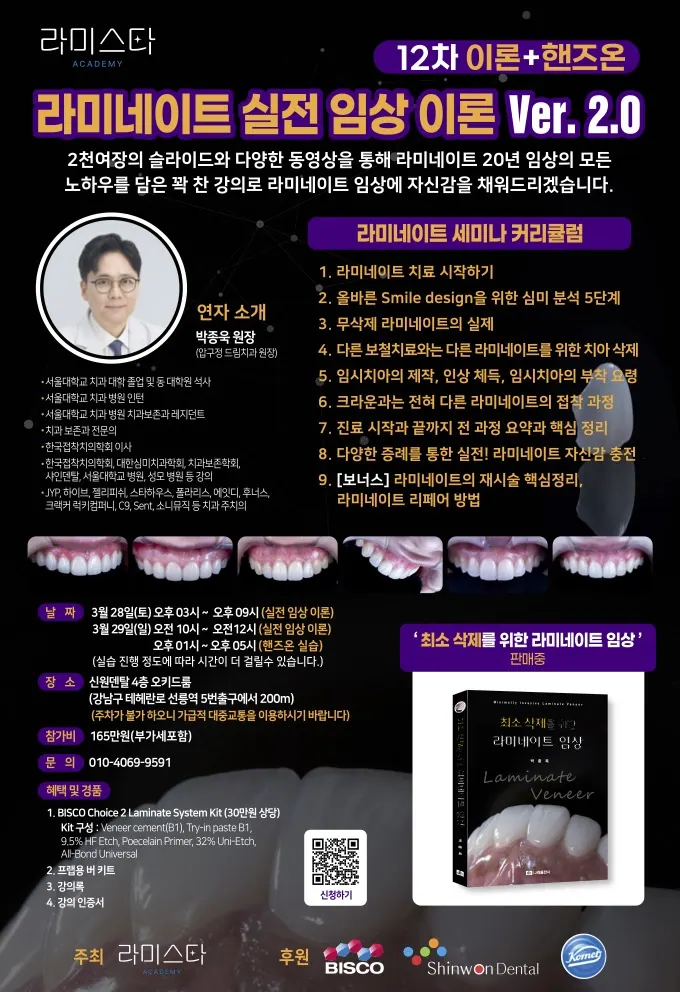
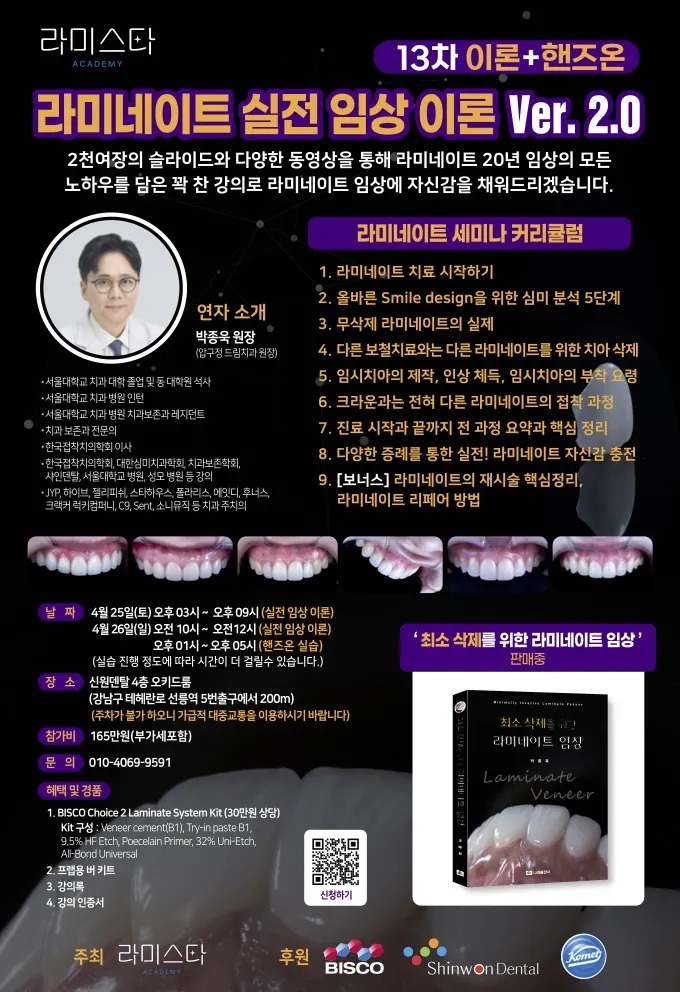
This article was written based on the actual clinical experience of Dr. Park Jonguk, director of Dream Dental Clinic in Apgujeong. He has practiced aesthetic dentistry for 20 years, and every month at Lamista Academy he teaches fellow dentists advanced veneer techniques, including the sandwich technique. He has published Korea's first veneer textbook.
This article is a clinical note written by Dr. Park Jonguk of Dream Dental Clinic, Gangnam; the original was published on his blog. The photographs shown are real cases he treated. Results vary with each patient’s condition, and every procedure carries the possibility of individual variation and side effects.
Quick Consult
Request a Callback
Leave your number and we will call you back during clinic hours.
Request Received
We will contact you during clinic hours. For urgent matters, please call +82-2-3448-0028.