
Teeth Not Suited for Veneers — Cases Where Even I Advise Against It
"Can I get veneers too?" is a question I get very often in consultations.
But here's something that might surprise you — there are quite a few cases where I actually advise against it.
Why would someone who's done veneers for over 20 years talk patients out of it?
Because if you force veneers onto teeth that aren't suited for them, they end up chipping or coming off, and I see that patient again eventually.
And often in worse condition than before.
There are plenty of posts online saying "don't get veneers." That's half right and half wrong.
It's veneers done on unsuited teeth that cause problems —
veneers done properly on teeth that are suited for them is an entirely different story.
So today, I'll go through which cases don't work,
broken down into three categories.
1. Cases that truly don't work, 2. Cases that don't work right now, 3. And cases where a different treatment is better than veneers.
These three are completely different.
First, there are cases that truly don't work.
Severe teeth grinding or clenching habits.
The force of grinding your teeth while asleep is far greater than the force of chewing food during the day.
Most people aren't even aware they do it.
If your jaw feels stiff in the morning, or your molars are worn flat,
those are signs worth suspecting.
A veneer is a thin piece of ceramic.
It's hard for it to withstand that kind of force every single night.
That said, there's a caveat even here.
If the grinding isn't too severe, treatment can sometimes proceed alongside a nightguard (a protective device worn while sleeping).
So when I see signs of grinding during the exam, the first thing I check is how severe it is.
Some people also have a reverse bite in the front teeth.
This is when the lower front teeth sit outside the upper front teeth, or the upper and lower teeth clash directly against each other.
In this kind of structure, a thin veneer takes continuous force and doesn't last long.
For these patients, I recommend orthodontics first. It may feel like the long way around, but it's often the right answer.
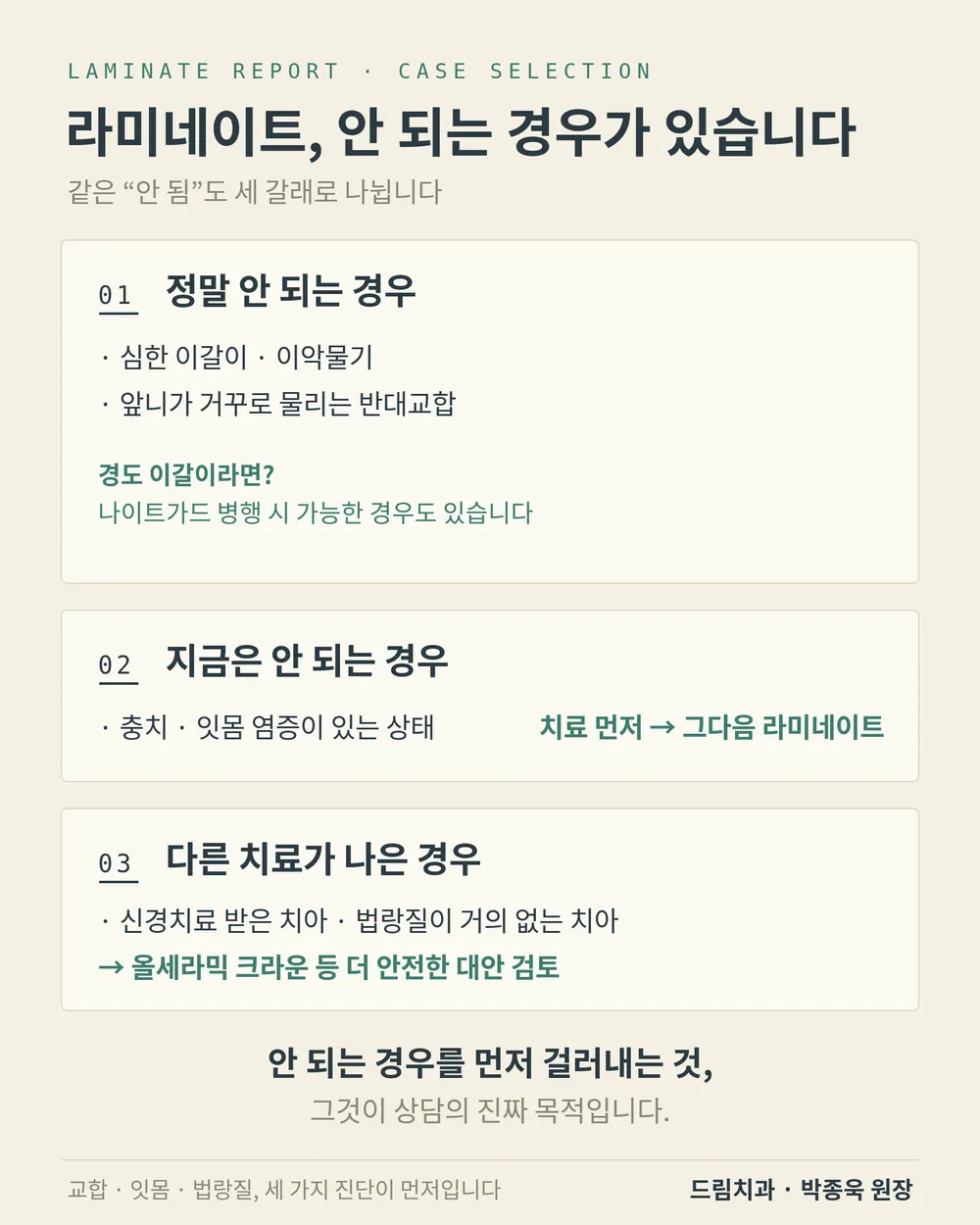
Second, there are cases that don't work right now.
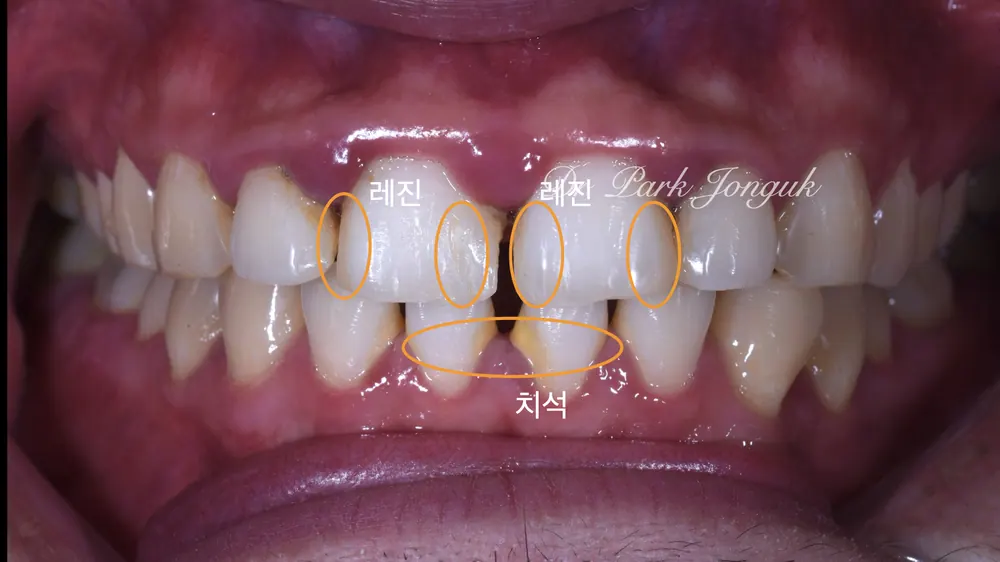
Cavities and gum disease.
This isn't a case of "can't" — it's a matter of sequence.
If an impression is taken while the gums are inflamed, the veneer's margin won't come out accurately.
As the inflammation subsides and the gum height changes,
the carefully made margin can end up showing. The same goes for cavities.
If a veneer is placed over a cavity, the decay keeps progressing underneath.
It looks beautiful on the outside while it's decaying on the inside.
So there's only one correct order.
Treatment first, veneers second. Follow this order and it's possible in most cases.
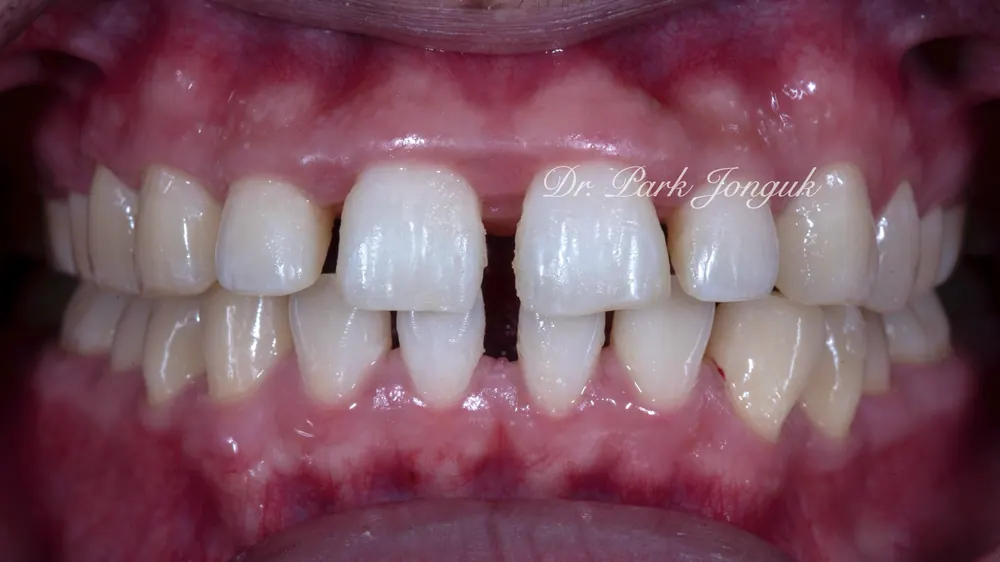
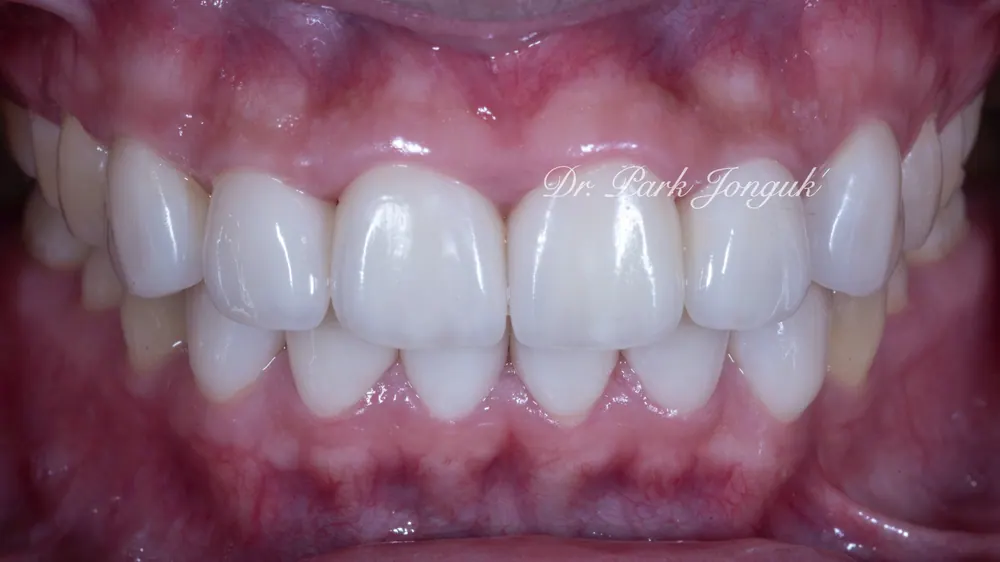
Third, there are cases where a different treatment is better.
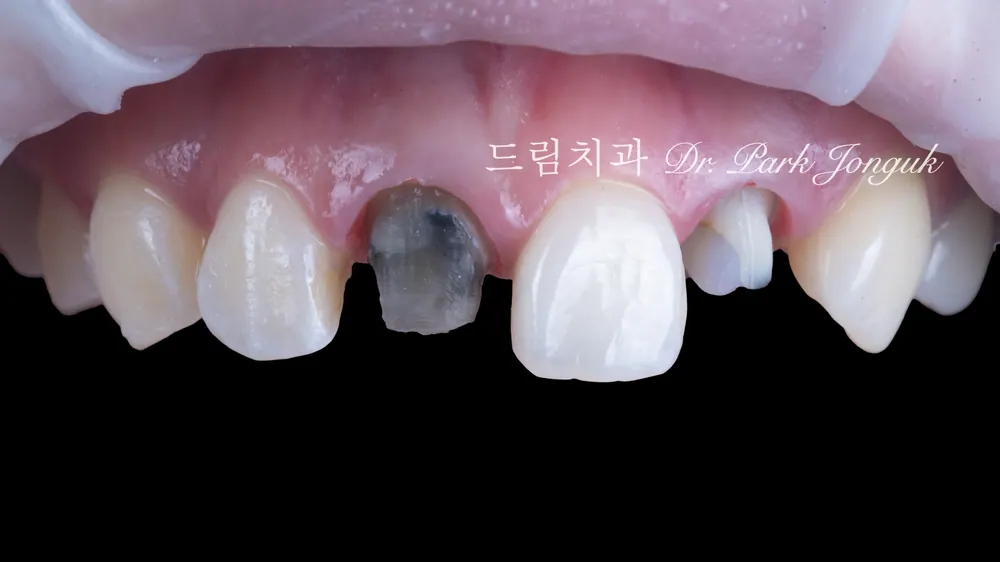
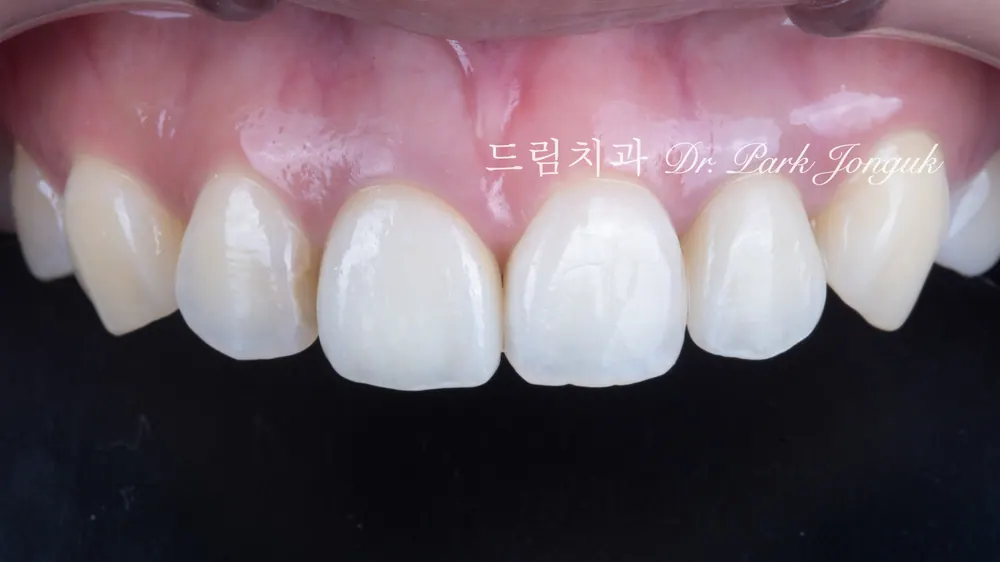
A classic example is a tooth that has had root canal treatment.
After root canal treatment, the tooth gradually darkens,
and it weakens as its supply of moisture is cut off.
For a tooth like this, a crown that fully encases and protects it is often safer than a thinly bonded veneer.
It's not that veneers can't be done — it's that a better answer exists.
The same goes for a tooth with almost no enamel left.
A veneer stays firmly in place only when it's bonded to the enamel on the tooth's outer surface.
But the enamel on a front tooth is only about 0.3-1.1mm thick depending on the area — thinner than you'd expect.
If a tooth is severely worn or eroded and little enamel remains, bonding strength has to be reconsidered from the start.
This is a case where the treatment plan itself needs to be redesigned based on the remaining tooth structure.
So how can you know whether you're a candidate?
It ultimately comes down to diagnosis.
How the upper and lower teeth bite together, the condition of the gums, and the amount of remaining enamel.
The most dangerous kind of veneer treatment is one that skips checking these three things.
On the other hand, once all three are checked before starting, veneers become a treatment that lasts a long time.
If you go in for a consultation and the answer "you can definitely have it" comes before your teeth have even been properly examined,
that, to me, is actually more concerning.
Filtering out the cases that don't work first — that's the real purpose of a consultation.
Park Jonguk / Over 20 years treating veneers, author of Korea's veneer-focused book.
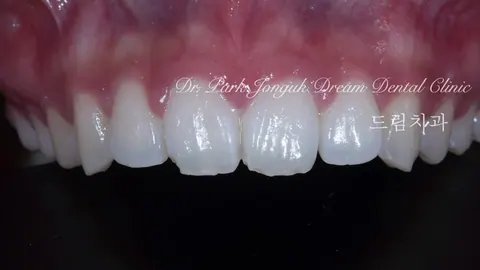
This article is a clinical note written by Dr. Park Jonguk of Dream Dental Clinic, Gangnam; the original was published on his blog. The photographs shown are real cases he treated. Results vary with each patient’s condition, and every procedure carries the possibility of individual variation and side effects.
Quick Consult
Request a Callback
Leave your number and we will call you back during clinic hours.
Request Received
We will contact you during clinic hours. For urgent matters, please call +82-2-3448-0028.