
Front-Tooth Veneers: The Fabrication Method Determines the Result
Hello, I'm Park Jonguk, DDS, MS, director of Dream Dental Clinic, Apgujeong.
Today I'll explain the veneer fabrication process in detail.
If you're looking for a clinic that does veneers well, be sure to check their fabrication method.
Veneer types fall broadly into two categories depending on how they're made.
The Veneer Fabrication Process: Two Methods
How are front-tooth veneers made?
There are broadly two methods.
The One-Day Method (CAD/CAM)
A computer designs the shape and a machine mills it.
It can be made quickly, the same day.
The Handmade Method (Manual Build-up)
This method involves layering ceramic by hand.
It takes time and care.
The difference between these two methods makes the final result completely different.
The One-Day Method: Fast, but Limited
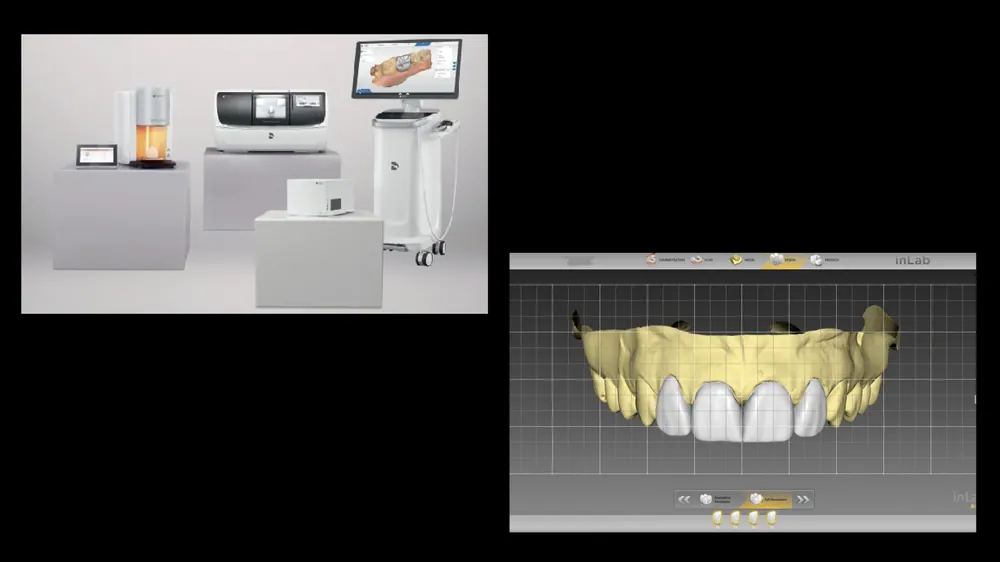
Photo 1 shows the computer design process.
It's the AI Era, but There Are Still Limits
These days, in the AI era, it may seem like AI can handle everything on its own.
But AI still hasn't made a major contribution to the veneer fabrication process.
Computer software designs the shape of the tooth.
But it can't reproduce the subtle characteristics of a natural tooth.
Delicate details like translucency, color variation, and surface texture can't be programmed.
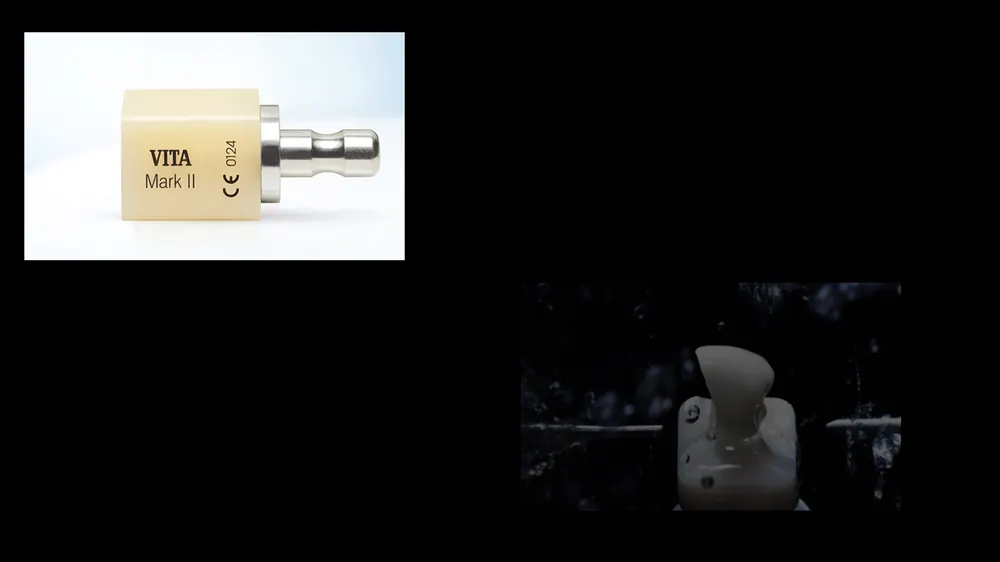
Photo 2 shows the veneer being milled.
The Limits of Machine Milling
Milling ceramic by machine also has clear limitations compared to shaping it by hand.
A milling machine carves the ceramic block.
It uses only one material and one shade.
It can't create a multilayer structure.
It can't reproduce translucency or color variation.
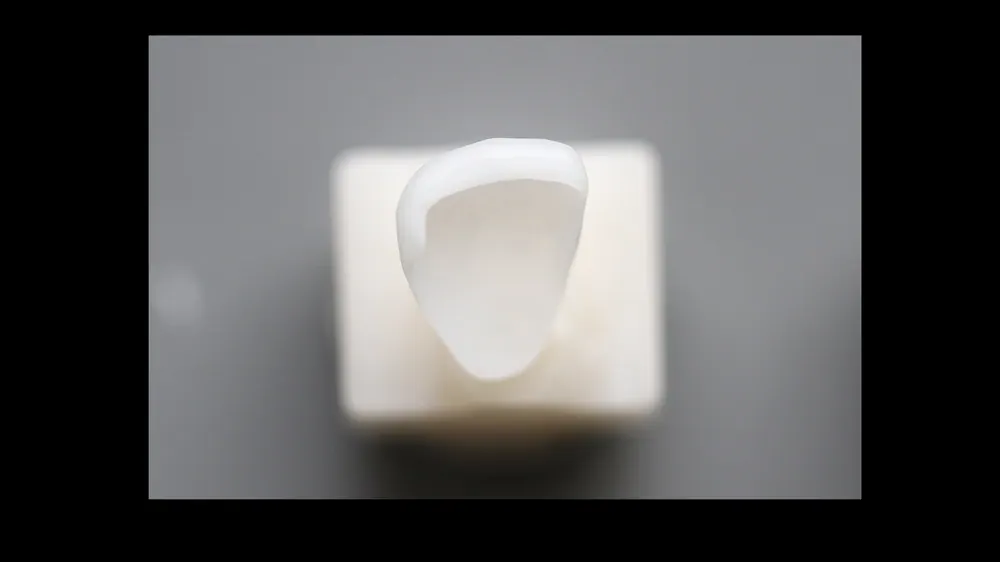
Photo 3 shows a veneer made in just 2 to 30 minutes.
Fast — But What About Quality?
It really is fast.
It can be finished in as little as 2 to 30 minutes.
Same-day treatment is possible.
But what about the quality?
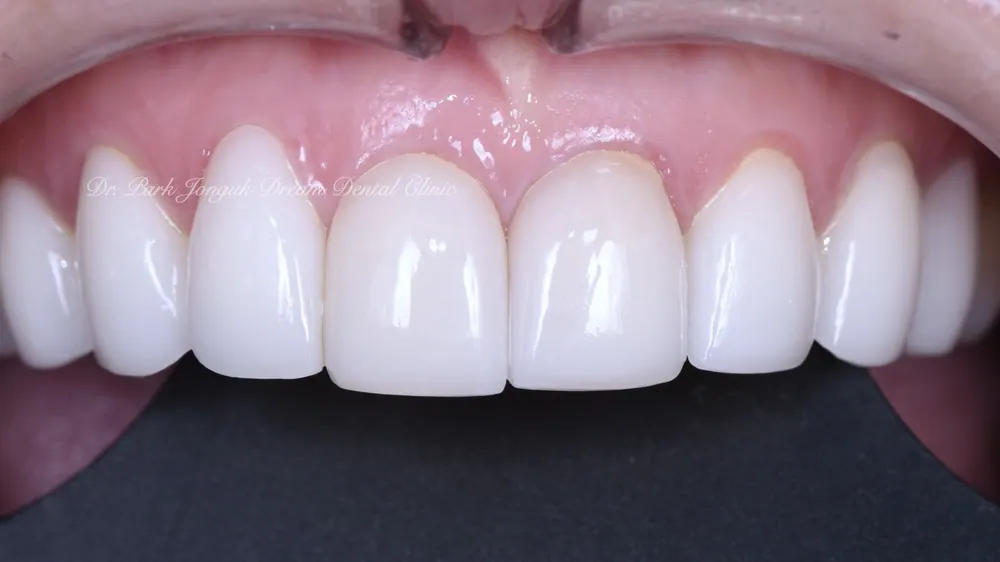
You can see it for yourself in Photo 4.
This is a veneer result that looks as awkward and artificial as a piece of xylitol gum.
The Problems with the One-Day Method
Monotonous color: There's only one shade — the same color from the root of the tooth all the way to the tip.
No translucency: It's opaque and dull. Light doesn't pass through.
Flat shape: There's no sense of dimension. It's uniform and monotonous.
Artificial appearance: It's as white and awkward-looking as xylitol gum — it clearly looks like a fake tooth.
These are the limitations of the one-day method among the different types of veneers.
Another puzzling thing these methods have in common is that
they're often given a separate brand name instead of being called "veneers," as if they weren't veneer treatment at all,
or they're advertised as if they were an even better treatment than veneers.
Even though it's made using the simplest, most basic fabrication method among all veneer techniques,
advertising it as though it were a superior treatment is something I simply can't understand.
The Handmade Method: Where Care Meets Art
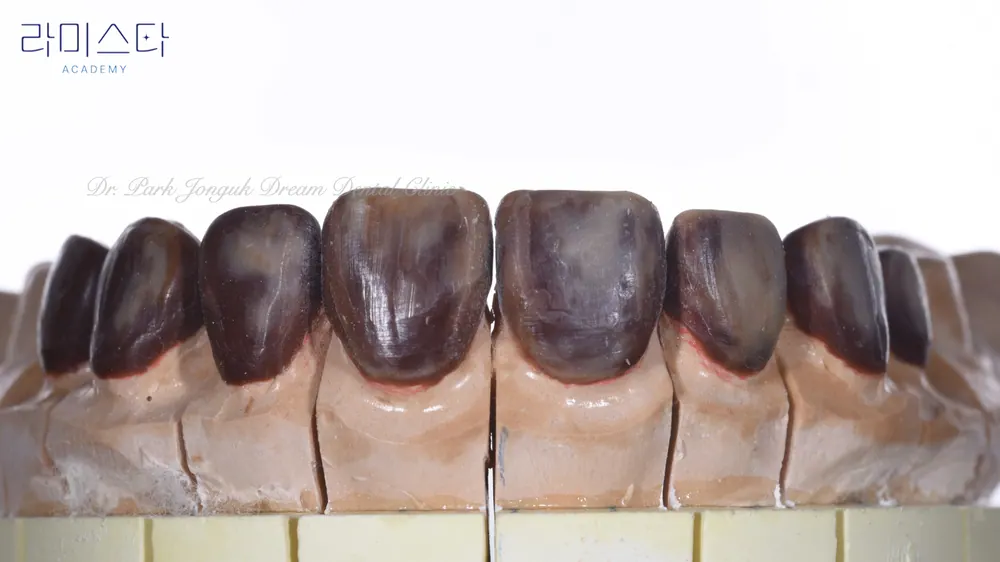
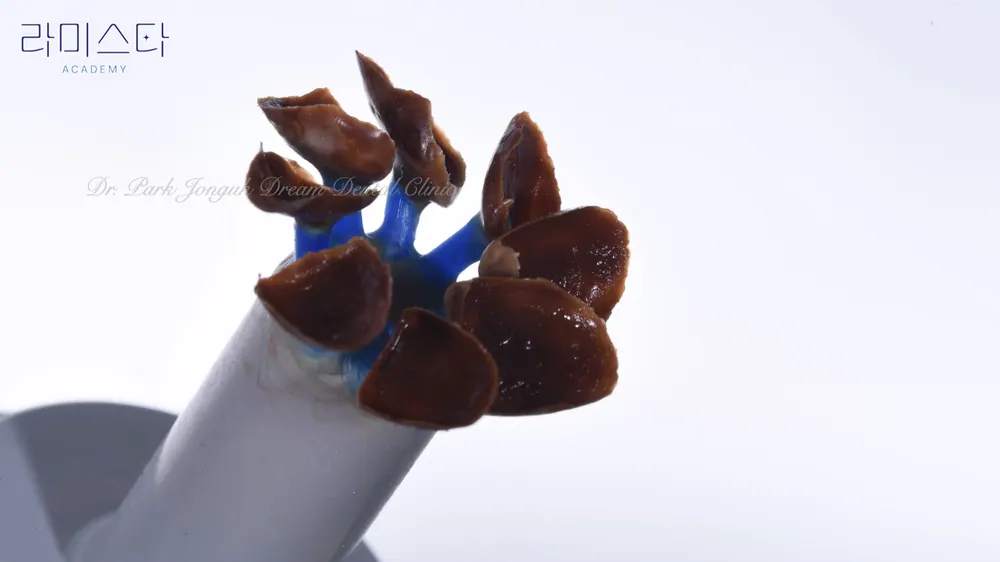
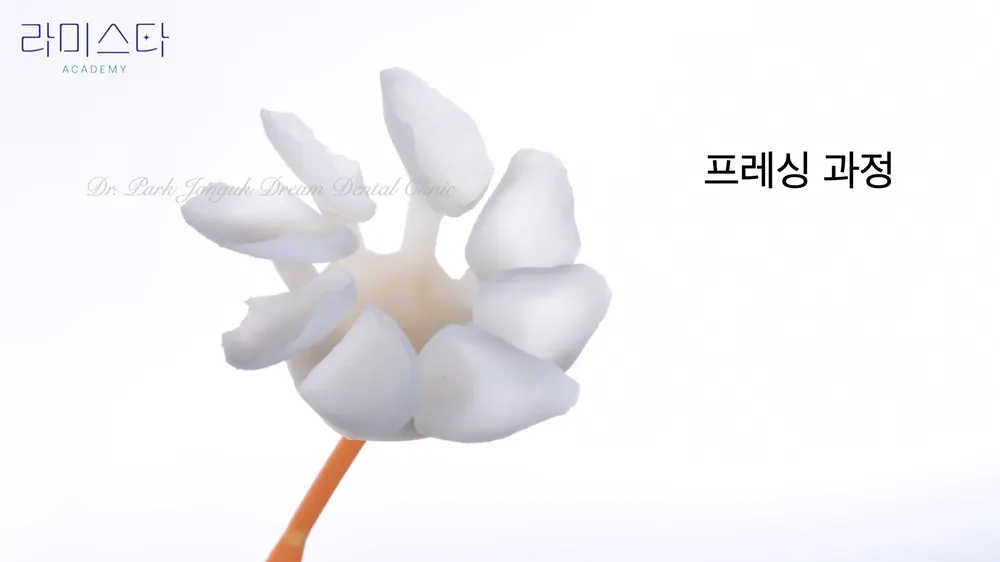
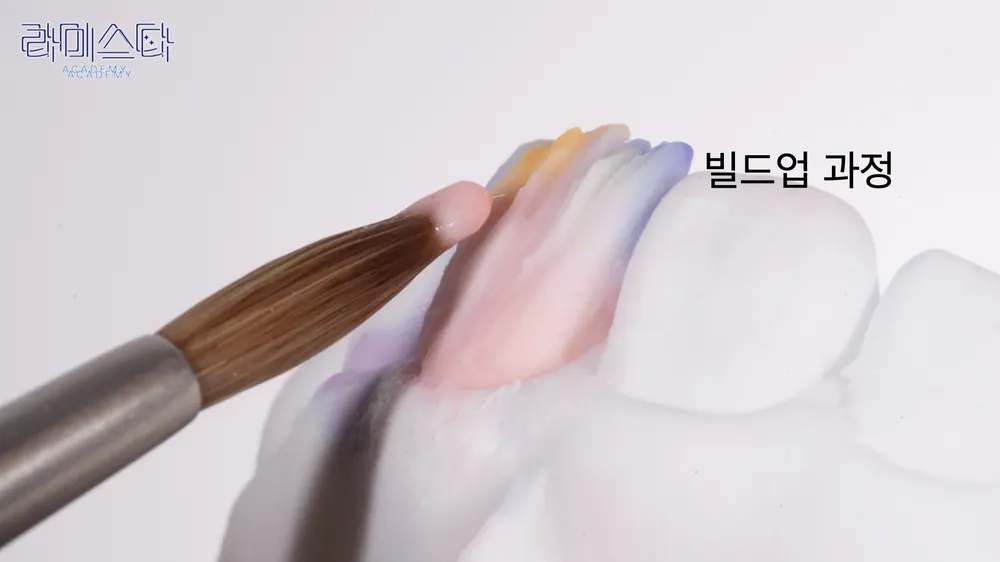
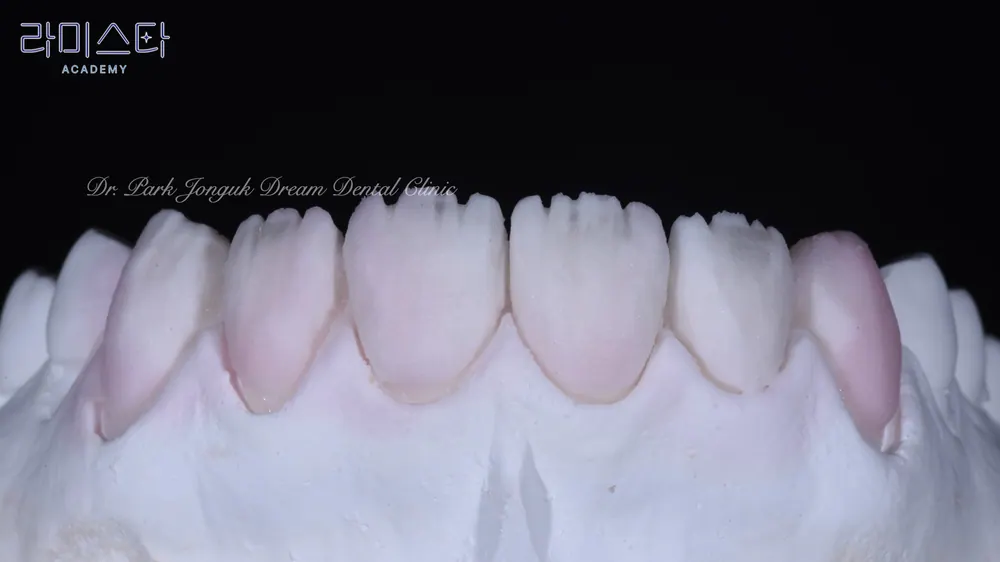
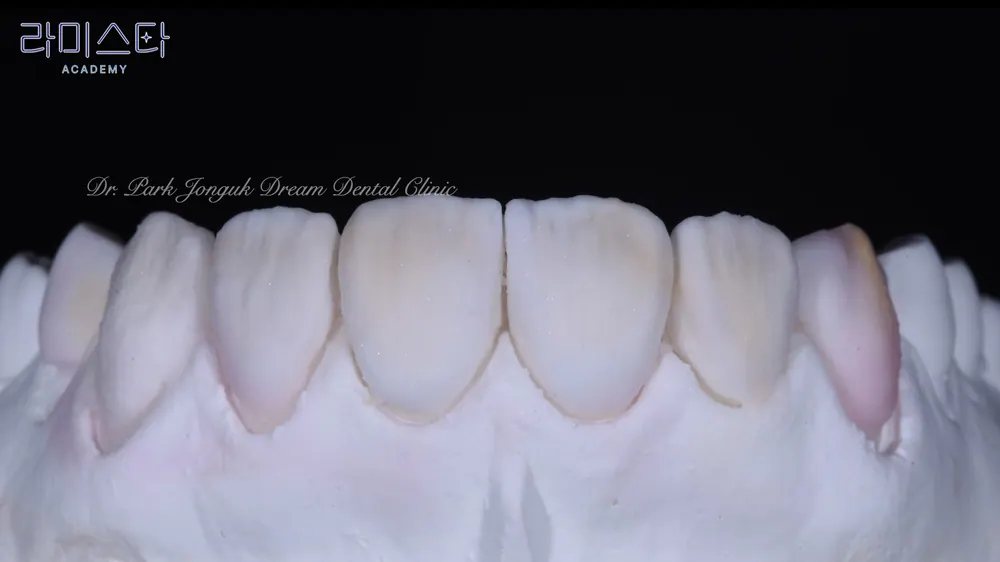
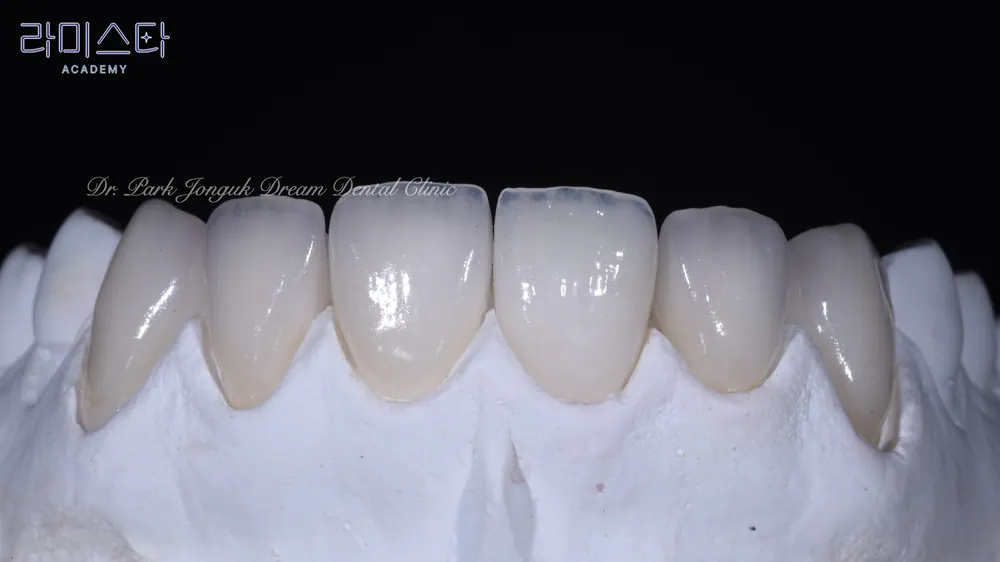
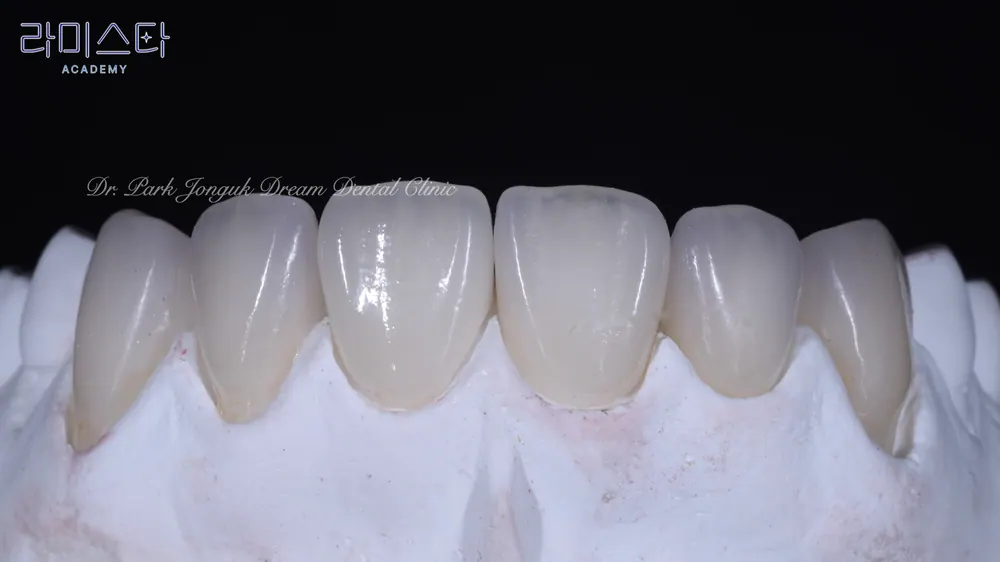
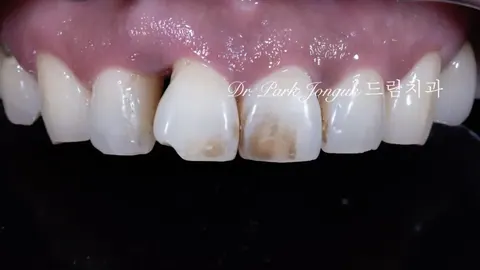
Photos 5 through 13 show the veneer fabrication process using the handmade method.
It's a completely different world.
Building the Ceramic Base
First, a ceramic base that forms the basic framework is made.
This establishes the basic shape and size of the tooth.
This is the first layer.
Building Up the Ceramic Layer by Layer
On top of that, ceramic is layered on through a build-up process.
Layer after layer.
Multiple layers of ceramic are carefully built up, one on top of another.
Different Ceramics Are Used to Create the Color and Translucency of Each Part of the Tooth
This is the key part.
A tooth has different color and translucency in different areas.
Near the root: an opaque, warm ivory-colored ceramic is used.
In the middle: a semi-translucent, bright enamel-colored ceramic is layered on.
At the tip: a translucent ceramic creates a natural sense of translucency.
On the surface: a ceramic that expresses fine characteristics and texture is applied.
Using different ceramics for each part reproduces the complex structure of a natural tooth.
This Is on a Completely Different Level from the One-Day Method
If the one-day method is elementary-school level, the handmade method is graduate-school level.
Comparing the two is almost meaningless.
They're on completely different levels.
The difference in time and care creates the difference in the result.
The Results of Handmade Veneers
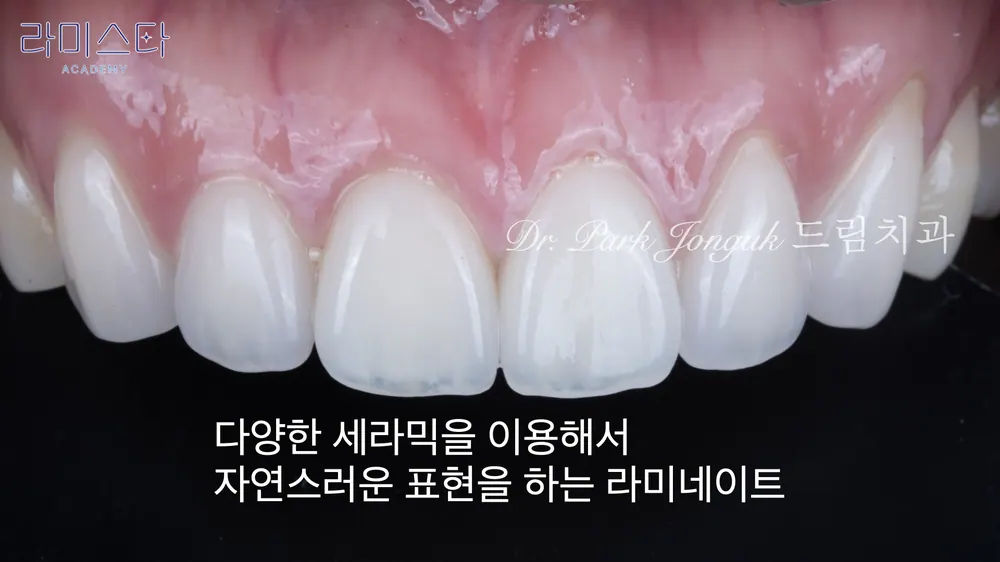
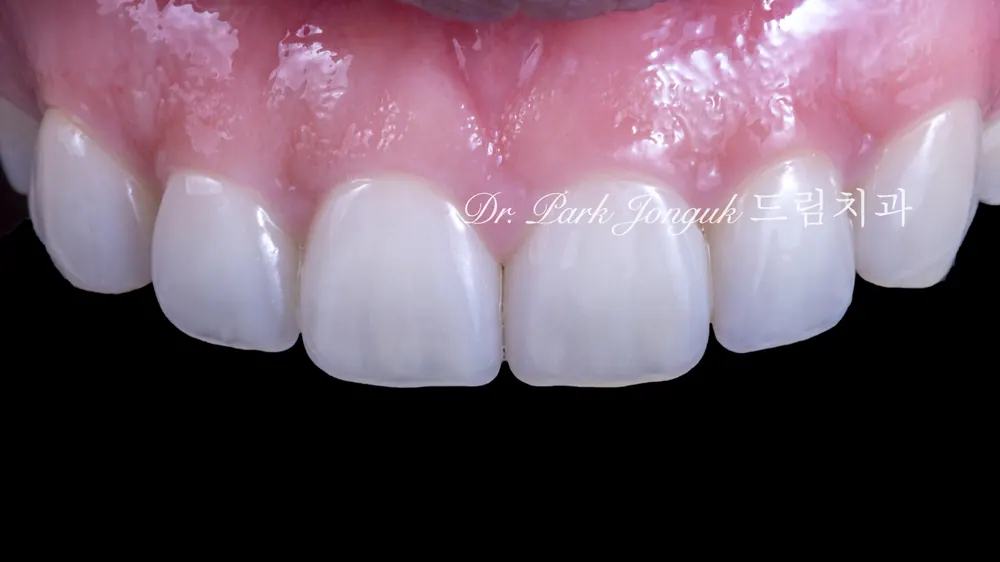
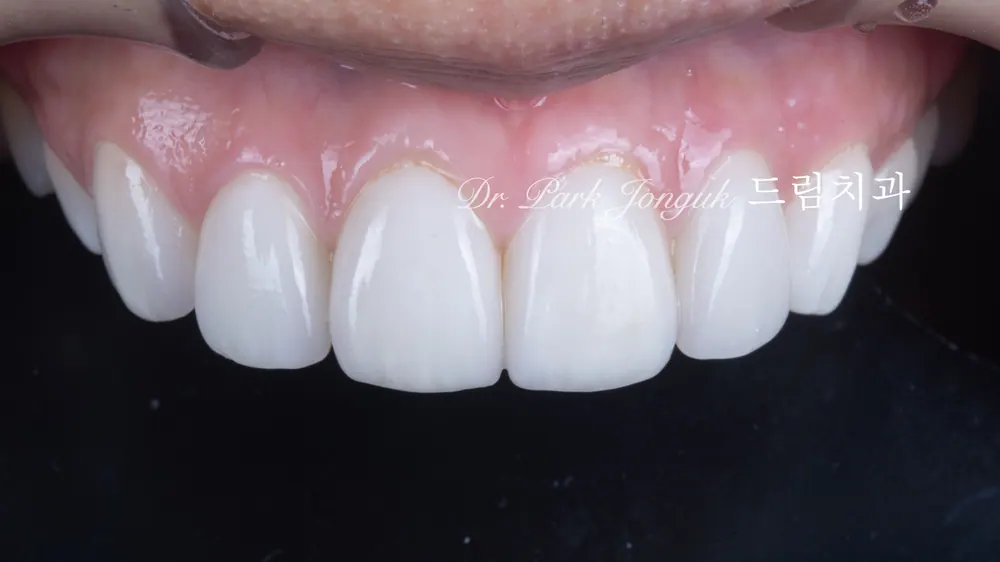
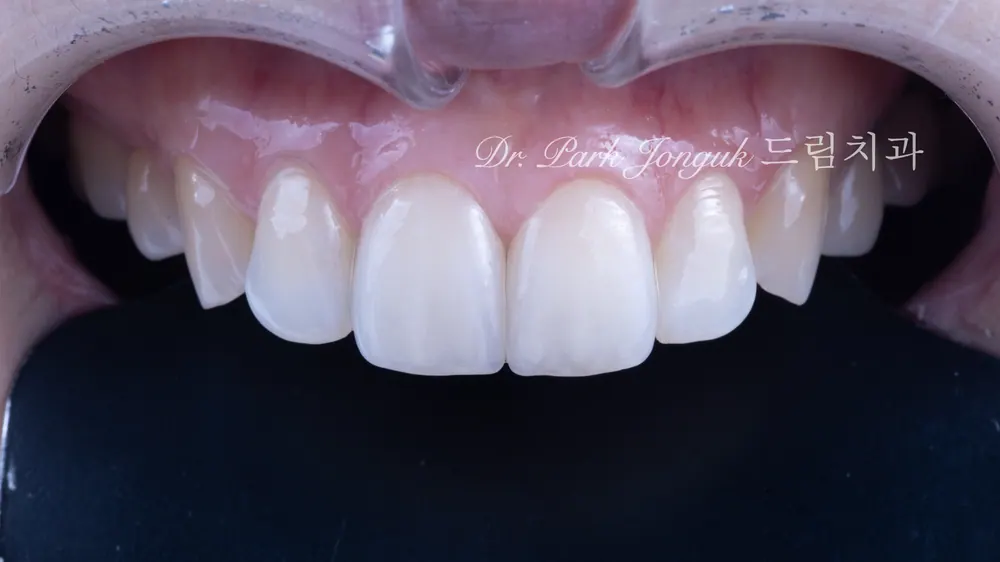
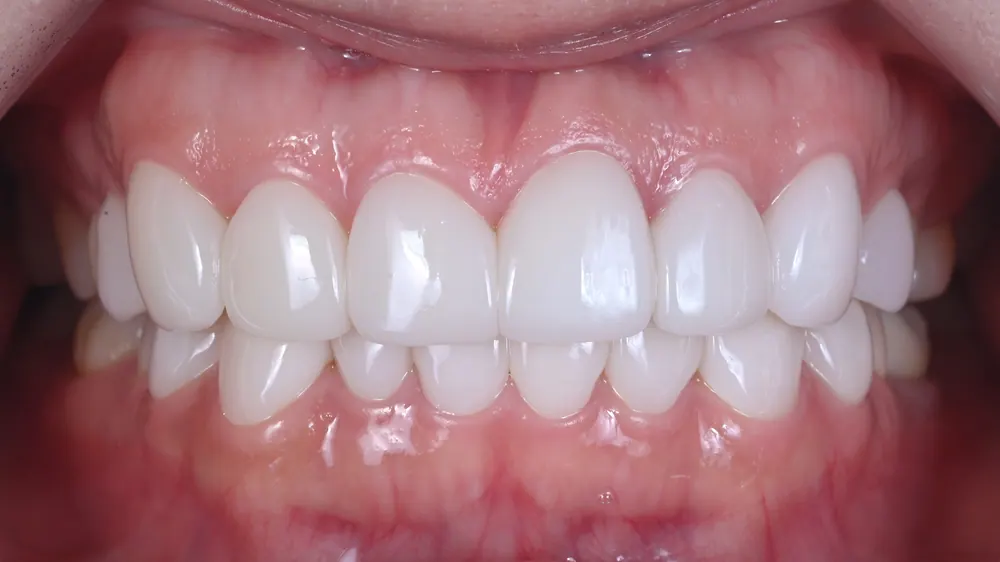
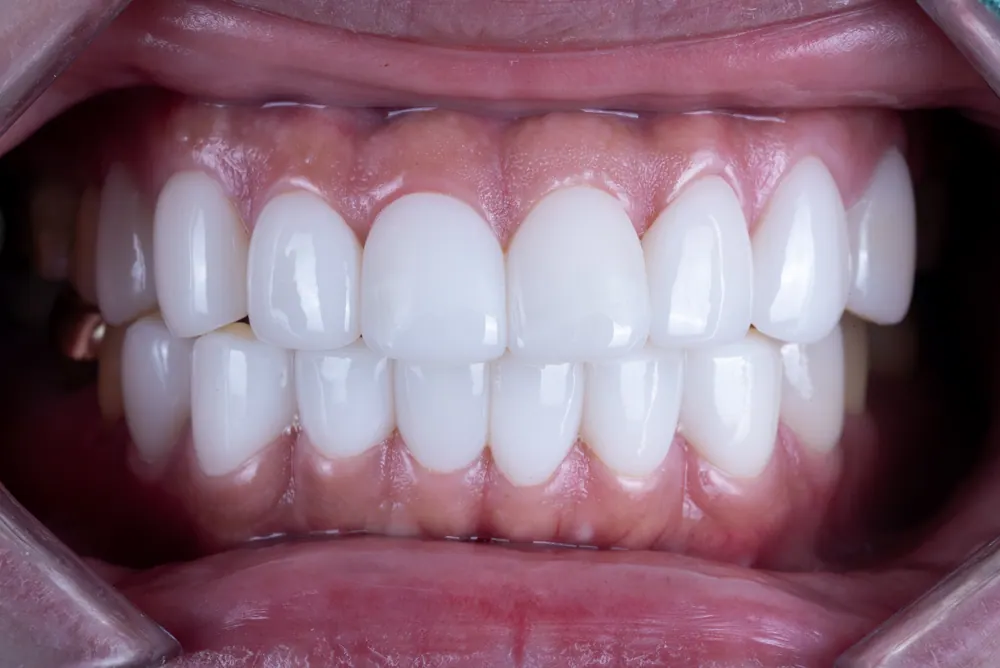
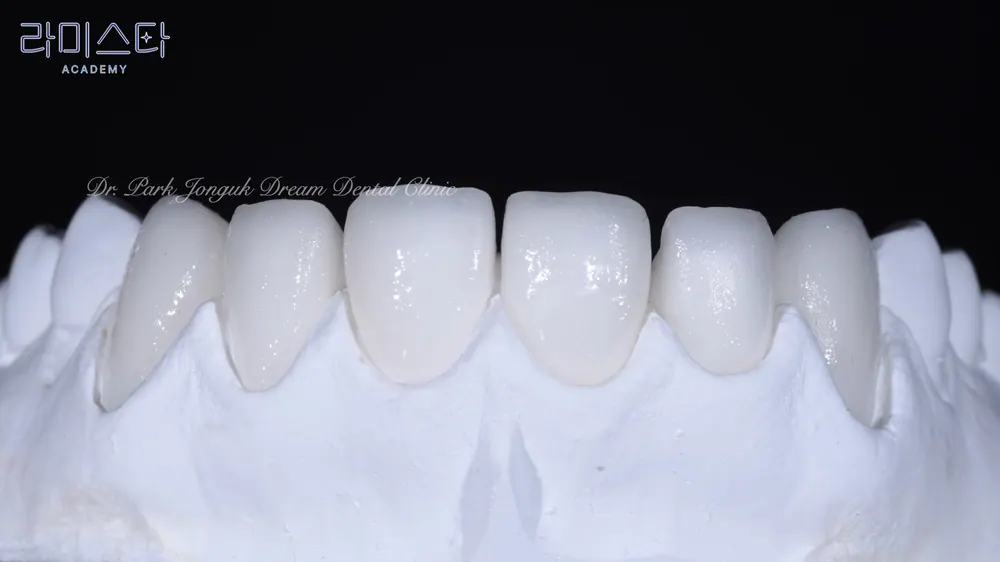
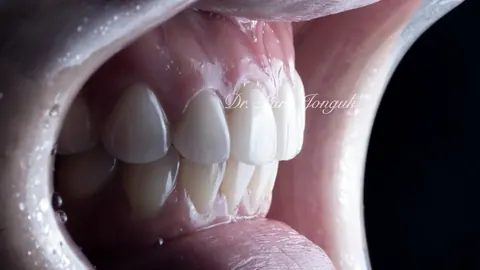
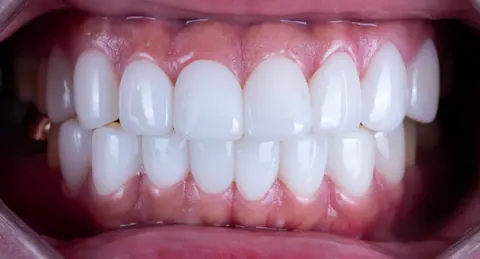
Photos 14, 15, 16, and 17 show the appearance after treatment.
A veneer made this way is on a completely different level from one made using the one-day method.
Natural Translucency
The translucency at the edge of the tooth has been perfectly reproduced.
Light passes through softly and diffuses.
This is a characteristic of young, healthy teeth.
It's simply not comparable to the opacity of the one-day method.
A Beautiful Color Gradient
From the warm ivory tone near the root to the translucency at the tip of the tooth.
The natural color variation truly comes alive.
It's completely different from the one flat shade of the one-day method.
A Three-Dimensional, Lifelike Shape
Developmental lobes, surface contours, and fine texture are all delicately expressed.
Each tooth has its own unique character.
It's on a different level entirely from the flat shape of the one-day method.
As Natural as a Real Tooth
You can't tell at all that veneers were done.
It's indistinguishable from a real tooth.
It's simply incomparable to the xylitol-gum-like artificial look of the one-day method.
Standards for a Clinic That Does Veneers Well
How do you find a clinic that does veneers well?
Check the Fabrication Method
This is the most important question.
"How do you make your veneers?"
Is it the one-day method, or the handmade method?
Ask Whether They Do a Handmade Build-up
"Do you layer multiple coats of ceramic by hand?"
"Do you use different ceramics for different areas?"
"How do you create the translucency and color variation?"
They should be able to answer these questions clearly.
Ask to See Photos of Actual Results
Ask them to show you photos of actual treatments.
Can you see translucency?
Does the color variation look natural?
Does the shape have a sense of dimension?
Does it look like xylitol gum, or does it look like a real tooth?
Consider Time and Cost
The one-day method is fast and inexpensive.
The handmade method takes more time and costs more.
But the result is completely different.
These are teeth you'll use for the rest of your life.
It's wise to invest a bit more to get the best possible result.
Choose Your Type of Veneer Wisely
The result differs enormously between types of veneers depending on how they're fabricated.
If you choose the one-day method
✗ Fast (2-30 minutes) ✗ Inexpensive ✗ But looks as awkward as xylitol gum ✗ No translucency ✗ Monotonous color ✗ Clearly looks artificial
If you choose the handmade method
✓ Takes time (several days) ✓ Costs more ✓ But looks as natural as a real tooth ✓ Perfect translucency ✓ Beautiful color variation ✓ No one can tell it's a veneer
Dream Dental Clinic's Choice: We Insist on Handmade Only
Dream Dental Clinic in Apgujeong uses only the handmade method.
Even though we have one-day equipment, we don't use it.
Why is that?
We Want to Give You Only the Best Result
Our patients are entrusting us with teeth they'll use for the rest of their lives.
We can't sacrifice quality just to save 2 to 30 minutes.
20 Years of Experience Speak for Themselves
Over 20 years, we've handled countless cases.
We know the difference between the one-day and handmade methods all too well.
They're on completely different levels.
We Create Works of Art
A veneer isn't just a simple dental treatment.
It's a work of art.
It can only be made by human hands and care, not by machine.
Frequently Asked Questions (Q&A)
Q1. Are one-day veneers really bad?
A. It's less that they're bad and more that their limitations are clear.
They're fast and inexpensive, but because they can't reproduce translucency or color variation, they tend to look artificial.
If you want the best possible esthetics, I recommend the handmade method.
Q2. How long do handmade veneers take?
A. It usually takes around 7 to 10 days.
This is because of the precise fabrication process and the multiple rounds of firing (sintering) required.
It takes time, but the result is on a correspondingly different level.
Q3. Is there a big difference in cost?
A. The handmade method is more expensive.
But considering these are teeth you'll use for a lifetime, and how much a beautiful smile affects your quality of life, it's a worthwhile investment.
It's wiser to do it properly and be satisfied for a lifetime than to save money and end up with regret.
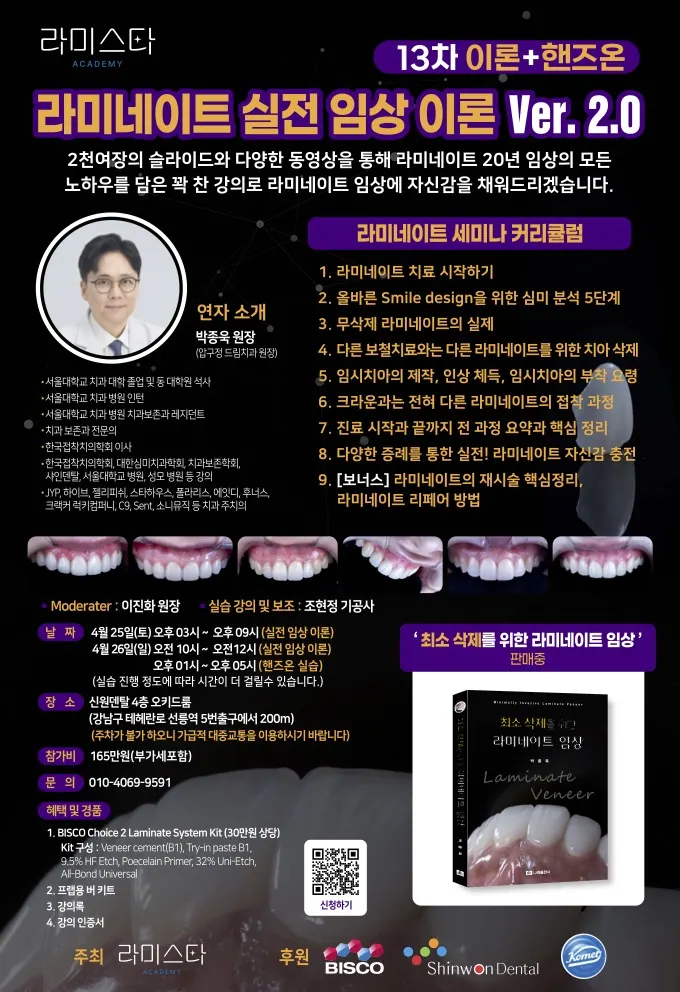
This article is based on the actual clinical experience of Park Jonguk, DDS, MS, director of Dream Dental Clinic, Apgujeong. He has practiced esthetic dentistry for 20 years and teaches handmade veneer fabrication techniques to fellow dentists every month at Lamista Academy. He published Korea's first textbook on veneers.
This article is a clinical note written by Dr. Park Jonguk of Dream Dental Clinic, Gangnam; the original was published on his blog. The photographs shown are real cases he treated. Results vary with each patient’s condition, and every procedure carries the possibility of individual variation and side effects.
Quick Consult
Request a Callback
Leave your number and we will call you back during clinic hours.
Request Received
We will contact you during clinic hours. For urgent matters, please call +82-2-3448-0028.