
Common Questions From Veneer Consultations, Part 1
Hello, I'm Park Jonguk, director of Dream Dental Clinic.
Having performed veneer treatment for nearly 20 years, I get asked a wide variety of questions.
Among these many questions,
I'd like to talk about the things that anyone considering veneer treatment
absolutely needs to know.
1. Do I need a lot of tooth reduction?
This is probably the question I get the most.
It varies so much from person to person, case to case, and tooth to tooth
that it's difficult to give a precise answer up front.
The goal is always the minimum reduction needed to achieve the most beautiful result.
The less tooth reduced, whenever possible,
the better it is for tooth health and for the lifespan of the veneer.
The amount of tooth reduction needed for veneers also varies
depending on the tooth alignment, shape, and color.
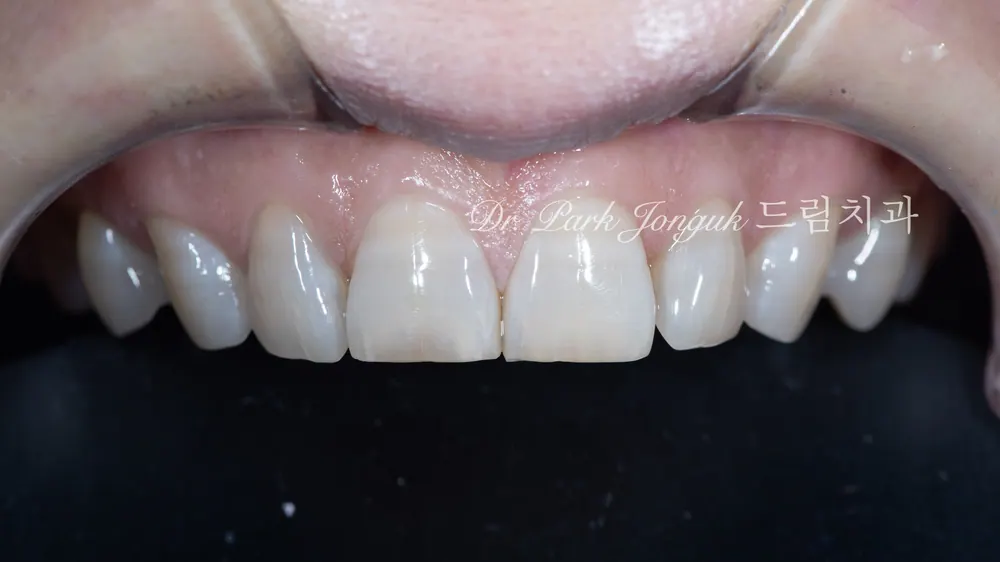
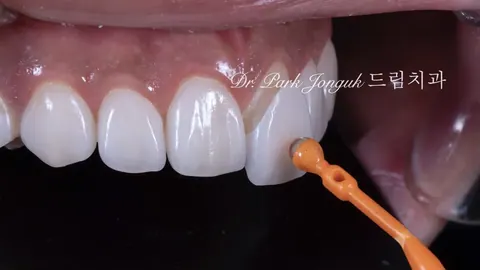
In a case like this one,
with large front teeth and a yellowish tooth color,
what the patient wanted
was to brighten the teeth overall
and make the large front teeth look smaller.
Small teeth need to appear bigger, and large teeth need to appear smaller.
In that case, the two front teeth need the standard amount of reduction for veneers,
while the other teeth need almost no reduction at all.
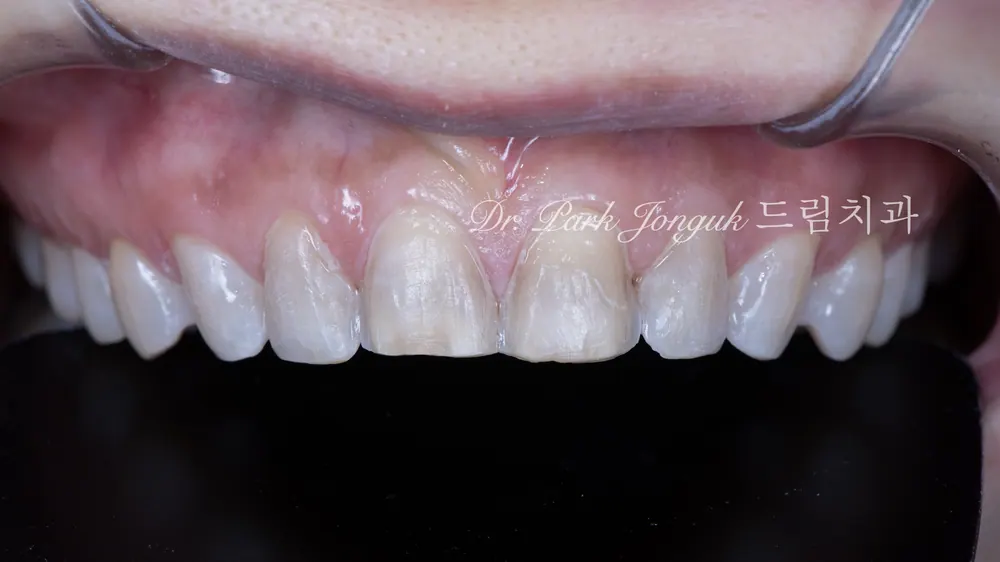
Following that principle, we performed standard veneer reduction on the front teeth,
and treated the other teeth with minimal- or no-prep veneers.
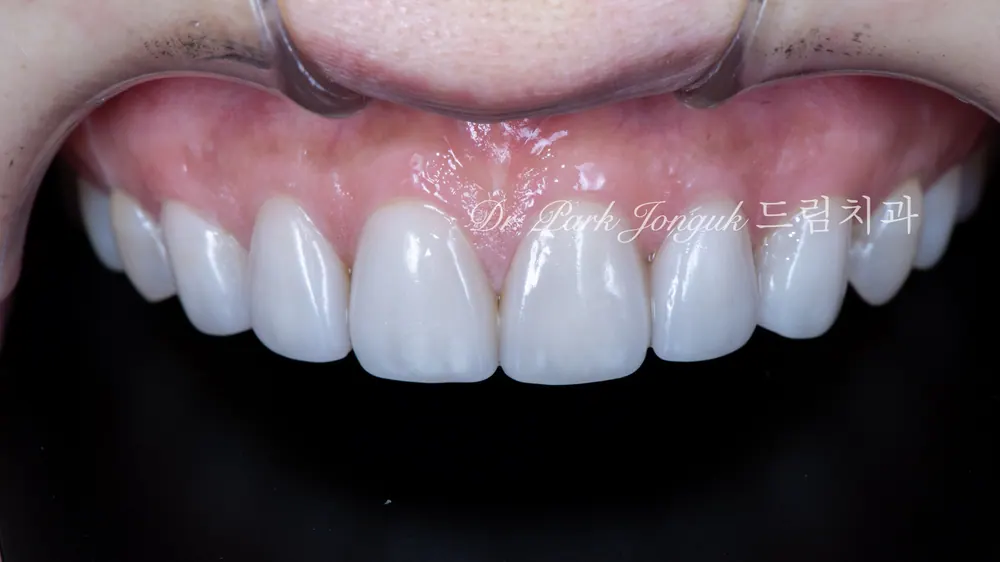
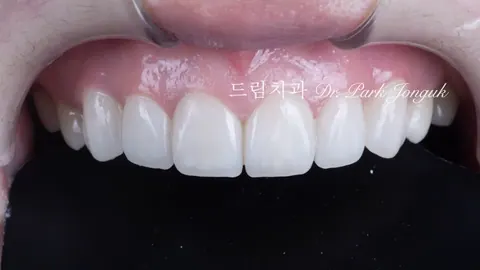
As a result of the veneer treatment, the bulky look of the front teeth disappeared completely,
and the teeth became brighter and more beautiful.
Since the amount of reduction differs from case to case and tooth to tooth like this,
we let patients know the exact amount of reduction in advance
through the precision wax-up diagnostic process.
Please refer to the link below for more on this process.
2. What is the lifespan of a veneer?
Looking at the research literature, the lifespan of veneers
has been reported as anywhere from 10 to even 15 years.
This refers to detachment and fracture of veneers.
These figures are based on a normal bite relationship and normal eating habits.
If you have a crossbite, an abnormal bite, teeth grinding, or a habit of repeatedly biting on things with your front teeth,
the lifespan will naturally be shorter.
Among the reasons for redoing veneers,
detachment and fracture are certainly two of them,
but there are also redos caused by gum inflammation or changes in tooth alignment,
so these kinds of gum changes and shifts in tooth position need to be considered as well.
If a patient had veneers after orthodontic treatment but didn't wear their retainer properly,
the teeth can shift within a fairly short time,
creating esthetic problems.
If gum care was inadequate,
or if faulty treatment keeps causing gum inflammation, a redo becomes necessary as well,
which can shorten the lifespan even further.
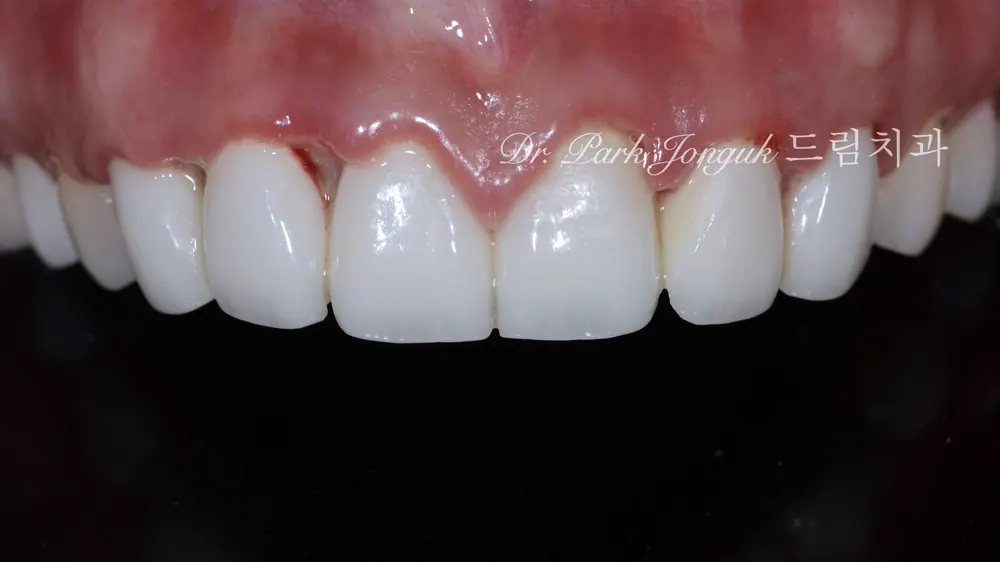
If severe inflammation like this develops
not long after veneer treatment,
the treatment itself should be suspected as the cause.
If the inflammation returns even after gum treatment,
a redo becomes necessary.
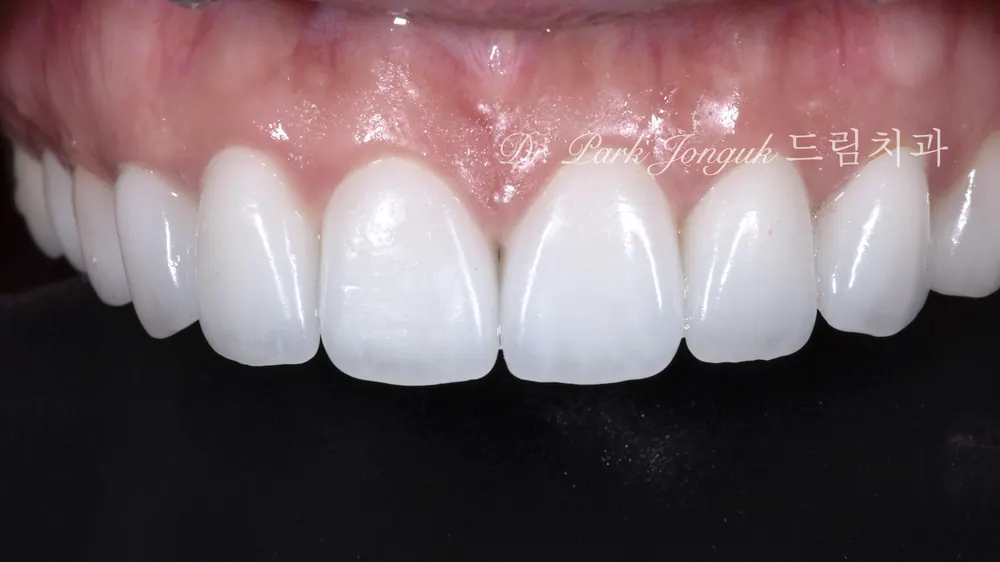
When the redo is done well, inflammation like this doesn't recur,
and the lifespan lengthens as a result.
3. Can veneer treatment replace orthodontics?
At one point, some clinics that heavily advertised veneers
performed veneer treatment while using the term "rapid orthodontics,"
and that was deeply misleading.
Veneers are not orthodontics,
and cases that truly need orthodontic treatment can be resolved with veneers alone
only in fairly limited situations.
In particular, if veneers are forced onto a case that truly needs orthodontics,
the treatment ends up actually needing to be an all-ceramic crown rather than a veneer,
and root canal treatment may become necessary as well.
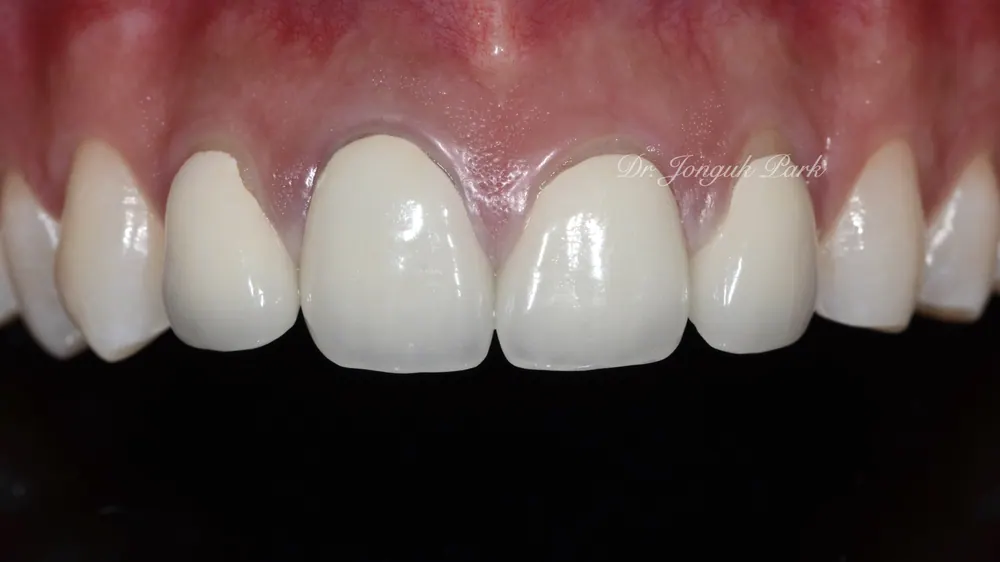
This patient already had all-ceramic crowns.
The gum heights were all uneven, and both the tooth color and shape looked unnatural.
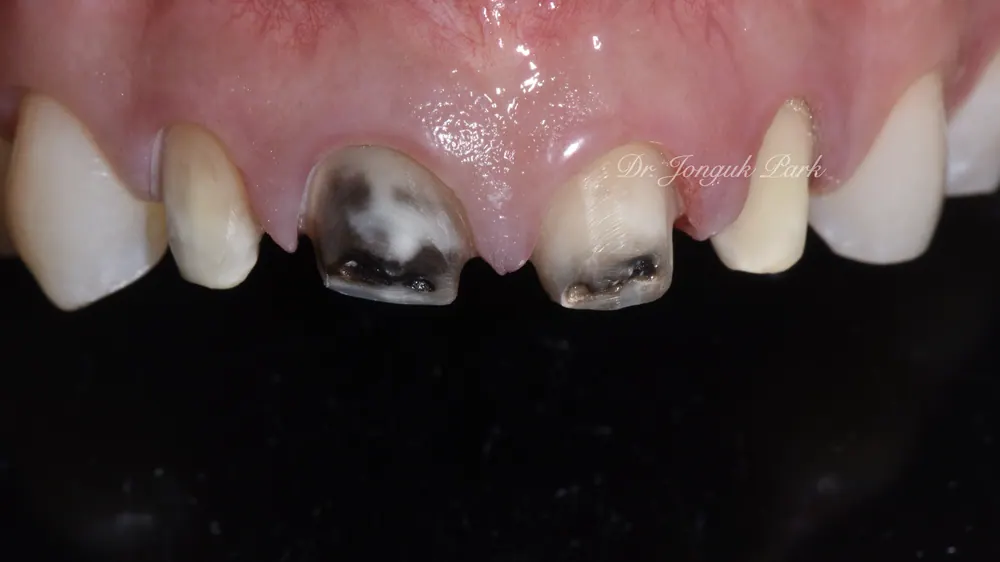
When we removed the crowns,
we found the teeth had already had root canal treatment, and the tooth color had turned black.
When teeth are forced into root canal treatment and excessive reduction is used to try to correct poor alignment,
problems like this are the result.
In particular, cases with all-ceramic crowns where the gum heights are all different
are often cases that should have had orthodontic treatment instead.
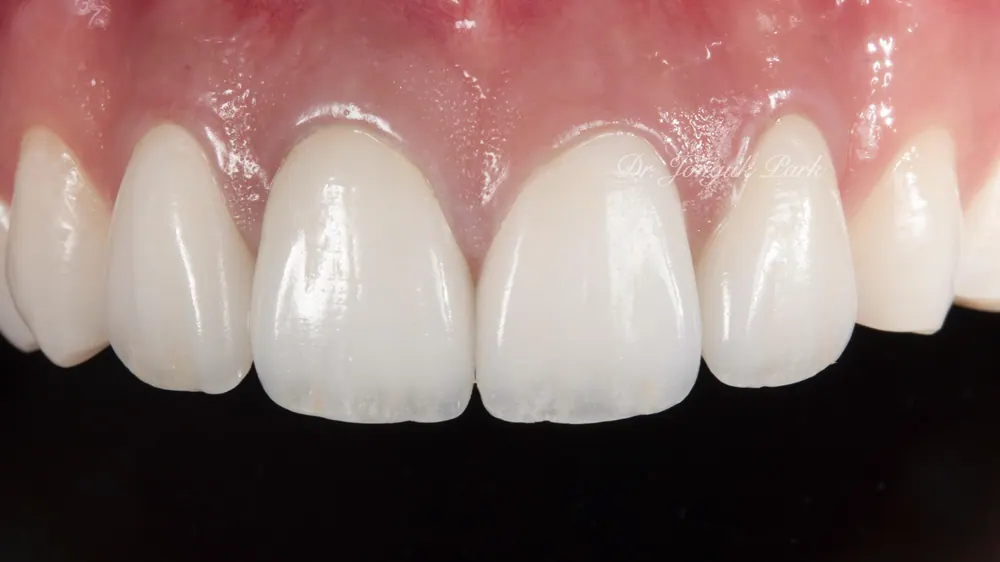
Fortunately, the redo
was completed beautifully and successfully.
I'll continue this discussion in the next post.
Natural Beauty
Since 2006, Dream Dental Clinic
This article is a clinical note written by Dr. Park Jonguk of Dream Dental Clinic, Gangnam; the original was published on his blog. The photographs shown are real cases he treated. Results vary with each patient’s condition, and every procedure carries the possibility of individual variation and side effects.

Quick Consult
Request a Callback
Leave your number and we will call you back during clinic hours.
Request Received
We will contact you during clinic hours. For urgent matters, please call +82-2-3448-0028.