
What Are No-Prep Veneers? How They Differ From Regular Veneers, and Whether They're Right for You
Many people hesitate to get veneers because they're afraid of having their teeth ground down.
That's why, these days, one of the questions I hear most often in consultations is about "no-prep veneers."
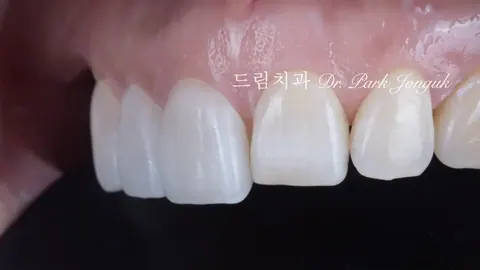
No-prep veneers are a method where tooth reduction is minimized or nearly eliminated,
and a thin piece of ceramic is bonded onto the tooth surface.
The biggest difference from regular veneers is that they preserve much more of the natural tooth.
That said, they're not an option for everyone; suitability depends on the condition of the teeth.
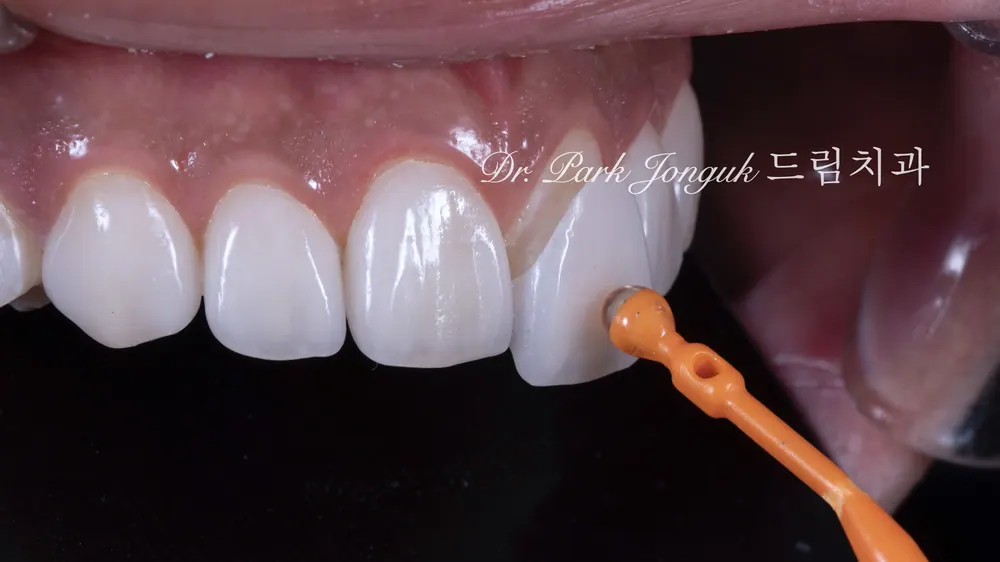
What exactly are no-prep veneers?
No-prep veneers are a method where tooth reduction is minimized or nearly eliminated, and a thin piece of ceramic is bonded onto the tooth surface.
Unlike regular veneers, where part of the tooth surface is lightly reshaped before the ceramic is bonded on,
the no-prep method focuses on reducing that amount as much as possible.
It's a meaningful option for anyone who wants to preserve their natural teeth, or who's worried that once a tooth is reduced, it can never be undone.
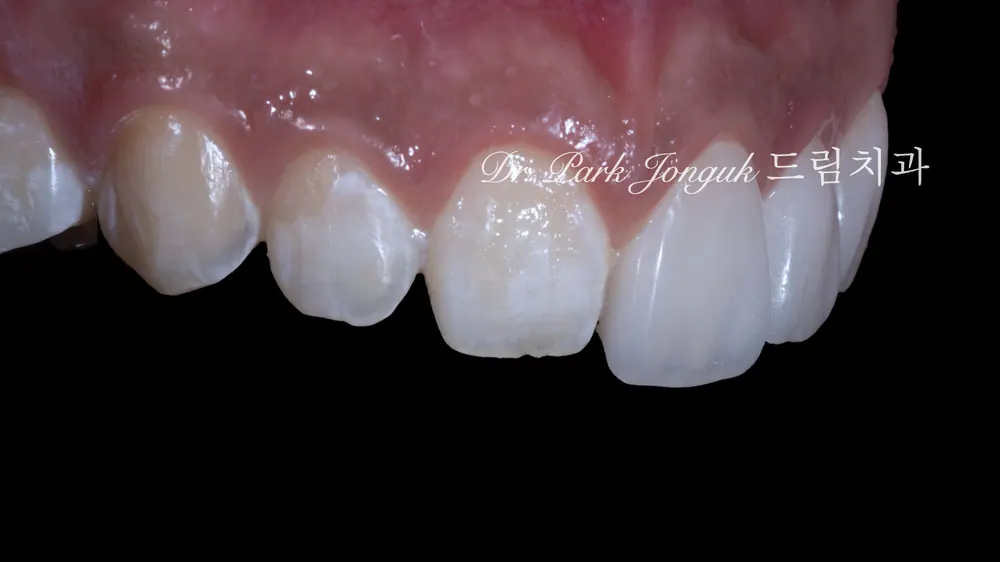
How are they different from regular (reduction-type) veneers?
The biggest differences are how much of the tooth gets reduced and whether it can be reversed.
The table below makes the difference clear.
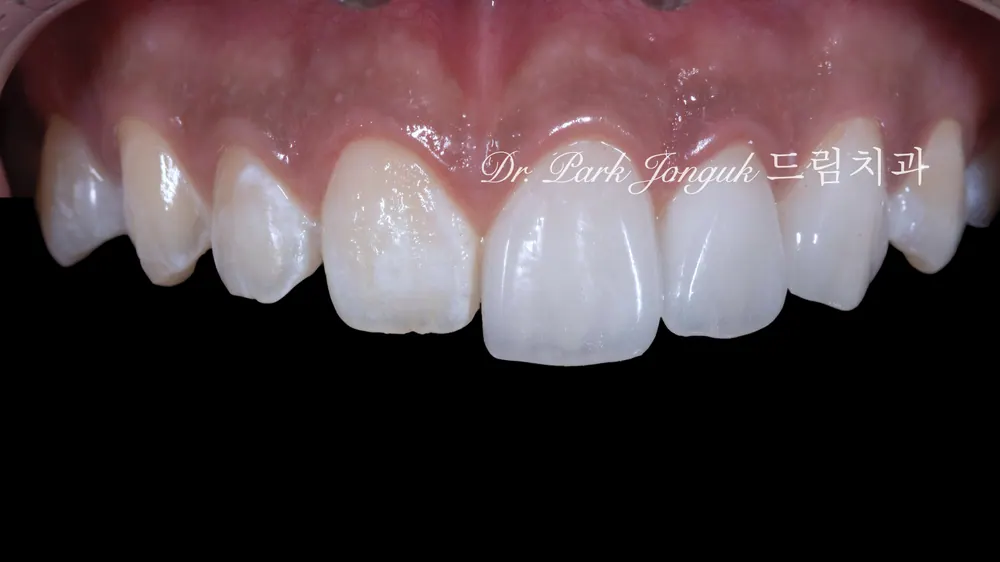
Who are no-prep veneers suitable for?
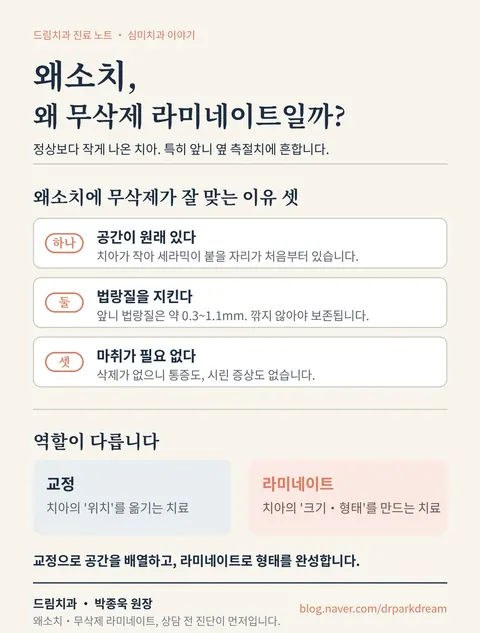
They're suitable for people who don't need a major change in tooth shape and want to preserve as much of their natural teeth as possible.
If you're bothered by a gap between teeth, your teeth look slightly small, or discoloration isn't severe,
no-prep veneers can be expected to work well.
On the other hand, if the teeth are significantly protruding or badly crowded,
it can be difficult to achieve the desired shape with no-prep veneers alone.
In the end, suitability is best confirmed with an in-person exam and diagnosis.
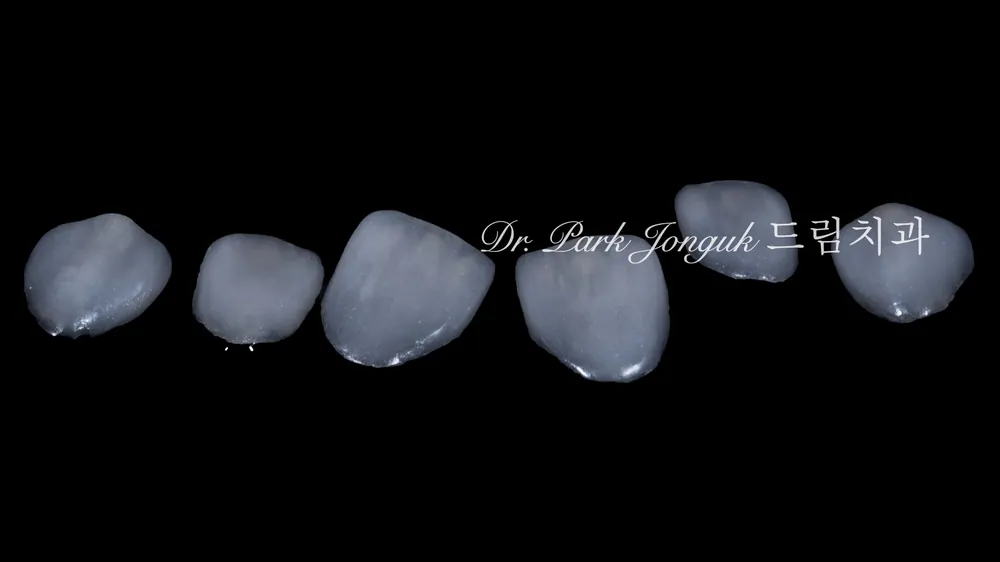
If it's "no-prep," does that mean the tooth isn't reduced at all?
"No-prep" doesn't always mean "0% reduction."
No-prep veneers aim for almost no reduction,
but depending on the alignment and bite, some very slight reshaping can still be needed.
Rather than saying "there's absolutely no reduction," it's more accurate to say "reduction is minimized."
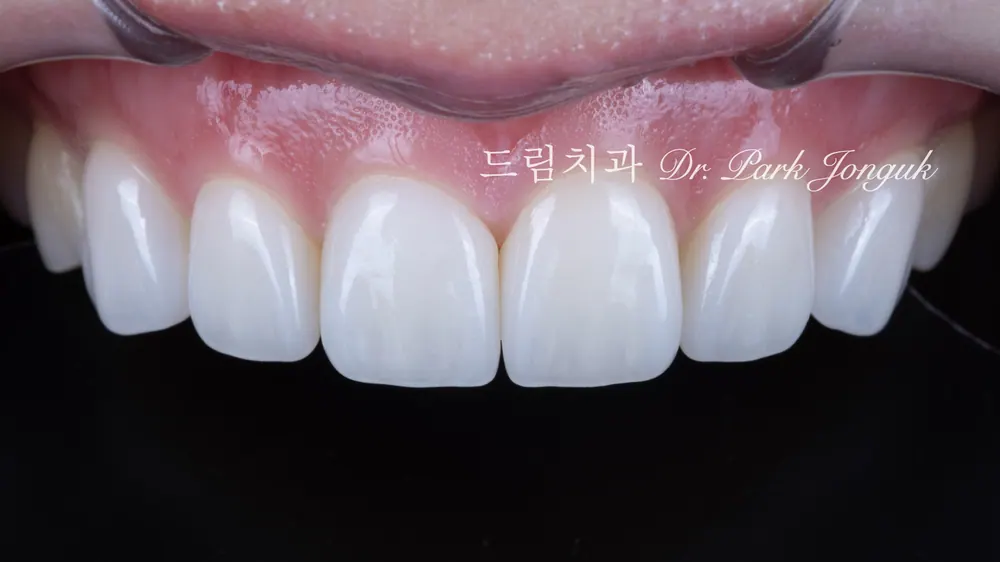
Based on standards built up over 20 years of treating nothing but veneers, whether a patient goes with no-prep or minimal reduction is decided by the condition of the teeth.
What is the treatment process and how long does it take?
It's usually done over two to three visits, going through exam and design, taking the impression, and bonding.
First, we check the condition of the teeth and gums and the bite, and set the design.
After that, a precise impression is taken to fabricate the ceramic, and finally it's firmly bonded onto the tooth surface.
The timeline varies depending on individual conditions and the scope of the design, and an exact schedule can be given after diagnosis.
How should they be maintained?
Regular brushing and periodic checkups are the key to maintaining them.
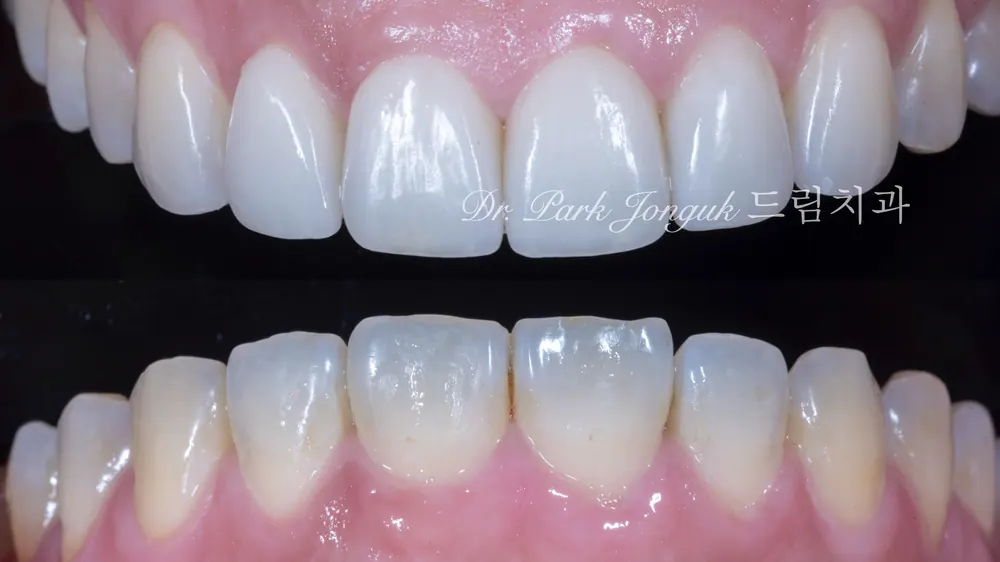
Even though the ceramic is thin, how long it lasts varies a great deal depending on everyday care and bite habits. Habits like forcefully chewing hard or tough food on one side only need to be watched. Regular checkups let small problems be caught early, which allows the veneers to be used stably for longer.
Frequently Asked Questions (Q&A)
Q1. Do no-prep veneers hurt?
Because reduction is minimized, they tend to cause less irritation than regular veneers.
That said, if slight reshaping is needed, there can be mild discomfort, and how much a person feels it varies from patient to patient.
Q2. Can I take them off later and go back to my original teeth?
If little to no reduction was done, the process is relatively conservative and leaves a lot of room to reverse it.
That said, the bonding and removal process varies depending on the condition of the teeth, so whether it's possible needs to be confirmed through diagnosis.
Q3. Which is better, no-prep or regular veneers?
Neither one is always better.
If a major change in tooth shape is needed, reduction-type veneers may be more suitable; if preservation matters most and the change needed is small, no-prep veneers may be the better fit.
Q4. Does everyone get the same result?
Results vary from person to person depending on the condition of the teeth and the design.
So even with the same "no-prep" approach, the outcome can differ from one patient to the next.
Key takeaways
• No-prep veneers are a method that minimizes tooth reduction while bonding on a thin piece of ceramic.
• The key differences from regular veneers are how much is reduced and reversibility.
• They're a good fit when teeth are small or gapped and discoloration is mild.
• "No-prep" doesn't always mean "0% reduction"; minimal reduction can still be needed.
• Because results vary by individual, an in-person exam and diagnosis are needed.
In closing
Whether no-prep veneers are right for you is hard to determine from an article alone.
Depending on the condition of your teeth, no-prep might be possible, or minimal reduction might actually be the better option.
If you're worried about having your teeth reduced, I'd recommend first having your current tooth condition checked in person, discussing it thoroughly, and then making your decision.
Dream Dental Clinic | 2F, 841 Nonhyeon-ro, Gangnam-gu, Seoul (Apgujeong Station Exit 4)
Written by Director Park Jonguk (M.S. / 20 years of clinical experience in veneers, author of Korea's first veneer textbook, 『최소 삭제를 위한 라미네이트 임상』 (Laminate Clinical Practice for Minimal Reduction), giving 30 to 40 veneer lectures a year)
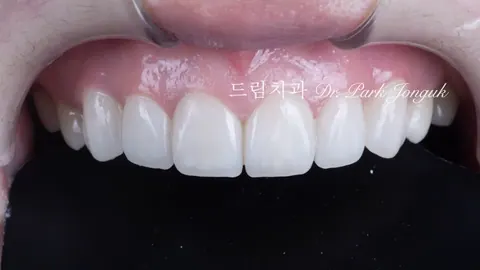
This article is a clinical note written by Dr. Park Jonguk of Dream Dental Clinic, Gangnam; the original was published on his blog. The photographs shown are real cases he treated. Results vary with each patient’s condition, and every procedure carries the possibility of individual variation and side effects.
Quick Consult
Request a Callback
Leave your number and we will call you back during clinic hours.
Request Received
We will contact you during clinic hours. For urgent matters, please call +82-2-3448-0028.