
No-Prep Veneers Are Only Possible When Conditions Are Met
Hello. I'm Park Jonguk, director of Dream Dental Clinic.
In front-tooth veneer treatment,
there's a very simple, clear principle:
aesthetics should never come at the cost of the tooth's health.
Most properly done veneers
don't cause serious harm to tooth health.
When veneer treatment isn't a good fit
and it's forced through anyway, that's when problems arise.
That's exactly why diagnosis is essential before veneer treatment.
In the wax-up precision diagnosis process,
we evaluate whether the case is actually suited to veneers or not.
This diagnostic process determines the amount of tooth reduction,
and when treatment is carried out
in a way that preserves as much of the enamel as possible,
the side effects become considerably fewer.
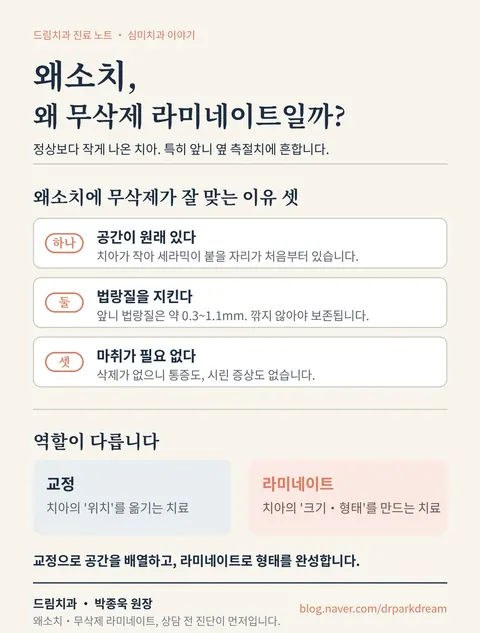
Of course, if the veneer can be done without any reduction at all,
the side effects become even fewer still.
The problem is that not every case can be treated with a no-prep veneer.
A no-prep veneer
is heavily influenced by the current shape and alignment of the teeth.
First, the teeth need to be small,
the alignment needs to be good,
and the teeth must not protrude.
If these conditions are met, a no-prep veneer can be considered.
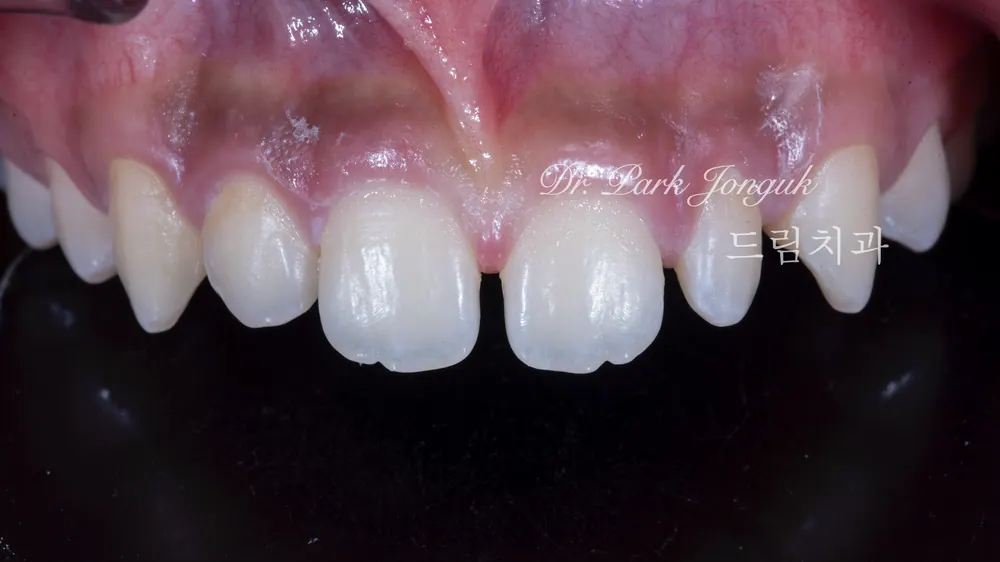
The patient came in for veneer treatment
because there were spaces between the teeth.
There was a peg tooth smaller than the average tooth size,
and the other teeth were also on the smaller side compared with average,
which appears to be why the spaces formed.
A case like this is quite well suited to a veneer.
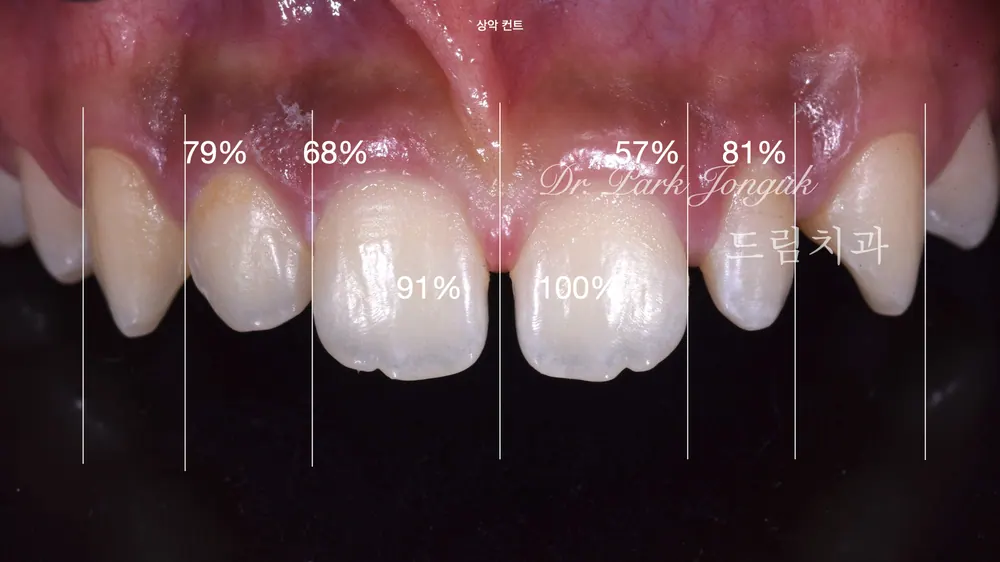
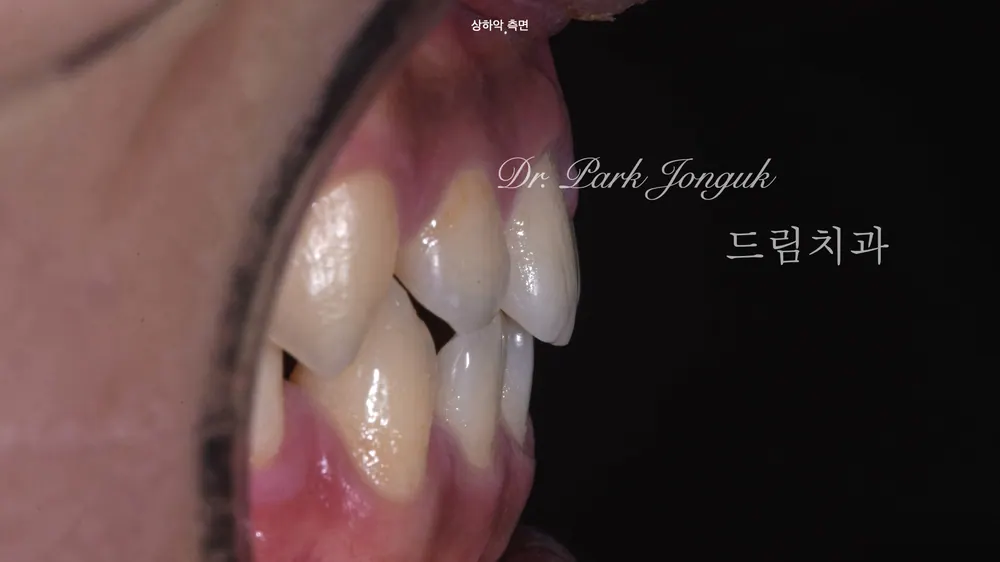
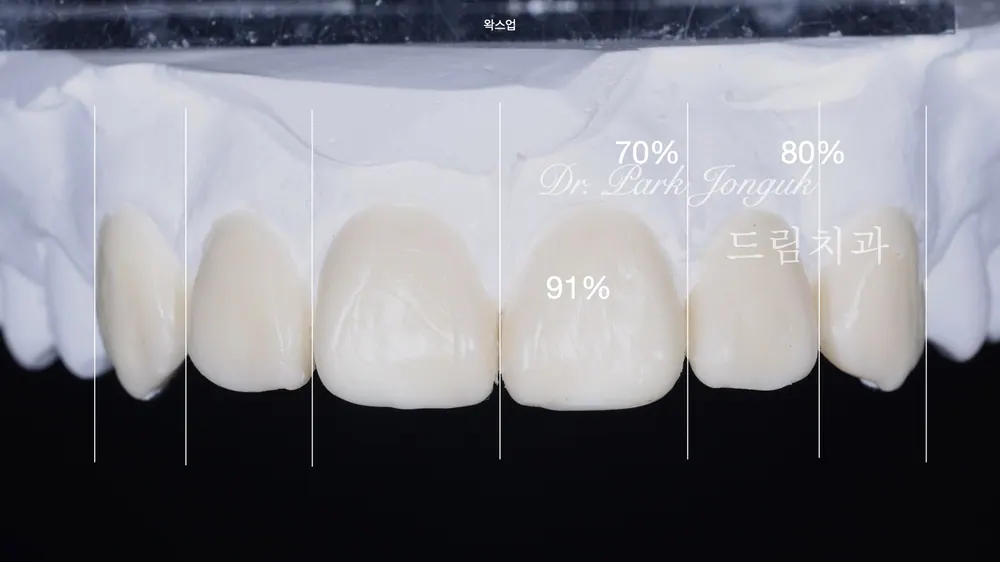
We carry out a diagnosis of the current state
and a projection of the post-treatment shape,
and
this process is called wax-up precision diagnosis.
In this process, the amount of tooth reduction
needed for the veneer is decided,
and even in the case of a no-prep veneer,
this process absolutely has to be gone through
to check that the result is satisfactory.
We check the proportion between teeth, each tooth's width-to-length ratio, and the positional relationship between the face and the teeth.
Even though this was a no-prep case,
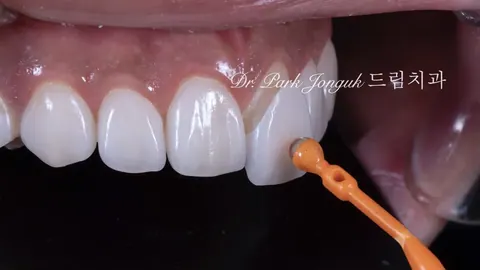
the discoloration in the tooth's expression had to be removed along with whitening.
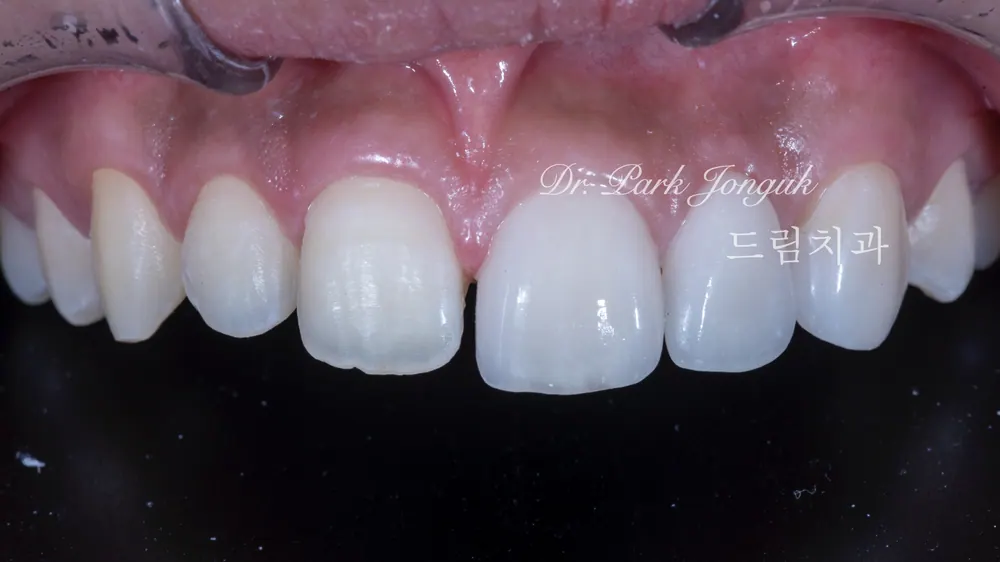
The veneers were fabricated in ceramic.
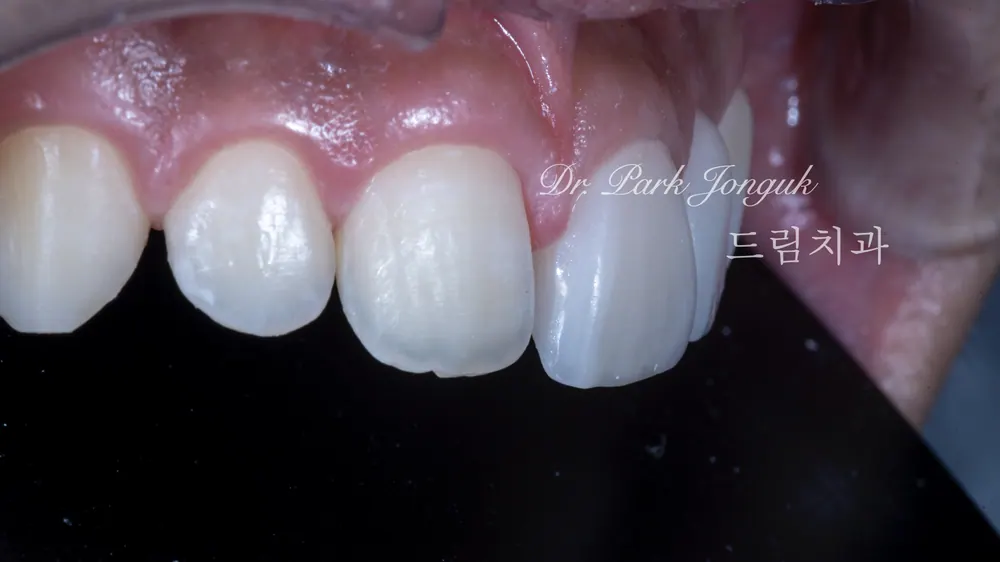
We need to check that even the sides of the tooth are properly wrapped.
No-prep veneers
are, in most cases, made of extremely thin ceramic.
Using ceramic this thin
to create a natural color and shape
is the hallmark of Dream Dental Clinic's no-prep veneers.
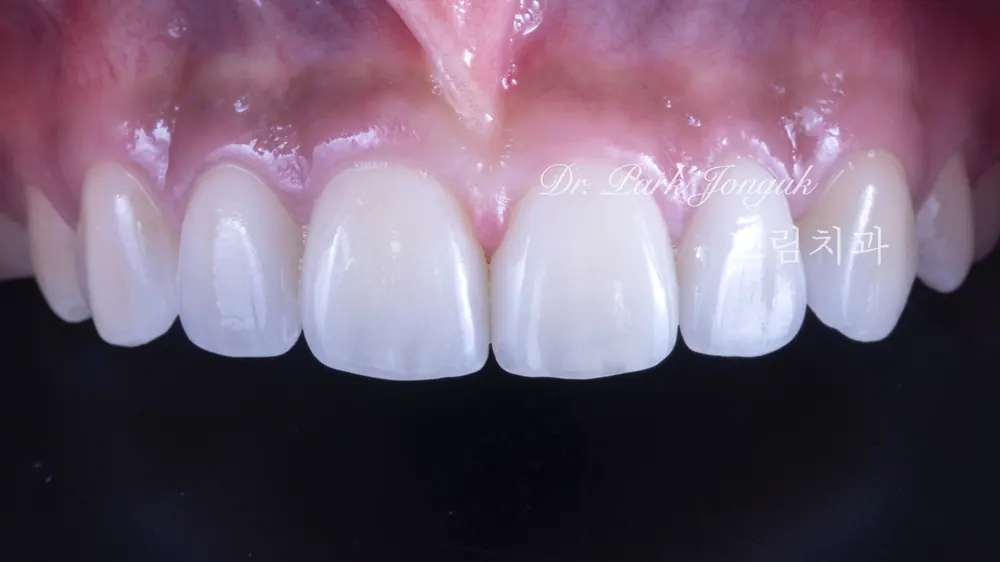
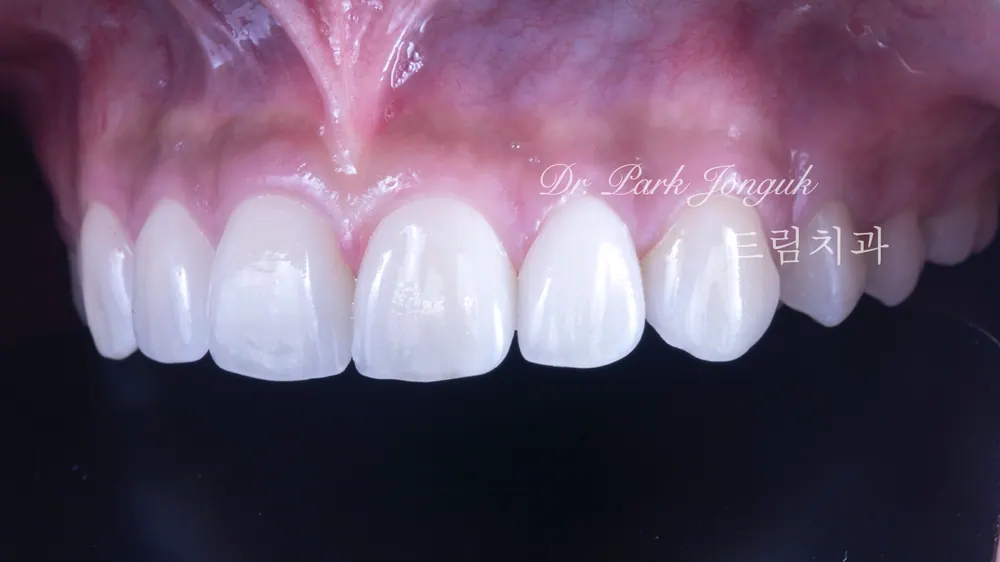
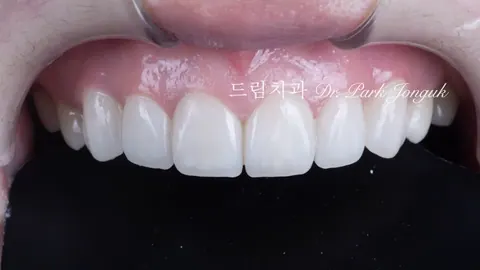
The treatment has been completed.
The tooth proportions improved remarkably,
and the tooth shape is natural as well.
The three-dimensionality was fully expressed.
By expressing a range of color tones for each part of the tooth,
we fully brought out the feel of a natural tooth,
and the translucency at the tooth tip, too,
clearly retains the feel of a young, natural tooth.
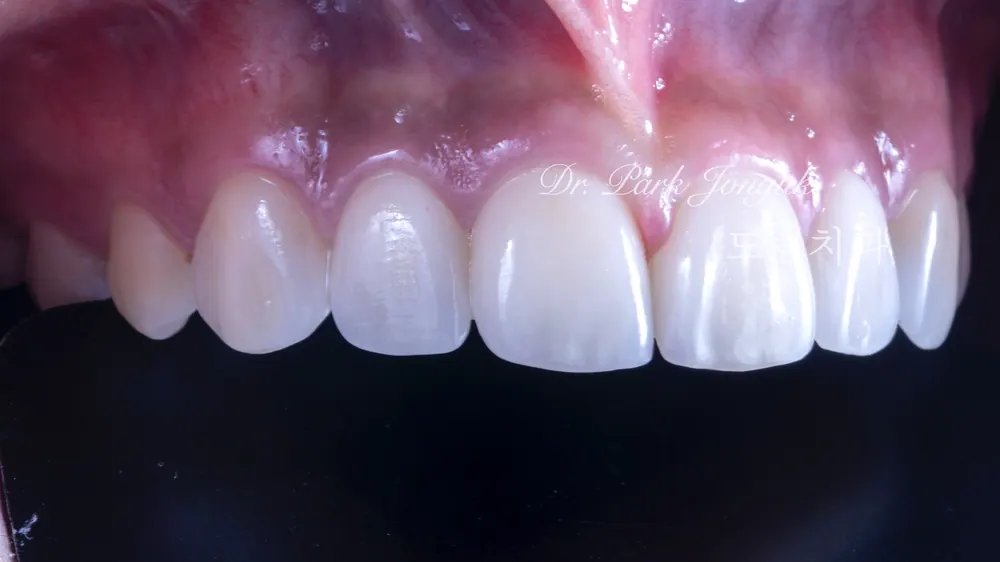
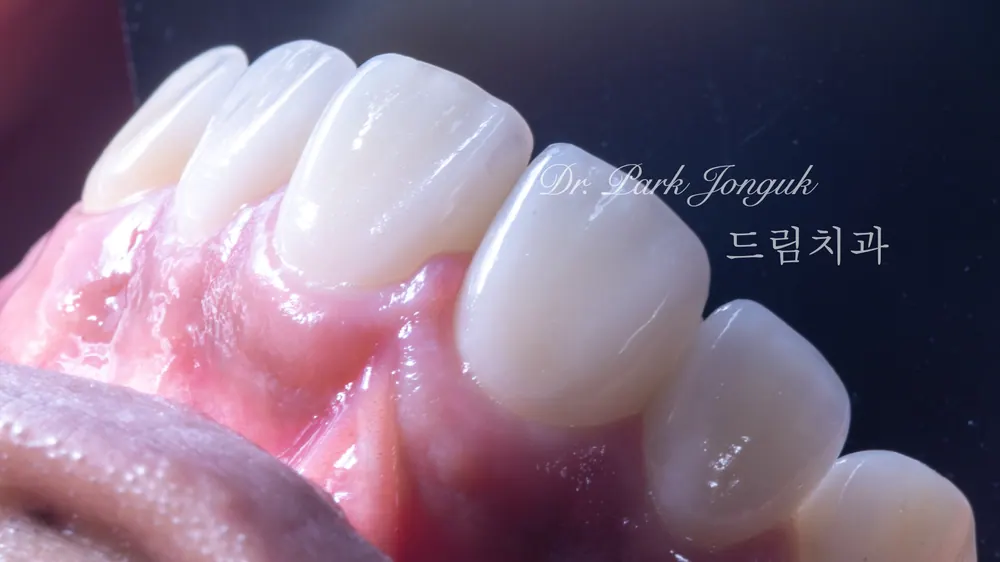
Even the texture of the tooth surface
fully captures the expression of a natural tooth.
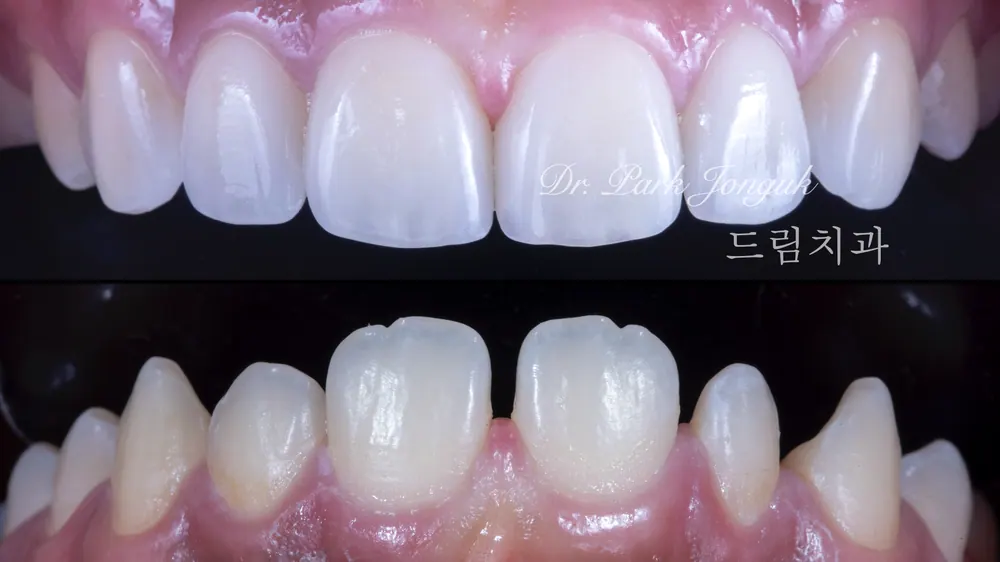
Natural beauty
Since 2006, Dream Dental Clinic
This article is a clinical note written by Dr. Park Jonguk of Dream Dental Clinic, Gangnam; the original was published on his blog. The photographs shown are real cases he treated. Results vary with each patient’s condition, and every procedure carries the possibility of individual variation and side effects.
Quick Consult
Request a Callback
Leave your number and we will call you back during clinic hours.
Request Received
We will contact you during clinic hours. For urgent matters, please call +82-2-3448-0028.