
Do Veneers Require Cutting Down a Lot of Tooth? Reduction Amounts by Treatment Method
When researching veneers, the first worry that comes to mind
is usually "how much of my tooth will need to be cut down?"
This article answers that one question alone.
It lays out the reduction figures by treatment method, how they relate to the enamel, and the factors that determine the amount of reduction.
⭐ Key answer To give you the conclusion up front: depending on the treatment method, it's in the range of 0-0.7mm, and in most cases it stays within the enamel layer on the tooth's surface. That said, "cutting down as little as possible no matter what" isn't automatically the right answer — the appropriate amount of reduction differs depending on the condition of the tooth. The exact amount is determined only after a precision diagnosis.
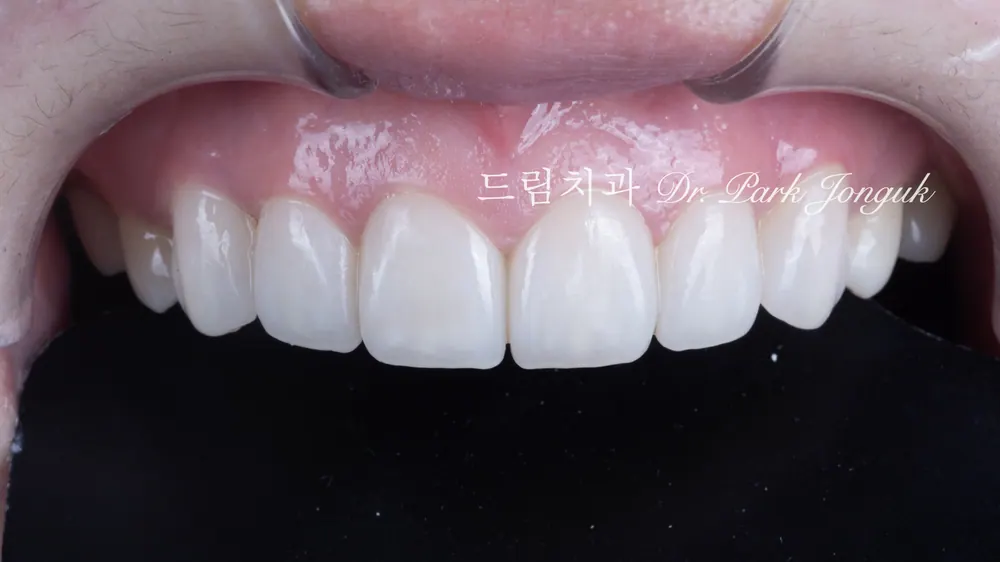
How much does veneer treatment reduce the tooth?
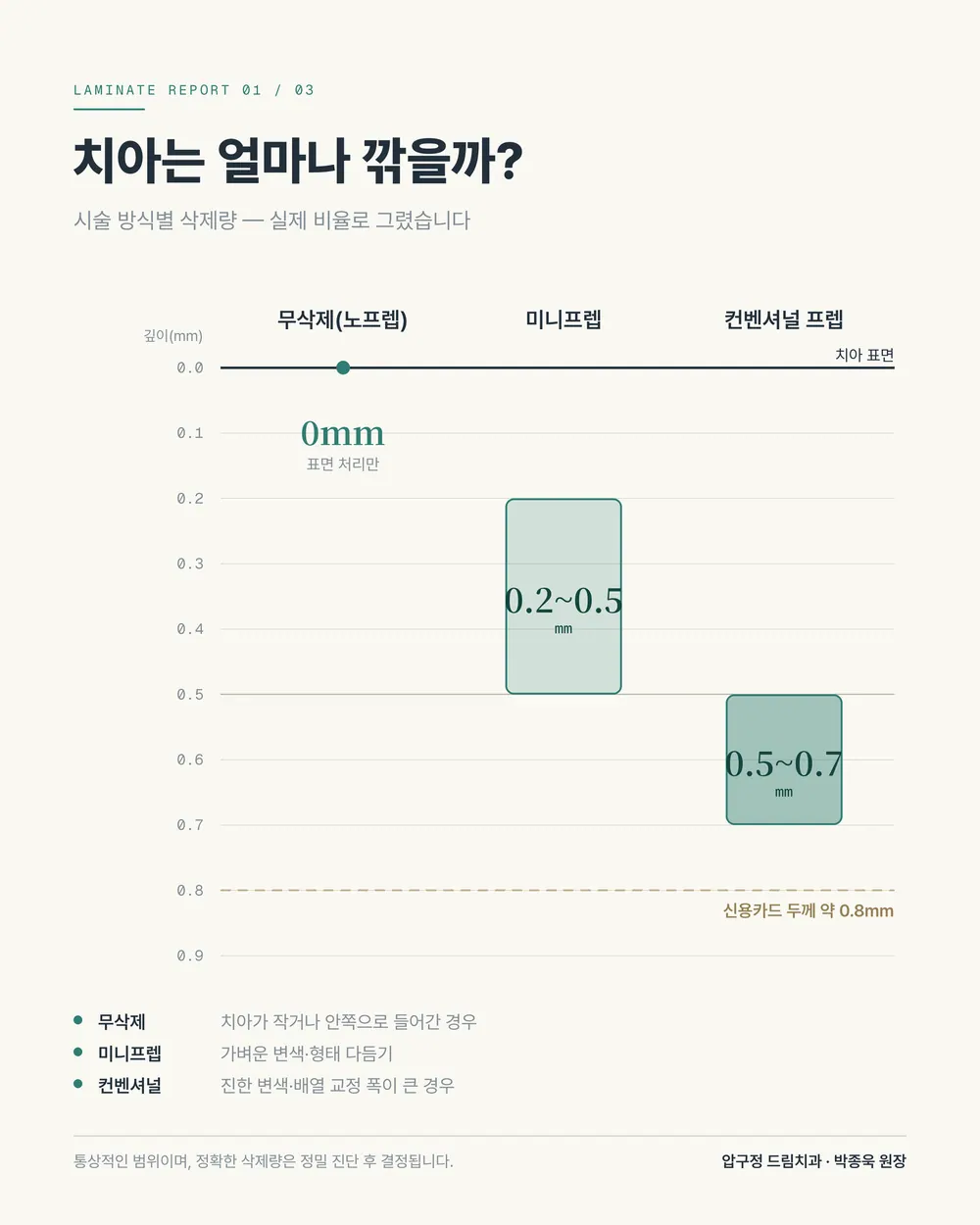
Depending on the method, it ranges from 0mm to 0.7mm.
Even in the case with the most reduction, it's thinner than the thickness of a single credit card (about 0.8mm).
The reference point here is the thickness of the enamel. The enamel on the outer surface of a front tooth is known to be roughly 0.3-1.1mm, depending on the area.
In other words, outside of a few special areas, a reduction of around 0.5mm generally stays entirely within the enamel.
Whether the reduction stays within the enamel is the key factor determining sensitivity and how durable the bond will be.
The porcelain that's added is typically the lithium disilicate type known as e.max,
and it's usually fabricated at a thickness of 0.3-0.7mm. In effect, the amount removed and the amount added are roughly similar.
Do no-prep veneers really involve no cutting at all?
It's true that the surface is barely reduced at all. However, this method can't be applied to every tooth.
No-prep is a method of "adding" porcelain on top of the tooth. If the tooth was originally small or set slightly back, adding to it looks natural.
Conversely, if a tooth already protrudes or has heavy discoloration, the result can look bulky, or the original color can show through. Whether the conditions allow for no-prep comes first — no-prep itself can't be the goal.
What determines the amount of reduction?
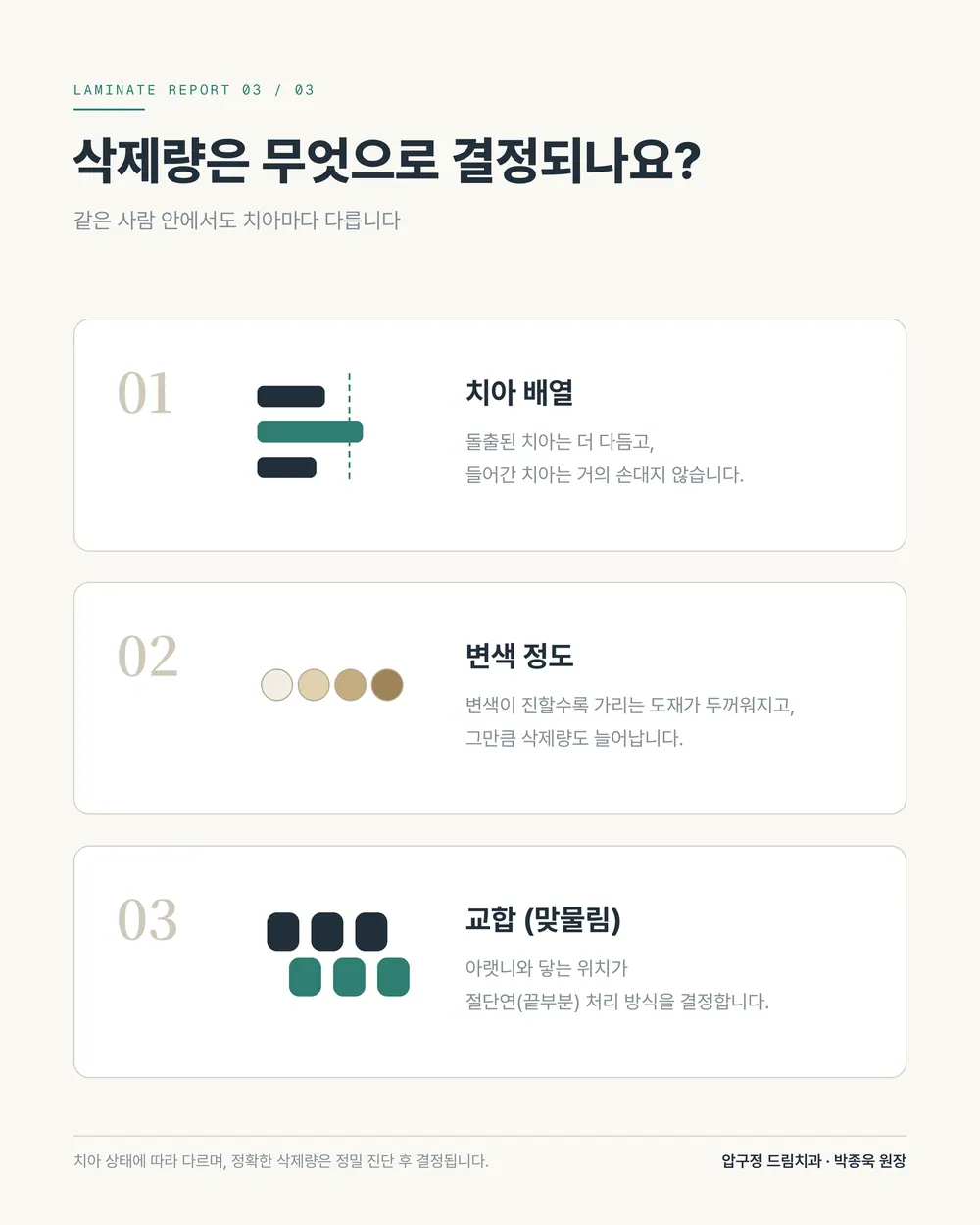
Tooth alignment, the degree of discoloration, and the bite are the three key variables.
If the alignment is uneven, a protruding tooth needs more reduction to bring it into line with the others, while a set-back tooth may need almost no reduction at all.
This is why the amount of reduction can differ from tooth to tooth even within the same person.
The more severe the discoloration, the more porcelain thickness is needed to mask the color, and the more reduction that requires.
The bite determines how the incisal edge (the biting edge) is handled, based on where it contacts the lower teeth.
That's why whether a clinic thoroughly explains the amount of reduction and the reasoning behind it during the diagnostic stage is an important criterion for choosing a clinic.
I've laid out the detailed criteria in "How to Choose a Good Veneer Clinic — 6 Criteria From Diagnosis to Warranty."
A misunderstanding I see often in the clinic
The thing I've heard most often over 20 years of consultations is, "Please just don't reduce them at all, no matter what."
But when no-prep is applied to a tooth whose condition isn't suited for it, patients tend to end up dissatisfied with the result because of the bulky feel or the color showing through.
Cutting down less doesn't always lead to a better result.
There are cases that go the other way too. A tooth that was over-reduced in the past has far fewer options if it ever needs to be remade.
In the end, what matters isn't the "minimum" but the "appropriate" amount of reduction for that particular tooth.
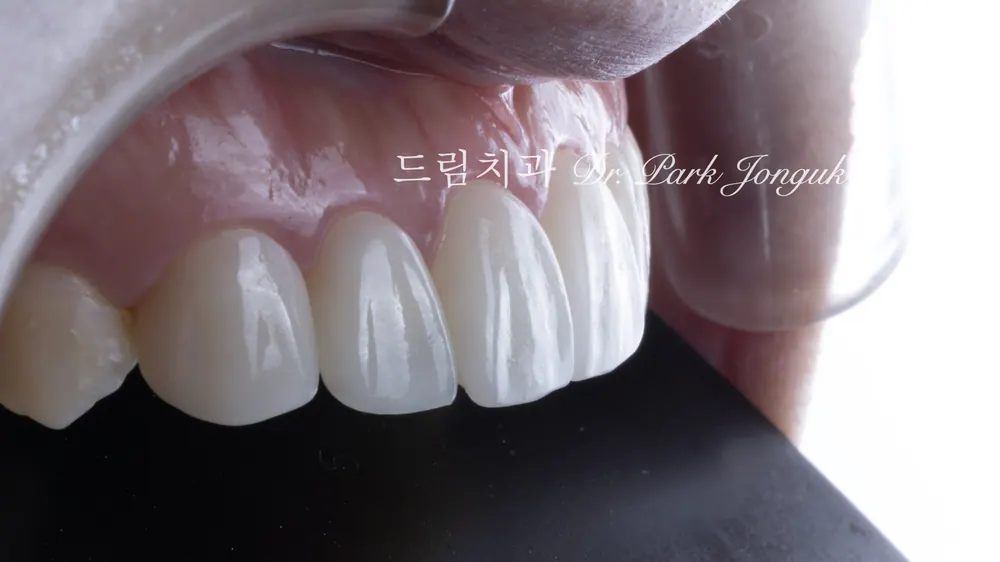
Can a reduced tooth be reversed?
No, it can't. Once enamel is removed, it doesn't regenerate.
That's why, once you begin this procedure, it's an irreversible treatment premised on lifelong maintenance and care.
It's best to make the decision with a clear understanding of this point.
This is also exactly why it matters to plan the reduction so that it stays within the enamel.
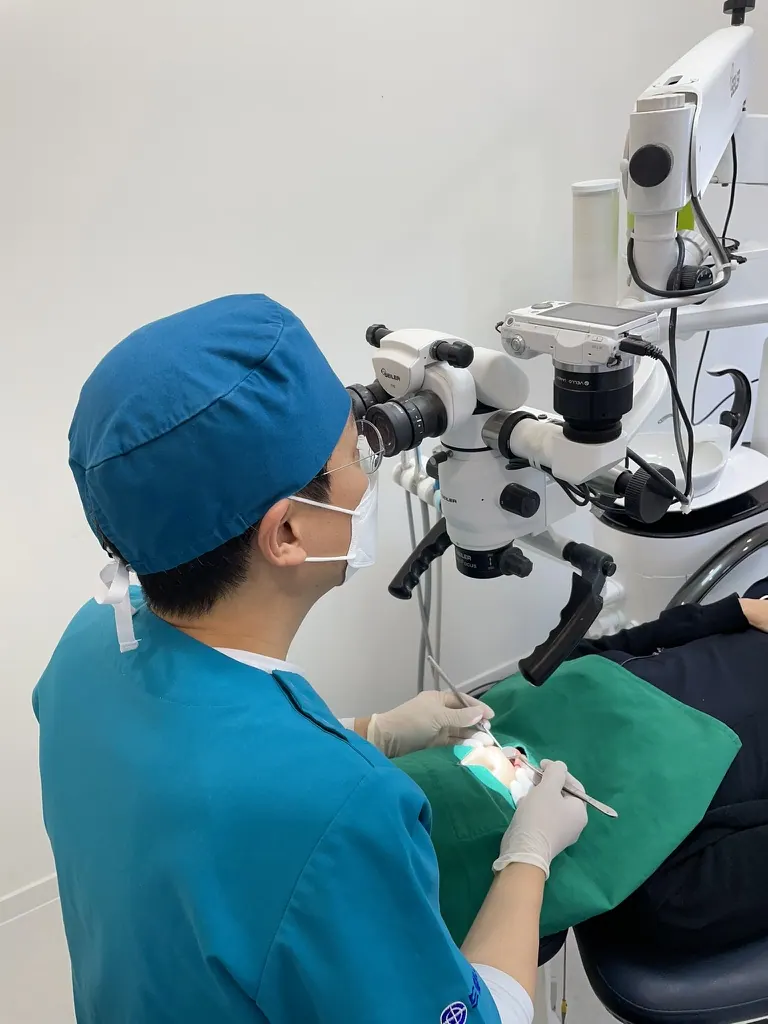
Frequently Asked Questions (FAQ)
1. Does it hurt when the tooth is reduced?
Reduction that stays within the enamel tends to involve less pain, though it varies by person. When needed, it's done under anesthesia, so any pain during the procedure stays at a manageable level.
2. How long does the procedure take?
Typically, it takes about 2-3 visits over 3-4 weeks. It proceeds in the order of diagnosis, tooth preparation, and final bonding.
3. Which is better, no-prep or mini-prep?
Neither one is inherently superior — it depends on the condition of the tooth. The correct order is to diagnose the tooth's size, position, and degree of discoloration, and decide from there.
4. Doesn't the tooth feel sensitive during the temporary period after being reduced?
If the reduction stayed within the enamel, sensitivity tends to be milder, though it varies by person. It's managed with temporary protective measures until final bonding.
5. If the porcelain chips, does the tooth need to be reduced again?
It depends on the extent of the fracture. The principle is to minimize any additional reduction when remaking it, and it's best to manage the risk of fracture in advance with regular checkups.
Key takeaways
The amount of reduction ranges from 0-0.7mm depending on the method — thinner than a single credit card (about 0.8mm).
The key criterion is whether the reduction stays within the enamel (roughly 0.3-1.1mm).
No-prep is suited to teeth that are small or set back, and it isn't a one-size-fits-all solution.
The amount of reduction is determined differently for each tooth based on alignment, discoloration, and bite.
Since removed enamel can't be brought back, the "appropriate" amount of reduction matters more than the "minimum."
Reducing the amount isn't a goal in itself — it's part of a design aimed at keeping the tooth healthy for the long term. It varies by the condition of the tooth, and the exact amount is determined only after a precision diagnosis.
When you're considering this procedure, what worries you the most? Leave a comment and I'll cover it in a future article.
Coming up next: "How Long Do Veneers Last?"
Park Jonguk | Director, Dream Dental Clinic, Apgujeong | 20 years in clinical practice | Author of a related clinical textbook | M.S.
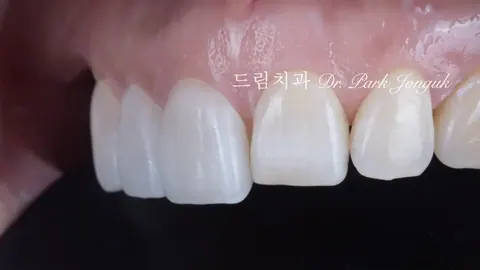
This article is a clinical note written by Dr. Park Jonguk of Dream Dental Clinic, Gangnam; the original was published on his blog. The photographs shown are real cases he treated. Results vary with each patient’s condition, and every procedure carries the possibility of individual variation and side effects.

Quick Consult
Request a Callback
Leave your number and we will call you back during clinic hours.
Request Received
We will contact you during clinic hours. For urgent matters, please call +82-2-3448-0028.