
5 Veneer Side Effects — The Real Cause Ultimately Comes Down to "This"
Hello. I'm Park Jonguk, head director of Apgujeong Dream Dental Clinic.
These days, not just celebrities but ordinary people as well are giving serious thought to veneers for esthetic reasons.
But in consultations, the very first thing patients ask is
"Doctor, don't veneers make your teeth sensitive, or break easily?"
— that fear about side effects.
For those of you who've felt anxious amid the flood of information online,
as a board-certified specialist in conservative dentistry who has devoted 20 years to veneer clinical practice, I'll lay it out honestly and clearly.
Let me start with the conclusion: veneer side effects are not a flaw in the procedure itself.
Almost every side effect traces back to just one wrong starting point.
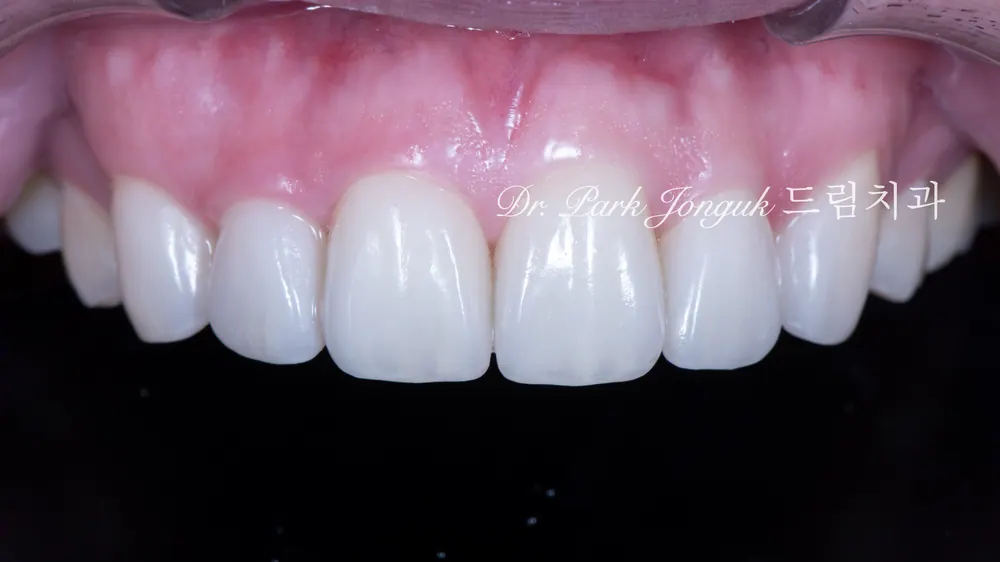
■ 5 veneer side effects I actually see in the clinic
Based on years of analyzing retreatment cases, the discomforts patients experience can be summarized into 5 broad categories.
1. Unbearable "tooth sensitivity" (dentin hypersensitivity)
This is when the front teeth sting sharply just from drinking cold water or feeling a cold breeze.
This happens when the enamel — the tooth's outermost layer — has been excessively reduced,
exposing the dentin, which is connected to the nerve.
2. "Fracture and debonding" that happens all too easily
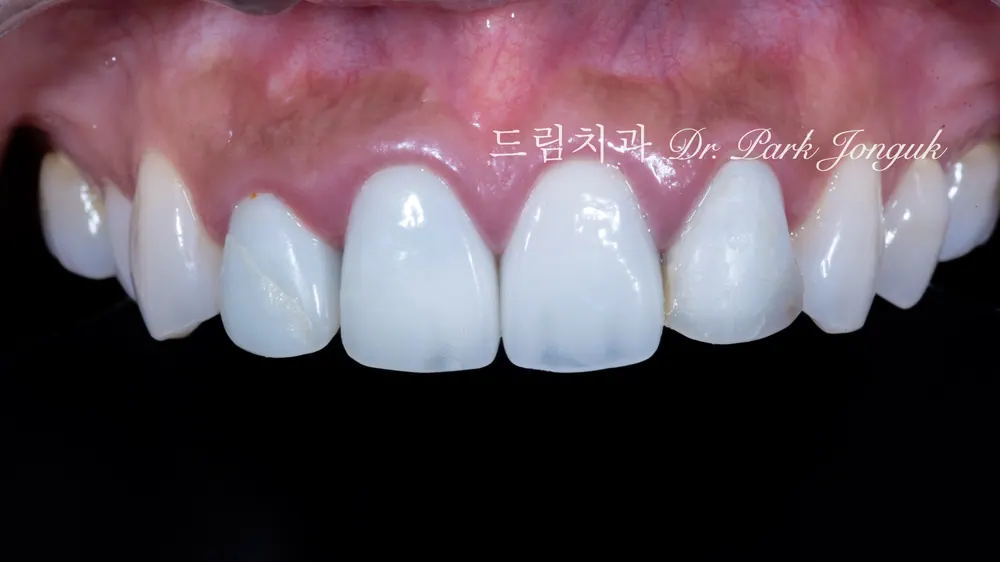
This is when a veneer cracks or comes off the tooth entirely.
This happens with an unbalanced design that doesn't account for the tooth's shape,
or when there isn't enough enamel favorable for bonding, weakening the adhesive strength.
3. "Gum inflammation" — swollen, bleeding gums
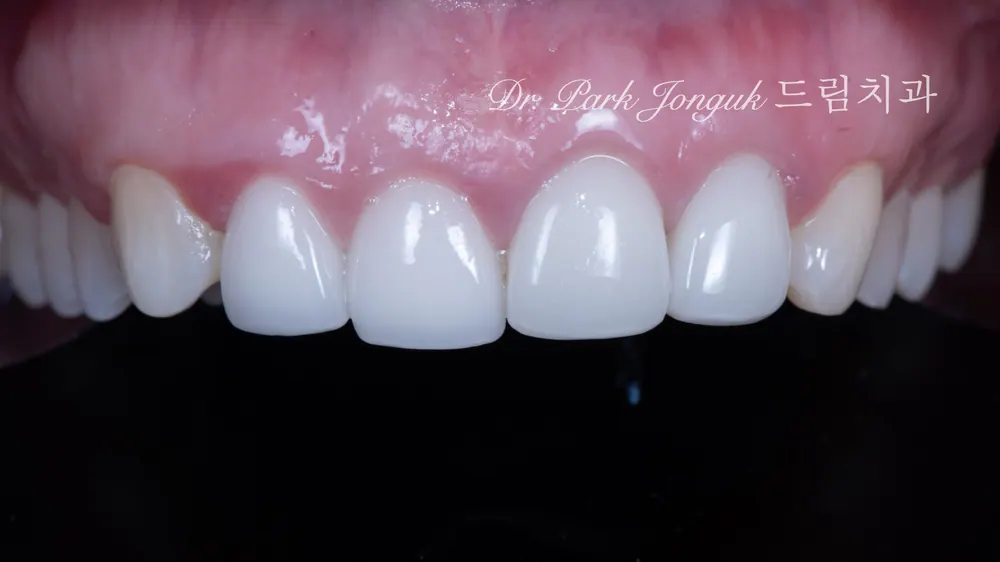
When the margin between the veneer and the natural tooth isn't smooth, plaque builds up in that tiny gap.
The gums react sensitively to this foreign material, causing chronic inflammation and bleeding.
4. "Subtle discoloration" at the margin
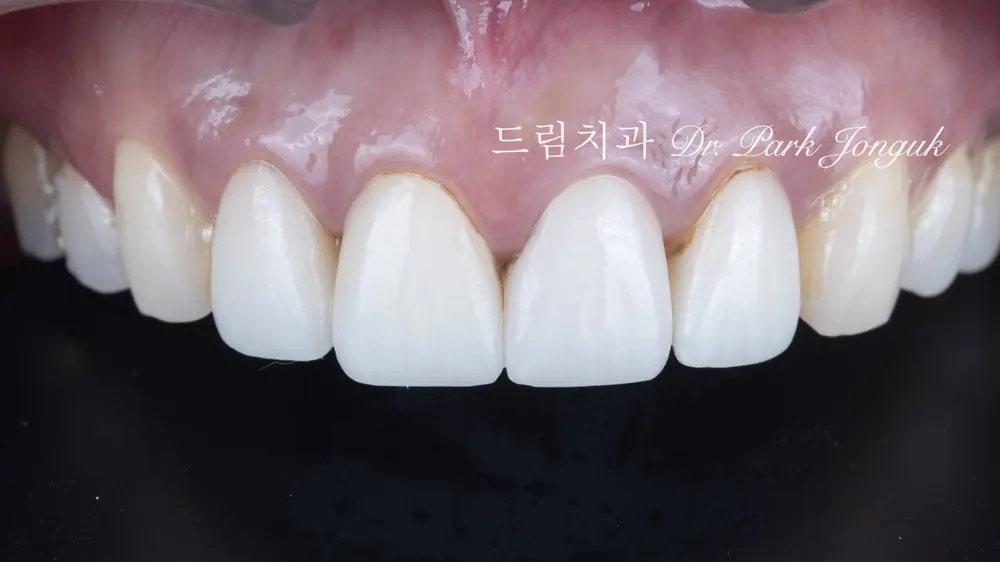
This is when the area was clean right after the procedure, but over time the edge of the veneer starts to look dark or discolored.
When microleakage occurs at the bonding surface, pigment seeps into the gap and damages the esthetic result.
5. "Tooth misalignment" that appears over time
This isn't a problem with the veneer itself, but it's a common reason patients start considering retreatment because the tooth line looks off.
(We'll cover this in more depth separately below.)
■ The real cause running through every side effect: "excessive reduction"
The core cause behind side effects 1 through 4 above ultimately comes down to one thing.
Excessive reduction.
The success of a veneer depends less on "how pretty it's made"
and more on "how little is shaved down."
The reason to preserve as much enamel as possible — the tooth's protective layer — is clear.
When enamel is preserved:
there's no nerve exposure, so there's almost no sensitivity,
and thanks to enamel's uniquely strong bonding ability, the chance of fracture or debonding drops dramatically.
The margin also transitions cleanly, freeing the tooth from inflammation and discoloration.
On the other hand, the moment all the enamel is shaved away and the veneer is bonded to the dentin instead,
every side effect mentioned above follows almost inevitably.
Side effects aren't a limitation of the procedure — they're a direct result of how much was reduced.
■ The only way to reduce the amount of reduction: a "precision diagnostic system"
So how can a tooth be shaved down as little as possible?
The answer lies not in the practitioner's intuition, but in "precise, data-based diagnosis."
Starting reduction on the very day of the consultation is very risky.
That's because a procedure that goes in without sufficient diagnosis inevitably runs into unexpected variables during treatment, forcing more of the tooth to be shaved down.
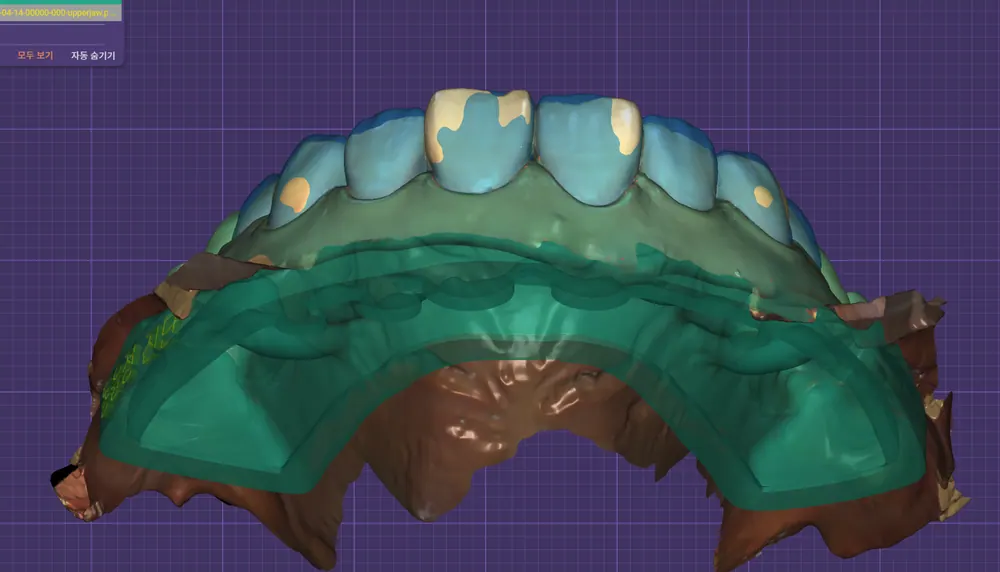
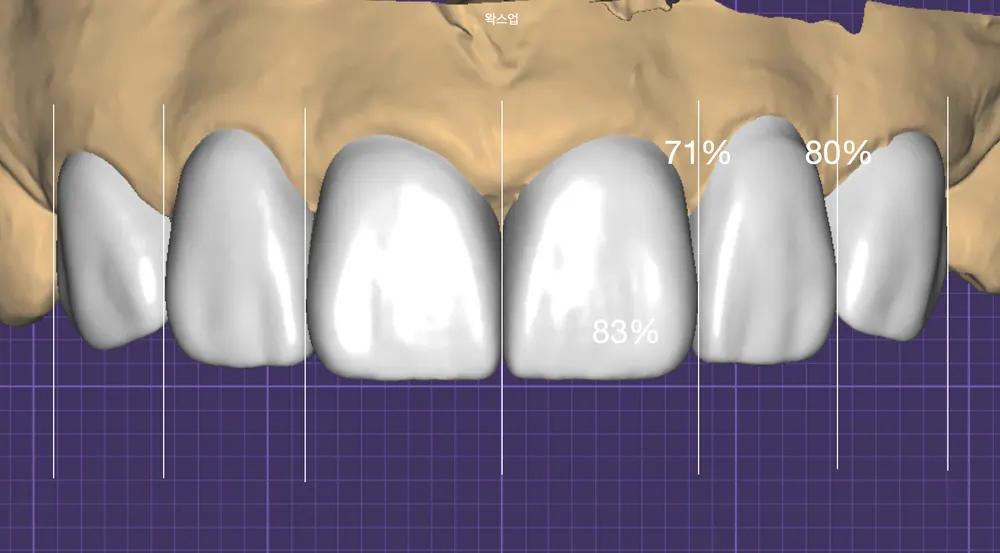
At our clinic, we go through the following standardized precision diagnostic steps.
A precise oral exam and gum-health evaluation
Facial analysis (front, side, and intraoral photos plus digital imaging)
Our own in-house AES analysis program: diagnosing the current state is the most important part. (patent pending)
Bite analysis and tooth-position evaluation: we analyze the forces applied during chewing to prevent fracture.
Consent to treatment after confirming the final shape: the patient and doctor confirm they share the same goal before the procedure begins.
I brought this whole process together and wrote a book titled 『최소 삭제를 위한 라미네이트 임상』 (Veneer Clinical Practice for Minimal Reduction),
and I'm now developing a program that standardizes this diagnostic procedure, which is currently patent pending.
■ "My teeth have shifted" — this isn't a side effect
The fifth item I mentioned last, tooth misalignment, isn't strictly a treatment side effect —
it's "natural aging and change."
Our teeth move very slightly, throughout our whole lives, regardless of whether we have veneers.
This can stand out even more in people who had orthodontics in the past, because of relapse tendency.
In this case, rather than worrying about redoing the veneers,
wearing a nighttime retainer consistently is the right answer.
Just taking good care of your retainer can keep a beautiful tooth line stable for 10 or even 20 years.
■ Frequently asked questions (Q&A)
Q1. How many visits does a precise diagnosis require?
A proper diagnosis usually requires 2 visits. The first is for examination and data collection, the second for reviewing the simulation and design consultation — and only then does the procedure begin. Please remember: a procedure that's finished in a single day is closer to a "quote" than a "diagnosis."
Q2. My veneer is already broken — do I definitely need to redo it?
Identifying the cause of the break comes first. If it's simply a bonding issue, it can be reattached, but if there was too much tooth reduction or a bite problem, the underlying cause needs to be resolved before retreatment.
Q3. Is minimal-reduction veneers possible for anyone?
If the tooth alignment is too irregular or the protrusion is severe, the amount of reduction inevitably increases. In that case, having "partial orthodontics" done first to correct the tooth position, and then proceeding with minimal reduction, is the wisest way to save your own teeth.
In closing
Veneers are not a procedure that ruins teeth.
It's a wrong diagnosis and excessive reduction that ruin teeth.
When choosing a dental clinic, rather than an event discount or flashy design samples,
we recommend first checking, "How precisely does this clinic diagnose for me?"
We will protect your precious teeth with health as our promise, backed by 20 years of clinical data and the conscience of a conservative-dentistry specialist.
🦷 Park Jonguk, Head Director, Apgujeong Dream Dental Clinic
Graduate of Seoul National University School of Dentistry / Master's degree in Dentistry
Board-certified specialist in conservative dentistry
Education Director, Korean Academy of Adhesive Dentistry
Author of 『최소 삭제를 위한 라미네이트 임상』 (Veneer Clinical Practice for Minimal Reduction)
Director of Lamista Academy
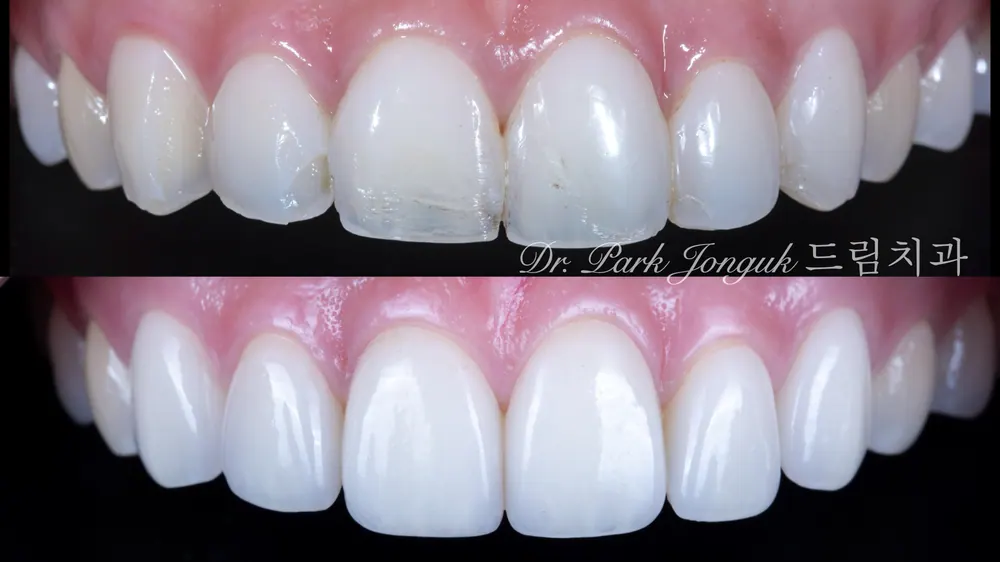
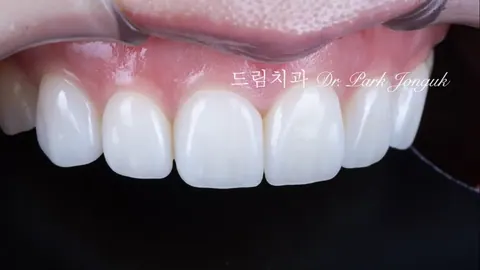
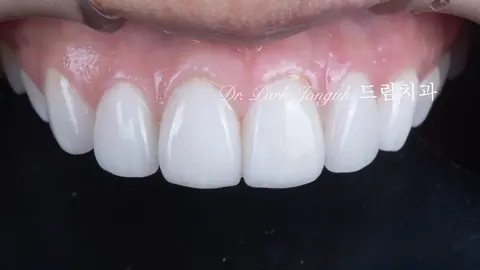
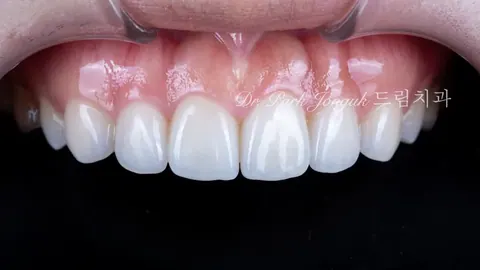
This article is a clinical note written by Dr. Park Jonguk of Dream Dental Clinic, Gangnam; the original was published on his blog. The photographs shown are real cases he treated. Results vary with each patient’s condition, and every procedure carries the possibility of individual variation and side effects.
Quick Consult
Request a Callback
Leave your number and we will call you back during clinic hours.
Request Received
We will contact you during clinic hours. For urgent matters, please call +82-2-3448-0028.