
The Truth About Laminate Veneer Side Effects: Five Situations Seen in 20 Years of Clinical Practice
There is one question that nearly every patient asks when coming in for a laminate veneer consultation.
“Do laminate veneers have side effects?”
When “laminate veneers” is entered into an internet search bar, the first related search term to appear is often
“side effects,” showing how many people are concerned about them.
To begin with the conclusion, laminate veneer treatment is certainly a procedure that can cause side effects.
However, it is not true that “laminate veneers are always dangerous,” as is commonly said,
nor is it true that “there are no problems at all.”
I will outline five situations I have actually seen over 20 years of clinical practice
and explain plainly which side effects occur and why.
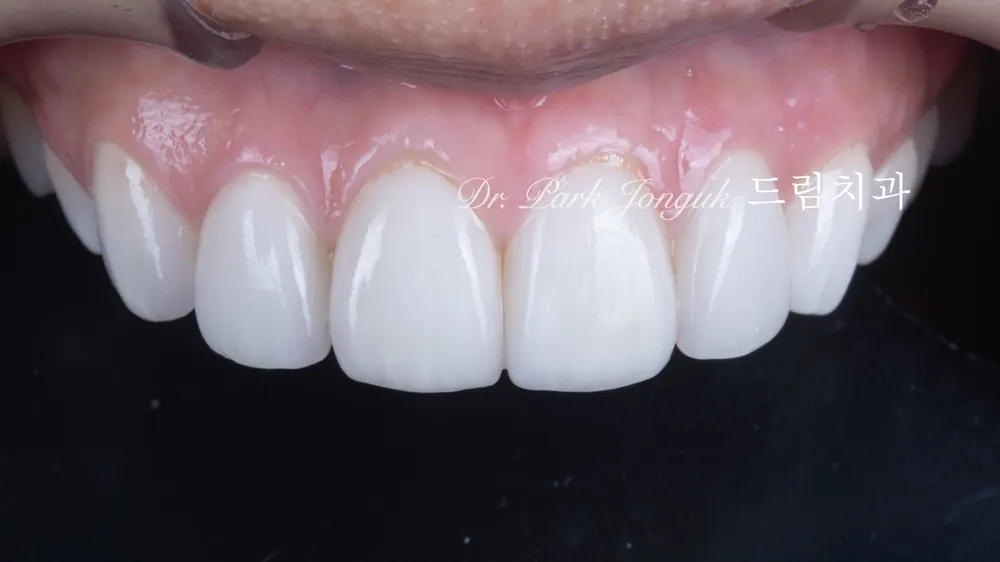
1. Five situations actually reported with laminate veneers
First, sensitivity to cold foods or dentin hypersensitivity
This is the most common early symptom.
Laminate veneer treatment involves very lightly preparing the tooth surface,
and the temporary irritation to the pulp during this process may cause sensitivity to cold foods.
In most cases, it subsides naturally within a few weeks,
but if tooth decay or pulp damage is not identified during diagnosis, it may lead to chronic sensitivity.
Second, swollen gums or frequent bleeding
If the boundary where the laminate veneer meets the gum—the margin—is not precise,
food debris and bacteria accumulate in the gap.
If this condition persists, it can develop into chronic gum inflammation
and appear as swollen gums or bleeding during brushing.
It may look like a side effect, but the actual cause is a “poorly fitting margin.”
Third, lifting or debonding of the laminate veneer
If bonding strength weakens, the laminate veneer may move slightly or come off completely.
There are various causes.
Insufficient precision during the bonding stage,
strong occlusal forces such as nighttime bruxism,
a habit of eating hard foods,
and disharmony with adjacent teeth can all have an effect.
Fourth, color mismatch or visible color change
The ceramic itself does not change color.
However, if the shade is selected incorrectly at the outset, the color difference from adjacent natural teeth becomes increasingly noticeable over time.
In addition, if staining develops near the boundary between the laminate veneer and the natural tooth,
patients may feel that “the laminate veneer has changed color.”
Fifth, decay in areas not covered by the laminate veneer
The laminate veneer itself cannot develop tooth decay.
However, decay can still occur as usual at the margin, on the back of the tooth not covered by the veneer, or on the proximal surfaces.
In fact, these areas require greater care when brushing.
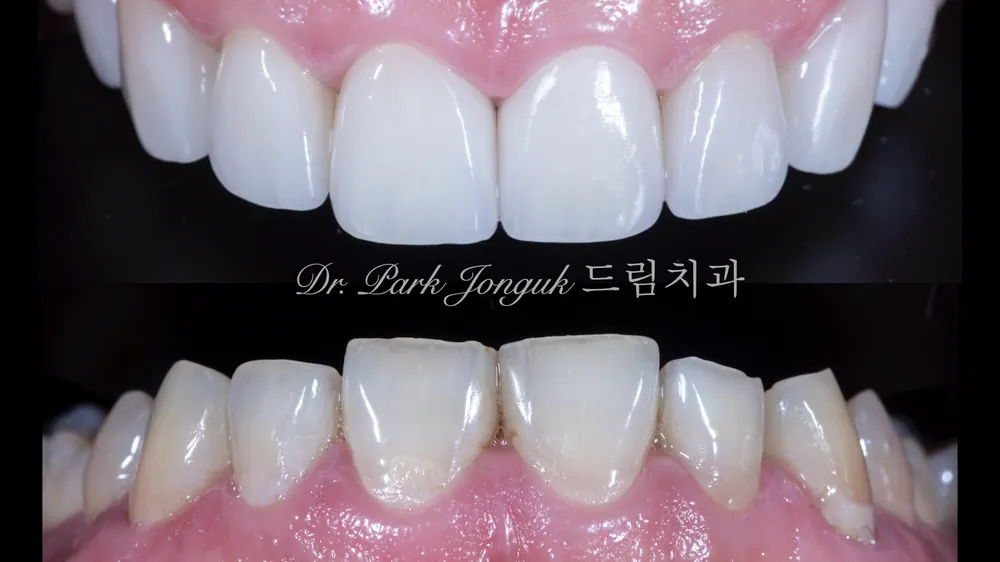
2. Why side effects occur: four causes seen in clinical practice
A closer look at the five situations above reveals a common feature.
Although they are called side effects, in most cases they arise less from the procedure itself
than from “missing details surrounding the procedure.”
Cause 1. When the initial diagnosis was insufficient
If the bite, gum health, alignment of adjacent teeth, nighttime bruxism, and presence of decay are not assessed sufficiently,
the likelihood of unexpected symptoms after treatment increases.
Cause 2. When the margin was not precise
Margin precision determines nearly half of laminate veneer longevity and gum health.
If the margin is loose or has a step, gum inflammation, decay, and lifting can all occur.
Cause 3. The patient’s daily habits
Nighttime bruxism, hard foods, biting with the front teeth, and not wearing a mouthguard can bring forward the onset of side effects.
Cause 4. Lack of regular maintenance
If the margins and gums are not checked in advance at 6-month examinations, a small problem can grow and present as a major problem.
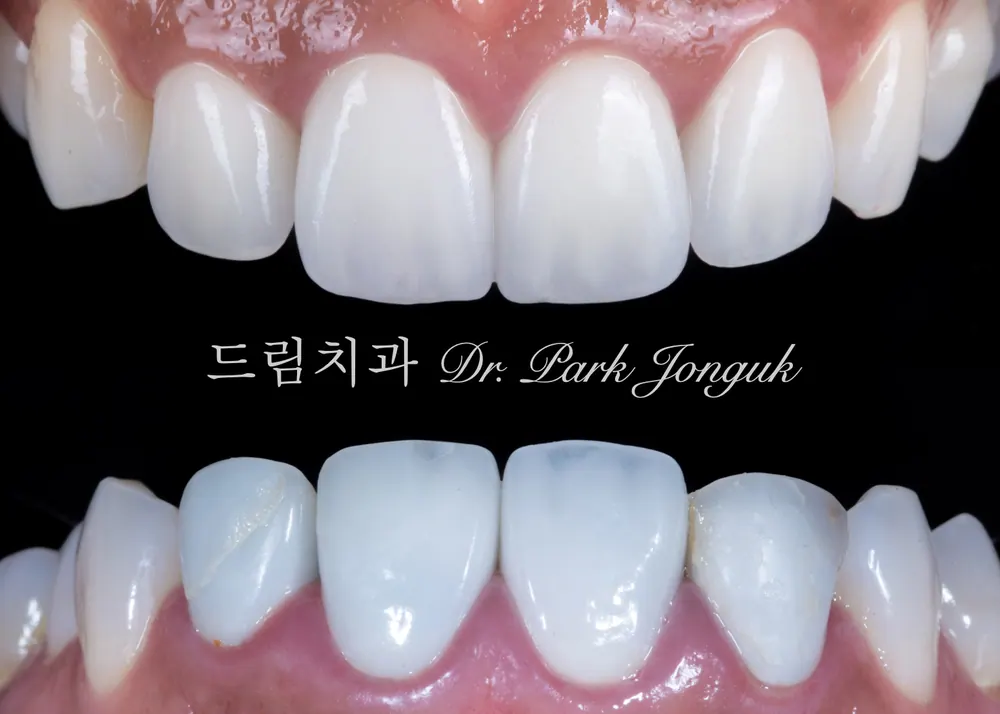
3. Five ways to prevent side effects
① Choose a clinic that devotes sufficient time to diagnosis
The accuracy of the initial diagnosis has the greatest effect on the rate of side effects.
② Complete simulation and provisional restoration stages before treatment
Reviewing the shape, length, and color in advance before making the final decision reduces the likelihood of side effects.
③ Wear a night guard if you have nighttime bruxism
Occlusal force at night is one of the largest risk factors for laminate veneer side effects.
④ Keep to a 6-month schedule for regular examinations
When detected early, a problem can be resolved with a partial repair; when detection is delayed, full replacement may be necessary.
⑤ Brush after hard foods and foods that cause staining
Avoid ice and hard nuts, and after staining foods such as coffee, wine, or curry, brushing or rinsing is recommended.
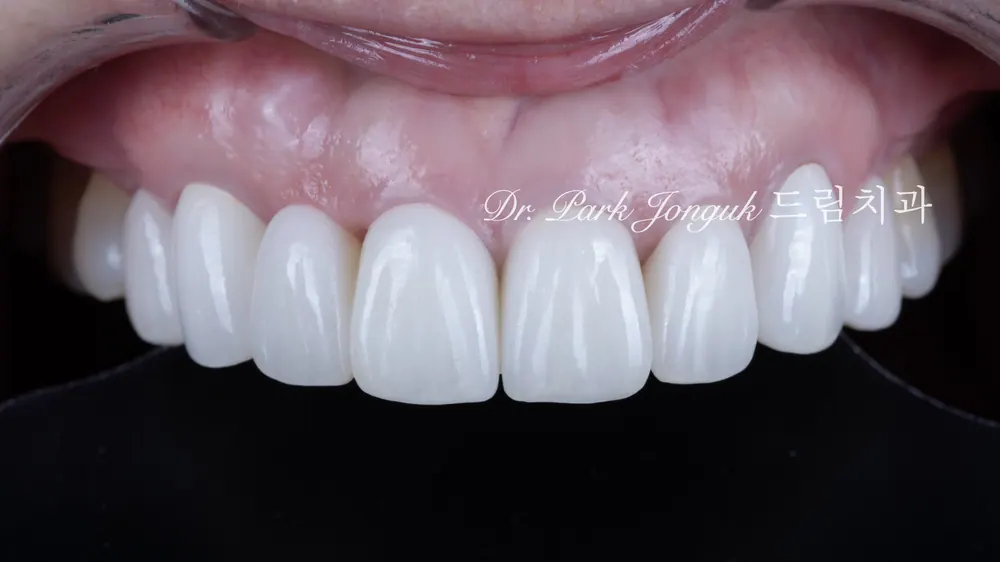
4. What should you do if side effects occur?
The appearance of a symptom does not necessarily mean that all laminate veneers must be redone.
If detected early, most cases can be managed with a partial repair.
When sensitivity persists
Check the pulp condition and presence of decay → apply a desensitizing agent or perform a partial repair.
When gum inflammation recurs
Check for a poorly fitting margin → provide periodontal treatment and refine the margin.
When the veneer lifts or moves slightly
Check the bonded state → rebond it before it comes off, or remake a single veneer.
When the color looks unnatural
If staining is the cause, scaling and polishing may resolve it. If the ceramic itself is the problem, replace the affected veneer.
The important point is to “visit the clinic as soon as you notice an unusual sign instead of waiting for the next regular checkup.”
The earlier it is detected, the more likely treatment will remain minor.
[Photo 5]
5. So, is laminate veneer treatment dangerous?
The conclusion from 20 years of clinical practice is clear.
Laminate veneer treatment is not a “dangerous procedure,” but a “procedure in which details matter.”
When accurate diagnosis, precise margins, suitable materials, the patient’s daily care, and 6-month checkups are all in place, the rate of side effects becomes very low.
Conversely, if even one of these is missing, any procedure inevitably carries the possibility of side effects.
The best way to reduce side effects is to “attend to every detail from the outset.”
Frequently Asked Questions (FAQ)
Q1. How long can sensitivity after laminate veneer treatment last?
In most cases, it subsides within 2~4 weeks after treatment.
If it persists longer, the pulp condition and presence of decay should be assessed.
Q2. Is it normal for the gums to swell frequently after laminate veneer treatment?
No, it is not normal.
It is a sign that hygiene at the margin or margin precision should be assessed.
Q3. When are laminate veneer side effects most common?
The frequency of checkups increases during the first 1 month after treatment and at 5~7 years.
Early on, adaptation-related symptoms are assessed; in the middle period, the margins and bonded state become the focus of assessment.
Q4. If side effects occur, do all the veneers always need to be redone?
No.
When detected early, most cases can be managed by repairing one veneer or providing partial treatment.
That is why regular examinations are important.
Q5. What is the single most effective way to reduce the risk of side effects?
Devote enough time to the initial diagnosis, accurately identify risk factors such as nighttime bruxism, and then establish the treatment plan.
Accuracy during the diagnostic stage has the greatest effect on the overall rate of side effects.
Conclusion
Laminate veneer treatment is not a procedure with “no” side effects, but one in which side effects “can be reduced.”
And almost all such side effects are determined less by the procedure itself than by details in diagnosis, precision, patient habits, and regular maintenance.
There is one statement I have recalled most often over 20 years of clinical practice.
“There is no procedure without side effects, but there are procedures that can reduce their likelihood. Ultimately, attention to detail at every stage is what makes this possible.”
Rather than postponing treatment itself out of fear of side effects, choosing a clinic that can carefully attend to every stage from the outset will ultimately be the safest choice.
─────────────────
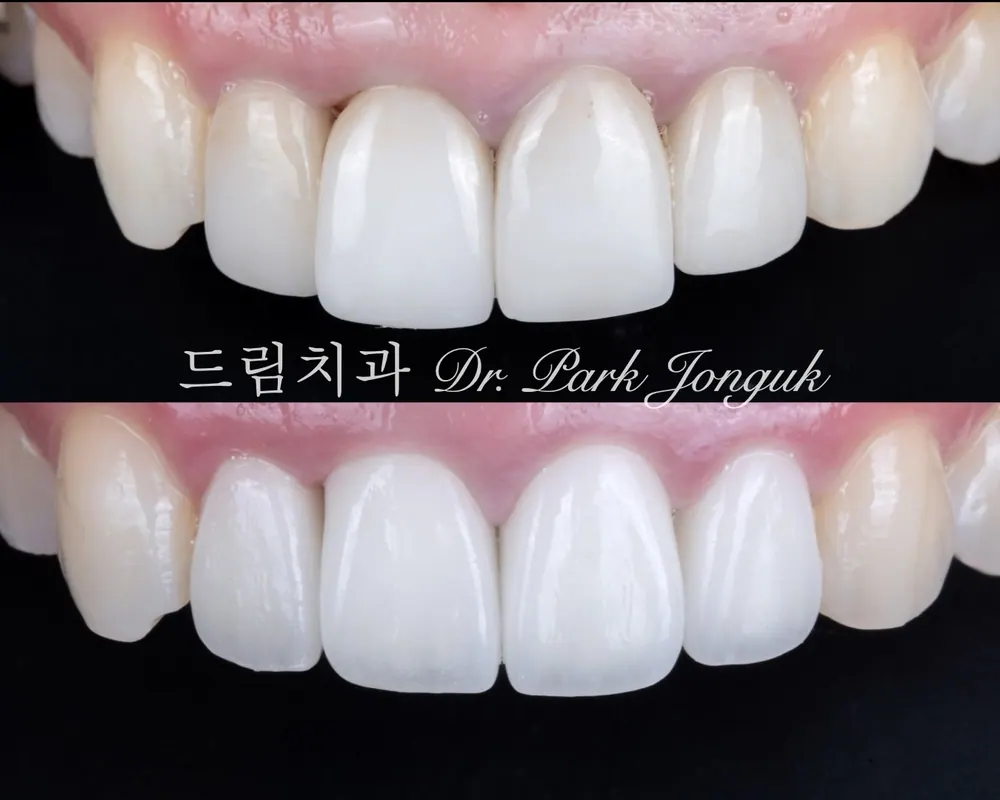
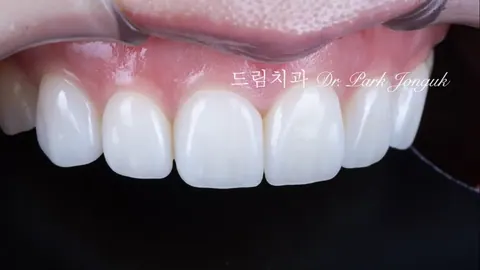
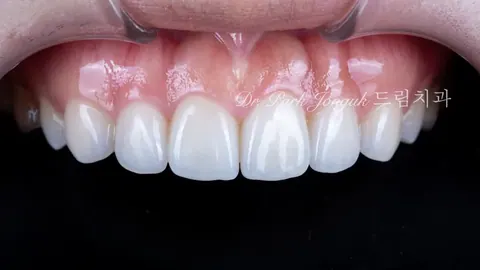
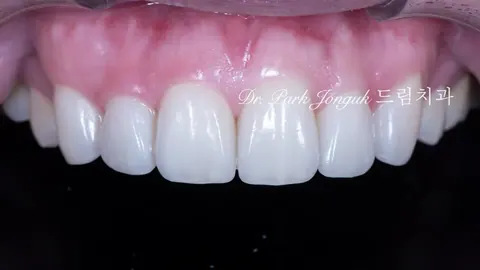
This article is a clinical note written by Dr. Park Jonguk of Dream Dental Clinic, Gangnam; the original was published on his blog. The photographs shown are real cases he treated. Results vary with each patient’s condition, and every procedure carries the possibility of individual variation and side effects.
Quick Consult
Request a Callback
Leave your number and we will call you back during clinic hours.
Request Received
We will contact you during clinic hours. For urgent matters, please call +82-2-3448-0028.