
A No-Prep Veneer Case at a Clinic Skilled in Veneers
Hello. I'm Park Jonguk, director of Dream Dental Clinic, a clinic skilled in veneers.
About 15 years ago, veneers became a fairly big issue.
It was because of side effects.
At a few large dental chains,
treatments that made no sense were carried out under the name "veneers,"
and that's what caused so many side effects.
In fact, if veneer treatment is done properly,
there really aren't many side effects.
The treatments that caused problems
were either all-ceramic crowns falsely marketed as veneers,
or cases forced into veneer treatment when they weren't actually suited to it.
If veneers are done correctly, in the right cases,
the color and shape of the teeth improve
while the health of the teeth and gums is preserved.
The safest kind of veneer
is the no-prep veneer.
What's typically called a veneer side effect
usually starts with the reduction of the tooth,
so if no reduction is done, the side effects are correspondingly fewer.
The problem is that cases like this aren't very common.
For no-prep veneers to be possible,
the current teeth need to be small,
the alignment needs to be good,
and the teeth must not protrude.
If a case fits these three conditions,
veneer treatment can transform the teeth beautifully
without harming the health of the teeth.
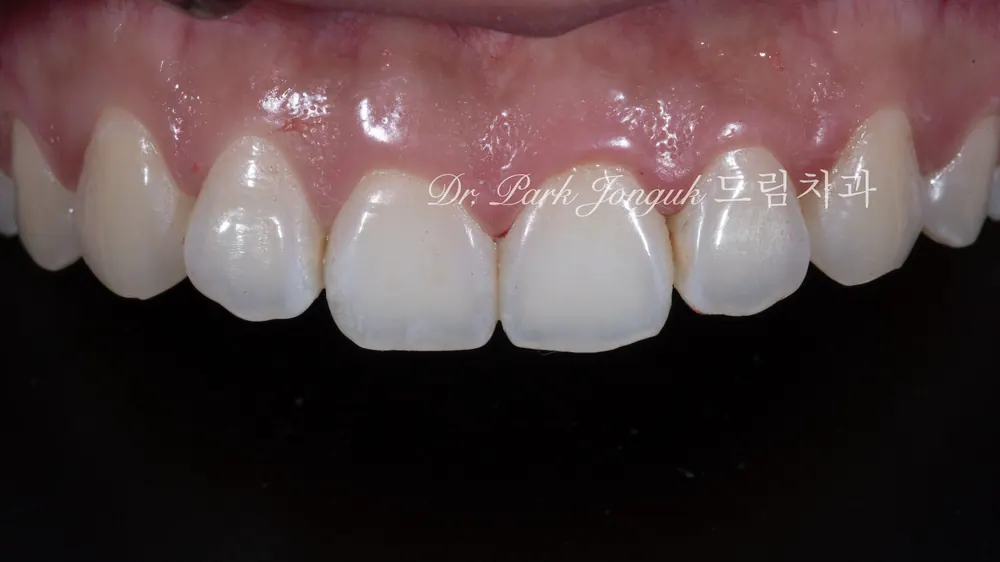
This patient came to a clinic skilled in veneers for a consultation because her teeth were too small.
The shape and color of the teeth weren't great either.
The alignment was good,
and since the teeth didn't protrude,
no-prep veneers were possible,
but in cases with absolutely zero reduction,
the result can fall a little short in some respects, so as a clinic skilled in veneers,
we decided to make a small, partial reduction.
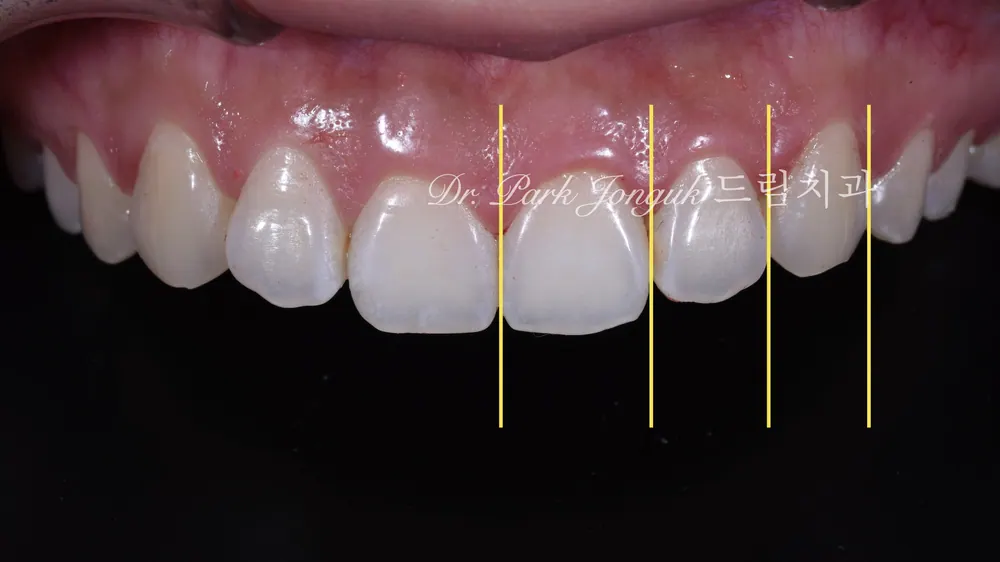
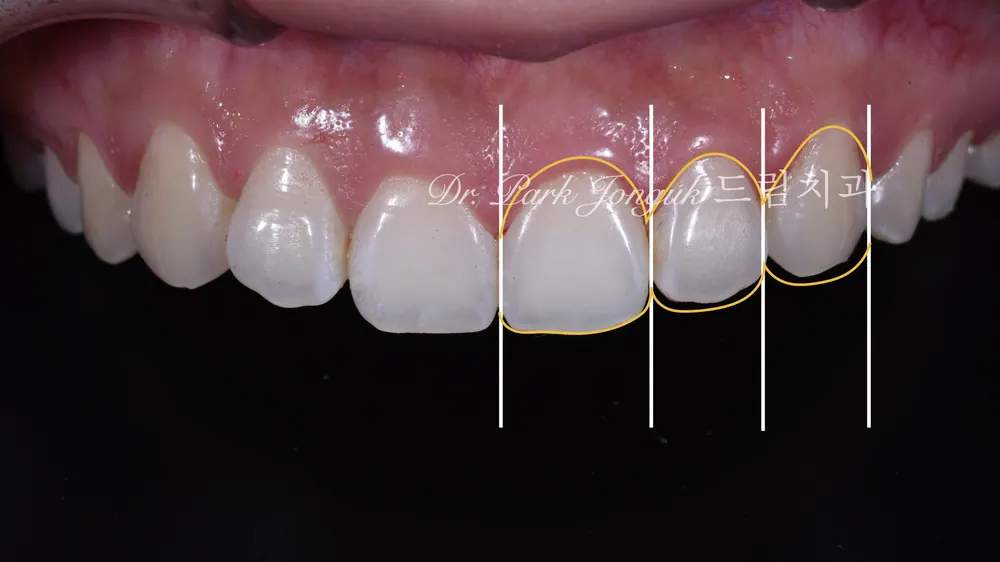
We measured the current proportions
and, while adjusting the shape of the gums,
we needed to work out a thorough plan for how the overall proportions would change.
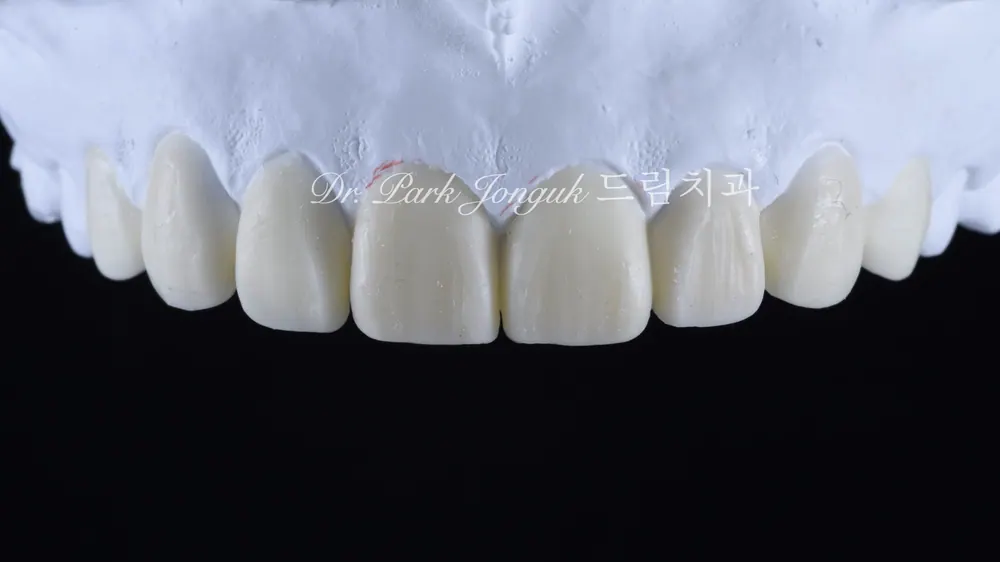
Based on this plan,
we predict the treatment outcome
and, in that process, plan out in advance
exactly where and how much reduction is needed.
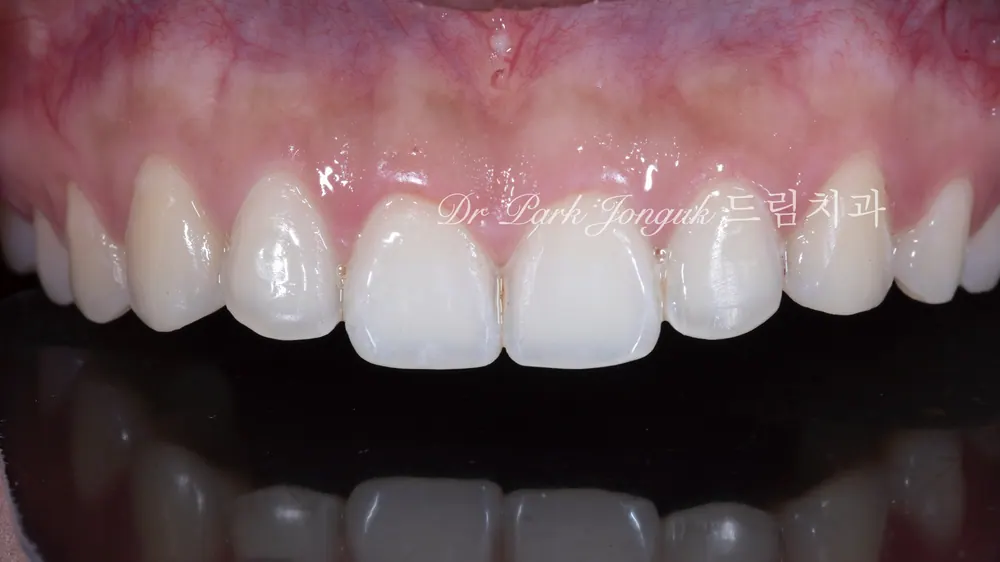
This is what the teeth looked like after reduction.
If we hadn't told you reduction had been done,
you probably wouldn't have been able to tell.
A very minute amount of reduction can make the final result significantly better.
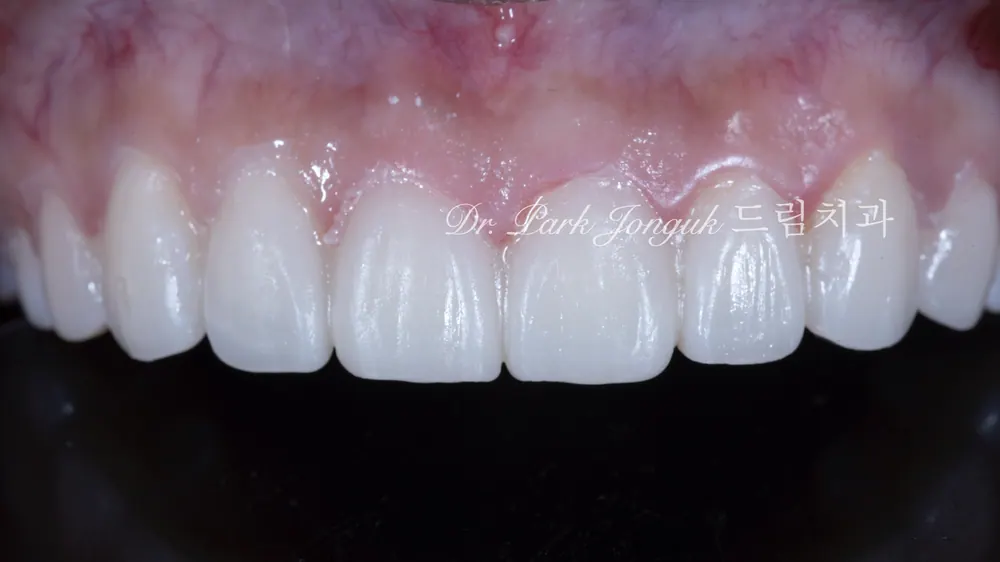
We made temporary teeth
and consulted with the patient about the shape,
discussing in advance how the proportions would change and how much the teeth would project,
as well as how the tooth size would change.
Based on the outcome of this consultation,
we move on to fabricating the veneers in ceramic.
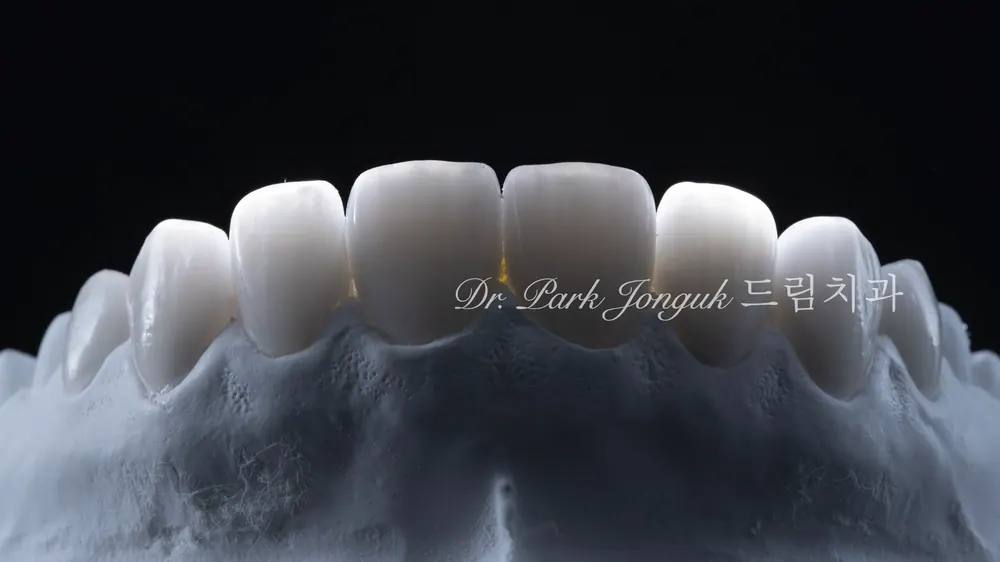
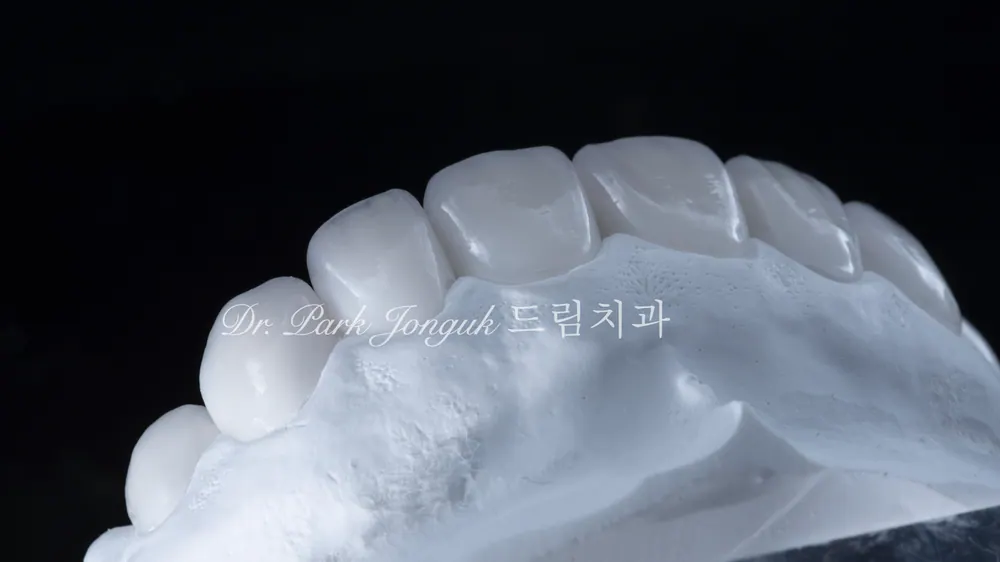
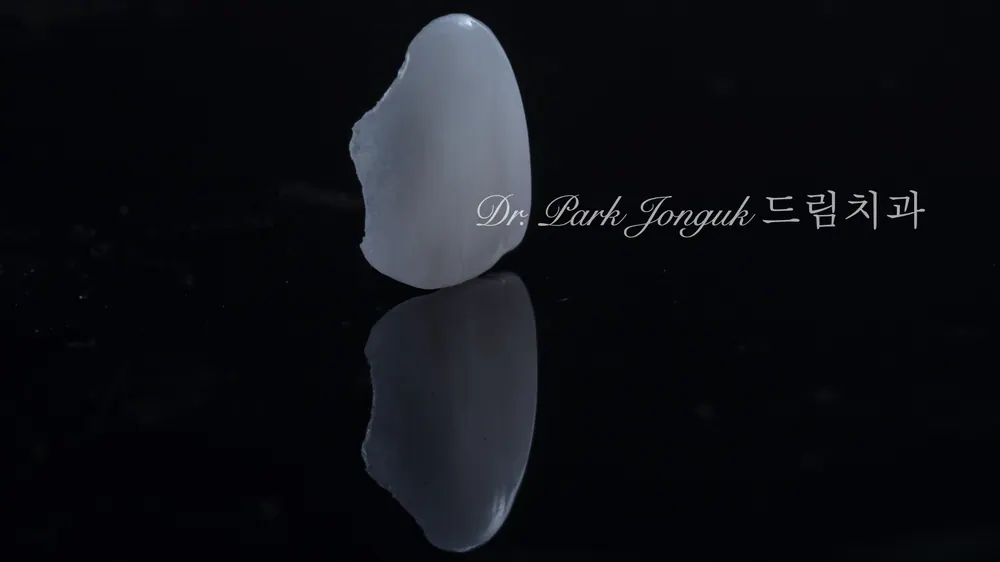
A veneer fabricated in ceramic
is extremely thin.
Depending on the area, it's about 0.1-0.5mm.
You'll sometimes see advertising for "0.1mm veneers."
Part of a veneer can be that thin, but no veneer is 0.1mm across its entire surface.
It's essentially a meaningless claim.
The thickness inevitably varies depending on the location on the tooth.
What matters more is capturing the characteristics of a natural tooth
within ceramic that thin, at the 0.1-0.5mm level.
Within a thickness that's barely visible to the eye,
capturing everything from the tooth's translucency and shape to its surface texture and dimension
is what really matters.
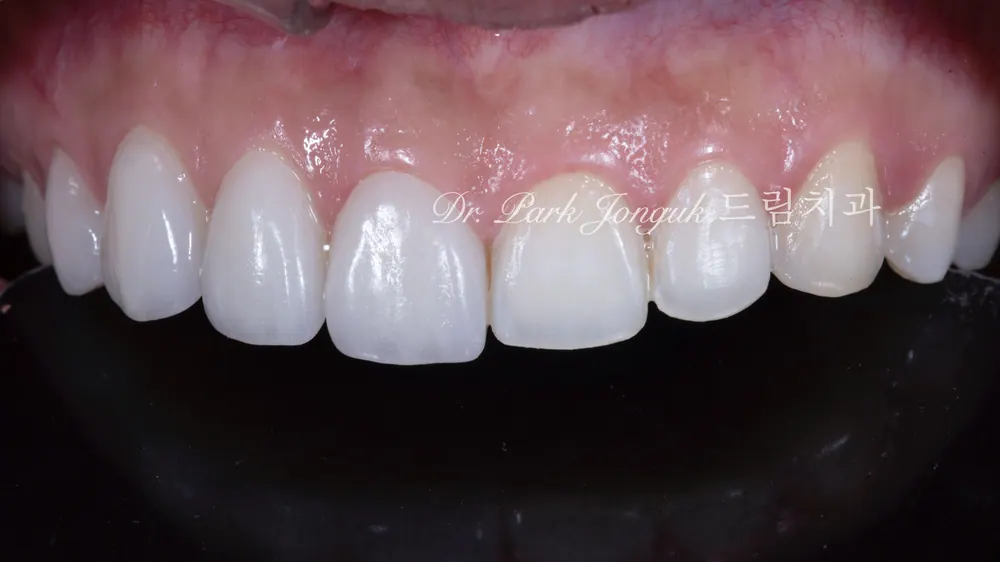
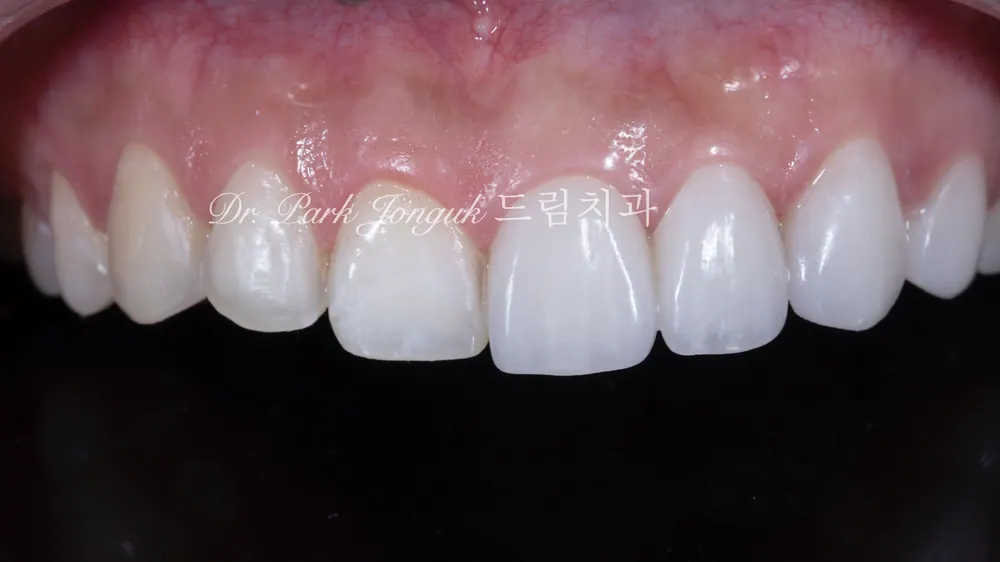
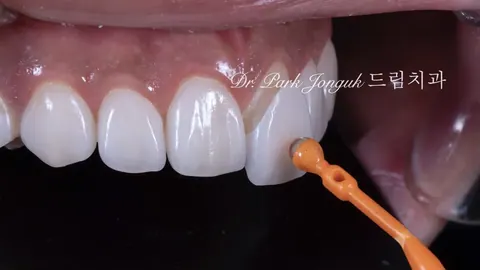
We tried placing the finished ceramic veneer on the tooth.
We took a photo with it placed on just half.
You can see that it's larger than the original tooth,
and while the tooth color has brightened,
the sense of translucency is still there.
The shape has also become more natural and beautiful.
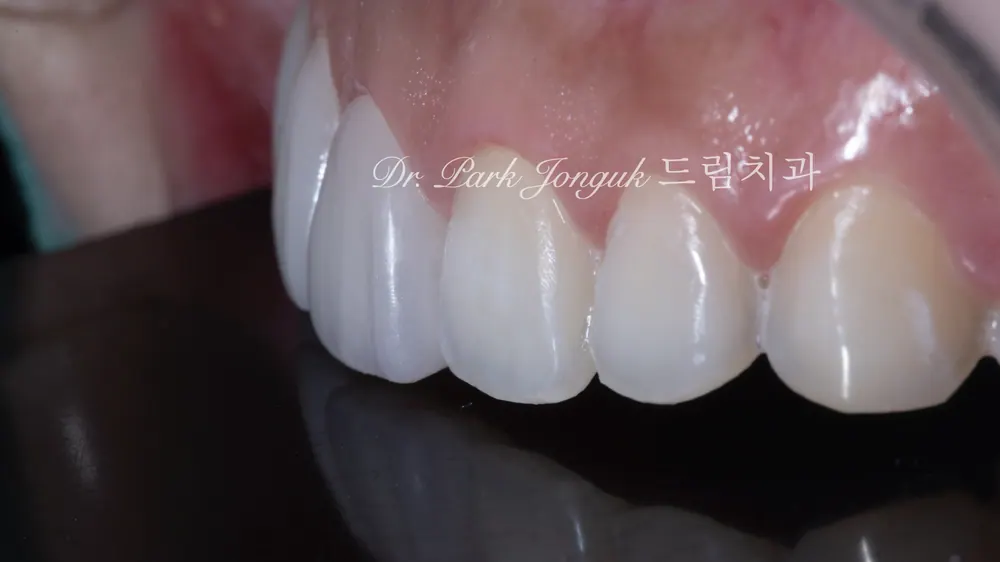
You can see that even the sides of the tooth
are wrapped by extremely thin ceramic.
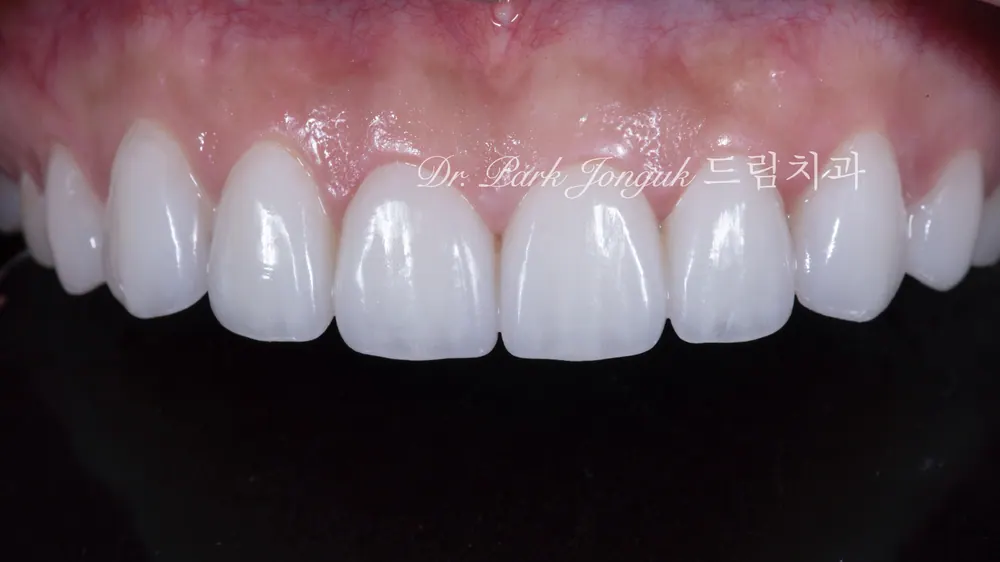
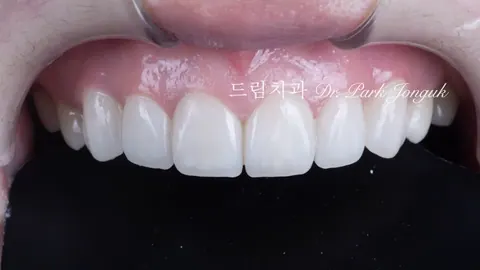
The treatment was completed with a natural feel.
With almost no tooth reduction,
the color, shape, and size of the teeth all improved,
while still retaining the feel of a natural tooth.
Natural beauty
Since 2006, Dream Dental Clinic, a clinic skilled in veneers
This article is a clinical note written by Dr. Park Jonguk of Dream Dental Clinic, Gangnam; the original was published on his blog. The photographs shown are real cases he treated. Results vary with each patient’s condition, and every procedure carries the possibility of individual variation and side effects.
Quick Consult
Request a Callback
Leave your number and we will call you back during clinic hours.
Request Received
We will contact you during clinic hours. For urgent matters, please call +82-2-3448-0028.