
Five Ways to Identify a Clinic Skilled in Laminate Veneers: What Patients Should Check During Diagnosis
One of the most common search terms used by patients who have decided to get laminate veneers is
“a clinic that is good at laminate veneers.”
Over 20 years in clinical practice, these are among the patients I have met most often.
“I have had consultations at several clinics, but I do not know which one is good.”
“I do not want to decide based only on advertising, so I would like to know what other criteria to use.”
Once placed, laminate veneers are a treatment you will live with for 10~15 years.
It is therefore right to research them carefully before making a decision.
Today, I will outline five criteria that patients can check themselves during the diagnostic stage.
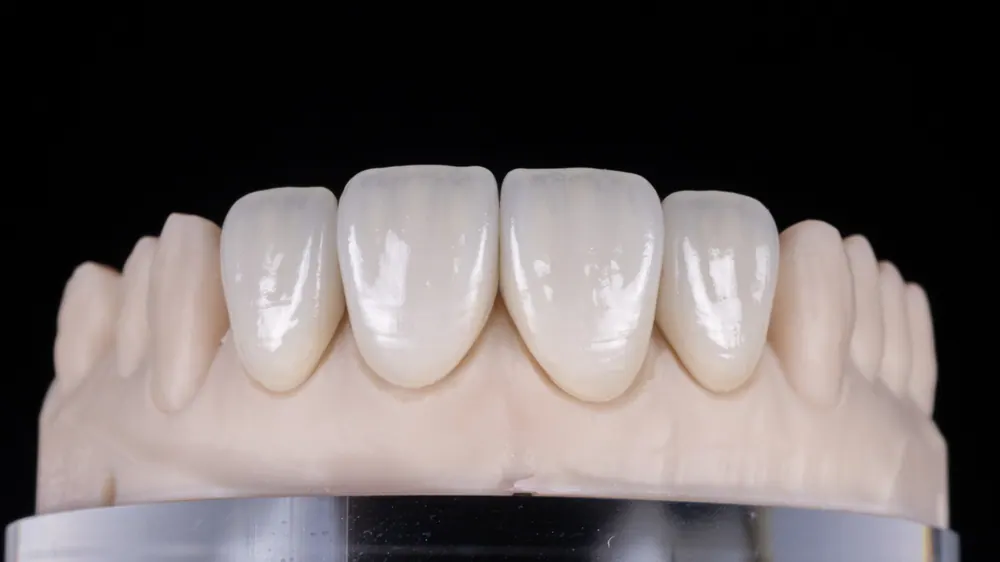
1. Why is it difficult to tell?
The outcome of laminate veneer treatment becomes apparent not immediately after the procedure, but 5 years or 10 years later.
At the consultation stage, anyone can promise a good result.
It takes time to see the actual outcome, and by then the procedure has already been completed.
That is why criteria that patients can check in advance during the diagnostic stage are important.
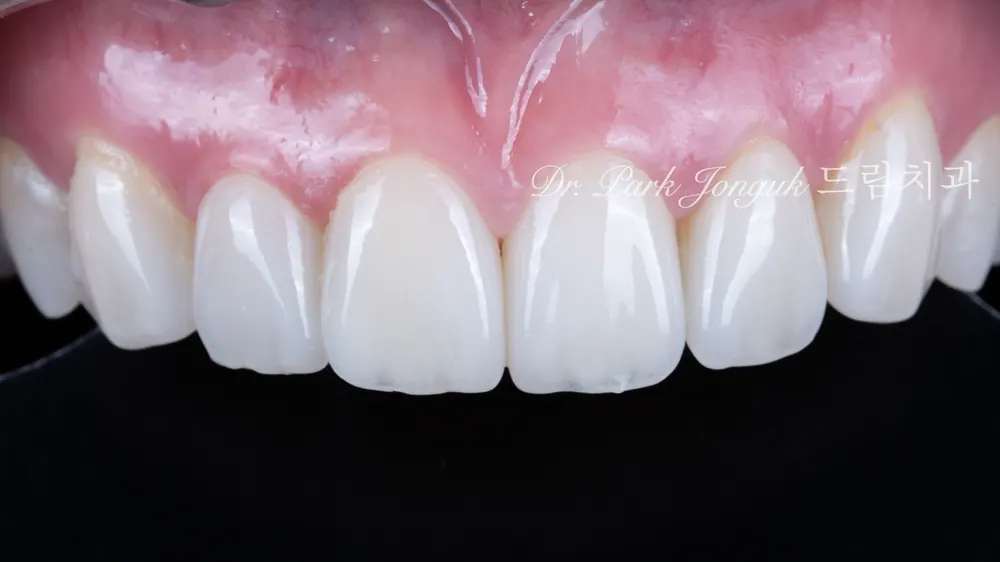
2. Five criteria
First, does the clinic allow enough time for the initial consultation?
Good care begins with the consultation.
A good clinic listens carefully to the patient’s expectations, lifestyle, occupation, and concerns, then clearly explains what is possible and what may be difficult.
Be cautious if the consultation lasts less than 10 minutes or moves immediately to signing a treatment consent form.
A clinic that sets aside about 30~60 minutes for the initial consultation is generally a safe choice.
Second, is the comprehensive diagnostic assessment sufficiently broad?
Before deciding on laminate veneers, all of the following diagnostic assessments should be completed.
· Intraoral photographs
· Panoramic X-ray
· Periodontal (gum) examination
· Occlusal analysis
· Assessment of nighttime bruxism
· Review of adjacent tooth alignment
If a clinic performs only some of these checks before proceeding, the likelihood of needing revision treatment later increases.
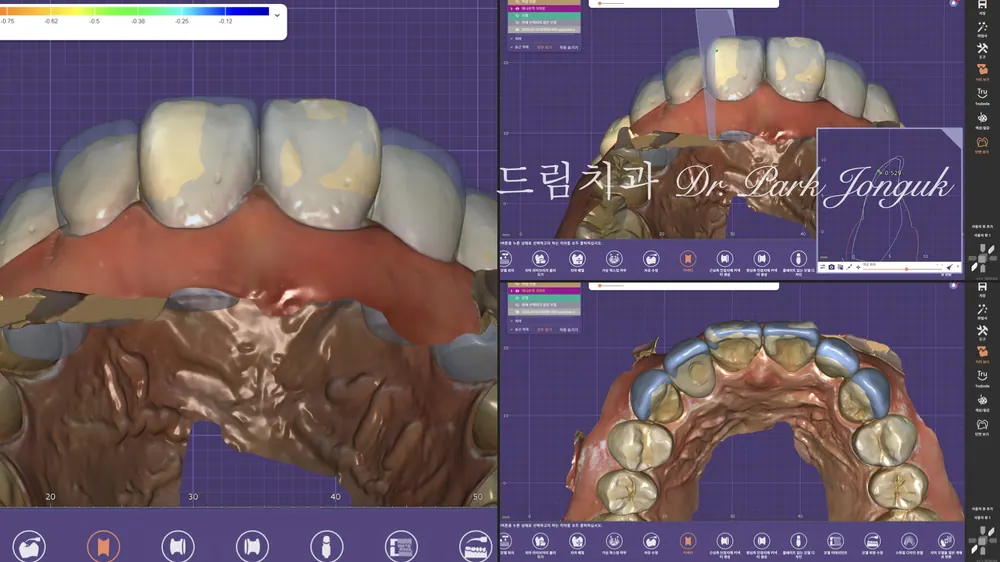
Third, are design simulation and provisional veneer stages included?
You should check whether there is a stage that lets you preview the result after treatment.
A digital simulation can show the anticipated post-veneer appearance on your own photograph,
and the color and shape should be tried in the mouth and adjusted during the provisional veneer stage.
If this stage is absent or merely a formality, patients are more likely to regret that the result is “not what I expected.”
Fourth, does the dentist personally conduct the diagnosis and treatment?
Laminate veneer treatment is a precise procedure.
Ideally, the same dentist should take consistent responsibility from the initial consultation through diagnosis, design, treatment, and follow-up care.
If a consultation coordinator makes most decisions and the dentist appears only briefly for the procedure, the diagnosis may lack depth and consistency.
Fifth, is the follow-up care system clearly defined?
The longevity of laminate veneers is determined by care after treatment.
A good clinic clearly explains the regular checkup schedule (3 months·6 months), how problems will be handled, and the criteria for partial repair versus full replacement.
A clinic with an attitude of “once the procedure is done, it is over” may not be considering care 5 years·10 years later.
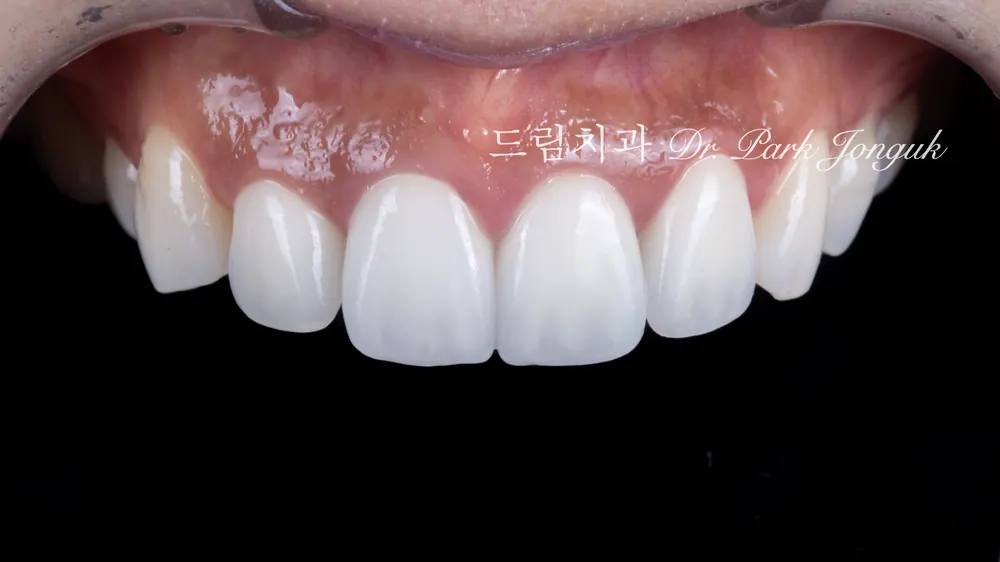
3. Five questions patients can ask during diagnosis
These are questions you can ask in the consultation room to check the criteria above for yourself.
Q1. “Are laminate veneers truly appropriate for my case? Could another treatment be more suitable?”
Good care also considers the possibility that laminate veneers may not be suitable.
Be cautious of a clinic that recommends laminate veneers without exception.
Q2. “Which diagnostic assessments will you perform?”
Check whether all five diagnostic areas listed above (photographs, X-ray, periodontal health, occlusion, and bruxism) are included.
Q3. “Can I preview how I will look after treatment?”
A digital simulation or provisional restoration stage should be offered.
Q4. “How much of my tooth will be reduced?”
Good care follows a principle of no-prep laminate veneers or minimal preparation within the 0.3~0.7mm range.
Rather than a vague answer such as “as much as necessary,” you should receive a clear explanation of the amount of reduction expected in your case.
Q5. “How will my veneers be maintained 10 years from now?”
The regular checkup schedule and long-term care plan should be
explained.
4. Features of a clinic that feels right during diagnosis
In addition to objective criteria, the atmosphere you sense when visiting the clinic is important.
A good consultation room usually displays these characteristics together.
· The dentist takes enough time to answer the patient’s questions
· You hear “this is possible, but it has these limitations” more often than simply “this is possible”
· You are not pressured to decide immediately
· Information about treatment fees is clear rather than vague
· Follow-up care is discussed before treatment begins
5. Not rushing the decision is also a standard of good care
Once performed, laminate veneer treatment cannot be reversed.
Therefore, be cautious if the clinic pressures you with statements such as “you will receive a discount if you decide today” or “scheduling will be difficult if you do not act now.”
Good care gives patients enough time to consider their decision.
It reflects confidence that the clinic can produce the same result even if you return after a few days or a few weeks.
Frequently Asked Questions (FAQ)
Q1. Is it all right to consult several clinics?
Of course.
After consultations at two or three clinics, you can see differences in the depth of diagnosis and the way information is explained.
Good clinics welcome that comparison.
Q2. The clinic I saw in an advertisement is not the same as the one at the top of the search results. Which is better?
Advertising exposure and quality of care are separate matters.
It can help to consider the depth of the clinic’s information pages, articles written directly by the dentist, and lecture materials related to treatment.
Q3. If I do not feel comfortable with the first dentist I meet, may I change to another dentist?
Of course you may.
Trust in your dentist is the starting point of care, so it is important to choose a dentist you can trust.
Q4. Is the clinic with the lowest treatment fee a good clinic?
The outcome of laminate veneer treatment depends on the combination of diagnosis, design, materials, and follow-up care, not just the procedure itself.
A clinic with unusually low fees may be omitting some of these elements.
Conversely, the most expensive clinic is not necessarily the best.
A clinic that meets all five criteria is the best choice.
Conclusion
Laminate veneers are not a one-time procedure but a 10~15-year partnership.
Carefully choosing your clinic at the outset is therefore your greatest safeguard.
There is one statement I have recalled most often over 20 years of clinical practice.
“Good laminate veneers begin with a good diagnosis, and a good diagnosis begins with meeting a good dentist.”
Choosing the clinic is the first step in this process.
I hope the five criteria outlined today help you make that decision.
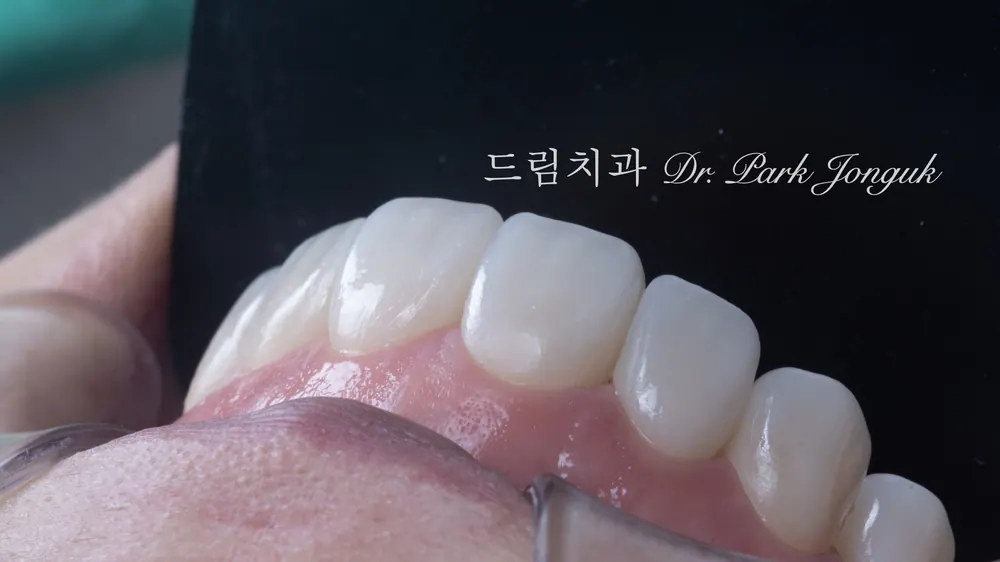
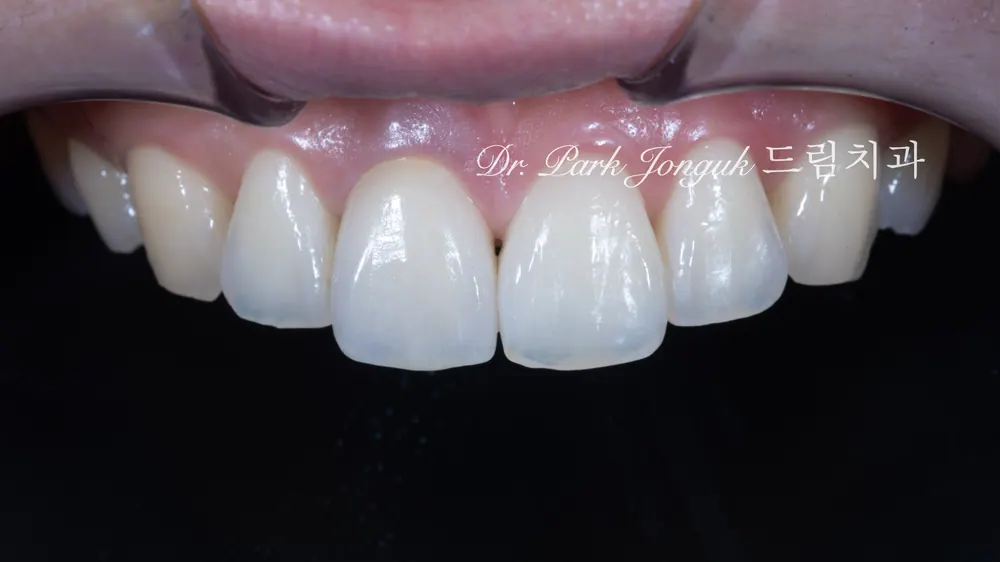
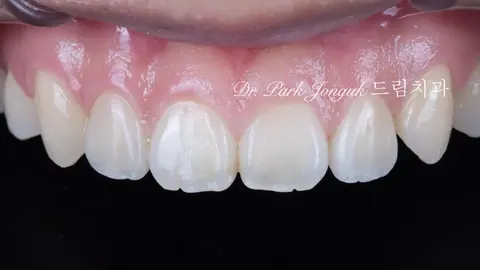
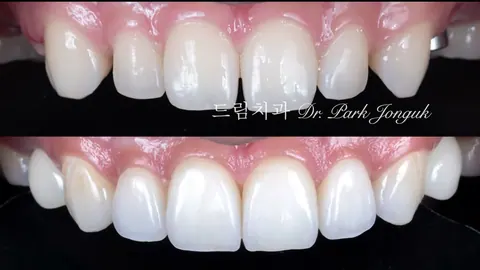
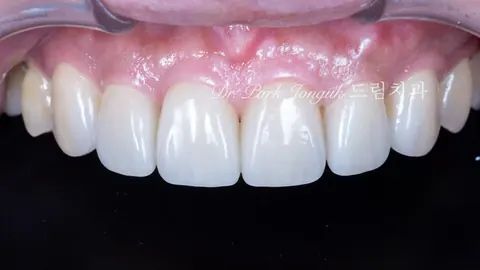
This article is a clinical note written by Dr. Park Jonguk of Dream Dental Clinic, Gangnam; the original was published on his blog. The photographs shown are real cases he treated. Results vary with each patient’s condition, and every procedure carries the possibility of individual variation and side effects.
Quick Consult
Request a Callback
Leave your number and we will call you back during clinic hours.
Request Received
We will contact you during clinic hours. For urgent matters, please call +82-2-3448-0028.