
The Dentist's Role in Front-Tooth Veneer Diagnosis
Hello, I'm Park Jonguk, director of Dream Dental Clinic and director of Lamista Academy.
These days, patients who come in for a front-tooth veneer consultation
have often already been to several other clinics.
In some cases, they had treatment done just recently
and come to our clinic because they weren't happy with the result.
What I come to learn from consulting with these patients is
that many clinics skip the "diagnosis" process before veneer treatment.
Patients say that even at a clinic where they just had a consultation, they were told to start treatment that very same day,
and even patients who already had treatment say it was done on the day of their visit.
A diagnostic process is essential for veneer treatment.
Diagnosis matters more here than in almost any other dental treatment.
Even done as quickly as possible, the diagnostic process takes more than a day,
so doing treatment on the very day a patient first visits the clinic is not the correct approach.
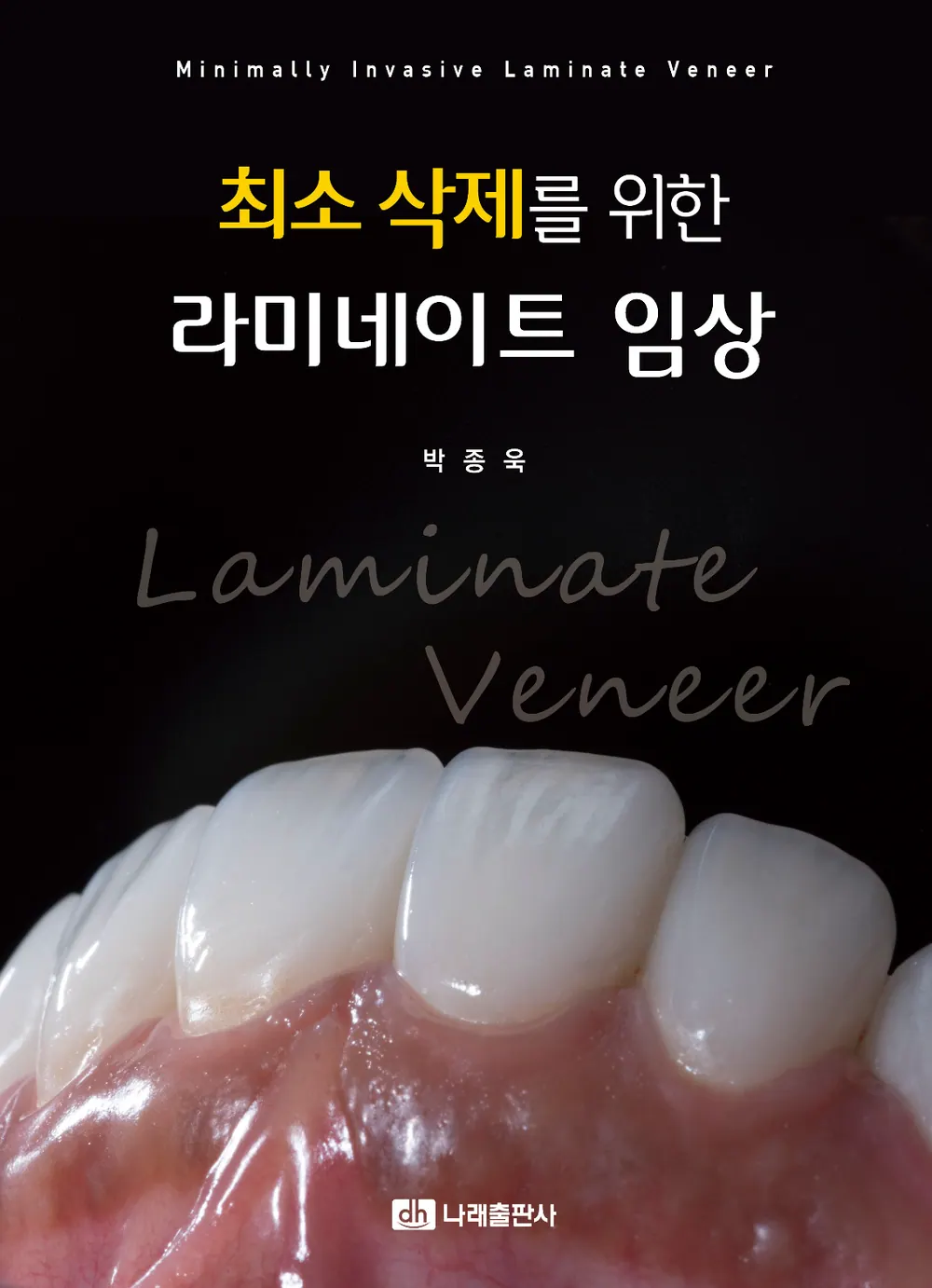
In the book I wrote, 『최소 삭제를 위한 라미네이트 임상』 (Laminate Veneer Clinical Practice for Minimal Reduction),
I described in detail the diagnostic process that's essential for veneer treatment.
One whole chapter covers, for dentists,
the basic principles of anterior esthetics needed for the diagnostic process,
how to analyze the teeth before treatment based on these esthetic standards,
and what kind of esthetic result to aim for after treatment —
the process of diagnosing and preparing for treatment.
Data collection, observation, and analysis for diagnosis —
I described in detail everything that must be known before veneer treatment.
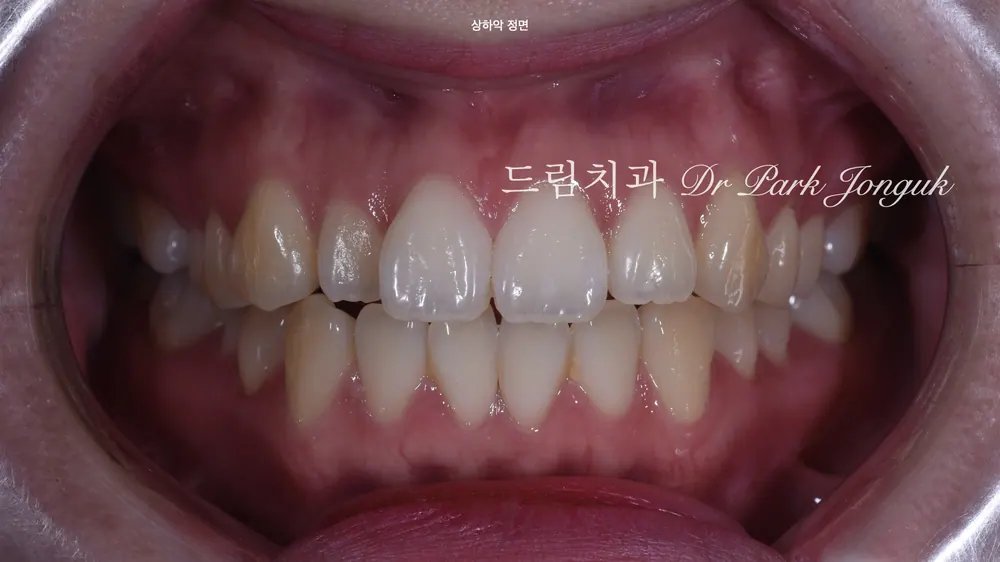
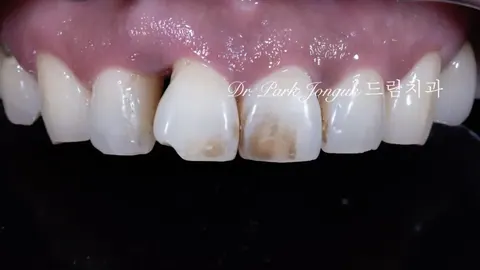
This patient was deciding between orthodontic treatment and veneers.
When a patient like this comes in, the dentist needs to clearly explain the pros and cons of orthodontic treatment
as well as the pros and cons of veneers.
The advantage of orthodontic treatment is that it moves the teeth without damaging them,
aligning the teeth evenly,
while the disadvantage is that it takes a long time,
and it doesn't change the shape or color of the teeth.
The advantage of veneers is that they're finished in a short time
and can even improve the shape and color of the teeth,
but the critical downside is that the teeth have to be reduced.
If the shape and color of the teeth are poor enough
that veneers would still be needed even after orthodontic treatment,
then veneers can be considered,
but if the amount of tooth reduction would be so great that root canal treatment becomes necessary,
or if there's a risk of side effects like tooth sensitivity or gum inflammation,
I think orthodontic treatment is the right choice.
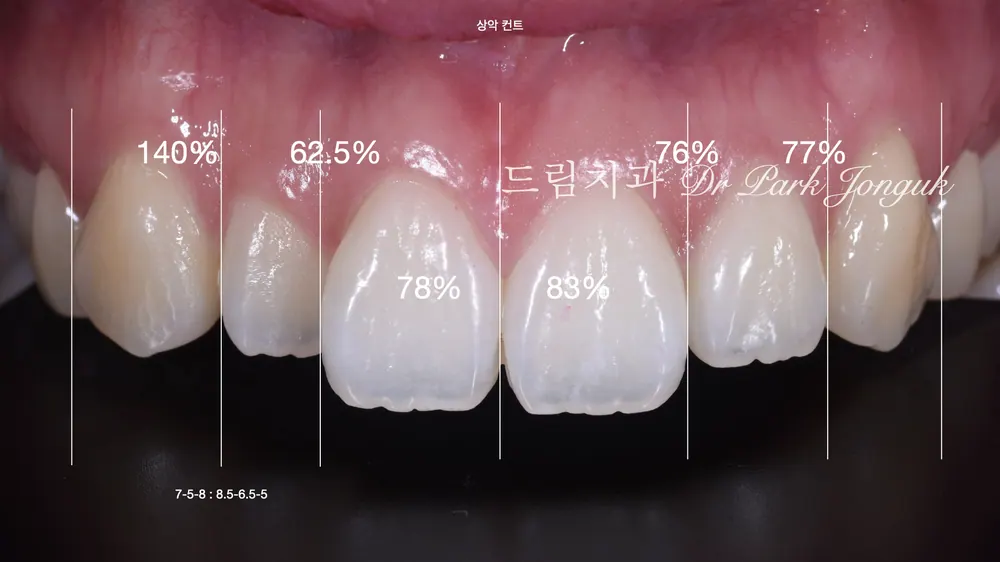
This patient weighed the treatment period, the change in tooth shape,
and various other factors, and decided to go with veneer treatment.
As mentioned earlier, diagnosis is essential in veneer treatment.
Diagnosis is the stage where we analyze the current condition
and decide what needs to be done to achieve the result the patient wants.
This process determines the amount of tooth reduction and the shape of the final result.
Doing veneers without going through this process simply shouldn't happen.
The veneer diagnostic process lets us review the entire treatment in advance.
This diagnostic process absolutely has to be carried out in cooperation with a dental technician.
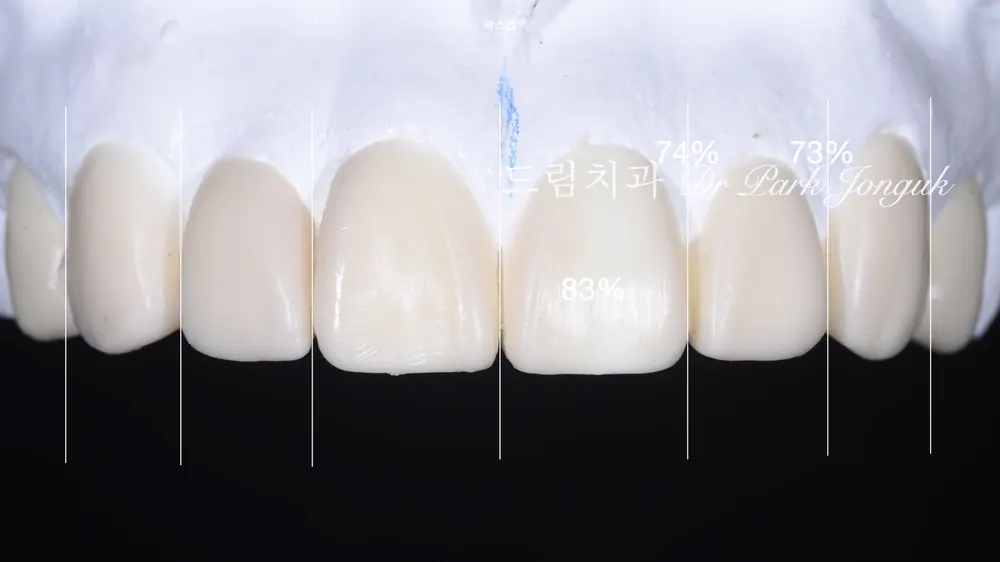
Once the diagnosis is done, this is the kind of result you get, made in wax.
Everything up to this point is called a precise wax-up diagnosis.
Since I can't describe this entire process in a blog post,
any dentist who performs veneer treatment
needs to master this process through lectures or textbooks.
The wax-up model is used to make the guide for tooth reduction,
and it's also essential for fabricating the temporary teeth.
I'm often asked whether the diagnostic process
can be skipped for no-prep veneers,
but the diagnostic process actually matters even more for no-prep veneers.
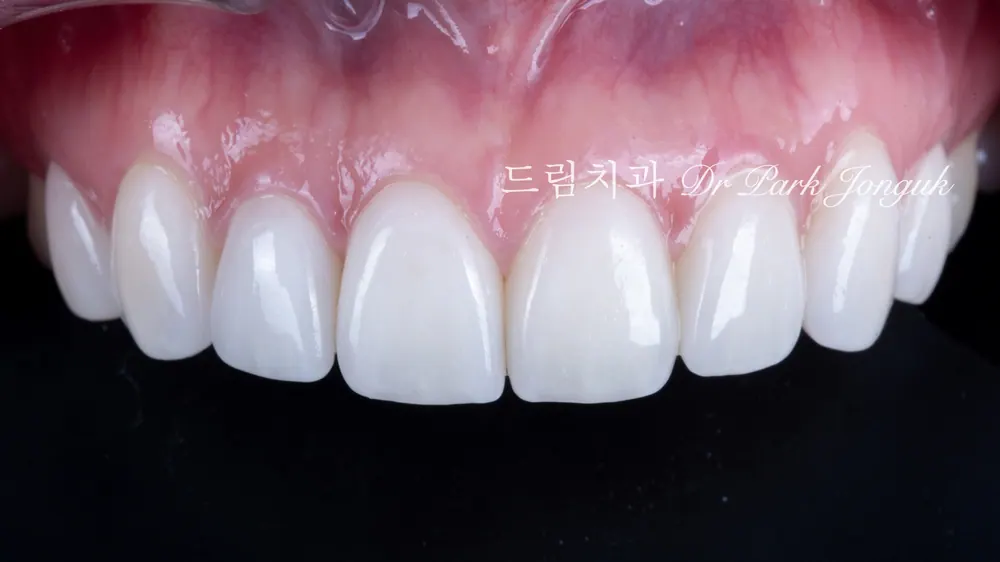
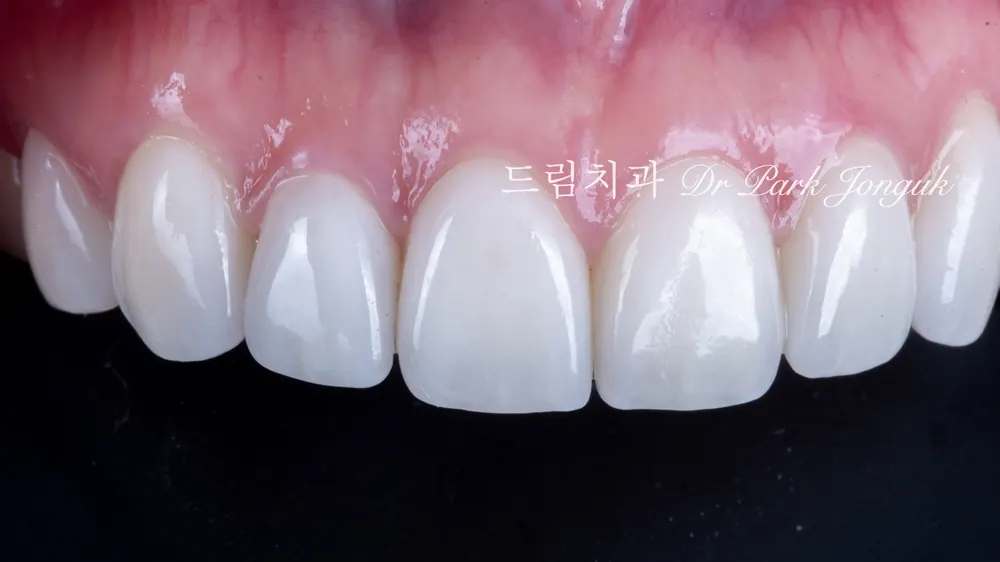
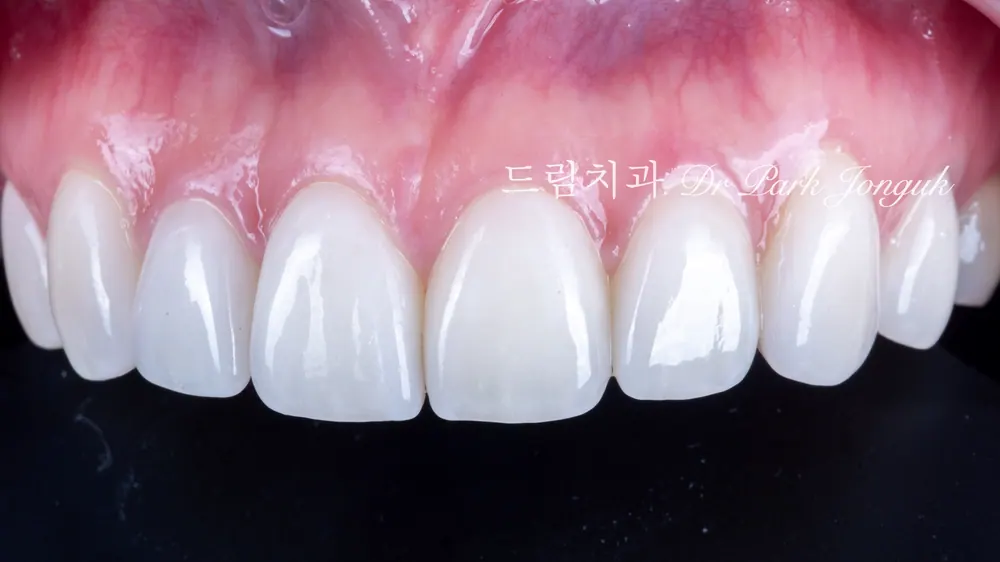
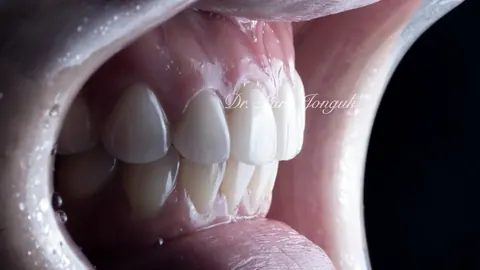
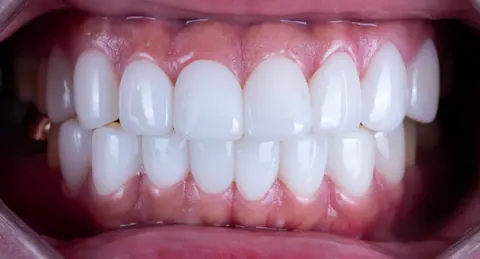
This is how the teeth look three years after veneer treatment.
A good diagnosis both reduces the amount of tooth reduction
and is an essential process for achieving a beautiful result,
while also playing a role in keeping the veneers problem-free for a long time.
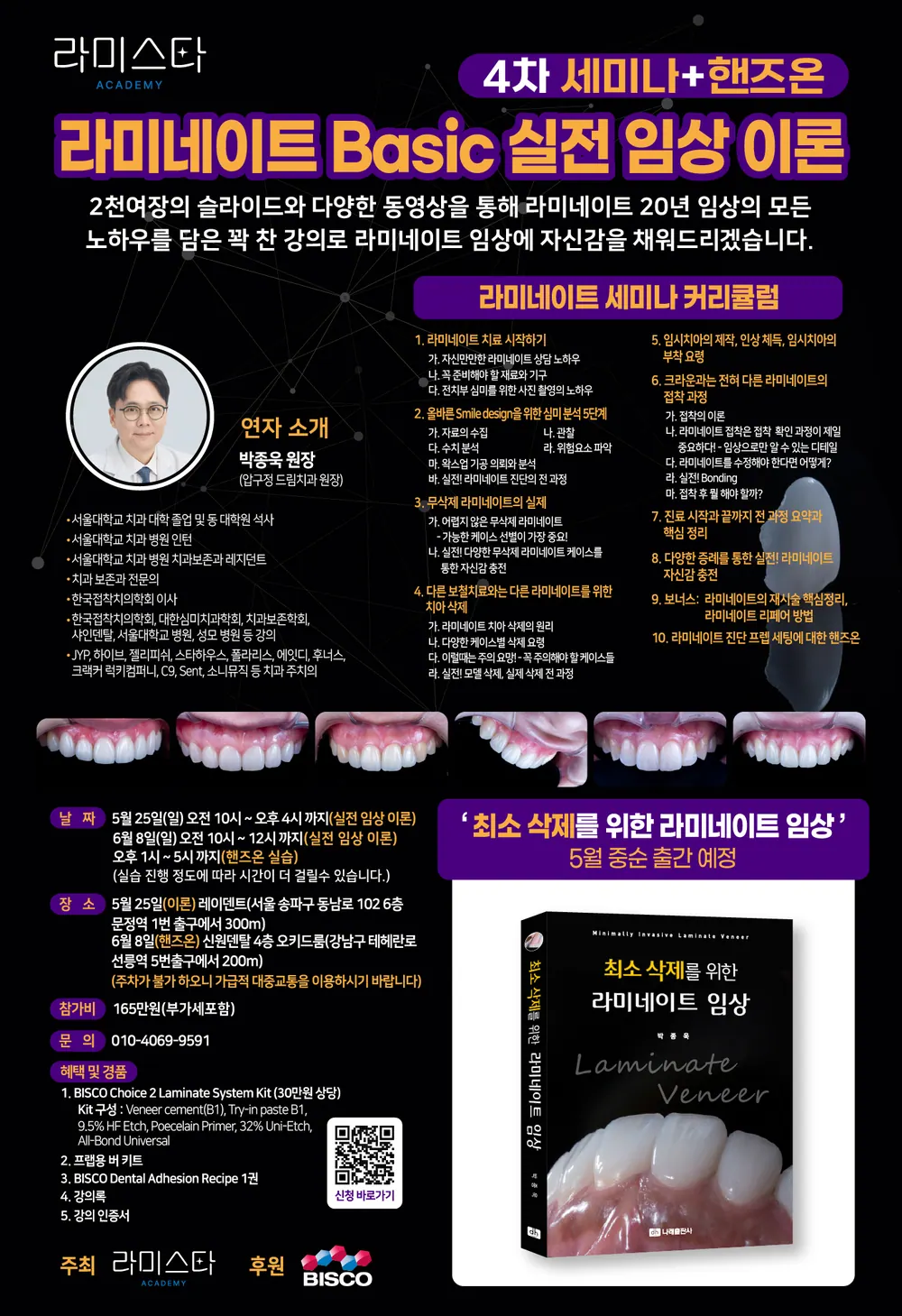
May seminar.
This article is a clinical note written by Dr. Park Jonguk of Dream Dental Clinic, Gangnam; the original was published on his blog. The photographs shown are real cases he treated. Results vary with each patient’s condition, and every procedure carries the possibility of individual variation and side effects.
Quick Consult
Request a Callback
Leave your number and we will call you back during clinic hours.
Request Received
We will contact you during clinic hours. For urgent matters, please call +82-2-3448-0028.