
Front-Teeth Veneers: 7 Diagnostic Criteria That Determine a Natural Result
If the shape, color, or spacing of your front teeth catches your eye every time you look in the mirror,
you've probably searched for "front-teeth veneers" at some point.
But even though it's the same named procedure,
how natural the result looks varies greatly from clinic to clinic and case to case.
Today, drawing on 20 years of clinical practice, I'll walk you through the "7 diagnostic criteria that determine the result," one by one.
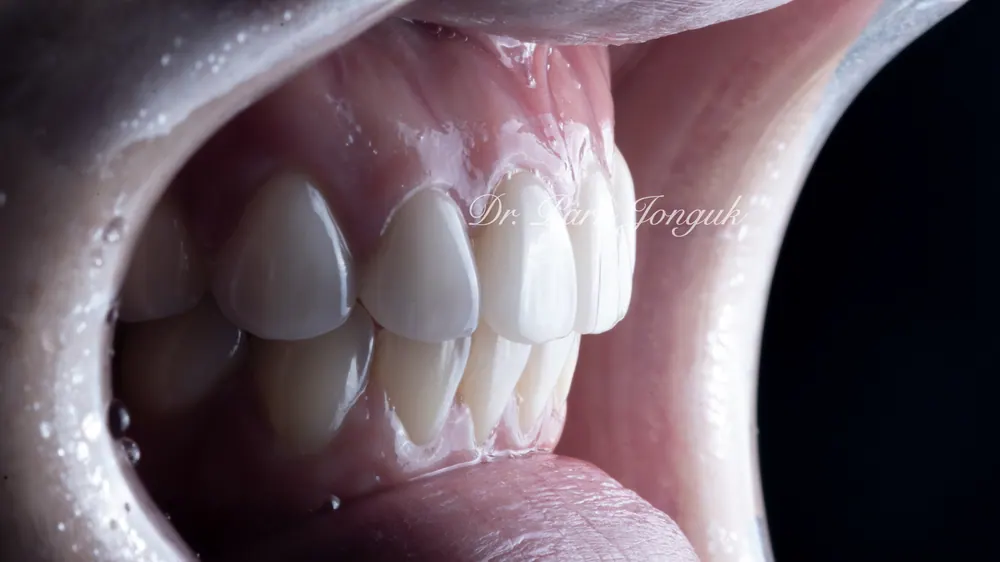
What exactly is a front-teeth veneer procedure?
After smoothing the surface of the front tooth by about 0-0.7mm, depending on the case,
a precisely fabricated thin piece of porcelain (ceramic) is bonded on to naturally improve the color, shape, and alignment — this is the esthetic procedure.
Because the porcelain itself has a light transmittance similar to that of a natural tooth,
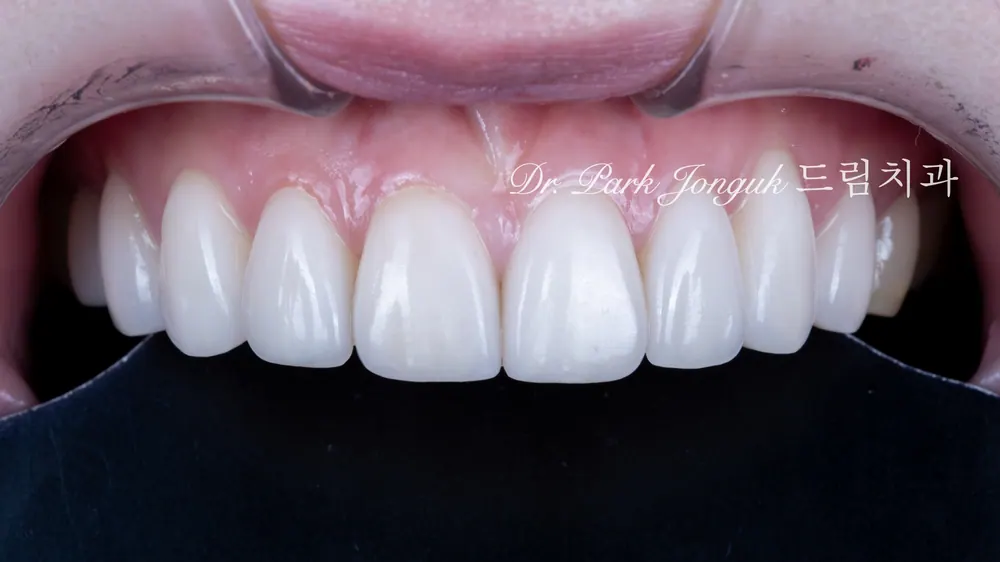
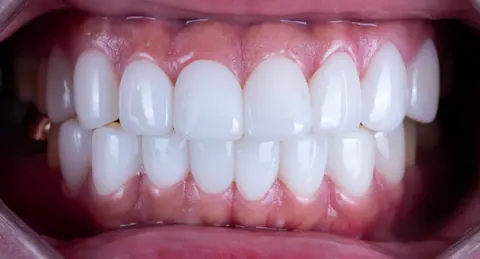
in a well-diagnosed case, the front teeth come across as looking just as alive as before.
However, because the grade of porcelain, the depth of diagnosis, and the precision of the margin — all bundled under the single name "veneer" — differ from clinic to clinic,
differences in the result occur.
Who is this procedure suited for? (Suitable cases)
Front-teeth veneers aren't the answer to every concern about your front teeth. Suitability is determined first, through diagnosis.
In general, natural results tend to come from cases like the following.
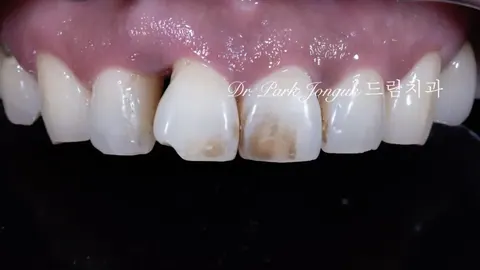
· The front teeth are yellowish or grayish, and color improvement is the main goal
· There's a slight gap between the front teeth, and you'd like it naturally closed
· The tips of the front teeth have shortened from wear, and you'd like a bit more length added
· The shape of the front teeth is asymmetric, or one side is smaller
· Your own tooth alignment is relatively good, and you just want to refine minor asymmetries
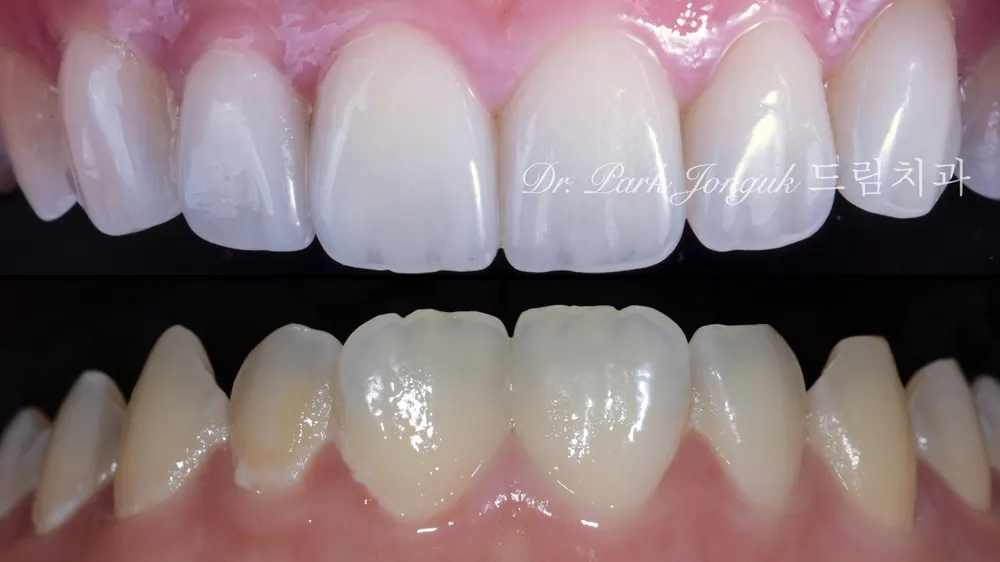
Conversely, in the following cases, a different procedure may be recommended over veneers.
· The front teeth protrude significantly (orthodontics should come first)
· The alignment of the front teeth is severely twisted (orthodontics or another prosthetic option)
· The whole tooth has weakened after root canal treatment (an all-ceramic crown)
· Nighttime teeth grinding is severe and no protective device is used
How is the procedure classified?
It's divided into three types — no-prep, mini-prep, and standard prep — based on the amount of tooth reduction,
and this is decided according to the patient's tooth condition and the thickness of the porcelain.
· No-prep (no reduction) | 0-0.2mm | Small teeth, gaps, or shortening from wear
· Mini-prep (minimal reduction) | 0.3-0.5mm | General esthetic improvement
· Standard prep | 0.5-0.7mm | Accompanied by discoloration or protrusion
"No-prep is possible" and "no-prep is the right choice" are two different questions.
Even a no-prep procedure, if the case isn't a good fit, can lead to a bulky or unnatural-looking result.
How does the procedure proceed?
The front-teeth veneer procedure generally proceeds through the following 6 steps.
Step 1 — Precision diagnosis
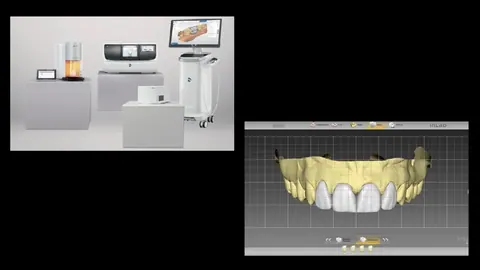
Photos, a digital scan, the smile line, the gum line, and the bite are all evaluated together.
Step 2 — Design planning
The lip line and facial proportions are factored in together to design a natural shape.
Step 3 — Tooth-surface preparation
Depending on the case, about 0-0.7mm is smoothed to prepare the surface where the porcelain will be bonded.
Step 4 — Try-in before final bonding
The finished veneer is temporarily fitted so the color, length, and alignment can be reviewed together with the patient.
Step 5 — Precision bonding
After bonding with a dedicated adhesive, the margin and bite are precisely finished.
Step 6 — Follow-up check
Within a few days of bonding, sensitivity and any changes in the bite are checked once more.
What's the general cost range?
The commonly known market range is roughly ₩500,000-₩1,500,000 per tooth,
and it can range above or below that depending on the type of porcelain, the depth of diagnosis, and the practitioner's experience.
If you're curious about what determines the cost, the series article "Veneer Cost Guide" lays out the 5 factors in detail.
The exact cost is something that's determined only after diagnosis.
7 things to check before the procedure
Even for the same procedure called "front-teeth veneers," a natural-looking result comes most reliably when the following 7 conditions are met.
· 1. Is the precision diagnostic process thorough (including photos, scans, smile-line, and gum-line evaluation)?
· 2. Is the type and grade of porcelain used clearly explained?
· 3. Does the practitioner have sufficient clinical experience?
· 4. Is the precision of the margin (gum-boundary) finishing assured?
· 5. Is there an aftercare system in place (regular checkups every 6 months)?
· 6. Are the warranty and retreatment criteria clearly stated in case of debonding or fracture?
· 7. Is the treatment method (no-prep/mini-prep/standard) reasonably proposed based on your own tooth condition?
What about aftercare and lifespan?
Front-teeth veneers are generally known to last around 10 years or so, and depending on aftercare, that can run longer or shorter.
The three factors that most affect the lifespan are as follows.
· Regular checkups every 6 months (checking for changes in the margin, gums, and bite)
· Daily care (brushing, flossing, avoiding hard foods, a protective device for nighttime grinding)
· The original precision of the bonded margin
The most common mistake is thinking "it's done once it's bonded." Only with consistent daily care and regular checkups can you enjoy the full expected lifespan.
Frequently Asked Questions (FAQ)
Q1. Does front-teeth veneer treatment hurt a lot?
During the procedure, anesthesia means there's usually almost no pain, and for a few days afterward you may have temporary sensitivity. In most cases, it settles down naturally.
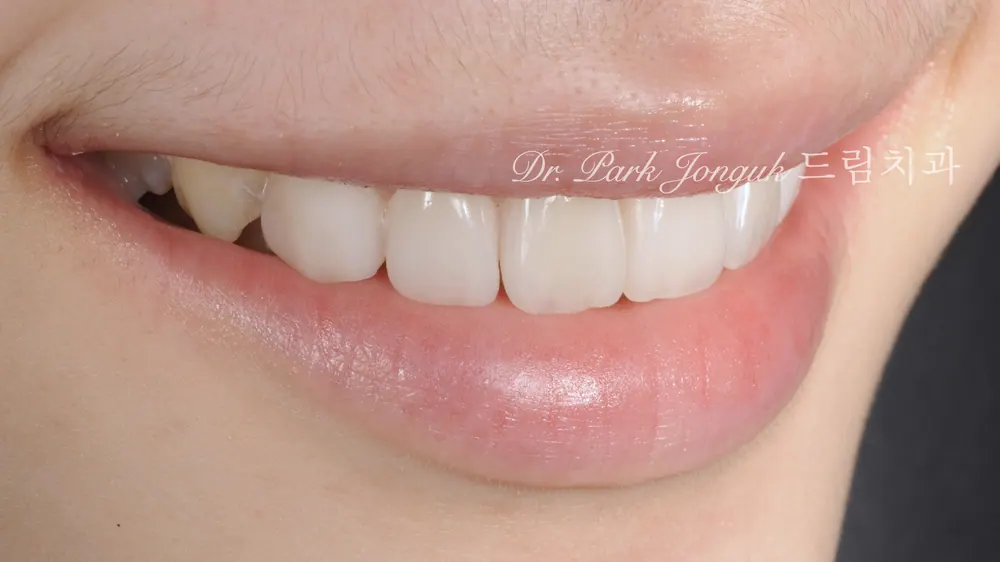
Q2. Can it really be made to look like a natural tooth?
It's possible when the diagnosis is done so that the porcelain's light transmittance matches the natural tooth's color expression. The color, length, gum line, and smile line all need to be designed together for a natural look.
Q3. I grind my teeth at night — is this still possible for me?
It's often possible, but wearing a nighttime protective device alongside it is necessary to maintain the lifespan.
Q4. Can I have my front-teeth veneers removed and redone?
Retreatment is possible in some cases, but it depends on the original amount of reduction and the precision of the initial bonding, so a diagnosis is needed.
Q5. My front teeth are very yellow — can a single method handle that?
When discoloration is severe, no-prep (no reduction) alone often can't sufficiently mask the color.
Depending on the case, a natural result usually comes from minimal reduction followed by a sufficient thickness of porcelain to express the color.
Q6. Is this covered by insurance?
Front-teeth veneers are an esthetic procedure not covered by national health insurance.
Q7. Does the color change after the procedure?
The porcelain itself doesn't change color. However, if the initial color choice doesn't stay well matched to the adjacent natural teeth, the color difference can become more noticeable over time.
In closing
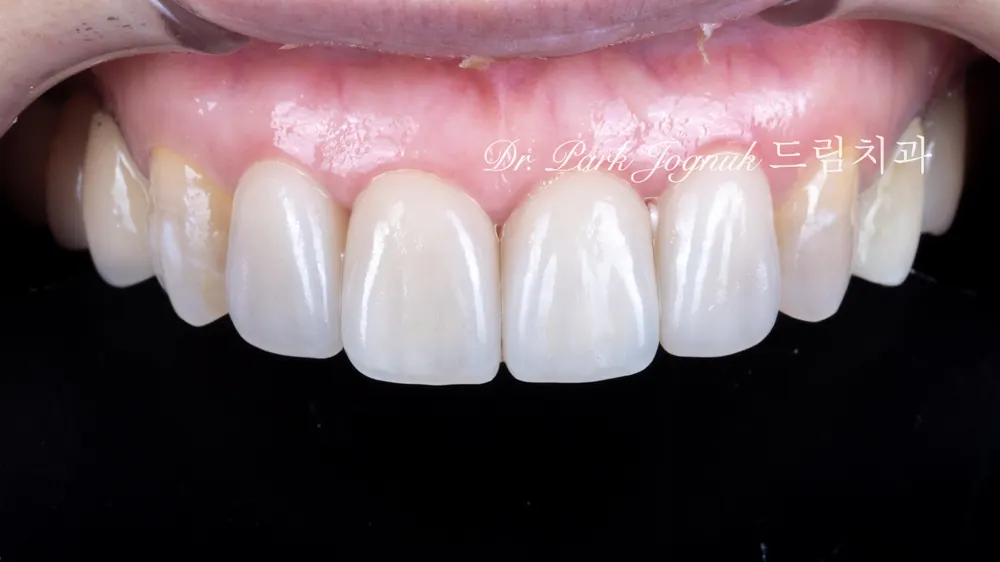
In the end, it's the details that determine the result of front-teeth veneers.
The depth of diagnosis, the precision of the margin, the choice of porcelain, and the consistency of aftercare — these four factors are what separate a natural result from an unnatural one, even under the same procedure name.
I'd recommend going through the 7 diagnostic criteria covered today once before deciding on the procedure, and again during your consultation.
The exact cost and your suitability for the procedure are always determined only after diagnosis.
💬 When you were considering front-teeth veneers, what were you most curious about?
Leave a comment and I'll answer it step by step from a diagnostic perspective.
📍 Park Jonguk | Director, Dream Dental Clinic, Apgujeong | 20 years in clinical practice | Author of a related clinical textbook | M.S.
─────────────────────────────
This article is a clinical note written by Dr. Park Jonguk of Dream Dental Clinic, Gangnam; the original was published on his blog. The photographs shown are real cases he treated. Results vary with each patient’s condition, and every procedure carries the possibility of individual variation and side effects.
Quick Consult
Request a Callback
Leave your number and we will call you back during clinic hours.
Request Received
We will contact you during clinic hours. For urgent matters, please call +82-2-3448-0028.