
About the Different Types of No-Prep Veneers!
Hello, I'm Dr. Park Jonguk, director of Lamista Academy and director of Dream Dental Clinic.
Lamista Academy, for dentists,
is a seminar group that teaches correct veneer treatment.
Through 15 hours of lectures and hands-on training,
I share the diagnostic and treatment methods for veneers I've built up over 20 years.
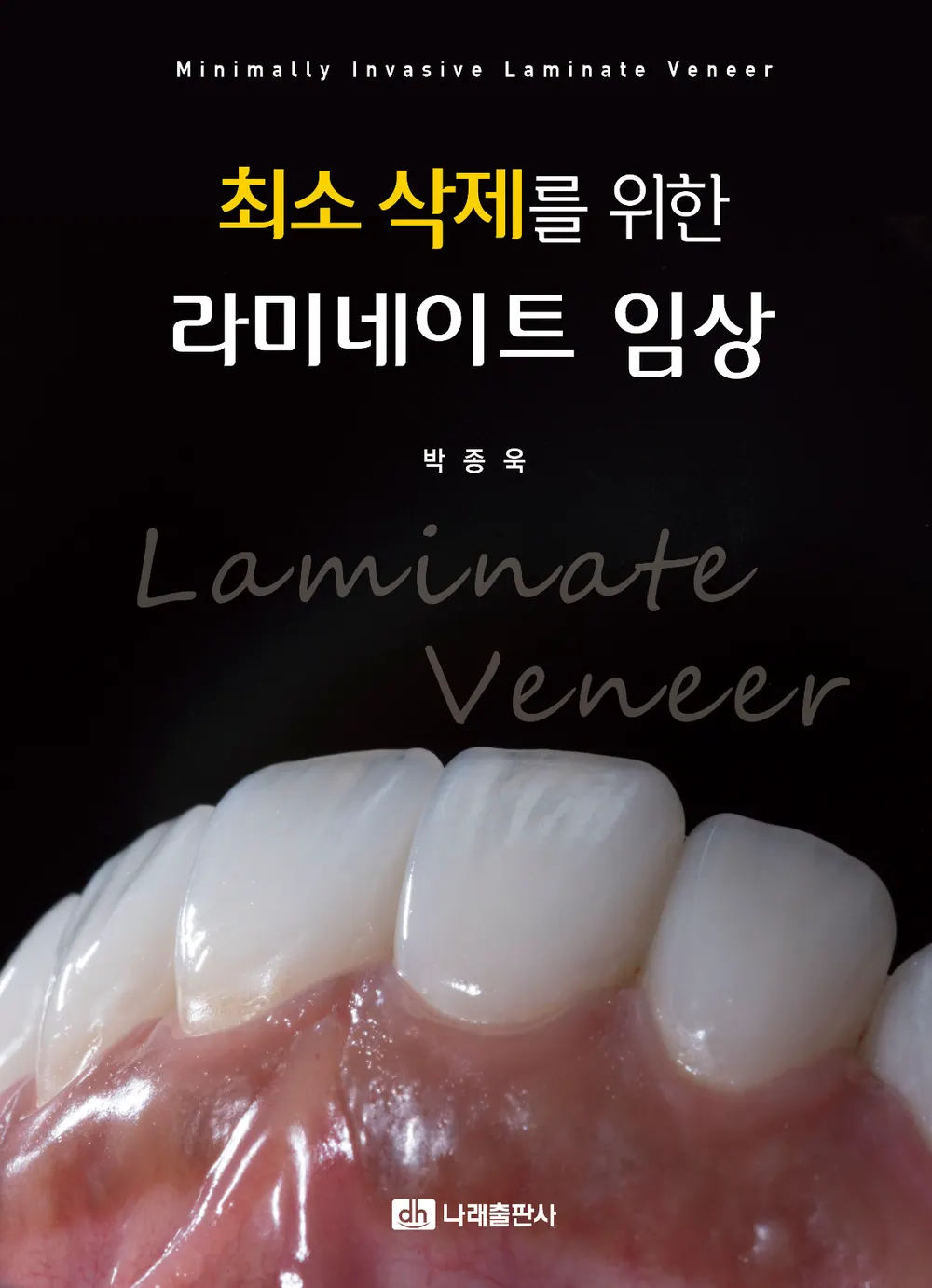
By publishing 『최소 삭제를 위한 라미네이트 임상』 (Laminate Veneer Clinical Practice for Minimal Preparation),
which condenses 20 years of veneer treatment,
I'm working to help more dentists
practice more correct veneer treatment.
Among the various questions I get from dentists while teaching veneer lectures,
there are two questions I get asked most,
and one of them is about "no-prep veneers."
From questions about whether no-prep veneers are even possible
to questions about how to treat them,
the truth is that no-prep veneers are still unfamiliar territory even for dentists.
Types of no-prep veneers
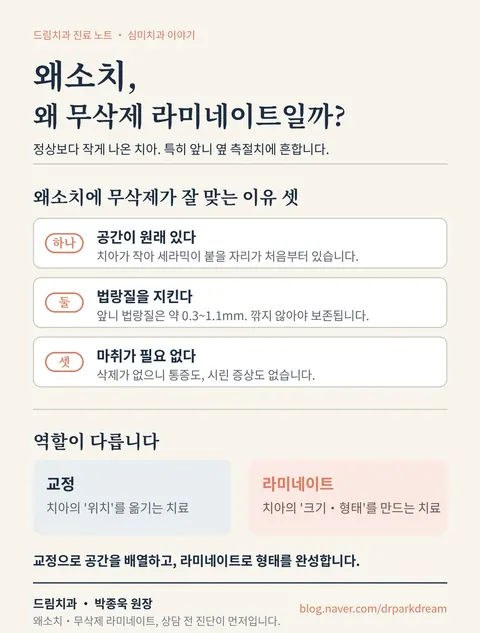
There are broadly two types of veneers that can be done without prep.
1) Cases where veneers are done because a tooth is small, or
because there is a gap between teeth
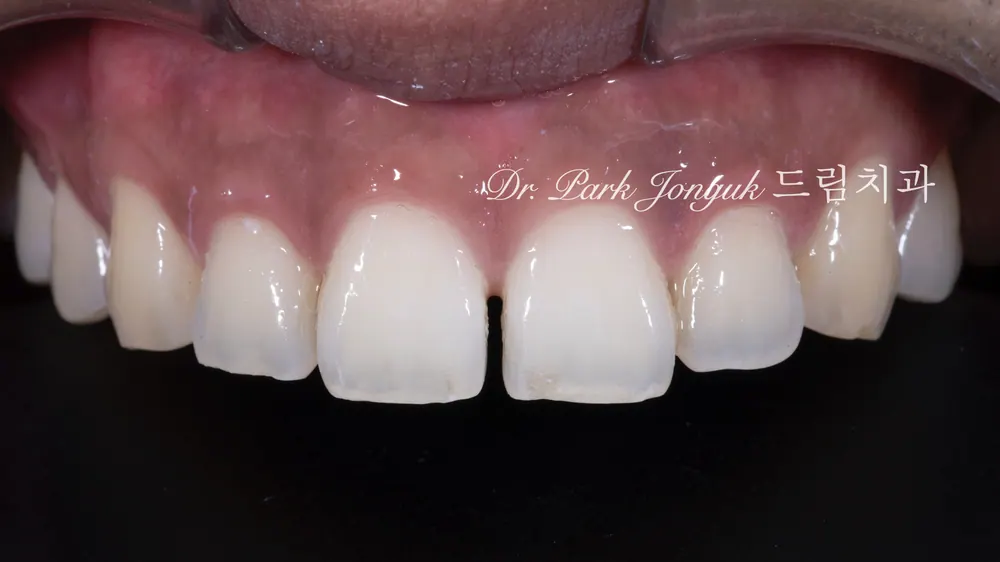
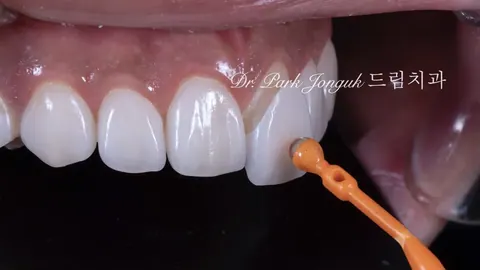
In cases like this, where there's a gap between teeth,
the approach is to fill the gap using a veneer, without any tooth reduction.
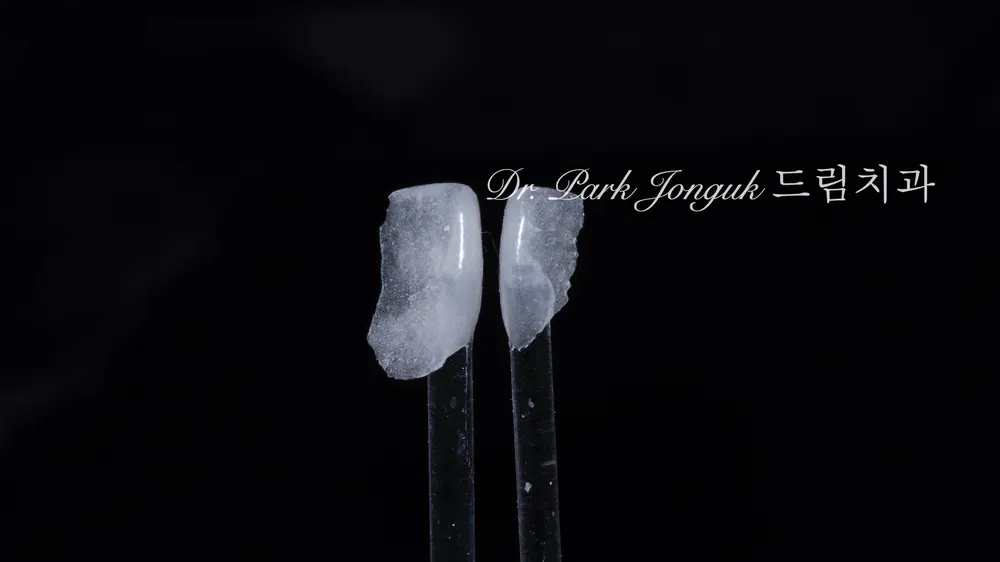
An extremely thin partial veneer is fabricated.
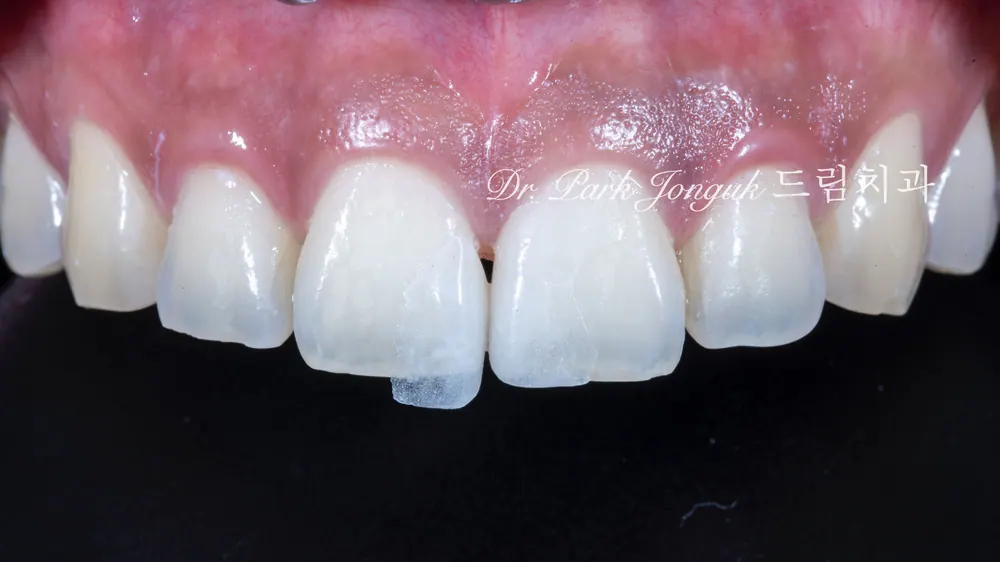
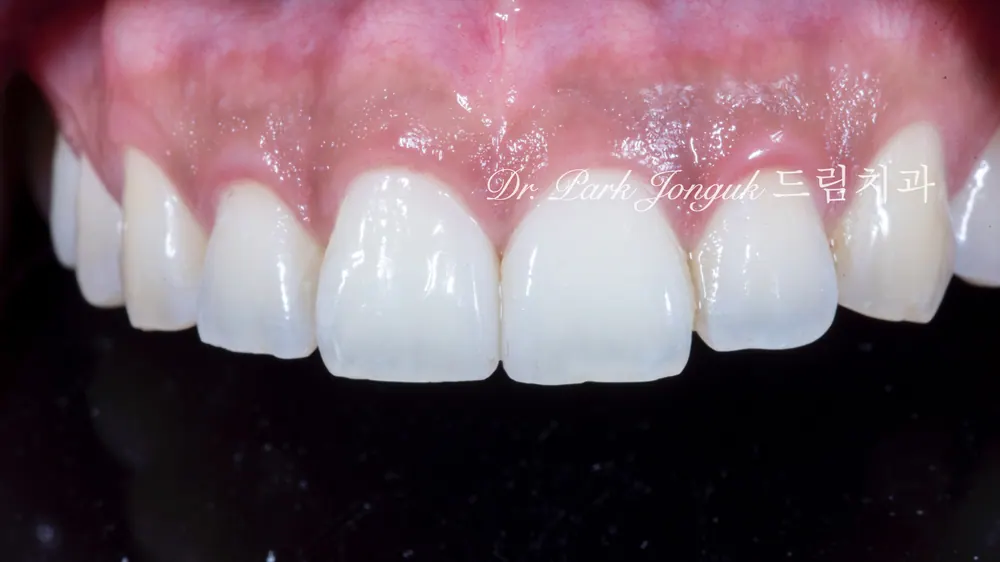
Once the veneer is bonded,
the gap between the teeth disappears, and the natural-tooth feel is well preserved.
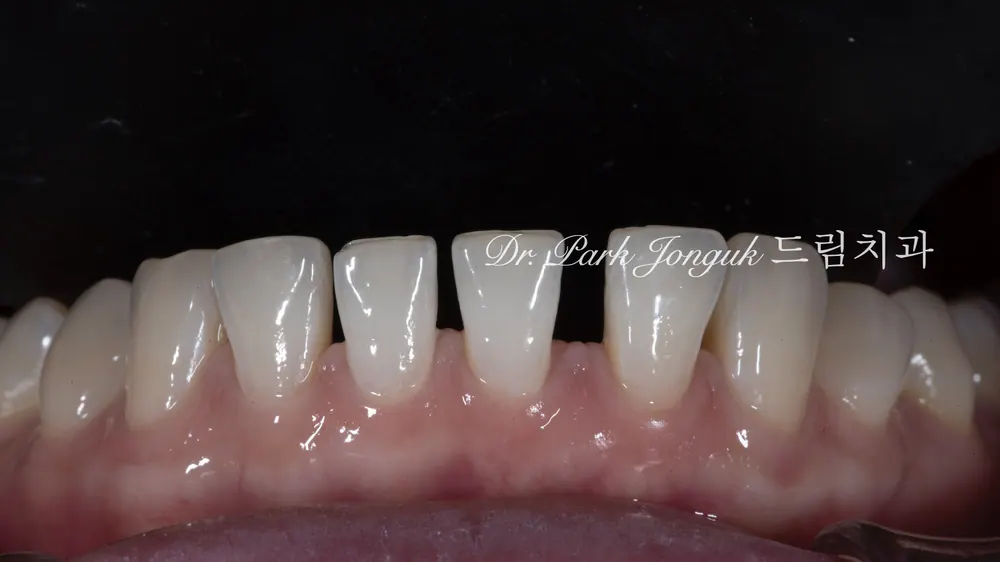
This is also possible when there are multiple gaps.
A veneer needs to go into each gap between the teeth.
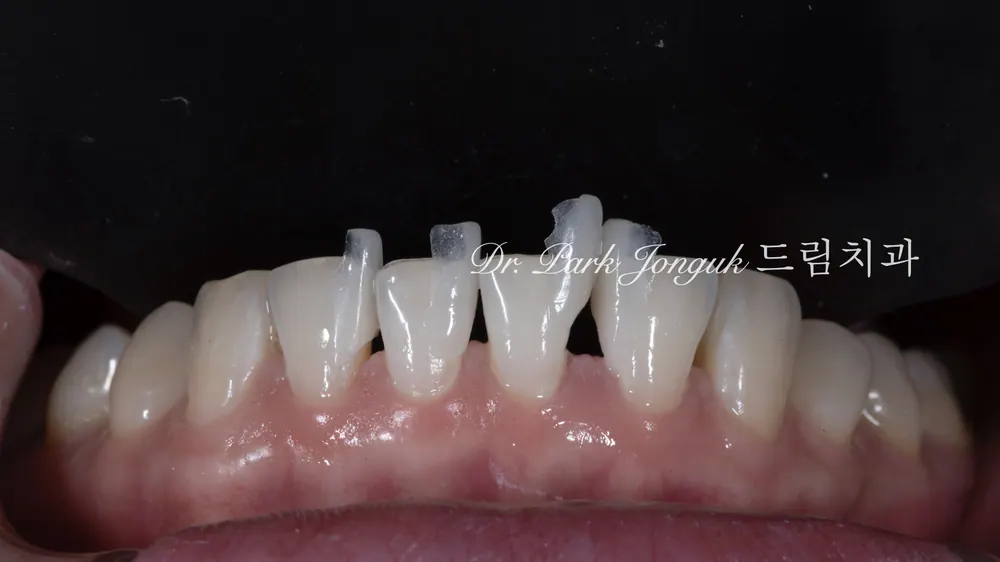
Several partial veneers are made
to fill the gaps without any tooth reduction.
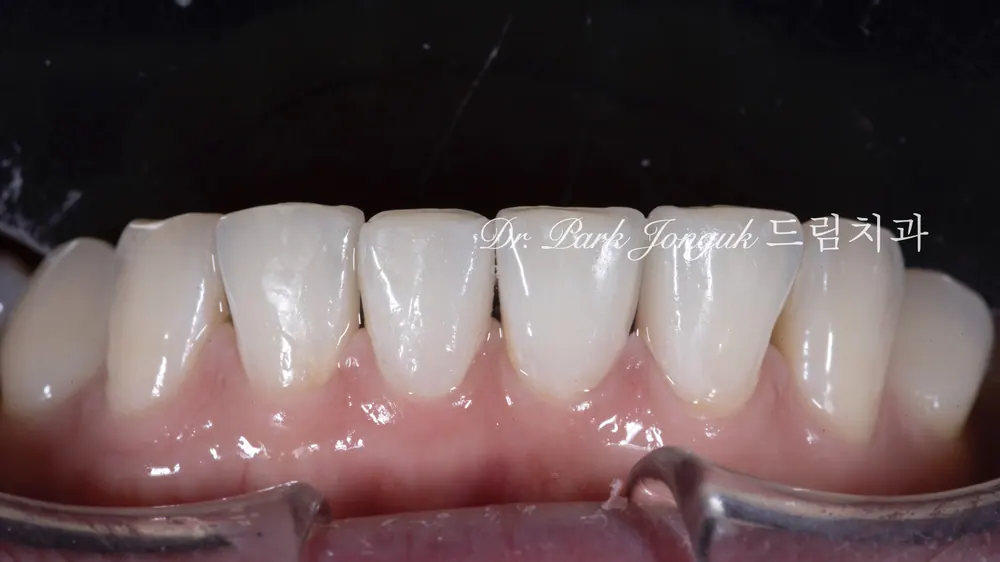
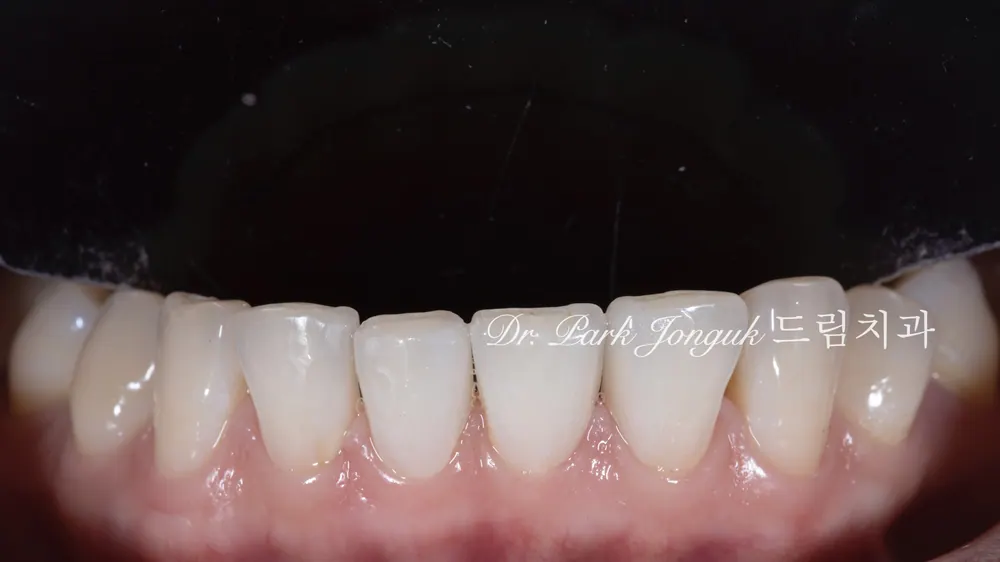
This can also be done with resin,
but resin discolors over time, so it has a shorter lifespan.
Along with the advantage that veneers don't discolor,
they're also harder than resin, so they last longer.
However, the area where the veneer meets the tooth
does have some potential for discoloration, so regular dental checkups are essential.
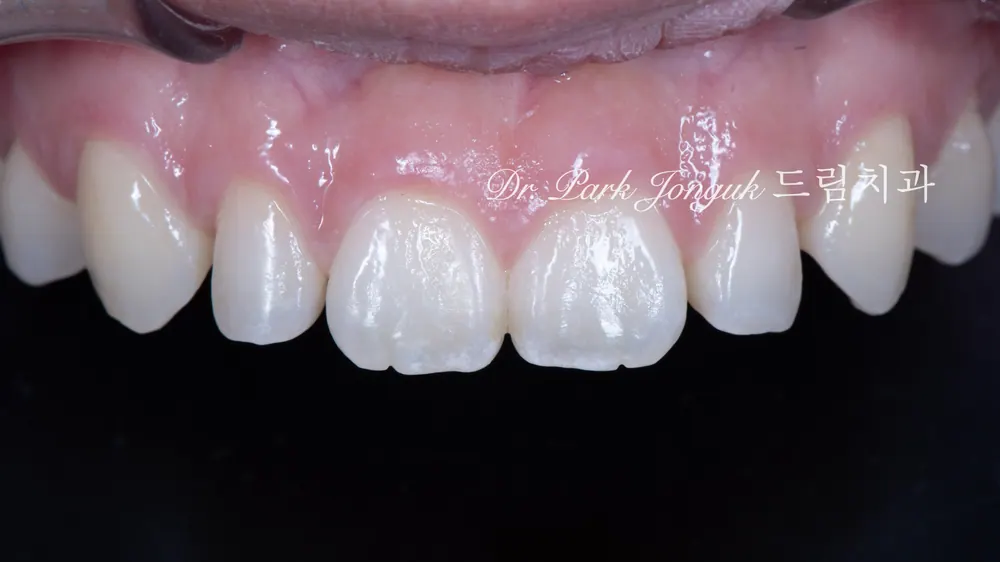
Gaps between teeth can also be caused by peg-shaped teeth.
When the two teeth next to the front teeth are small like this, it's called a peg-shaped tooth.
Because they are noticeably smaller than the other teeth, they create an esthetic problem.
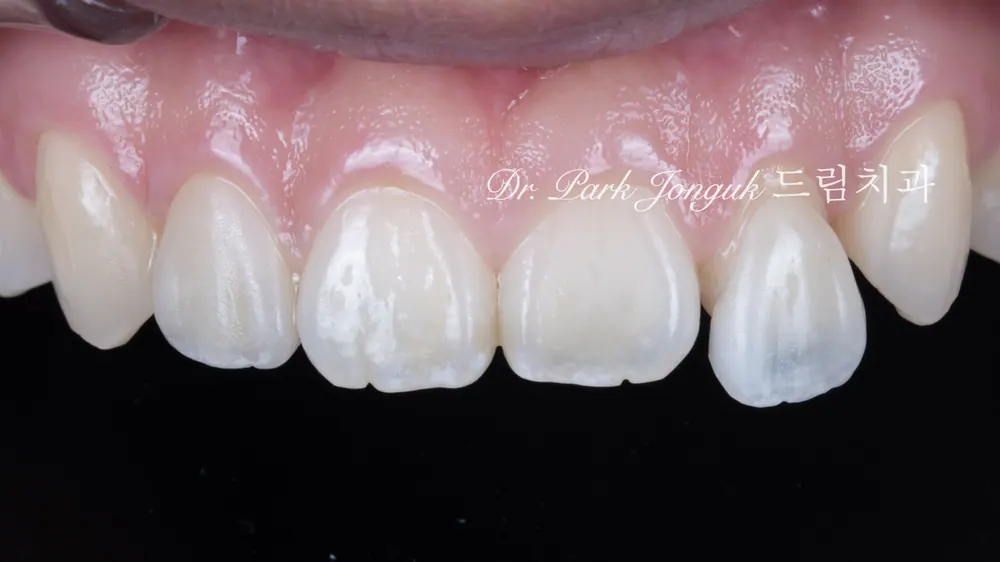
In this case too, veneers are possible without any tooth reduction.
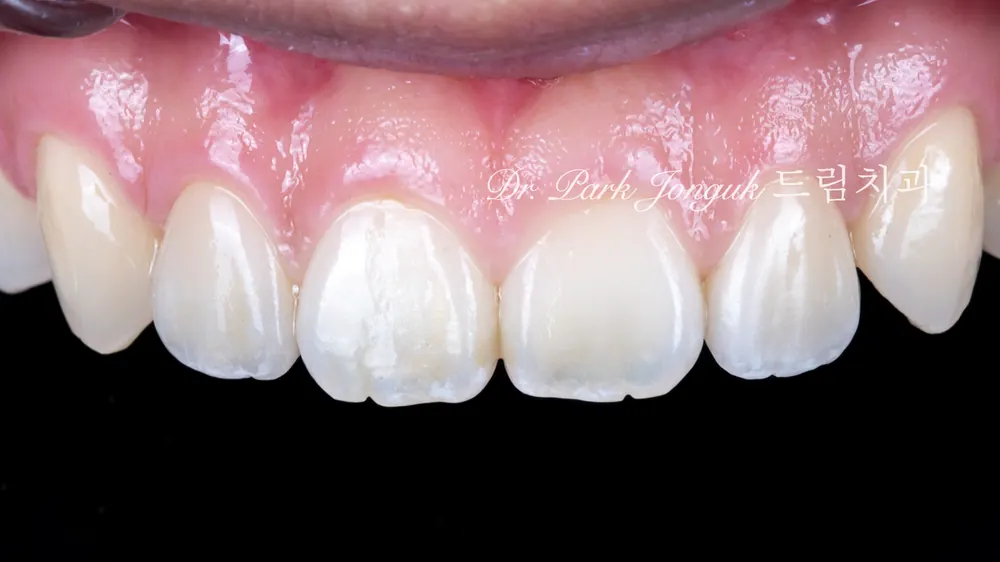
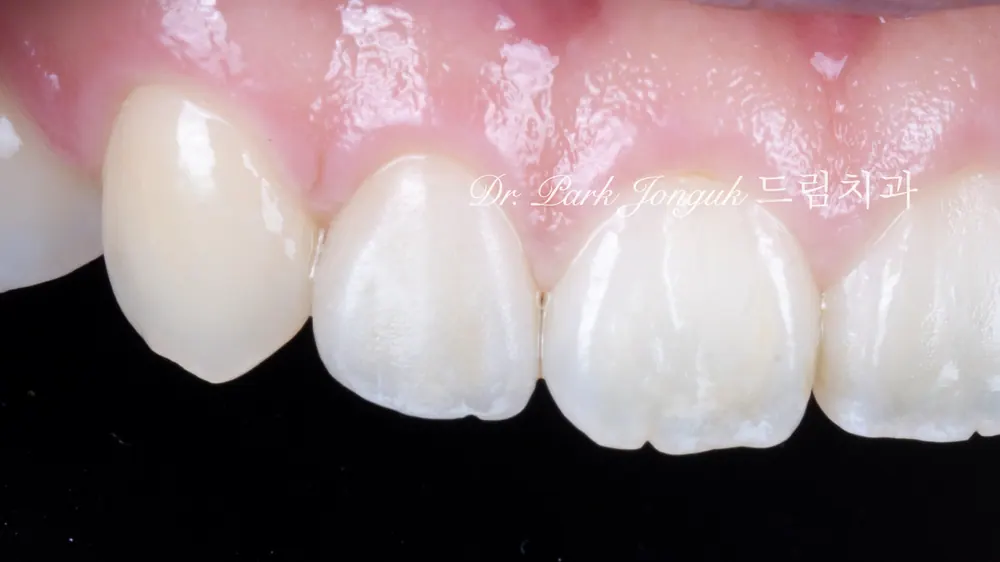
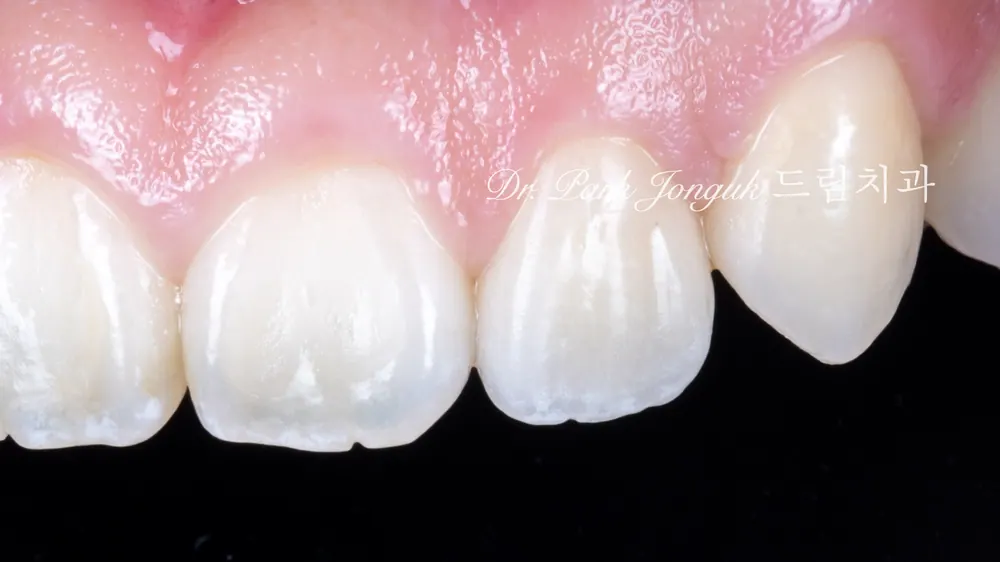
What matters in every case shown above
is how well the veneer harmonizes with the natural teeth.
Making a veneer that blends in so well with the other natural teeth that it's hard to tell
which tooth is the veneer and which is the natural tooth
is what makes it an esthetic veneer.
2) Veneers done on multiple teeth at once, bonded across the full surface,
to completely improve the color and shape of the teeth
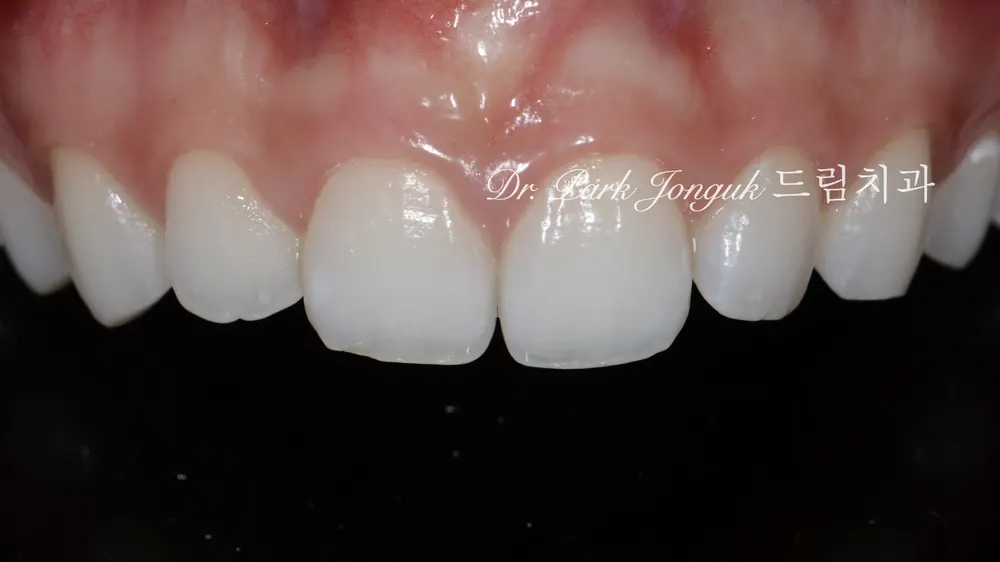
The alignment is good, but the bite is a deep, closed bite, so the teeth barely show when talking or smiling.
Several veneers are needed for esthetic purposes,
and with this kind of deep bite, no-prep veneers are often possible.
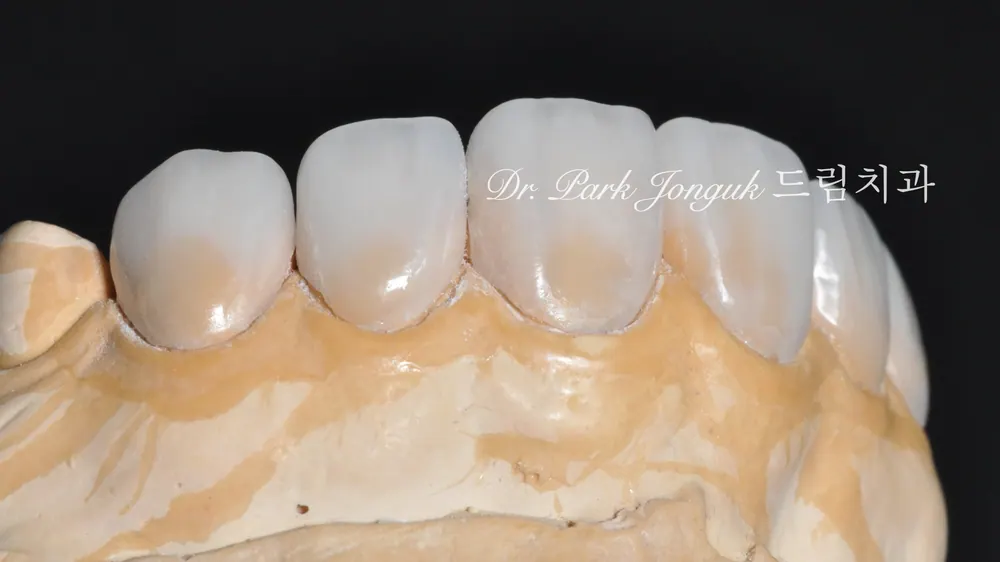
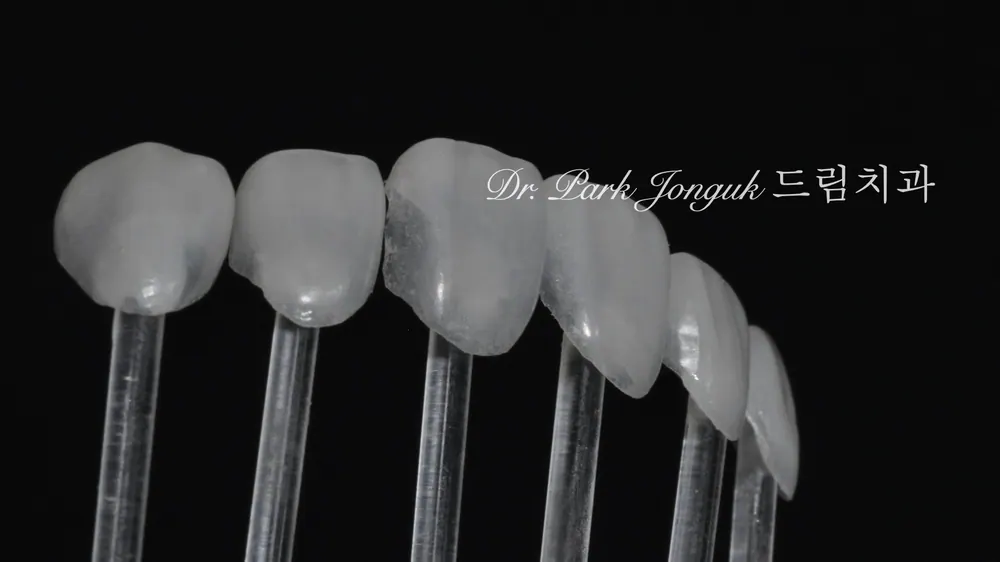
The veneers are made extremely thin.
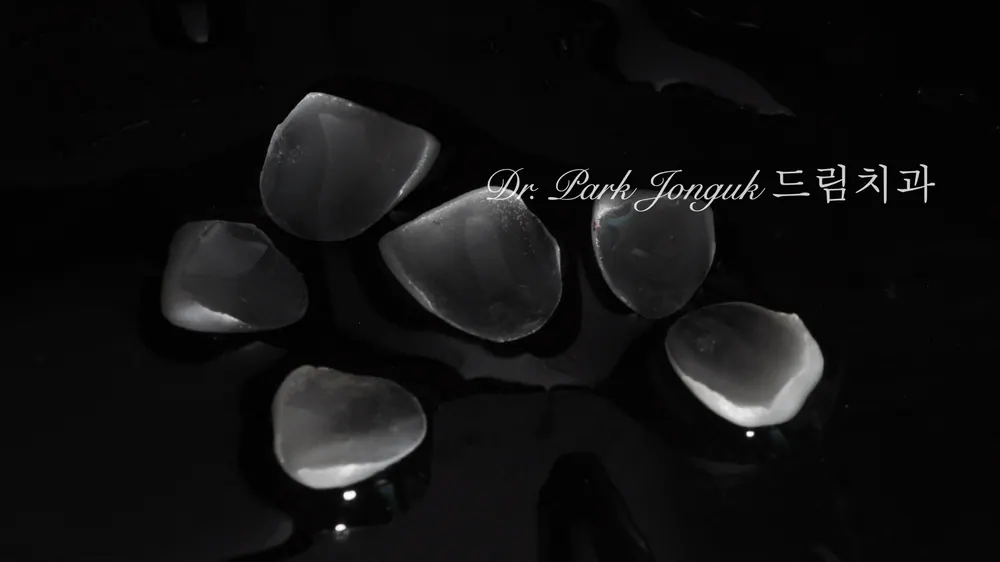
Even at this thinness, the various characteristics of a natural tooth still need to be well expressed.
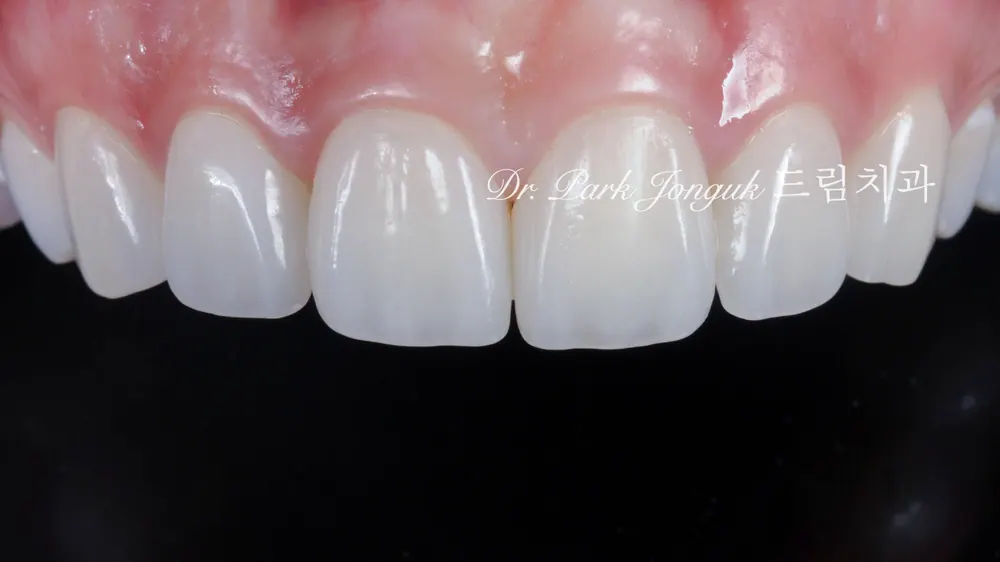
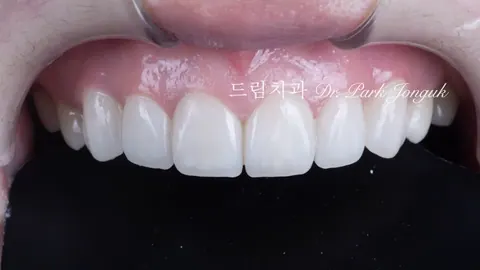
This is the appearance after the veneer treatment.
Even a dentist looking at it
would have a hard time telling whether it's a veneer or a natural tooth — that's the level of expression achieved.
What matters in no-prep veneer treatment as well
is natural beauty.
An artificial, unnatural-looking veneer is a means to make things easily, quickly,
cheaply, and in large quantities — it's not the right direction.
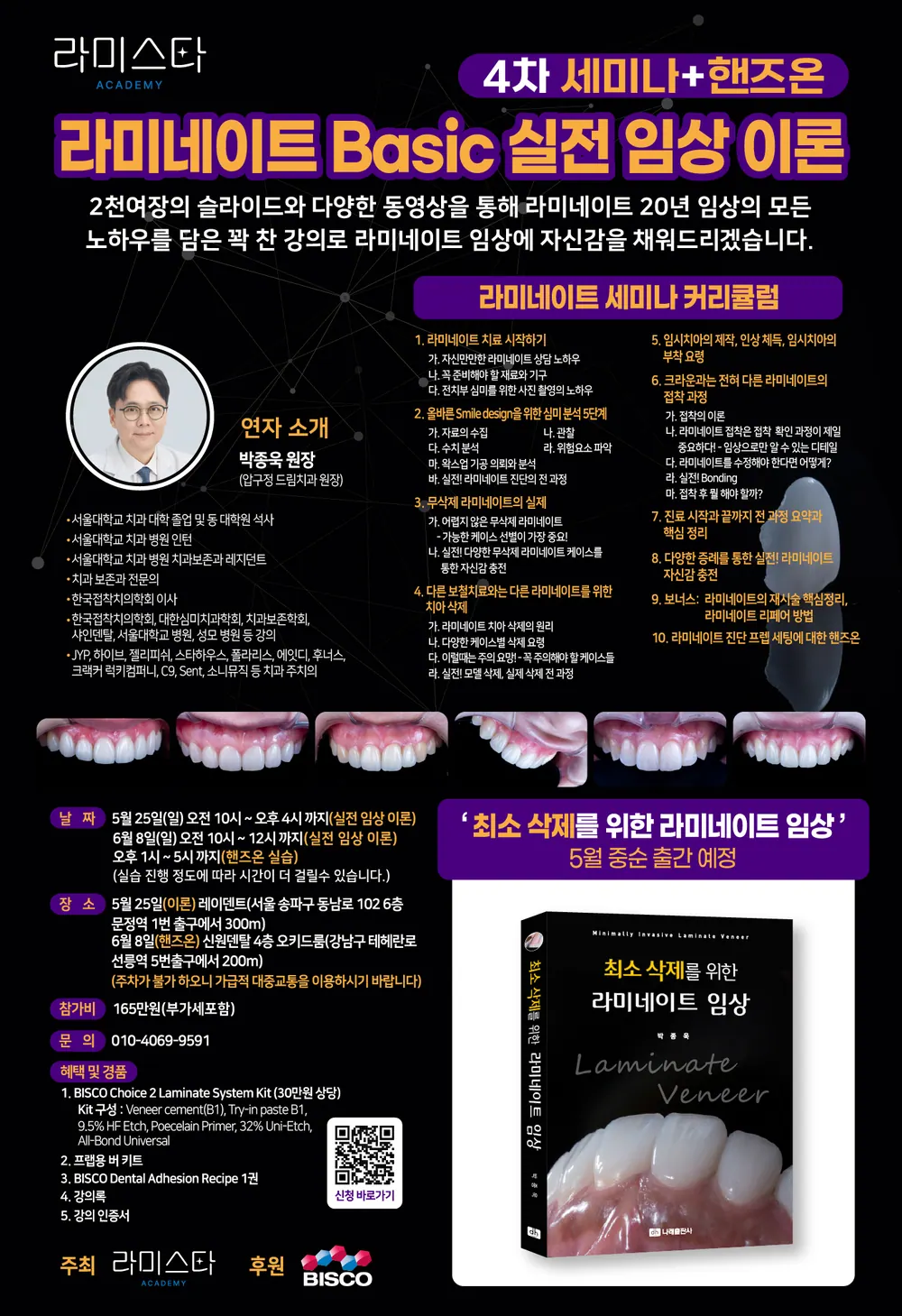
After the May lecture, the June lecture will run over two days, June 28 and 29.
This article is a clinical note written by Dr. Park Jonguk of Dream Dental Clinic, Gangnam; the original was published on his blog. The photographs shown are real cases he treated. Results vary with each patient’s condition, and every procedure carries the possibility of individual variation and side effects.
Quick Consult
Request a Callback
Leave your number and we will call you back during clinic hours.
Request Received
We will contact you during clinic hours. For urgent matters, please call +82-2-3448-0028.