
Front-Tooth Veneers: Why Some Look Obvious and Others Look Natural
Hello, I'm Park Jonguk, director of Dream Dental Clinic in Apgujeong.
Today I want to talk about something really important.
"Why do some veneers look obvious while others look completely natural?"
Two photos say it all
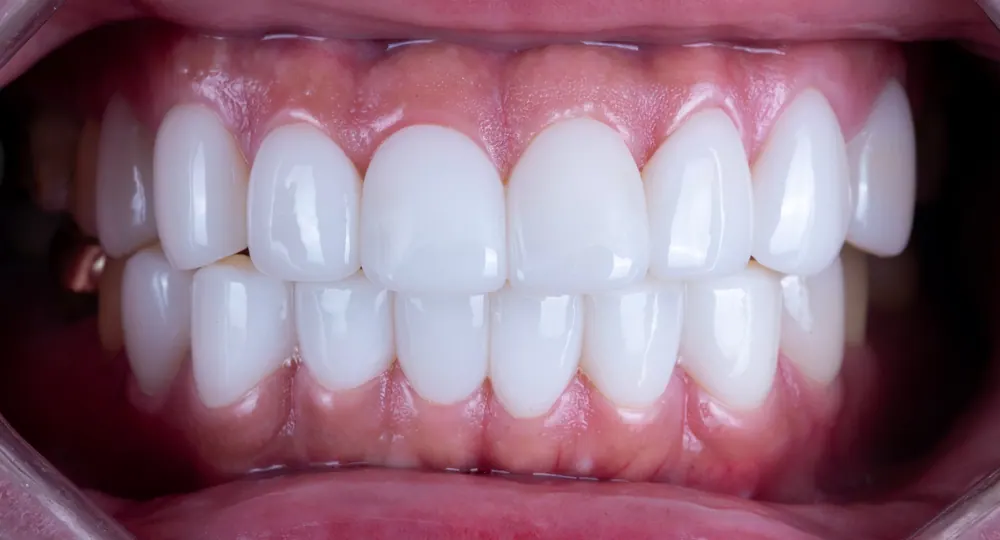
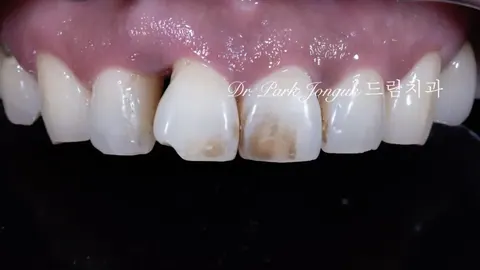
Photo 1 shows artificial, really awkward-looking front-tooth veneers.
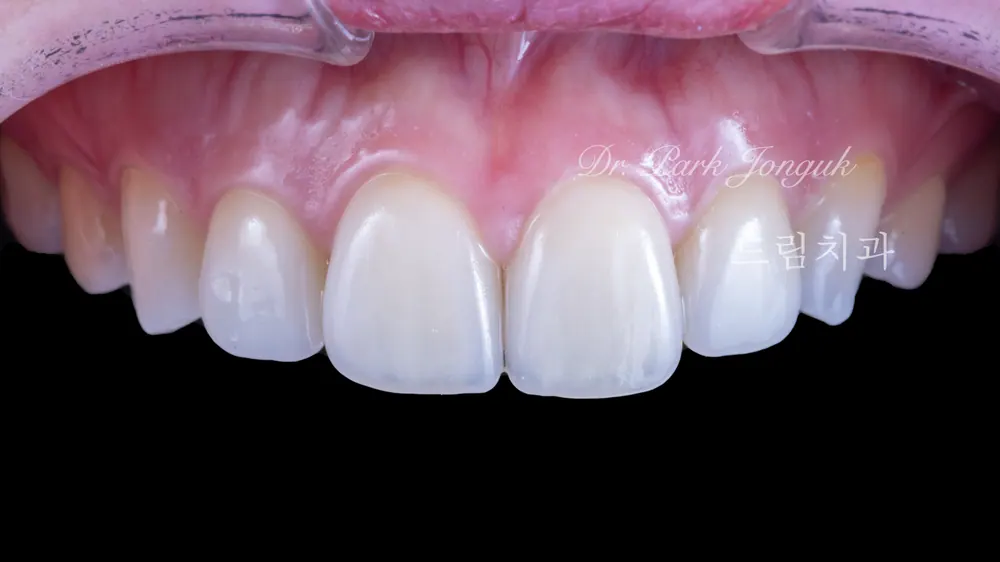
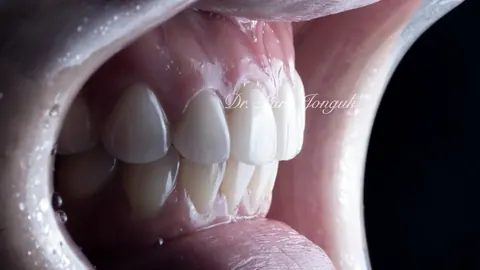
Photo 2 shows natural-looking front-tooth veneers.
They're both called "veneers," so why do they look so different?
What's the difference?
Anyone can tell photo 1 is fake.
It's just white and flat.
It's smooth and artificial, like a piece of xylitol gum.
Photo 2 looks like a real tooth.
It has real dimensionality.
It has natural surface characteristics.
The difference is in the details.
It all comes down to how faithfully the details of a natural tooth are reproduced.
The secret of natural teeth: dimensionality
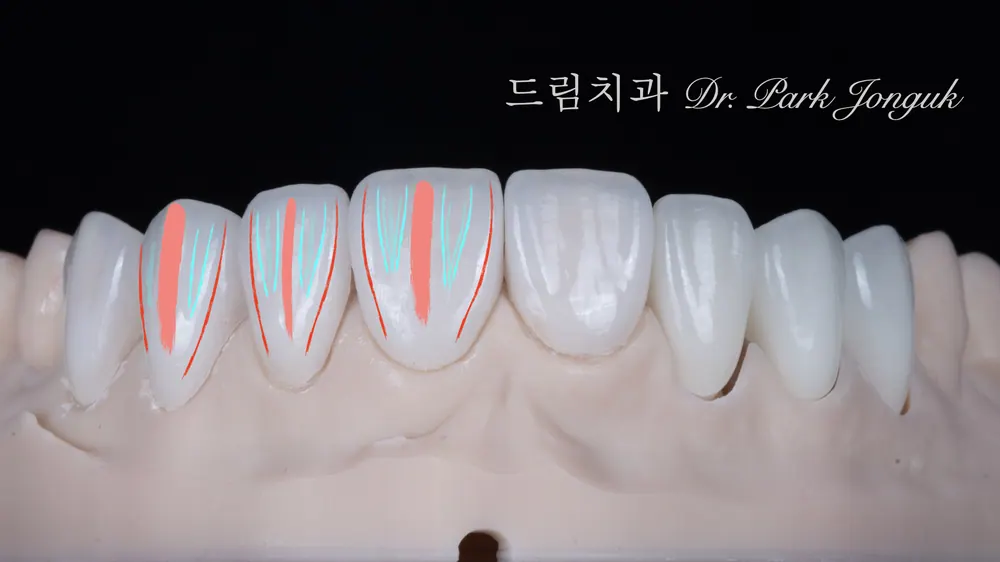
Looking at photo 3, you'll notice something surprising.
A natural tooth must have dimensionality.
A tooth surface is never flat
No one has a tooth surface that's simply smooth.
Every natural tooth has subtle contours and lines.
Without them, it ends up looking like a piece of xylitol gum.
Flat, monotonous, and artificial.
Line angle — the red line
In the photo, the red line marks what's called the line angle, the single most important part for creating dimensionality.
It's the edge of the tooth.
It's the part that casts a shadow when it catches the light.
This line is what makes a tooth look three-dimensional.
Buccal groove — the blue line
And the blue lines mark slightly recessed areas, another key element of dimensionality.
A natural tooth is formed by the fusion of three developmental lobes.
That's why there are subtle vertical grooves.
This is the key to naturalness.
The convex center — the orange line
And the orange line in the center of the tooth marks a slightly convex area.
This part is also important for dimensionality.
The tooth isn't flat; it curves outward gently.
This convexity reflects light and creates a sense of vitality.
The characteristic lines of a natural tooth
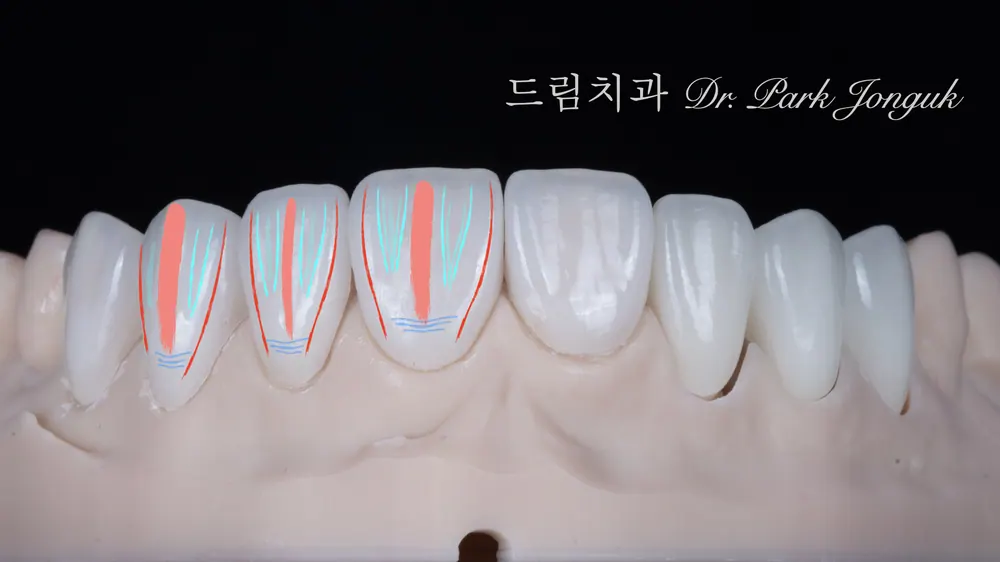
Look at photo 4.
The dark blue line is a characteristic line seen in natural teeth, and it's rendered subtly.
What is this line?
It's the boundary line between developmental lobes.
It's a vertical line that appears very subtly.
Not everyone has it, but it's observed in many natural teeth.
Why does it matter?
This subtle line is what makes a tooth look like a "real tooth."
If it's too perfect and uniform, it actually looks fake.
Natural imperfection is beauty.
Expressing the tooth's edge
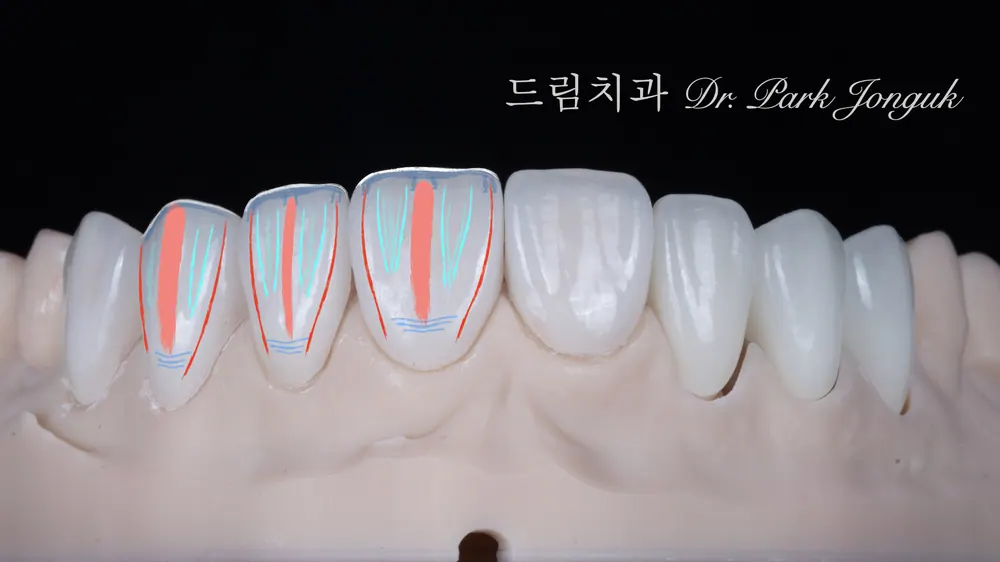
Looking at photo 5, you can see the secret of the tooth edge.
How the tooth edge is expressed is also very important.
The translucent layer — the blue-gray area
The blue-gray-looking area is the translucent layer.
The tip of a tooth is translucent.
Light passes through it, making it appear blue-gray.
This is a hallmark of a young, healthy tooth.
The white area — opalescence
The white area is typically seen at the edge of young, beautiful teeth.
It's called opalescence.
It's a phenomenon where the tooth appears white when viewed from certain angles.
It's one of the beautiful characteristics of a natural tooth.
All these elements must be expressed
Only by expressing all these elements can a natural-looking veneer be achieved.
What if there's no translucent layer and no opalescence?
It's just an opaque white tooth.
It ends up looking like xylitol gum.
The limits of the one-day method
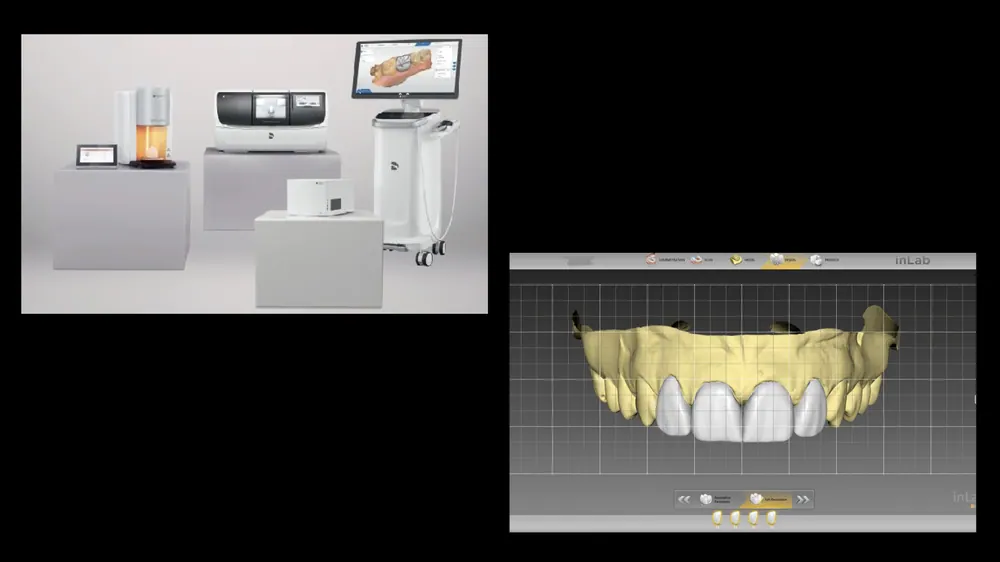
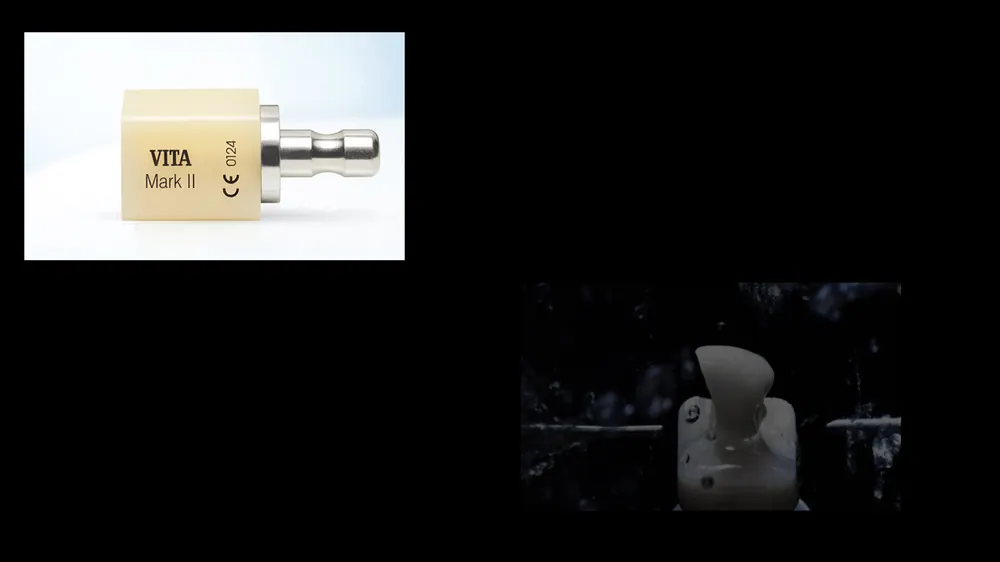
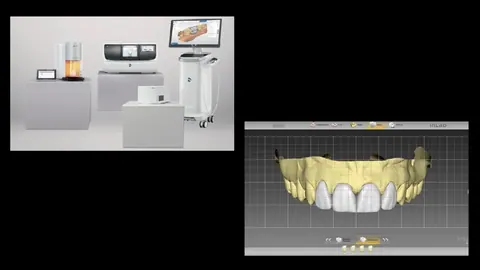
Photo 6 shows a veneer being milled after computer design.
Today's problem
The problem is that most front-tooth veneers today are made using the "one-day method."
It's fast.
It's cheap.
But what about quality?
The goal of the one-day method
The problem with the one-day method is that, since the goal is to produce veneers quickly, in volume, and at low cost using a single ceramic, none of this fine detail is ever expressed.
A computer designs only the basic shape.
A machine mills it out of a single block.
Line angle? None.
Developmental lobes? None.
Translucent layer? None.
Opalescence? None.
It's just a smooth, flat, opaque white block.
The result?
Obvious-looking front-tooth veneers.
Teeth that make anyone think, "Oh, that's a veneer."
Artificial and awkward.
How a proper veneer is made
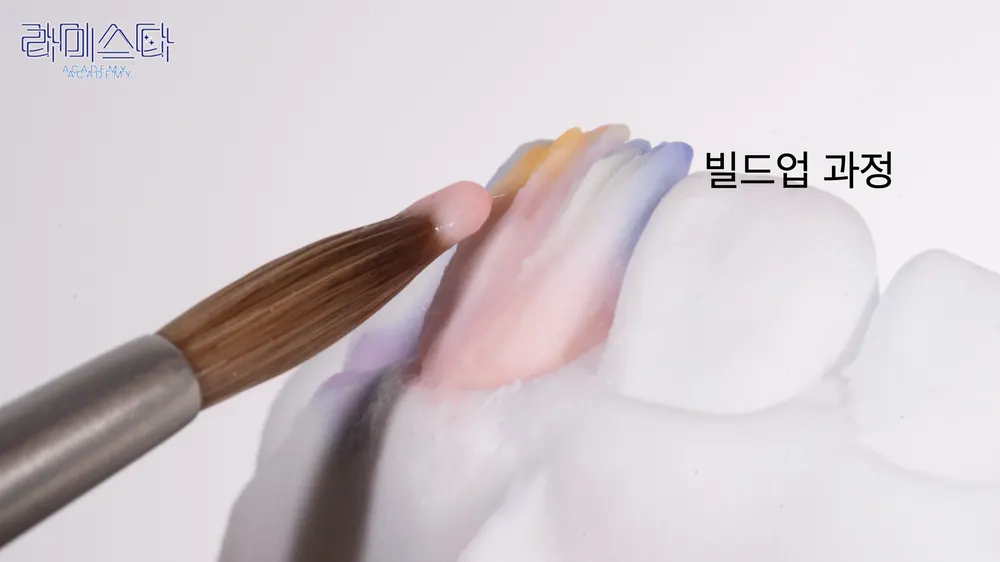
Look at photo 7.
To make a truly aesthetic front-tooth veneer, build-up and staining with a variety of ceramics is required.
Multiple types of ceramic
Near the root: opaque dentin ceramic
In the middle: translucent enamel ceramic
At the tip: transparent ceramic
On the surface: characterization ceramic (for lobes and lines)
The build-up process
Layers are built up one at a time.
Each layer is fired individually.
The line angle is created.
The developmental lobes are expressed.
Subtle lines are added.
Staining
Fine color variation is added to the surface.
The characteristics of a natural tooth are reproduced.
Time and care
It takes several days.
It requires the skilled hands of an experienced dental technician.
But the result is completely different.
The result of natural-looking front-tooth veneers
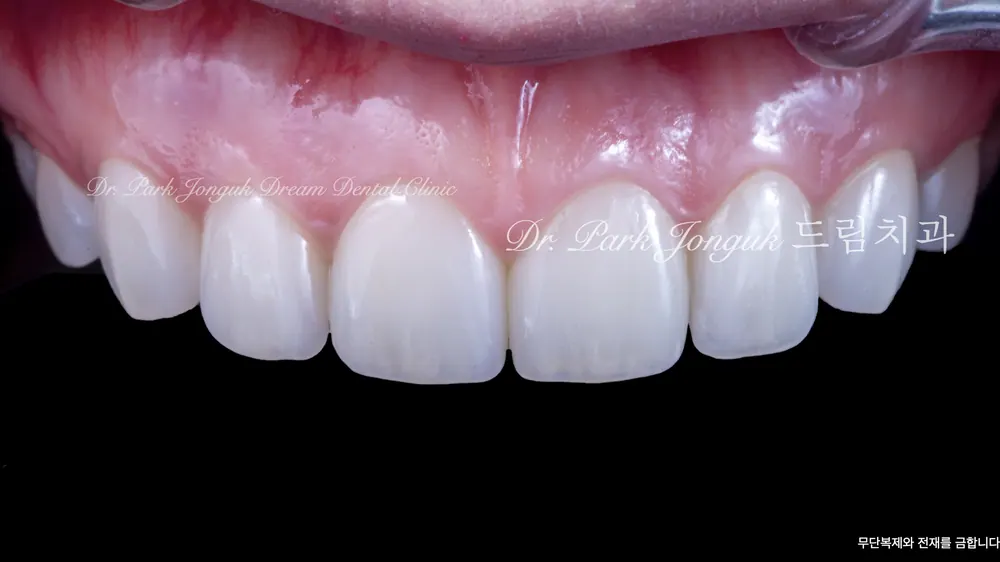
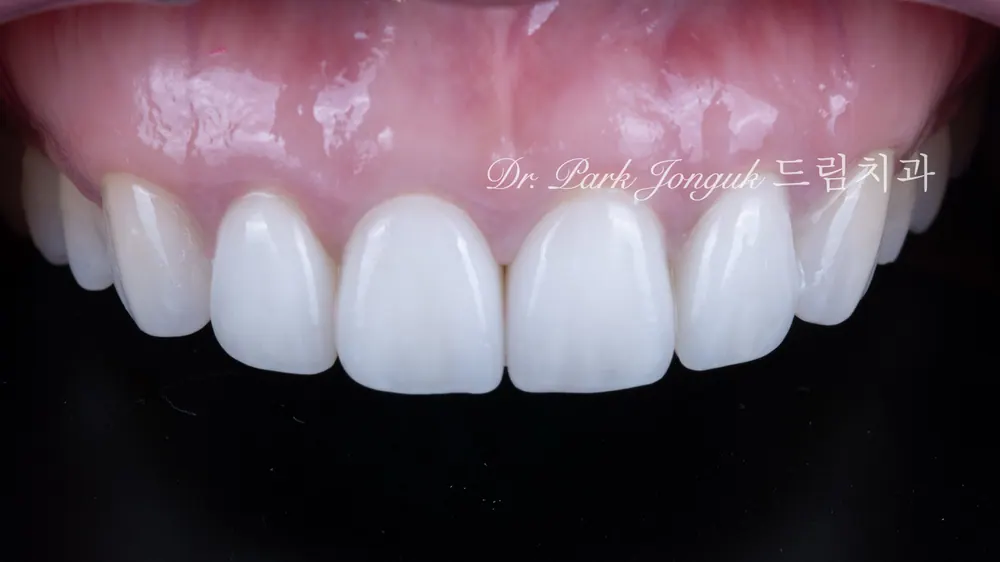
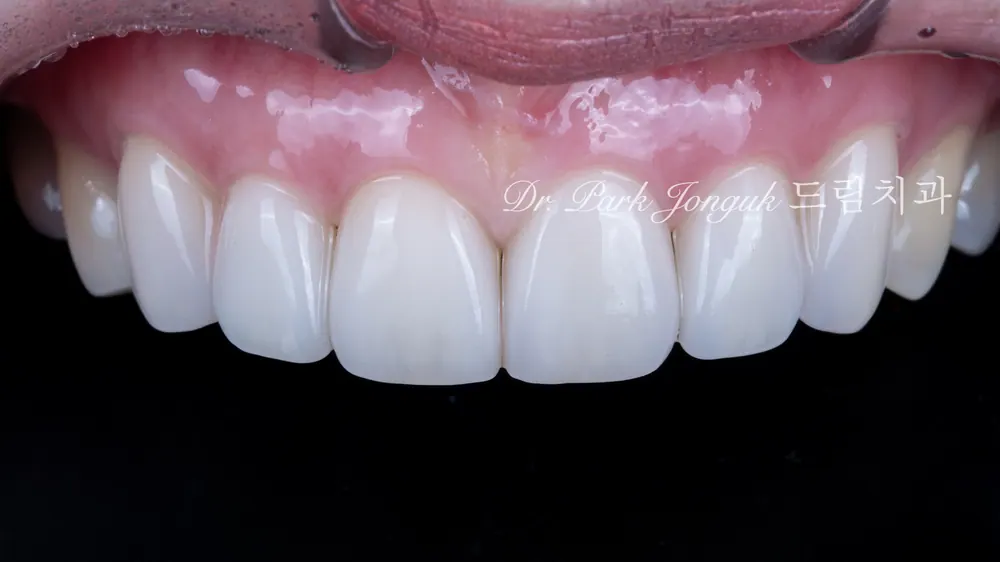
Photos 8, 9, and 10 are after veneer treatment, yet they look natural.
What's different?
The line angle is alive.
There's the subtle contour of the developmental lobes.
The translucent layer at the tooth's edge is beautiful.
Opalescence has been reproduced.
The characteristic lines are rendered subtly.
The result?
No one can tell they're veneers.
They simply think, "What pretty teeth."
There's no telltale sign.
They're as natural as real teeth.
Choose your front-tooth veneers wisely
Do you want obvious-looking veneers?
Choose the one-day method.
It's fast and cheap.
But it's flat and artificial.
It looks like xylitol gum.
Everyone will know, "That's a veneer."
Do you want natural-looking veneers?
Choose the hand-made build-up method.
It takes time.
It costs more.
But the dimensionality is real.
The translucent layer and opalescence are reproduced.
No one can tell they're veneers.
Dream Dental Clinic's choice
Dream Dental Clinic in Apgujeong uses only the hand-made build-up method.
Why do we insist on it?
20 years of experience speak for themselves.
Detail is everything.
Line angle, developmental lobes, translucent layer, opalescence.
All of these must be present for a natural look.
Our goal
Front-tooth veneers with no telltale sign.
Veneers that look like real teeth.
Natural, beautiful veneers.
This is our goal.
Frequently Asked Questions (Q&A)
Q1. Why do one-day veneers look obvious?
A. Because they're made from a single ceramic block, they can't express any of the natural tooth's details, like line angles, developmental lobes, or the translucent layer. They end up flat and monotonous, looking as artificial as xylitol gum.
Q2. How long does the hand-made method take?
A. It usually takes about 7-10 days. This is because it requires a complex process of layering multiple ceramics, creating line angles and developmental lobes, reproducing the translucent layer, and expressing surface characteristics. But the result is completely different.
Q3. Is there a big cost difference?
A. The hand-made method is more expensive. But these are front teeth you'll use for a lifetime. Rather than choosing the cheaper option and regretting how obvious it looks, it's wiser to do it properly and smile with confidence for life. Natural-looking veneers are a matter of value, not price.
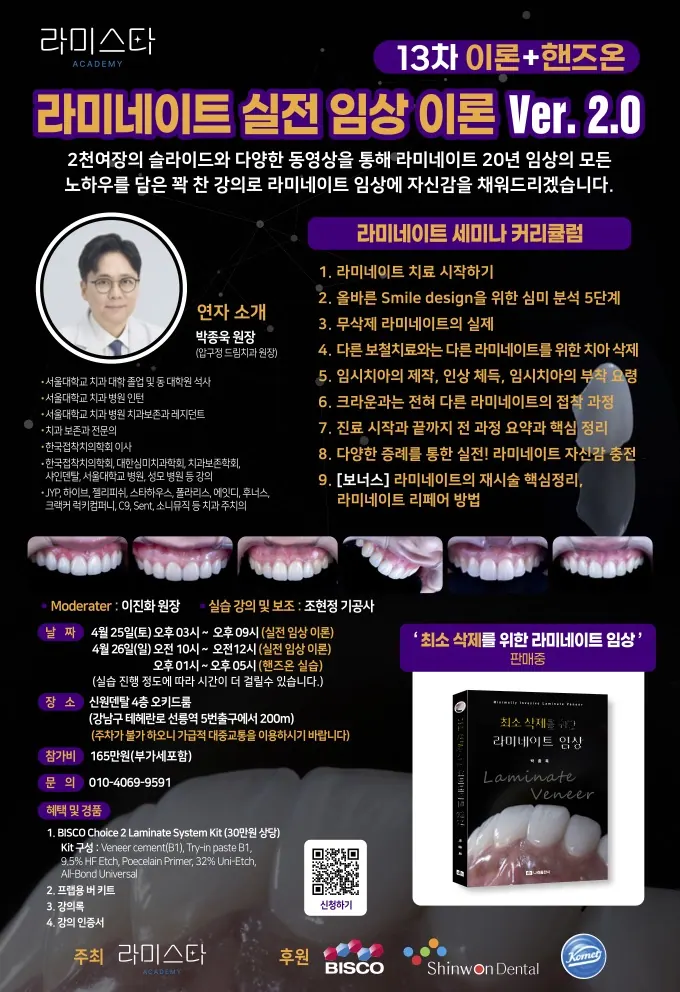
This article is based on the real clinical experience of Dr. Park Jonguk, director of Dream Dental Clinic in Apgujeong. He has practiced cosmetic dentistry for 20 years and teaches techniques for making natural-looking veneers to fellow dentists every month at Lamista Academy. He has published Korea's first laminate veneer textbook.
This article is a clinical note written by Dr. Park Jonguk of Dream Dental Clinic, Gangnam; the original was published on his blog. The photographs shown are real cases he treated. Results vary with each patient’s condition, and every procedure carries the possibility of individual variation and side effects.
Quick Consult
Request a Callback
Leave your number and we will call you back during clinic hours.
Request Received
We will contact you during clinic hours. For urgent matters, please call +82-2-3448-0028.