
Why Veneer Retreatment Results Can Turn Out Completely Different: Finding a Clinic Skilled in Gangnam Veneer Retreatment
Are your veneers looking dull and opaque, making you consider retreatment?
For anyone in Gangnam thinking about veneer retreatment,
here is a real case walking through the process of a natural, translucent veneer retreatment.
Introduction
More and more patients are coming in to discuss veneer retreatment.
At first they were satisfied because their teeth looked whiter,
but as time passed, the color grew dull,
and often the opaque, artificial feel became even stronger.
This patient, too,
had had veneer treatment on four front teeth a long time ago.
But
the color didn't look natural,
there was almost no translucency at the tips of the teeth,
and the shape looked awkward as well.
So we decided to remake the front teeth naturally and harmoniously
through veneer retreatment.
Main content
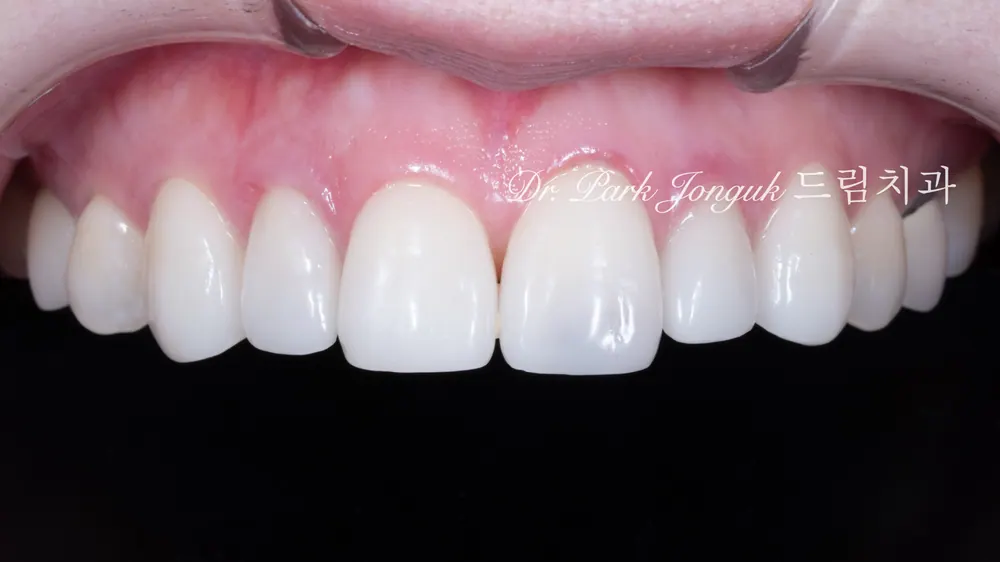
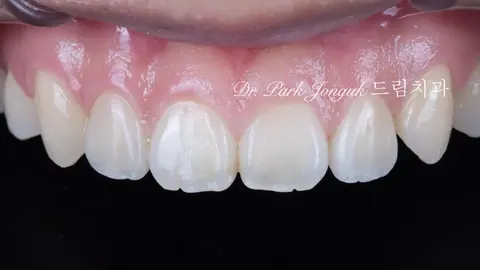
Photo 1: at the first visit
At the first visit, the veneers
showed an overall dull, opaque color.
The front teeth looked bright,
but there was no sense at all of the depth and translucency unique to natural teeth,
and the shape was also somewhat flat.
In cases like this,
"Is this just how veneers normally look?"
many patients ask this.
But this isn't a limitation of veneers, it's a difference in how they're fabricated.
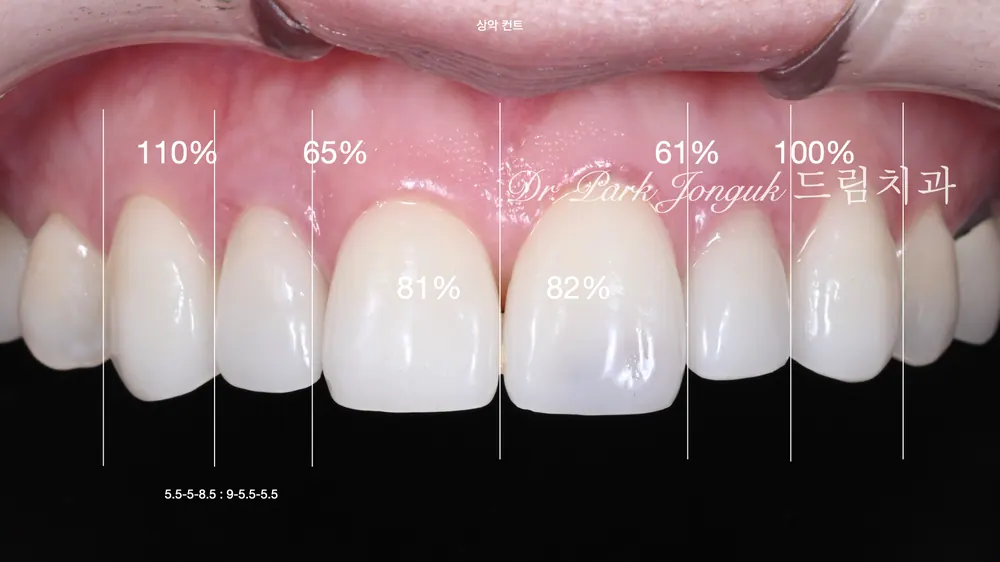
Photo 2: a precise analysis for veneer retreatment
The most important thing in veneer retreatment
is the process of accurately analyzing why the result turned out unnatural.
In this case,
the thickness of the existing veneer,
the opacity of the color,
the shape at the tip of the tooth,
and how well it harmonized with the face,
each of these factors was analyzed one by one.
Retreatment isn't
simply bonding on something new;
it's a process of accurately understanding the existing problem and then redesigning from there.
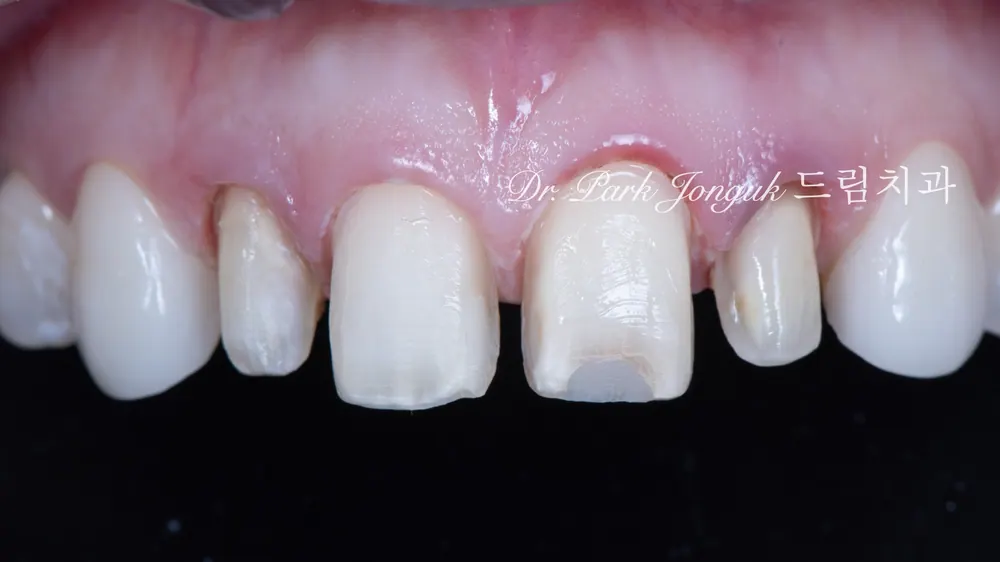
Photo 3: removing the veneer with a laser
The existing veneer
was safely removed using a laser.
Using a laser
lets you separate the old adhesive and veneer precisely
while minimizing damage to the tooth.
In retreatment,
this step matters a great deal.
How the existing veneer is removed
can make a big difference in the final result.
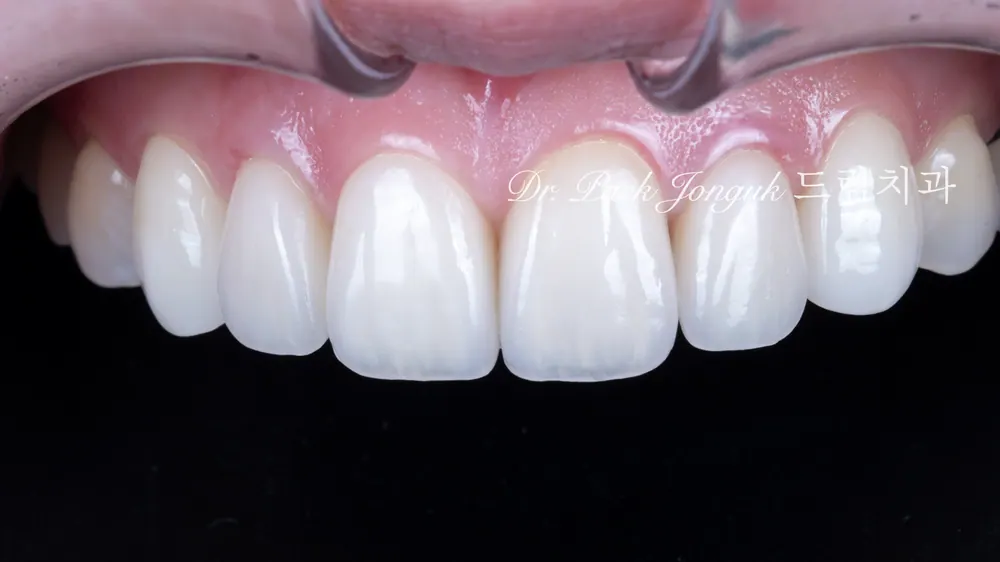
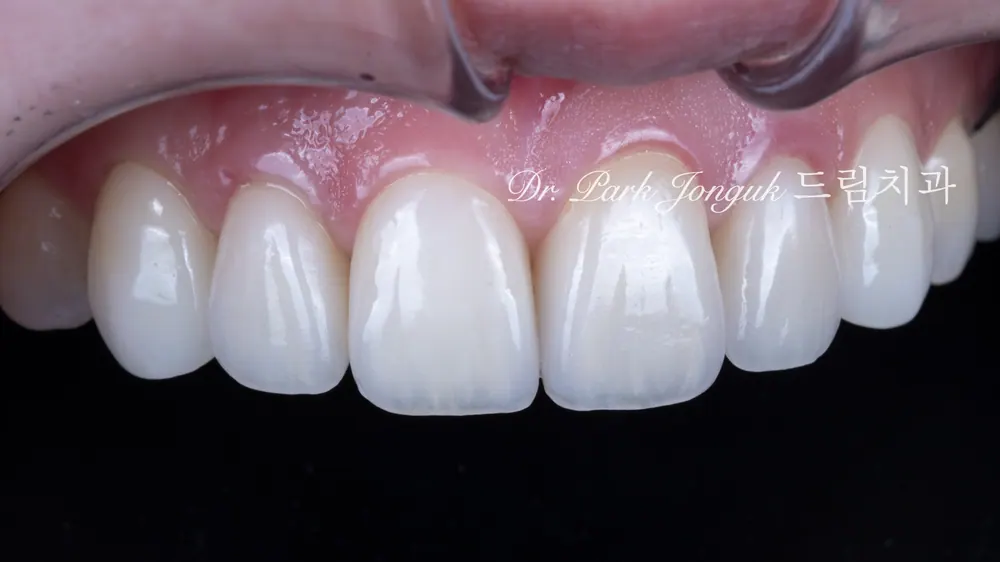
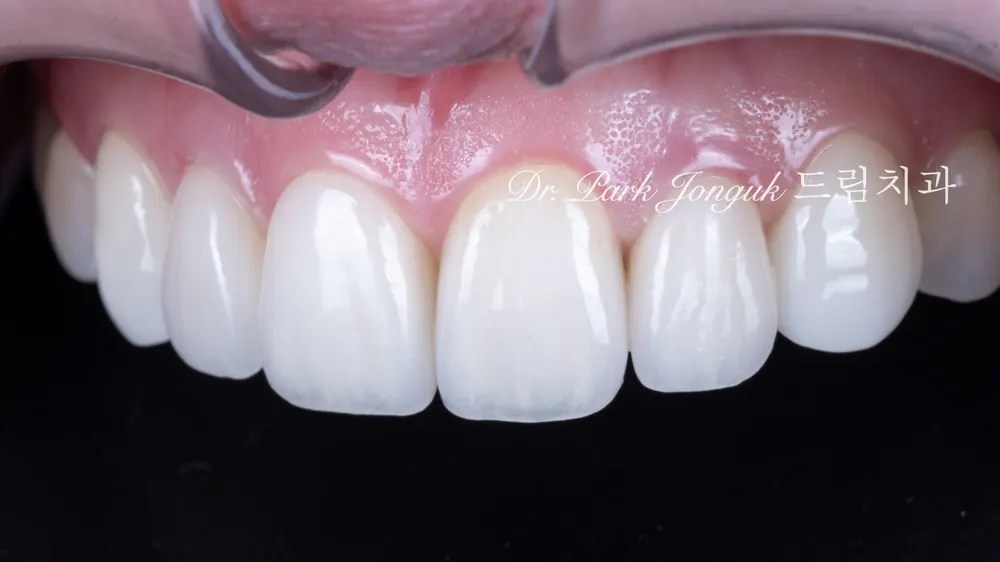
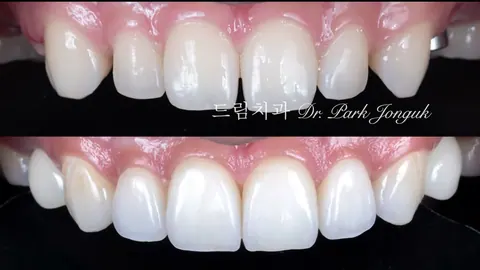
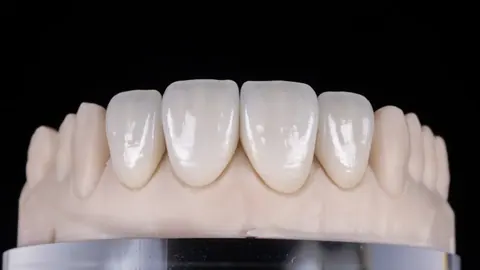
Photos 4, 5, 6: after veneer retreatment
The biggest change after retreatment
is the translucency and naturalness of the teeth.
The shape of the teeth became much softer,
the color was expressed with the same depth as a natural tooth,
and in particular, the translucency at the tip of the tooth improved dramatically.
Not artificially white teeth,
but teeth that naturally come alive when they catch the light,
that's the goal of veneer retreatment.
The patient, too,
"I wish I had done it this way from the start,"
she said, very satisfied with the result.
Conclusion
Veneer retreatment
isn't simply about bonding something new on again.
You need to be able to accurately diagnose
why the previous result failed,
and exactly where the unnatural look came from.
In particular,
if your veneers have grown dull in color,
if your front teeth look opaque and artificial,
or if the translucency at the tip of your teeth has disappeared,
I'd recommend getting a proper diagnosis once more
at a clinic skilled in veneer retreatment.
For veneer retreatment in Gangnam,
experience and results matter more than anything else.
Q&A
Q1. Does veneer retreatment require reducing more of the tooth?
No. It depends on the condition of the existing veneer, but
with precise removal and diagnosis, unnecessary reduction can be minimized.
Q2. Can veneer retreatment end up looking even more unnatural?
It can, if the cause isn't analyzed properly.
That's why experience and fabrication method matter even more for a retreatment.
Q3. Can veneers still be used naturally for a long time after retreatment?
With precise bonding and a proper fabrication process,
long-term, natural use is entirely possible.
This article is a clinical note written by Dr. Park Jonguk of Dream Dental Clinic, Gangnam; the original was published on his blog. The photographs shown are real cases he treated. Results vary with each patient’s condition, and every procedure carries the possibility of individual variation and side effects.
Quick Consult
Request a Callback
Leave your number and we will call you back during clinic hours.
Request Received
We will contact you during clinic hours. For urgent matters, please call +82-2-3448-0028.