
A Natural Transformation With No-Prep Veneers | Gangnam Veneer Case
This is the case of a patient in her 20s whose teeth appeared square-shaped and dark in color.
At Gangnam Dream Dental Clinic, we applied precise micro-reduction only to the extent needed, on the standard of no-prep veneers,
to achieve a front-tooth veneer result that was natural in color, shape, and translucency alike.
Introduction
No-prep veneers are
a treatment many patients prefer because
the tooth is barely reduced at all, or
adjusted only minimally, exactly as much as truly needed.
Especially among patients in their 20s and 30s,
it's common for people to come in wanting to keep most of the tooth structure as it is
while naturally improving only the color and shape.
This patient (a woman in her mid-20s) was similar.
On the surface her teeth looked dark, but in reality the translucency was too strong,
giving an overall dull, square-looking impression.
Because the tooth proportions weren't ideal,
it wasn't complete no-prep,
but we proceeded only with micro-reduction — no anesthesia, no temporary teeth, and no impact on daily life.
Main content
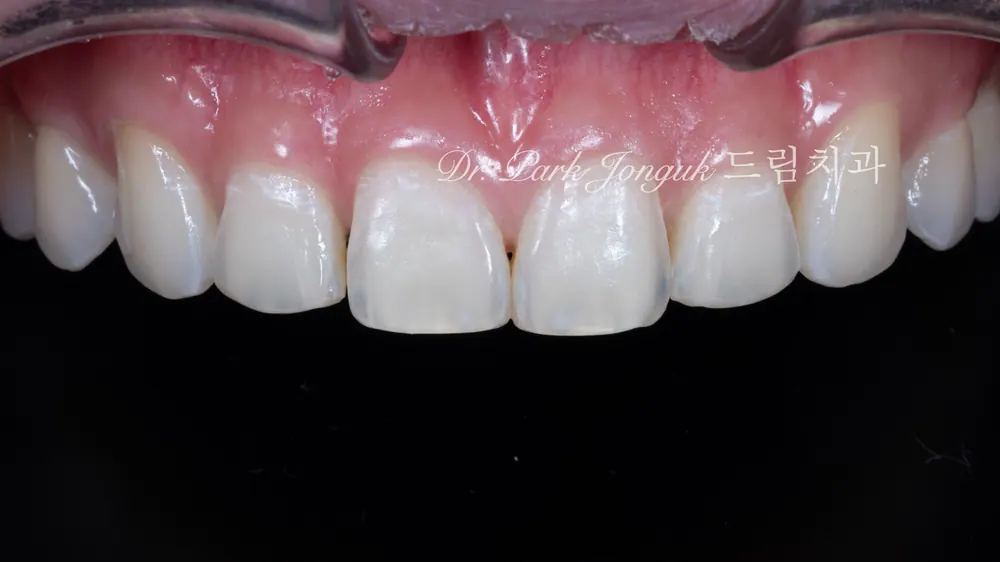
Photo 1 — appearance at the time of the visit
The tooth shape looked square with blurred edges,
giving a strongly dark overall impression.
But in reality this was a visual issue caused by excess translucency, not discoloration.
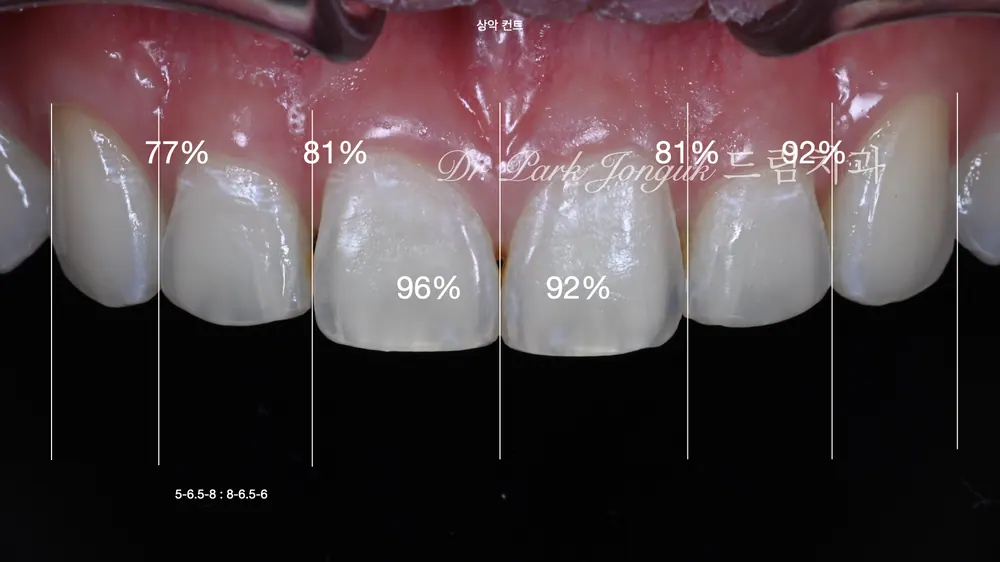
Photo 2 — diagnostic analysis
Precise analysis confirmed that the proportions between the teeth weren't natural.
(Note: per current research suggesting there's no real evidence for a "golden ratio" of teeth, that concept isn't referenced here.)
In particular, there was an asymmetry where the two front teeth looked larger,
so improving the proportions was the core of the treatment.
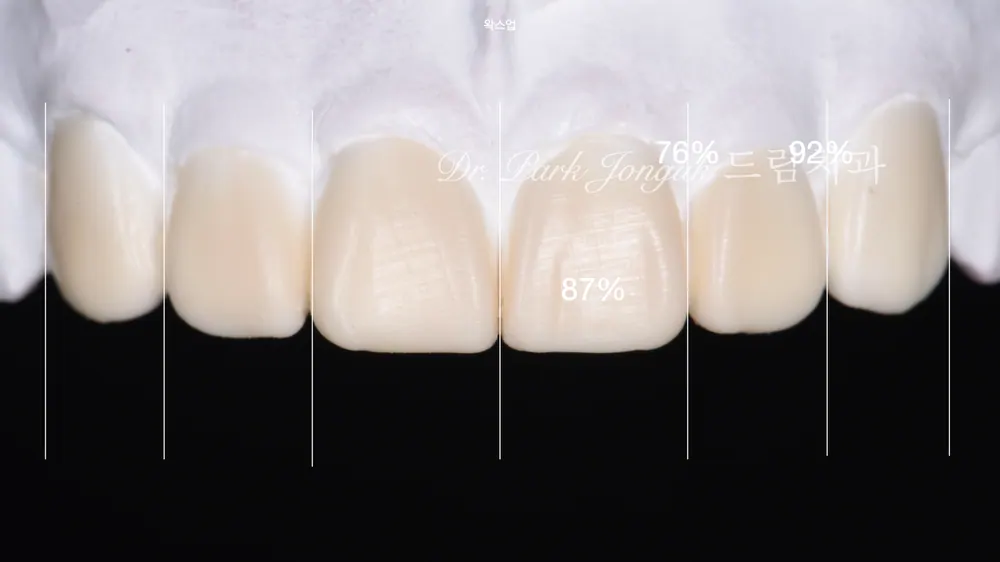
Photo 3 — wax-up (precision diagnosis)
Through the wax-up,
the tooth size, width, curves, and surface angles were redesigned.
Based on the analysis, the proportions were firmly established,
allowing the final shape to be visually confirmed in advance.
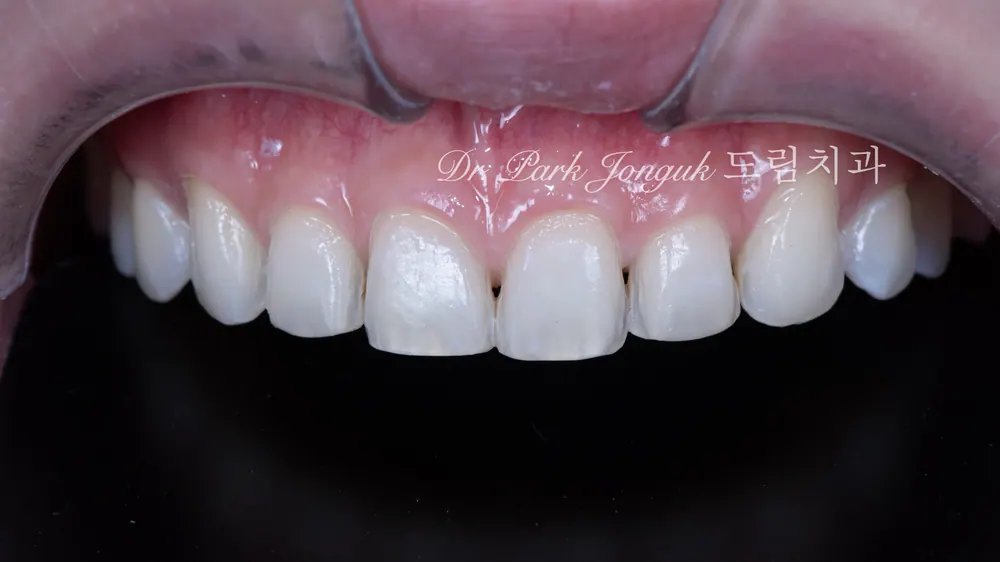
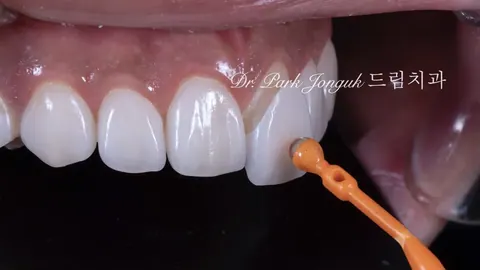
Photo 4 — microscope-guided micro-reduction
Only extremely small areas were selectively reduced under a microscope.
Looking at the photo alone, there's almost no visible change,
but this micro-reduction
is a very important step that determines the veneer's thickness, margins, translucency, and shape.
It was done without anesthesia,
applying only the minimal reduction that wouldn't affect daily life.
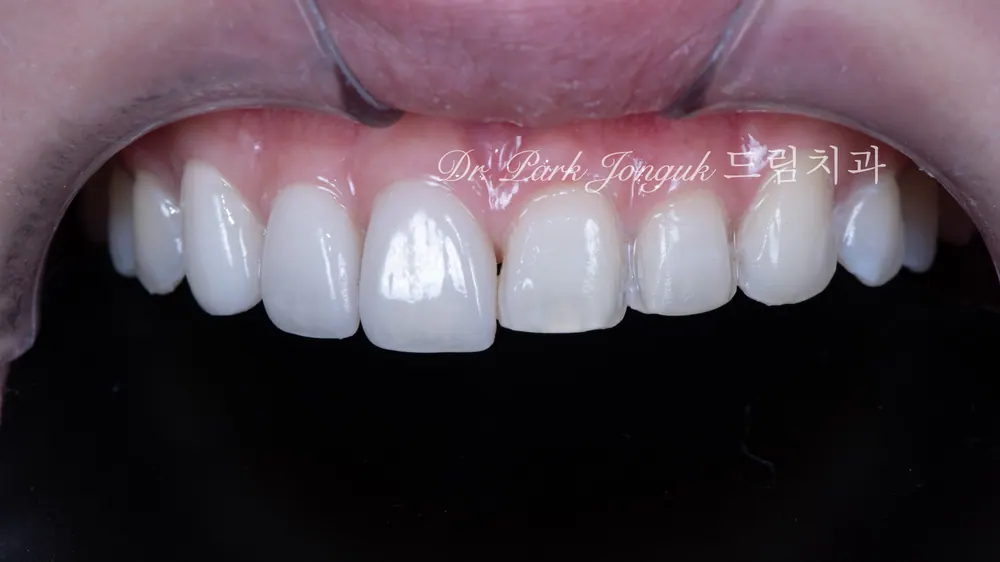
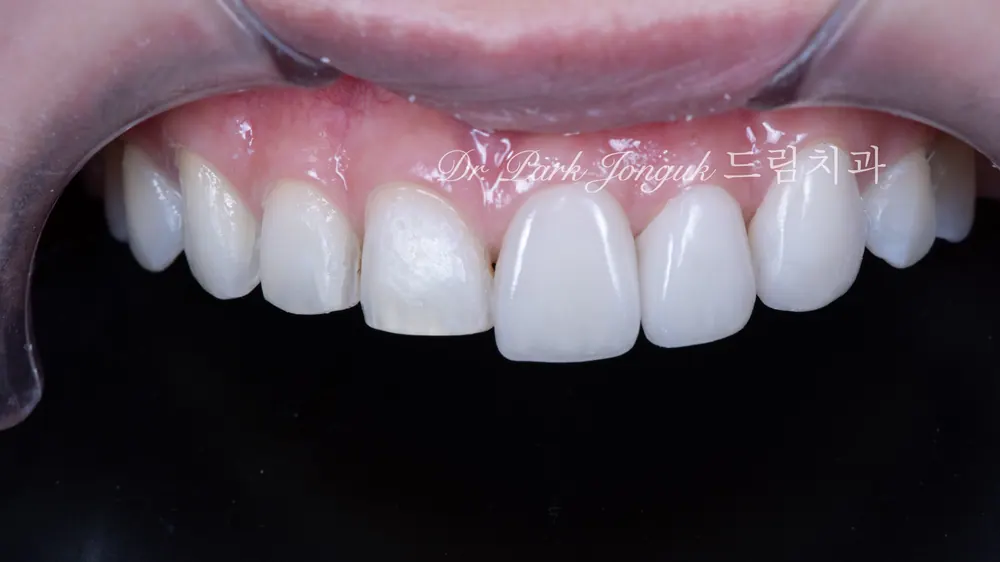
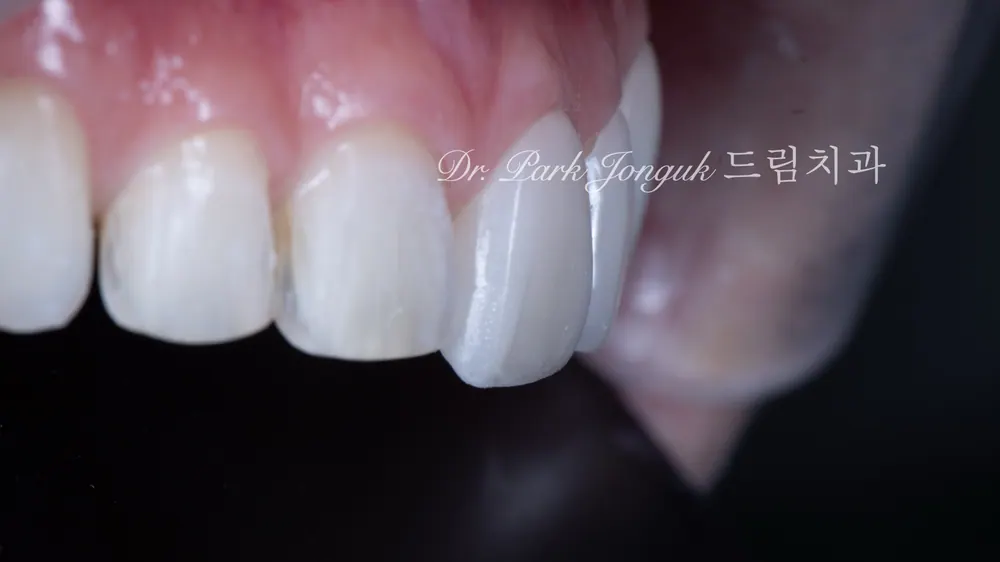
Photos 5, 6, 7 — the fabricated veneers placed on partially
In the photo with only half placed,
you can visually confirm how naturally
the tooth brightness, the translucency at the tip, and the surface sheen have improved.
The tooth's original strengths were preserved while its weaknesses were clearly corrected.
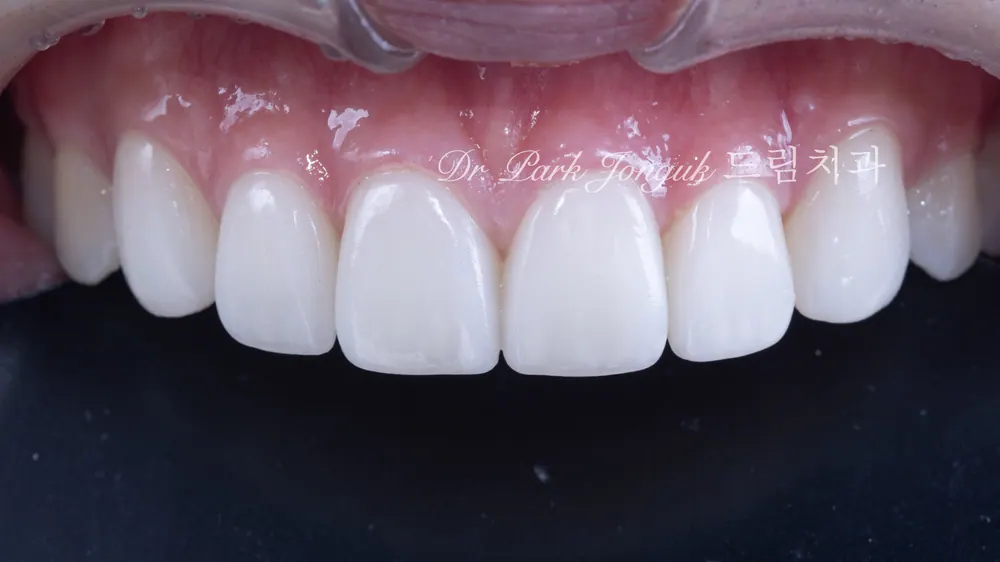
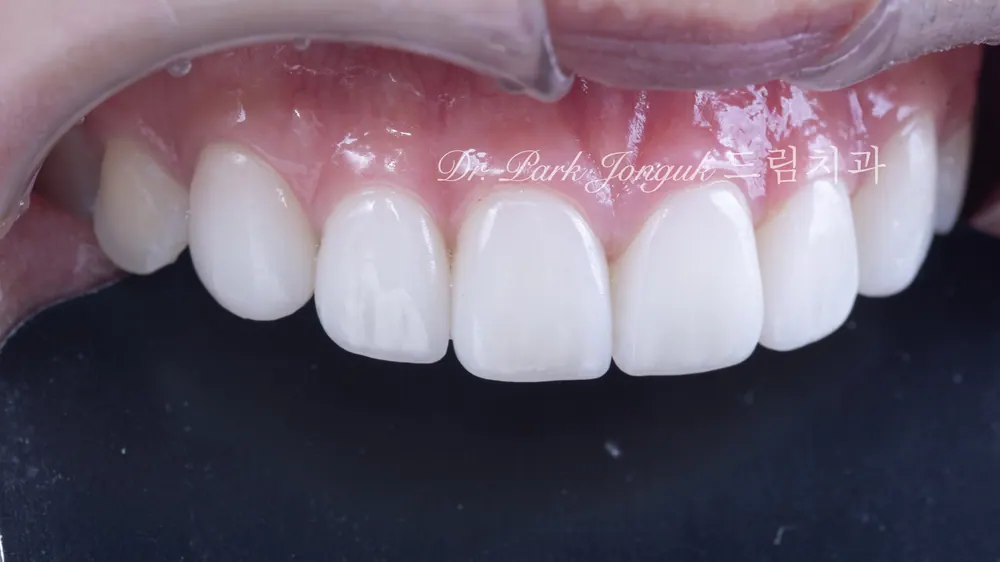
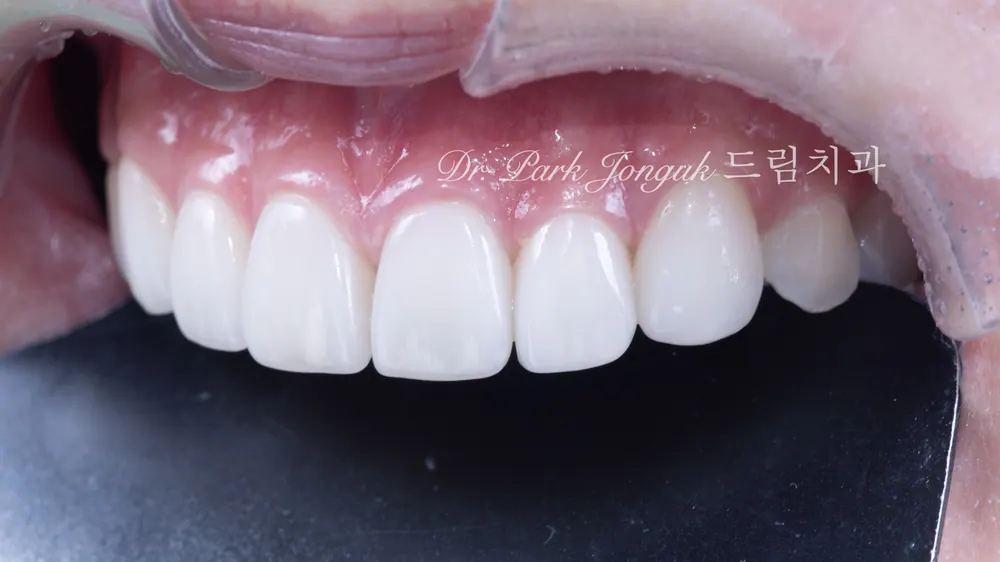
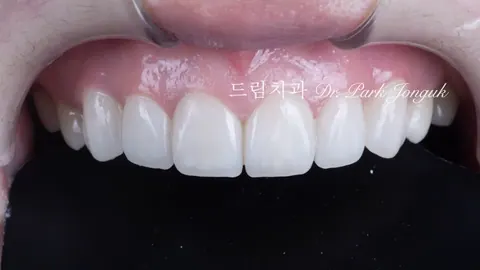
Photos 8, 9, 10 — after the final veneers were set
The tooth color became brighter without looking artificial,
and the translucency, shape, and curves all harmonize perfectly with the patient's face.
The square-looking feel disappeared entirely,
and with a natural tooth-like three-dimensional quality restored,
the smile became far softer and more vivid.
The patient herself was very satisfied, saying, "If I'd known it would turn out like this, I would have done it sooner."
Conclusion
No-prep veneers
aren't defined simply by "not reducing the tooth."
Only by precisely fine-tuning just the parts that need it,
accurately analyzing each tooth's individual condition,
and achieving naturalness through the handmade build-up method
does a truly no-prep veneer come together.
This case
is a representative example where color, shape, and translucency were all perfectly improved
while barely reducing the tooth at all.
Q&A
Q1. With no-prep veneers, doesn't the tooth size get bigger?
There is a risk of the tooth size becoming larger,
so proportion adjustment is done first at the wax-up stage,
and since only the necessary minimal reduction is applied, the size stays natural.
Q2. Is it possible to get veneers without anesthesia?
Yes, it's possible.
When only truly minimal reduction is needed, as in this case,
treatment can be done painlessly without anesthesia.
Q3. How do you keep veneers from looking obvious?
The handmade build-up method and precise diagnosis are essential.
A method that uses only a single type of ceramic
makes a big difference in translucency and naturalness.
This article is a clinical note written by Dr. Park Jonguk of Dream Dental Clinic, Gangnam; the original was published on his blog. The photographs shown are real cases he treated. Results vary with each patient’s condition, and every procedure carries the possibility of individual variation and side effects.
Quick Consult
Request a Callback
Leave your number and we will call you back during clinic hours.
Request Received
We will contact you during clinic hours. For urgent matters, please call +82-2-3448-0028.