
What Are Veneers? A Basic Guide to Natural-Looking Veneers
A veneer is a leading aesthetic treatment that bonds a thin piece of ceramic onto the front surface of a tooth.
Many patients seek it out because it can naturally change the color and shape of the front teeth, but some clinics advertise it under a different name as if it were a different treatment.
At its core it's all the same veneer treatment, and what really matters is accurate diagnosis and the fabrication process.
A veneer is the most widely known method of aesthetic dental treatment.
When you're not happy with the color or shape of your front teeth,
it's a procedure that bonds a thin piece of ceramic onto the front surface of the tooth to create a natural, beautiful smile.
These days, though, you often see clinics online or in ads calling veneers by a different name, claiming it's "our clinic's own special treatment,"
or advertising as if they use some special material that only they have.
But in reality, it's all the same veneer treatment.
Only the name has been repackaged; the underlying principle and materials are identical.
From a patient's perspective it can look like a brand-new treatment, but it's important to remember that at its core, it's still just a "veneer."
The essence of a veneer isn't simply making teeth white.
What matters is how much of the tooth can be preserved, and whether the result looks natural and translucent.
Reducing more of the tooth than necessary can cause sensitivity or damage,
and a veneer that's too white and opaque tends to look artificial instead, leading to lower satisfaction.
On the other hand, following the principles of precise diagnosis and minimal reduction can preserve tooth health while still achieving an aesthetically satisfying result.
Over the past 20 years I have handled a great number of veneer cases,
and I have continued educating fellow dentists while writing Korea's first veneer textbook.
One thing I can say for certain from this experience is that a veneer isn't simply something you bond on.
Diagnosis and design determine the outcome of treatment, and a fabrication process that brings out naturalness and translucency is essential.
Today I'll lay out exactly what veneer treatment is,
the key things you need to know before treatment, and walk you through the process with an actual case.
I especially want to offer clear standards for anyone who has felt confused by information that renames veneers to look like a special treatment, or advertises "materials only we use."
1. Definition and principle of veneers
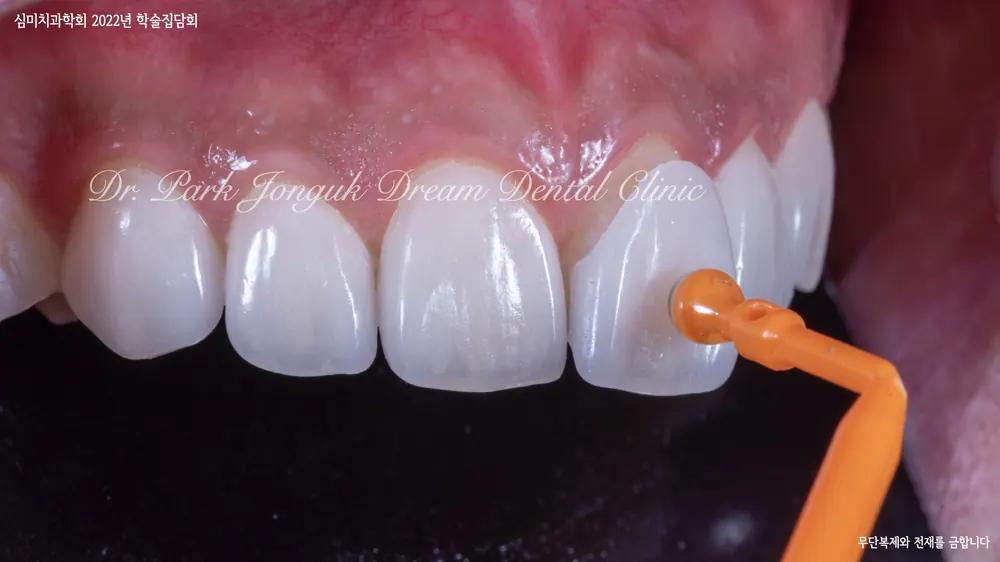
A veneer is a treatment that achieves aesthetic improvement by bonding a thin piece of ceramic onto the front surface of the tooth.
The thickness is usually a very thin 0.3 to 0.5mm, but thanks to special bonding techniques, a stable result can still be achieved.
The important difference lies in how it's fabricated.
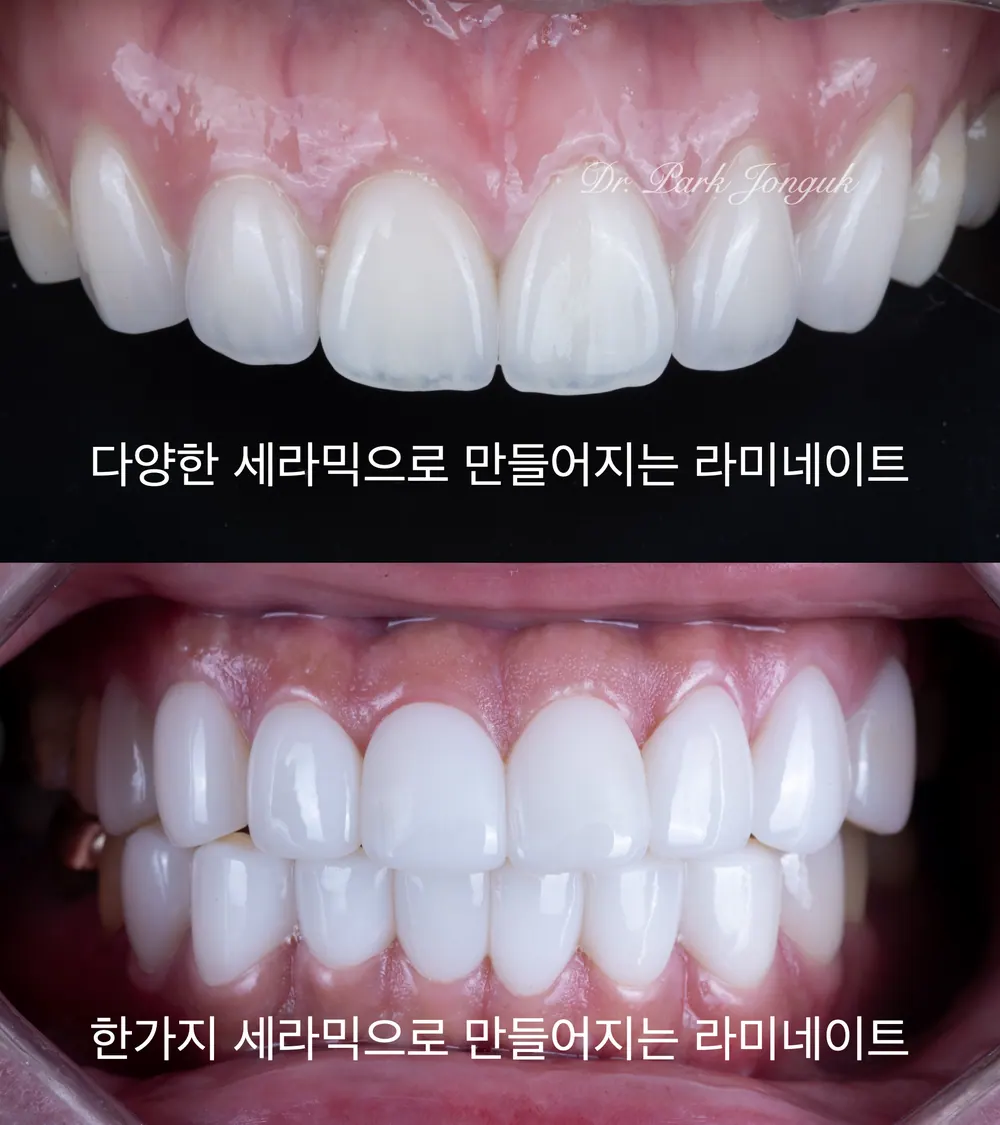
At our clinic, we use a method of building up multiple layers of ceramic one on top of another.
This lets us faithfully reproduce the depth and translucency a natural tooth naturally has,
producing a result so natural that it's indistinguishable from real teeth when you smile.
By contrast, many clinics use only a single type of ceramic to fabricate veneers, in order to save on cost and time.
This approach is fast and simple, but the result inevitably ends up looking flat and artificial.
In other words, even under the same name "veneer," the naturalness and aesthetic quality of the result can vary greatly depending on how it's fabricated.
If you want a natural-looking smile, you need a veneer that accounts for translucency, dimension, and proportion, not just white teeth.
2. The veneer treatment process
A veneer isn't simply a procedure of bonding ceramic onto a tooth;
it can only succeed by going through a systematic process, from pre-treatment diagnosis through fabrication to bonding.
Each stage is closely connected to the others, and neglecting even one step can significantly affect the final result.
① Precision diagnosis (wax-up and mock simulation)
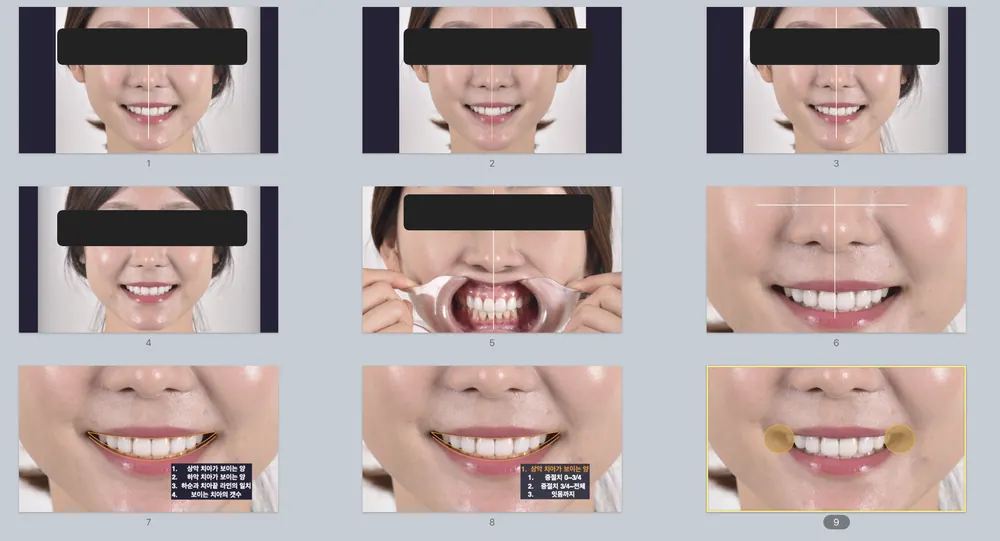
The first step in veneer treatment is precisely diagnosing the patient's current condition.
Starting with the relationship between the face and the teeth,
a detailed analysis is needed of tooth shape, alignment, color, and even the bite (how the teeth meet).
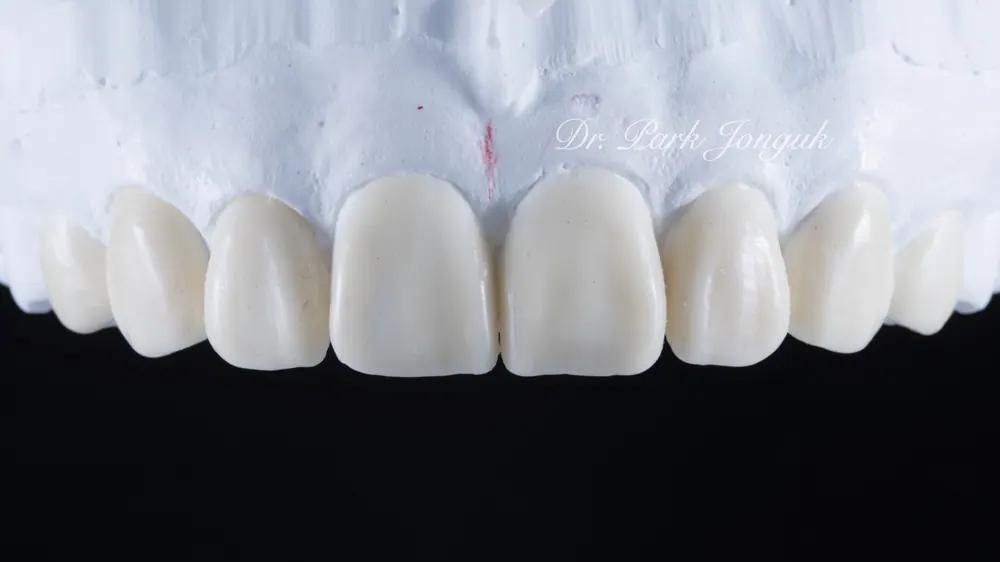
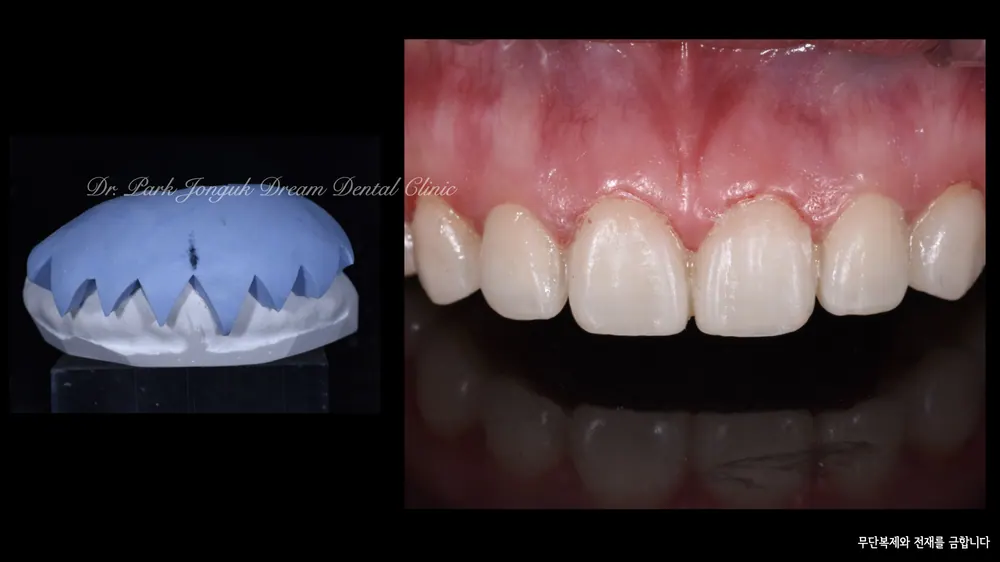
The key here is the wax-up process.
By building up wax on a model to reproduce the final tooth shape,
both the patient and the clinical team can preview what the result will look like before treatment.
A wax-up isn't just a mock-up;
it's an important standard used to decide the actual amount of tooth reduction, and it's also a tool for thorough communication with the patient.
② Tooth reduction (minimal-reduction and no-prep principles)
The most sensitive part of veneer treatment is exactly how much of the tooth is reduced.
Reducing more than necessary can cause tooth sensitivity or make root canal treatment necessary,
and it risks shortening the tooth's lifespan.
So the principle is always minimal reduction, and no-prep veneers whenever possible.
No-prep veneers: cases where the teeth are small or well aligned, allowing a veneer to be bonded on without any reduction.
Minimal-reduction veneers: even when some reduction is unavoidable, it's kept to within 0.1 to 0.5mm to preserve as much of the tooth as possible.
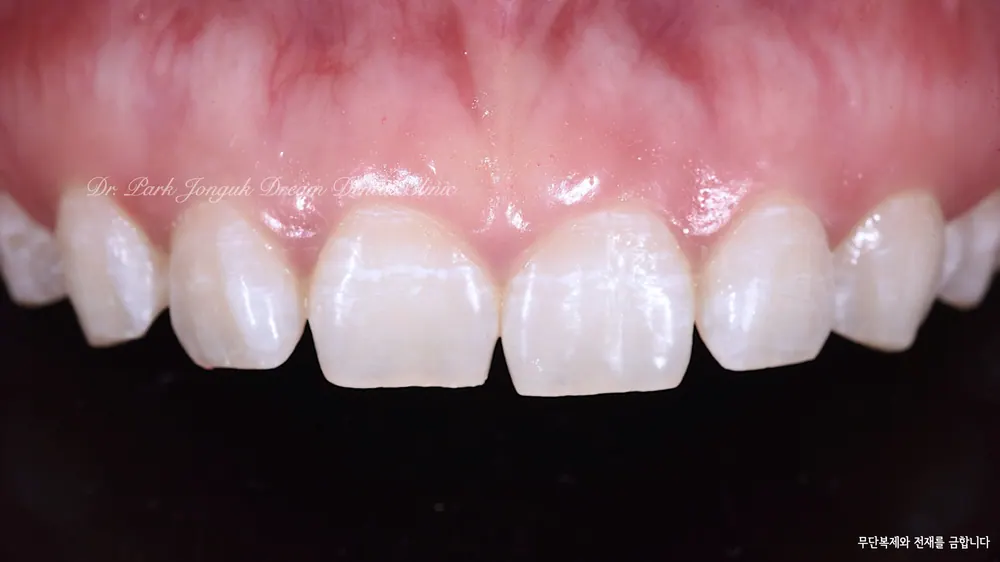
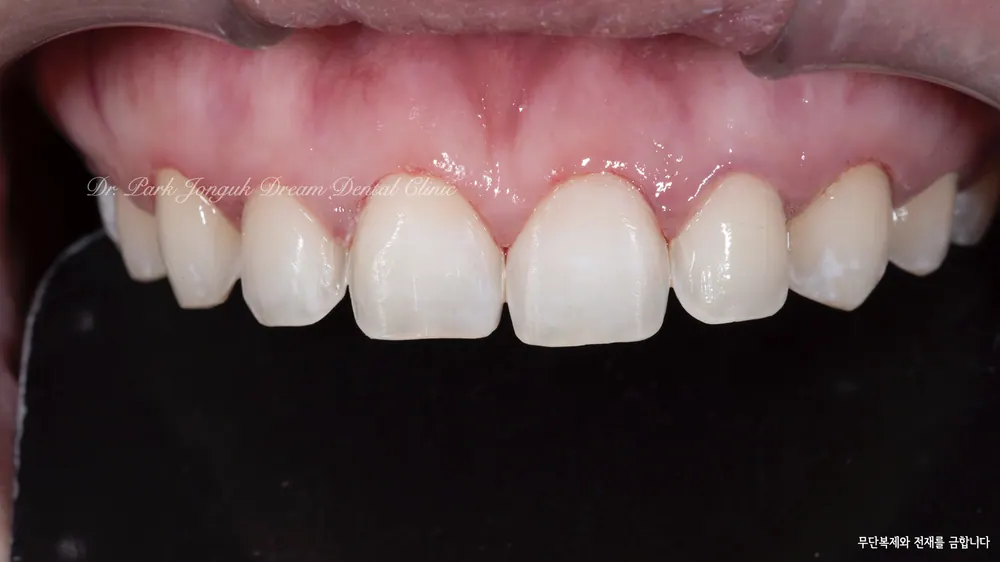
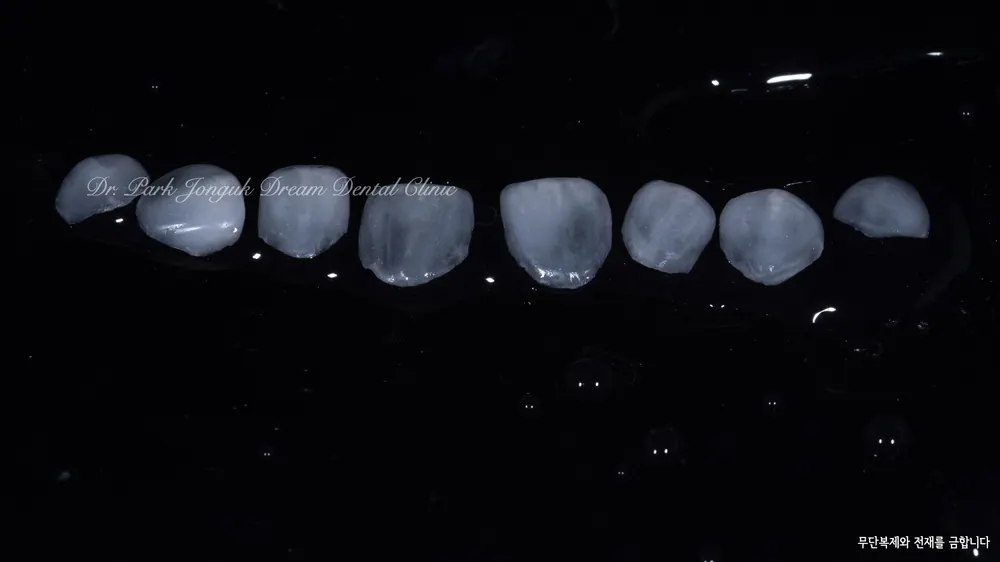
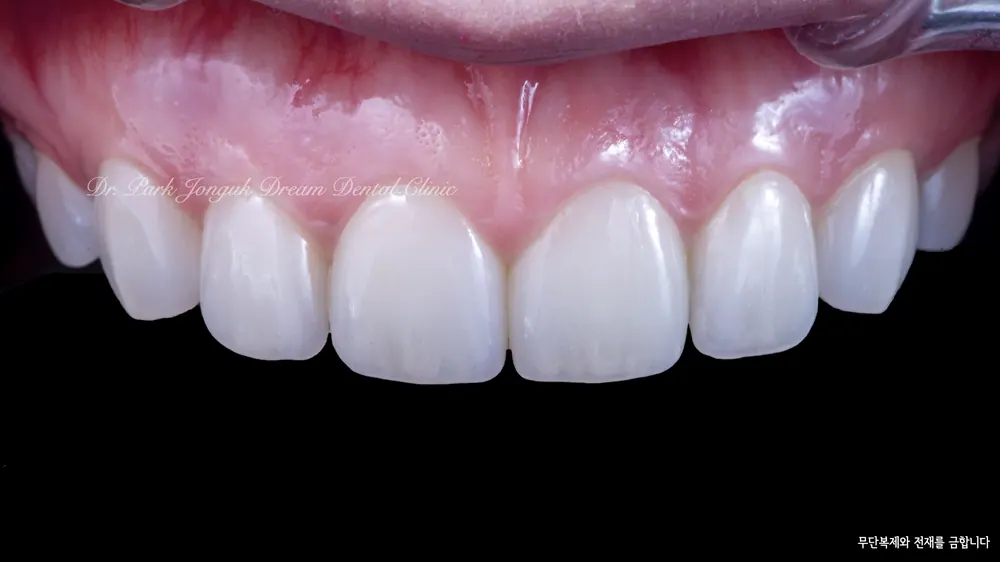
That said, one thing to keep in mind is that simply reducing as little as possible doesn't always produce a good result.
The amount of reduction should be decided based on the diagnosis.
Blanket claims like "our clinic only reduces 0.1mm" or "we only do no-prep" are meaningless and, in practice, impossible.
③ Temporary-teeth consultation
One step clinics often skip is making temporary teeth.
But this process is a crucial moment that determines patient satisfaction.
Actually wearing temporary teeth lets the patient experience the shape, length, and proportions in everyday life.
They can look in the mirror and exchange opinions with the dentist, and even small adjustments can still be reflected.
If this step isn't done thoroughly enough, dissatisfaction can arise after the final veneers are completed.
④ Fabricating and bonding the final veneer
Based on the design confirmed with the temporary teeth, the final veneer is fabricated.
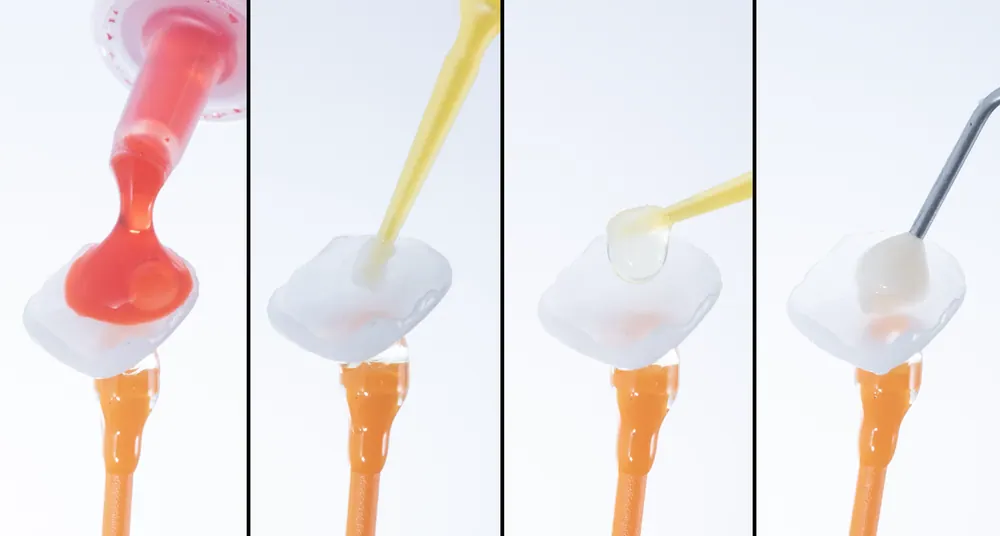
At our clinic, rather than a single layer of one ceramic,
we apply a method that builds up multiple layers of ceramic to bring out translucency and dimension.
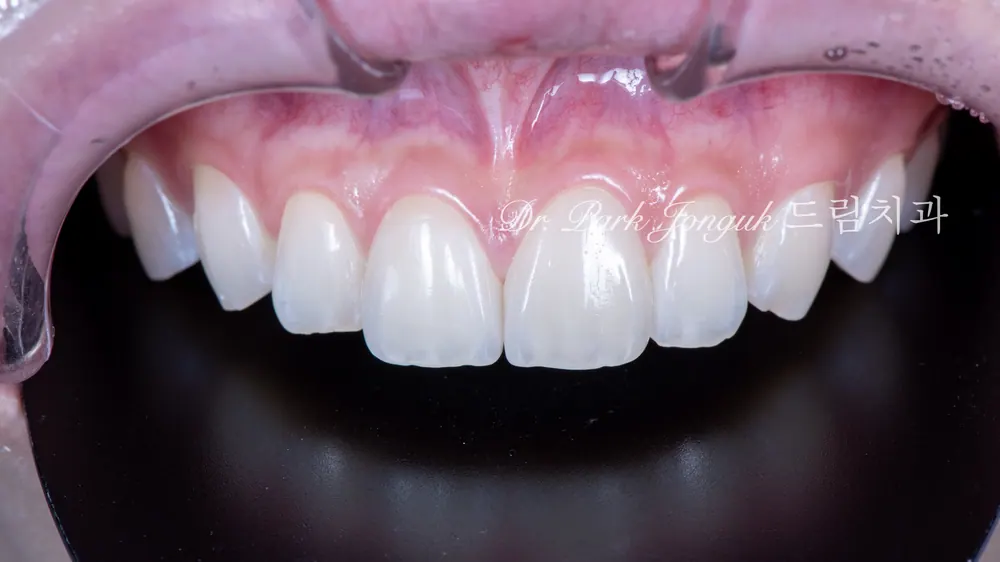
A veneer made this way is almost indistinguishable from a real natural tooth.
The last step is bonding. Unlike tooth reduction, bond strength is what determines a veneer's life or death.
Bonding is done precisely under a microscope, using a special resin cement so the tooth and the ceramic become one.
A strong bond means a longer veneer lifespan and helps prevent problems like discoloration or the veneer coming loose.
Conclusion
A veneer isn't simply a procedure that makes teeth white;
it's a precision aesthetic treatment that restores naturalness and translucency while preserving the tooth.
The treatment process proceeds step by step through diagnosis, reduction, temporary teeth, and final bonding, and the quality of each step determines the final result.
It's especially important not to be fooled by marketing these days that repackages veneers under a different name or emphasizes some special material.
The essence of a veneer is the same everywhere; the real difference lies in precise diagnosis, the minimal-reduction principle, and the experience and skill needed to achieve a natural aesthetic.
Over the past 20 years I have handled countless veneer treatments and retreatments, and I have educated other dentists along the way.
I hope this article gives you an accurate understanding of veneers and helps you choose a clinic more carefully.
Q&A (revised)
Q1. Does a veneer always require reducing the tooth?
A. No. Depending on the condition of the tooth, a no-prep or minimal-reduction approach is also possible. With an accurate diagnosis, an aesthetic result can be achieved while preserving as much of the tooth as possible.
Q2. Different clinics use different names for veneers. Are they different treatments?
A. No. Only the name is different; they're all the same veneer treatment. What matters is the diagnostic process and the fabrication method, not a special name or material.
Q3. What's the average lifespan of a veneer?
A. Based on research and clinical experience, veneers can generally last 10 to 20 years on average. That said, lifespan varies a great deal depending on the patient's oral care habits. Proper brushing, regular scaling, and caution with hard foods (like nuts or bone-in meat) are essential. With good care, they can last more than 20 years.
Q4. Why do some veneers look artificial and unnatural?
A. It's usually because they were made with only a single type of ceramic, or because the diagnosis and design process wasn't thorough enough. Translucency and dimension only come to life when multiple layers of ceramic are built up.
Q5. If I'm not happy with my existing veneers, can I get them redone?
A. Yes, it's possible. A safe removal method using a laser can minimize damage to the tooth, and going through a precise diagnosis before retreatment can achieve a much more natural result.
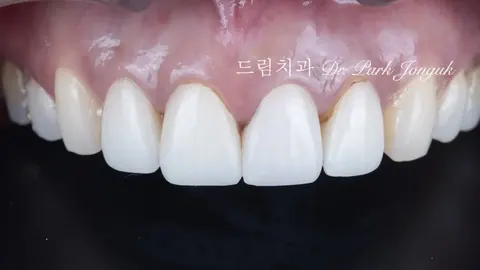
This article is a clinical note written by Dr. Park Jonguk of Dream Dental Clinic, Gangnam; the original was published on his blog. The photographs shown are real cases he treated. Results vary with each patient’s condition, and every procedure carries the possibility of individual variation and side effects.
Quick Consult
Request a Callback
Leave your number and we will call you back during clinic hours.
Request Received
We will contact you during clinic hours. For urgent matters, please call +82-2-3448-0028.