
Veneers vs. All-Ceramic Crowns: What's the Difference, and Which One Fits My Case?
As you look into aesthetic treatment for the front teeth, you end up weighing veneers against all-ceramic crowns.
Both treatments naturally transform the front teeth, but they take different approaches.
Veneers are an aesthetics-focused method that thinly attaches a layer only to the front surface of the tooth,
while an all-ceramic crown is a method that covers the entire tooth.
If there's little tooth damage and you only want to improve the color and shape, veneers can be suitable,
and if the tooth needs its strength reinforced due to root canal treatment or a large cavity, a crown may be more suitable.
Neither one is always the better option. Which one fits depends on the case.
What's the biggest difference between veneers and all-ceramic crowns?
The biggest difference is "how much of the tooth is covered."
Veneers are an aesthetic treatment that thinly shapes the front surface of the tooth and attaches a thin piece of ceramic to improve its color and shape.
An all-ceramic crown is a treatment that covers the entire tooth with a ceramic prosthesis to restore its shape and function.
In other words, veneers are the concept of "adding a layer to the front," while a crown is the concept of "wrapping around the whole tooth."
This difference is where most of the other differences come from: the amount of reduction, suitable cases, and reversibility. The table below summarizes it at a glance.
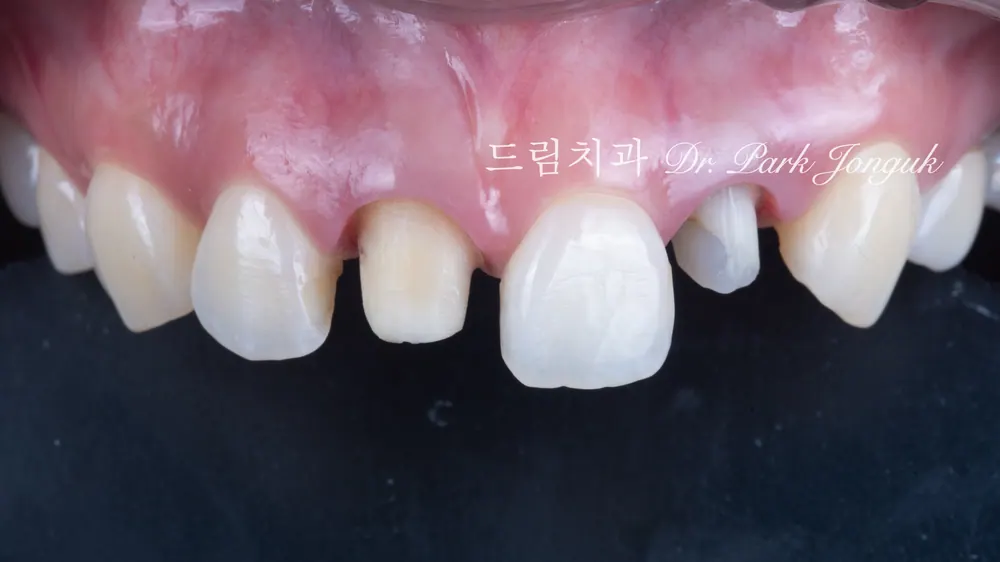
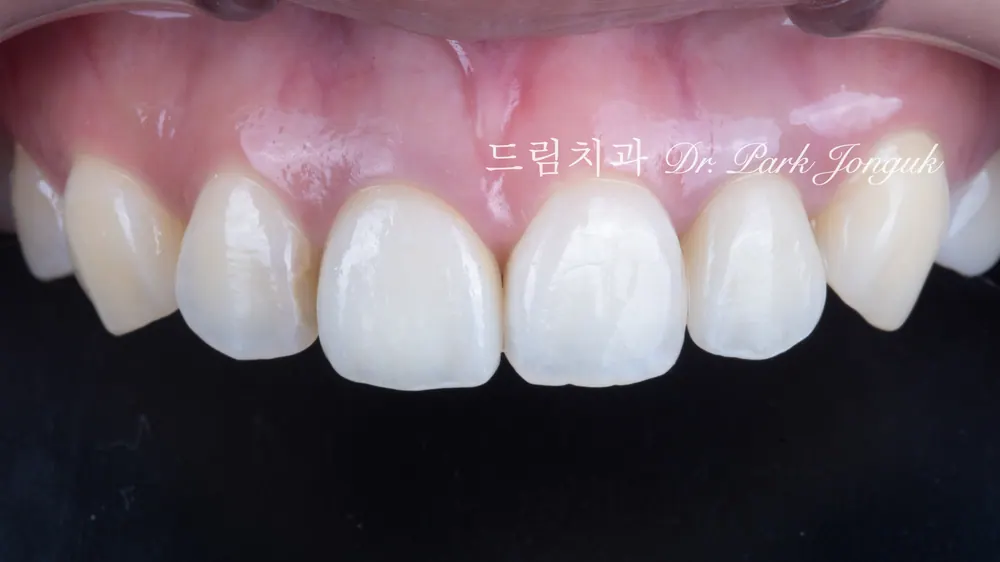
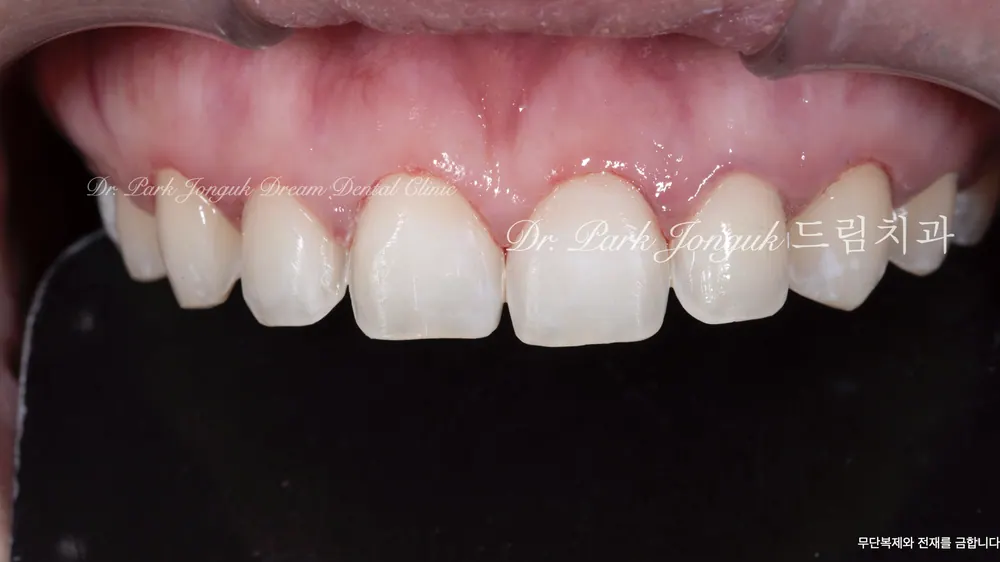
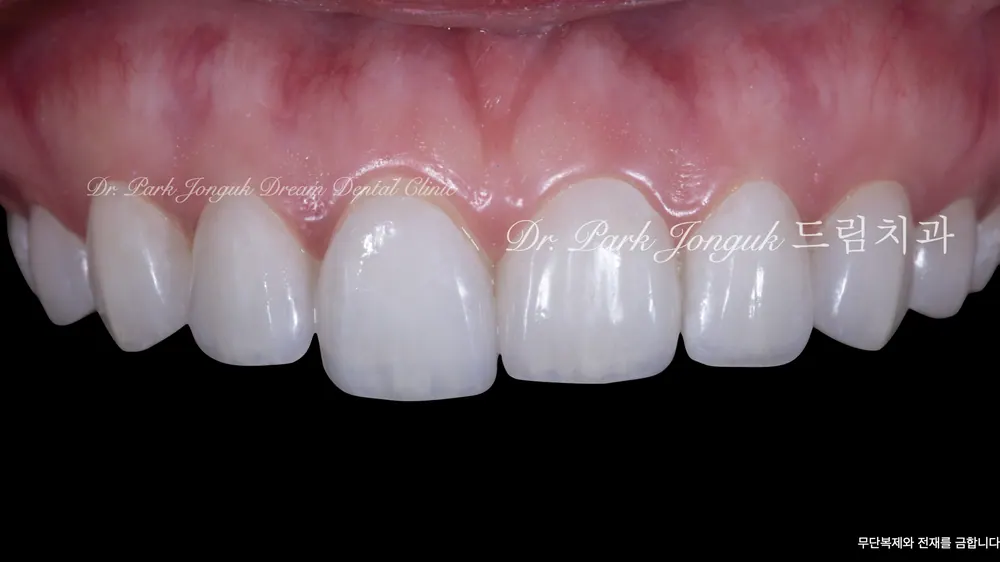
How much of the tooth gets cut down? (Comparing the amount of reduction)
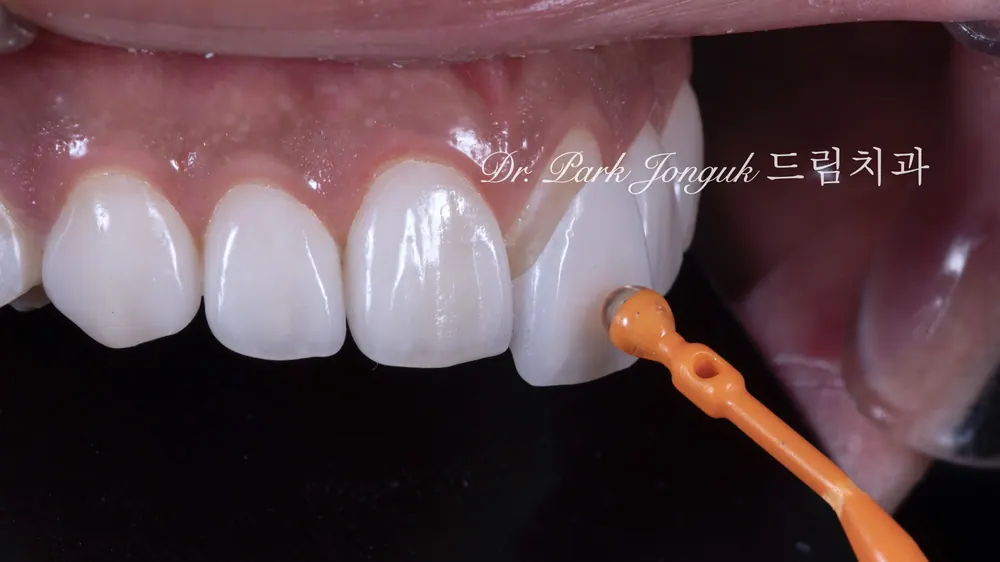
Generally, veneers require less reduction than an all-ceramic crown.
Veneers only thinly shape the front surface of the tooth, preserving relatively more of the natural tooth.
A crown, on the other hand, has to wrap around the entire tooth, so more of it gets shaped on all sides.
That said, the amount of reduction for veneers can also vary depending on the tooth's condition, so the exact amount needs to be confirmed through diagnosis.
In which cases are veneers suitable, and in which cases is a crown suitable?
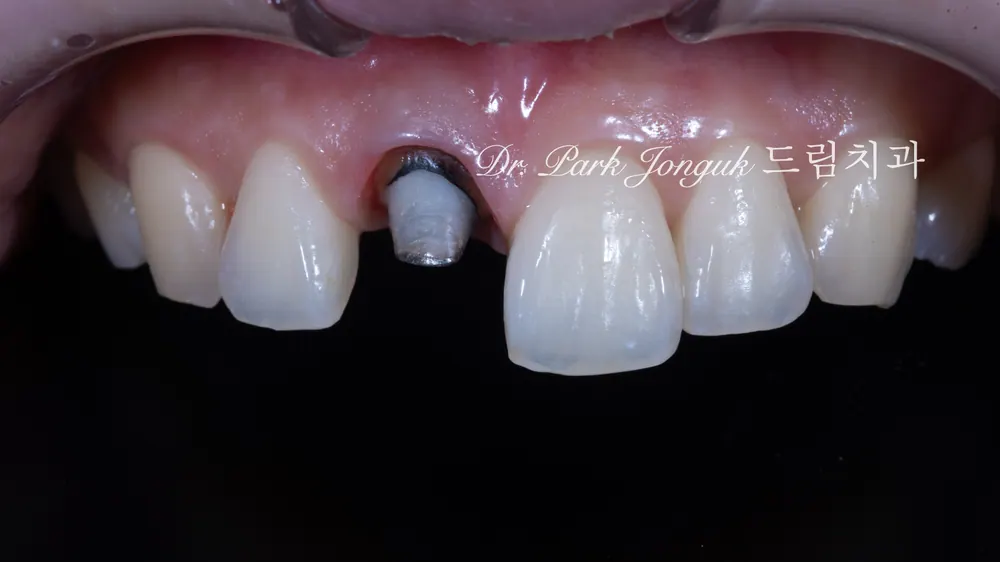
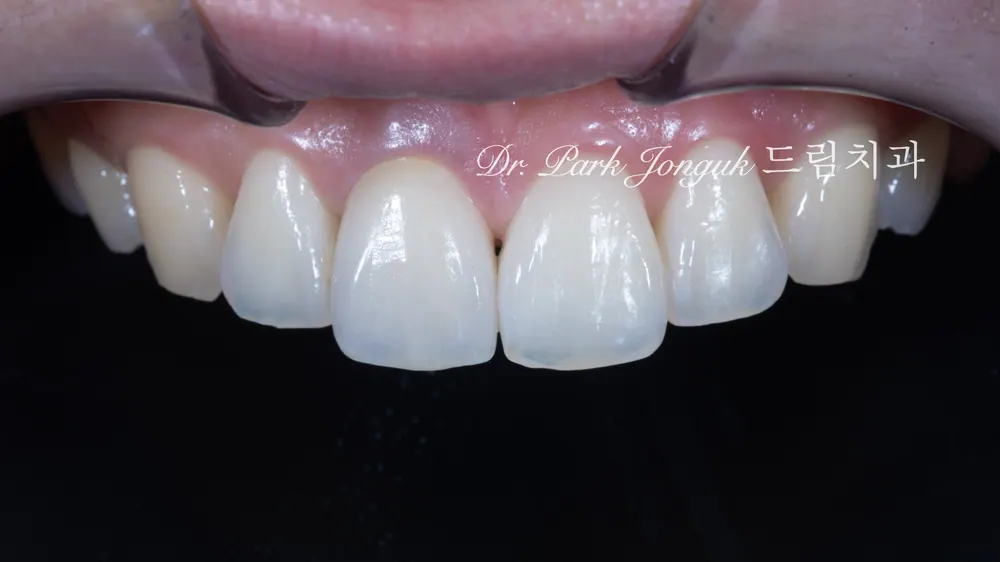
If you only need to improve the color and shape and the tooth is healthy, veneers can be suitable,
and if strength reinforcement is needed, a crown may be suitable.
For healthy teeth with issues like gaps between teeth, mild discoloration, or a small shape improvement, veneers fit well.
Conversely, if the tooth has had root canal treatment, has a large cavity, or is significantly broken, a crown that also reinforces strength may be more suitable.
The standard I've settled on after 20 years of treating and lecturing on veneers exclusively is
not to push a procedure I'm confident in when it isn't the right fit.
For a tooth that needs strength reinforcement, I recommend a crown over veneers.
The standard for choosing isn't "which is better" but "what fits this particular tooth."
How do lifespan and durability differ?
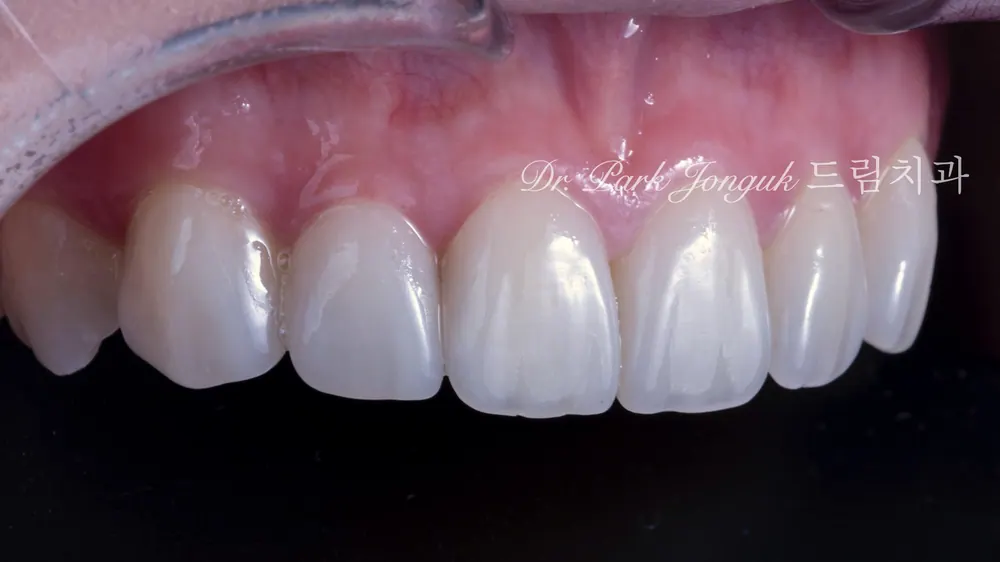
A crown wraps around the entire tooth, which is advantageous for reinforcing strength, but it's hard to state its lifespan definitively.
Because veneers are thin, they're more affected by the bite and lifestyle habits,
while a crown, wrapping the whole tooth, is better at distributing force.
That said, the actual length of time either one lasts varies a lot between individuals, depending on how well it's cared for and how well the initial treatment was done.
How do cost and maintenance differ?
Cost varies depending on the method and materials used, and the maintenance points also differ.
The two treatments use different materials and fabrication methods, so there can be a difference in cost.
In terms of care, veneers require caution around hard foods or teeth grinding, while for crowns, care of the margin where it meets the gum and regular checkups are important.
Once it's done, can it be reversed?
Generally, veneers, which involve less reduction, leave more room to be reversed than crowns.
Veneers are relatively conservative, so there's comparatively more room to adjust things later depending on the situation.
A crown, on the other hand, shapes much more of the tooth, so it's difficult to return it to its original state.
Frequently Asked Questions (Q&A)
Q1. My front tooth is chipped, can it be fixed with veneers?
It depends on how badly it's chipped. For partial damage, veneers may work, but if the damage is extensive or affects the nerve, a crown may be more suitable.
Q2. What's right for a front tooth that's had root canal treatment?
In many cases, strength reinforcement is needed, so a crown is often suitable. That said, it varies depending on the tooth's condition, so it needs to be confirmed through diagnosis.
Q3. Are veneers a better treatment than crowns?
Neither one is always better. Which one fits depends on the condition of the tooth and the purpose of treatment.
Q4. Do both look natural?
Both methods aim for a natural-looking result. That said, the outcome varies between individuals depending on the tooth's condition and the design.
Key takeaways
• Veneers add a layer only to the front surface, while an all-ceramic crown covers the entire tooth.
• Veneers generally require less reduction and also allow for greater reversibility.
• For improving the color and shape of a healthy tooth, veneers can be suitable; when strength reinforcement is needed, a crown can be suitable.
• Lifespan and cost vary between individuals depending on materials and care, so they're hard to state definitively.
• The most accurate way to know which choice fits you is a direct examination and diagnosis.
In closing
Veneers and all-ceramic crowns aren't a matter of one being superior. It's a matter of "what fits my teeth."
If you're unsure which treatment is right for you, I recommend having your current tooth condition checked directly and making the decision after a thorough consultation.
Dream Dental Clinic | 2nd Floor, 841 Nonhyeon-ro, Gangnam-gu, Seoul (Apgujeong Station Exit 4)
Written by: Park Jonguk, Director (M.S. / 20 years of clinical experience in veneers, author of Korea's first veneer textbook 『최소 삭제를 위한 라미네이트 임상』, gives 30-40 veneer lectures a year)
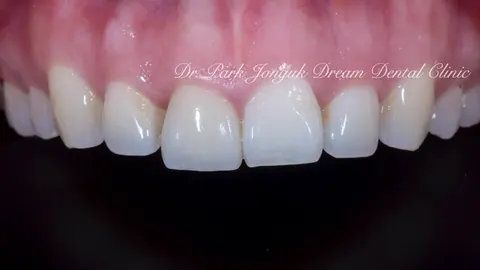
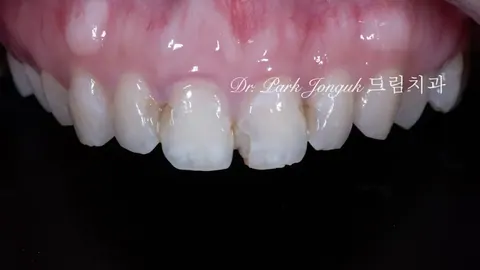
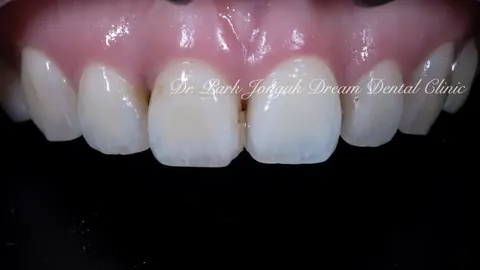
This article is a clinical note written by Dr. Park Jonguk of Dream Dental Clinic, Gangnam; the original was published on his blog. The photographs shown are real cases he treated. Results vary with each patient’s condition, and every procedure carries the possibility of individual variation and side effects.
Quick Consult
Request a Callback
Leave your number and we will call you back during clinic hours.
Request Received
We will contact you during clinic hours. For urgent matters, please call +82-2-3448-0028.