
Veneer Treatment After Orthodontic Treatment!
Hello, I am Park Jonguk, Director of Lamista Academy and director of Dream Dental Clinic.
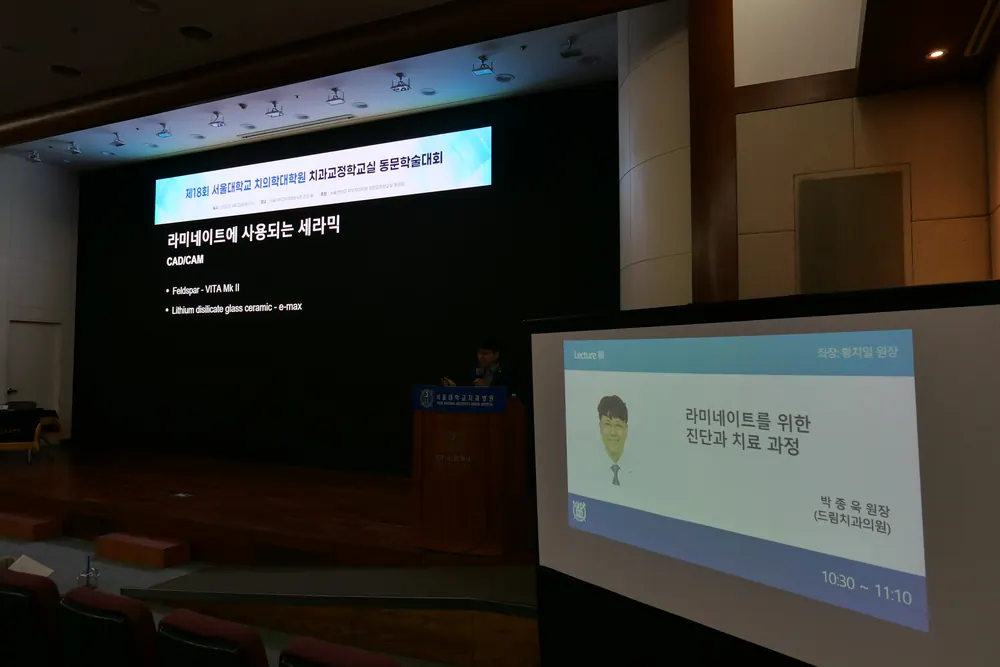
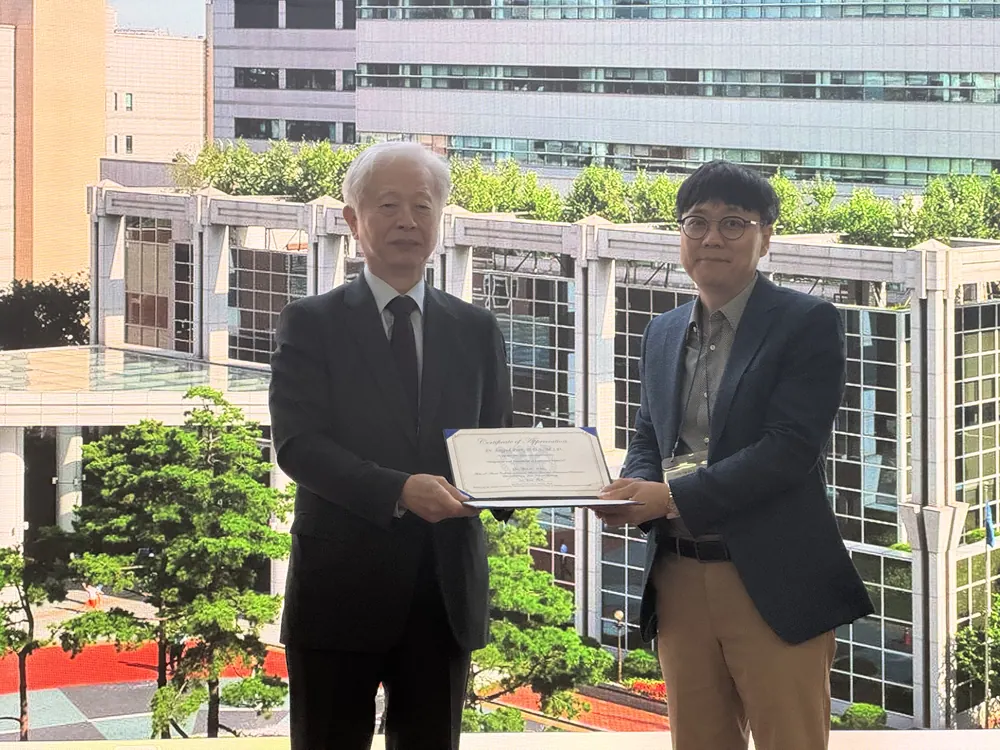
On April 20, at the Seoul National University Dental Hospital Orthodontics Alumni Academic Conference held at Seoul National University Dental Hospital,
I gave a lecture on the topic of orthodontics and veneers.
There is considerable demand for veneer treatment after orthodontic treatment.
I'm considering someday opening a veneer course for orthodontic specialists as well.
The advantage of getting veneers after orthodontic treatment is that
since the teeth are already well aligned,
the amount of tooth reduction can be reliably reduced.
Many patients struggle with deciding between orthodontics and veneers, but
in most cases, when veneers are done after orthodontic treatment,
tooth reduction can be reduced, and
the best results can be achieved as well.
Let's look at the cases where veneer treatment is needed after orthodontic treatment.
1. Issues with tooth color, size, and shape
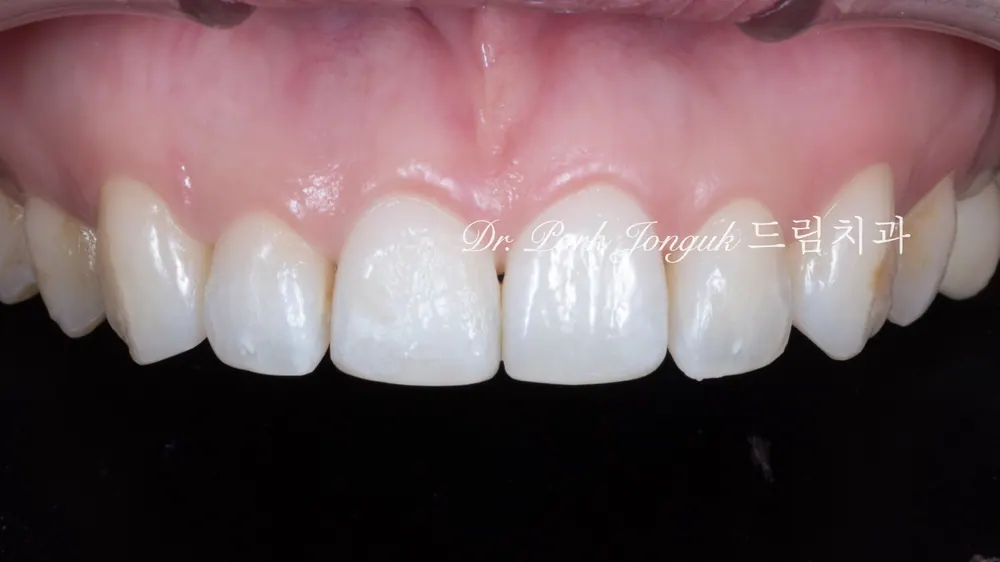
No matter how well orthodontic treatment goes,
it cannot change the color and shape of the teeth.
If the teeth still don't look even after orthodontic treatment,
it's often because there's an issue with the shape of the teeth.
This patient also came in with that kind of problem.
Among cases that need veneers after orthodontic treatment,
issues with tooth shape like this are the most common.
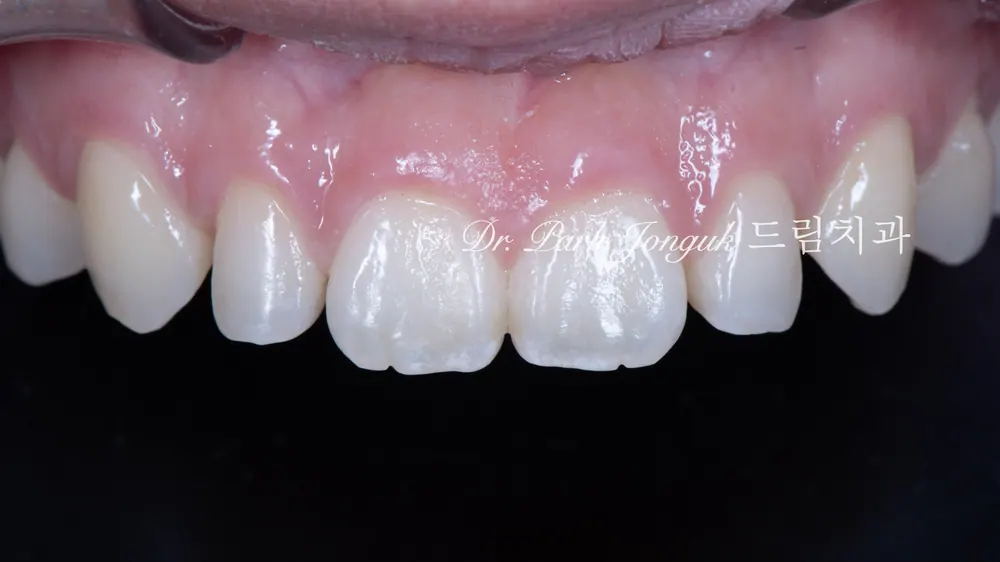
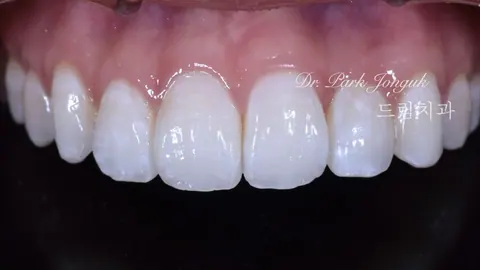
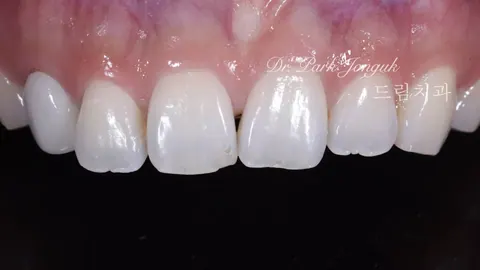
As shown in the photo above, in addition to shape issues,
there is also a size issue called microdontia (peg-shaped or undersized teeth).
Microdontia usually occurs most often in the lateral incisor next to the central incisor,
and it's a classic example of a case that doesn't improve aesthetically even after orthodontic treatment.
2. Retroclined teeth
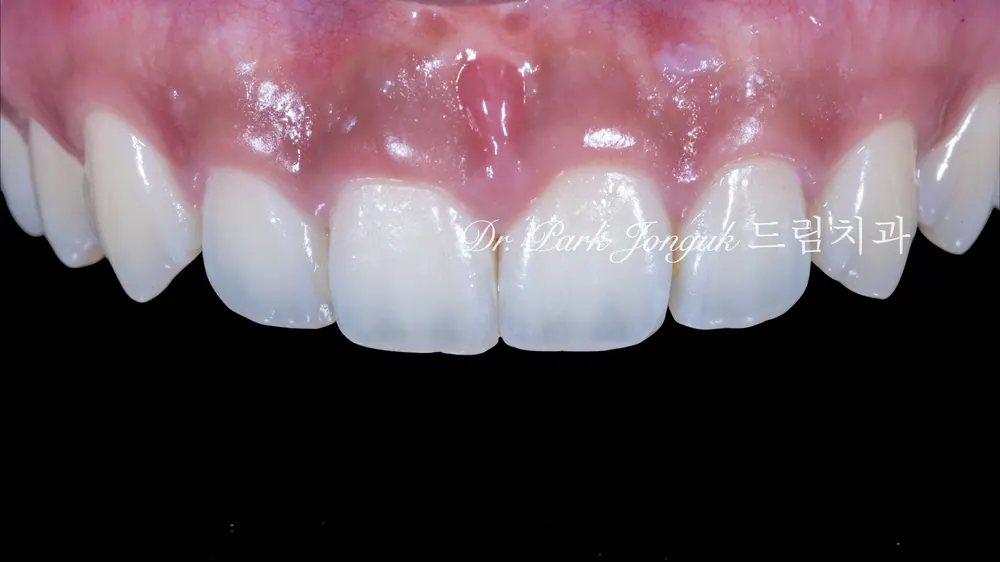
Some patients find their retroclination gets worse after orthodontic treatment.
For patients who are borderline candidates between extraction and non-extraction orthodontics,
choosing extraction orthodontics carries a higher chance of ending up retroclined, as in the case above.
This is another example of alignment that is good but not aesthetically pleasing.
3. Black triangles
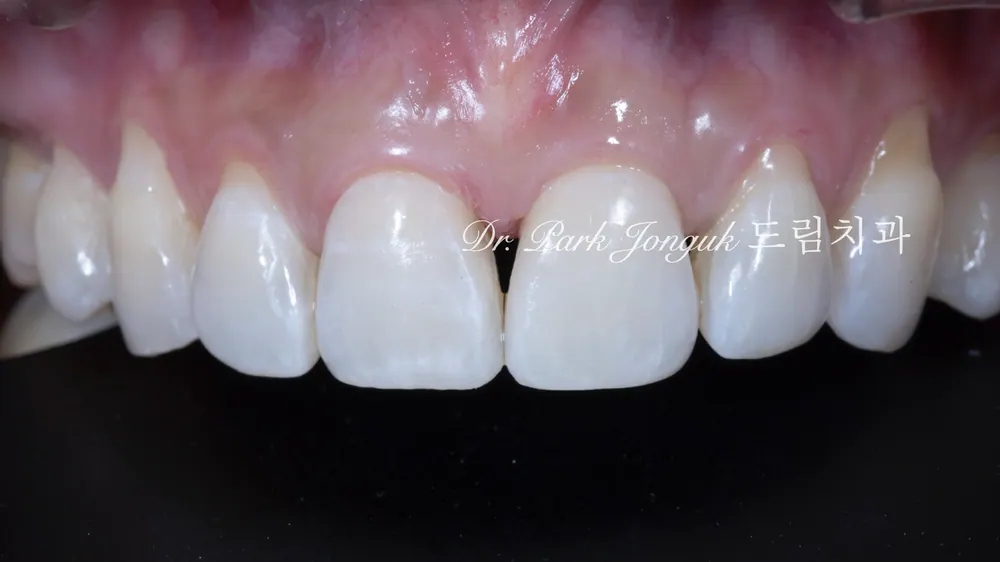
Black triangles like this occur frequently, especially after adult orthodontic treatment.
Various treatment methods have been developed, but
it remains one of the hardest aesthetic problems to treat.
Recently, among patients coming in for veneers after orthodontic treatment,
this accounts for the largest share.
4. Tooth axis
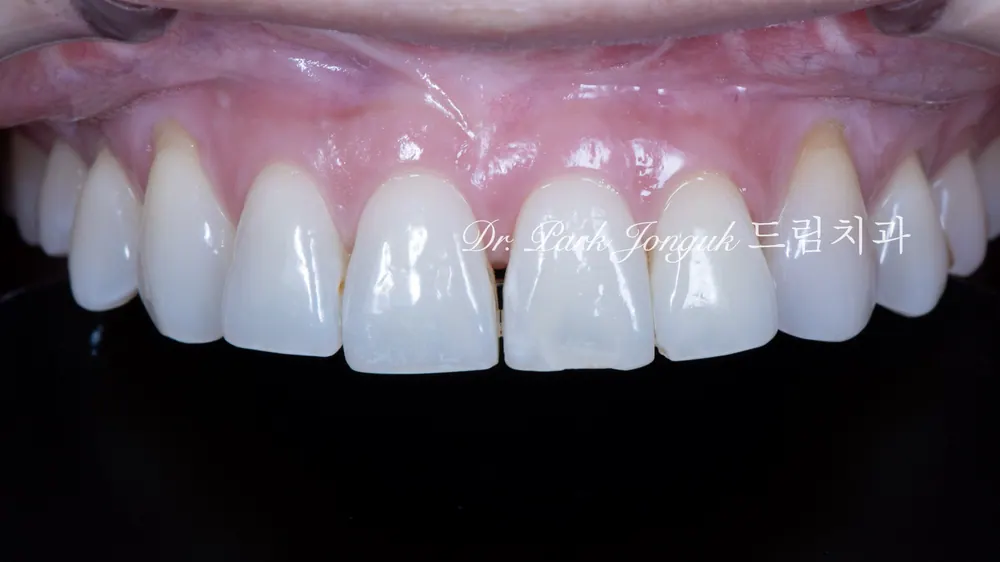
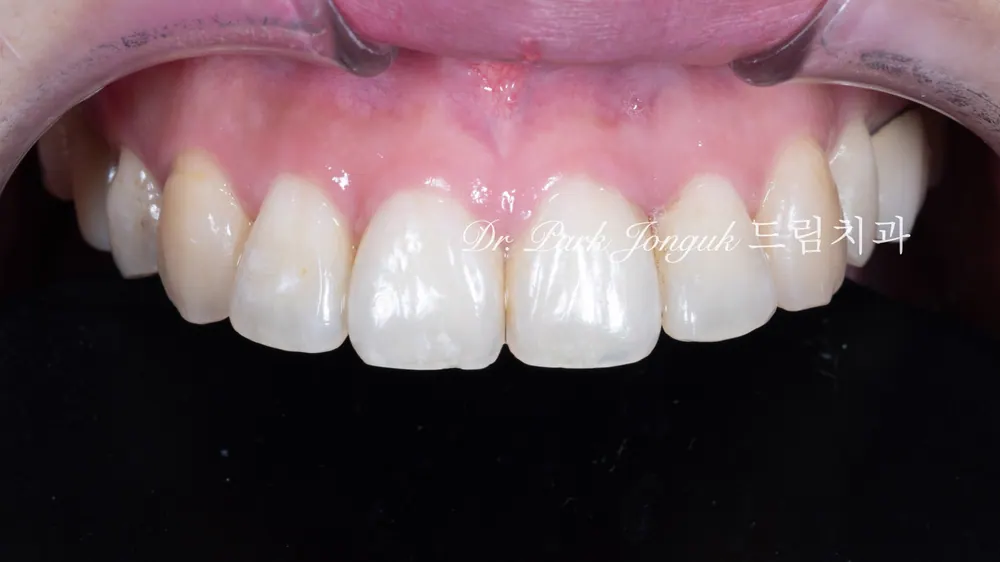
Both cases show the result after orthodontic treatment was finished.
Something looks aesthetically off, doesn't it?
It's an issue with the axis of the teeth.
Teeth being aligned and the tooth axis being aesthetically pleasing are two separate issues.
This kind of problem is usually caused by a size discrepancy between the upper and lower jaw,
and it can occur when the lower jaw is too large or the upper jaw is too small.
If orthodontic treatment is done at a young age, this problem can be resolved through arch expansion, but
there are limitations in adult orthodontic treatment.
On how these various post-orthodontic problems can be solved with veneers,
I gave a lecture at the Seoul National University Orthodontics Alumni Academic Conference on April 20, and
I'm also scheduled to lecture at Lamista Academy on April 26.
Since the April 26 lecture is already full,
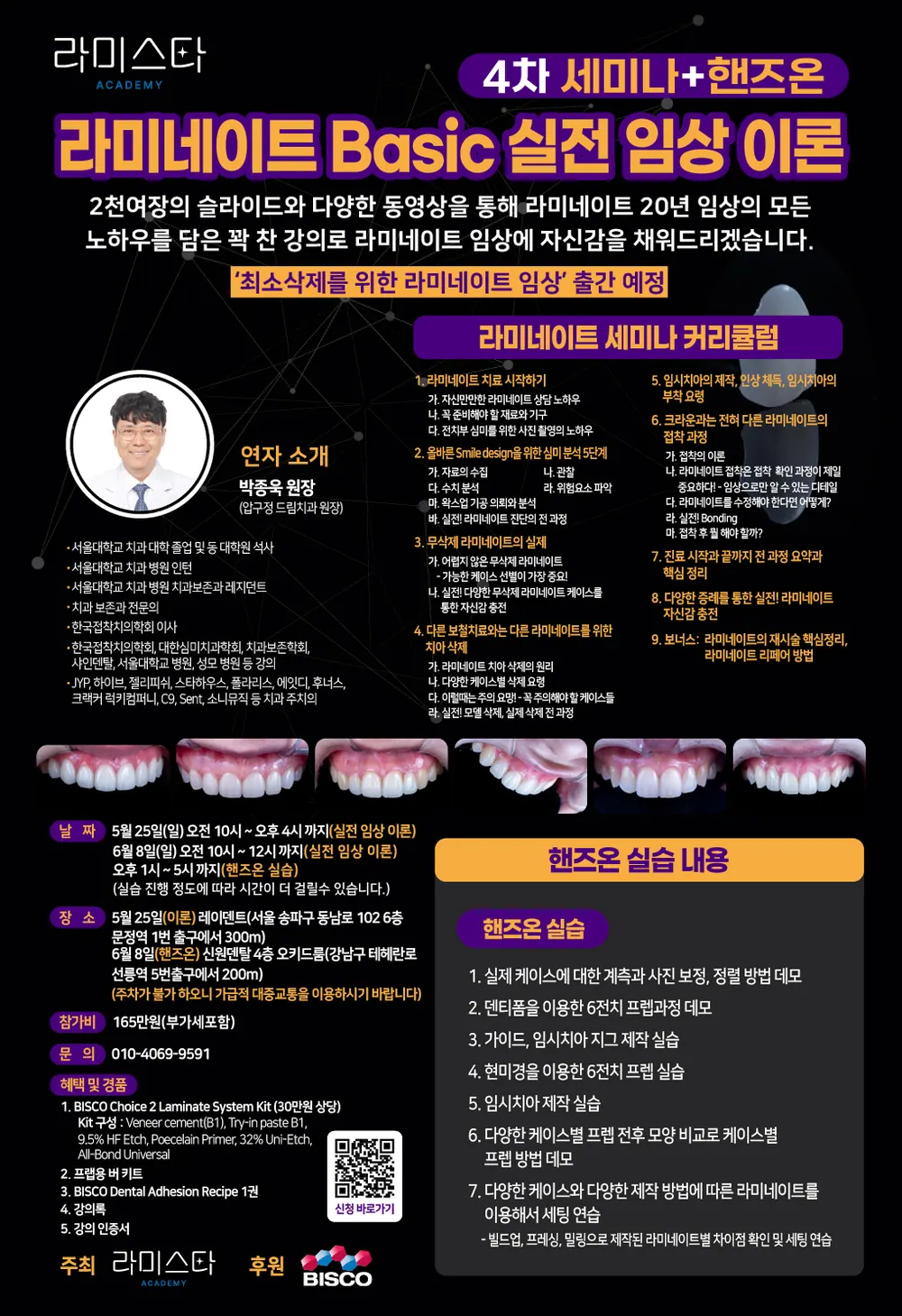
here is information about the May lecture.
This article is a clinical note written by Dr. Park Jonguk of Dream Dental Clinic, Gangnam; the original was published on his blog. The photographs shown are real cases he treated. Results vary with each patient’s condition, and every procedure carries the possibility of individual variation and side effects.
Quick Consult
Request a Callback
Leave your number and we will call you back during clinic hours.
Request Received
We will contact you during clinic hours. For urgent matters, please call +82-2-3448-0028.