
Veneer Results by Fabrication Method
Hello, I'm Park Jonguk, director of Dream Dental Clinic and director of Lamista Academy, where I teach veneer techniques to dentists.
In the previous two posts, I talked about veneer fabrication methods.
Among veneers made this way,
I recommend that dentists choose the build-up method whenever possible.
These days, as the same-day method has become far too common,
more and more veneers are being made quickly, in bulk, and cheaply, rather than with esthetics in mind,
and it seems that overly artificial, awkward-looking veneers have become the standard.
I believe this is clearly the fault of dentists.
Patients sometimes even come to believe that such awkward veneers represent the limits of what veneers can achieve.
In particular, even though it's the same veneer treatment,
more and more clinics advertise that they have their own special materials or methods and give it a different name,
which seems to be adding to this misconception.
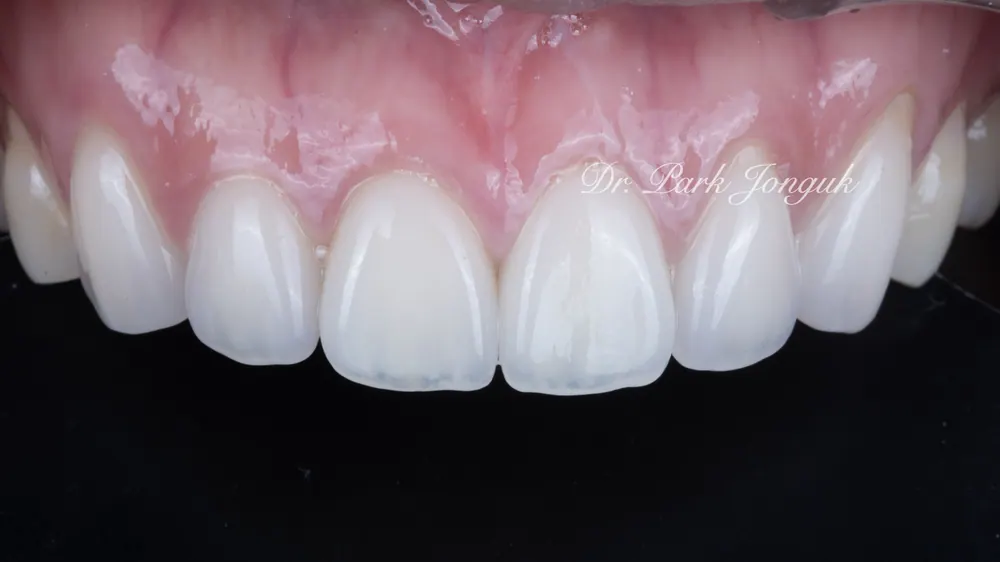
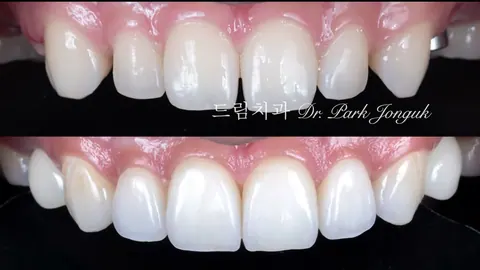
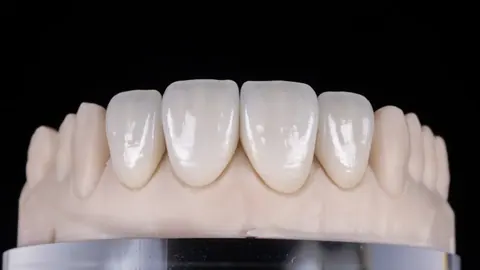
This is a natural-looking veneer made with the build-up method.
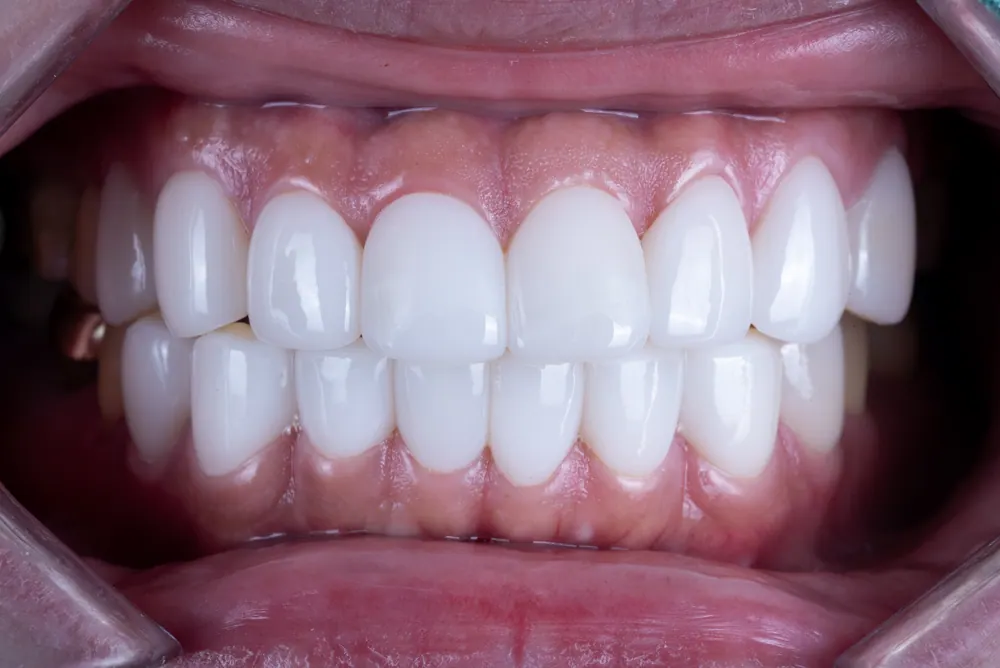
This is an artificial-looking veneer made with the same-day method.
Of course, the veneer below is far simpler to make,
but any dentist who intends to provide esthetic treatment
should give top priority to the build-up method.
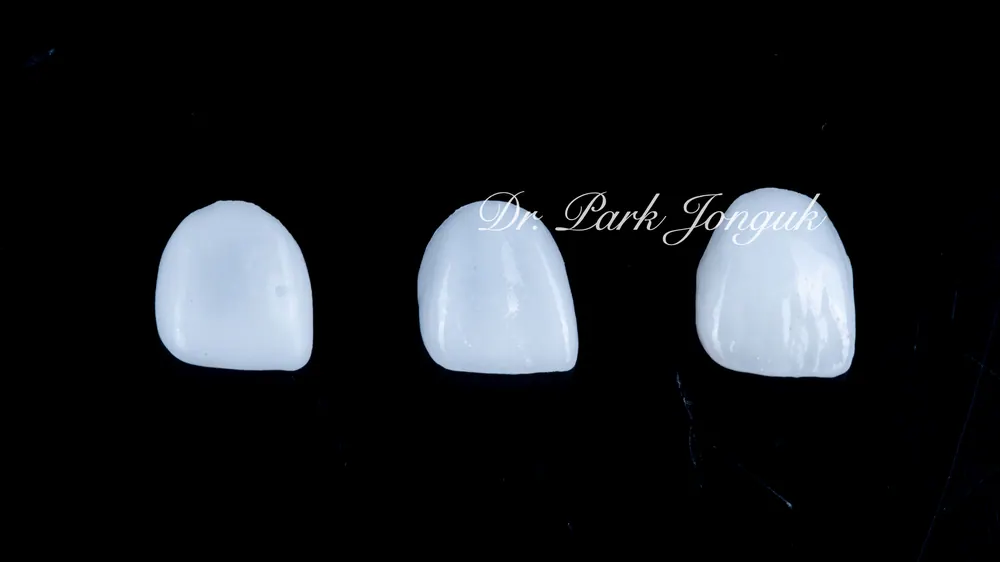
From the left: a veneer made using the same-day method,
the middle one made using a process called pressing,
and the one on the far right made using the full build-up method.
If you check the link at the top, you'll be able to tell which process was used for each.
Our clinic has all the equipment needed to fabricate veneers using every one of these methods.
The same-day method, meaning the one fabricated by computer using CAD/CAM,
not only produces results that aren't esthetically pleasing,
but also fits the teeth poorly.
Even now, technical limitations make it difficult to fabricate very thin veneers this way.
The problem is that most clinics use this method,
and since I introduce dentists to dental labs skilled in the build-up method through Lamista Academy,
I think it's a good idea for dentists to experience various fabrication methods after the seminar before deciding.
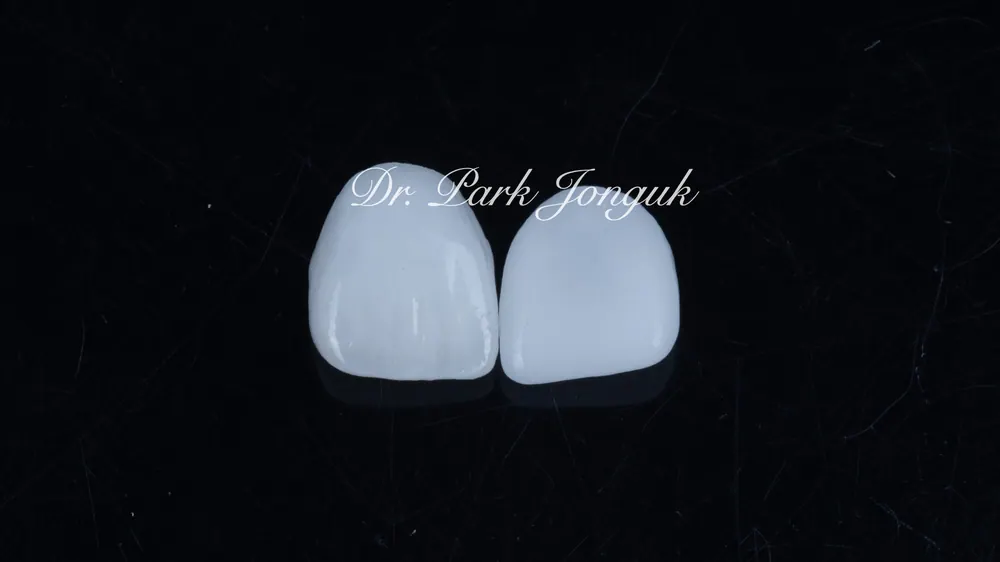
On the left is the build-up method, and on the right is the same-day method.
There's a big difference in expressiveness and translucency.
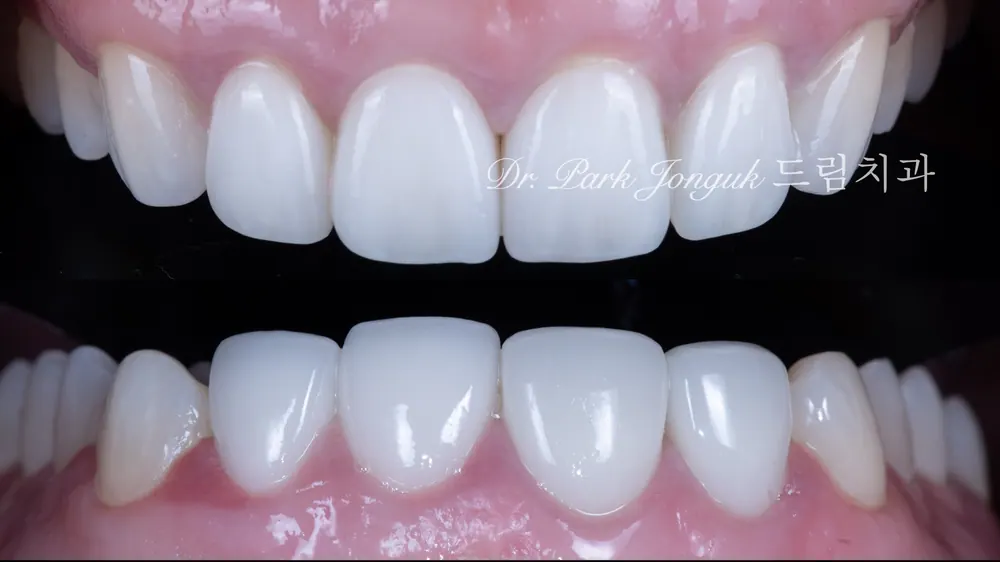
From a veneer without build-up to one with build-up,
this is a case where the veneer was redone.
You can see many teeth showing a marked difference in naturalness before and after.
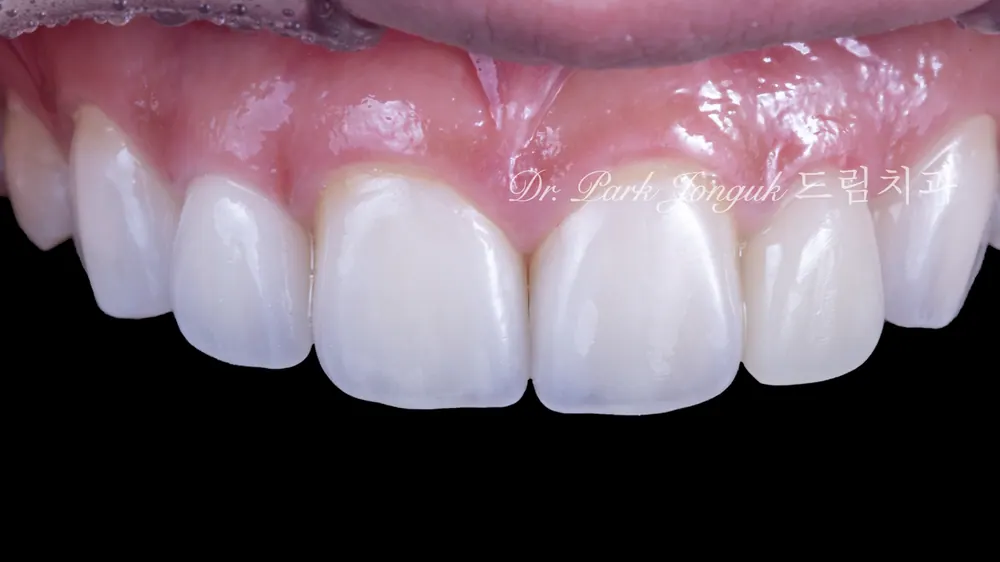
All the other teeth were made with the build-up method,
but the single tooth shown on the right was made with the same-day method.
In this way, the fabrication method plays an important role in esthetics.
It's very important for dentists to thoroughly understand these fabrication methods, grasp their pros and cons, and choose accordingly.
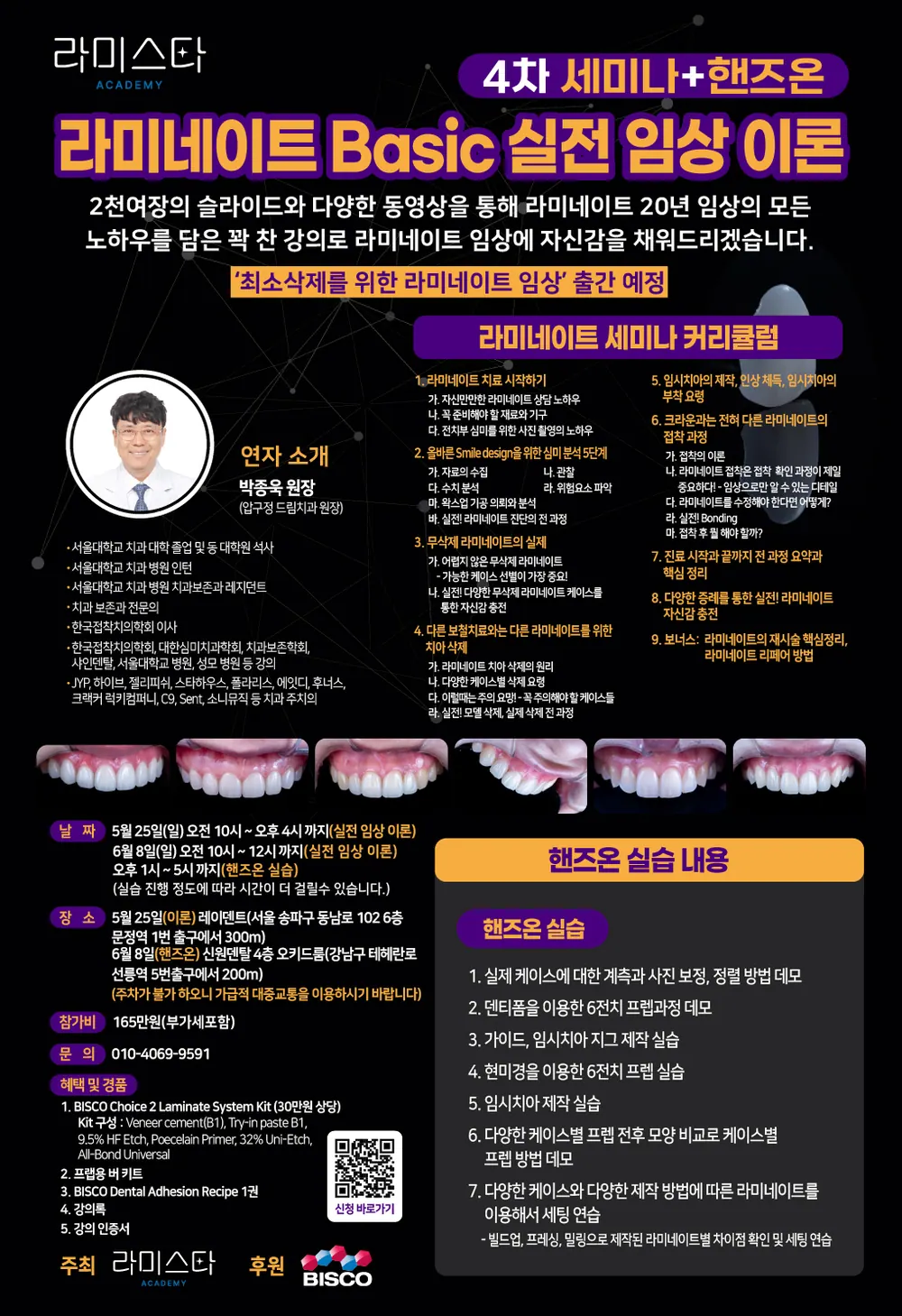
This is the May Lamista Academy seminar.
It's being held together with hands-on training.

On 4/20, I gave a veneer lecture at the Seoul National University Orthodontics Alumni Academic Conference.
This article is a clinical note written by Dr. Park Jonguk of Dream Dental Clinic, Gangnam; the original was published on his blog. The photographs shown are real cases he treated. Results vary with each patient’s condition, and every procedure carries the possibility of individual variation and side effects.
Quick Consult
Request a Callback
Leave your number and we will call you back during clinic hours.
Request Received
We will contact you during clinic hours. For urgent matters, please call +82-2-3448-0028.