
Veneer Redo: Why She Had It Redone Just One Month Later
Hello, I'm Park Jonguk, director of Dream Dental Clinic in Apgujeong.
Today I want to introduce a case where a patient received veneer treatment at another clinic and came in for a redo just one month later.
One month after her veneers, it still felt far too unnatural.
This patient had received veneer treatment at another clinic.
But just one month in, she came to our clinic for a redo because it looked so unnatural and artificial, with her front teeth looking too large.
It's genuinely unfortunate that she was already considering a redo after only a month of treatment.
The patient told me, "Ever since the treatment, every time I looked in the mirror it stressed me out," and "it looked so artificial and my teeth looked so big that I didn't even want to smile."
Before treatment, the problems were clear
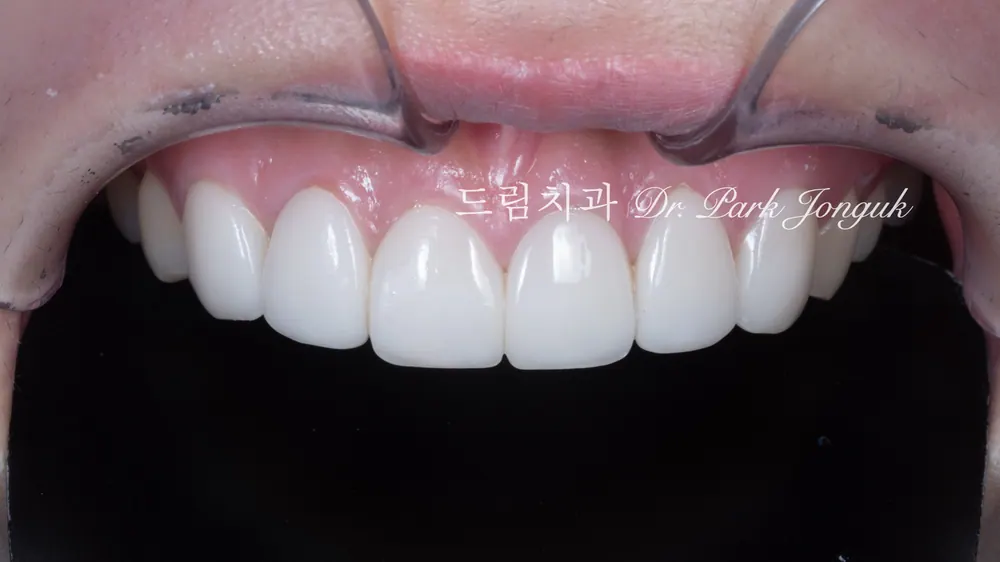
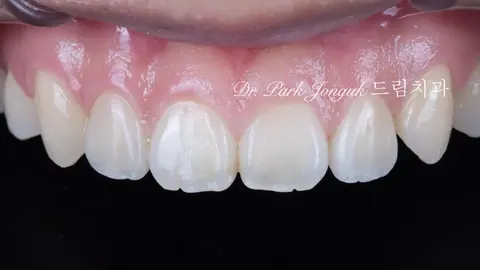
Photo 1 is from her initial visit.
The problems are visible at a glance.
The teeth are too large
The front teeth as a whole are too big.
In particular, all four front teeth are made almost the same size.
In a natural set of teeth, the central incisors should be the largest and the lateral incisors a bit smaller, but that proportion is completely absent here.
It looks far too artificial
The teeth are uniform and monotonous.
There's no natural shape or individual character.
It's almost like tiles had been glued on.
There's no translucency
They're opaque and dull.
The translucency of natural teeth is completely absent.
Designing the precise proportions with a wax-up
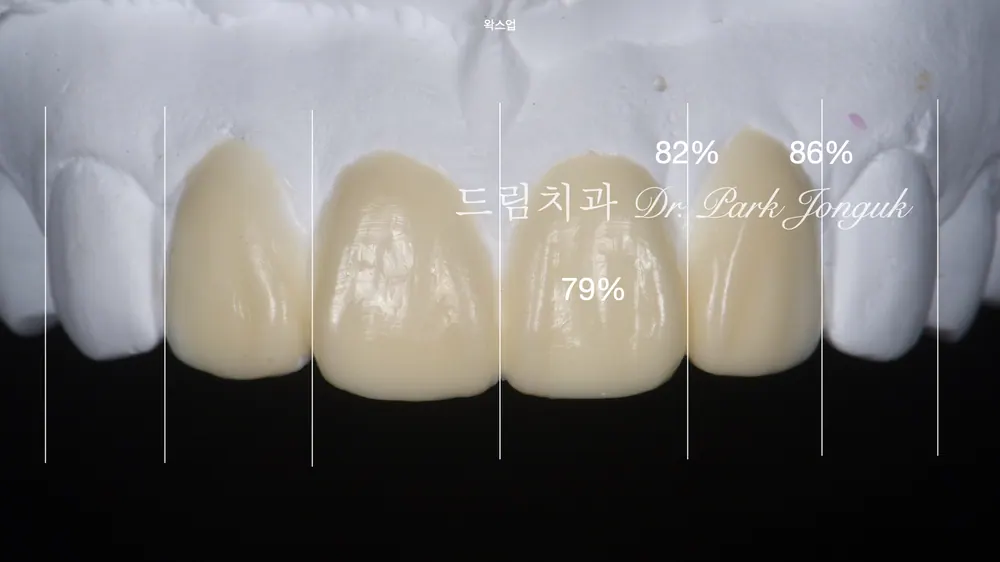
Photo 2 shows the wax-up diagnostic process.
Dr. Park Jonguk of Dream Dental Clinic in Apgujeong carried out a precise analysis.
Getting the proportions right matters
The most important thing is proportion.
We established a natural size relationship between the central and lateral incisors.
The central incisor was made an appropriate size, and the lateral incisor was made slightly smaller than the central incisor.
The ratio of tooth width to length was also naturally adjusted.
This kind of harmonious proportion is what creates a natural smile.
Deciding to redo only 4 of the 6 veneers
In total, she had 6 veneers.
After examination, we decided to redo only 4 of them.
We redid only the 4 front teeth with the most severe problems, and kept the other 2 as they were.
This reduces the patient's cost burden while precisely treating only the parts that actually need it.
Safely removed with a laser
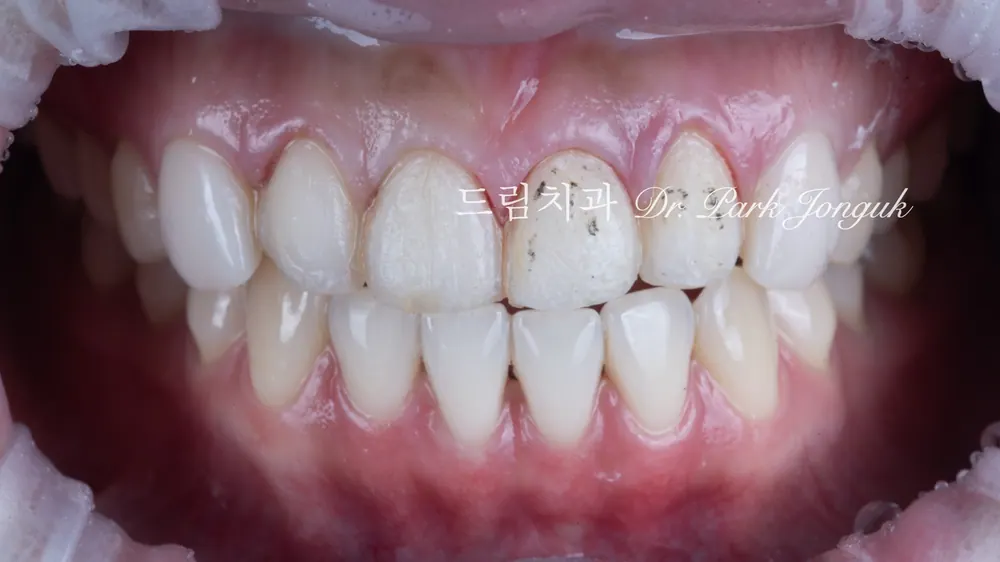
Photo 3 shows the result after removing the veneers with a laser.
The existing 4 veneers were safely removed using a laser.
Using a laser minimizes damage to the tooth.
It allows only the bonding layer to be selectively removed, protecting the tooth.
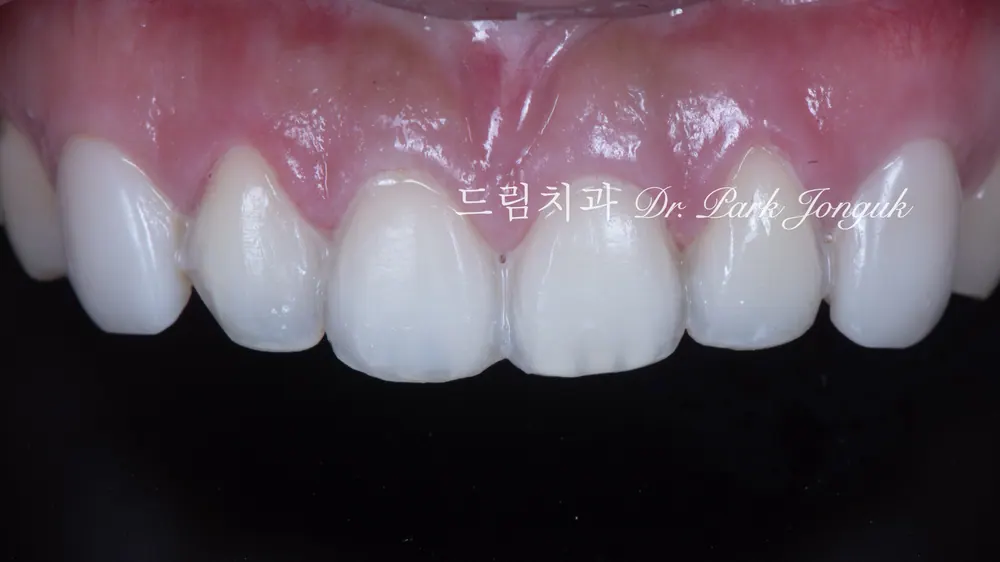
Photo 4 shows the result after even the remaining bonding agent was cleanly removed.
Bonding agent can remain even after a veneer is removed.
This bonding agent has to be completely and cleanly removed as well.
If bonding agent is left behind, it can cause problems with the new veneer's bond.
It was removed completely, checked under a microscope.
Natural results through hand-built layering
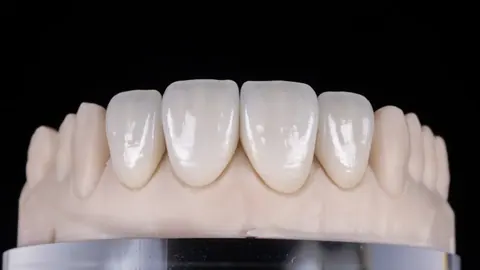
The new veneers were fabricated using a hand-built, multilayer build-up method.
They were made by stacking several layers of ceramic.
The inner dentin layer, the middle enamel layer, and the outer translucent layer were each made with a different ceramic.
Only this approach can create the same translucency and color variation as a natural tooth.
After treatment, it looked completely natural
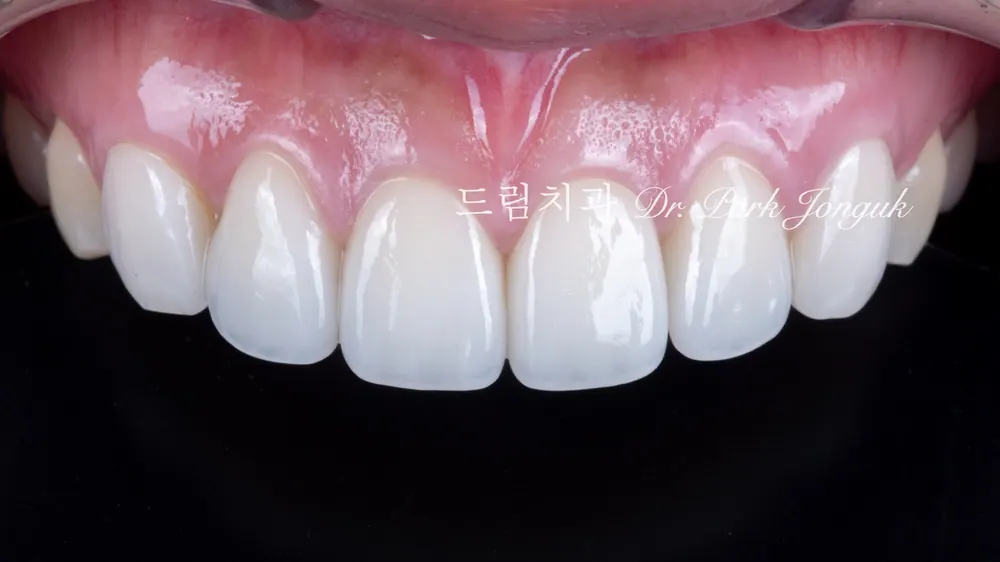
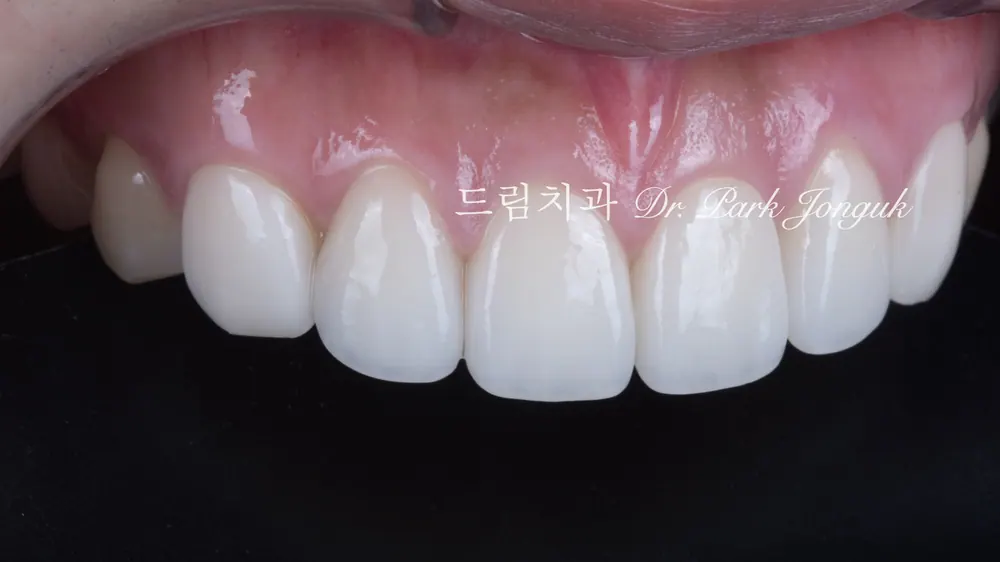
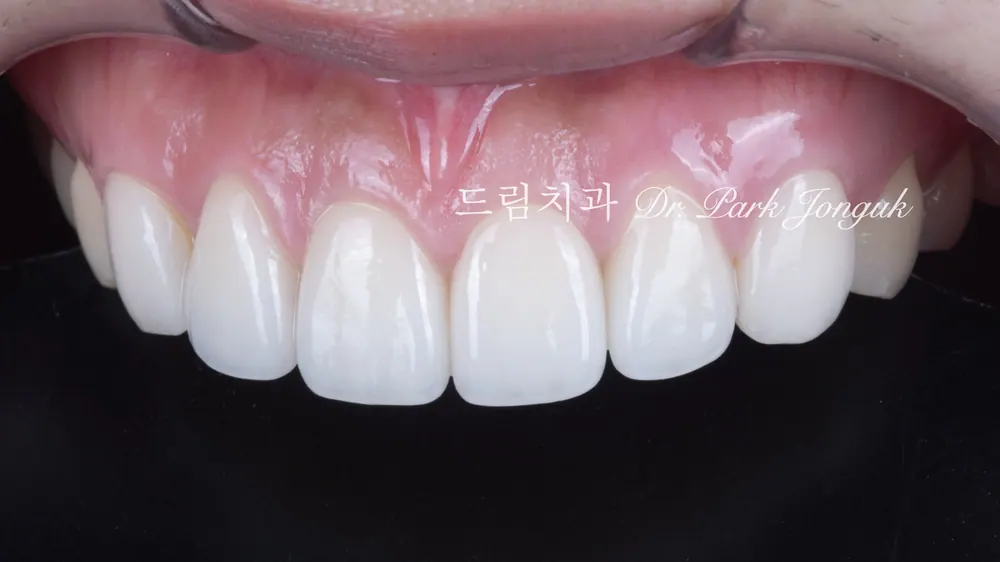
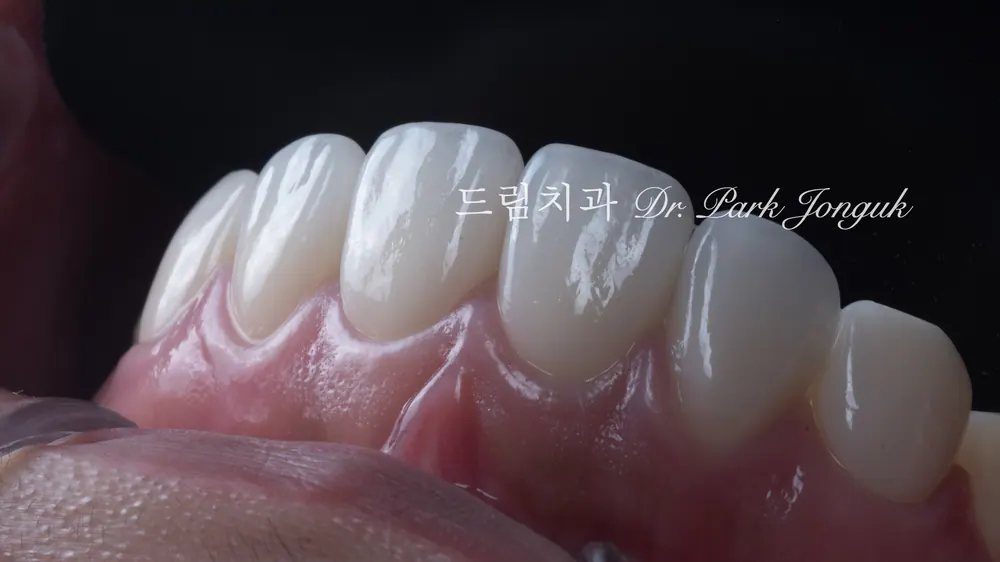
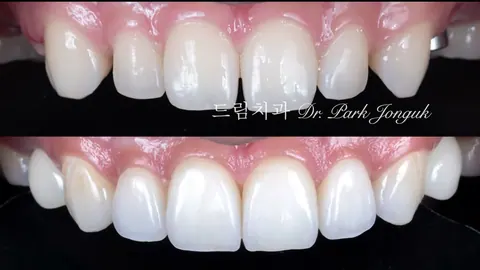
Photos 5, 6, 7, and 8 show the result after treatment.
Compared with before treatment, it's completely different.
The proportions improved
The biggest change is the proportion.
The size relationship between the central and lateral incisors now looks natural.
The teeth are neither too large nor too small — they're a size that fits the patient's face and lips perfectly.
With the 4 front teeth in harmonious proportion, the overall look is balanced.
It became natural
The uniform, artificial shape has changed into something natural.
Each tooth now has its own distinct character.
The developmental lobes, surface contours, and fine texture were all reproduced.
The tile-like feel is completely gone, and it now looks like real teeth.
The translucency at the tooth edges is alive
The most important difference is the translucency at the edges of the teeth.
The teeth that used to be opaque and dull are now clear and translucent.
In particular, the tooth edges are naturally translucent, letting light pass through.
This is precisely a hallmark of young, healthy teeth.
Only 4 were redone, but it matches perfectly
What's remarkable is that even though only 4 teeth were redone, they blend perfectly with the remaining 2.
There's no way to tell at all which ones were redone.
This perfect match was achieved through precise color analysis and shape design.
A redo just one month later — why did this happen?
Why do some patients end up needing a redo just one month after their veneer treatment?
The proportions weren't considered
The most common reason is that proportion wasn't considered.
Making all the teeth roughly the same size looks unnatural.
The natural size relationship between the central and lateral incisors matters.
The limits of the one-day method
One-day or other fast fabrication methods cannot express translucency and dimensionality.
A single block of ceramic cannot create a natural color gradient.
There was no precise diagnosis
Fabricating veneers directly, without a precise diagnostic process like a wax-up, can result in proportions or shapes that don't fit properly.
The process of showing the final result in advance and reaching agreement with the patient matters a great deal.
Frequently Asked Questions (Q&A)
Q1. It's only been a short time since I got my veneers — can I still get a redo?
A. Yes, you can. In fact, it's better to redo them sooner rather than later. The condition of the tooth is better, and the redo itself is safer. Rather than living with the stress and putting up with it, resolving it quickly is also better for your peace of mind.
Q2. Do I need to redo the whole set?
A. No. Redoing only the problem teeth is enough. With precise color analysis and shape design, they can be matched perfectly with the remaining teeth.
Q3. Is laser removal better than a regular drill?
A. Yes, much better. A laser selectively removes only the bonding layer, minimizing damage to the tooth. Especially in a redo, preserving the tooth is very important, which makes laser removal essential.
This article is based on the real clinical experience of Dr. Park Jonguk, director of Dream Dental Clinic in Apgujeong. He has been practicing esthetic dentistry for 20 years, and teaches veneer techniques to other dentists every month at Lamista Academy. He has published Korea's first veneer textbook.
This article is a clinical note written by Dr. Park Jonguk of Dream Dental Clinic, Gangnam; the original was published on his blog. The photographs shown are real cases he treated. Results vary with each patient’s condition, and every procedure carries the possibility of individual variation and side effects.
Quick Consult
Request a Callback
Leave your number and we will call you back during clinic hours.
Request Received
We will contact you during clinic hours. For urgent matters, please call +82-2-3448-0028.