
Veneer Redo: Restoring a Natural Tooth Shape
Hello. I'm Park Jonguk, director of Dream Dental Clinic.
In front-tooth veneer treatment, the very first treatment matters a great deal.
It should of course be done properly to match the treatment goal,
but minimizing tooth reduction is more important than anything else.
Whether treatment is even possible with orthodontics or another method should be
considered from many angles
and thought through carefully before treatment.
In many cases, teeth end up being over-reduced during treatment.
When retreatment is needed afterward,
considerable care is required.
In particular, during the process of removing the veneer,
the tooth is damaged again,
so minimizing this damage is very important.
There are various reasons for having a veneer redo.
In the past, retreatment was done because of veneer fracture or debonding,
but in recent veneer redo cases,
as veneer bonding strength has improved
and ceramic strength has improved,
veneers no longer come off or crack easily,
so the reasons now are more often shifting tooth alignment, changes in gum shape,
and discoloration of the bonding agent.
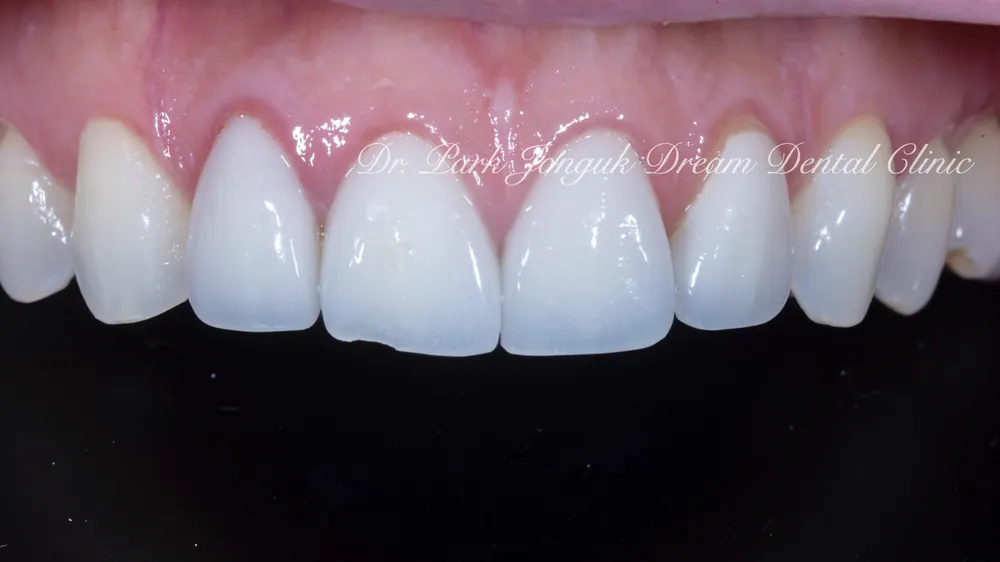
This case involved fracture of an old veneer, gum changes,
and the patient came in wanting to improve the shape and color as well.
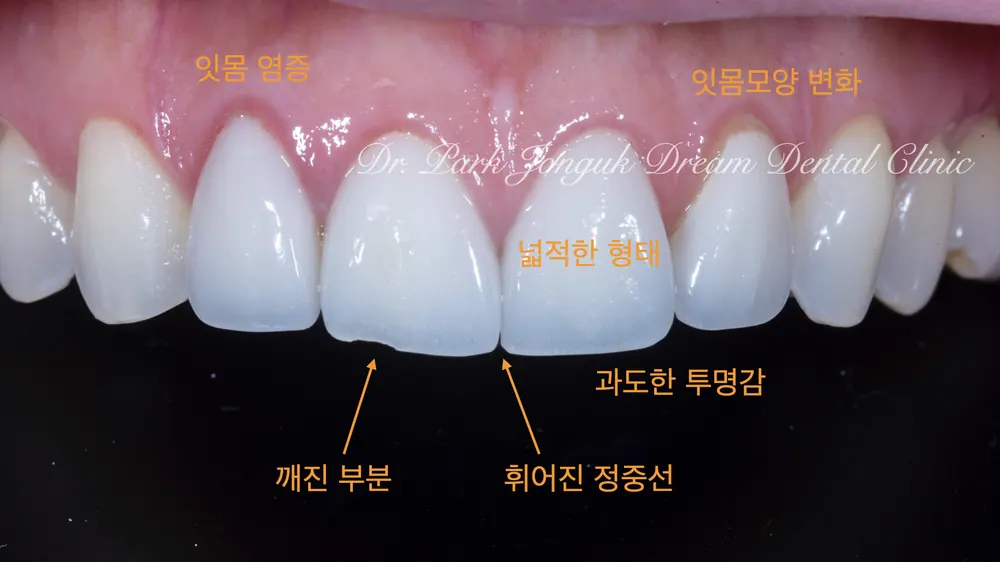
A partially fractured section,
an awkwardly placed midline between the front teeth,
changes in gum shape and inflammation,
and an unnatural tooth shape with excessive translucency —
to resolve all of this, we decided on a veneer redo.
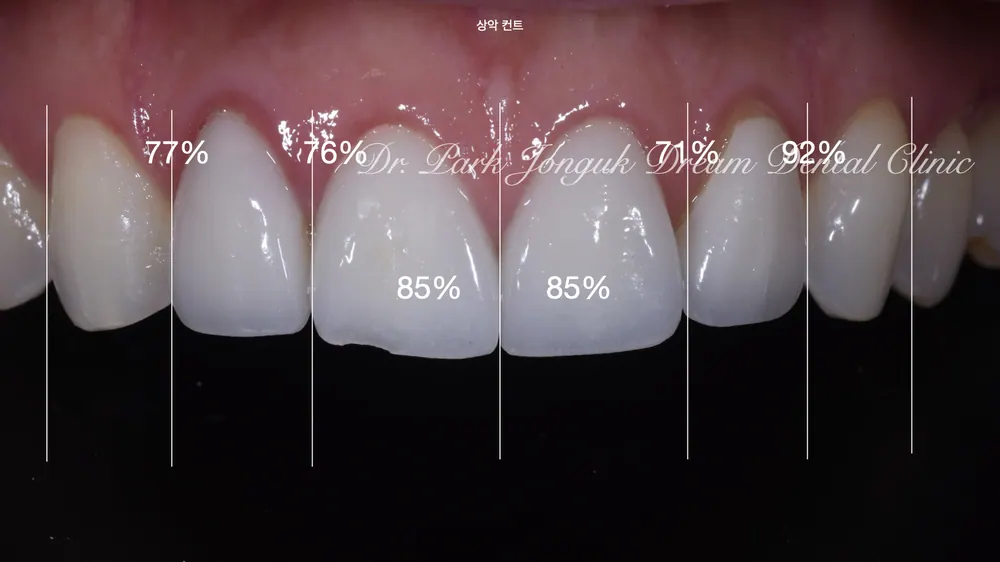
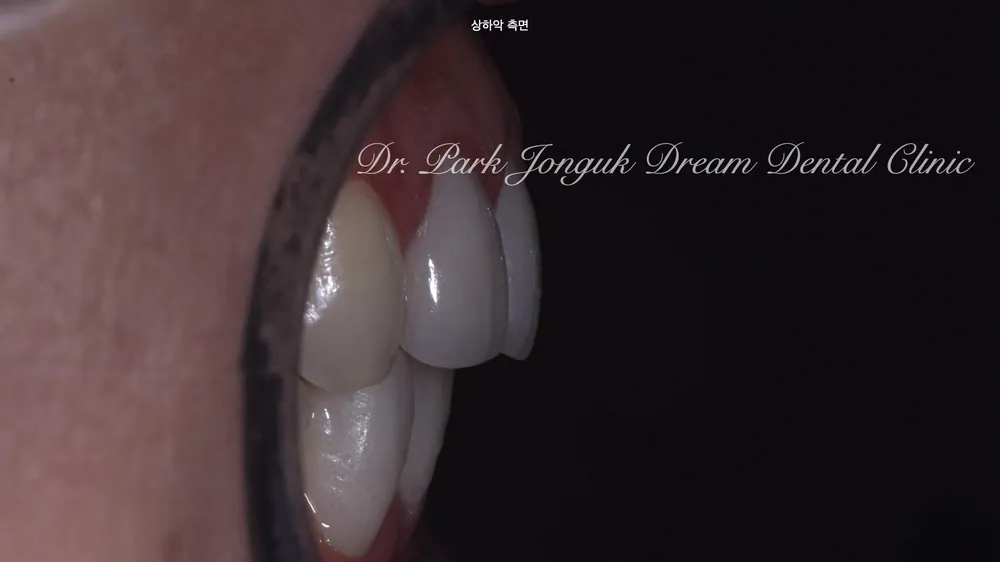
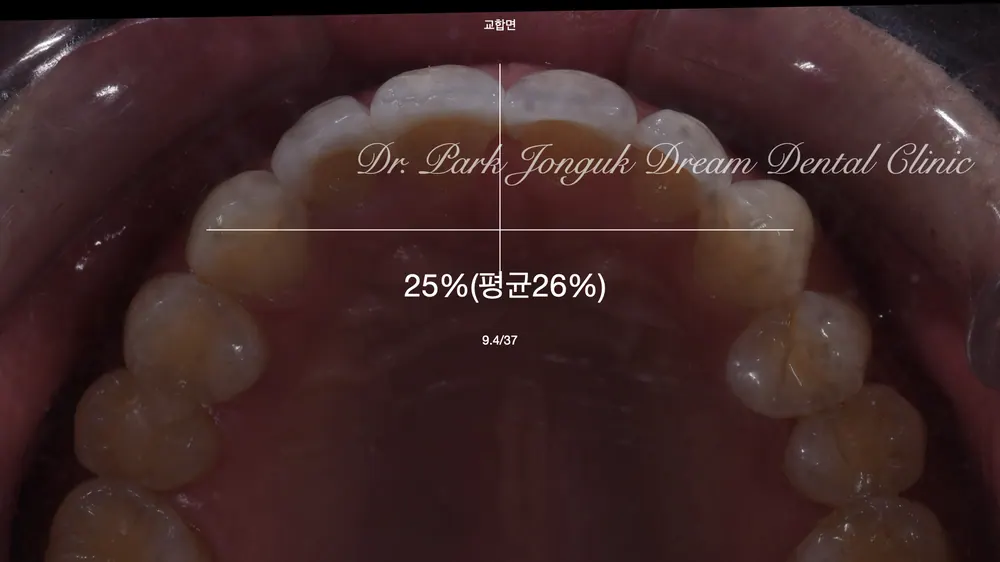
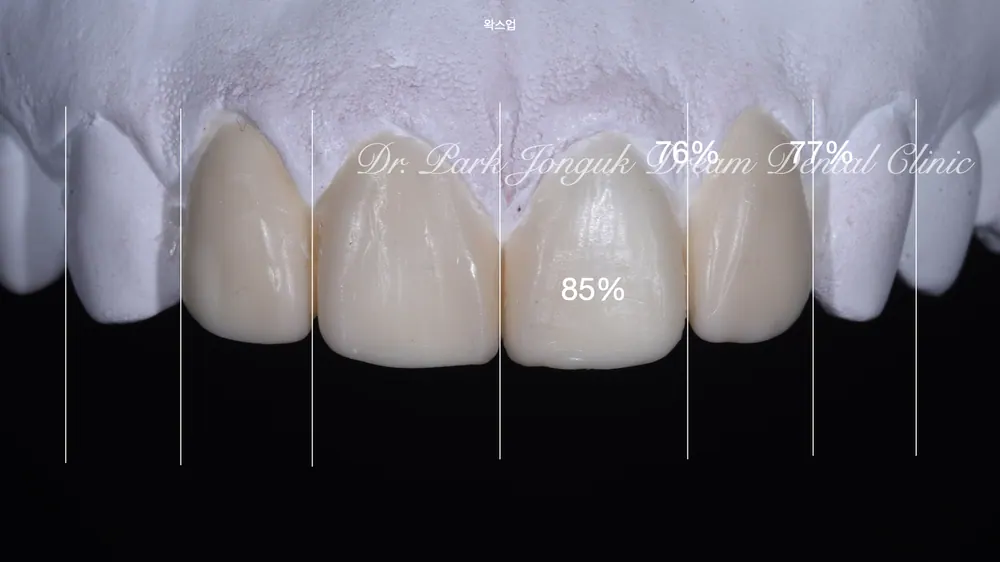
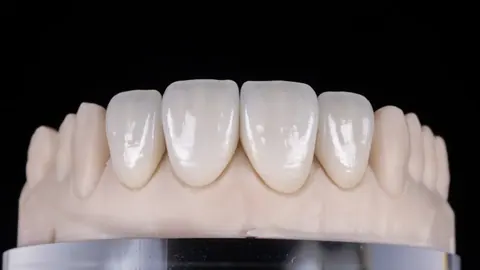
To see how things would change after treatment,
we first build the teeth in wax.
Since the two front teeth were too large,
we had to plan out
how to handle the size proportions.
The proportions among the front tooth, lateral incisor, and canine
were properly redistributed
so the teeth wouldn't look too large.
In a veneer redo, removing the old veneer is a very important step.
A laser removal method that minimizes damage to the tooth must be used.
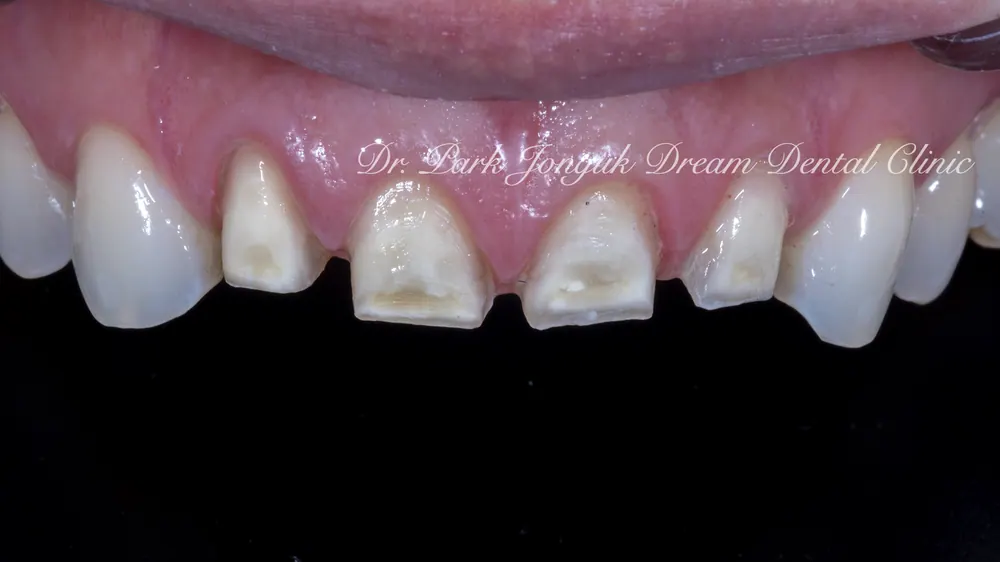
This is a photo taken after the veneer was removed.
I never imagined the tooth had been reduced this much.
It was far too much reduction to call this a veneer.
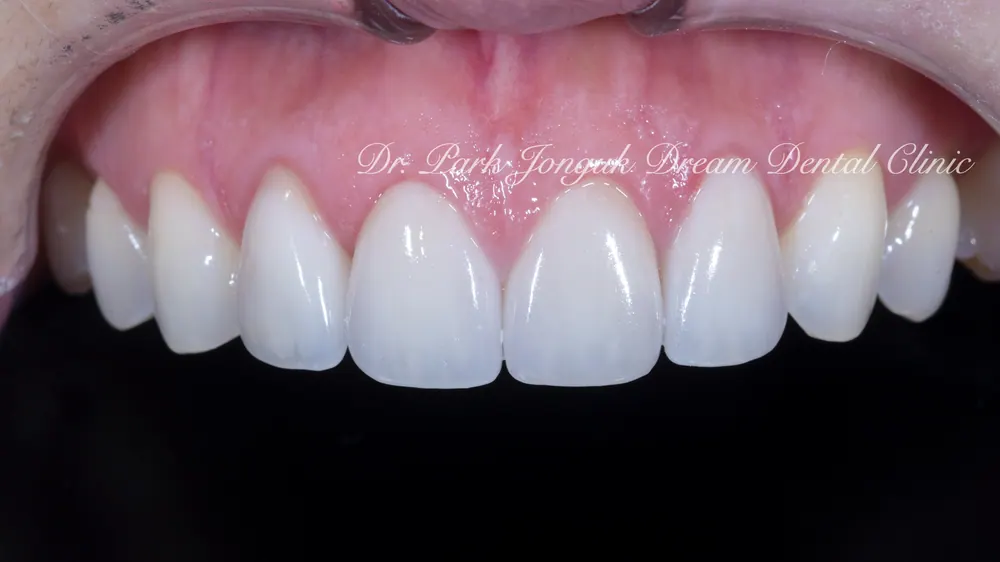
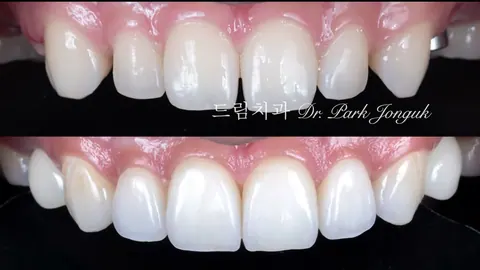
Treatment was finished with more natural proportions.
The tooth was also made with a more natural shape
and proportions that suit the patient's facial shape.
The veneer's translucency was brought closer to that of a natural tooth
using a variety of techniques.
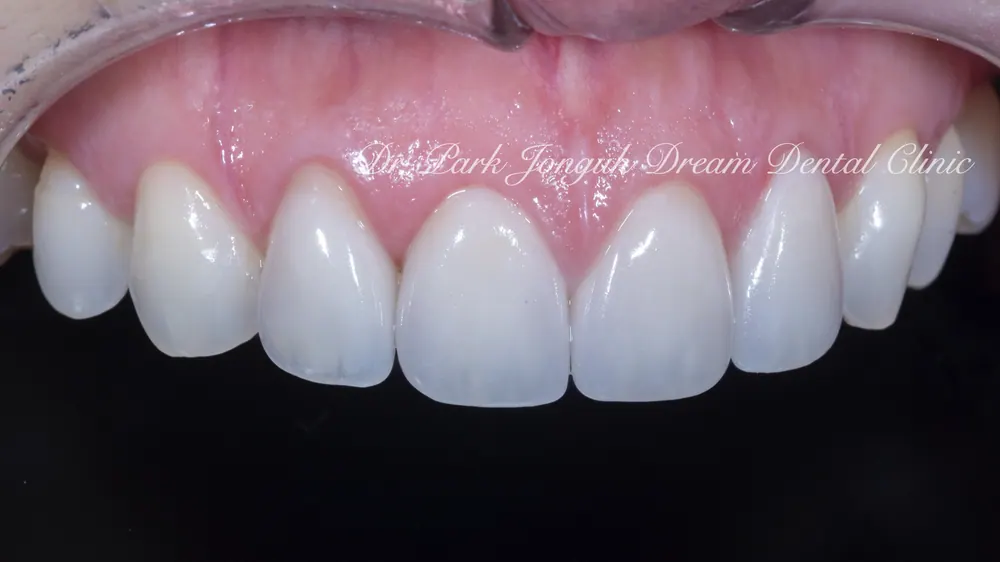
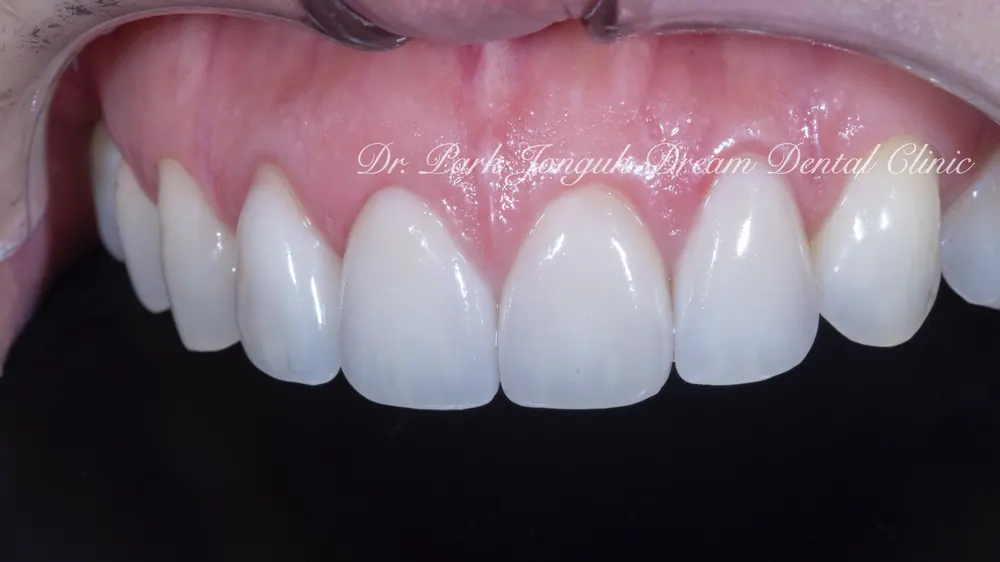
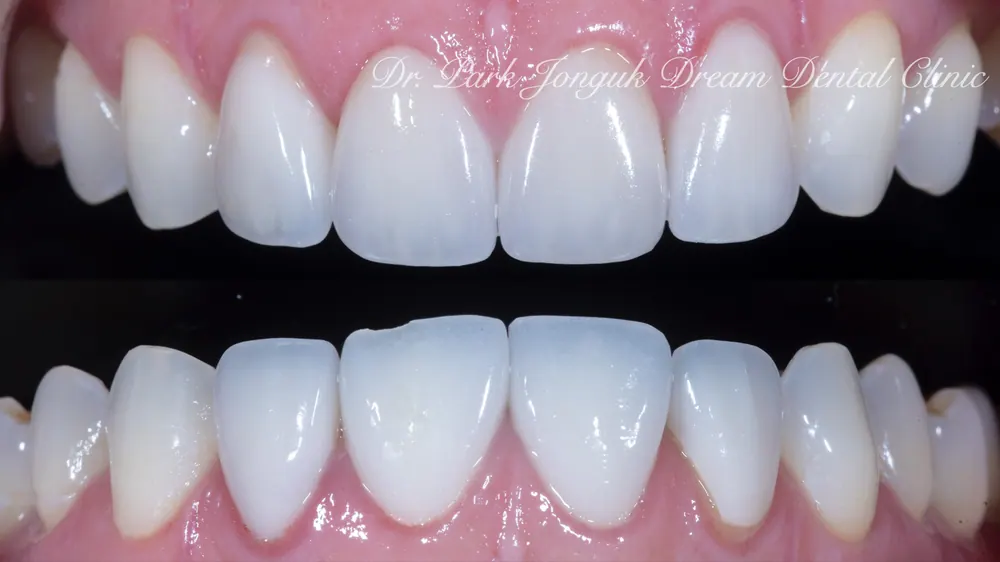
The overall shape of the tooth
changed from triangular to closer to an oval,
and the excessive translucency was greatly reduced,
so it now looks naturally clear.
A veneer redo
concerning what will improve after the redo,
starting from the pre-treatment diagnostic process,
that can minimize tooth damage when removing the veneer,
all the way to the laser removal technique —
it is a treatment where extensive experience is essential.
Since 2006, Dream Dental Clinic
This article is a clinical note written by Dr. Park Jonguk of Dream Dental Clinic, Gangnam; the original was published on his blog. The photographs shown are real cases he treated. Results vary with each patient’s condition, and every procedure carries the possibility of individual variation and side effects.
Quick Consult
Request a Callback
Leave your number and we will call you back during clinic hours.
Request Received
We will contact you during clinic hours. For urgent matters, please call +82-2-3448-0028.