
Veneer Redo: From Same-Day Veneer Regret to Naturalness
Hello, I'm Park Jonguk, director of Dream Dental Clinic, who has provided esthetic dental care in Apgujeong for 20 years.
Today I'd like to introduce a veneer redo case. For anyone who regrets getting same-day veneers,
and anyone worried that their veneers look artificial, I hope this is helpful.
Veneers That Weren't Pretty and Looked Awkward
This patient had veneer treatment on 4 front teeth,
but wasn't satisfied and came in for a redo.
She had been treated at another clinic,
and her biggest complaints were, "They're not pretty," "They look awkward," and "They look artificial."
The patient said, "At first I thought they were white and fine,
but as time went on, they started to feel really strange."
The people around her also told her, "It's really obvious that you got veneers."
Every time she looked in the mirror she felt stressed,
and she became self-conscious even when smiling, which is what ultimately led her to decide on a redo.
At Her First Visit, the Problems Were Obvious at a Glance
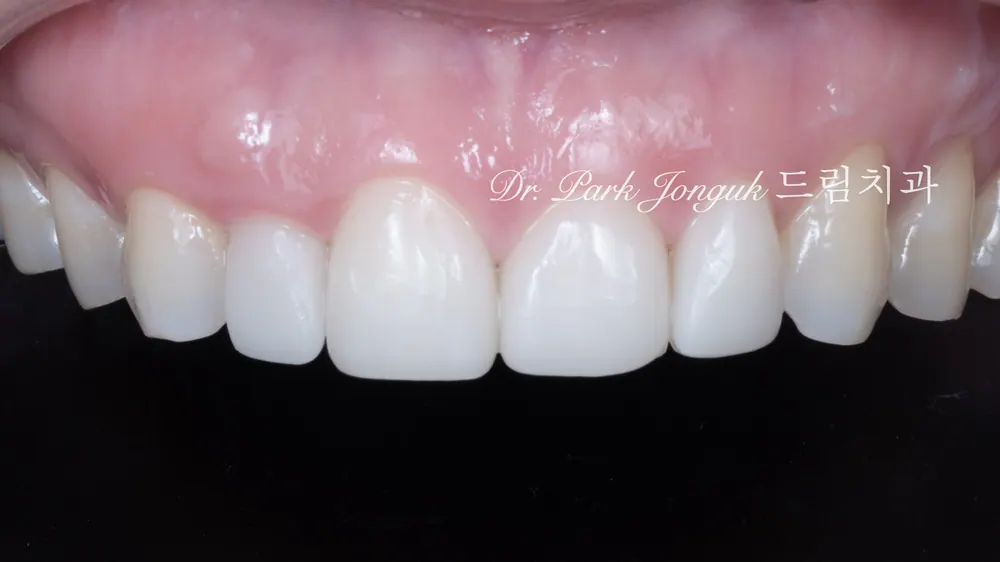
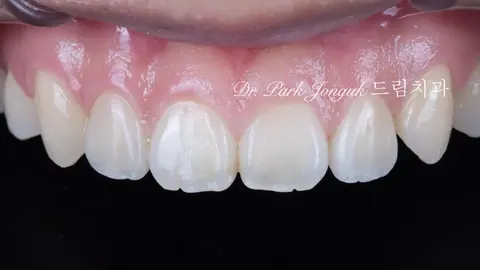
Photo 1 shows her appearance at her first visit.
Even without being a professional, the problems are plain to see.
First, the veneers looked artificial.
The color was dull and opaque, with no natural tooth feel whatsoever.
They looked as flat as if they'd been painted white.
Second, the shape was awkward.
Each individual tooth was monotonous and had no character.
Natural teeth have subtle curves and contours, but these veneers had none of that.
Third, the overall look lacked harmony.
The 4 teeth looked like they belonged to different sets,
and they didn't blend in with the surrounding natural teeth either.
This is a textbook example of same-day veneer regret.
The Diagnostic Process: Identifying Each Problem One by One
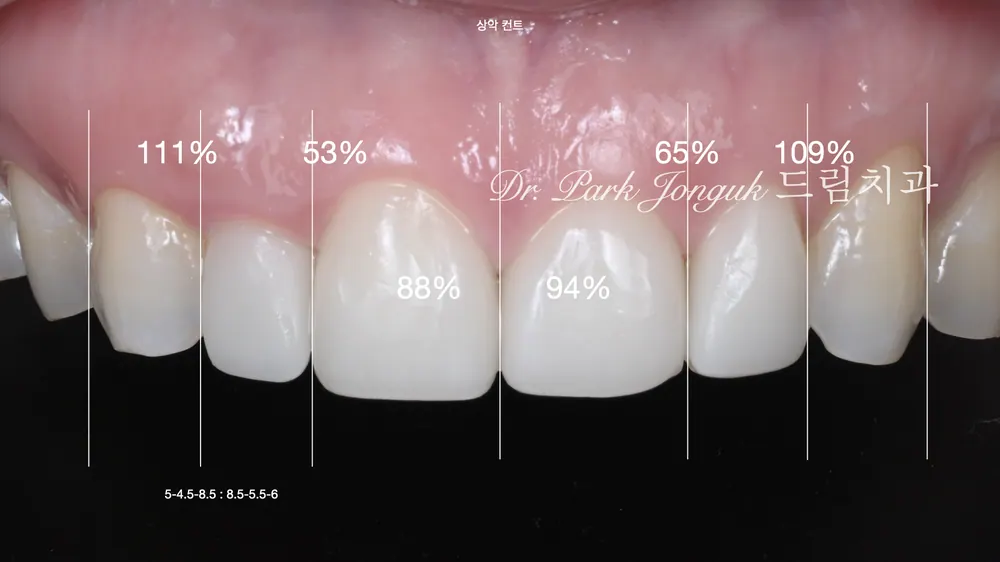
Photo 2 shows the diagnostic process.
I precisely analyzed the problems with her existing veneers.
Severe Asymmetry
The biggest problem was asymmetry.
The left and right sides didn't match at all.
The shape and size of the two central incisors were far too different from each other.
The two central incisors should be symmetrical, but it looked as if two entirely different teeth had been placed side by side.
The Proportions Between Teeth Were Off
The lateral incisors were too small, and the central incisors were too large.
No harmonious proportion between the teeth had been considered at all.
This kind of proportion problem makes the entire smile look awkward.
No Anatomical Tooth Shape Whatsoever
Natural teeth have fine developmental lobes, contours, and texture on their surface.
But these veneers were completely flat and monotonous.
The anatomical shape of a tooth had not been recreated at all.
The Tooth Color Was Off Too
The color was dull and opaque.
Natural teeth have subtle color gradation from the gumline to the incisal edge,
and the incisal edge is translucent — but none of these characteristics were present.
No Translucency Either
The most critical problem was the complete lack of translucency.
In natural teeth, light passes through and creates a soft feel,
but these veneers blocked out light entirely, making them look hard and lifeless.
All of these problems stemmed from being made using the same-day method, milled from a single block of ceramic.
It's a fast and convenient method, but one where naturalness has to be sacrificed.
Perfectly Redesigned With a Wax-Up
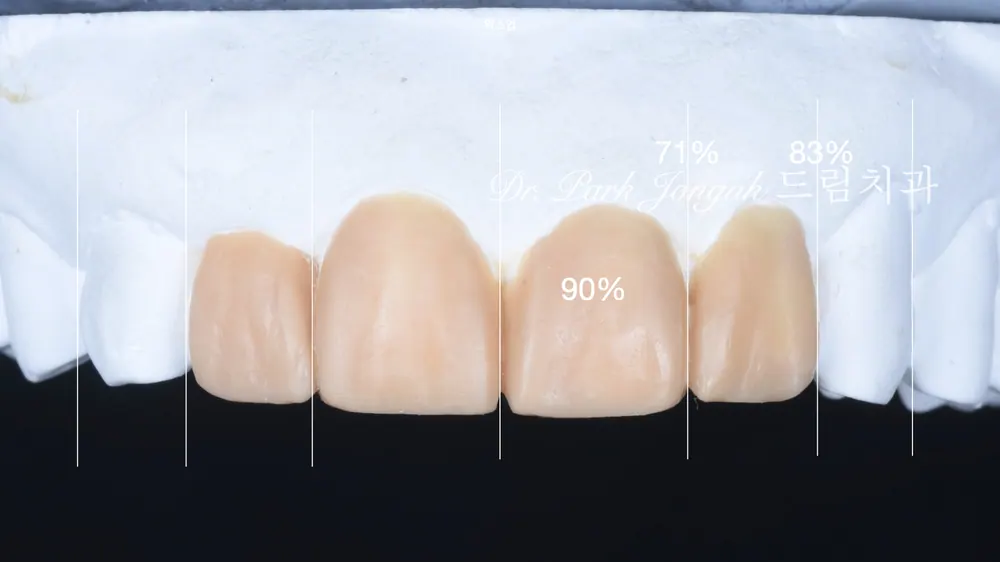
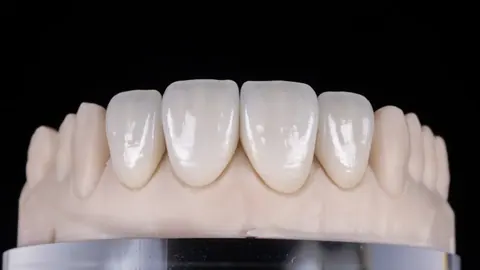
Photo 3 shows the result of the precision wax-up diagnosis.
This is a new design created to resolve every one of these problems.
Left-right symmetry was corrected.
The two central incisors were designed to be identical in both size and shape.
The proportions between the teeth were adjusted for harmony.
The size relationship between the central and lateral incisors was made natural.
The anatomical shape of the teeth was implemented in fine detail.
Everything from the developmental lobes to surface contours and fine irregularities was expressed.
When the patient saw the wax-up model, she expressed her anticipation, saying, "Now this finally looks like real teeth."
After Removing the Veneers: Already Heavily Reduced
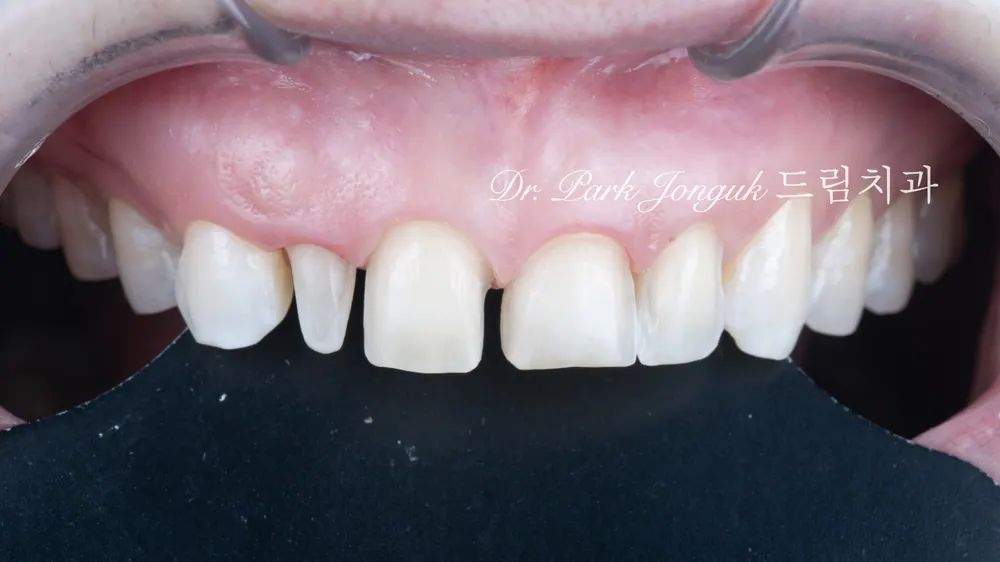
Photo 4 shows the teeth after the existing veneers were removed.
Since removal is done using a laser, there is almost no damage to the tooth.
But unfortunately, the tooth had already been reduced significantly.
With the same-day method, or at clinics lacking experience, teeth are often excessively reduced without a precise plan.
A tooth that has already been reduced can never be restored.
But I saw it as my mission to protect what remained of the tooth as much as possible while still achieving the best esthetic result.
After Treatment: A Complete Transformation
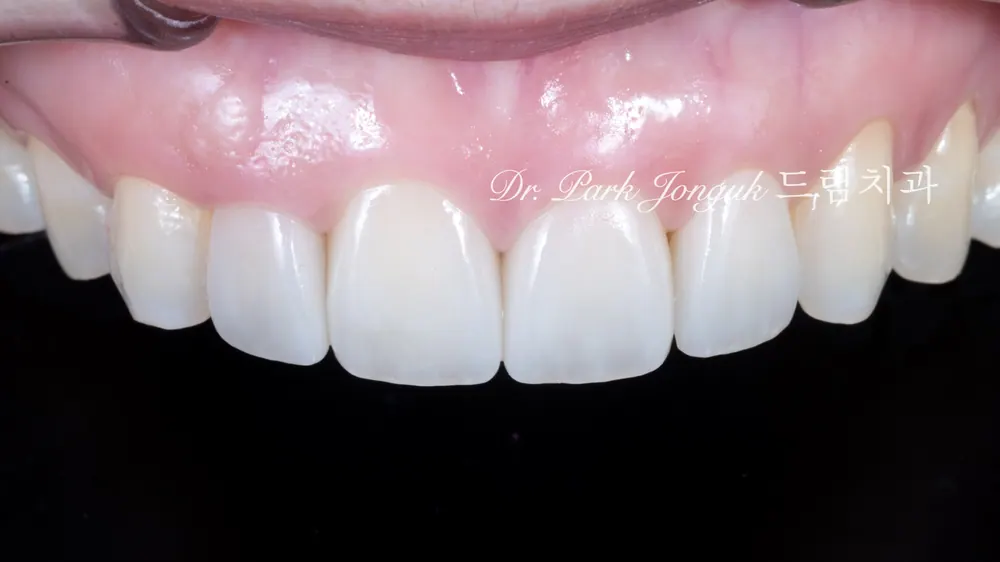
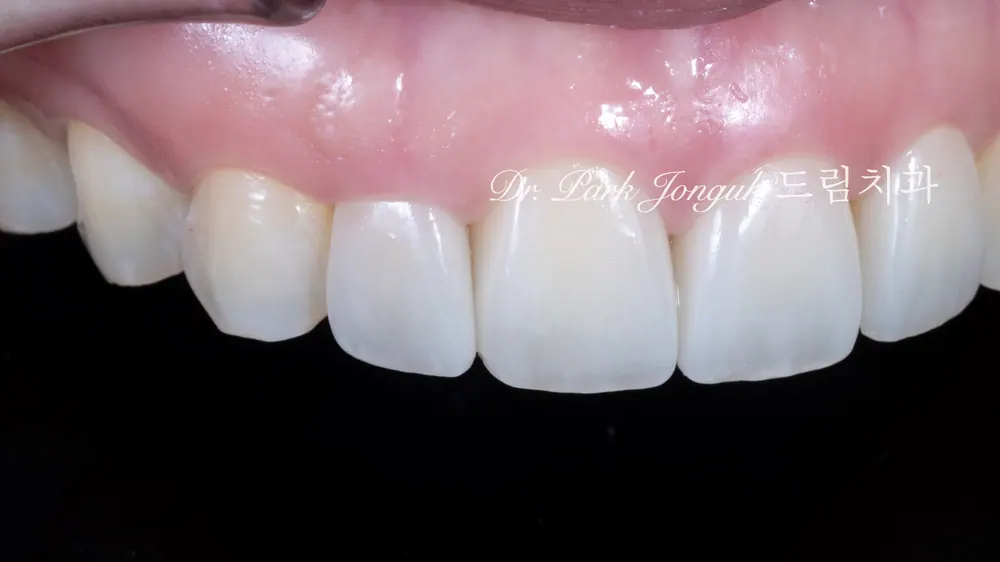
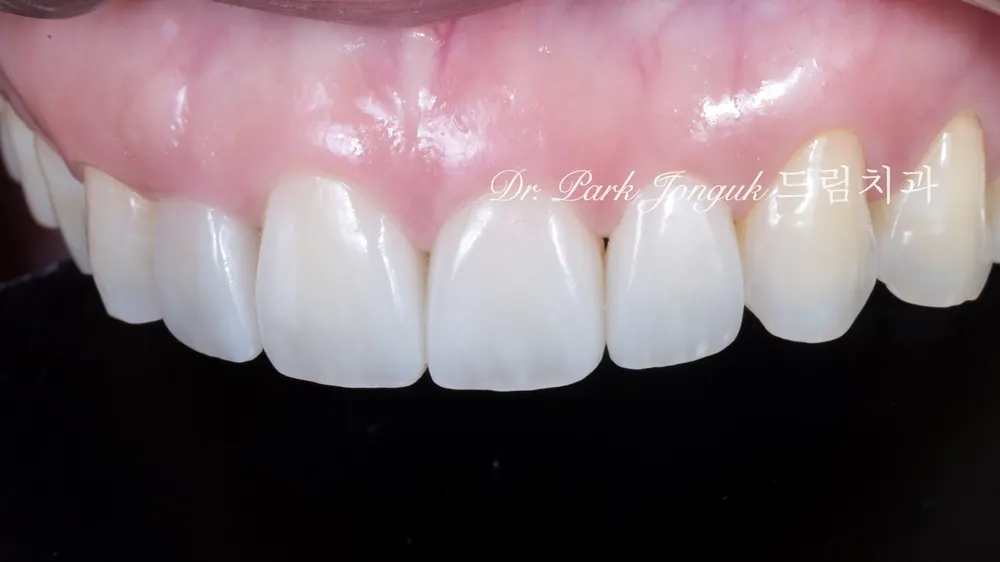
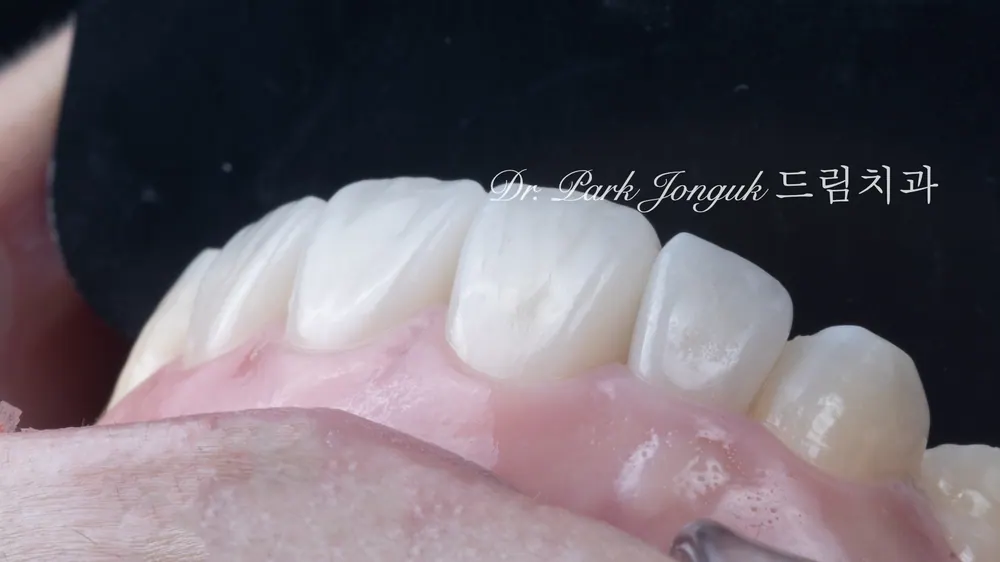
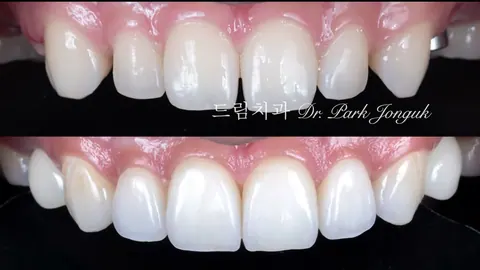
Photos 5, 6, 7, and 8 show the result after treatment. Compared to before, it's like an entirely different world.
Natural Shape
The shape of the teeth is genuinely natural.
The left-right symmetry is perfect, and each tooth has its own unique character while still coming together in harmony.
Subtle developmental lobes and contours on the surface give the teeth the same three-dimensionality as natural teeth.
They don't look flat — they feel alive.
Beautiful Color
The tooth color is bright yet natural.
Subtle color gradation from the gumline to the incisal edge creates a sense of depth.
Unlike the dull, opaque veneers before, the color is now clear and vibrant.
Harmonious Shape
The size ratio between the central and lateral incisors is perfect.
Neither too large nor too small, the size is a perfect match for the patient's face and lips.
The curve at the edge of the teeth is also natural and elegant.
The overall smile curve was beautifully completed.
Translucency Full of Life
The most important difference is the translucency.
The incisal edge is naturally translucent, so light diffuses softly as it passes through.
This translucency is exactly the decisive difference between a natural-looking tooth and an artificial one.
It can never be achieved with a single ceramic block — it's only possible through handmade build-up, layering multiple sheets of ceramic.
When the patient looked in the mirror, her eyes welled up with tears.
Her words, "I finally feel like I've found my own face again. Now I can smile with confidence," moved me deeply as well.
Why Do Veneer Redos Become Necessary?
Many patients end up regretting their veneers after treatment. The reasons are usually as follows.
First, the limitations of the same-day method.
Patients choose it for being fast and convenient, only to later realize that naturalness was sacrificed in the process.
Second, the absence of a precision diagnosis.
Treatment carried out carelessly, without even a wax-up, results in asymmetry, proportion problems, and shape problems.
Third, the limitations of the single-block method.
Fabricated with a method that can't express translucency, color variation, or three-dimensionality, the result ends up looking artificial.
Fourth, lack of experience.
Veneers require a high level of skill and artistic sense, and treatment at a clinic lacking experience carries a high risk of failure.
Veneer Redo: Be Sure to Check These Things
If you're considering a veneer redo, be sure to check the following.
First, check whether a precision diagnosis is included.
It should include facial analysis, measurement of tooth proportions, and a wax-up diagnosis.
Second, check whether the handmade build-up method is used.
Only a method that builds up multiple layers of ceramic can express translucency and naturalness.
Third, ask to be shown actual redo cases.
Looking at before-and-after photos of similar cases will tell you a lot about that clinic's skill.
Fourth, check whether they take enough time with the process.
A good veneer isn't made in a single day. Expect it to take about 2 to 3 weeks.
Fifth, check how the dentist works together with the dental technician.
It matters whether the dentist and technician communicate closely to fabricate a result customized for the patient.
No More Artificial-Looking Veneers
If your veneers "look artificial," it means the treatment method itself was wrong.
A properly made veneer is natural enough to be indistinguishable from a natural tooth.
The key is recreating translucency, color variation, three-dimensionality, and surface texture, all at once.
This is only possible through the handmade build-up method,
and it requires both a precise diagnosis and the artistic sense of a skilled dental technician.
Having handled a great many redo cases over 20 years, what I've come to feel is this:
patient satisfaction is often far higher with a redo than with the initial treatment.
Because they've already experienced failure once, patients seem to feel that much more grateful for a successful result.
Frequently Asked Questions (Q&A)
Q1. Isn't it difficult to remove the existing veneer during a redo?
A. Using a laser allows us to selectively remove just the bonding layer between the veneer and the tooth, which minimizes damage to the tooth.
When performed by an experienced dentist, it can be removed safely.
Q2. Is a redo more expensive than the initial treatment?
A. It depends on the complexity of the case, but in most cases it's about the same as standard veneer treatment.
Removing the existing veneer adds an extra step, but there isn't a big difference.
Q3. Could I end up needing another redo after this one?
A. If it's made with precise diagnosis and handmade build-up,
and you maintain it properly, you can use it without issue for 10 years or more.
A properly done redo can actually last even longer than the initial treatment.
This article is based on the real clinical experience of a dentist who has provided esthetic dental care in Apgujeong for 20 years. I teach veneer techniques to dentists every month at Lamista Academy, and I have published Korea's first veneer textbook.
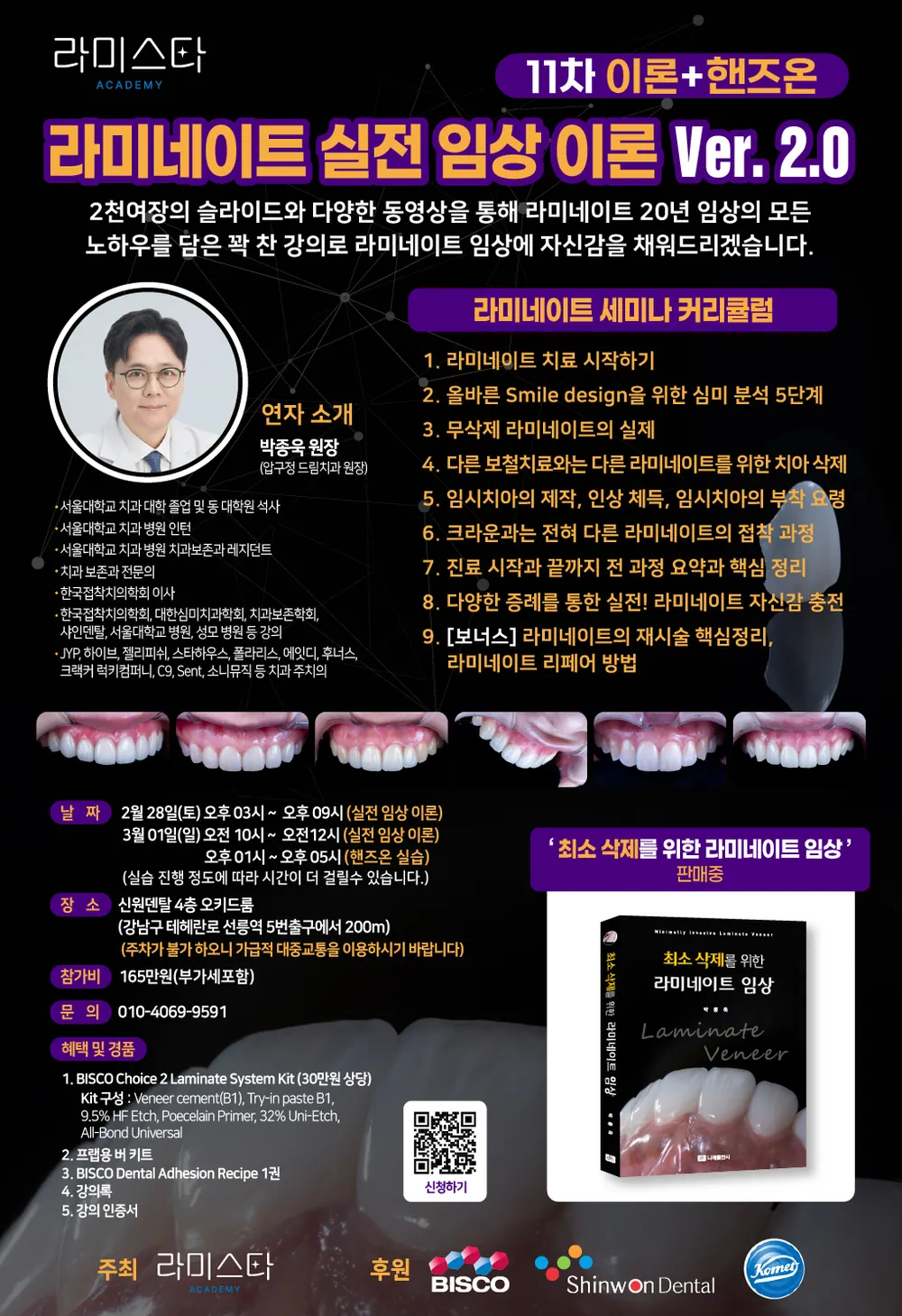
This article is a clinical note written by Dr. Park Jonguk of Dream Dental Clinic, Gangnam; the original was published on his blog. The photographs shown are real cases he treated. Results vary with each patient’s condition, and every procedure carries the possibility of individual variation and side effects.
Quick Consult
Request a Callback
Leave your number and we will call you back during clinic hours.
Request Received
We will contact you during clinic hours. For urgent matters, please call +82-2-3448-0028.