
Veneer Redo in Your 40s: How to Remake Strange-Looking Veneers Into Natural Ones
Hello, this is Dream Dental Clinic in Apgujeong
"I got veneers, but they look so strange." "All my friends say they look off." "They look like temporary teeth."
These are genuinely heartbreaking things to hear during a consultation.
Today I'm sharing the case of a woman in her 40s
who got veneers at another clinic and came back to us for a redo because they looked so strange.
The moment I first saw them, I was genuinely shocked myself.
Veneers this strange-looking are truly rare.
Before Treatment: Strangeness Beyond Belief
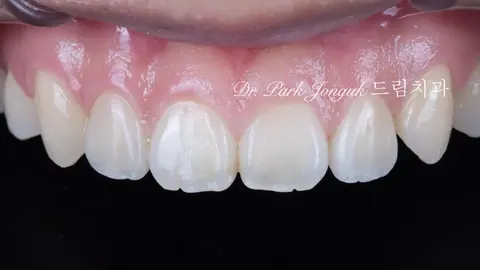
[Photo 1 - Veneers done at another clinic]
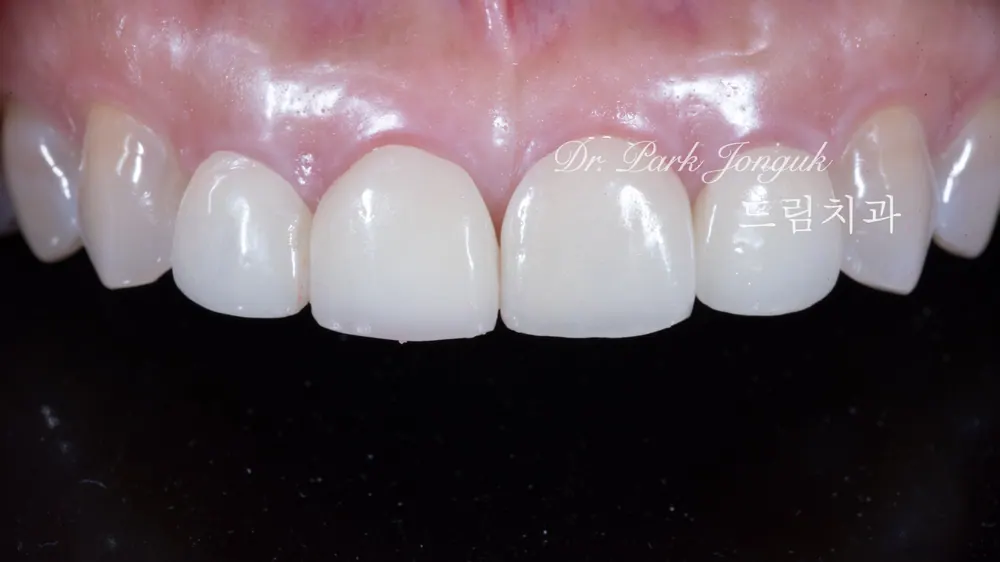
A woman in her 40s came in for a visit.
At first glance, I thought I was looking at temporary teeth.
But she told me these were the final veneers.
What was the problem:
❌ Completely wrong shape — The teeth were square and unnatural. It looked as if tiles had been glued on.
❌ Completely lifted off at the gumline — A gap was visible between the tooth and the gum. The veneers felt disconnected from the gums.
❌ Proportions all wrong — The ratio between the central and lateral incisors didn't match at all. I couldn't understand what standard they had used to make them.
❌ A very strange color — They were made far too yellow, which actually made her look older. It wasn't a color suited to someone in her 40s.
❌ No translucency at all — Completely opaque, making them look artificial.
Honestly, not a single thing about them was right.
Shape, color, proportion, harmony with the gums — everything was wrong.
The patient asked, "Is this normal?" — and it absolutely is not.
Removing the Veneers: An Even Bigger Shock
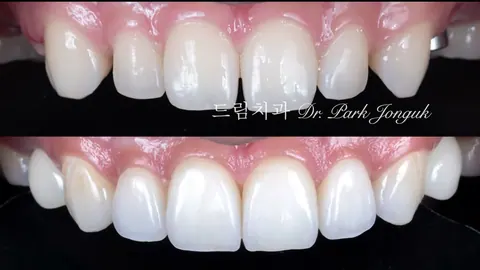
[Photo 2 - Condition after removal]
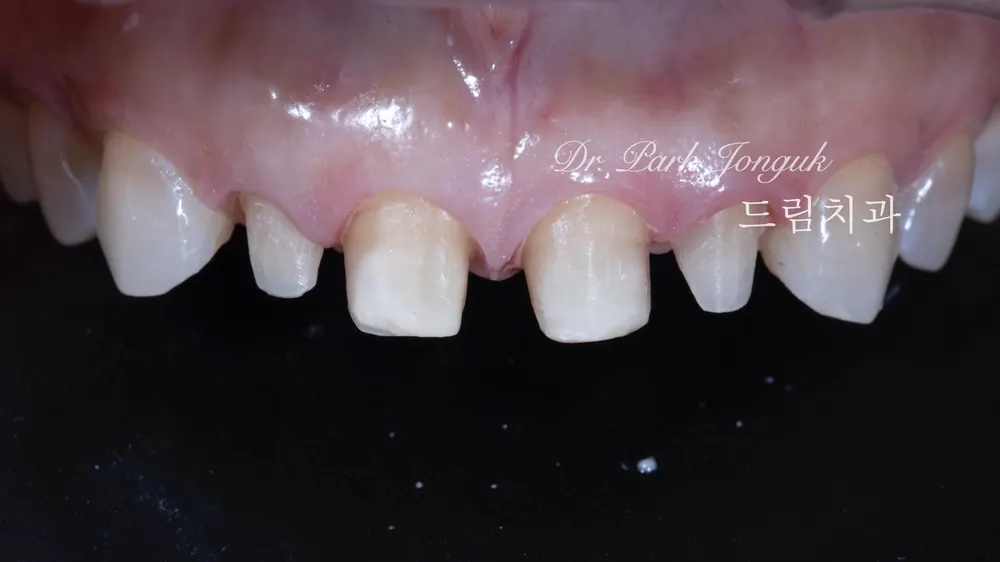
After removing the existing veneers, I was even more shocked.
The teeth had been reduced far too much.
I was genuinely stunned. At this level, it's almost embarrassing to even call them veneers.
The teeth had been reduced to nearly the level of a crown preparation.
Why was so much reduced?
Veneers usually require only minimal tooth reduction.
Preserving as much healthy tooth structure as possible is the guiding principle.
But in this case, unnecessarily excessive reduction had been performed.
The problems this causes:
A tooth that has already been reduced can never be restored.
It narrows the range of options available during a redo.
If a lot of tooth has been removed, the new veneer has to be made thicker.
It was a truly regrettable and unfortunate situation. But I decided to do everything I could to make the result look natural.
The Redo: Restoring Naturalness
[Photos 3, 4, 5 - Right after treatment]
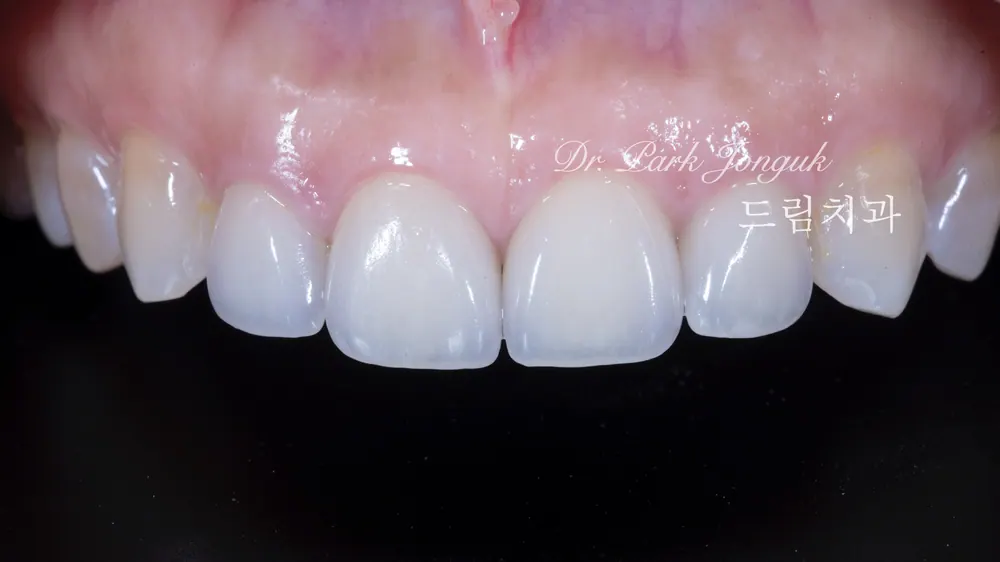
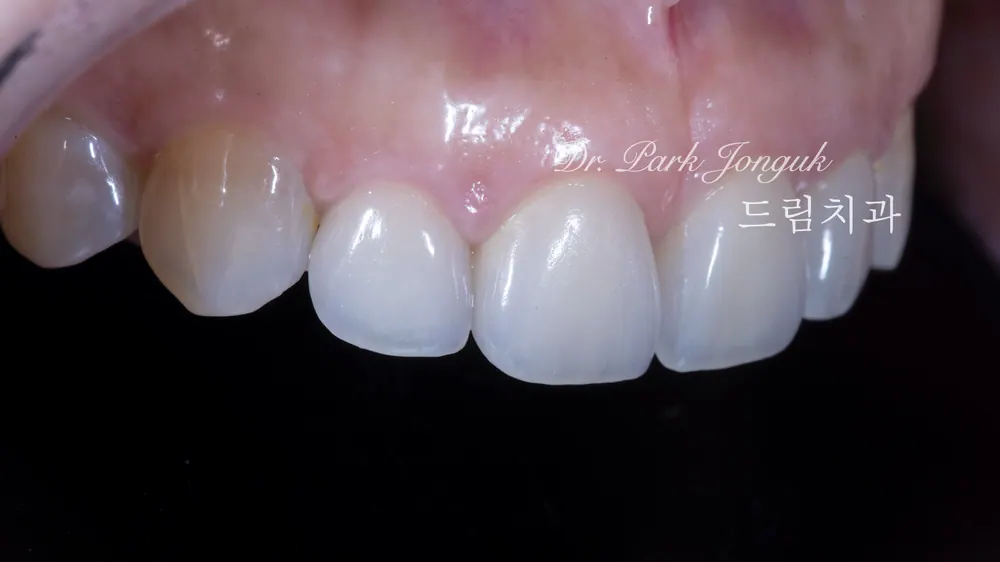
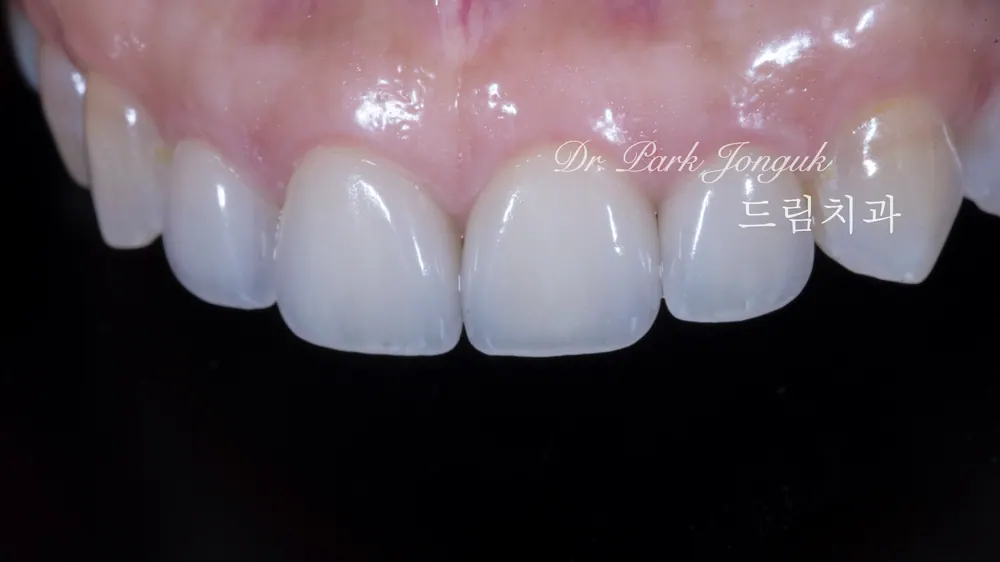
We completed the redo at Dream Dental Clinic.
The remarkable change:
✅ Natural shape — No longer tile-like. We gave the teeth soft curves and a natural shape.
✅ Perfect harmony with the gums — The teeth now emerge naturally from the gums. There's no gap or lifted feeling at all.
✅ Perfect proportions — The ratio between the central and lateral incisors is harmonious. It matches her face perfectly as well.
✅ Beautiful color — A natural, bright color suited to someone in her 40s. A well-judged tone that isn't too white or too yellow.
✅ Translucency alive — The natural translucency at the incisal edge is preserved. It looks just like a natural tooth.
✅ Genuinely beautiful — The patient herself was thrilled, and people around her reportedly said, "You look completely different."
Because the previous veneers were so strange, the difference is all the more dramatic.
The patient said, "So this is what normal looks like."
5 Years Later: Quality Proven by Time
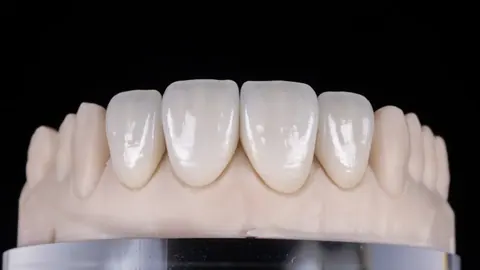
[Photos 6, 7, 8 - 5 years later]
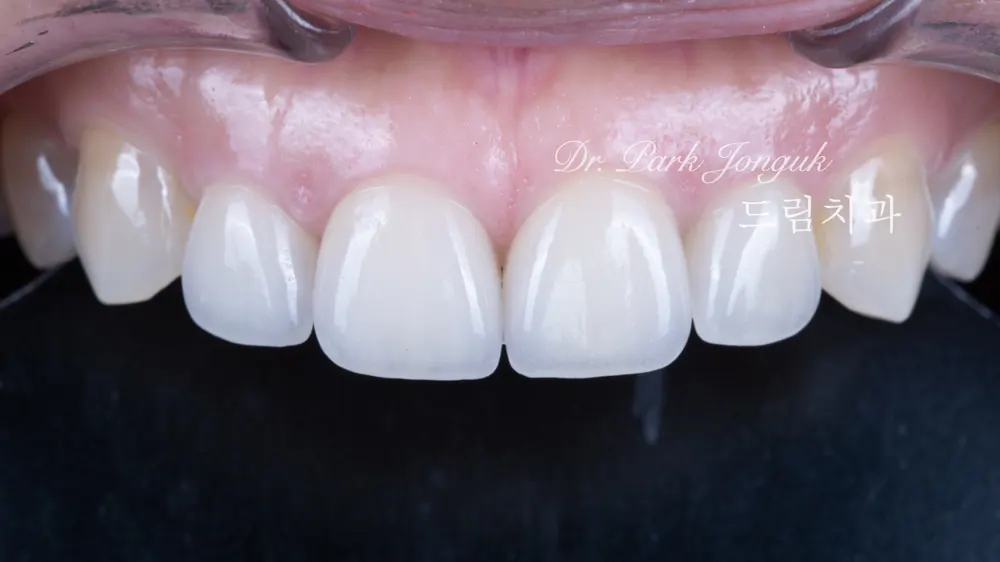
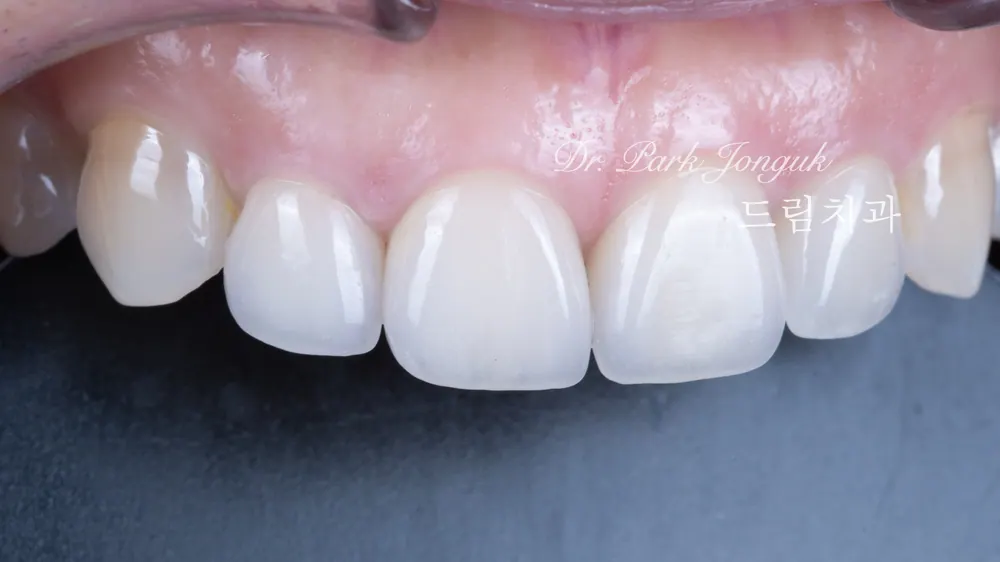
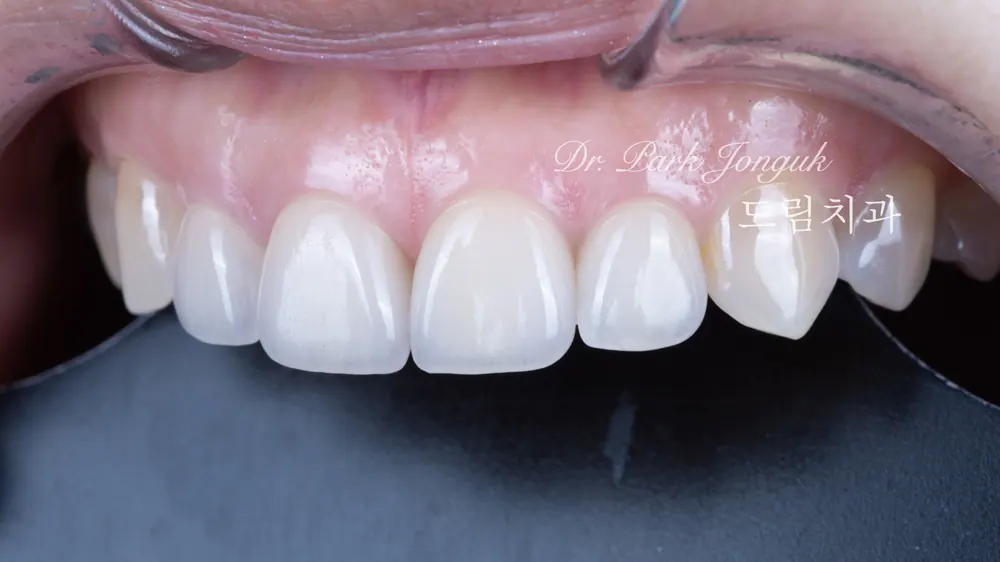
And here's what matters most. Even 5 years later, the result is holding up perfectly.
Condition after 5 years:
✅ Shape unchanged ✅ No color change whatsoever ✅ Gums in good, healthy condition ✅ No fracture or detachment ✅ Patient satisfaction still at its highest
The previous veneers had problems within just a few months,
but veneers made properly stay this healthy even 5 years later.
For another 10 years or more
she'll be able to keep using them.
Conclusion: What Properly Made Veneers Look Like
Why Do Failed Cases Happen?
Why strange-looking veneers get made:
1. Lack of Precision Diagnosis
Proceeding carelessly without a wax-up
Not considering harmony with the patient's face
Fabricating by guesswork instead of calculated proportions
2. Excessive Reduction
It's hard to understand why so much is removed
Reducing the tooth like a crown, then calling it a veneer
No concept of preserving natural tooth structure whatsoever
3. Low-Quality Fabrication
An approach focused on making it fast and cheap
Careless fabrication using a single material
No consideration given to color, shape, or translucency at all
4. Lack of Skill
No skill to create harmony with the gums
No ability to create a natural shape
What Properly Made Veneers Require
Dream Dental Clinic's principles:
1. Precision diagnosis is essential. Harmony with the face, proportions, and shape are all planned in advance. The final look is previewed with a wax-up.
2. Minimal reduction. We preserve as much healthy tooth structure as possible. We never perform unnecessary reduction.
3. Handmade fabrication. We use multi-layer build-up to create natural color, translucency, and shape. We take the time to make it properly.
4. Harmony with the gums. We carefully design the veneer so it emerges naturally from the gum.
5. A long-term perspective. We make it so the result stays healthy even 5 or 10 years later.
Having specialized exclusively in veneers for 20 years, and having written the textbook 『최소 삭제를 위한 라미네이트 임상』 (Laminate Clinical Practice for Minimal Reduction),
and teaching dentists from across the country every month at Lamista Academy, there's one thing I've come to be convinced of.
"Making it properly, rather than making it fast and cheap, is ultimately the most economical choice."
Redoing a failed veneer means double the cost, double the time, and ten times the stress.
Getting it right from the very start is the wisest choice.
Q&A: Veneer Failure and Redos
Q1. If my veneers look strange, can I get them redone?
A. Yes, it's possible. But if a lot of tooth has already been reduced, there are constraints on the redo. In a case like this patient's, where reduction was excessive, the new veneer inevitably has to be a bit thicker. Even so, with precise fabrication, you can still achieve a natural-looking result, as in this case.
Q2. Is it a problem if the veneer is lifted off the gumline?
A. Yes, it's a serious problem. Food can get trapped in the gap between the gum and the veneer, bacteria can multiply, and gum inflammation can result. It also looks very unnatural esthetically. A properly made veneer needs to fit snugly against the gum.
Q3. Why do some clinics reduce the tooth so much?
A. It's honestly hard to understand. Minimal reduction is the guiding principle for veneers. Excessive reduction usually comes from a lack of skill, being more accustomed to the crown technique, or doing the work carelessly without a precision diagnosis. With a proper wax-up diagnosis, only the exact amount of reduction that's actually needed can be performed.
Q4. My veneers are too yellow — is that normal?
A. No, that's absolutely not normal. Especially for a woman in her 40s, an excessively yellow color can actually make her look older. There's a well-judged tone that's natural and bright without being too white. This can only be achieved through handmade, multi-layer build-up.
Q5. How much does a veneer redo cost?
A. It depends on the difficulty of the case. If the tooth has already been over-reduced, more precise work is required, the existing restoration has to be safely removed with a laser, and a thicker veneer has to be made to still look natural — so the cost can be higher than a standard veneer. But when you think about using it for the rest of your life, doing it properly is the most economical choice.
Q6. What's the secret to it staying the same even after 5 years?
A. There are three things. First, precise diagnosis and planning. Second, high-quality ceramic and handmade fabrication. Third, a perfectly finished margin and harmony with the gums. And the patient's consistent care matters too. When all of this comes together, the veneers can last 15 to 20 years.
Q7. How do I avoid ending up with failed veneers?
A. Check the following: ✓ Whether they perform a precision wax-up diagnosis (essential) ✓ Whether they make temporary teeth to preview the result in advance ✓ Whether they use the handmade build-up method ✓ Whether they follow the principle of minimal reduction ✓ Whether their actual case photos look natural ✓ Verified expertise, such as having written a textbook or lectured at academic conferences
Be careful of clinics that promise fast and cheap. As with this patient, you may end up spending far more time and money later.
Q8. Where can I find a good veneer redo clinic in Gangnam?
A. Check the following: ✓ Redo experience (fixing a failed case is more difficult) ✓ A laser removal system (to minimize tooth damage) ✓ Experience with over-reduced cases ✓ Long-term follow-up photos (5 years or more)
I'm the author of 『최소 삭제를 위한 라미네이트 임상』 (Laminate Clinical Practice for Minimal Reduction), and every month at Lamista Academy I teach how to redo failed cases. With 20 years of experience, I resolve even difficult redo cases naturally.
This article is a clinical note written by Dr. Park Jonguk of Dream Dental Clinic, Gangnam; the original was published on his blog. The photographs shown are real cases he treated. Results vary with each patient’s condition, and every procedure carries the possibility of individual variation and side effects.
Quick Consult
Request a Callback
Leave your number and we will call you back during clinic hours.
Request Received
We will contact you during clinic hours. For urgent matters, please call +82-2-3448-0028.