
Orthodontics and Veneers
Hello, I'm Dr. Park Jonguk, director of Dream Dental Clinic and director of Lamista Academy.
A good number of patients who come in to ask about veneer treatment
actually need orthodontic treatment rather than veneers.
If the shape and color of the teeth are normal but the alignment is poor, orthodontic treatment is the answer.
Conversely, when there's a problem with tooth shape or color,
it's also common to need veneers after orthodontic treatment.
There are various reasons veneers become necessary after orthodontics.
I'll be lecturing on this topic at an orthodontic society conference at the end of April,
so I'd like to share some of that with fellow dentists here.
1. When Retroclined Teeth Result From Orthodontic Treatment
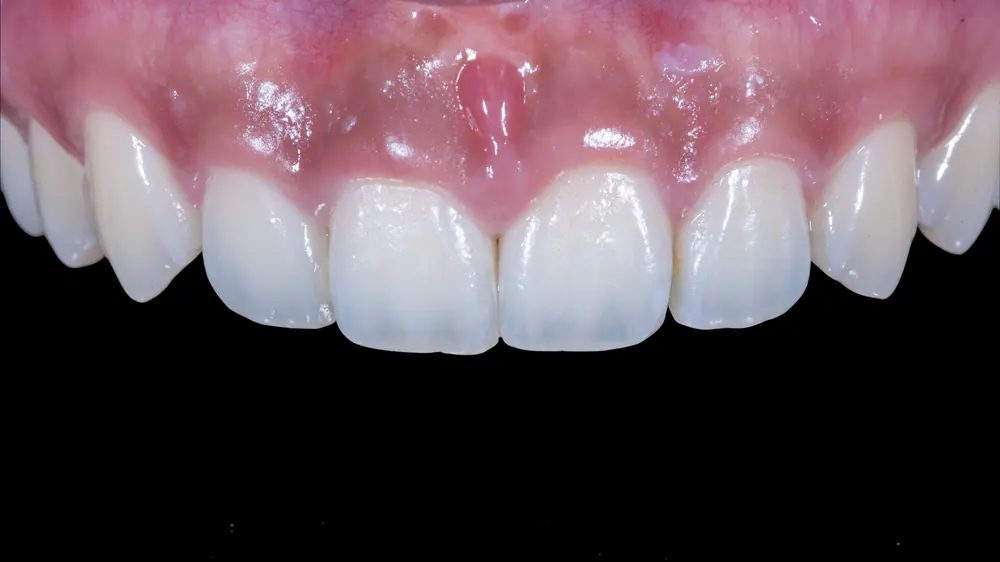
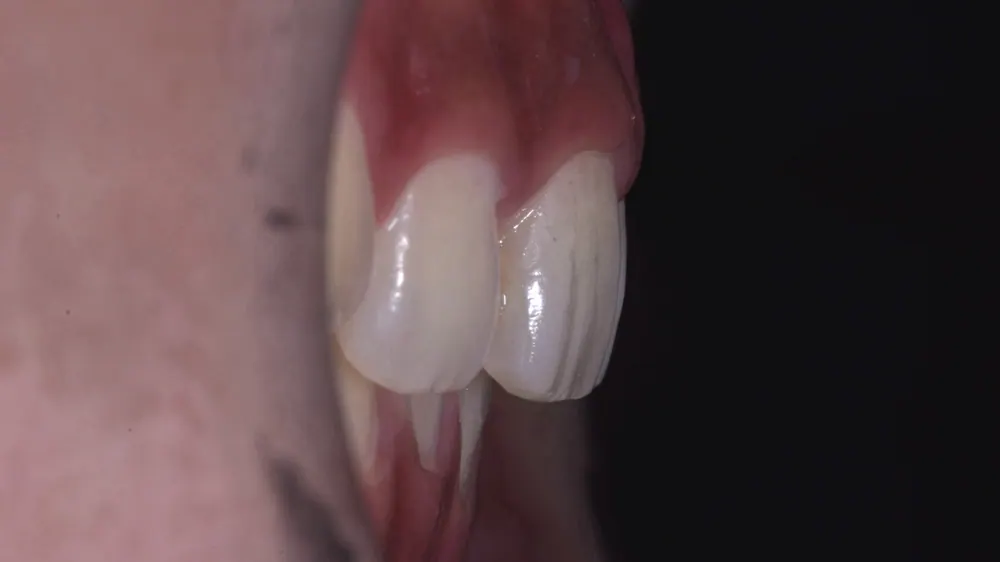
It's not uncommon for teeth to become retroclined after orthodontic treatment.
This tends to happen with patients who sit right on the borderline between extraction and non-extraction orthodontics.
When non-extraction treatment would leave the mouth looking a bit too protruded, but extraction treatment feels excessive,
choosing extraction orthodontics can sometimes result in retroclined teeth.
In these cases, patients often complain that their smile doesn't look attractive,
or that too little of the teeth show when speaking or smiling.
Since these are usually cases where nothing more can be done orthodontically,
veneers become the treatment of choice.
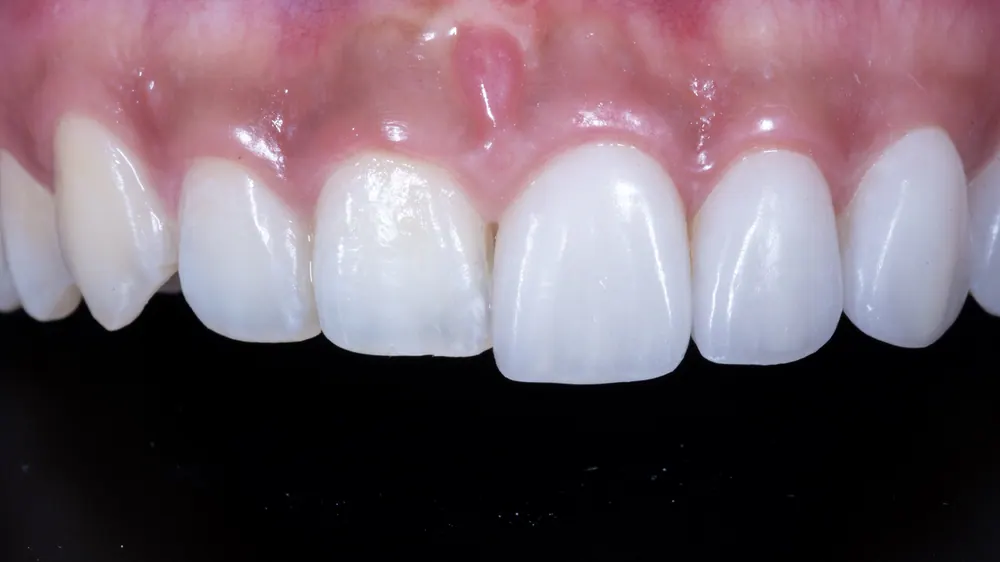
In most of these cases, we use no-prep veneers.
Because the alignment is otherwise good and the teeth simply need to come forward from their current position,
no-prep veneers are possible.
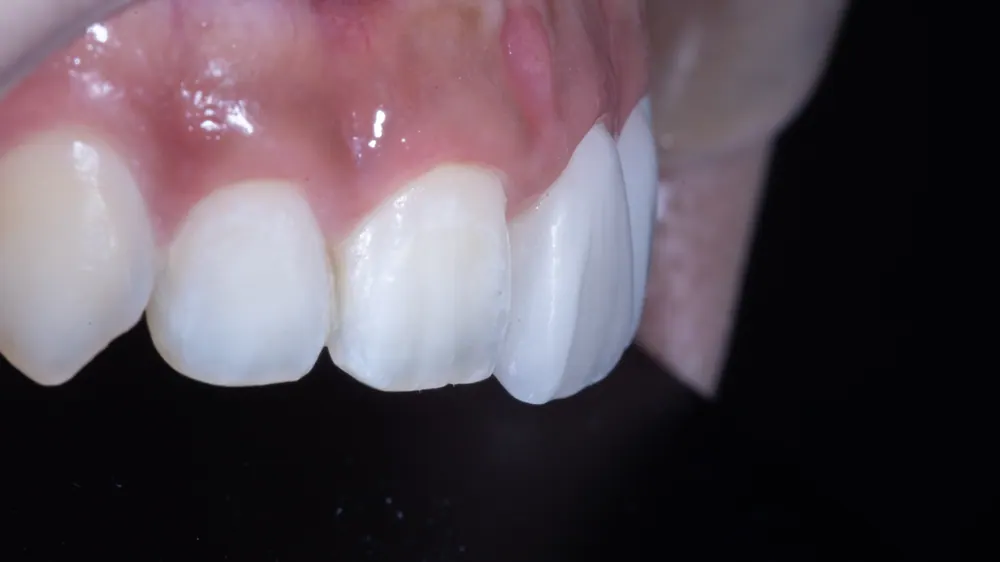
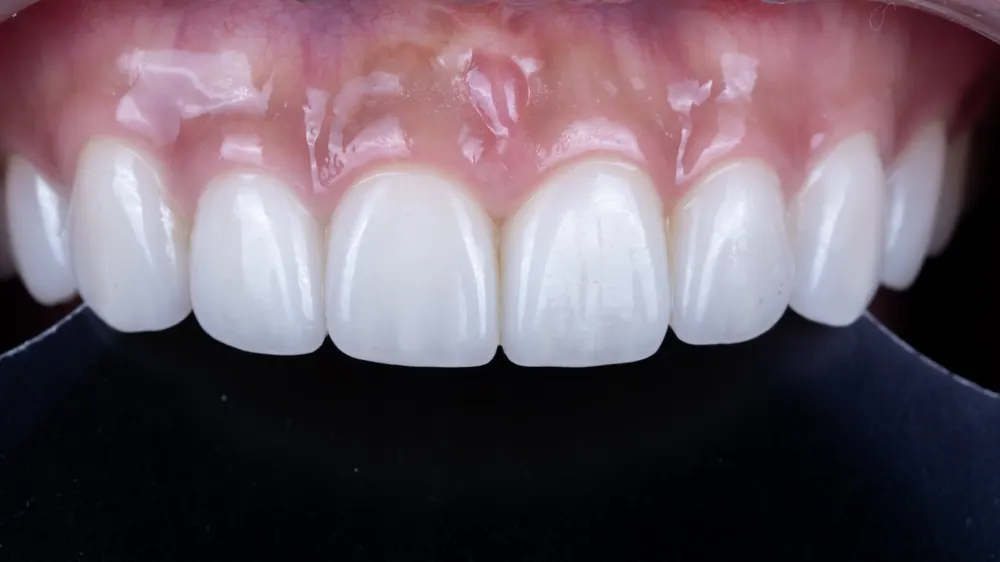
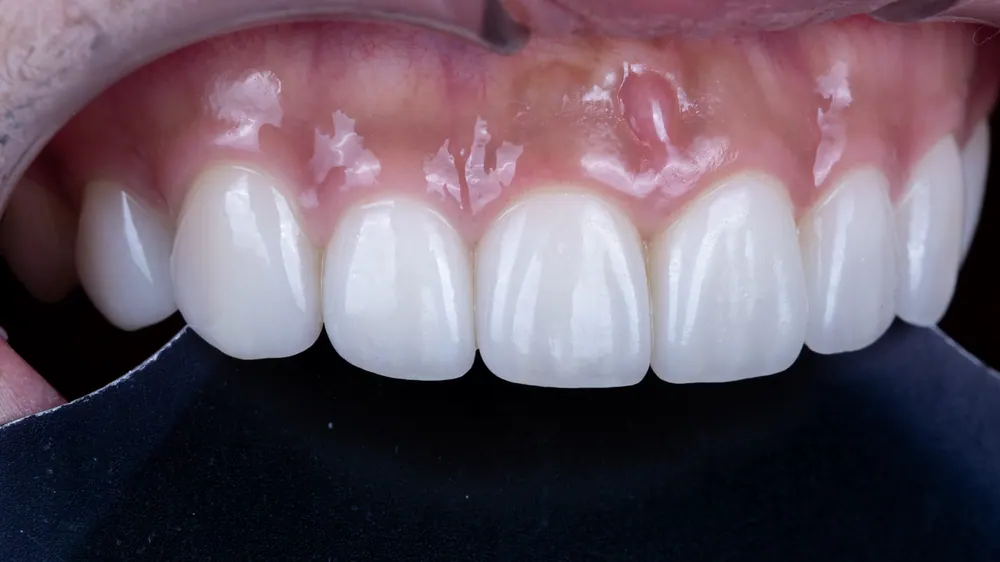
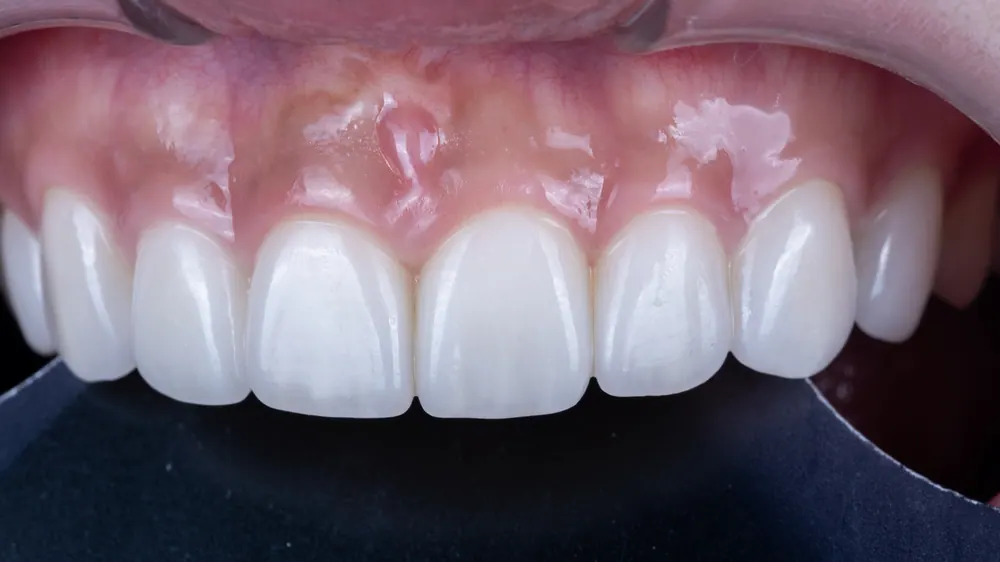
So when retroclined teeth are the result of orthodontic treatment,
no-prep veneers can create more beautiful teeth.
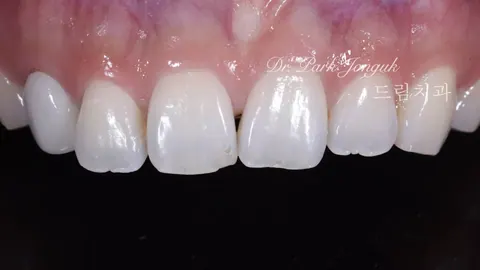
2. Undersized (Peg) Lateral Incisors
If a patient has had orthodontic treatment but the teeth still don't look attractive because of an undersized tooth,
no-prep veneers are possible here too.
In my lectures for dentists, when discussing retroclined teeth combined with an undersized tooth after orthodontics,
I always tell them to try veneer treatment.
It often produces quite good results without any tooth reduction at all.
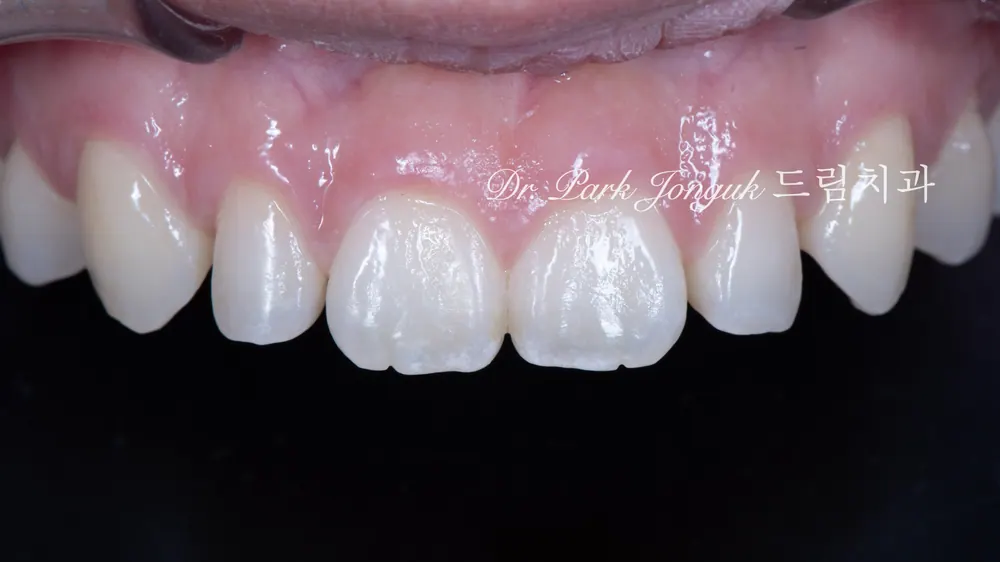
Undersized teeth most often appear at the lateral incisor, next to the central incisor.
If you're an orthodontist,
you've probably spent a lot of time thinking about how to handle cases like this.
It's a real dilemma: veneers after orthodontics, or closing the space entirely through orthodontics alone.
Making this decision requires an accurate assessment of tooth proportions.
If the undersized tooth isn't too small, the decision can be made after closing the space.
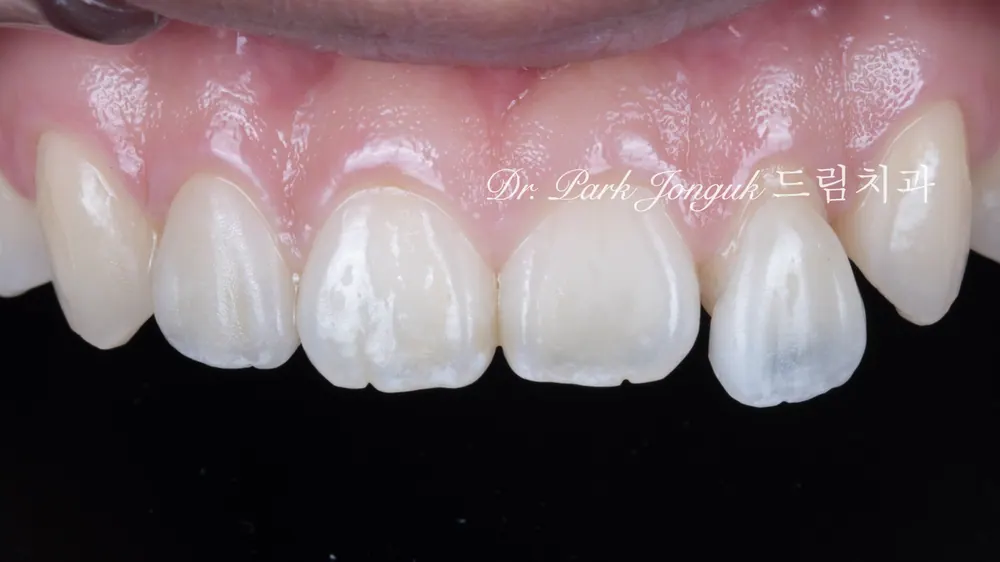
In this case, because of the shape of the central incisors,
closing the space entirely would create a size mismatch between the teeth and produce a poor esthetic result.
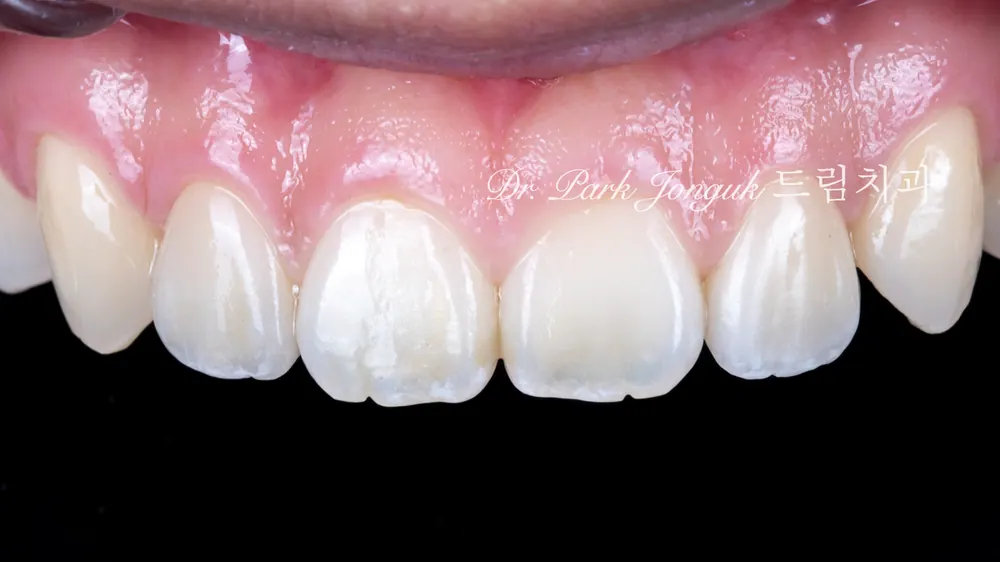
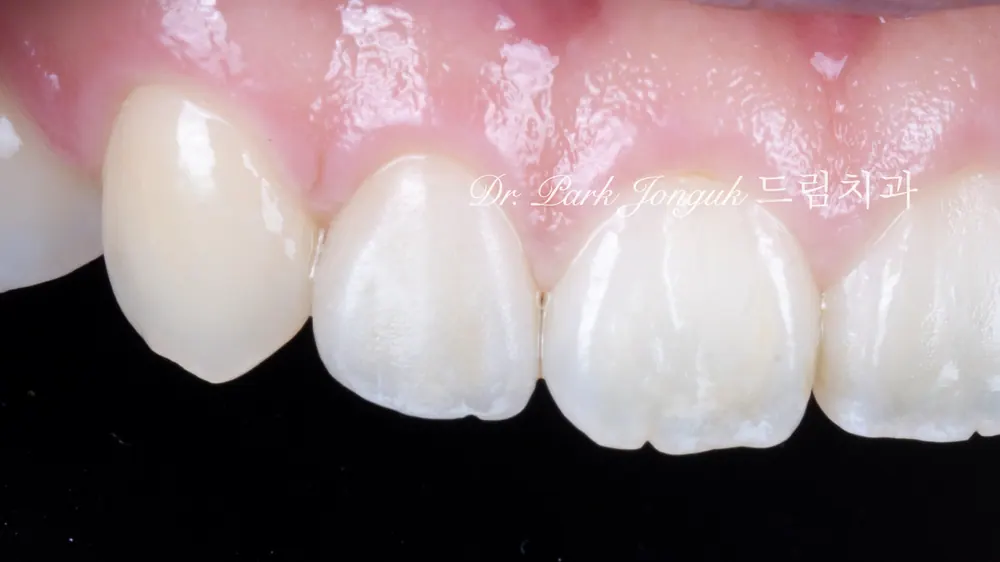
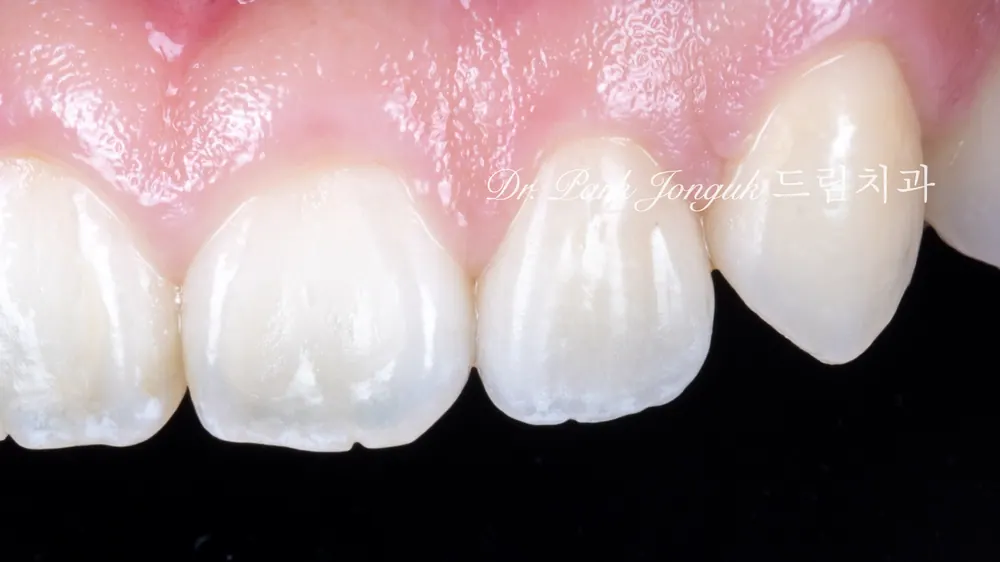
This is how no-prep veneers achieve an esthetic result that blends harmoniously with the natural teeth.
3. Black Triangles
As adult orthodontics has become more common, black triangles appearing after treatment have become more common as well.
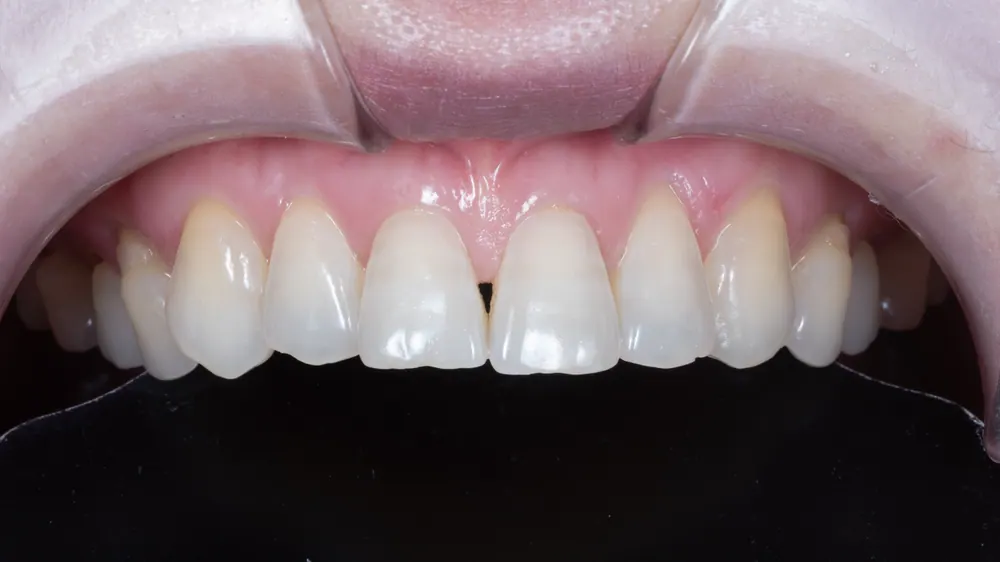
This is what we call a black triangle—a dark triangular shape visible between the front teeth.
It can be caused by tooth shape, gum problems, age, and various other factors,
and appears frequently after orthodontic treatment.
Black triangles are a very challenging case to treat with veneers.
For cases like this, it's best to approach them only after gaining substantial experience with veneer treatment.
In my veneer lectures, I cover black triangles in greater depth.
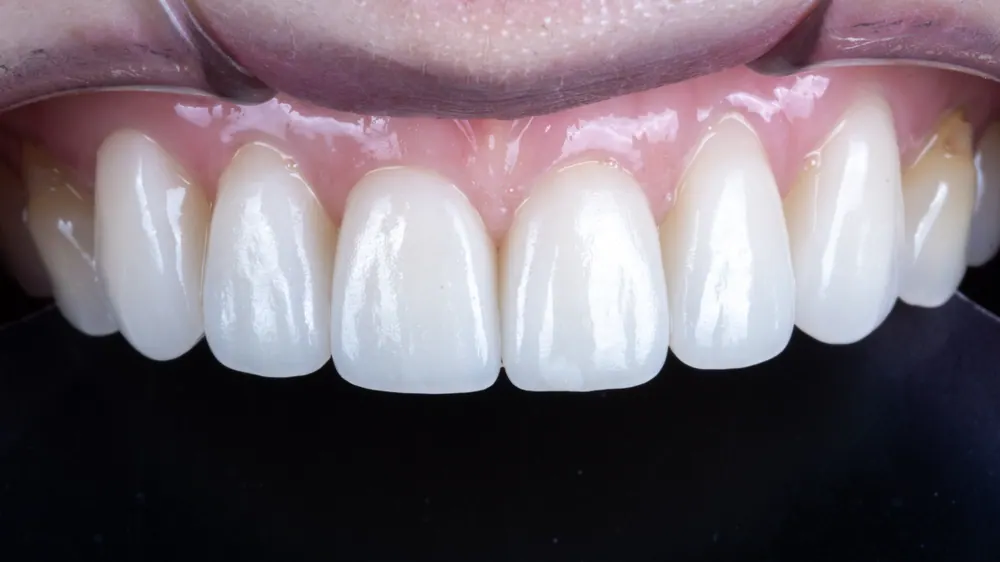
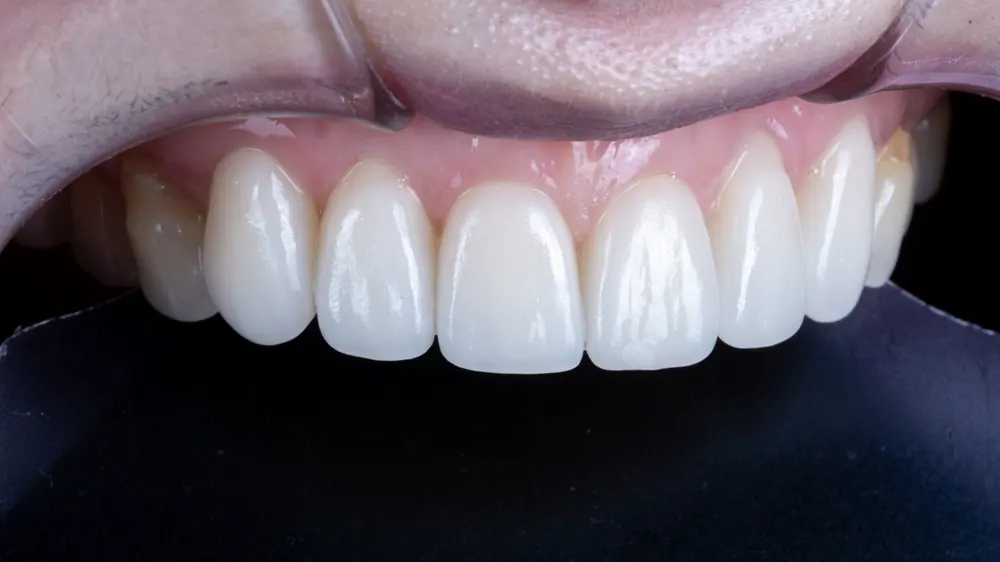
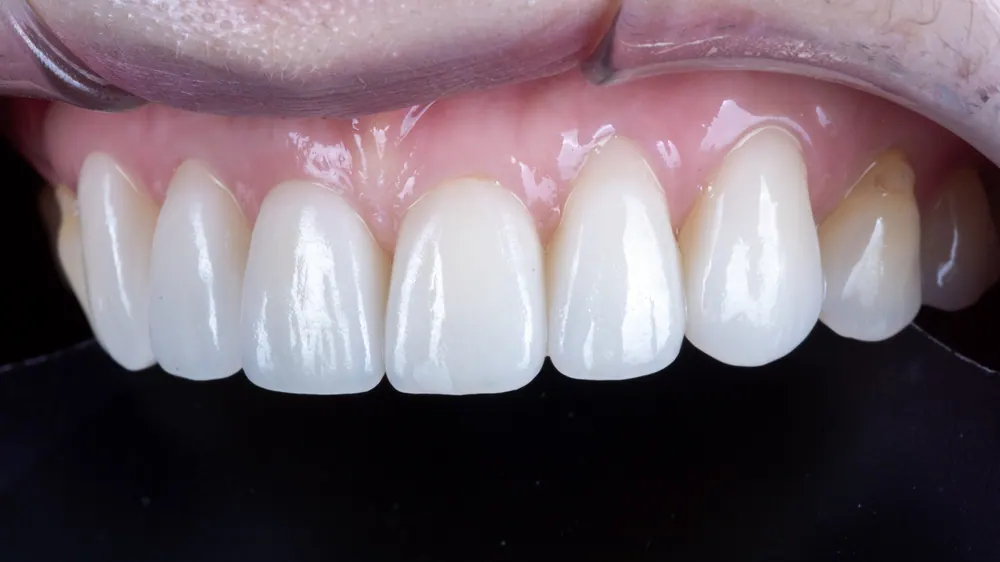
I'm also looking forward to the veneer lecture with orthodontic specialists in April.
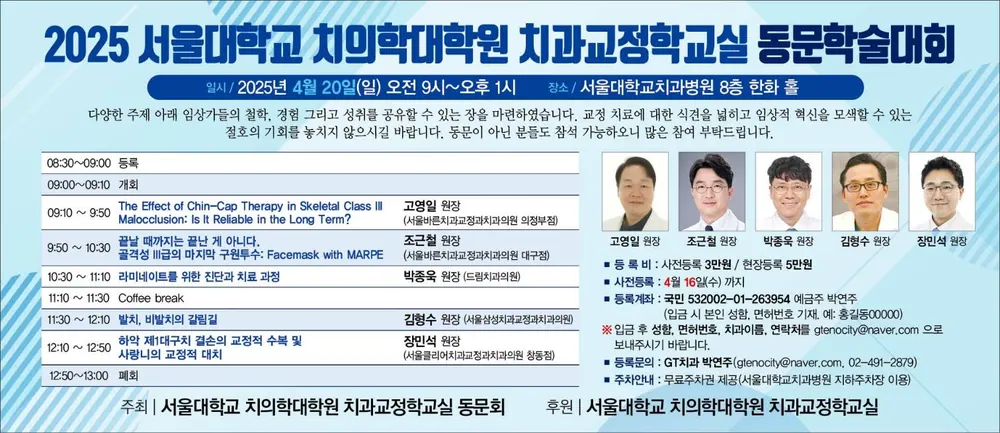
Even in a short time, I'll do my best to make it a worthwhile lecture.
And the regular May veneer lecture has also been scheduled.
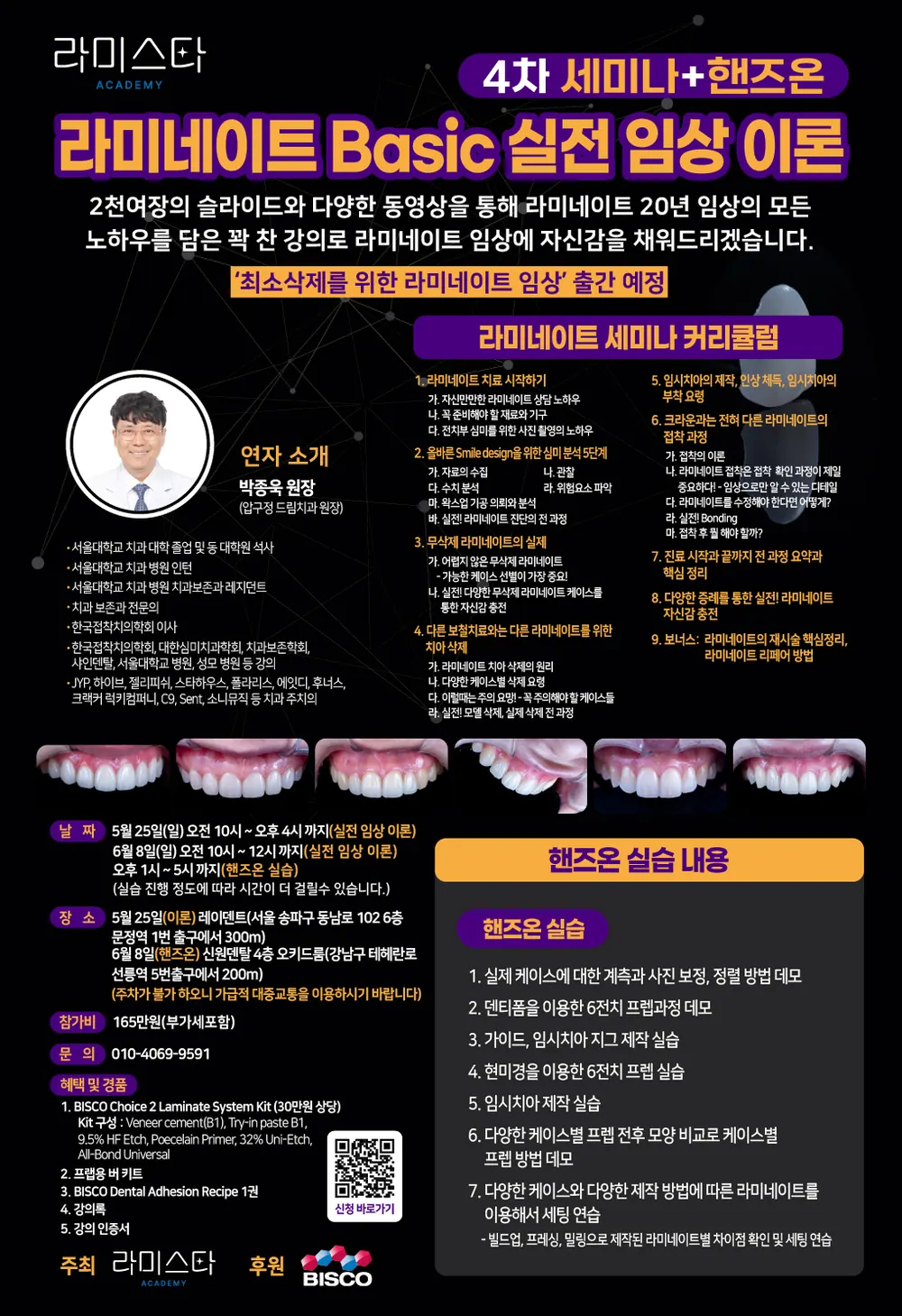
The lecture hall and the practicum room are in different locations, so please be sure to check.
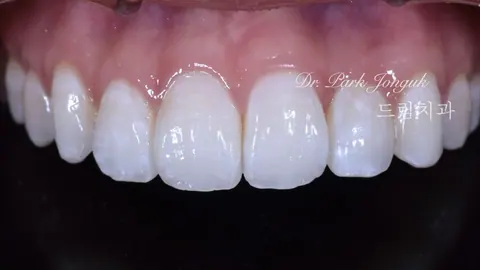
This article is a clinical note written by Dr. Park Jonguk of Dream Dental Clinic, Gangnam; the original was published on his blog. The photographs shown are real cases he treated. Results vary with each patient’s condition, and every procedure carries the possibility of individual variation and side effects.
Quick Consult
Request a Callback
Leave your number and we will call you back during clinic hours.
Request Received
We will contact you during clinic hours. For urgent matters, please call +82-2-3448-0028.