
Top 3 Causes of Veneer Failure — What You Need to Know Before Retreatment
Hello.
I'm Park Jonguk, head of Dream Dental Clinic in Apgujeong.
Today I want to talk about something a bit heavier.
It's about veneer failure.
"I got veneers, but they look unnatural."
"My crown looks artificial."
"It doesn't match the surrounding teeth."
I see a great many patients who come in with concerns like these.
Over 20 years of practice,
listening to the stories of patients coming in for retreatment,
I've found that most of them share similar causes.
Today I'll break those causes down into three.
Whether you're getting veneers for the first time,
or you're considering retreatment,
please read all the way to the end.
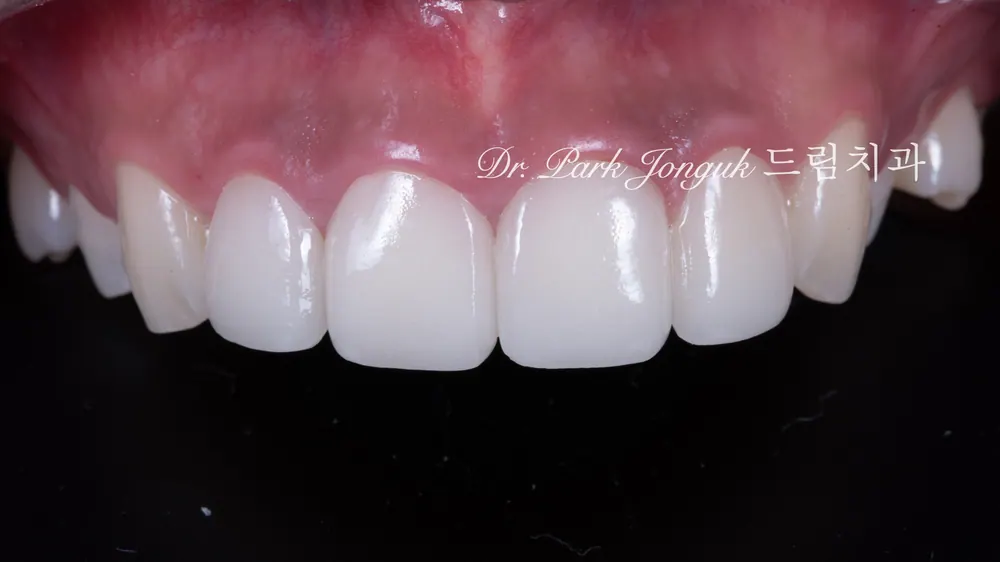
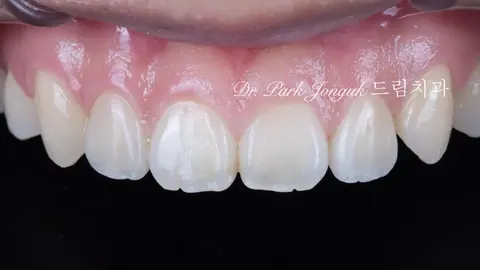
Photo 1 - The initial state before retreatment (the existing restoration, opaque and unnatural)
Cause of failure 1: An opaque fabrication method
The biggest reason a veneer or crown
looks unnatural is exactly this.
It's opaque.
Light passes through a natural tooth.
In particular, the incisal edge — the very tip of the tooth —
has a translucency that gives it a sense of depth.
But a crown made from a single block of ceramic
blocks light.
That's why it looks stiff and artificial.
It shows in photos and in person alike.
Even with the same all-ceramic material,
the result differs completely depending on the fabrication method.
A single-block fabrication is made in one uniform color,
so it can't reproduce the variation in translucency across different parts of the tooth.
The multilayer buildup method, on the other hand,
layers several different types of ceramic one on top of another.
Opaque near the gum line,
semi-translucent in the middle,
and translucent at the incisal edge.
It recreates the same layered structure as a natural tooth.
Even with the same material, if the fabrication method differs,
the result comes out completely different.
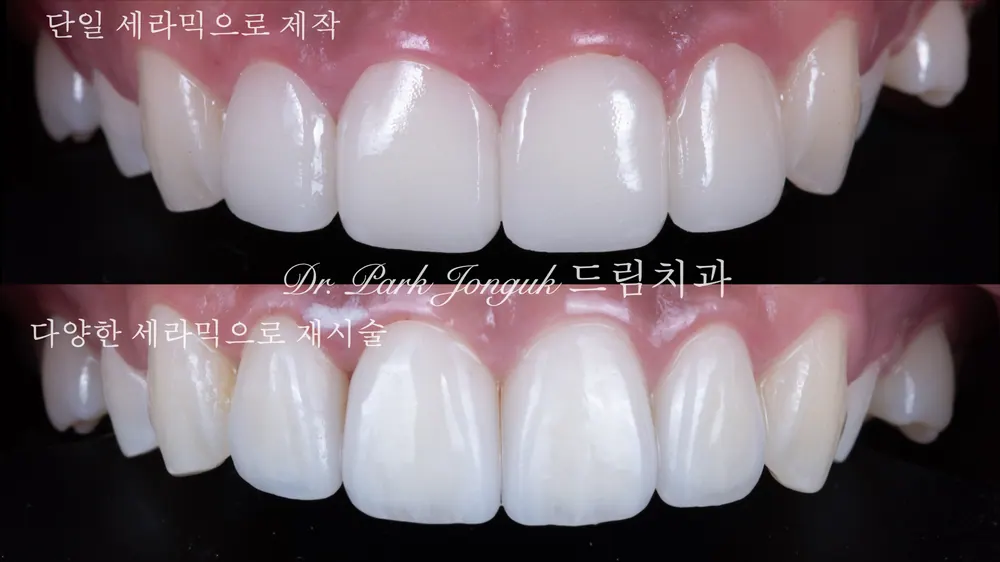
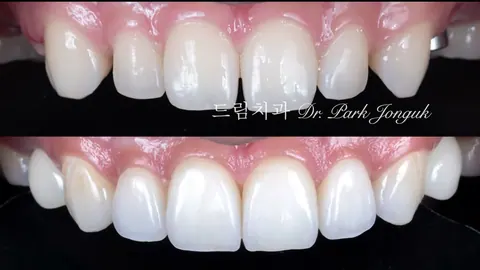
Photo 2 - Veneers retreated to look natural, beautiful, and translucent
Cause of failure 2: A bulky shape
Does matching the color alone make it look natural?
No, it doesn't.
If the shape is bulky, no matter how well the color matches,
it will still look unnatural.
A natural tooth has delicate details.
The natural curve of the edges, called line angles,
the fine vertical ridges called mamelon lobes,
even the surface texture.
All of these come together
to create the feeling of looking "natural."
But a crown made from a pre-fabricated block
has a hard time reproducing these details.
As a result, the shape ends up looking crude,
and something about it just looks off.
Patients often say something like,
"something looks off but I can't put my finger on what" —
and most of the time, it's this shape issue.
Only when a skilled ceramist
builds it up layer by layer by hand
do these natural-tooth-like details come to life.
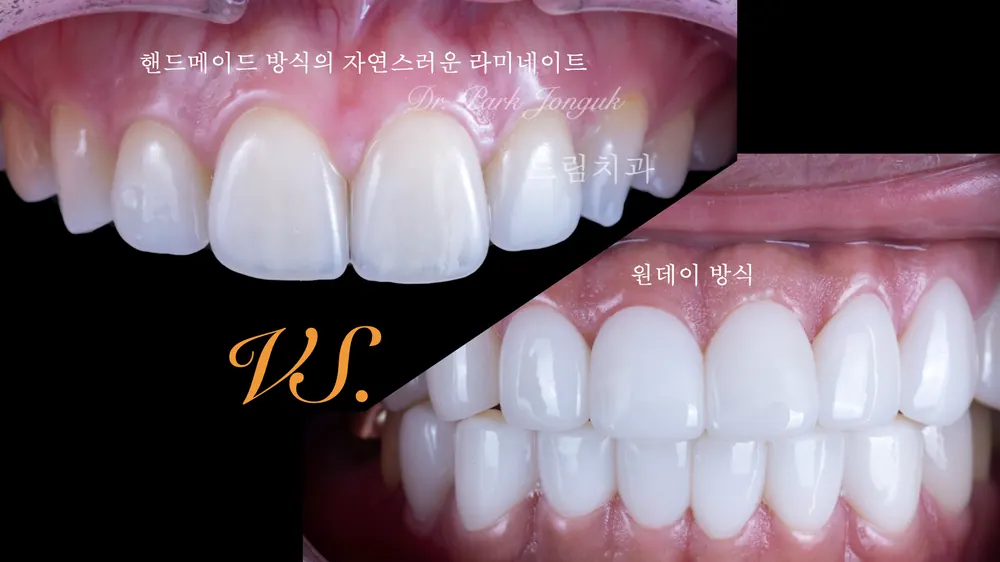
Photo 3 - A comparison of shape details
Cause of failure 3: A lack of harmony with the surrounding teeth
A single veneer or crown may look fine on its own,
but sometimes it looks off once it's placed inside the mouth.
The crown ends up looking like it stands apart from everything else.
This is a problem of harmony with the surrounding teeth.
The color, translucency, shape, and size of the adjacent teeth.
All of these have to be taken into account,
flowing together as a single, connected whole.
This problem is hardest to solve, in particular,
when only 2 front teeth are being treated with veneers.
It's a much higher degree of difficulty
when doing just 2 teeth than when doing 6 or 8.
That's because it has to blend perfectly
with the rest of the natural teeth.
That's why, starting from the diagnostic stage,
precisely analyzing the color and translucency of the surrounding teeth
and designing accordingly is essential.
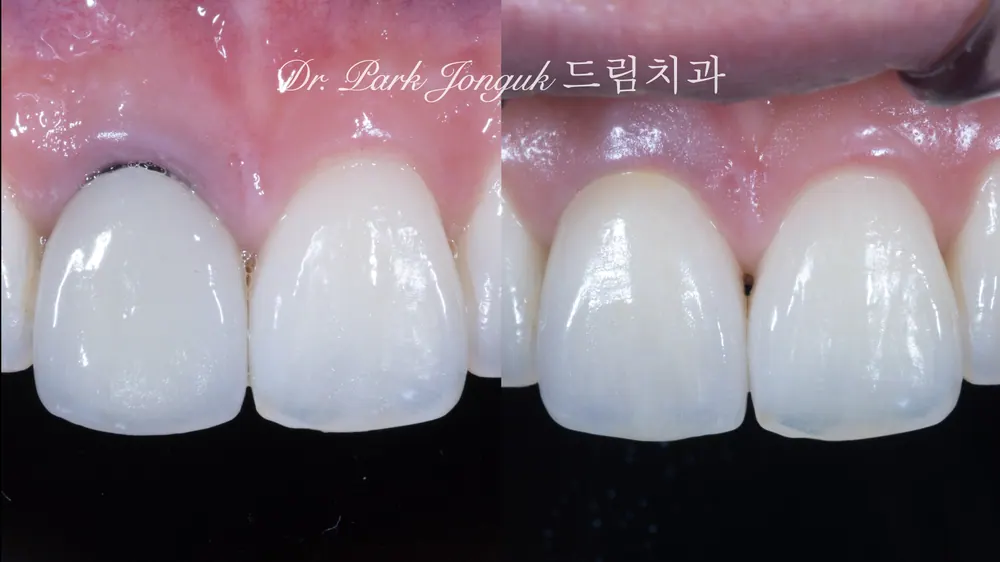
Photo 4 - The final result, in harmony with the surrounding teeth
Retreatment can change things
If you already have veneers or a crown
and you're feeling like something's off,
it can be resolved through retreatment.
Veneers are safely removed with a laser.
The laser breaks down the adhesive,
allowing the veneer to be lifted off without damaging the tooth.
A crown is removed by being cut off.
An old crown's bond has often weakened over time,
so it's often removed relatively easily.
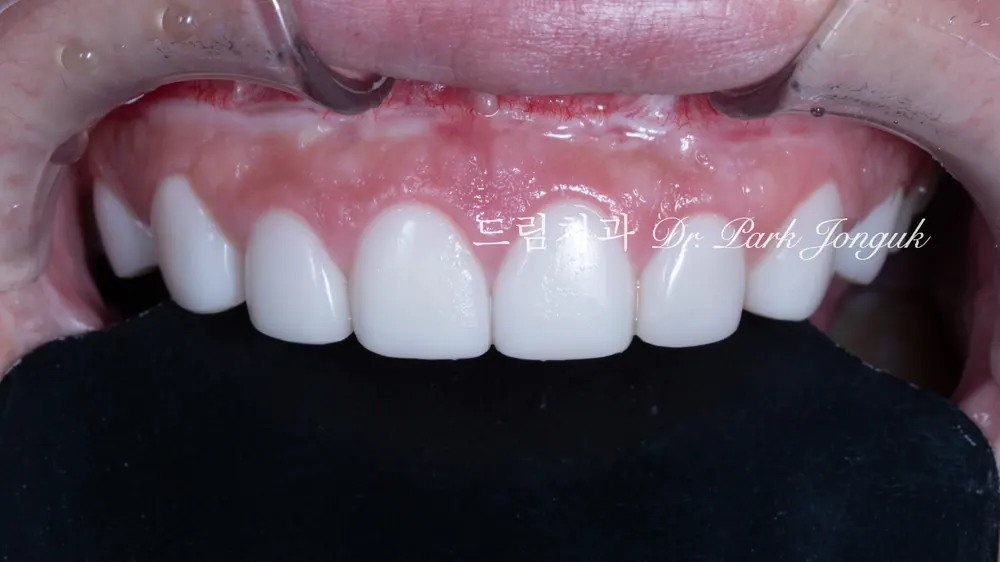
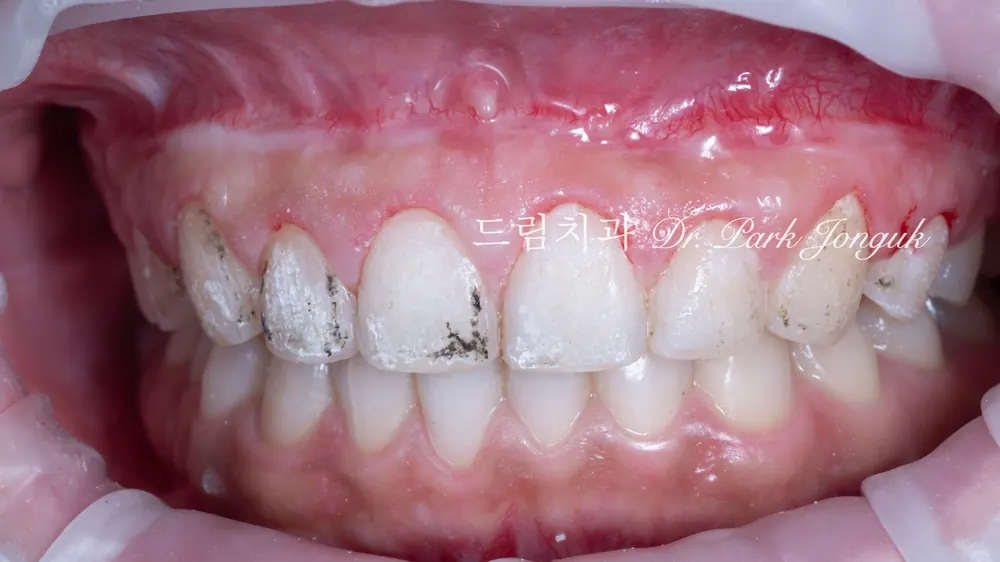
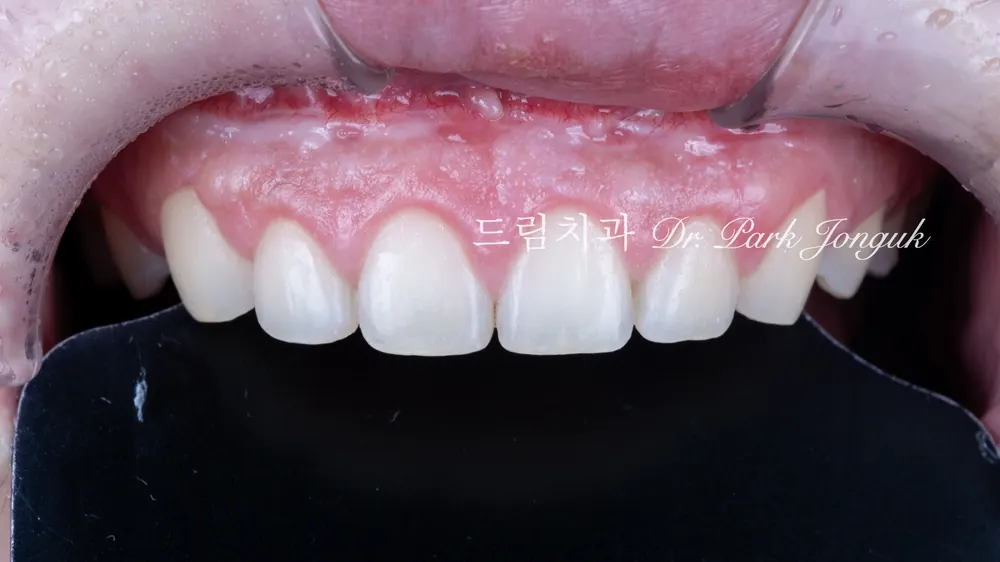
Photo 5 - A veneer being removed with a laser
Here's what matters.
A tooth that's already been reduced doesn't grow back.
But from the current state,
the best possible result can still be achieved.
Even with the same all-ceramic material,
if it's newly fabricated using the buildup method,
a tooth that was opaque becomes translucent,
a shape that was bulky becomes delicate,
and a tooth that stood apart comes to blend with its surroundings.
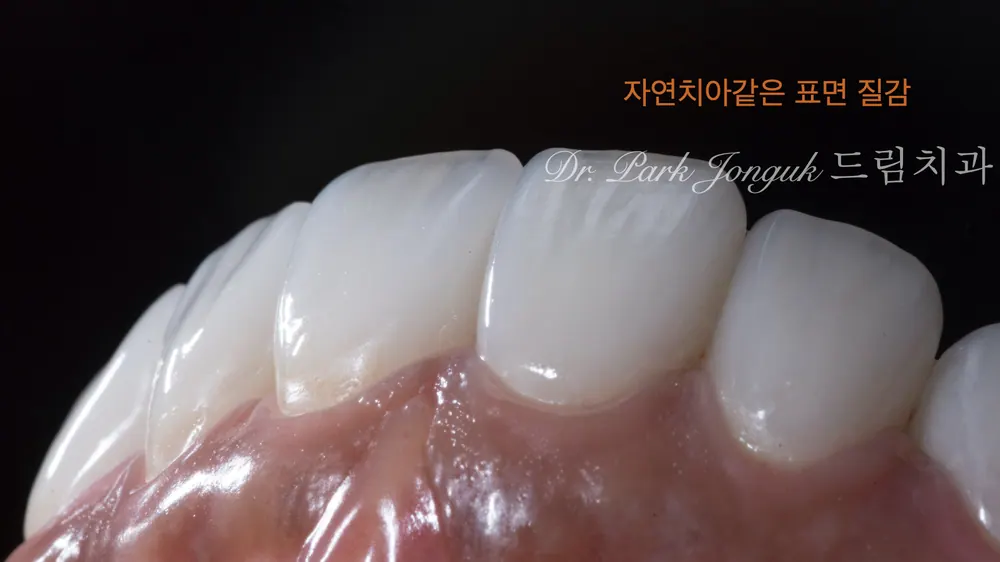
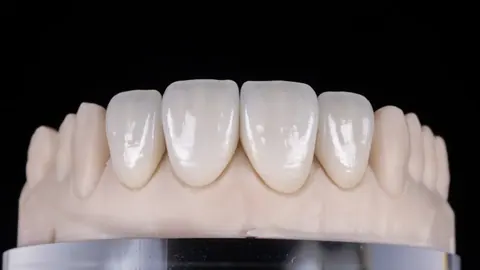
Photo 6 - Natural-looking veneers
Frequently asked questions
Q. Does retreatment mean my tooth has to be reduced further?
In most cases, almost no additional reduction is needed.
Once the existing crown is removed,
what's left is a tooth that's already been reduced.
Since the new crown is fabricated based on that existing state,
there's no need to cut down much further.
However, if there's secondary decay,
or the existing reduction wasn't done appropriately,
a bit of additional cleanup may be needed.
Q. Doesn't it hurt to have the veneer removed?
Since it's removed with a laser after anesthesia,
there's almost no pain.
The laser selectively breaks down only the adhesive
and doesn't affect the tooth itself.
If the original treatment involved minimal reduction,
the retreatment can also proceed without major impact on the tooth's health.
Q. Which type of veneer has a lower chance of failing?
The key is the fabrication method.
Compared to a method that mills the whole piece from a single block at once,
the buildup method, where a skilled ceramist
layers it up in multiple stages, produces a more natural result.
Also, when choosing a clinic, I'd recommend checking
whether it has extensive experience with retreatment
and whether it uses the multilayer buildup method.
If your veneers or crown feel unnatural to you,
please don't just worry about it alone — come in for a consultation.
Dr. Park Jonguk of Dream Dental Clinic in Apgujeong
has specialized in veneer and crown retreatment for 20 years.
He published Korea's first veneer-specialty textbook,
and its first print run sold out within 8 months.
Every month at Lamista Academy,
he also teaches dentists the buildup veneer technique.
This article is a clinical note written by Dr. Park Jonguk of Dream Dental Clinic, Gangnam; the original was published on his blog. The photographs shown are real cases he treated. Results vary with each patient’s condition, and every procedure carries the possibility of individual variation and side effects.
Quick Consult
Request a Callback
Leave your number and we will call you back during clinic hours.
Request Received
We will contact you during clinic hours. For urgent matters, please call +82-2-3448-0028.