
How to Choose a Good Veneer Clinic — 6 Criteria From Diagnosis to Warranty
Veneers are a procedure that's hard to reverse once you start,
yet a search turns up different guidance from every clinic, making it hard to decide "where to go."
Today, I'll cover what objective criteria to look at when choosing a veneer clinic,
and what's worth asking during a consultation, from a clinical perspective.
This article doesn't recommend or compare specific clinics —
it's a check guide you can use to verify things yourself.
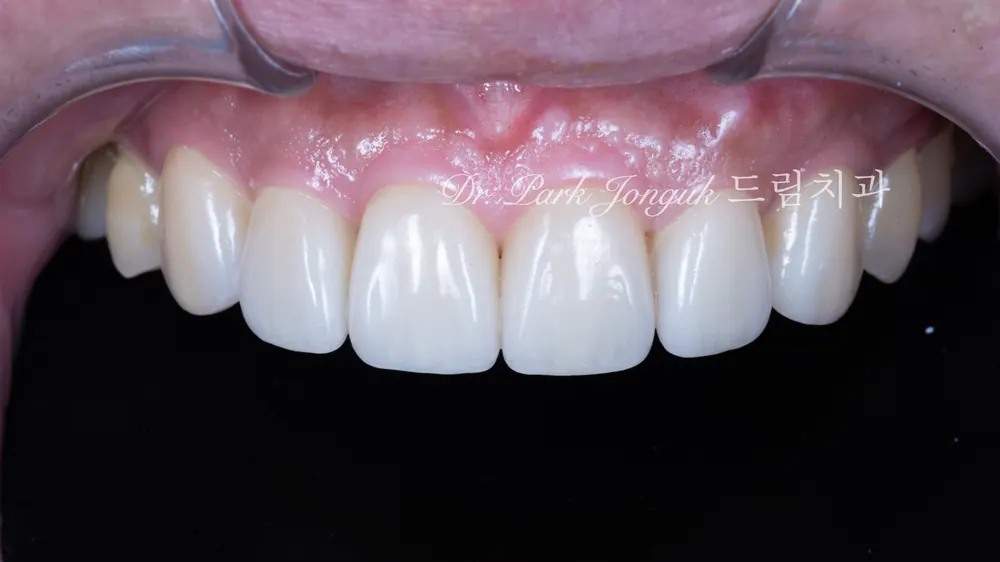

⭐ Key answer (at a glance)
When choosing a veneer clinic,
① Digital precision diagnosis
② Case-by-case minimal reduction
③ Transparent explanation of materials and lab work
④ Bite adjustment and aftercare/warranty
— check these four things first.
Because veneers are hard to reverse,
it's more sensible to look first at the depth of diagnosis and the accountability system, rather than low-price ads or pressure toward a quick decision.
Suitability and results vary greatly from person to person, and an accurate assessment requires an in-person exam.
Why does choosing a veneer clinic require such care?
Because veneers involve irreversibly reshaping the tooth surface,
getting the first choice wrong can mean even greater cost and time for retreatment or remaking.
In particular, a poorly handled margin or excessive reduction sometimes can't be fully corrected even with remaking.
That's why, rather than "the cheapest place,"
it's ultimately safer to prioritize "the place with accurate diagnosis and a clear accountability system."
What criteria should you use to choose a veneer clinic?
Here are 6 objective criteria to check.
Each item is laid out so you can verify it directly during your consultation.
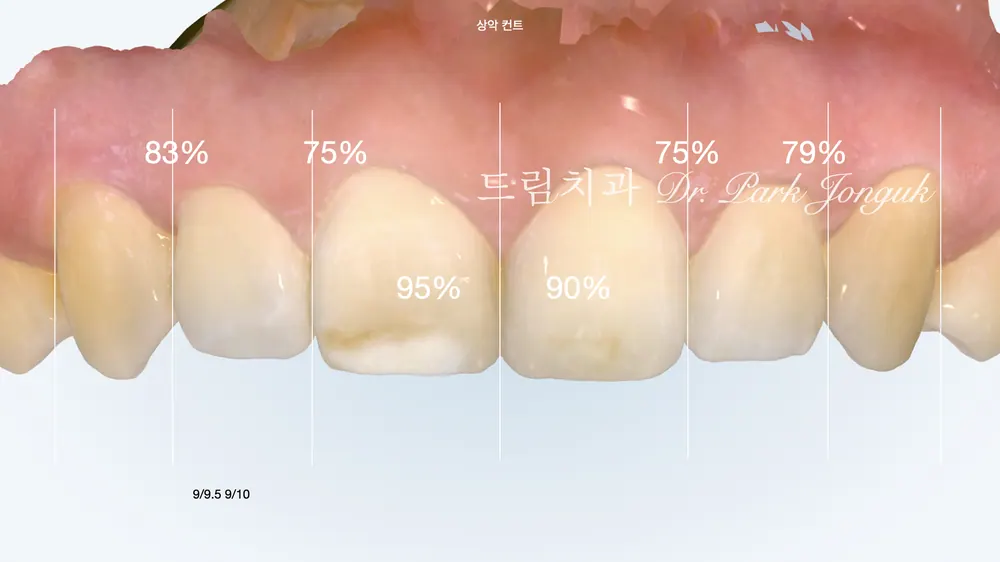
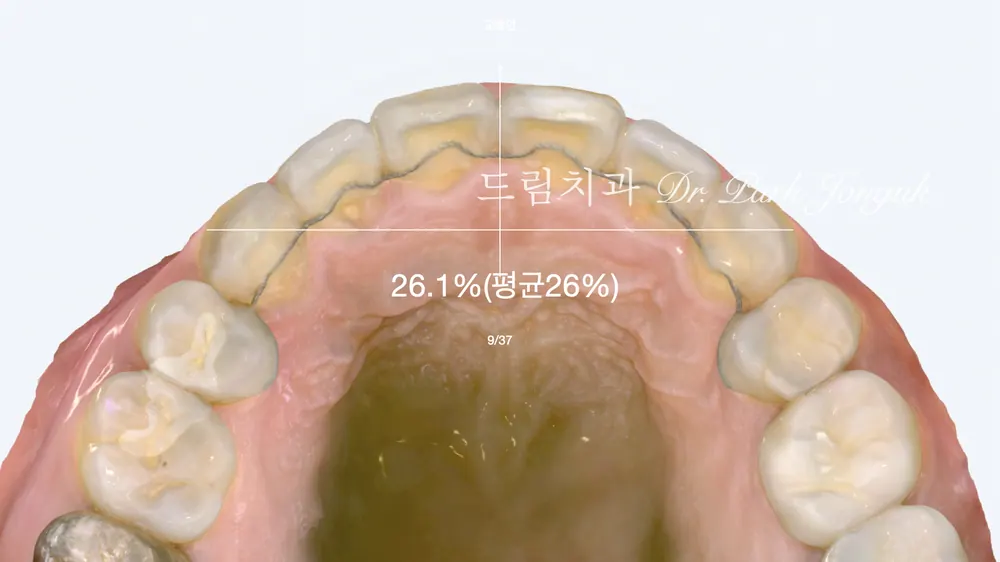
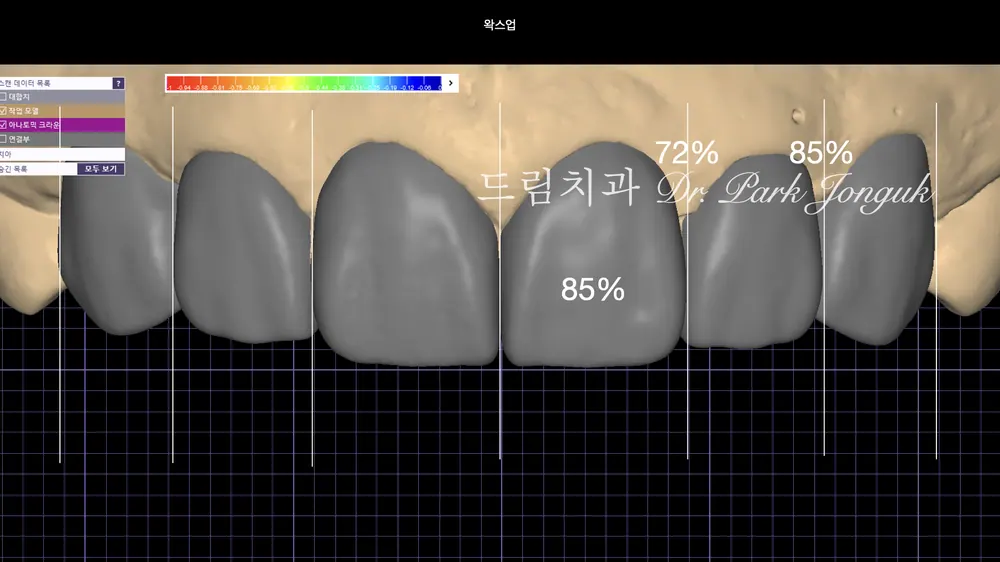
First, digital precision diagnosis. Check whether an oral scan, detailed photos, bite examination, and smile-line/gum-line analysis are all done together.
If a clinic recommends immediate treatment based only on a visual exam, it's worth double-checking.
Second, case-by-case minimal reduction. Neither reducing a lot no matter what, nor insisting on no-prep no matter what, is automatically the right answer.
You should be able to get a diagnosis-based explanation of "why this particular amount of reduction is right for your case."
Third, bite adjustment and the temporary-restoration stage. Check whether the bite and your satisfaction are fully confirmed during the temporary-teeth and try-in stages.
If final bonding proceeds while the bite is off, the risk of cracking or debonding increases.
Fourth, transparency about materials and lab work. You should be able to get a clear explanation of which porcelain is used and whether it's fabricated in-house or at an outside lab.
The specific material used is far more concrete information than a vague phrase like "premium veneers."
Fifth, the aftercare and warranty system. Check whether regular checkups every 6 months after treatment are offered, and whether the warranty period and retreatment criteria for debonding or fracture are clearly defined.
Sixth, thorough explanation. Check whether the clinic explains not just "whether it's possible" but "why it's possible or why it's difficult."
Also look for any signs of overtreatment, such as being recommended more procedures than necessary.

What should you ask during the consultation?
There are five key questions.
Asking these yourself reveals a clinic's diagnosis, treatment, and aftercare system all at once.
· "Which treatment method (no-prep/mini-prep/standard) is right for my case, and why did you decide that?"
· "Which porcelain do you use, and what are its pros and cons?"
· "Is the lab work done in-house, or at an outside lab?"
· "How many times is the bite adjusted during the temporary-teeth period?"
· "How long is the warranty period, and what are the retreatment criteria for debonding or fracture?"
If you can get a specific answer to all five questions, it's a good sign that the clinic has an organized process across diagnosis, treatment, and aftercare.
Double-check if you notice these signs
Here are four general warning signs, without targeting any specific clinic.
First, being recommended immediate treatment at the first consultation without a precision diagnosis.
Without sufficient diagnostic data, it's hard to judge suitability.
Second, when price or time-limited incentives — like "a discount" or "extra benefits if you decide today" — are presented as the main factor in the decision.
Since a veneer is the sum of diagnosis, materials, and aftercare,
if the price is significantly lower, it's worth checking which of those areas the cost was cut from.
Third, being recommended no-prep with no explanation of whether it actually suits your case.
No-prep doesn't lead to a natural result in every case.
Fourth, when the warranty and retreatment criteria aren't clearly explained.
You should clearly confirm the post-treatment accountability system before deciding.
What kind of regret do we often see in the clinic?
The regret we hear most often in consultations is "I decided too quickly without a proper diagnosis."
Patients who chose based on what looked like the lowest price, or solely on a friend's recommendation, tend after some time
to most often say, "I wish I'd looked into it more before deciding."
On the other hand, what patients with high satisfaction have in common is that they "personally got diagnosed at several clinics, heard thorough explanations, and then decided."
Rather than deciding on veneers in one sitting, it's more sensible to take time to compare using your diagnostic data.
Frequently Asked Questions (FAQ)
Q1. Is a more expensive clinic always better?
Price isn't a guarantee of the result. It makes more sense to look at what diagnosis, materials, and aftercare are actually included in that price.
Q2. Is a small local clinic or a large clinic better?
It's the precision of the diagnosis and the practitioner's clinical experience that determine the result, more than the clinic's size.
Even a small clinic can be a great choice if it has a solid precision diagnostic system in place.
Q3. Can I trust the case photos shown in ads?
Since results differ from case to case, case photos are only reference material — they don't guarantee your own outcome.
A photo shows only one angle, so it's hard to judge overall naturalness from it alone.
Q4. Is it okay to get consultations at multiple places?
It's recommended. Even for the same case, different clinics may propose different diagnoses and treatment approaches, so comparing is advantageous.
Veneer treatment usually takes 3-4 weeks, so if you have an important event coming up, it's safer to start consultations about 2 months ahead.
Key takeaways
· 6 criteria for choosing a veneer clinic — digital precision diagnosis, case-by-case minimal reduction, bite adjustment, transparency of materials and lab work, aftercare/warranty, thorough explanation. · 5 consultation questions — the basis for the treatment method chosen, the porcelain used, how the lab work is done, how many bite adjustments, and the warranty/retreatment criteria. · 4 warning signs — immediate treatment recommended without diagnosis, price or time-limited incentives, no-prep recommended regardless of case fit, and unclear warranty criteria. · Price doesn't guarantee the result — the combination of diagnosis, materials, and aftercare determines it. · Results and suitability vary greatly from person to person, and an accurate assessment requires an in-person exam.
In closing
Choosing a veneer clinic ultimately comes down to looking at "the precision of the diagnosis and the accountability system."
It's the stage before the procedure itself that determines the result. Please don't decide all at once — take time to compare using your diagnostic data.
Results vary greatly from person to person, and accurate assessment and suitability for treatment are matters that require an in-person exam.
💬 When researching veneer clinics, what part do you find most confusing?
Leave a comment and I'll answer it step by step from a clinical perspective.
📍 Park Jonguk | Director, Dream Dental Clinic, Apgujeong | 20 years in clinical practice | Author of a related clinical textbook | M.S.
─────────────────────────────
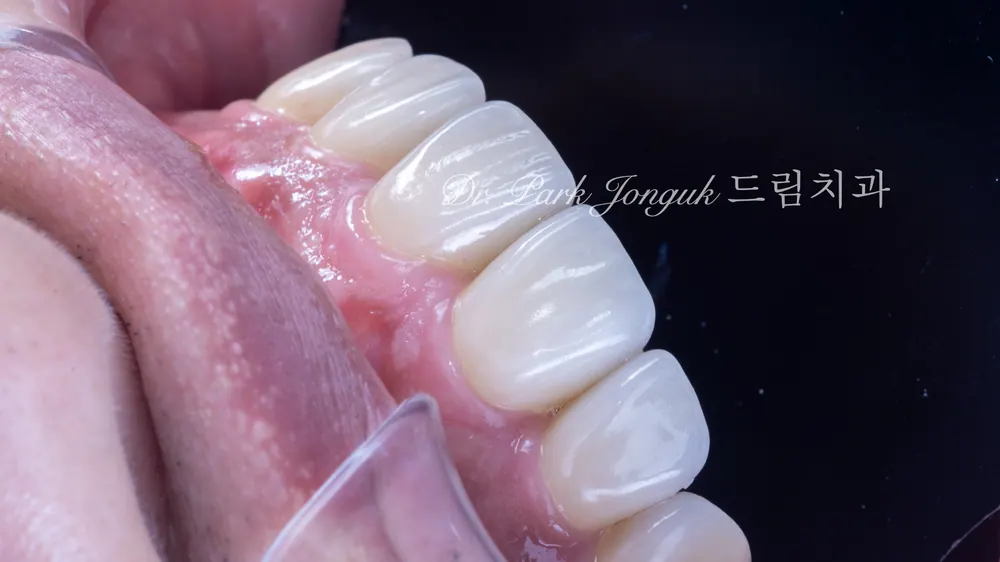
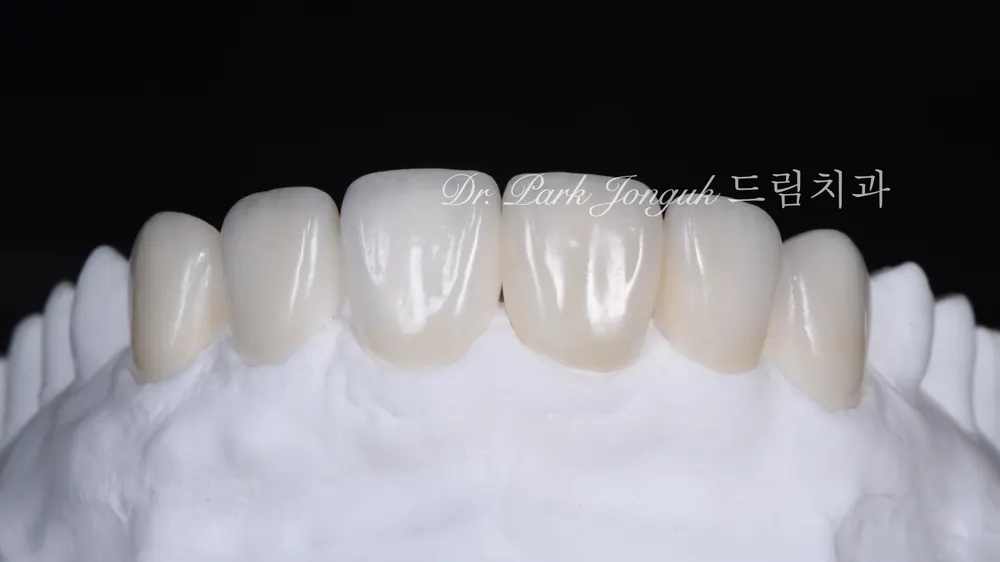
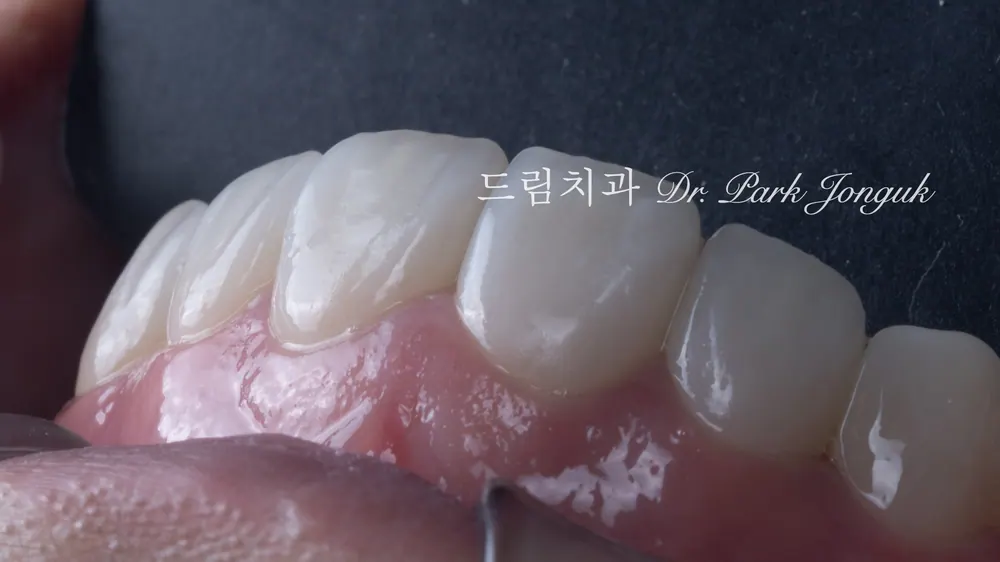
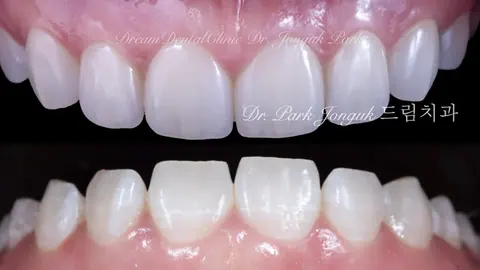
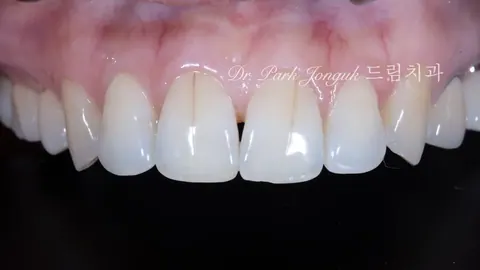
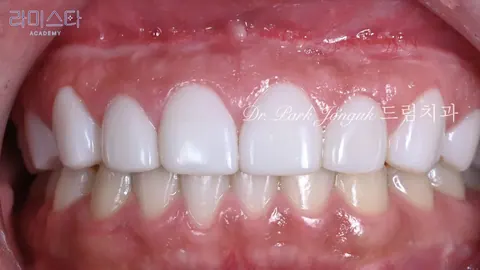
This article is a clinical note written by Dr. Park Jonguk of Dream Dental Clinic, Gangnam; the original was published on his blog. The photographs shown are real cases he treated. Results vary with each patient’s condition, and every procedure carries the possibility of individual variation and side effects.
Quick Consult
Request a Callback
Leave your number and we will call you back during clinic hours.
Request Received
We will contact you during clinic hours. For urgent matters, please call +82-2-3448-0028.