
Why Laminate Veneer Prices Vary So Widely: Five Factors That Determine Cost
There is one question patients often ask first when they come for a laminate veneer consultation.
“Why do laminate veneer prices vary so much?”
Although the procedure is offered under the same name, “laminate veneers,”
some clinics quote a very low price,
while others quote a price several times higher.
Many people assume that the difference is simply the “clinic’s profit margin,”
but in clinical practice, the factors that determine price are more numerous and clearer than one might expect.
Rather than listing specific prices, this article
explains what components make up the price
and what patients should examine when making comparisons.
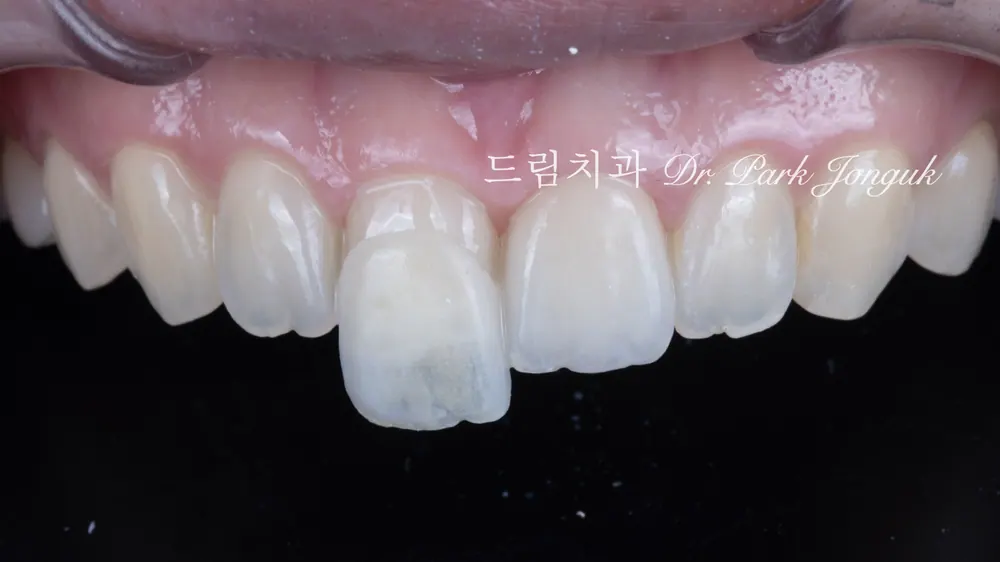
1. Five factors that determine price
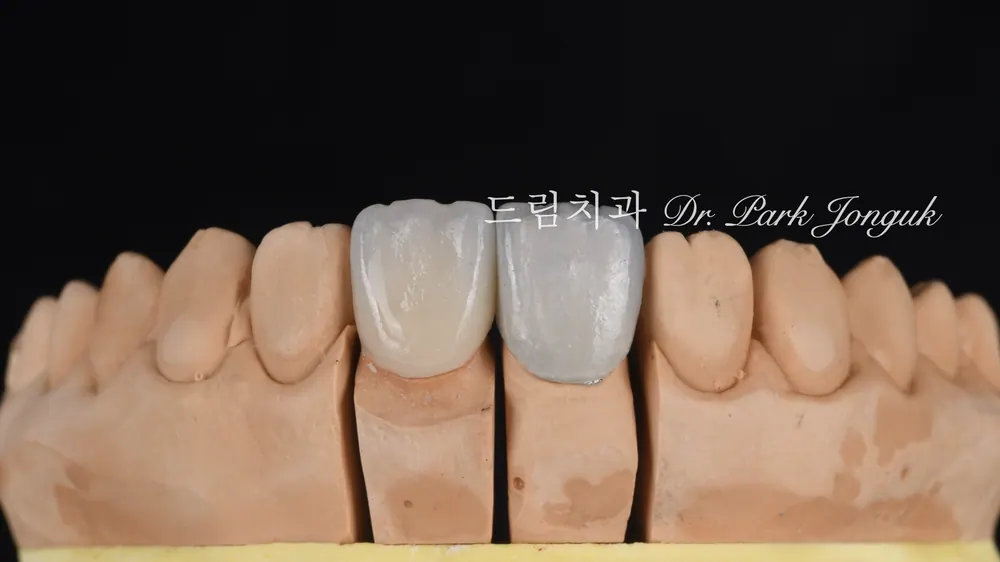
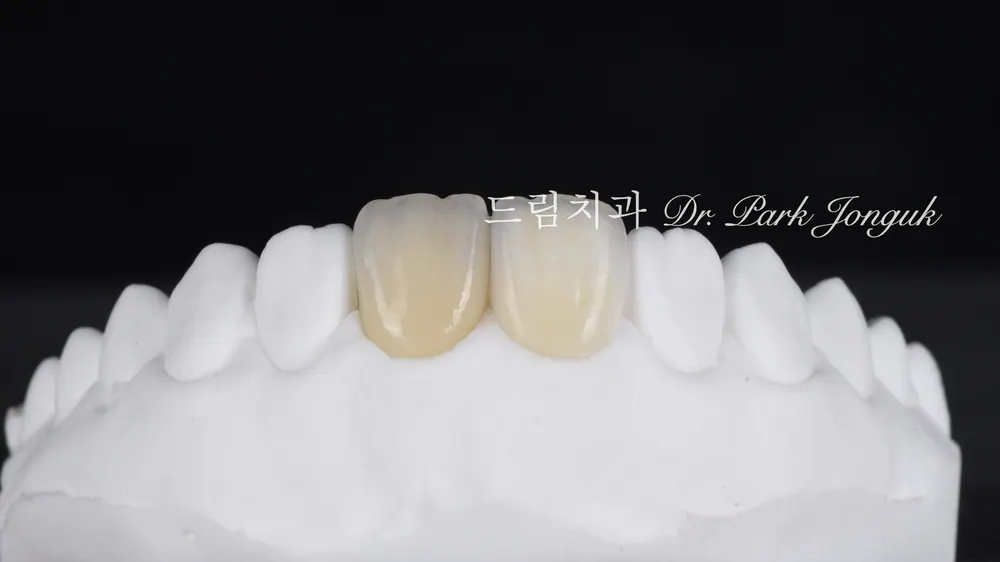
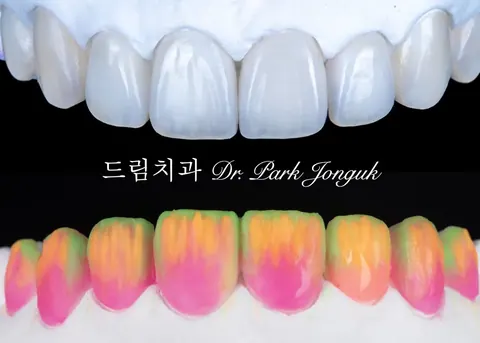
First, handcrafted laminate veneers comparable to luxury goods
The core material used in laminate veneers is ceramic.
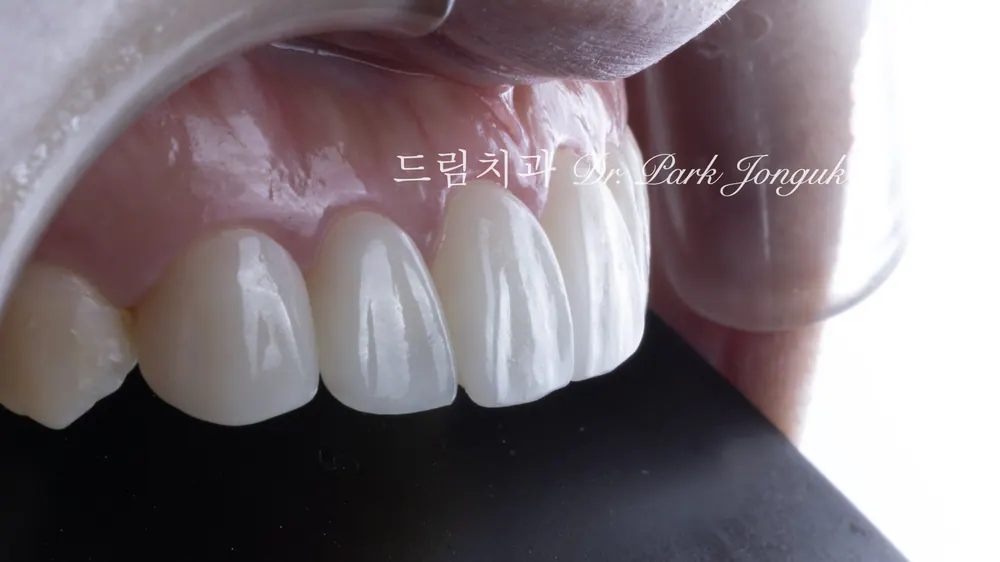
Even when they are all called “laminate veneers,” translucency, strength, and depth of color expression vary according to who uses the ceramic and how it is handled.
Reproducing the appearance of natural teeth with a variety of ceramics is what characterizes a luxury item made by an artisan.
With a one-day method made from a single ceramic in one day, fabrication costs are correspondingly lower.
Second, the time and records involved in diagnosis
The factor that most strongly influences the outcome of laminate veneers is the “diagnosis,” more than the procedure itself.
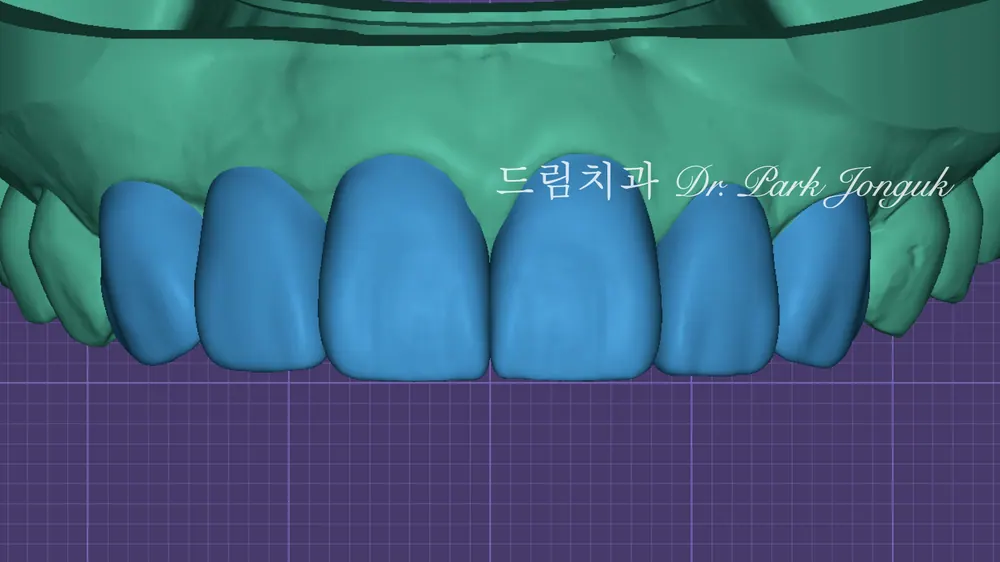
Detailed photography, digital scans, smile-line analysis, harmony with the lips, gum-line assessment, and occlusal analysis determine the depth of diagnosis.
As more time is devoted to diagnosis, treatment predictability increases and the result becomes more natural.
The time and records themselves are reflected in the price.
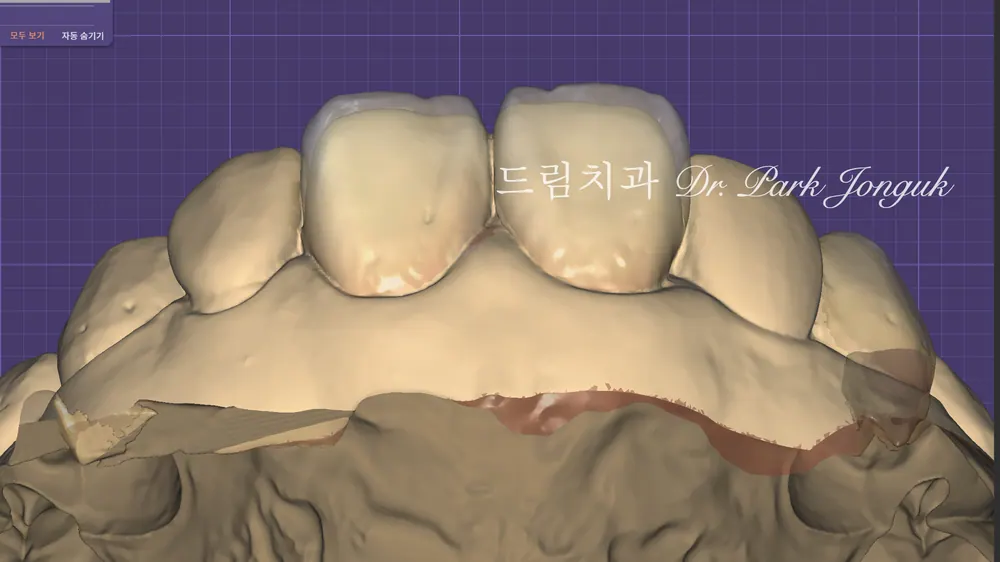
Third, the level of precision in fabrication
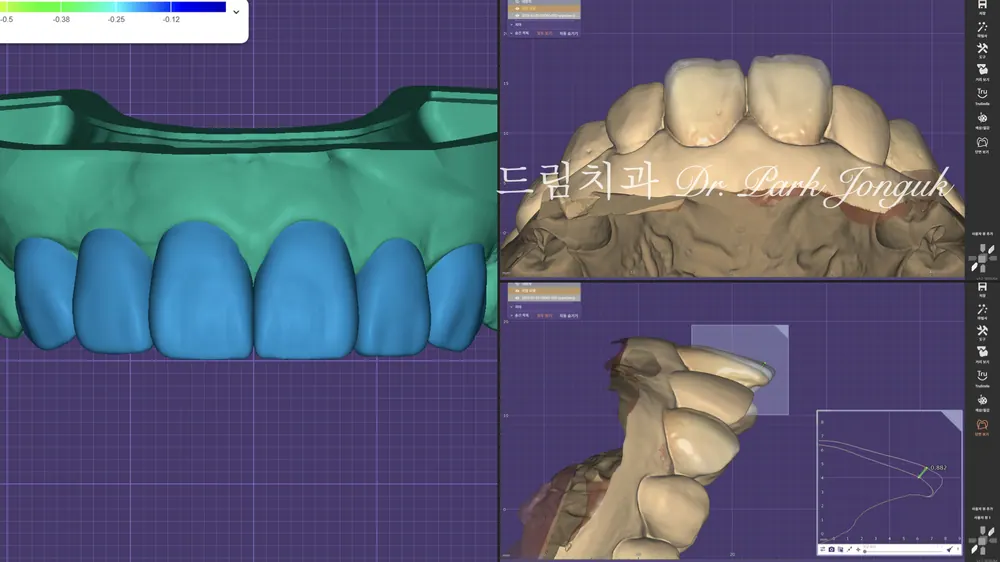
Laminate veneer treatment is not complete simply because the shape has been made.
The “margin,” where the tooth and ceramic meet, must be fabricated precisely to maintain gum health,
prevent gaps or lifting, and keep food debris from becoming trapped.
This precision work requires digital equipment, hand finishing, and inspection time.
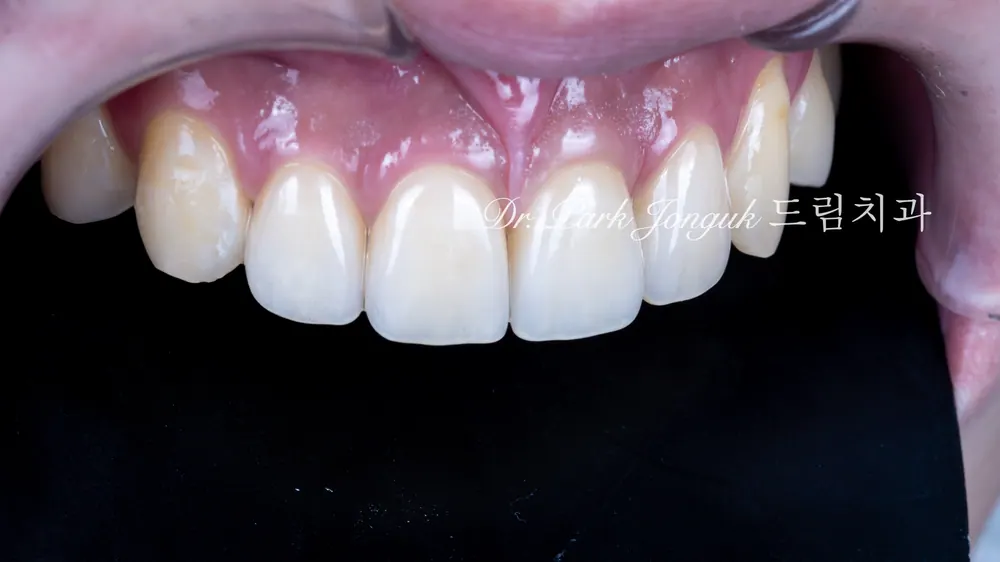
Even among laminate veneers, those completed with hand finishing can be considered
far superior aesthetically.
Fourth, the clinician’s experience
Even with the same diagnosis and materials, the result varies according to who prepares and who bonds the veneer.
The skill required to bond thin ceramic in the correct position, at the correct thickness, and with an accurate margin cannot be developed in a short time.
Clinical experience is a factor expressed not as a price, but as “stability of the outcome.”
Fifth, the follow-up care system
Laminate veneer treatment is not a procedure that is “finished” once the veneers are bonded.
Regular checkups at 6-month intervals should assess the margins, gums, and changes in occlusion to maintain the intended lifespan.
A clinic with a well-established maintenance system must devote corresponding staff time and resources to it.
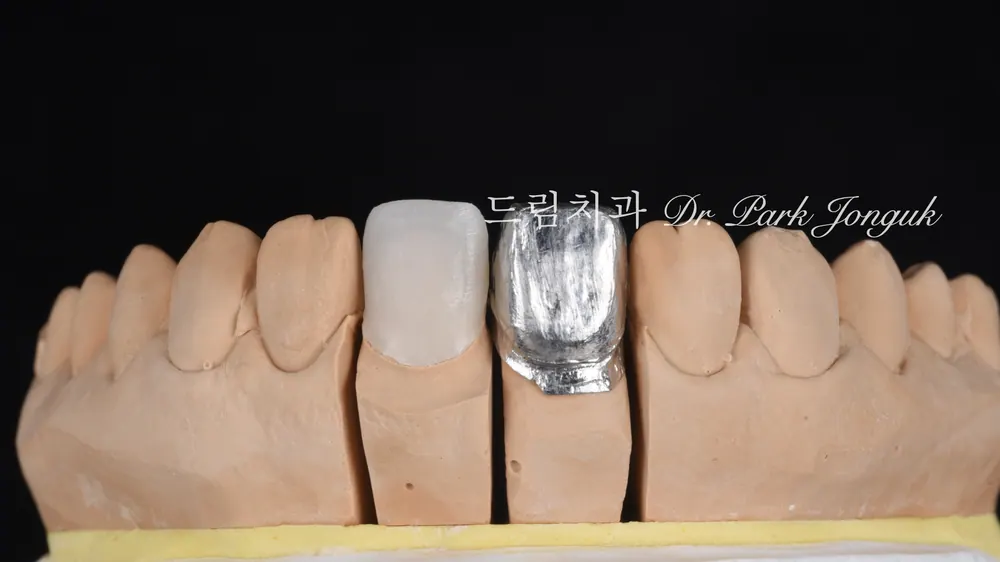
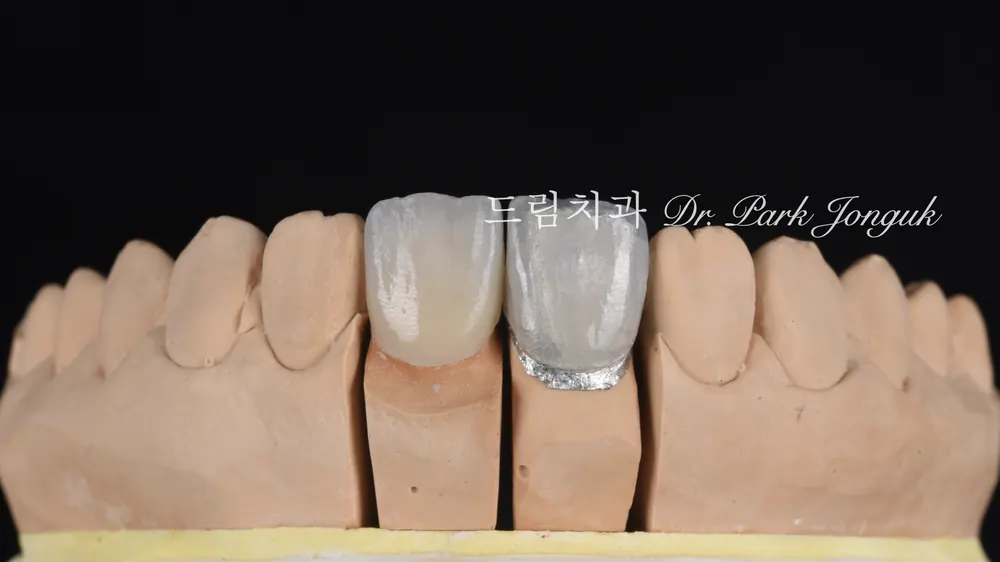
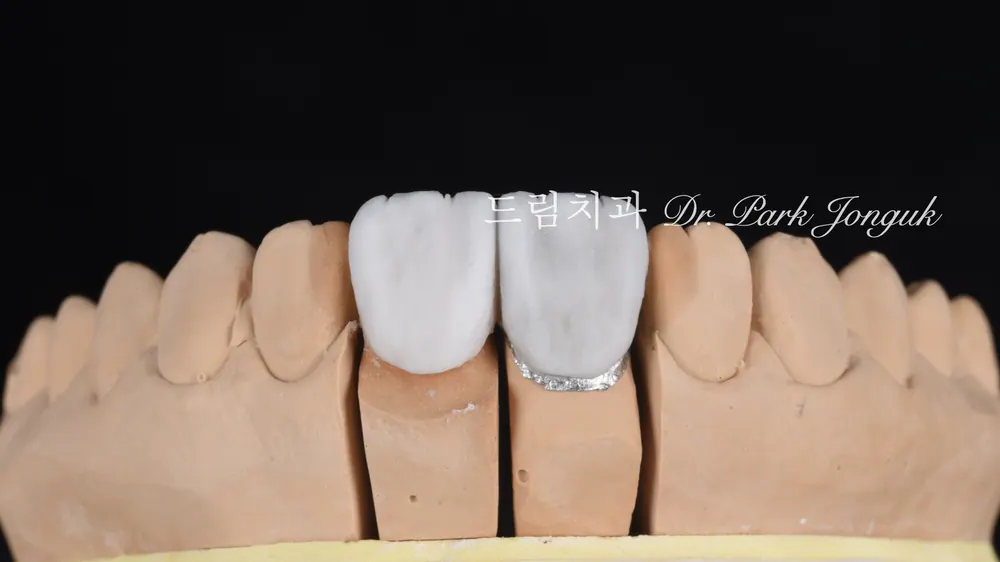

2. Where are costs reduced in lower-priced laminate veneers?
This does not mean that all inexpensive laminate veneers are problematic.
However, because the treatment fee is the sum of “material costs + diagnostic time + fabrication time + labor costs + maintenance costs,”
a lower price means that costs have been reduced somewhere among those areas.
The following are the three areas most commonly reduced.
First, diagnostic time is reduced
When the time from consultation to the treatment decision is shortened,
the decision may be made without adequately evaluating harmony among the lips, gums, and adjacent teeth.
Second, the precision of margin fabrication is reduced
A slight step or poorly fitting margin may not be readily visible immediately after treatment,
but over time it can appear as gum inflammation or lifting.
Third, the depth of follow-up care is reduced
In a system where care “ends after bonding,” small warning signs that could have been detected at regular checkups may be missed.

3. Does a higher price always mean a good result?
Conversely, a high price does not guarantee a good result.
Even at a high price, if the diagnosis is cursory, the margins are handled loosely, and regular maintenance is merely a formality, the outcome will not be proportional to the fee.
Patients should look not at the price itself, but at what is included in that price.
4. Four criteria to consider when comparing prices
Criterion 1. How is the diagnostic process conducted?
Check whether detailed photographs, scans, and assessments of the smile line, lips, and gum line are included.
Criterion 2. Is the type of ceramic specified?
The answer to “which ceramic is used” provides clearer information than the phrase “premium laminate veneers.”
Criterion 3. Is a regular checkup system included?
It is advisable to check whether examinations at 6-month intervals are included in the fee or billed separately.
5. One consideration more important than price
The clearest lesson I have learned while providing laminate veneer treatment for 20 years is
that differences in outcomes come not from price, but from “detail.”
Diagnostic precision, margin accuracy, bonding stability, and consistency of regular maintenance.
Together, these four elements ultimately determine how natural the laminate veneers look and how long they last.
There is one message I would like to give patients. When comparing prices,
please compare not the “number on the price” but the “details included in that price.”
Frequently Asked Questions (FAQ)
Q1. Why do laminate veneer prices differ between clinics?
Because the materials used, depth of diagnosis, fabrication method, clinician’s experience, and follow-up care system differ.
Even under the same procedure name, what is included varies, making simple comparisons difficult.
Q2. Are very inexpensive laminate veneers risky?
Being “inexpensive” is not itself the problem.
However, patients need to determine carefully which areas account for the cost reduction.
Q3. Do expensive laminate veneers last longer?
Price and longevity are not always proportional.
Longevity is determined not by price but by the precision of diagnosis, margins, and maintenance.
Q4. Does the price include follow-up care?
It varies by clinic.
At the initial consultation, it is advisable to check whether regular checkups are included in the treatment fee or billed separately.
Q5. Can I decide after hearing only the price at the consultation?
I do not recommend it.
It is safer to compare options after hearing the diagnostic findings, treatment plan, materials, and maintenance system.
Conclusion
The price of laminate veneers is more than a simple number.
That number represents the combined effect of which materials are used, what diagnostic process is followed, how the veneers are fabricated, who performs the procedure, and how they are maintained.
Choosing solely because “the price is low,”
or choosing solely because “the price is high,”
may not be the best choice for the patient’s outcome.
Ultimately, the standard for good laminate veneers is not the price, but the “details contained in that price.”
During your consultation, I recommend looking together at what lies beyond the number.
─────────────────────────────
This article is a clinical note written by Dr. Park Jonguk of Dream Dental Clinic, Gangnam; the original was published on his blog. The photographs shown are real cases he treated. Results vary with each patient’s condition, and every procedure carries the possibility of individual variation and side effects.
Quick Consult
Request a Callback
Leave your number and we will call you back during clinic hours.
Request Received
We will contact you during clinic hours. For urgent matters, please call +82-2-3448-0028.