
Did You Get Veneers Without a Diagnosis? That's Risky
Hello. I'm Park Jonguk, director of Dream Dental Clinic, Apgujeong.
Today I want to talk about something truly important.
"Was your veneer treatment properly diagnosed?"
What 20 Years of Experience Says About the Importance of Diagnosis
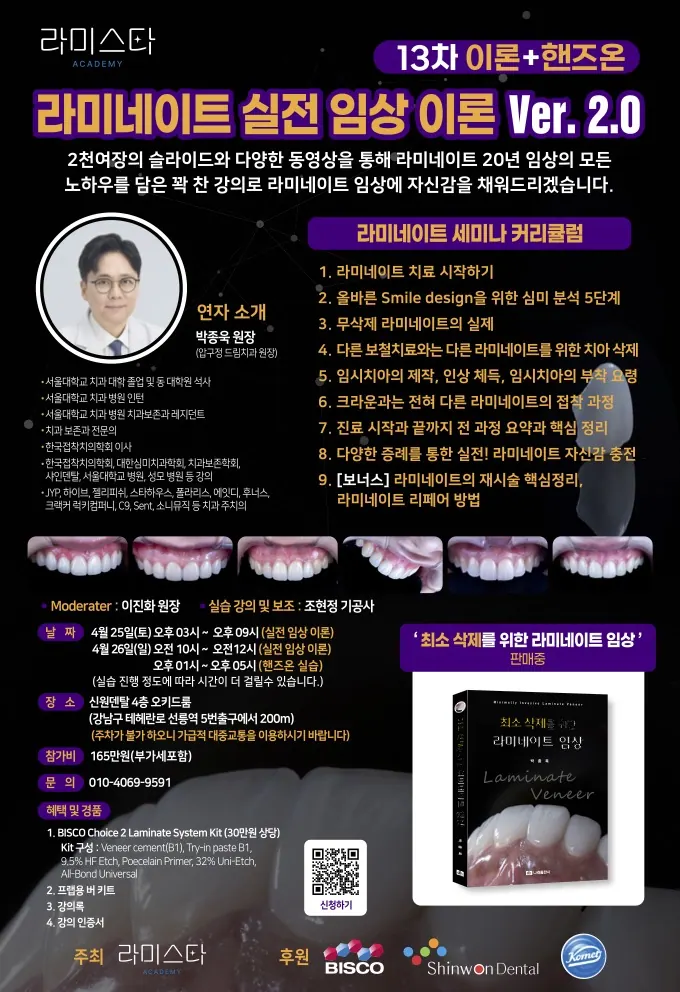
I have been providing veneer treatment for 20 years.
And I am the author of Korea's first dedicated veneer textbook.
Something meaningful happened recently.

My book sold out its first print run just 8 months after publication.
A Dental Textbook Selling Out
It's extremely rare for a dental professional textbook to sell out.
Most sit in a warehouse for years.
But all 1,000 copies sold within 8 months.
What does this mean?
It means that many fellow dentists want to learn proper veneer diagnosis and treatment.
20 Years of Accumulated Know-How
Drawing on 20 years of accumulated know-how, I make sure to carry out diagnosis in every single veneer treatment.
From the first visit through to the treatment plan, there is not a single case without exception.
Why is that?
Because a veneer without diagnosis is a gamble.
Many Clinics Don't Diagnose Properly
It's an unfortunate reality.
Many clinics that provide veneers don't diagnose as thoroughly as we do.
Why is that?
It takes a long time.
It requires specialized knowledge.
It requires experience.
So it gets skipped or done carelessly.
The result?
An unpredictable outcome follows.
It ends up different from what the patient wanted.
The teeth turn out too large or too small.
The color looks off.
Too much or too little tooth gets reduced.
All of this comes from insufficient diagnosis.
I Detailed Diagnosis Thoroughly in My Book
I wrote about diagnosis in detail in my book.
I put 20 years of trial and error and know-how into it.
How to analyze the face.
How to measure tooth proportions.
How to determine the amount of reduction.
How to predict the final result.
I documented the entire process in detail.
Diagnosis Starts with the Face
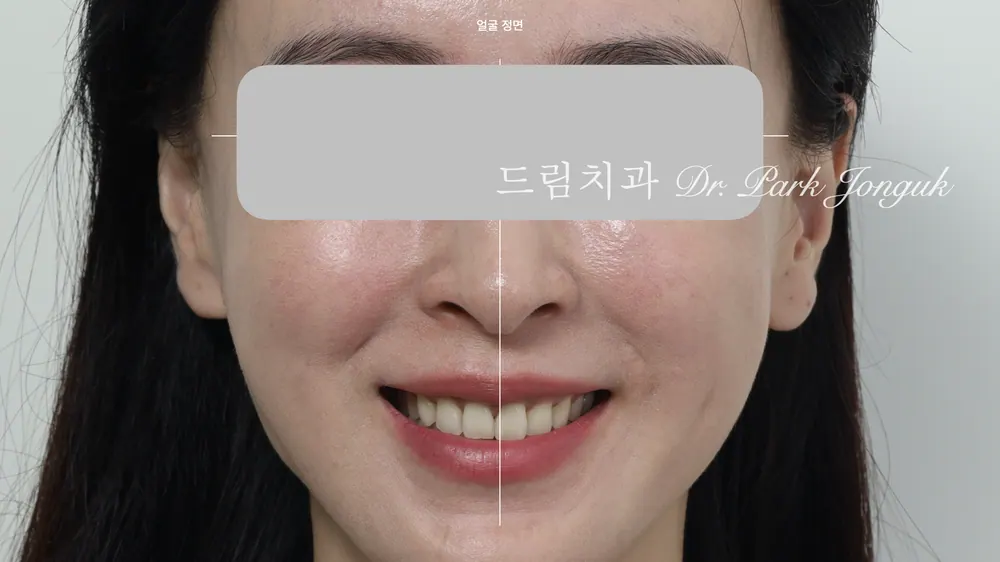
Please see Photo 1.
Diagnosis starts with the face.
We Look at the Whole Face
A veneer isn't just about the tooth alone.
Harmony with the face matters.
We observe everything from face shape to skin tone, symmetry, how much tooth shows when smiling, and overall harmony with the teeth.
What do we observe?
Face shape: Is it round or long? The shape of the teeth should change depending on the face shape.
Skin tone: Is the skin light or dark? The color of the teeth should be adjusted according to skin tone.
Symmetry: Is the face symmetrical left to right? Where should the midline of the teeth align?
Amount of tooth shown when smiling: How much tooth shows when smiling? How much gum shows?
Overall harmony with the teeth: Do the lips, nose, and chin harmonize with the teeth?
All of this needs to be analyzed.
Video Diagnosis Is Essential Too
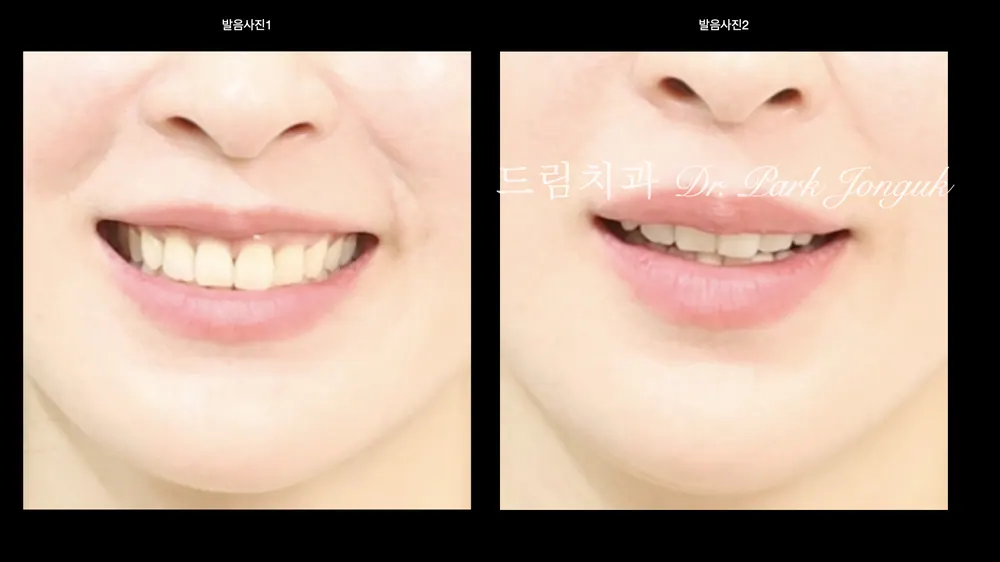
Please see Photo 2.
Video is essential too.
Why video?
A photo only shows a single frozen moment.
But a person speaks, smiles, and moves.
Through a video of speech, we need to see how the teeth look while talking.
What do we check?
How the teeth move while speaking.
Where the tip of the tooth sits when pronouncing certain consonants.
The relationship between the teeth and lips when smiling.
The difference between a natural smile and a full smile.
We analyze all of this using video.
Analyzing Tooth Proportions and Size
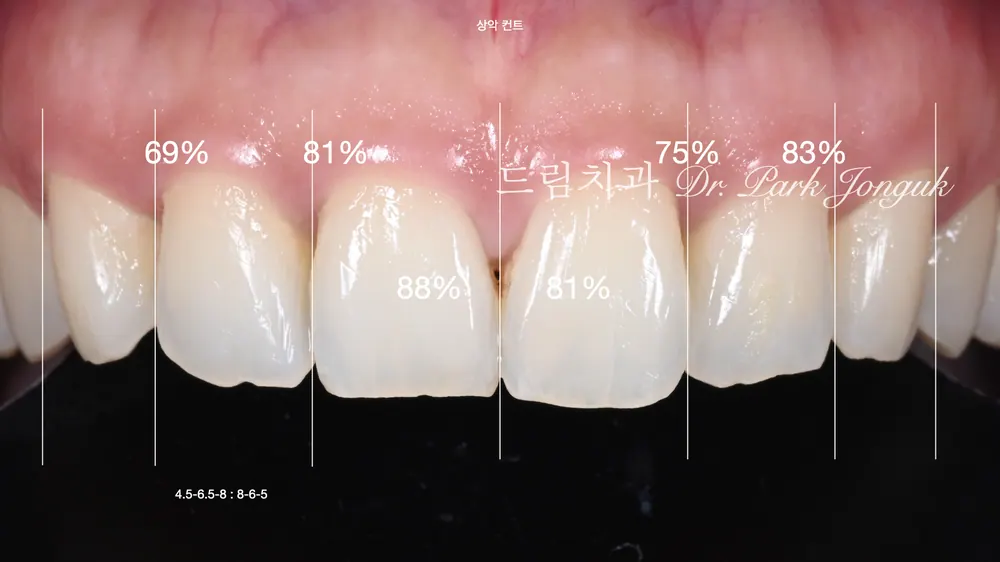
Please see Photo 3.
The proportions and size of the teeth matter.
We Measure Precisely
We measure the width and length of the central incisor.
We calculate the proportions of the lateral incisor and canine.
We check left-right symmetry.
Based on this analysis, we set a plan for how to improve things.
What do we improve?
If a tooth is too large, we reduce it.
If a tooth is too small, we make it larger.
If the proportions are off, we adjust them.
If the left and right sides don't match, we bring them into symmetry.
Everything begins from a fully planned state.
Determining the Amount of Reduction with Digital Technology
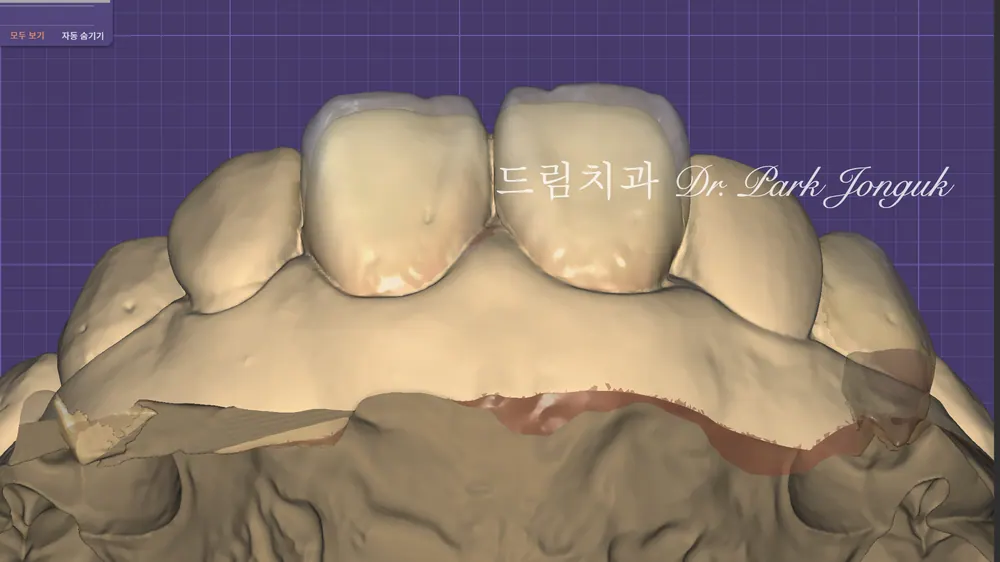
Please see Photo 4.
We use digital technology to determine how much of the tooth to reduce.
A Recent Trend
Recently, more and more companies have started offering this kind of service.
You send them digital scan data, and they analyze it for you.
It's convenient and fast.
But I Do It Myself
I do it myself.
Why is that?
Those companies don't handle each case meticulously one by one, and they don't have as much experience as I do.
I have done thousands of cases over 20 years.
I know exactly where and how much to reduce.
I know the balance point between minimal reduction and maximum aesthetics.
It differs from patient to patient, tooth to tooth.
This is something only experience can teach you.
We Preview the Post-Treatment Look in Advance
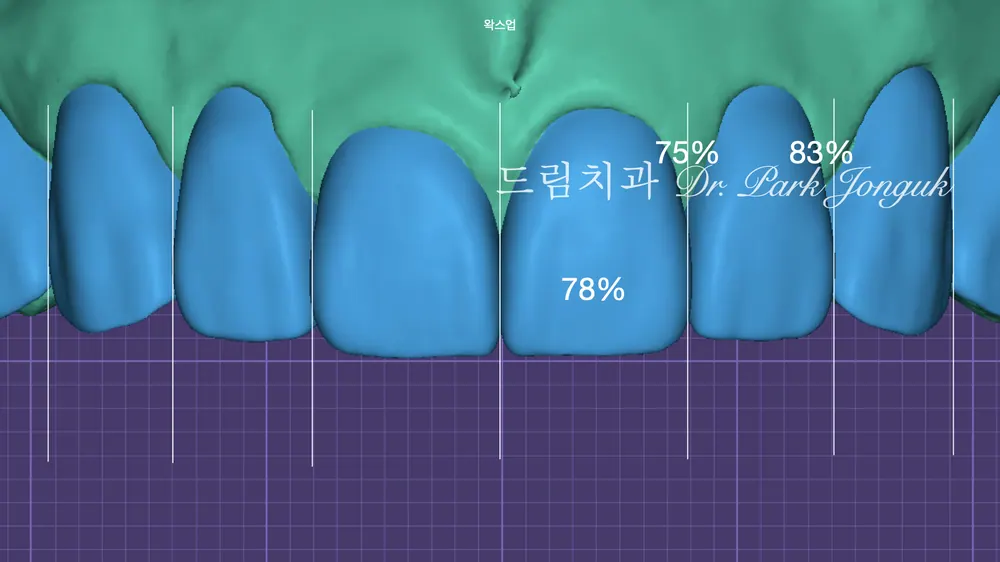
Please see Photo 5.
This is how we get a clear picture of the post-treatment look.
Everything at a Glance
This way, before treatment even begins, we can check the current state, the amount of reduction, and the post-treatment look, all at once.
Current state: What condition are the teeth in right now?
Amount of reduction: How much needs to be reduced?
Post-treatment look: What will the final result be?
We Confirm It Together with the Patient
We show it to the patient.
"This is what it will look like."
It's clear.
It's predictable.
The patient can also receive treatment with peace of mind.
Our Clinic's Goal: Naturalness
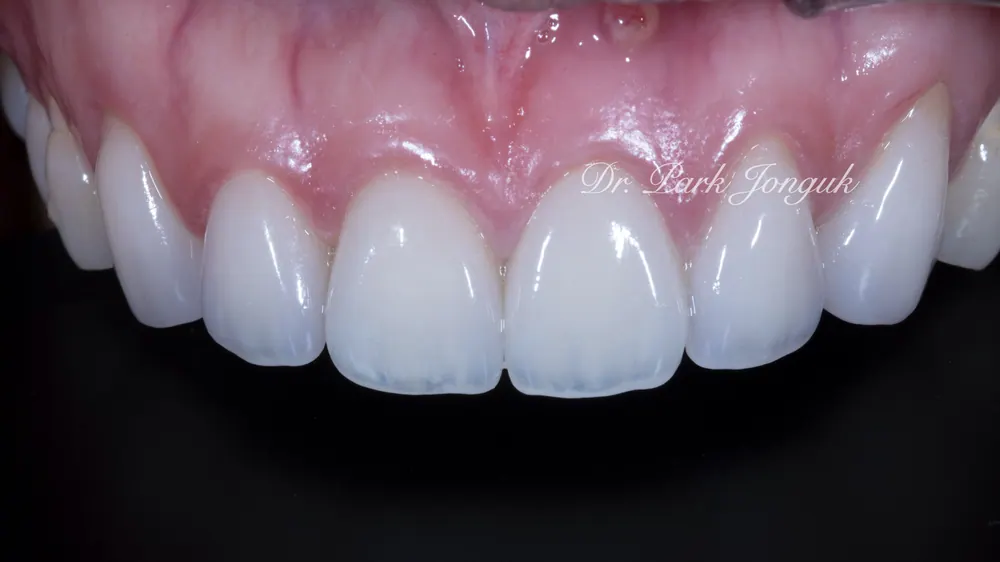
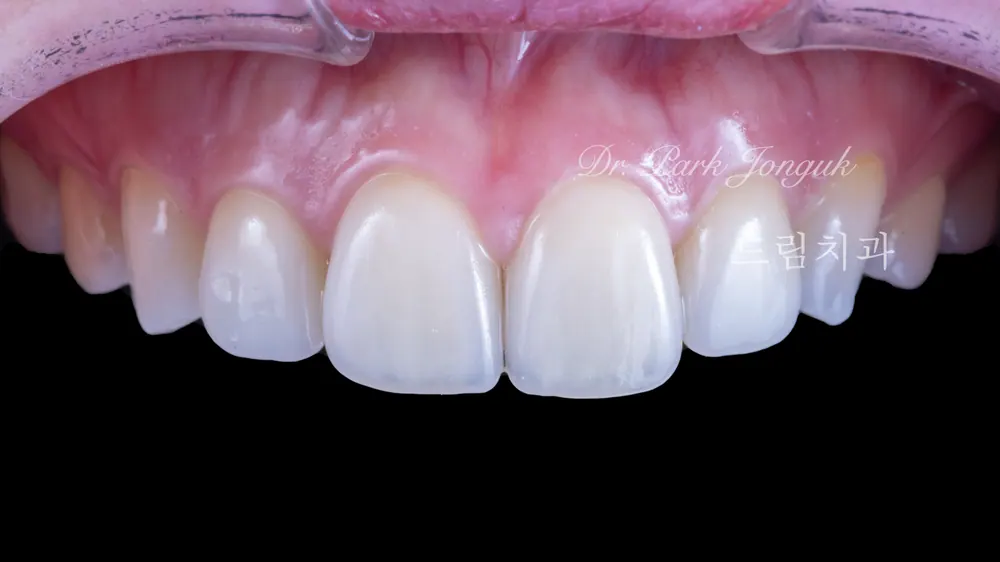
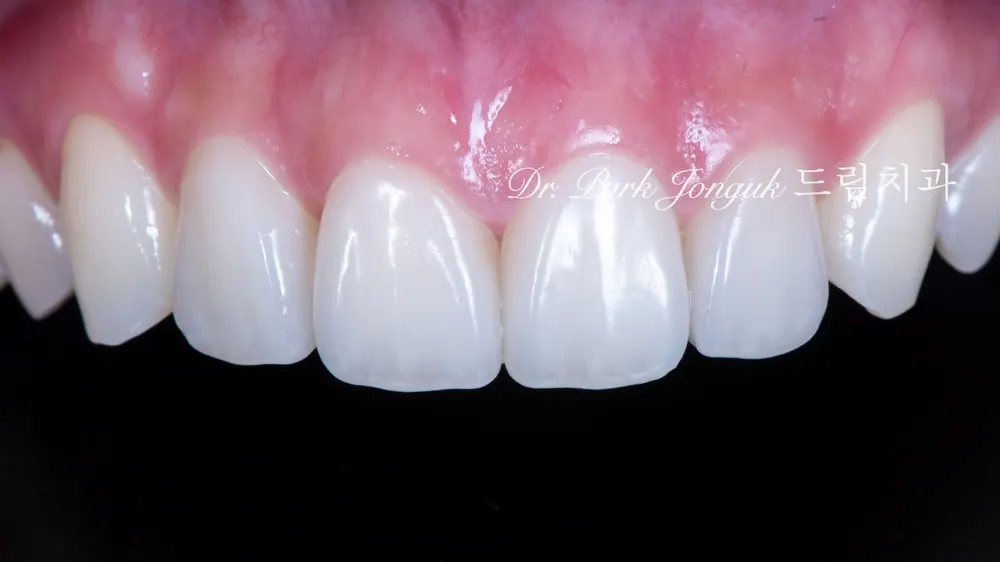
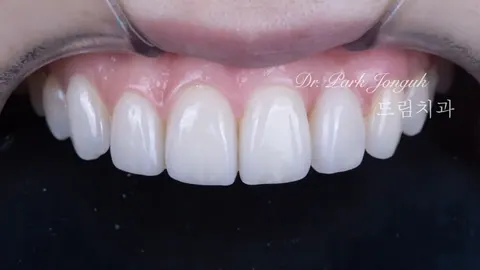
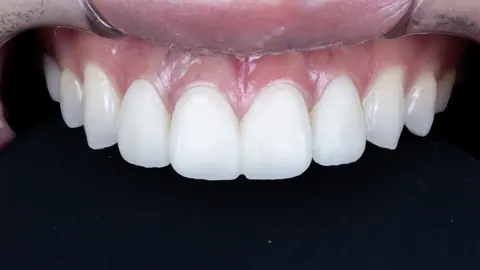
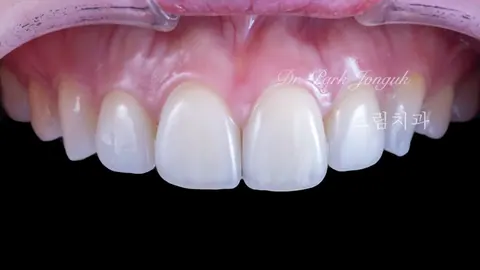
Please see Photos 6, 7, and 8.
This is the result after treatment.
At our clinic, veneers are made with naturalness as the top goal.
Not Artificial
These aren't teeth that are just plain white.
They don't look like xylitol gum.
They have translucency, just like a natural tooth.
The color is soft and harmonious.
Beautiful Natural Teeth
Beautiful natural teeth — that's our goal.
No one can tell they're veneers.
People simply think, "What pretty teeth."
That's what makes for the best veneer.
A Result Made by Diagnosis
All of this is thanks to precise diagnosis.
Facial analysis
Video analysis
Tooth proportion measurement
Reduction amount determination
Post-treatment prediction
This is possible because every one of these steps is carried out.
What About Your Veneer?
Now let me ask you a question.
"Was your veneer treatment properly diagnosed?"
Ask Yourself These Questions
Was a facial analysis done?
Was a video taken?
Were the tooth proportions measured?
Was the amount of reduction precisely determined?
Were you shown the post-treatment look in advance?
If even one of these wasn't done,
the diagnosis was insufficient.
The result can't be predicted.
It's a gamble.
Get a Proper Diagnosis
A veneer becomes a tooth you'll use for the rest of your life.
It's an expensive, important decision.
Make sure you get a proper diagnosis.
Dream Dental Clinic's Promise
Precision diagnosis backed by 20 years of experience
The expertise of a textbook author
Diagnosis without exception in every case
A thorough preview before treatment
A natural final result
This is our promise.
Frequently Asked Questions (Q&A)
Q1. How long does diagnosis take?
A. The initial consultation and precision diagnosis usually take about 1 to 2 hours. We carefully go through the entire process — facial photos, intraoral photos, video, digital scanning, analysis, and consultation. It takes time, but this is where a successful veneer begins.
Q2. Is there a separate charge for diagnosis?
A. We'll walk you through this in detail during your consultation. What matters isn't the cost — it's getting a proper diagnosis. Rather than going cheap without a diagnosis and regretting it later, it's wiser to get a proper diagnosis and stay satisfied for a lifetime.
Q3. Another clinic wants to go straight into treatment without a diagnosis — is that a problem?
A. That's risky. A veneer without diagnosis has an unpredictable outcome. The teeth may end up too large or too small, the color may look off, and excessive reduction may damage the tooth. Be sure to choose a clinic that performs precision diagnosis.
This article is based on the real clinical experience of Dr. Park Jonguk, director of Dream Dental Clinic, Apgujeong. He has practiced aesthetic dentistry for 20 years, published Korea's first veneer textbook, and saw its first print run sell out within 8 months. He teaches precision diagnosis protocols to fellow dentists every month at Lamista Academy.
This article is a clinical note written by Dr. Park Jonguk of Dream Dental Clinic, Gangnam; the original was published on his blog. The photographs shown are real cases he treated. Results vary with each patient’s condition, and every procedure carries the possibility of individual variation and side effects.
Quick Consult
Request a Callback
Leave your number and we will call you back during clinic hours.
Request Received
We will contact you during clinic hours. For urgent matters, please call +82-2-3448-0028.