
Redoing Old All-Ceramic Crowns and Veneers
Hello. I'm Park Jonguk, director of Dream Dental Clinic.
Front-tooth reshaping
is divided into veneers, which remove only the front surface of the tooth to bond ceramic onto it,
and all-ceramic crowns, which remove the tooth all around and cap it like a hat.
As with all dental treatments,
tooth reshaping also has a lifespan.
The average lifespan is around 7 to 10 years,
though some recent papers have discussed lifespans as long as 15 years.
Unless the case is quite ideal,
10 years or so tends to be the average lifespan,
and just as an average of 5 and 15 comes out to 10,
depending on each person's habits and the foods they mainly eat,
the actual range varies a great deal.
Ongoing care is a very important part of this.
All-ceramic crowns are sometimes said to last somewhat longer,
but in recent years there isn't much of a difference.
There's quite a range of reasons that lead to retreatment.
Fracture and debonding, changes in tooth alignment, changes in gum shape, changes in the tooth's own color, and so on —
when an aesthetic problem arises, retreatment follows.
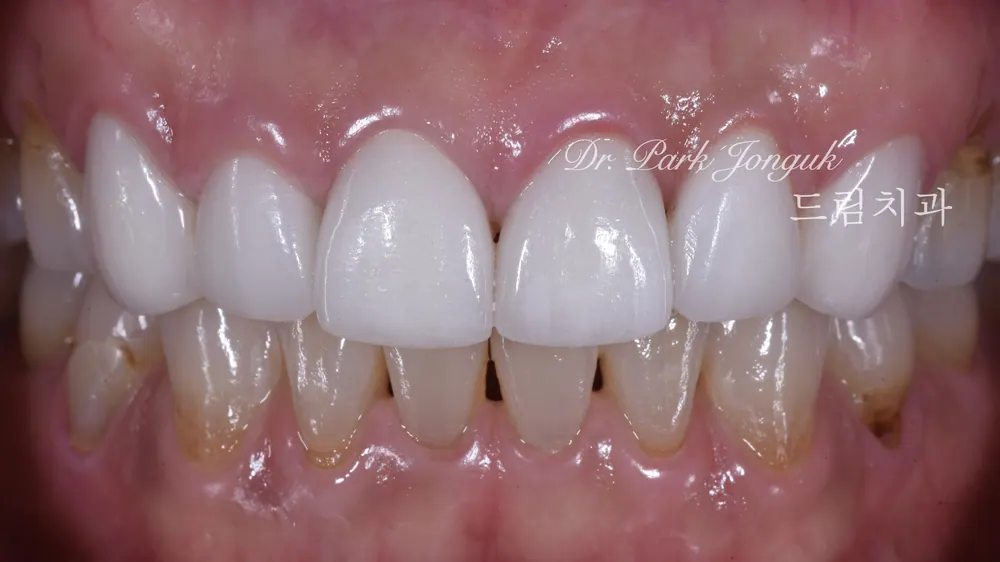
In some cases,
retreatment happens for aesthetic reasons alone.
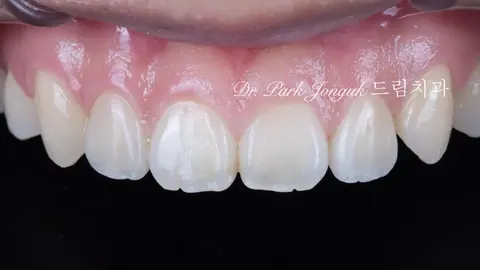
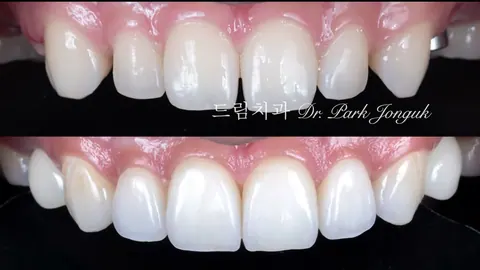
This is a case of retreatment because the teeth were too white and opaque,
making them noticeably obvious.
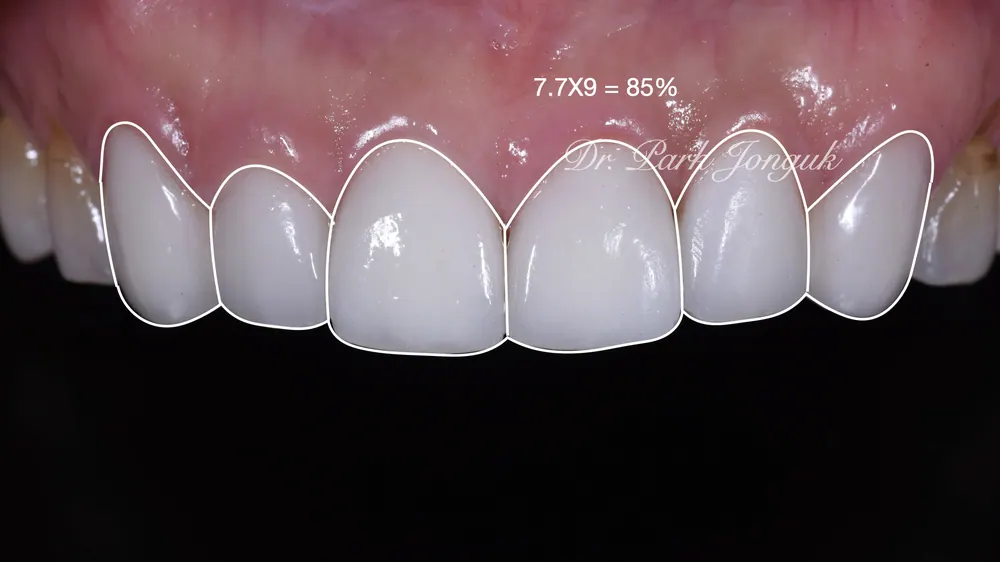
In cases like this where retreatment is done for aesthetic purposes,
diagnosing the current state is important.
We check which part the patient is unhappy with and wants redone,
and confirm whether retreatment can actually resolve that concern.
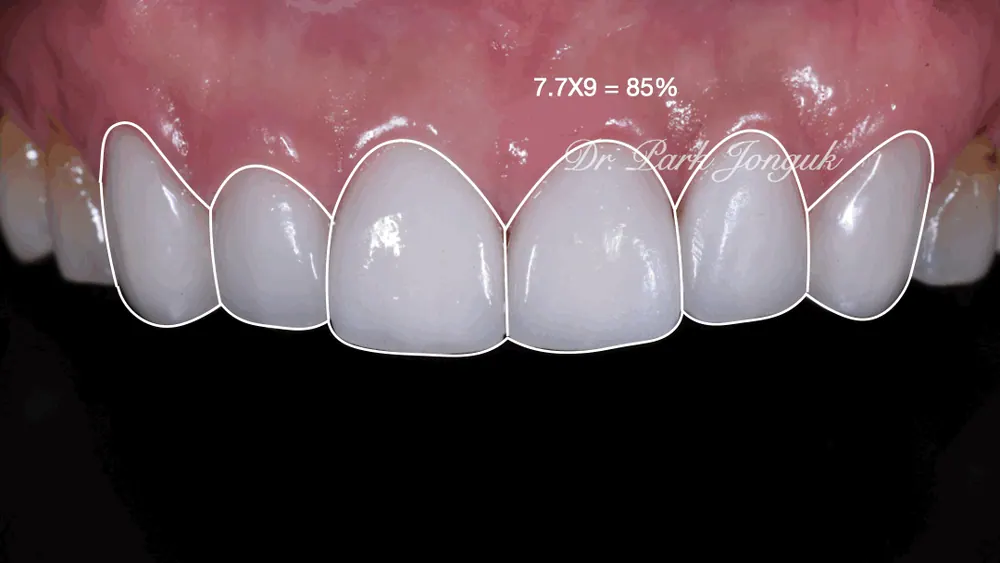
The teeth were not symmetrical,
lacked dimensionality,
and the shape of the teeth was close to triangular,
which was not aesthetically pleasing.
We build out in advance, using wax, how to change this shape.
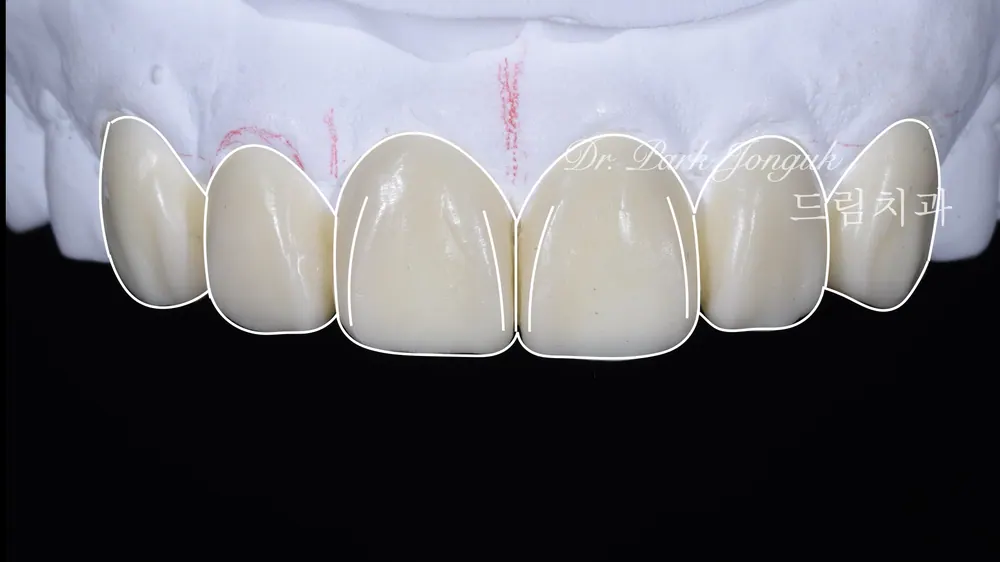
We design it to be more natural than the existing tooth shape and to match the patient's face shape.
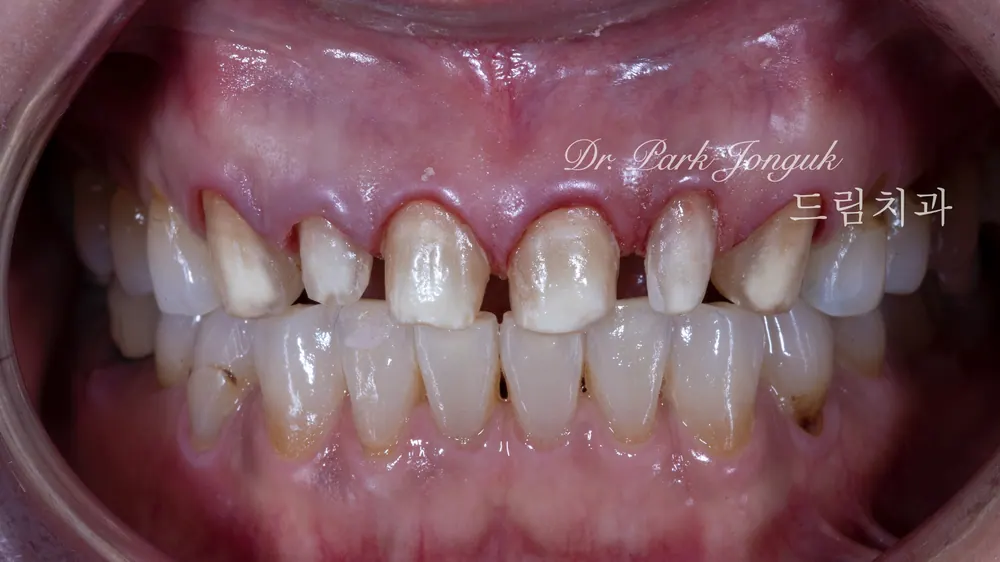
After removing the existing all-ceramic crowns,
we could see there was almost no natural tooth structure left.
The patient believed veneer treatment had been done,
but it was in fact crown treatment.
This is quite common among patients who were treated 10 to 15 years ago.
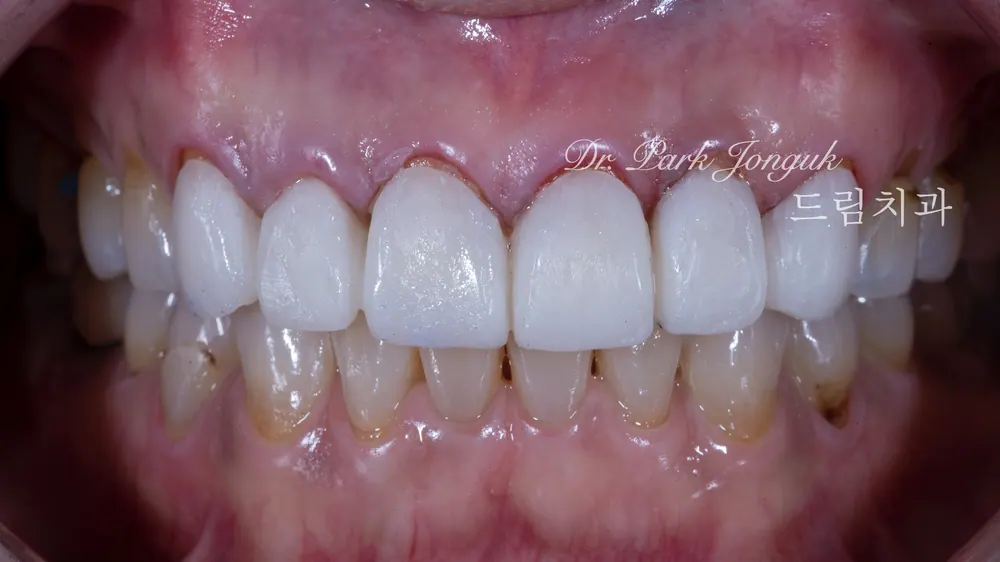
Gum contouring is used to adjust the gum shape, and a temporary tooth is made.
The temporary tooth is used to finalize the size, shape, and proportions the patient wants.
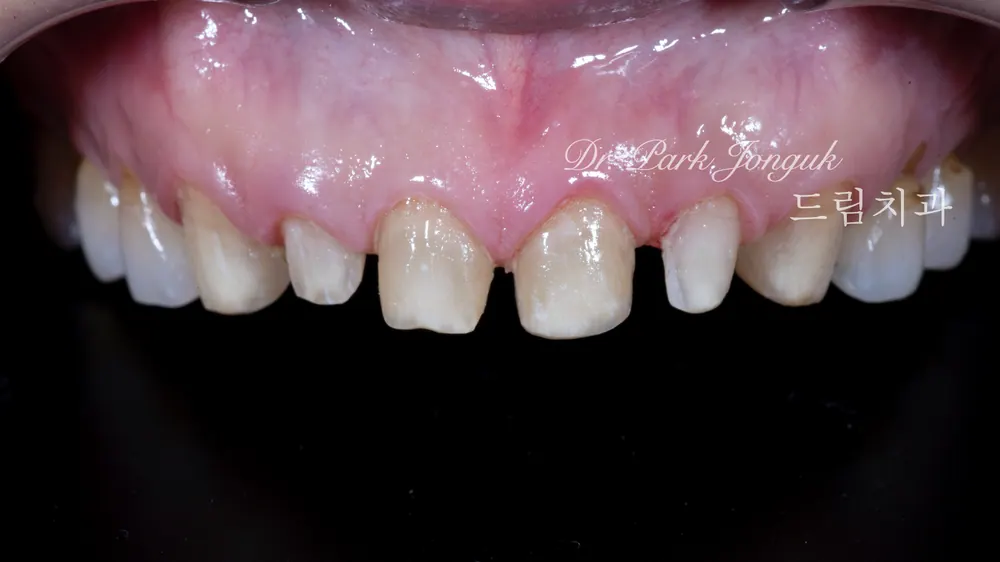
After about 1 to 2 weeks, the gum shape stabilizes,
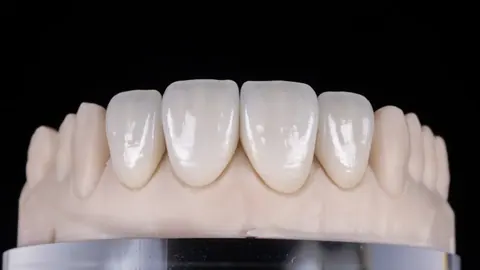
and fabrication of the all-ceramic crown in ceramic begins.
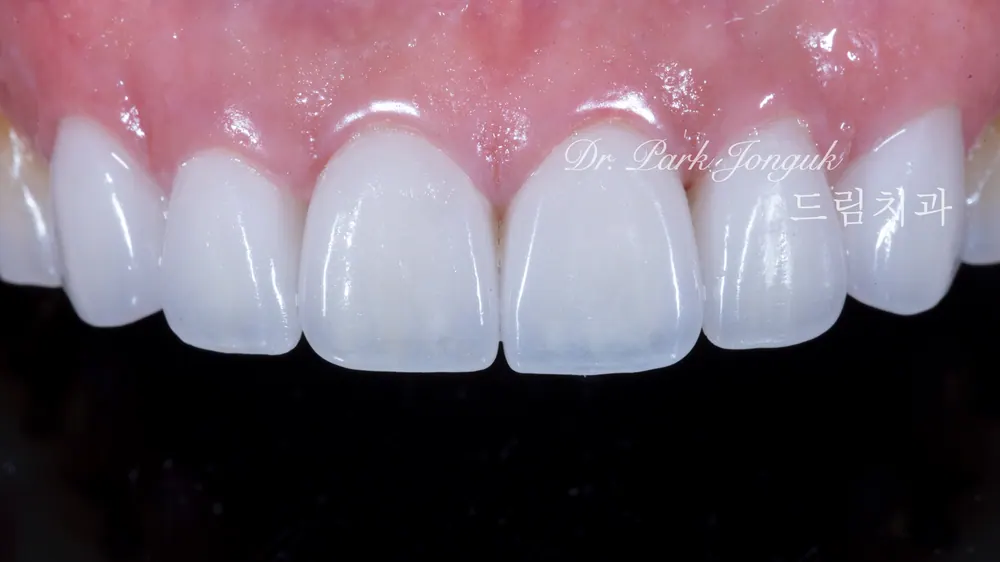
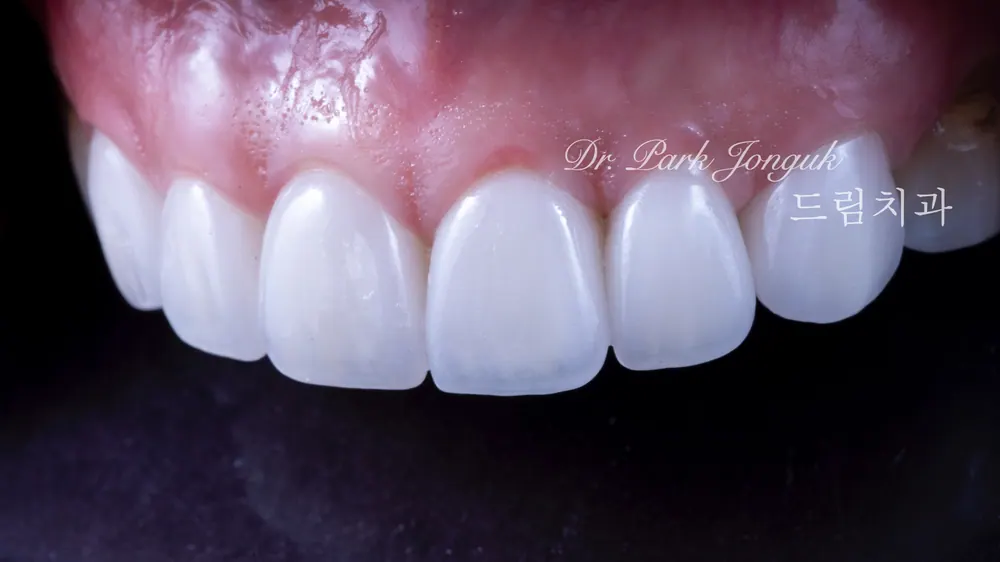
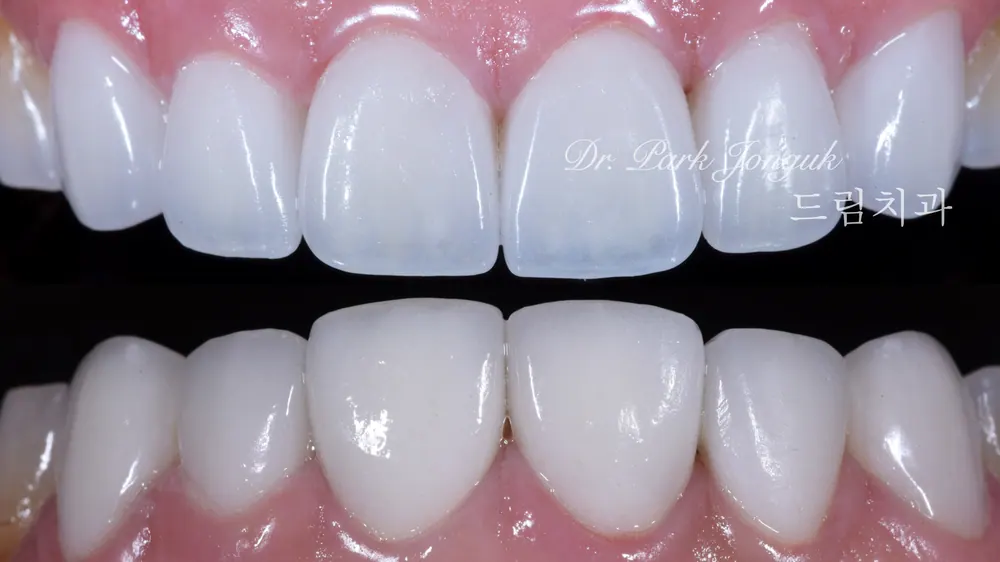
The veneer and all-ceramic crown retreatment has been completed.
Bright and white,
yet made to retain a sense of translucency.
The translucent feel at the tooth edge
is almost a hallmark of youthful-looking teeth.
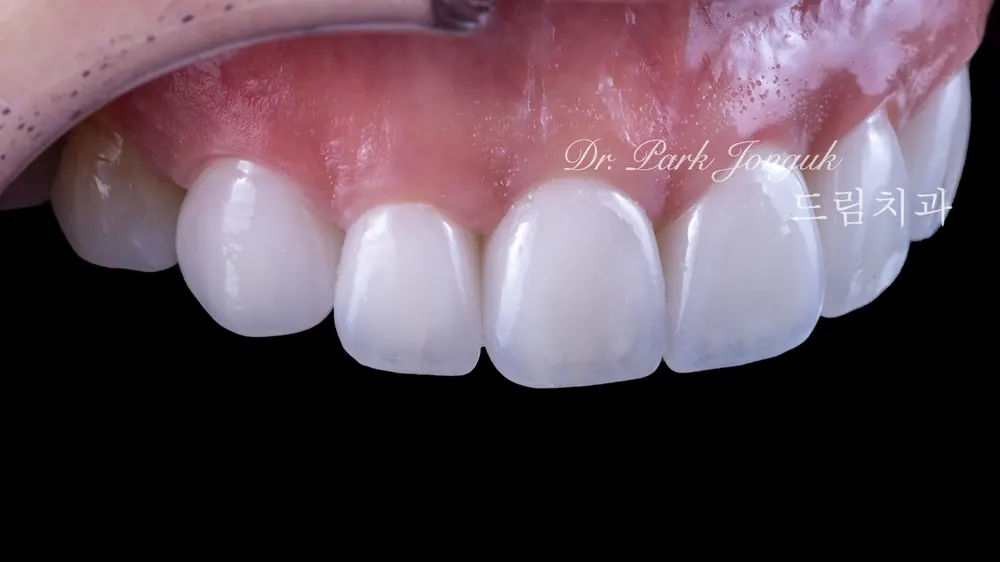
The shape of the teeth, whether veneer or all-ceramic crown,
was also given plenty of natural dimensionality
so that it feels like a natural tooth.
Natural beauty
Since 2006, Dream Dental Clinic
This article is a clinical note written by Dr. Park Jonguk of Dream Dental Clinic, Gangnam; the original was published on his blog. The photographs shown are real cases he treated. Results vary with each patient’s condition, and every procedure carries the possibility of individual variation and side effects.
Quick Consult
Request a Callback
Leave your number and we will call you back during clinic hours.
Request Received
We will contact you during clinic hours. For urgent matters, please call +82-2-3448-0028.