
Veneers for a Peg Lateral and a Malformed Tooth in a Woman in Her 50s | Overcoming Fear to Regain a Natural Smile
Veneers are not simply a treatment to make teeth whiter.
This case involves a woman in her 50s who struggled with a peg lateral and a malformed tooth and kept putting off treatment,
until natural, translucent veneers gave her back a confident smile.
Veneers are not simply a procedure to make front teeth look pretty.
They are a precise esthetic treatment that considers the size, shape, and alignment of the teeth, as well as the patient's age and facial structure,
to create the most natural and harmonious smile possible.
And yet many people still hold a vague fear of veneers.
"Won't they shave down too much of my teeth?"
"I heard they all fall off eventually…"
"Don't veneers end up looking artificial?"
Because of worries like these, many people delay or give up on treatment altogether.
The patient we're introducing today was one of them.
A woman in her 50s, with one lateral incisor a peg lateral and the other a malformed tooth,
and with overall tooth aging and discoloration having progressed as well.
She had been to several dental clinics over the years,
but kept hearing things like "a lot of tooth structure needs to be shaved down" or "it has to be done with crowns,"
and kept putting off treatment because of that.
But after a precision diagnosis at our clinic
confirmed that her teeth could be naturally improved while preserving as much tooth structure as possible,
she found the courage to commit to treatment.
And after treatment, the first thing the patient said was,
"Why didn't I do this sooner? I really regret waiting."
In this article,
we'll show in detail how we naturally restored asymmetrical front teeth
caused by a peg lateral and a malformed tooth with veneers,
and how a patient who had put off treatment for so long
was able to achieve a result she was truly satisfied with.
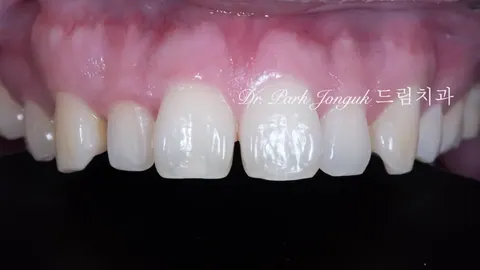
Photo 1. Before treatment
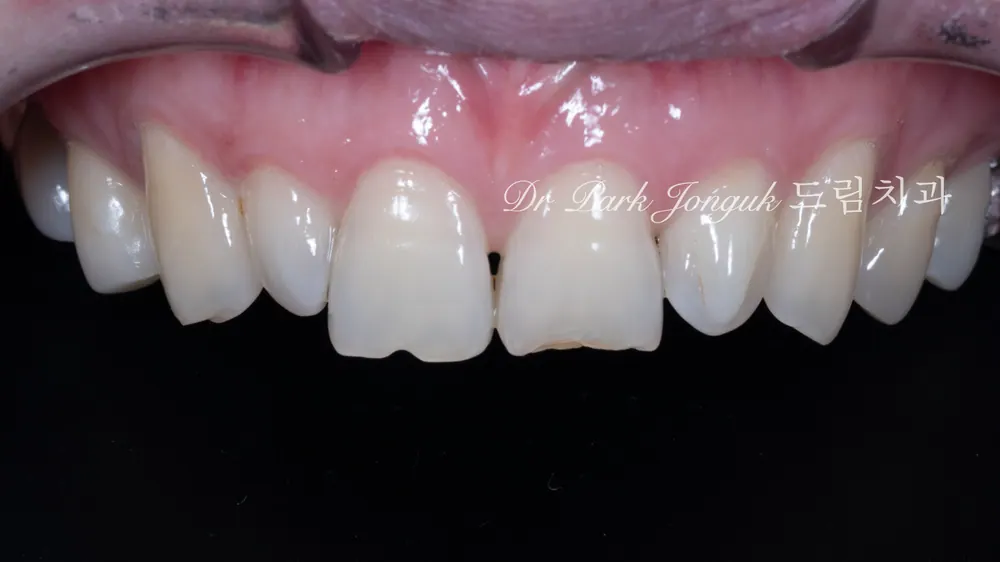
Tooth discoloration and shape imbalance were pronounced.
In particular, the right lateral incisor was a peg lateral, and the left was malformed,
so the mismatched tooth sizes had broken the esthetic balance.
Overall, the tooth surfaces had aged, leaving them rough with reduced luster.
Photos 2-4. Precision wax-up diagnosis
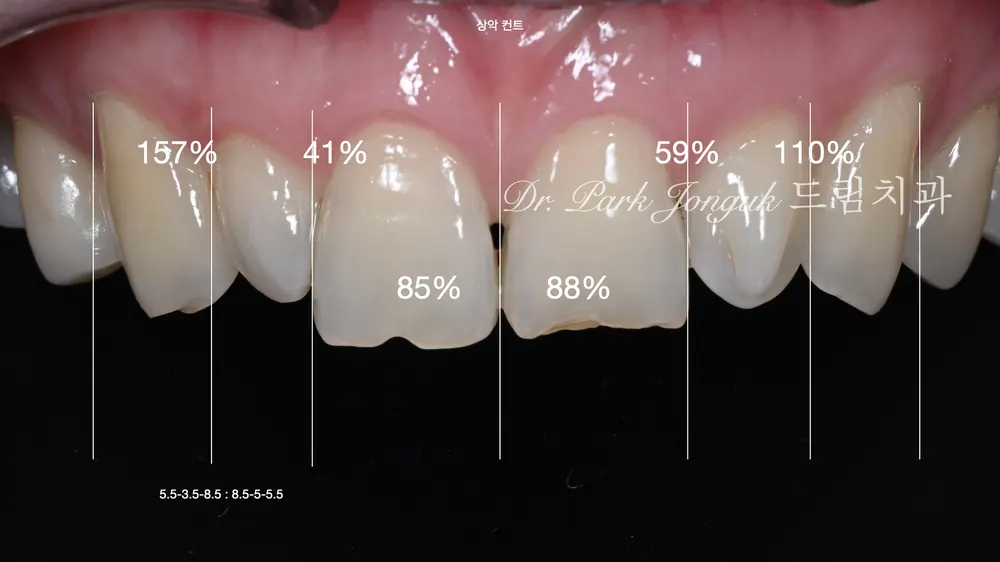
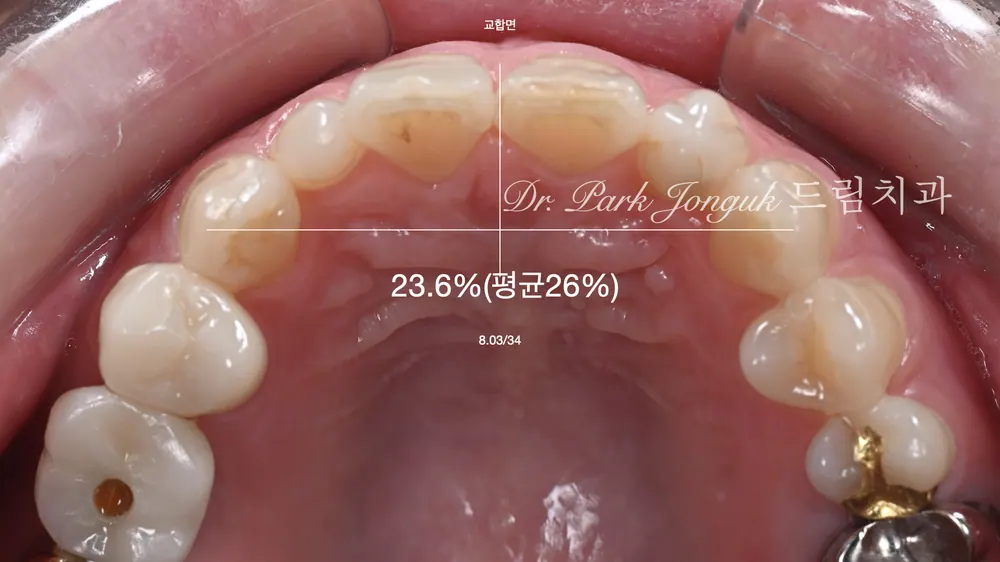
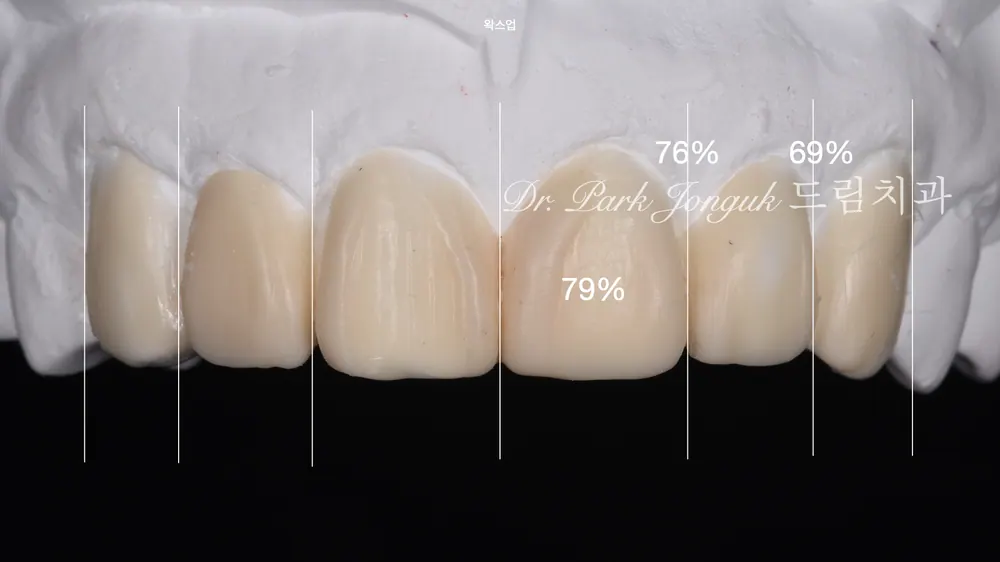
At the diagnostic stage, we analyzed the case with a focus on tooth symmetry and harmony with the facial structure.
Rather than simply filling in the peg lateral,
we designed with tooth size, length, color, and proportion all taken into account.
By simulating the final result in advance through a wax-up,
we were able to discuss "how much to shave down" and "what shape the result would take"
thoroughly with the patient.
Through this process, the patient was gradually able to let go of her anxiety about veneers.
Photos 6-8. After treatment
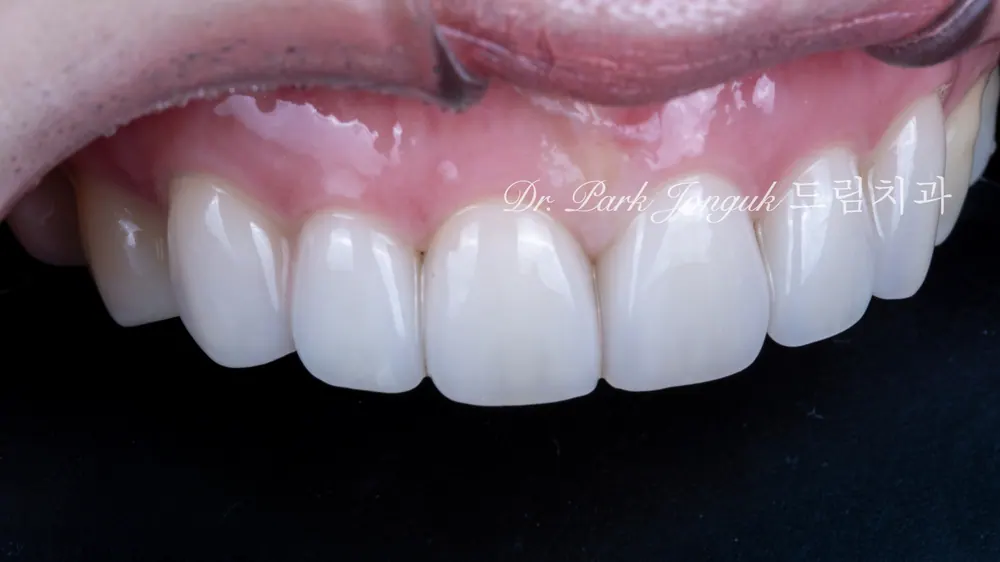
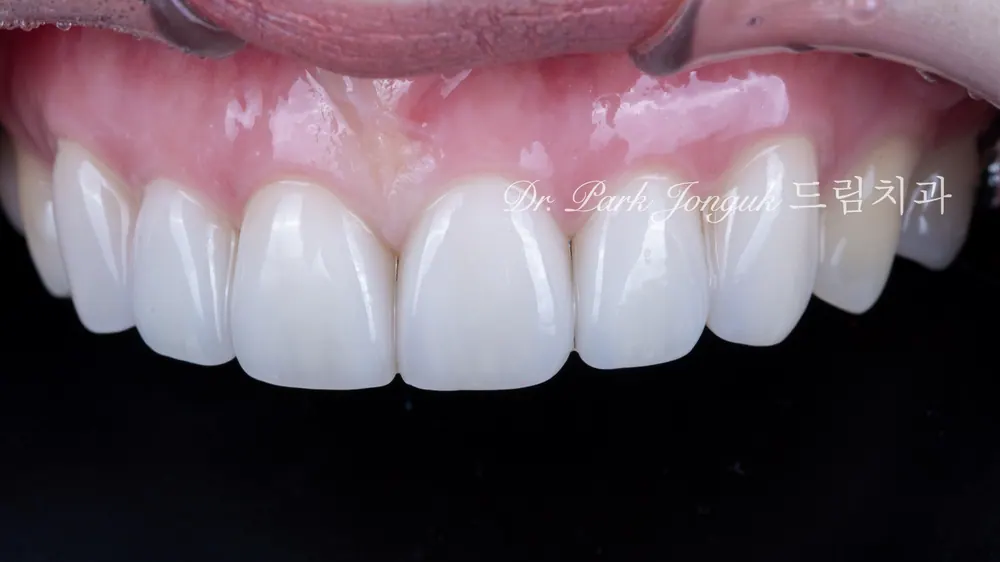
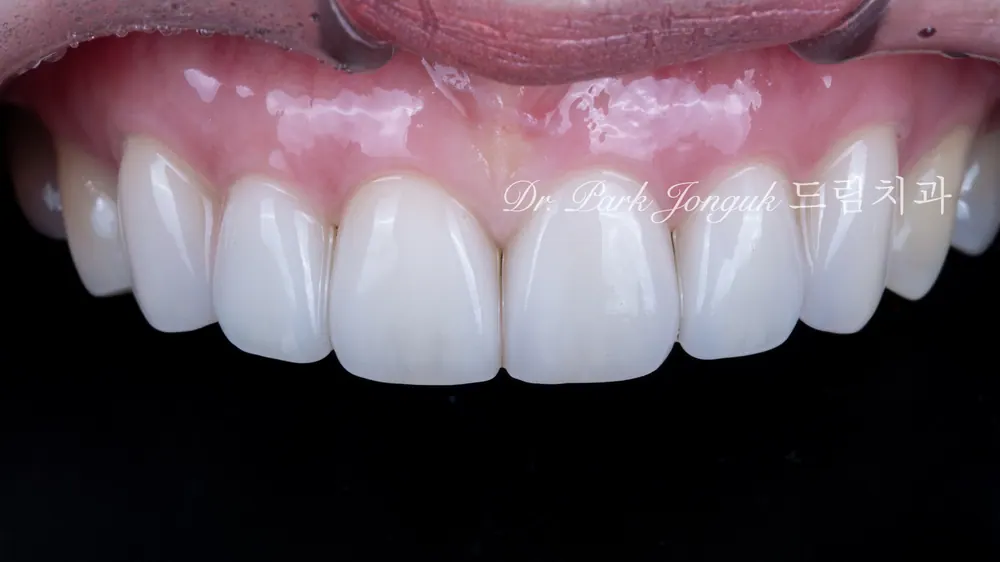
After the final veneers were seated,
the asymmetry from the peg lateral and the malformed tooth was completely resolved.
The size, color, and contour of the teeth came together naturally in harmony,
matching perfectly with the patient's facial structure as well.
In particular, thanks to a translucent, layered ceramic structure,
the depth and light reflection unique to natural teeth came through.
Looking in the mirror, the patient said,
"Smiling is enjoyable now. I never imagined it could look this natural."
After treatment, gum health was also stable,
and because tooth reduction was kept to a minimum, there was no sensitivity at all.
Veneers are not merely a cosmetic treatment.
They are a precise, artistic treatment that has to account for tooth structure, shape, and proportion,
as well as the patient's age and facial structure.
As in this case, even with a peg lateral or a malformed tooth,
a precise diagnosis and plan
can achieve a natural, harmonious result.
In particular, for those who are putting off veneers out of fear,
we hope you'll keep in mind that a natural improvement matched to your facial structure
is possible without excessive tooth reduction.
Q&A
Q1. Can veneers be done for a peg lateral or a malformed tooth?
A. Yes, they can. In fact, in cases like this, adjusting the tooth proportions with veneers can achieve a far more natural, well-balanced result.
Q2. What can be done to keep veneers from looking artificial?
A. A handmade fabrication method that layers multiple sheets of ceramic by hand is important. A one-day method made from a single block of ceramic tends to look flat and has real limitations.
Q3. Is it possible to get veneers even at an older age?
A. Yes, it is. As long as gum health and the bite are stable, patients in their 50s and beyond can still achieve a fully natural result.
Q4. Does a lot of tooth structure need to be shaved down?
A. No. No-prep or minimal-prep veneers are possible. With an accurate diagnosis, only the necessary areas are precisely adjusted.
Q5. How long do veneers last?
A. On average, 10 to 20 years or more. With proper care and regular checkups, many cases have lasted 20 years or longer.
This article is a clinical note written by Dr. Park Jonguk of Dream Dental Clinic, Gangnam; the original was published on his blog. The photographs shown are real cases he treated. Results vary with each patient’s condition, and every procedure carries the possibility of individual variation and side effects.
![[Peg Lateral Veneers] From a Strong-Looking Impression to a Soft, Feminine Smile — The Esthetics of Front-Tooth Veneers](/column-media/224178565168/thumb.webp)
Quick Consult
Request a Callback
Leave your number and we will call you back during clinic hours.
Request Received
We will contact you during clinic hours. For urgent matters, please call +82-2-3448-0028.