
No-Prep Veneers After Braces — Peg Lateral, Over-Retracted Teeth, and Black Triangles
Hello. I'm Park Jonguk, director of Lamista Academy and director of Dream Dental Clinic.
After finishing orthodontic treatment, many people expect a more perfect smile.
But even after braces come off, the result is often less satisfying than expected.
That's because while the tooth alignment is corrected, detailed esthetic factors — tooth size, shape, and the space between teeth — can remain unchanged.
The representative problems that show up here are a peg lateral, over-retracted teeth, and black triangles.
A peg lateral refers to a specific tooth that grew smaller or narrower than the surrounding teeth,
making the smile look unbalanced or throwing off the overall harmony of the smile.
Over-retracted teeth sit crookedly, giving an unnatural feeling when smiling, and this is especially noticeable in the front teeth.
A black triangle is a triangular dark space between teeth,
a problem that occurs because the gum between the teeth doesn't fully fill in, even though the teeth are now aligned after orthodontic treatment.
These problems are difficult to resolve through orthodontics alone,
and can leave a gap between the result and the "perfect esthetic smile" the patient was hoping for.
One solution that can be chosen here is the no-prep veneer.
A no-prep veneer is a method that adjusts the tooth's shape, size, and color
by bonding on a thin ceramic plate, with minimal or no damage to the existing tooth at all.
Because it can achieve esthetic improvement while preserving as much of the tooth's original structure as possible, it has recently become a preferred option among many patients and dental clinics.
It's especially effective for naturally addressing peg lateral, over-retraction, and black triangle issues that remain after orthodontic treatment.
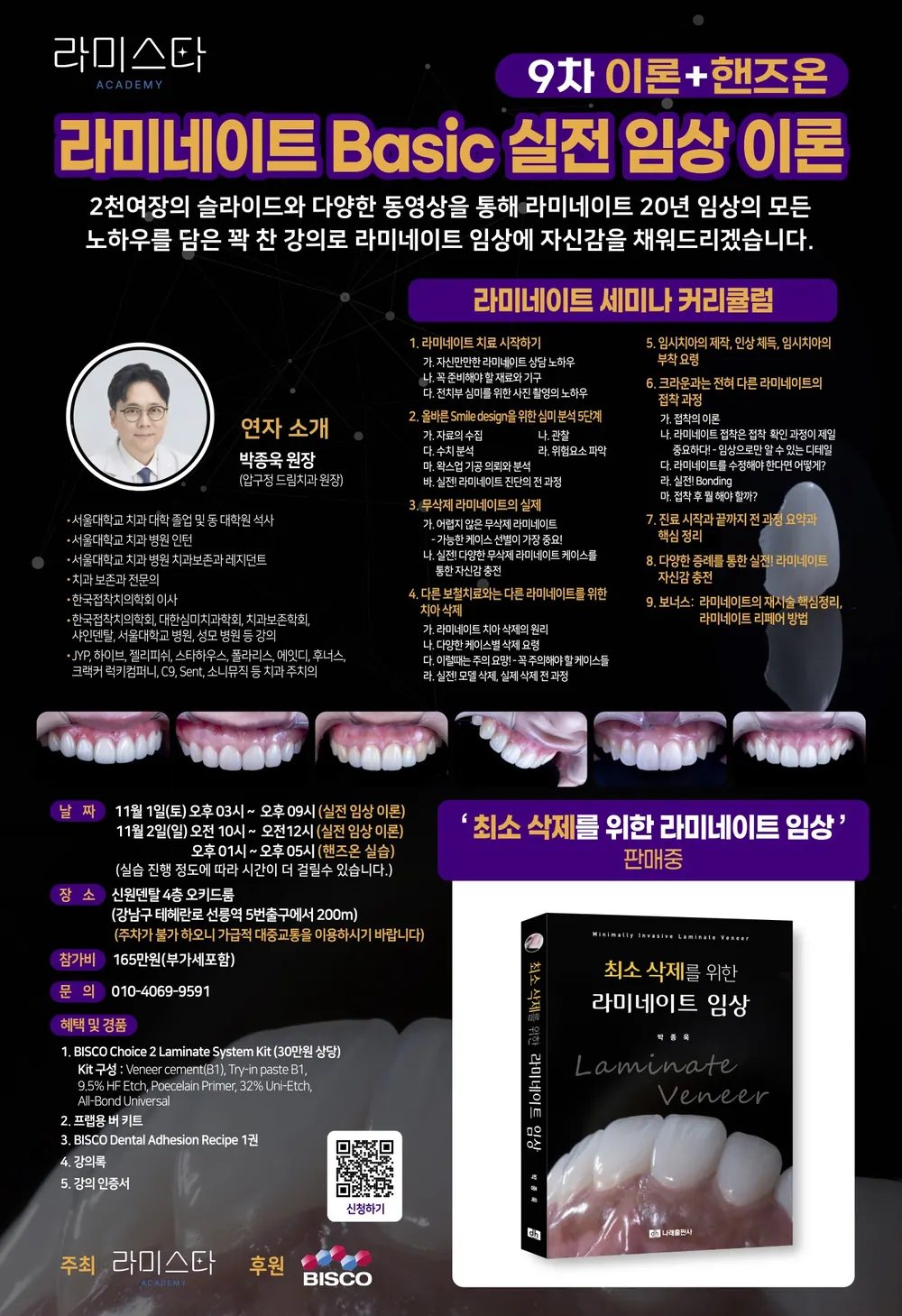
I'm also the author of Korea's first veneer-specialty textbook, 『최소 삭제를 위한 라미네이트 임상 (Veneer Clinical Practice for Minimal Reduction)』.
This book has become very popular among dentists and has sold in substantial numbers,
and it's become required reading for many dentists who want to learn veneer techniques.
I also regularly hold veneer training seminars for dentists,
and this seminar group operates under the name Lamista Academy.
I give veneer-related lectures at numerous academic conferences as well,
and I also regularly teach advanced lectures for residents at dental university hospitals.
Based on this experience, I share, through real clinical cases,
just how effective no-prep veneers can be for improving these subtle esthetic issues that remain after orthodontics.
Another advantage of no-prep veneers is that they're minimally invasive.
Since the tooth is barely or never reduced, the tooth's original health can be preserved as much as possible,
and pain or sensitivity after the procedure is relatively minimal.
It also allows adjusting the desired shape and size while preserving the natural tooth's coloring and translucency, making individually customized esthetic treatment possible.
In the end, if you want to correct subtle esthetic issues that orthodontics alone can't resolve,
preserve as much of your healthy tooth as possible, and complete a natural smile,
no-prep veneers can be a very useful choice.
In this article, I'll go through the peg lateral, over-retraction, and black triangle issues one by one, and look specifically at how no-prep veneers can improve each of them.
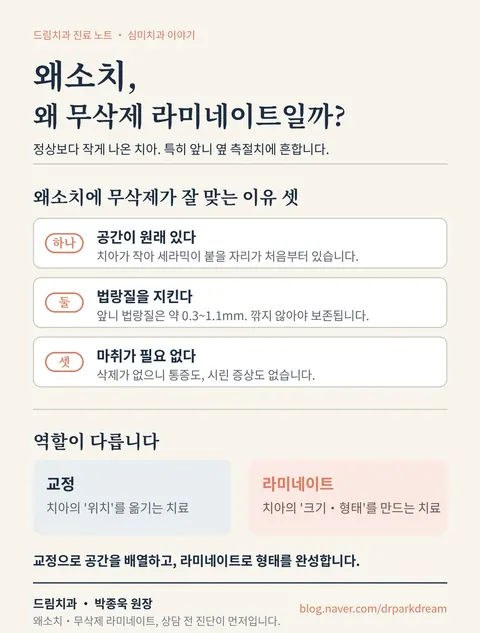
1. Small, undersized teeth (peg lateral)
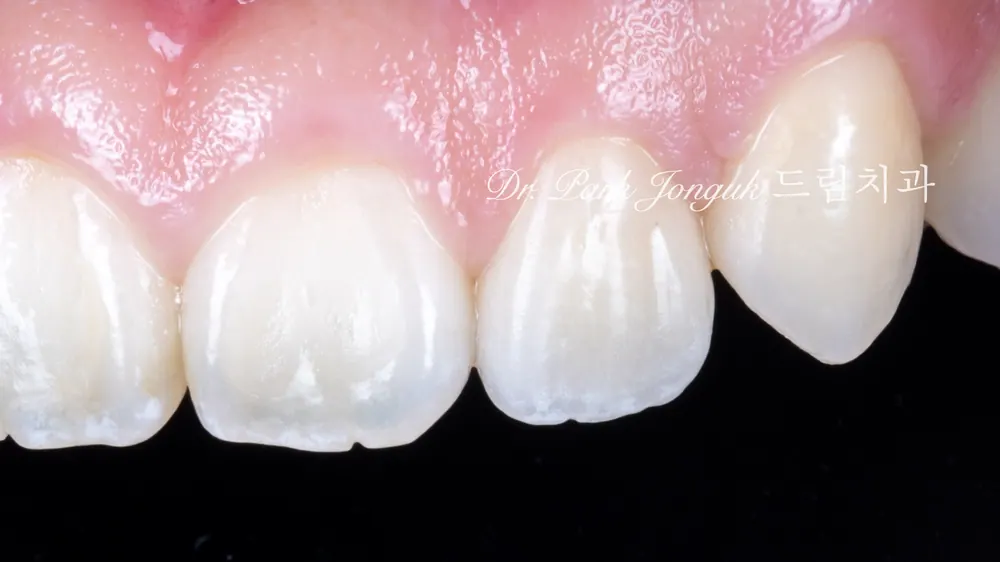
Many people find that orthodontics has made their alignment even, but they still have a congenitally small tooth that bothers them. Especially when a front tooth is a peg lateral, the overall smile can feel unnatural. In this situation, no-prep veneers can be an ideal solution. While preserving the tooth's original shape, the veneer is layered on top to naturally correct the size and shape. It's like tailoring custom clothing for a small tooth — creating a beautiful tooth line that matches the overall facial proportions. Esthetic satisfaction can be maximized without any reduction of the tooth.
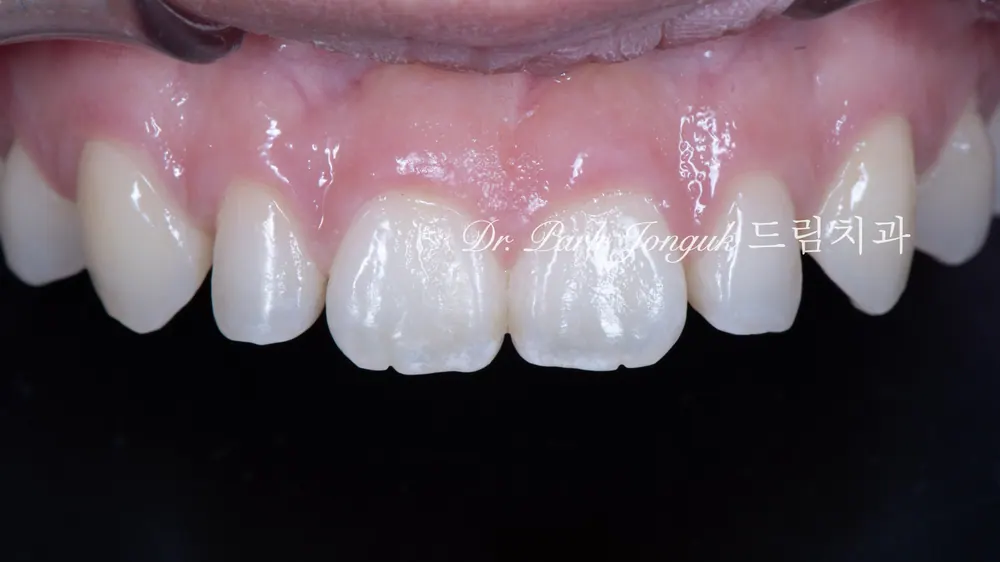
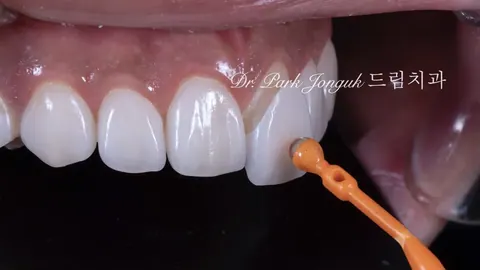
After orthodontic treatment, we decided to proceed with no-prep veneers for the peg lateral.
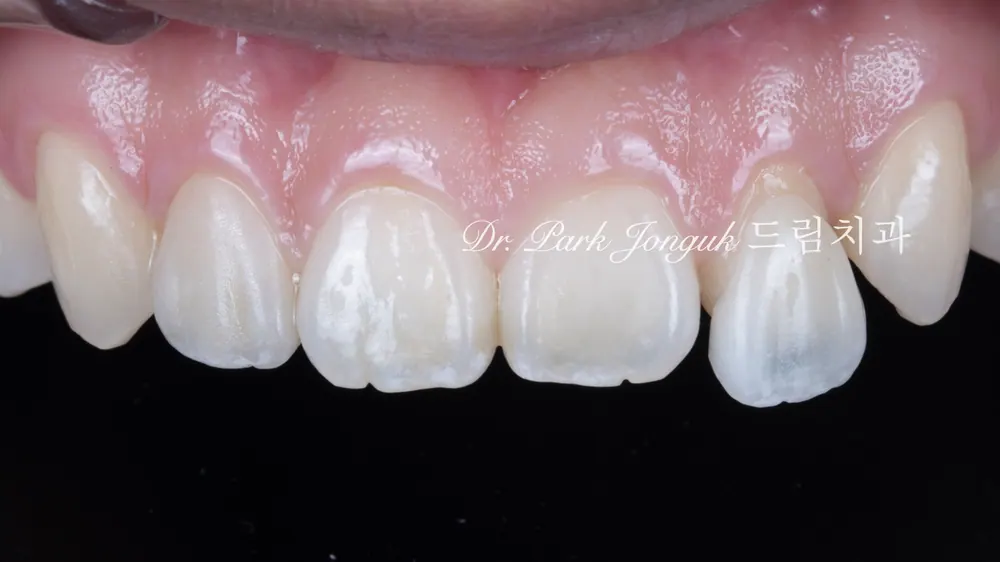
We proceed with no-prep veneers on just the two teeth.
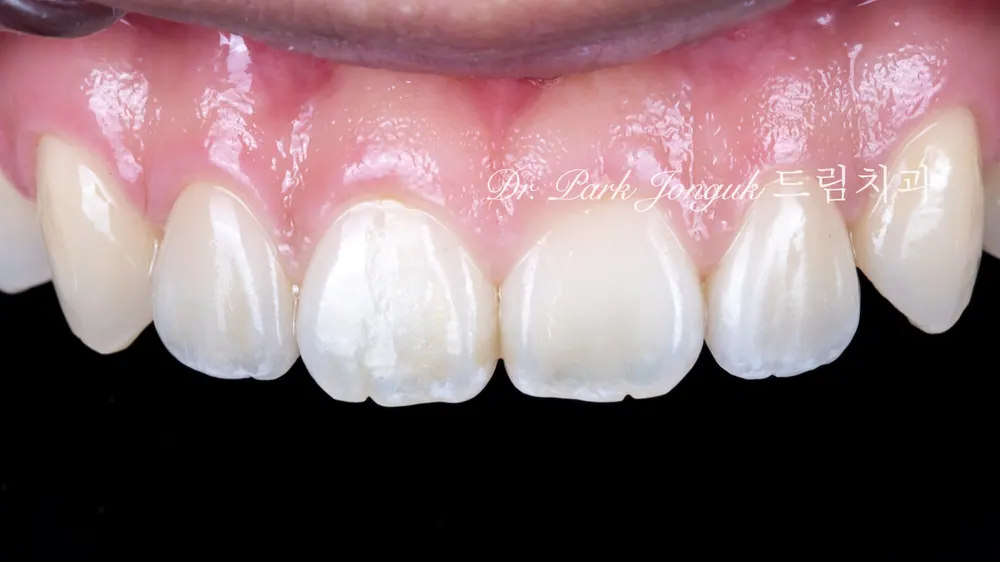
What matters is that it blends well with the natural teeth.
Many veneer clinics recommend 4-6 veneers for a case like this.
That's because making a veneer look like a natural tooth is extremely demanding.
Only a handmade method using a variety of ceramics can produce a natural-looking veneer.
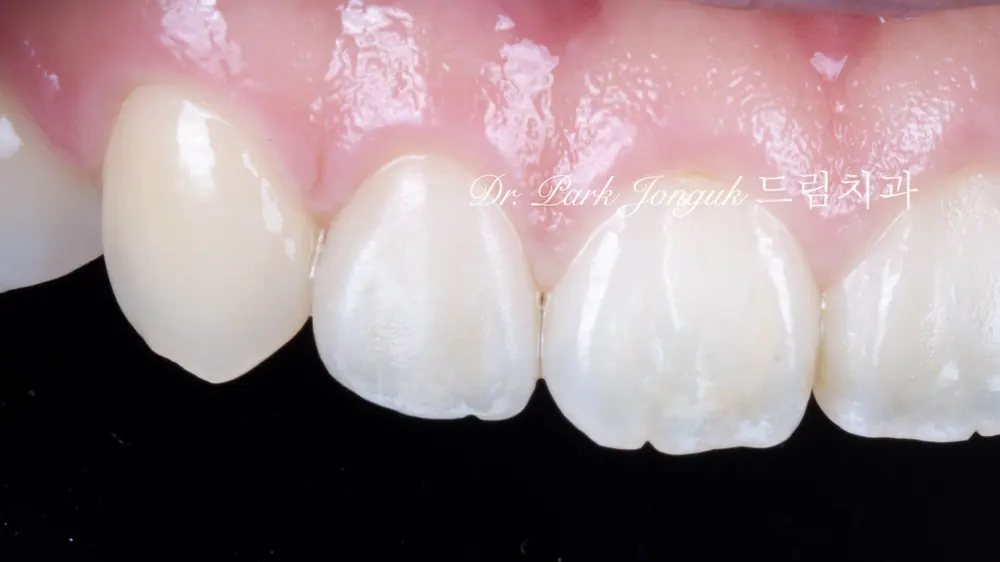
2. Teeth tilted inward (over-retraction)
Even after orthodontic treatment, over-retraction can remain, making the mouth look sunken in and causing the teeth to barely show when smiling. Over-retraction can give a somewhat gloomy impression, or even make someone appear passive. No-prep veneers can finely adjust the angle of this over-retraction, producing the effect of naturally bringing the teeth forward. It's like breathing volume back into a smile that had lost it, restoring a confident smile. You can experience a dramatic change in impression with a minimal procedure.
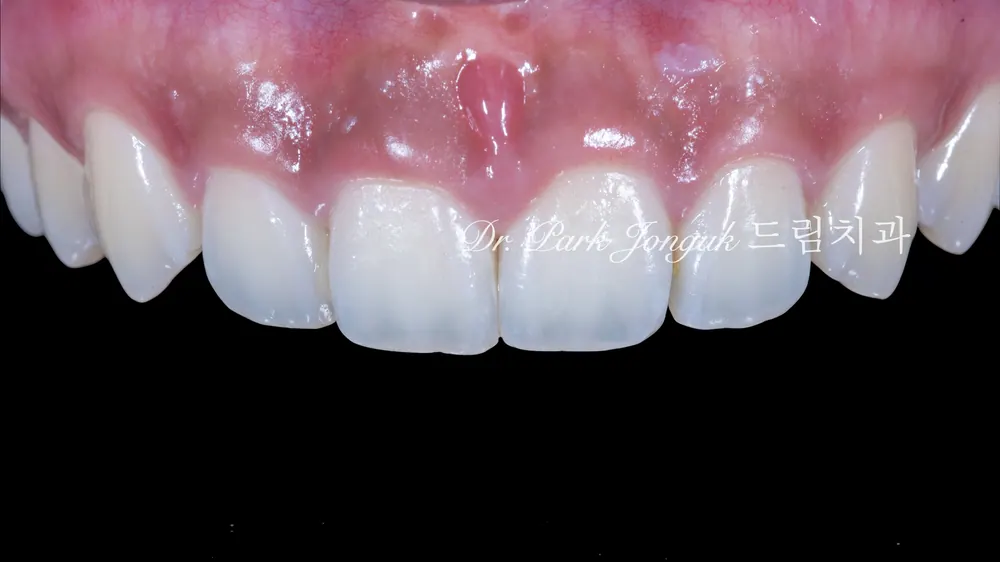
After orthodontic treatment, this patient developed severe over-retraction.
Through no-prep veneers, the angle of the teeth is brought back to normal.
Over-retraction after orthodontics is a very good case for no-prep veneer treatment.
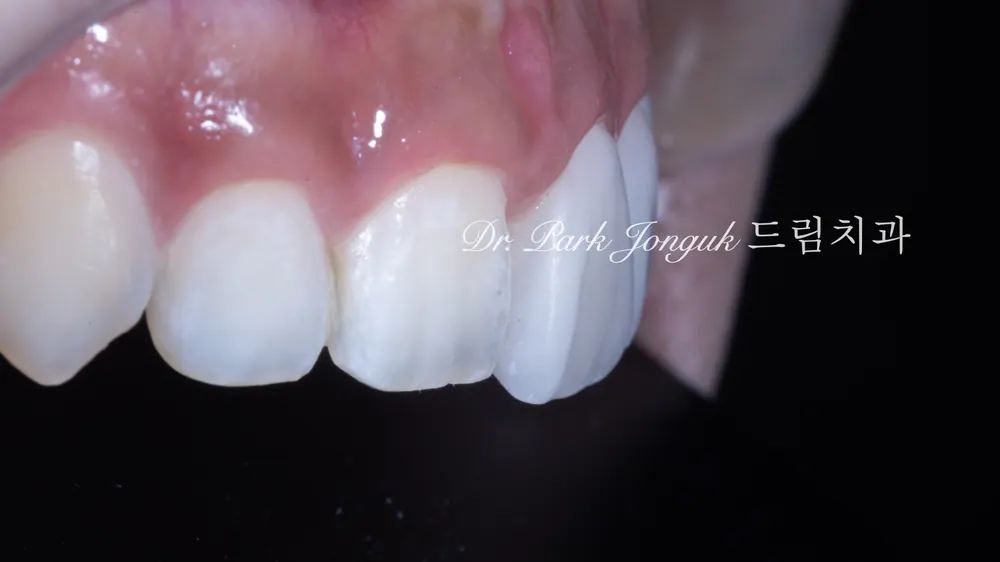
You can see the angle of the tooth becoming normal like this.
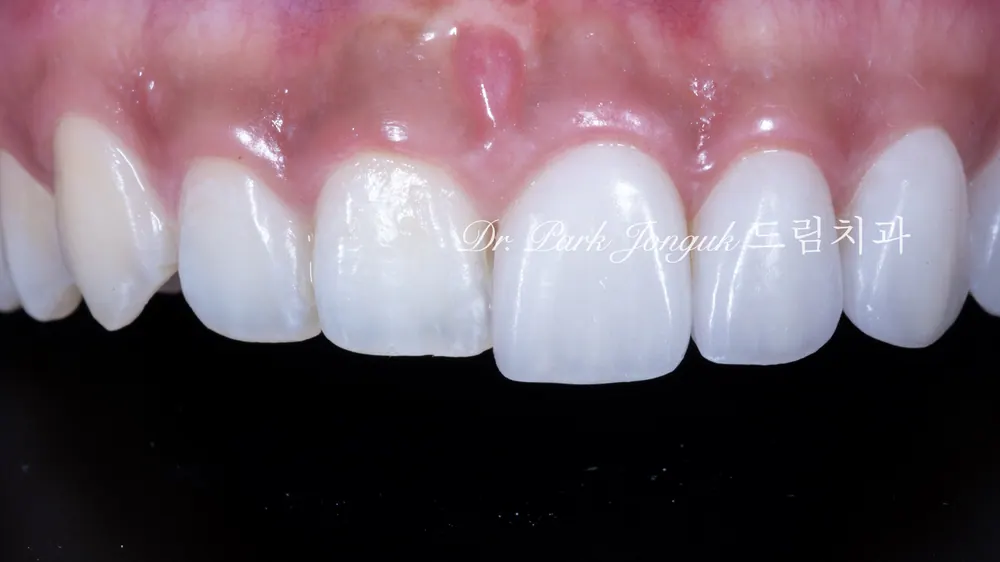
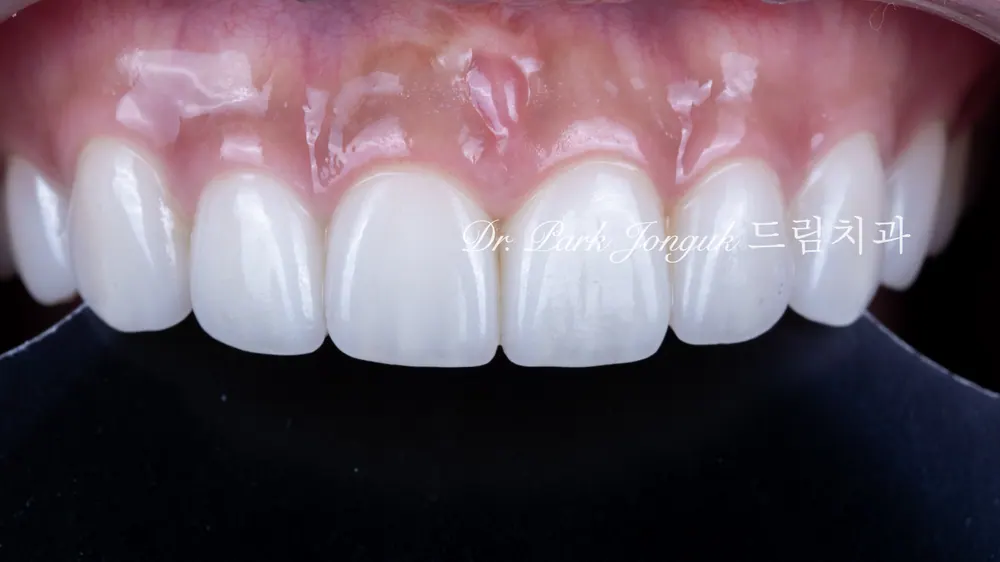
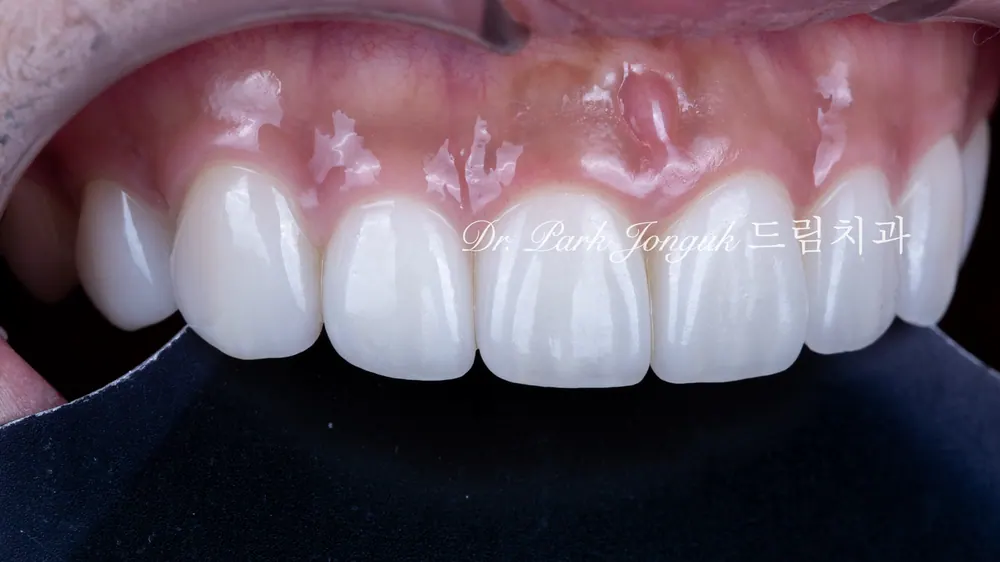
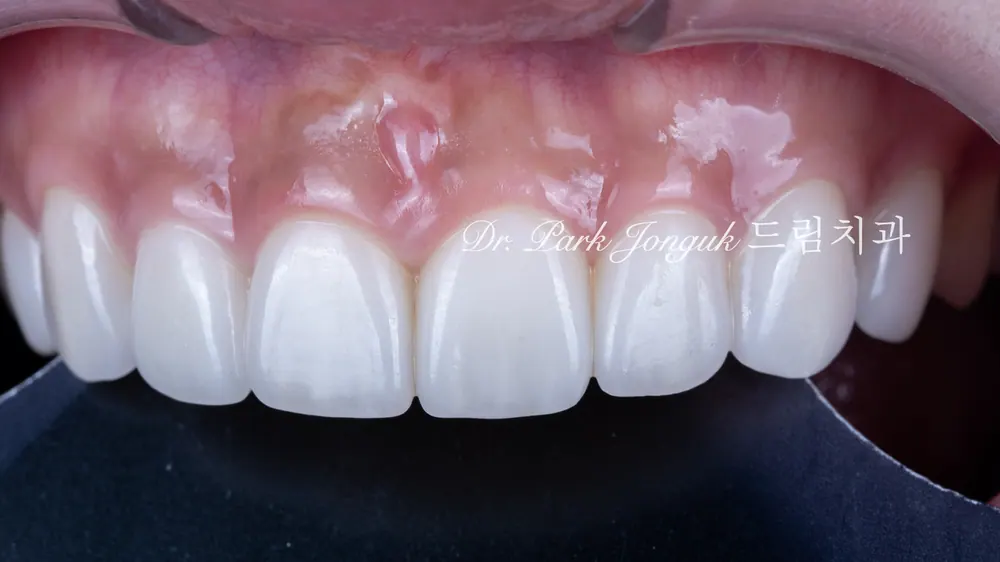
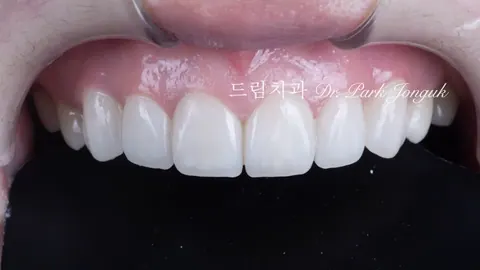
The no-prep veneers have been completed.
Even no-prep veneers can express the feel of a natural tooth this well.
3. Black triangles between the gums
After finishing orthodontic treatment, the space between the teeth closes and the teeth become aligned, but a triangular black gap can appear in the gum between the teeth. This is commonly called a "black triangle." This space stands out when smiling, which isn't just esthetically unpleasant — it can also cause hygiene problems from food getting caught in it. No-prep veneers play an effective role in filling in this black triangle. By filling the space between the teeth with the tip of the veneer, a seamless, beautiful smile line is completed. It's a method that can resolve the esthetic problem while doing no harm to gum health.
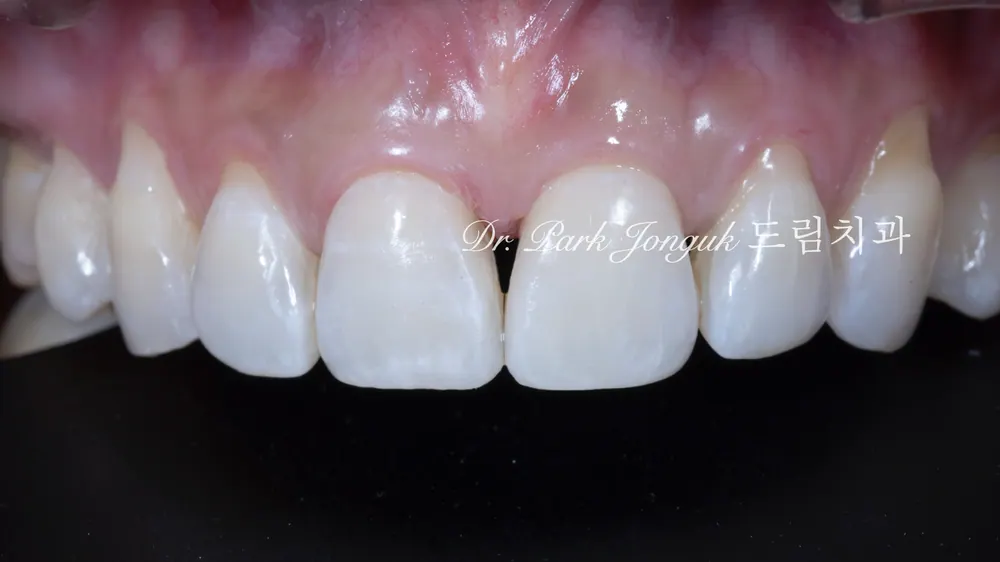
To treat a black triangle without any reduction,
the alignment needs to be good, and the teeth need to be small and over-retracted.
A black triangle is the most demanding case to treat with veneers.
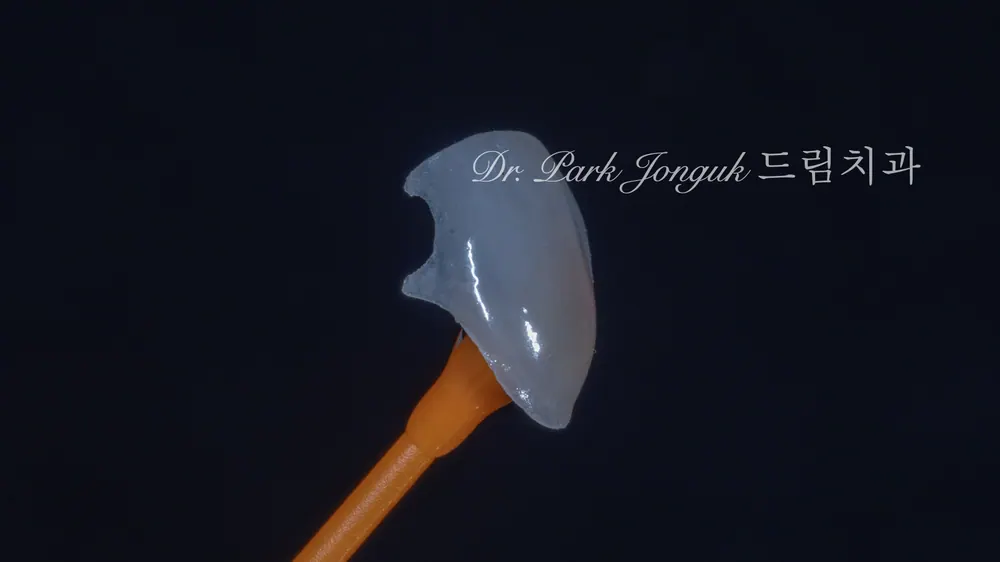
In particular, fabricating ceramic this thin is essential,
so it's only possible by hand, and it requires a great deal of experience.
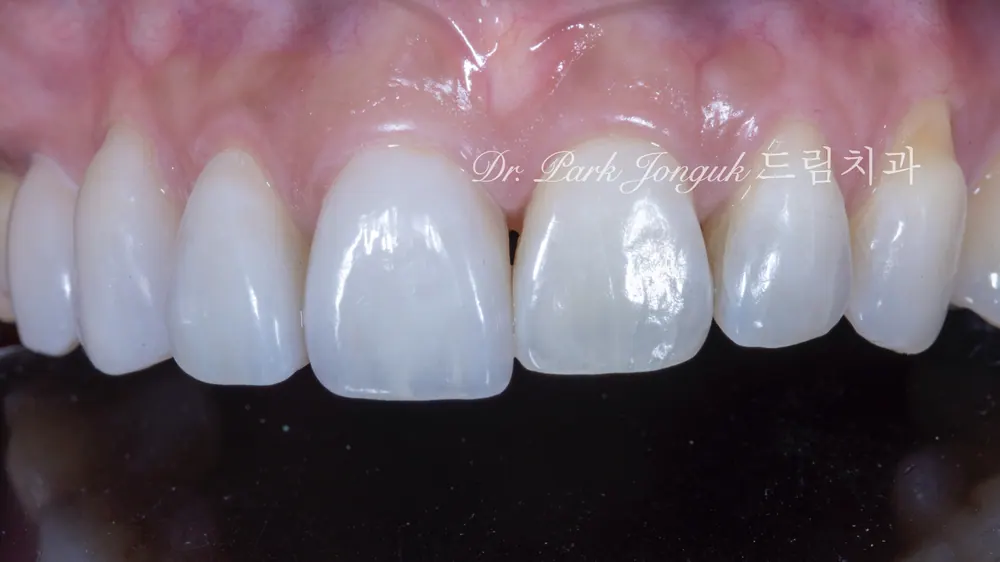
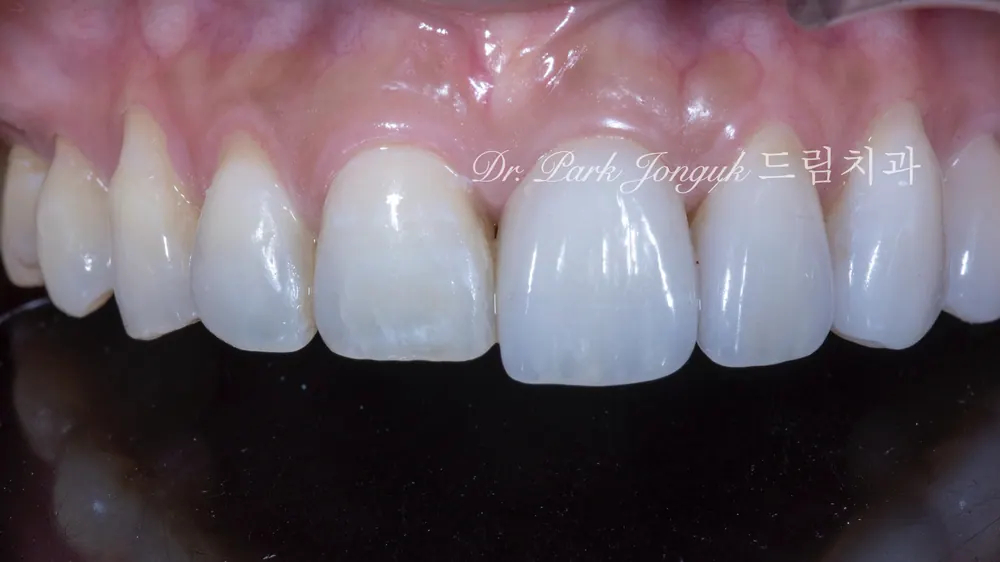
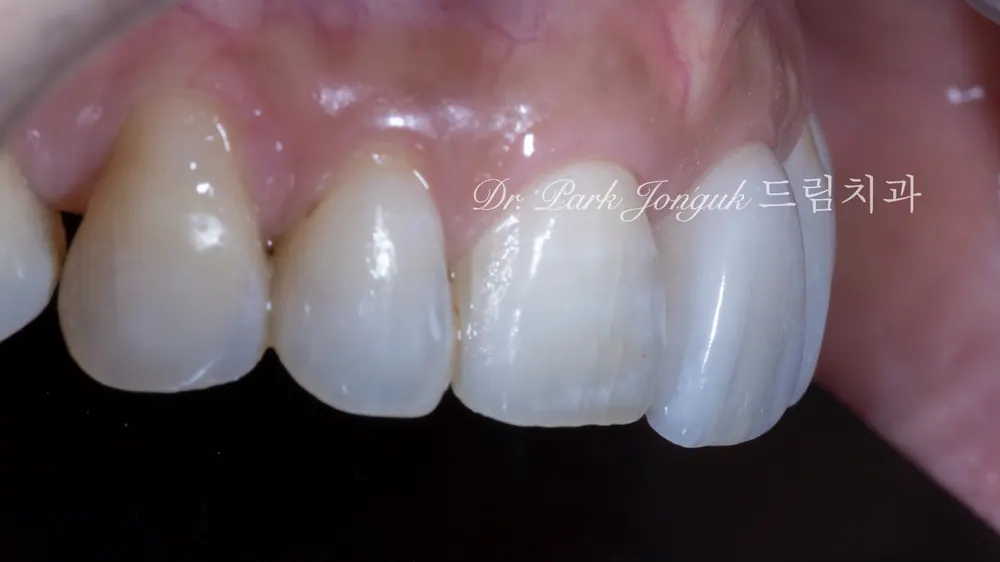
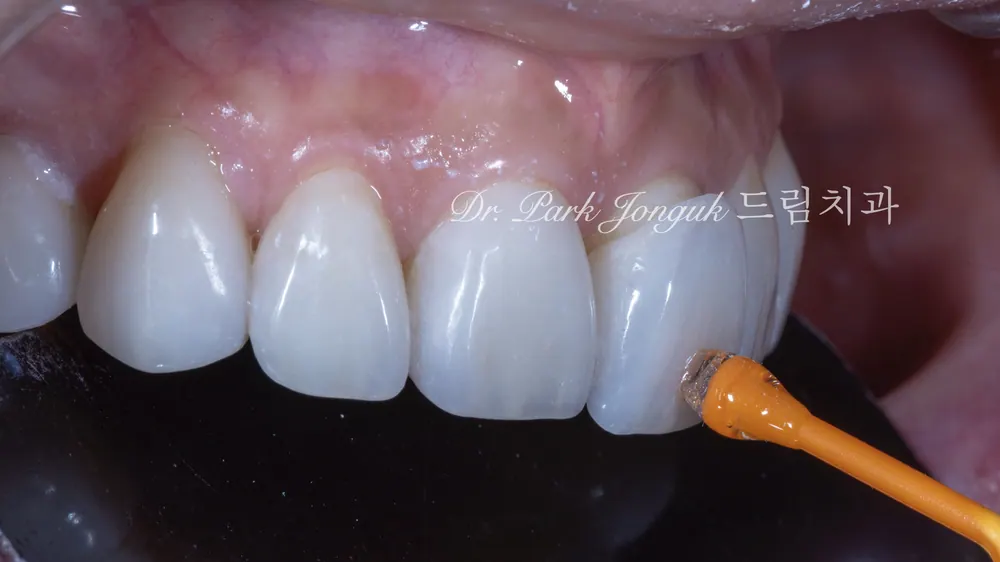
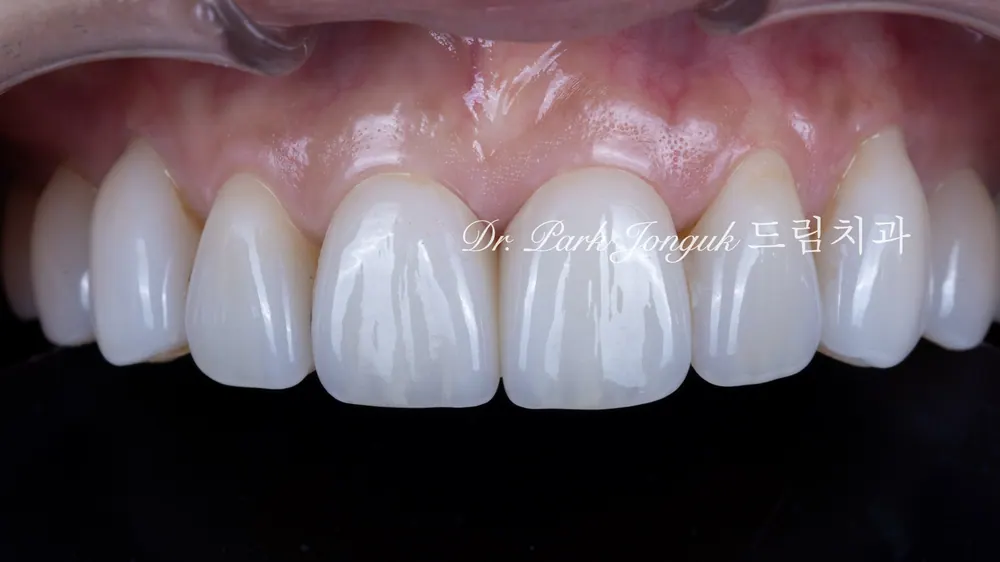
It was finished this beautifully.
In this way, no-prep veneers are an outstanding esthetic treatment that addresses esthetic concerns that orthodontic treatment alone can't fully resolve. While preserving healthy teeth, they delicately refine the tooth's shape, size, and even the space between the gums to create the best possible smile.
In the next article, I'll explain in more detail, through real cases, how no-prep veneers are applied to each of these individual cases. I'll keep sharing good information going forward so that your smile can shine even brighter.
This is the November Lamista Academy veneer lecture.
This article is a clinical note written by Dr. Park Jonguk of Dream Dental Clinic, Gangnam; the original was published on his blog. The photographs shown are real cases he treated. Results vary with each patient’s condition, and every procedure carries the possibility of individual variation and side effects.
Quick Consult
Request a Callback
Leave your number and we will call you back during clinic hours.
Request Received
We will contact you during clinic hours. For urgent matters, please call +82-2-3448-0028.