
No-Prep Veneer Case | Struggling With Retroclined or Small Teeth After Braces? A Natural Esthetic Treatment Story
Teeth are one of the first things people notice when someone smiles.
These days especially, photos, videos, and smiles have a big influence on a person's impression,
so interest in esthetic dental treatment keeps growing.
Many people think of veneers first,
but at the same time hesitate over worries like "a lot of tooth needs to be cut," "it looks unnatural," or "there are a lot of side effects."
But veneers don't necessarily require cutting a lot of tooth structure.
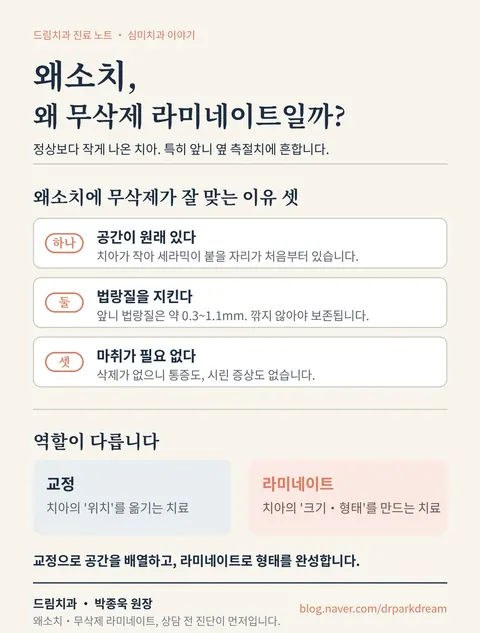
Through a method called no-prep veneers, esthetic improvement is possible with minimal or even no tooth reduction at all.
Of course, it isn't possible for everyone — it's a treatment that only works when certain conditions are met.
The patient who came in this time had previously had orthodontic treatment,
but over time the alignment shifted back inward, becoming what's called "ok-ni," or retroclined teeth,
and because her teeth were also small overall, they barely showed when she smiled or spoke.
Even after orthodontics, she was still unsatisfied esthetically, and after some thought, she chose no-prep veneers.
In this post, through this patient's actual case,
we'll explain how retroclined teeth and small tooth size after orthodontics could be improved with no-prep veneers,
what the conditions and process for no-prep veneers are,
and what changes took place from before treatment to after,
explained in detail with photos. We hope this helps anyone considering veneer treatment.
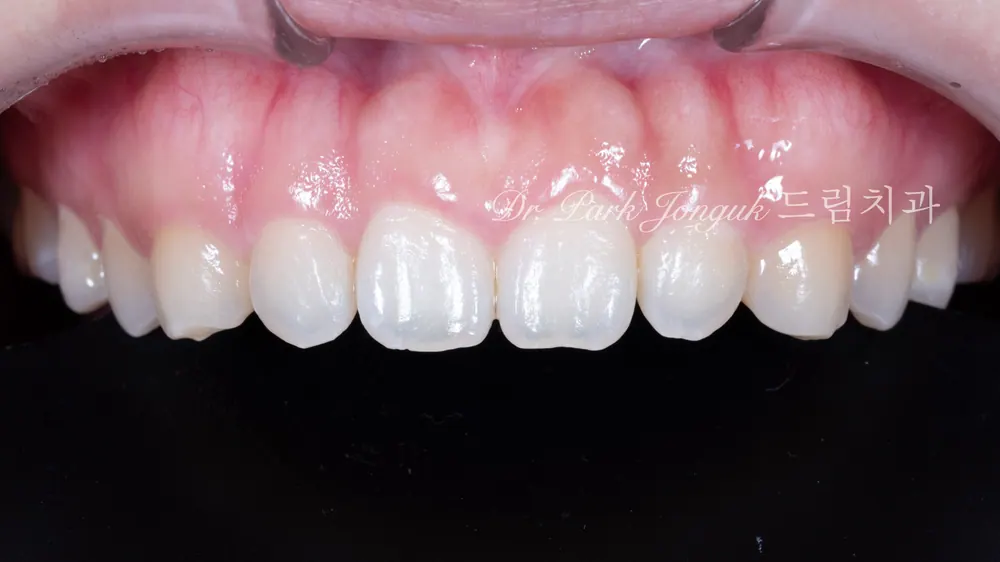
The patient had already completed orthodontic treatment, but her teeth were small and retroclined, so they were pulled inward and barely visible when she smiled.
👉 In cases like this, even if the alignment looks even, esthetic satisfaction can still be low.
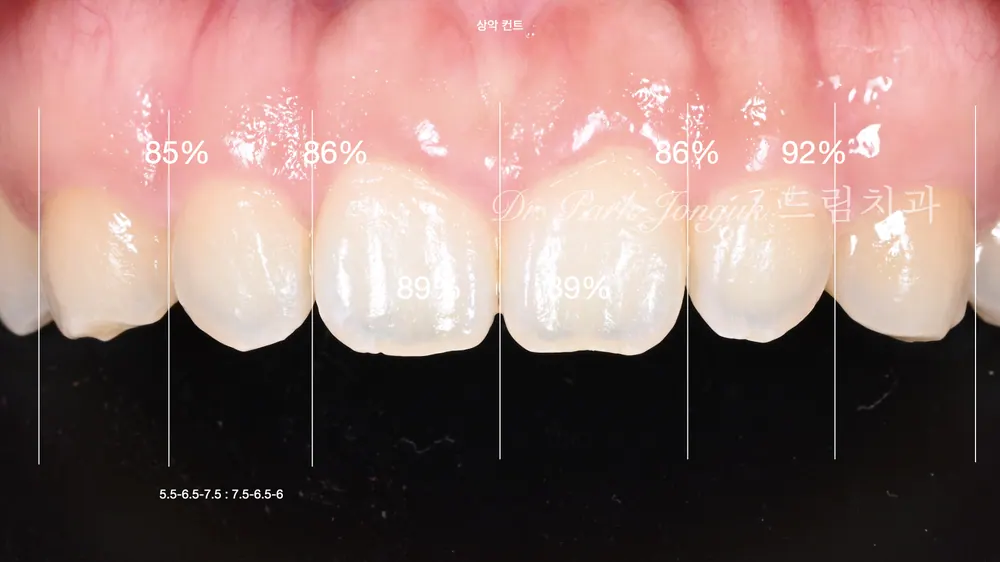
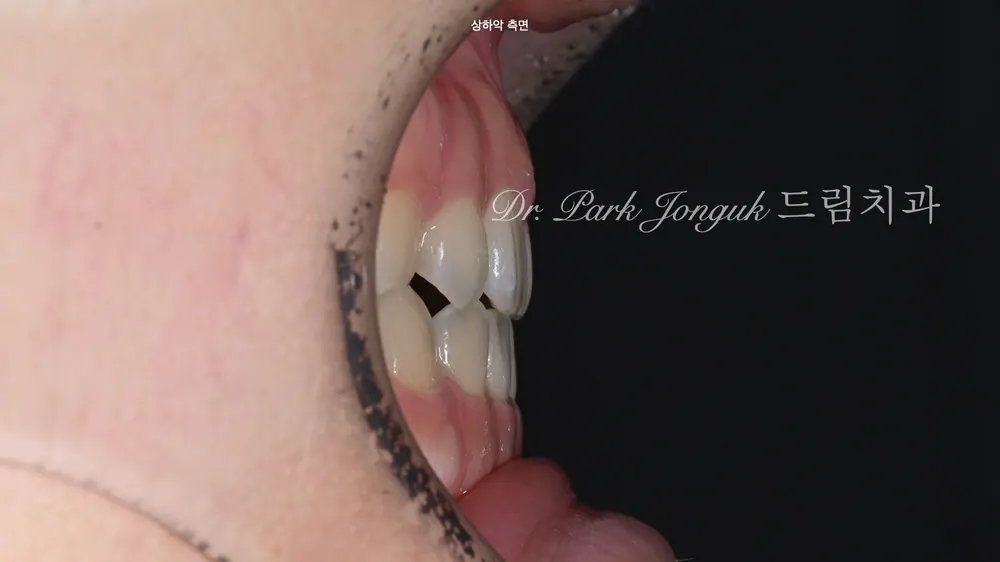
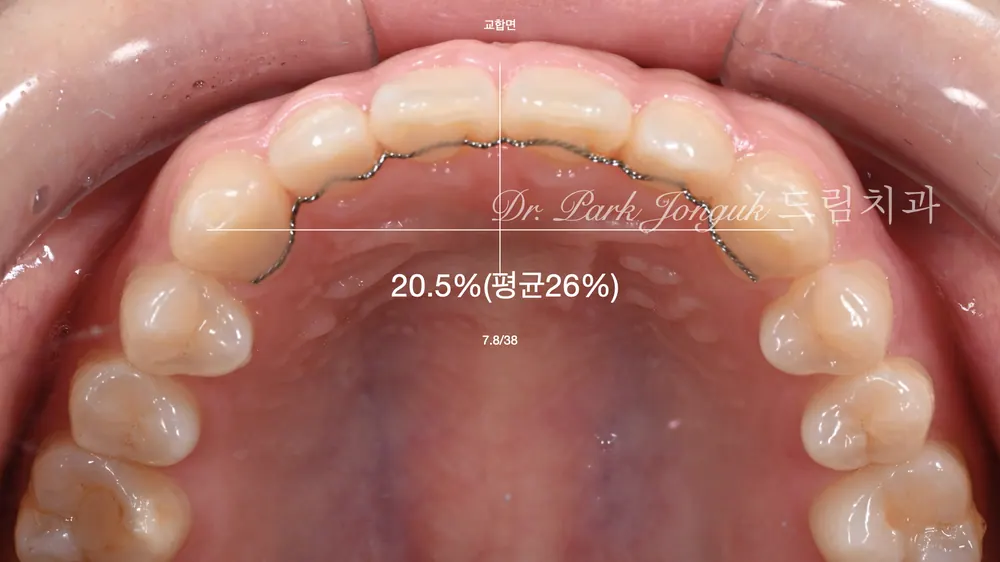
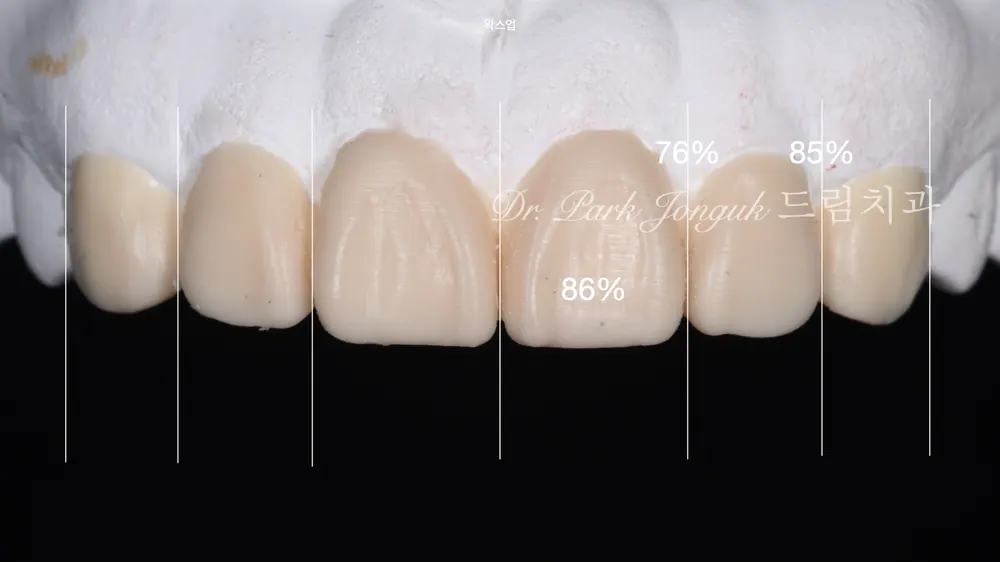
Even for no-prep veneers, a precision diagnostic process is essential.
A wax-up is used to simulate the post-treatment shape in advance and to determine whether, and how much, tooth reduction is needed.
👉 Only by going through this process can we know exactly whether treatment is possible without any tooth reduction, and reach agreement with the patient on the outcome.
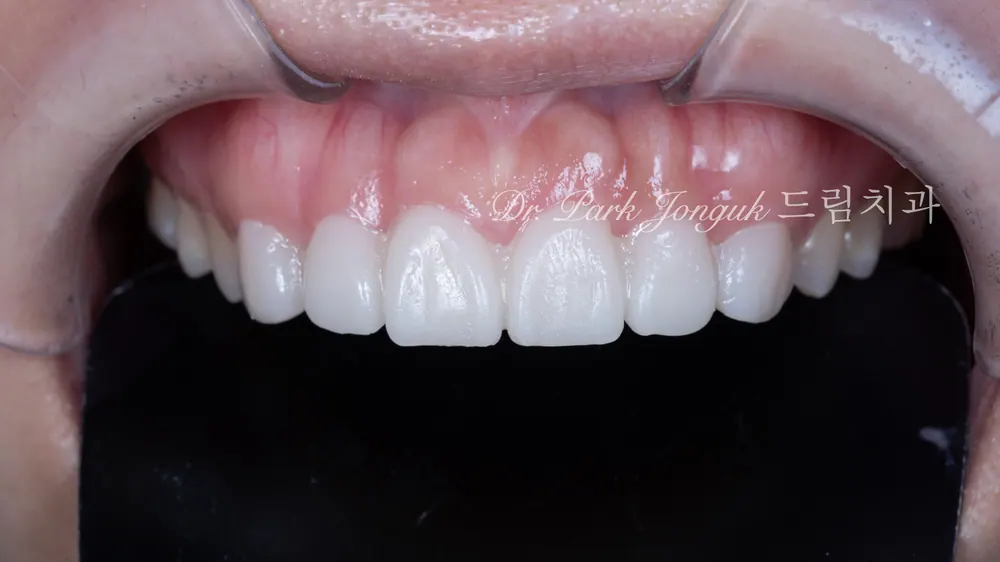
Before the main treatment, we made temporary teeth.
The temporary teeth let the patient see for herself "what shape her teeth would be after treatment" and discuss her desired look during consultation.
👉 Even with no-prep veneers, thorough communication with the patient is what ultimately produces a natural result.
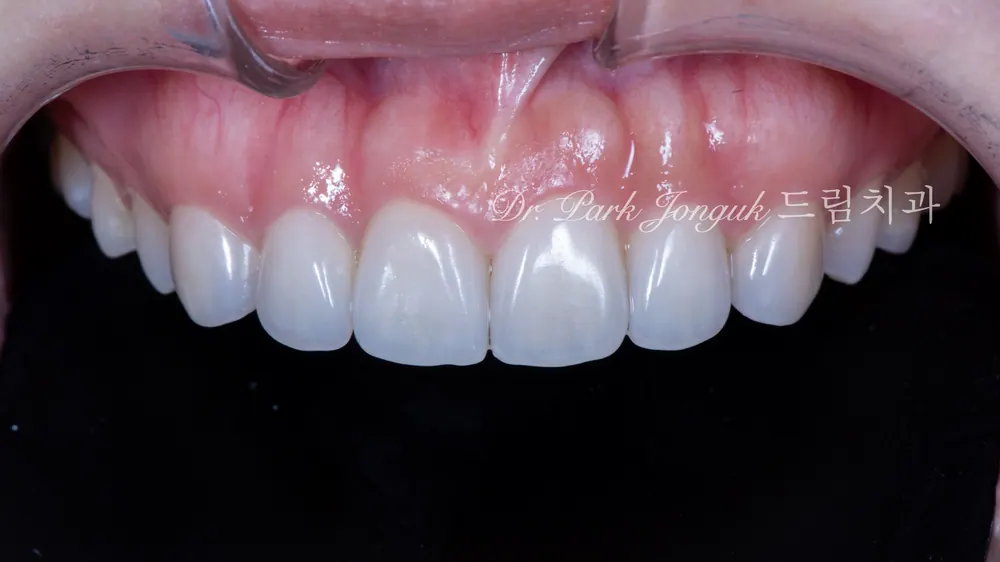
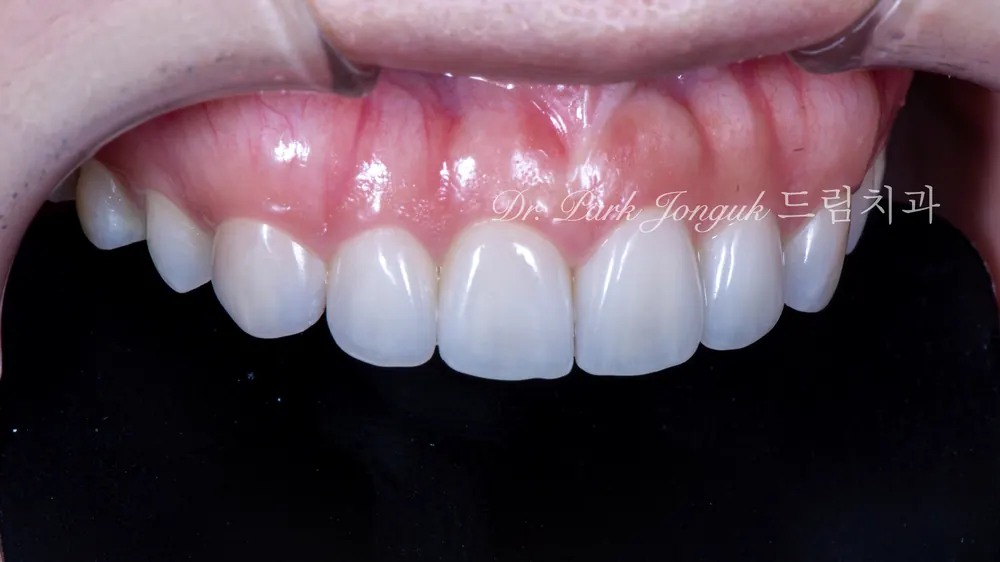
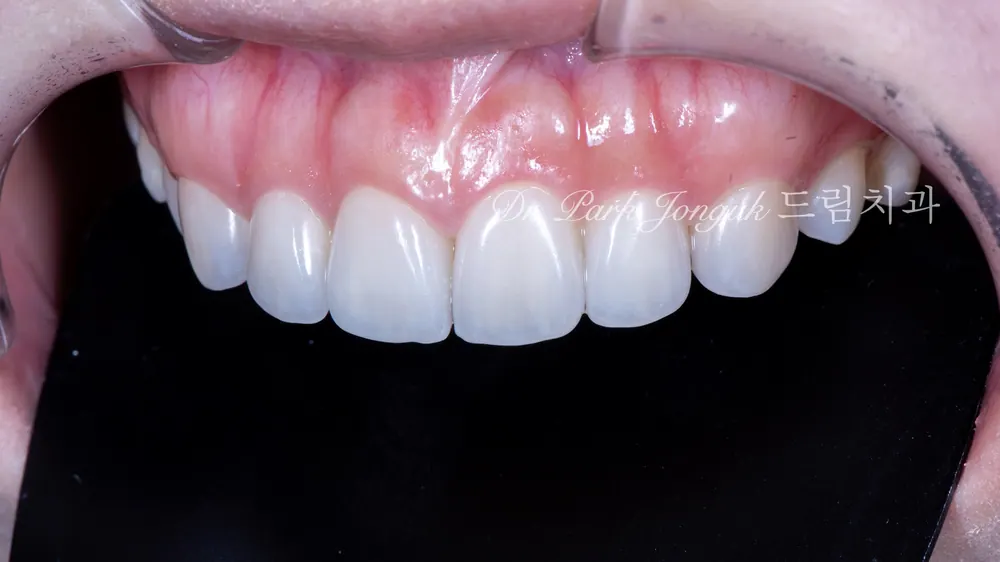
The finished veneers, even though they were done without any tooth reduction, achieved a natural and beautiful shape.
The small, inward-tilted teeth now look as if they've come out to their proper place, creating a bright, harmonious smile.
👉 The key is that it achieves a natural translucency and dimension without any artificial feel.
No-prep veneers are a good way to achieve an esthetic change without the burden of tooth reduction.
But it isn't applicable to every patient — conditions like tooth size, alignment, and whether the teeth are retroclined have to line up.
It's also essential to go through a precision diagnosis and thorough consultation to achieve a safe and satisfying result.
Q&A
Q. Can anyone get no-prep veneers?
A. No. They're best suited to patients whose teeth are small, relatively well-aligned, and retroclined.
Q. Is there really no tooth reduction at all?
A. In most cases minimal or no reduction is possible, but depending on the case, a small amount of fine adjustment may be needed.
Q. Is it fine to use them for a long time?
A. No-prep veneers done with proper diagnosis and technique can be used stably for a long time. That said, regular dental checkups are essential.
This article is a clinical note written by Dr. Park Jonguk of Dream Dental Clinic, Gangnam; the original was published on his blog. The photographs shown are real cases he treated. Results vary with each patient’s condition, and every procedure carries the possibility of individual variation and side effects.
Quick Consult
Request a Callback
Leave your number and we will call you back during clinic hours.
Request Received
We will contact you during clinic hours. For urgent matters, please call +82-2-3448-0028.