
Veneer Retreatment Case | Turning Artificial One-Day Veneers Into a Natural Result
There are keywords that many people considering veneer treatment search for often.
Terms like 'one-day veneers,' 'veneer side effects,' and 'veneer retreatment.'
Many patients choose the one-day method for its speed and lower cost, only to return to a clinic again not long after.
The patient I'll introduce today was in a similar situation.
She had veneers done with the fast one-day method,
but right from the start, her teeth looked far too white and artificial, with no dimensionality at all, leaving her with an awkward smile.
In particular, the proportion between the central incisor and the adjacent lateral incisor was off, making the lateral incisor look unusually large and breaking the overall harmony.
The purpose of veneers isn't simply to make the teeth white.
An aesthetically beautiful result comes only when the veneers harmonize with the face shape and bring out natural dimensionality and translucency.
If these aspects are ignored, the treatment can actually backfire, leaving the patient with significant distress.
This patient came in saying, "It hasn't been long since my treatment, but I'm not satisfied with how it looks now, and I'd like it redone naturally." Today, through this case, I'll show you
the limits of one-day veneers,
the need for precision diagnosis and laser removal,
and the conditions and process for achieving natural-looking veneers,
step by step, with photos.
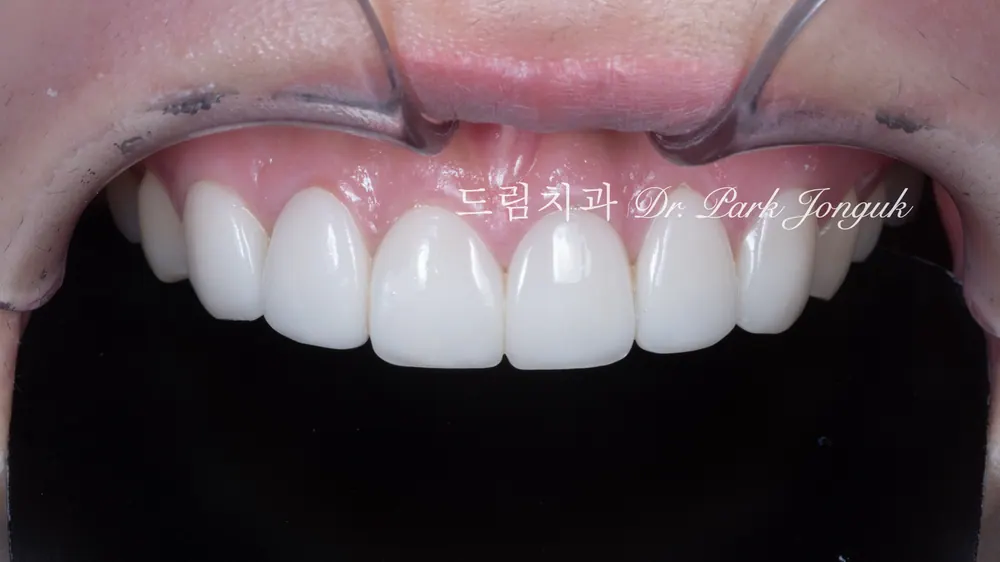
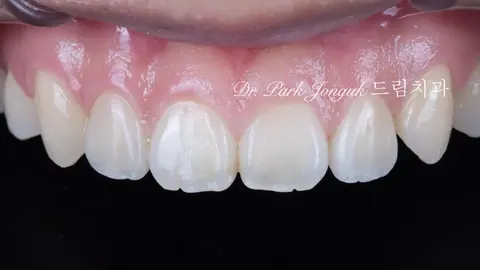
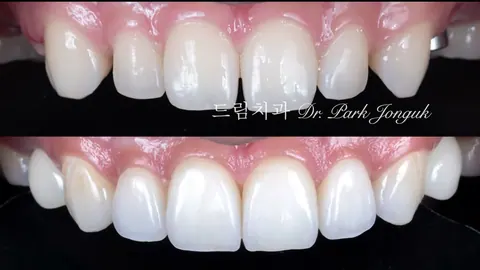
Looking at the first photo, this is the patient's state right after her one-day veneer treatment.
The teeth are excessively white and lack dimensionality, giving an artificial impression.
In particular, the proportion between the central and lateral incisors is off, making the lateral incisor look excessively large and creating an aesthetically awkward look.
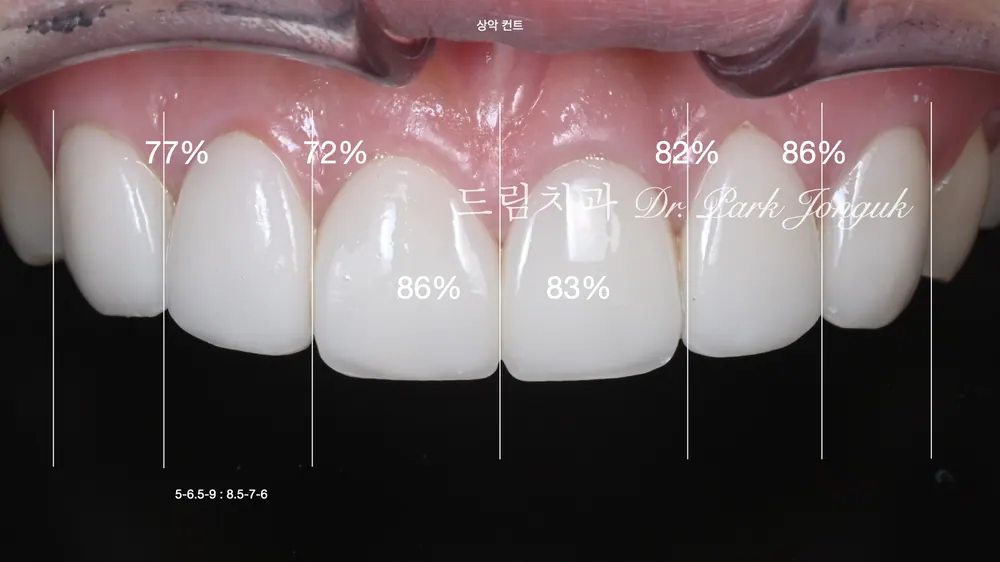
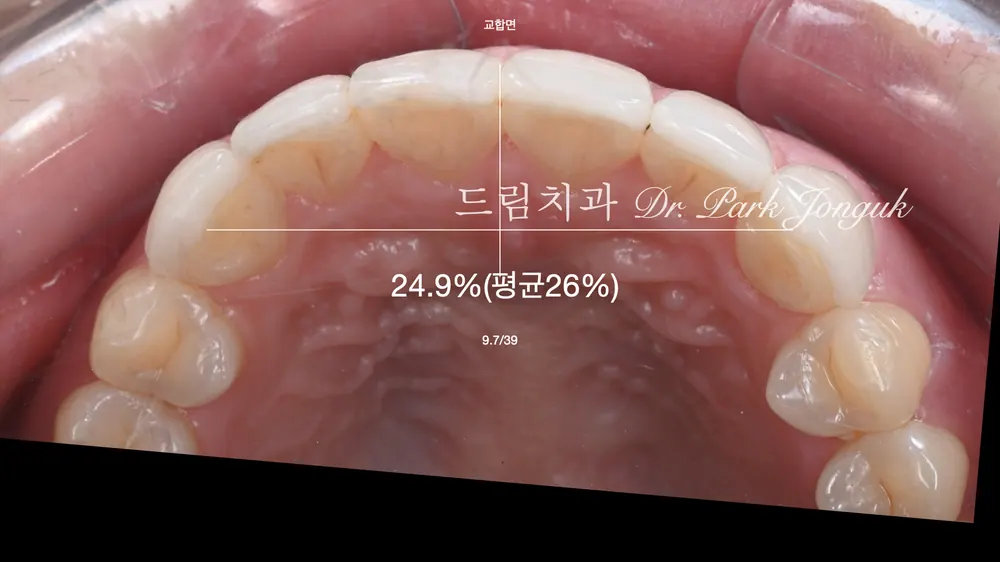
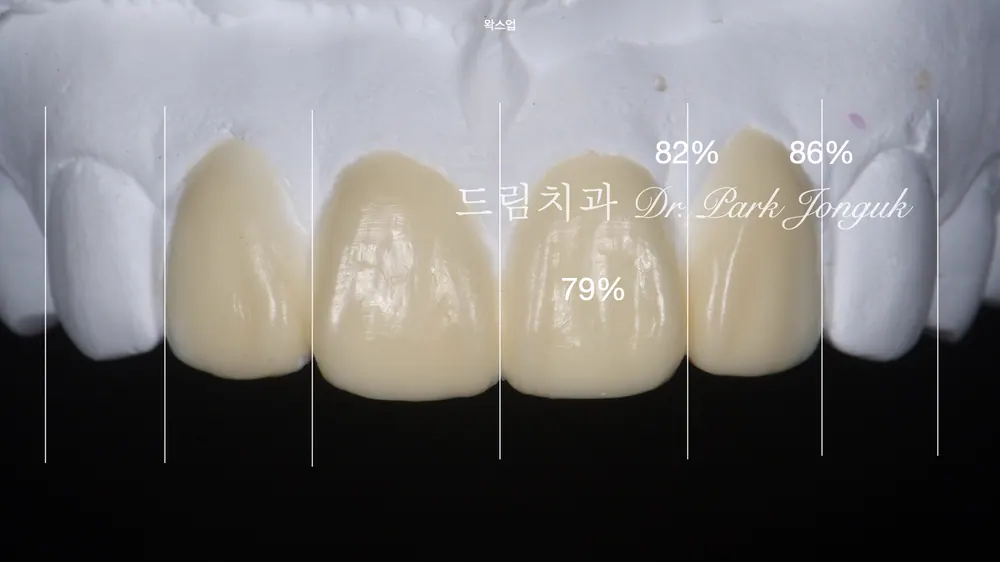
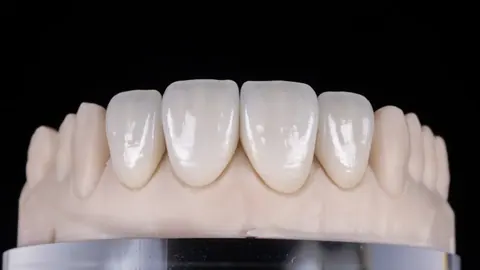
The next three photos show the precision wax-up diagnosis process.
Whether it's a no-prep veneer or a retreatment, precision diagnosis is the single most important step in any veneer treatment.
It's a process of simulating the post-treatment shape, checking the extent of reduction and the proportions, and thoroughly consulting with the patient.
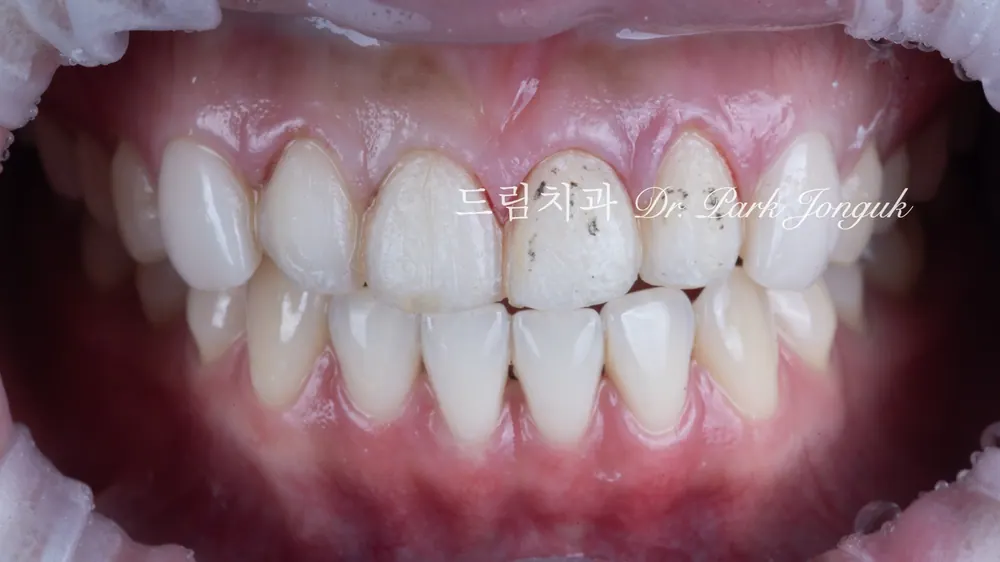
This photo shows the existing veneers being removed with a laser.
The white area visible in the photo is the softened adhesive.
The laser has the advantage of selectively weakening the adhesive, allowing removal while minimizing damage to the tooth.
(You can find more details on this in the link to my blog below.)
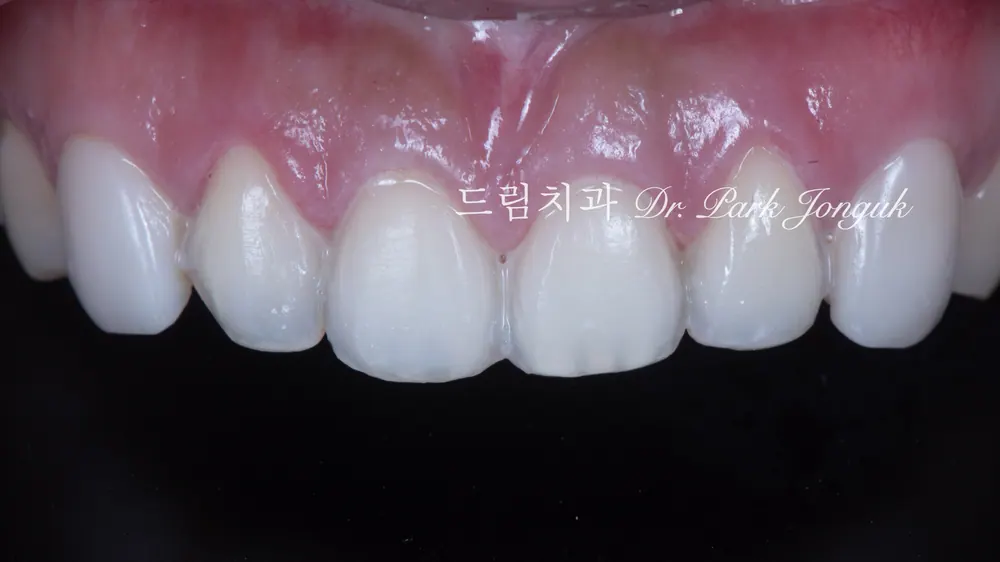
After removing all the remaining adhesive,
the tooth reduction was finished to properly prepare for the veneer retreatment.
This shows the tooth prepared so the new veneer can sit stably, while preserving as much of the tooth's original shape as possible.
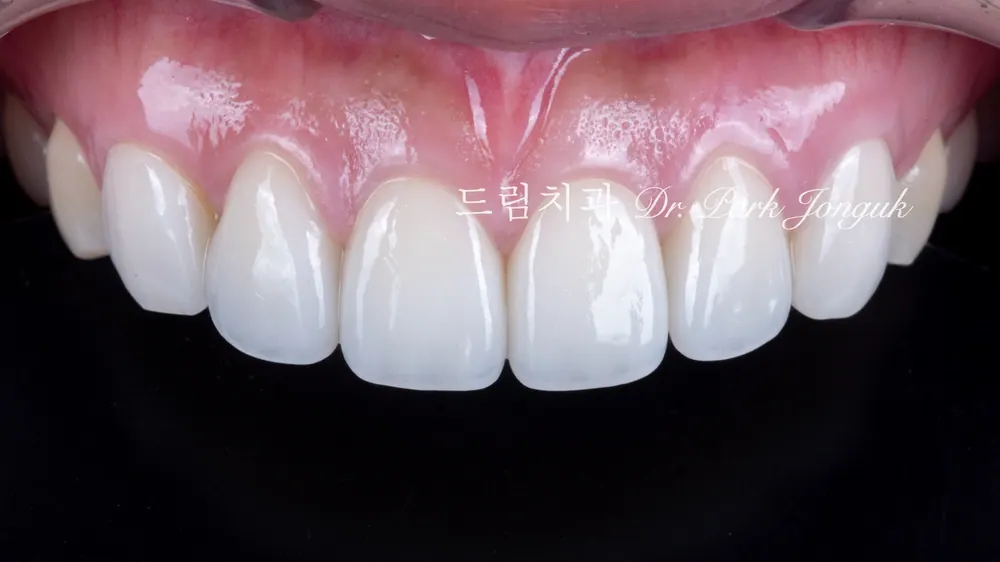
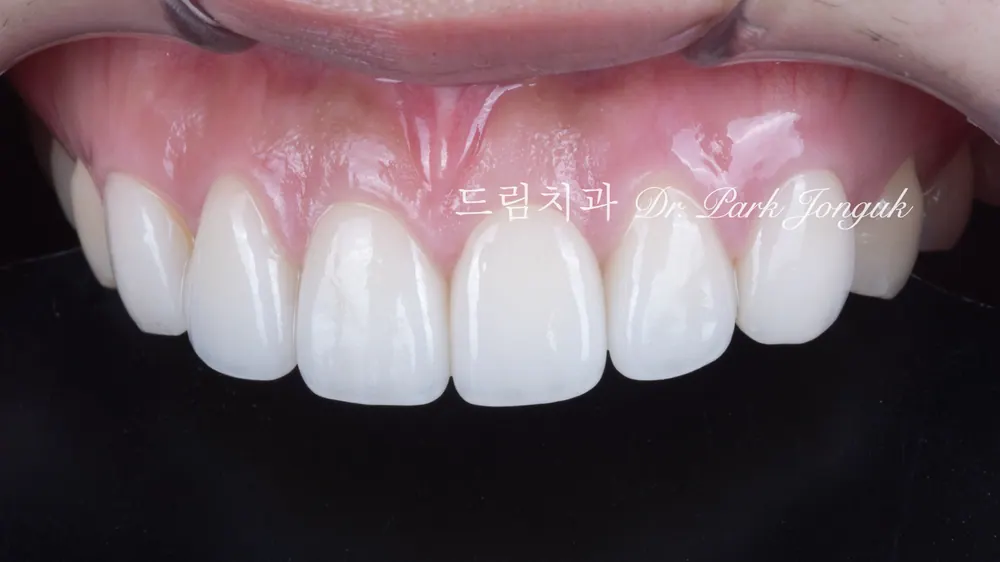
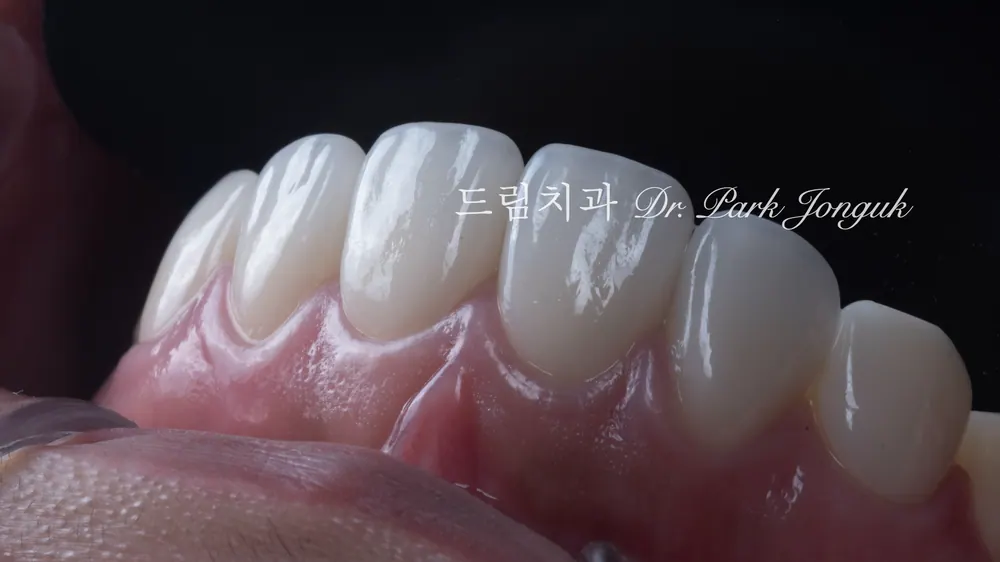
This is the appearance after the final treatment. The proportion between the central and lateral incisors was harmoniously improved,
and a natural smile with dimensionality and translucency was completed, designed to fit the patient's face shape.
Unlike the artificial-looking original veneers, you can see a far more natural and beautiful result.
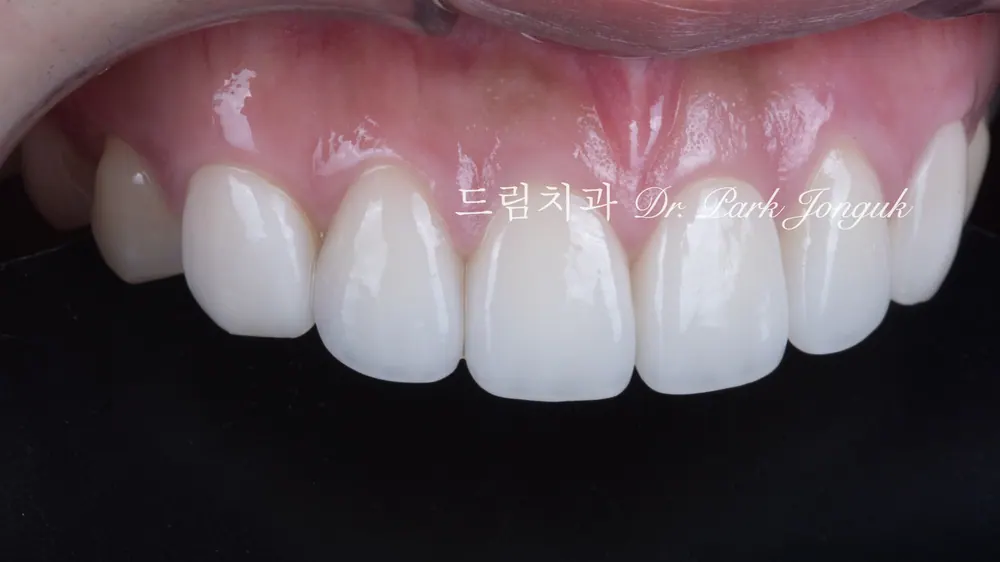
Veneers aren't simply a treatment for quickly whitening the teeth.
When time and steps are cut short, as with one-day veneers, the result can look artificial and awkward.
Conversely, going through steps like precision diagnosis and laser removal is what makes it possible to achieve a natural result while minimizing damage to the tooth.
Before treatment, be sure to check:
how the treatment will be carried out,
whether precision diagnosis is included,
and whether the conditions for a natural-looking result are met.
A beautiful smile begins not with simply 'white teeth,' but with natural harmony.
Q&A
Q1. Why can one-day veneers be a problem?
A. They have the advantage of being done quickly, but the lack of precision diagnosis and customized design can result in an artificial, awkward look.
Q2. Isn't there significant tooth damage when removing existing veneers?
A. Grinding them off in the usual way causes significant damage. But using a laser to selectively weaken the adhesive allows removal while minimizing damage to the tooth.
Q3. What process is essential for natural-looking veneers?
A. It's essential to analyze the patient's face shape, tooth size, and alignment through a precision wax-up diagnosis, simulate the shape, and go through a consultation process with the patient using temporary veneers.
Q4. Can retreatment produce a better result?
A. Yes. By removing the original artificial-looking veneers, going through precision diagnosis, and custom-making new ones, you can achieve a natural result with real dimensionality and translucency.
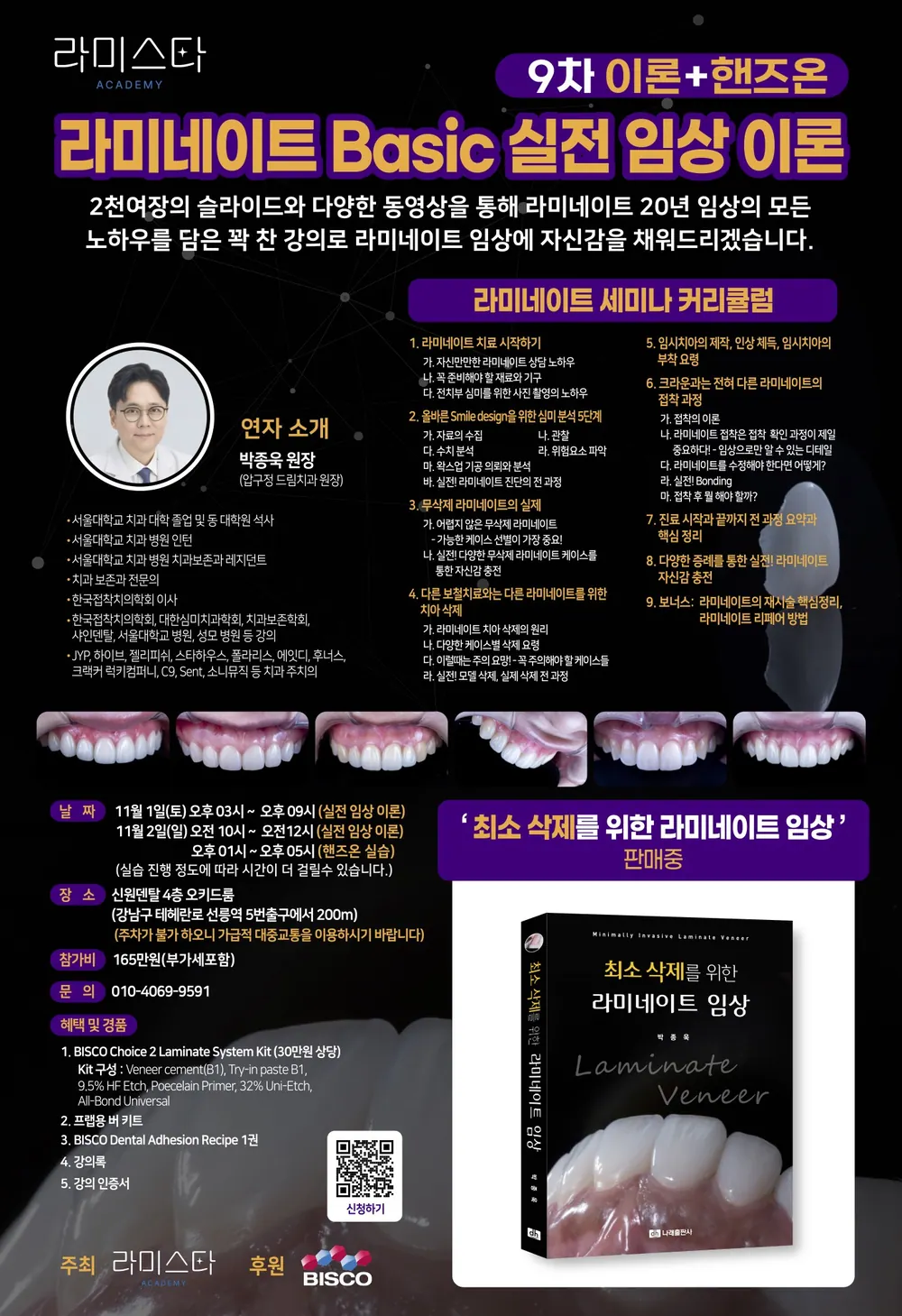
This is the November lecture at Lamista Academy.
This article is a clinical note written by Dr. Park Jonguk of Dream Dental Clinic, Gangnam; the original was published on his blog. The photographs shown are real cases he treated. Results vary with each patient’s condition, and every procedure carries the possibility of individual variation and side effects.
Quick Consult
Request a Callback
Leave your number and we will call you back during clinic hours.
Request Received
We will contact you during clinic hours. For urgent matters, please call +82-2-3448-0028.