
Awkward-Looking Veneers: Want Them to Look Like Your Own Teeth?
Hello, I'm Park Jonguk, DDS, MS, director of Dream Dental Clinic.
In dentistry, esthetic treatment
is usually divided into three types.
Orthodontics, which straightens the alignment of the teeth;
orthognathic surgery, which surgically corrects skeletal bite problems;
and tooth reshaping, which beautifies the color and shape of the teeth.
Of these, tooth reshaping
achieves its result by replacing the tooth with a different material,
using a ceramic with properties and appearance as close to natural teeth as possible.
The ceramics used in dentistry
come in quite a variety of types.
Among these, the ceramic used for front-tooth veneers
falls broadly into two categories,
and the fabrication method also falls into two categories.
But even more than these various materials and fabrication methods,
what has the biggest impact on the outcome of a veneer
is what kind of structure it's built with.
There's the single-layer veneer, made using just one type of ceramic,
and the multilayer veneer, made by layering various ceramics
to reproduce the structure of a natural tooth.
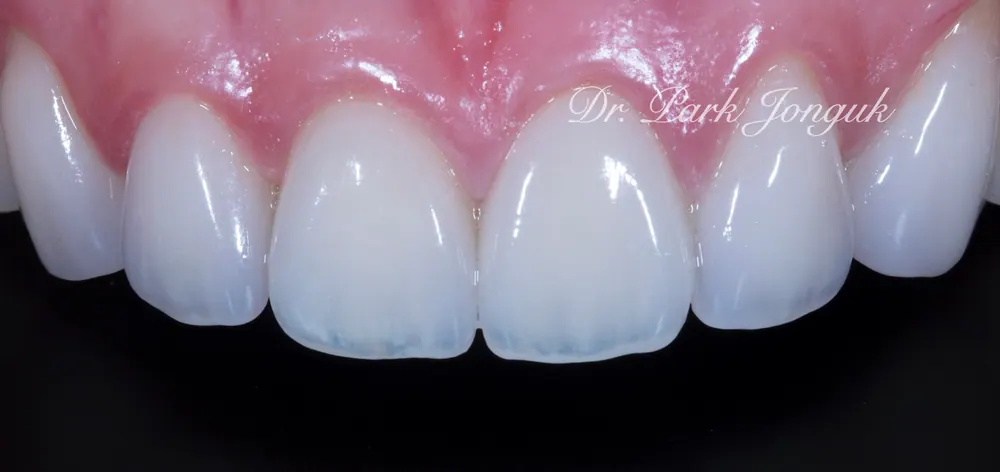
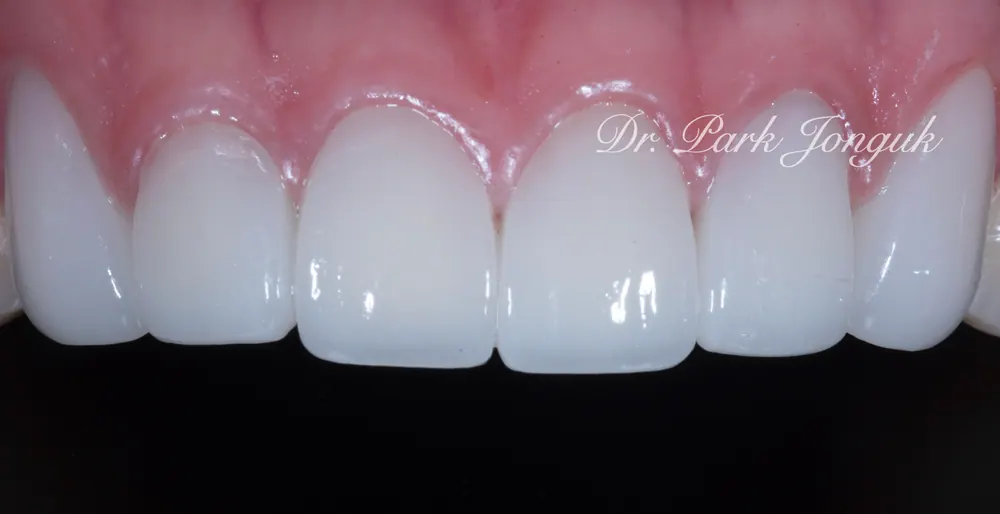
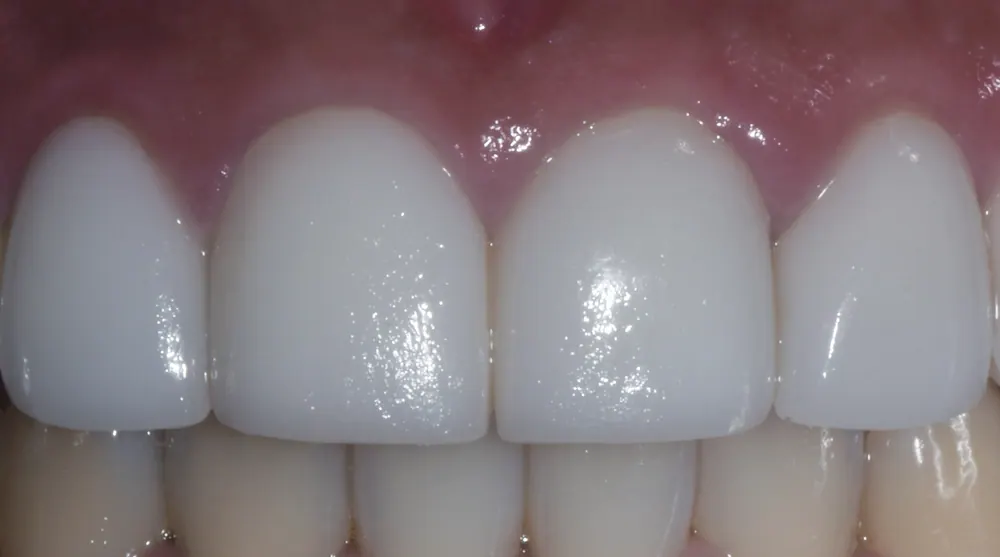
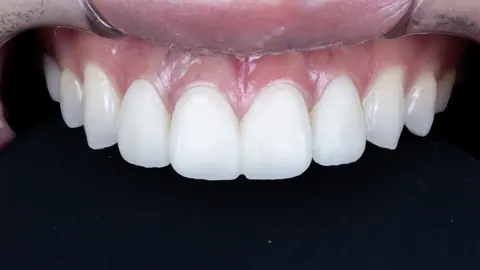
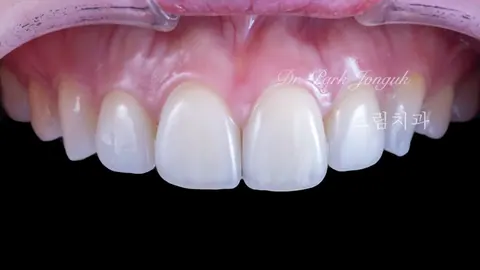
Comparing the two photos,
in the photo on the left,
the translucency of the tooth is well expressed, and the varied character of a natural tooth comes through.
The photo on the right shows the entire tooth made up of a single shade,
and it fails to properly express the characteristics of a natural tooth.
Seen in person, it looks so awkward that it feels like a piece of xylitol gum has been stuck onto the tooth.
This difference comes from the fabrication method.
Whether it's the handmade method or the computer-made one-day method,
if only a single material is used,
the feel of a natural tooth naturally can't be achieved.
But the fabrication method is simple, with no technical difficulty,
and it can be made faster and more cheaply.
In the case of multilayer veneers,
it first of all takes a long time,
the skill of the ceramist making it matters a great deal,
and the cost is also considerably higher.
As a result, many clinics make single-layer veneers instead.
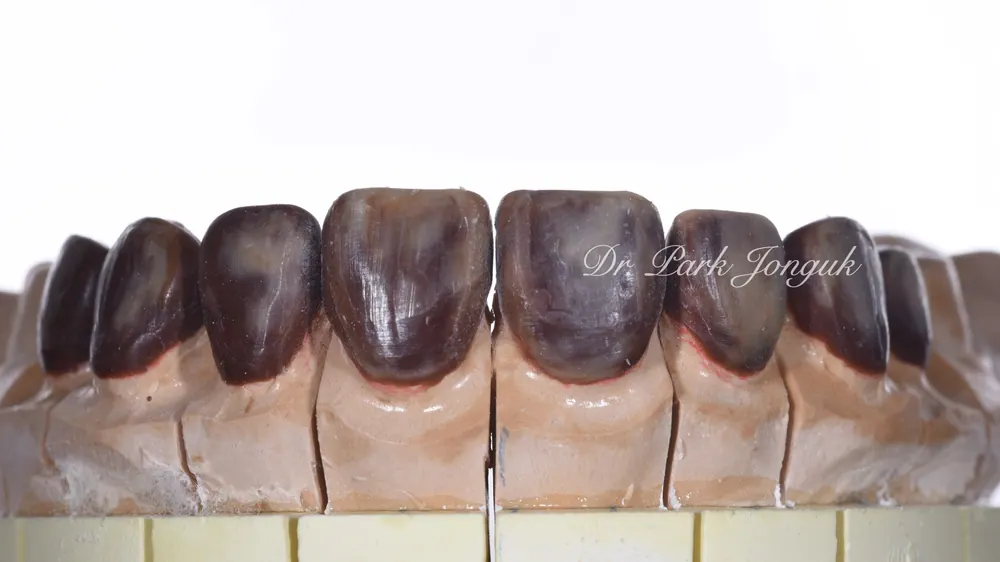
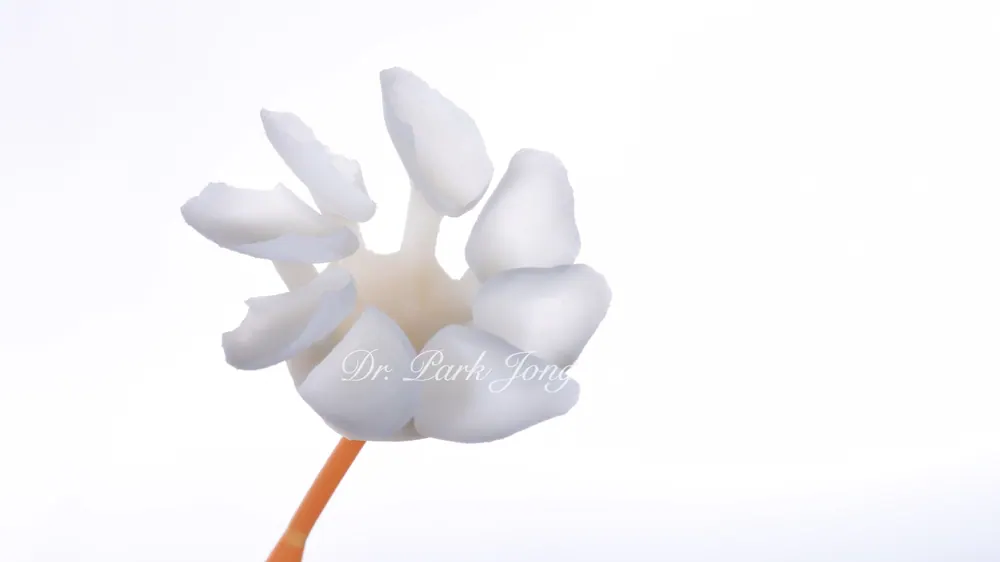
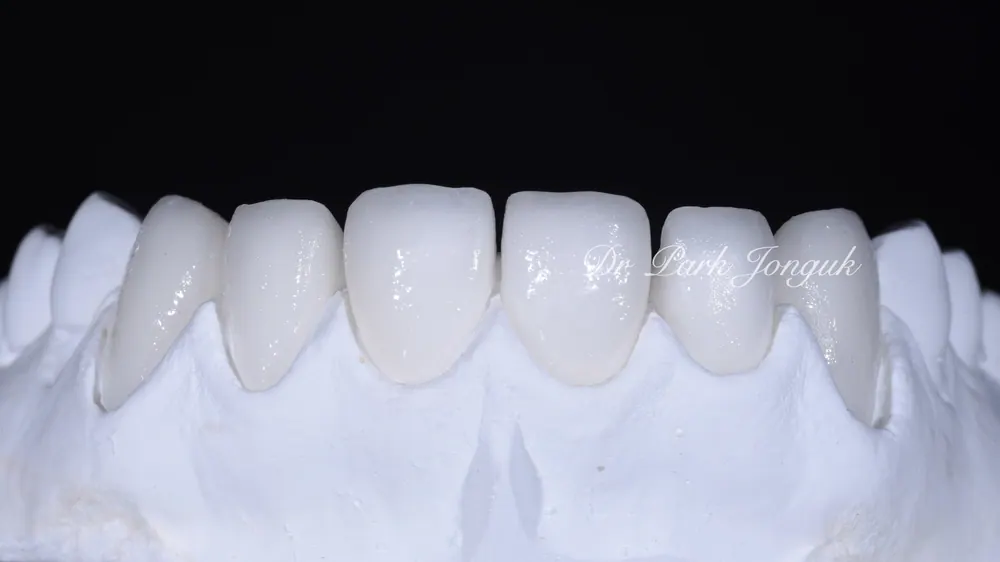
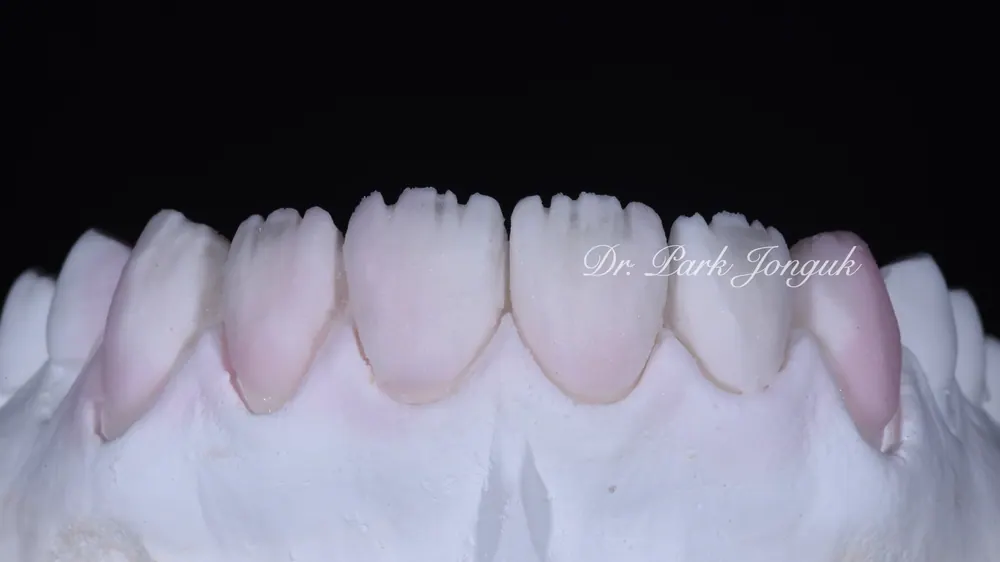
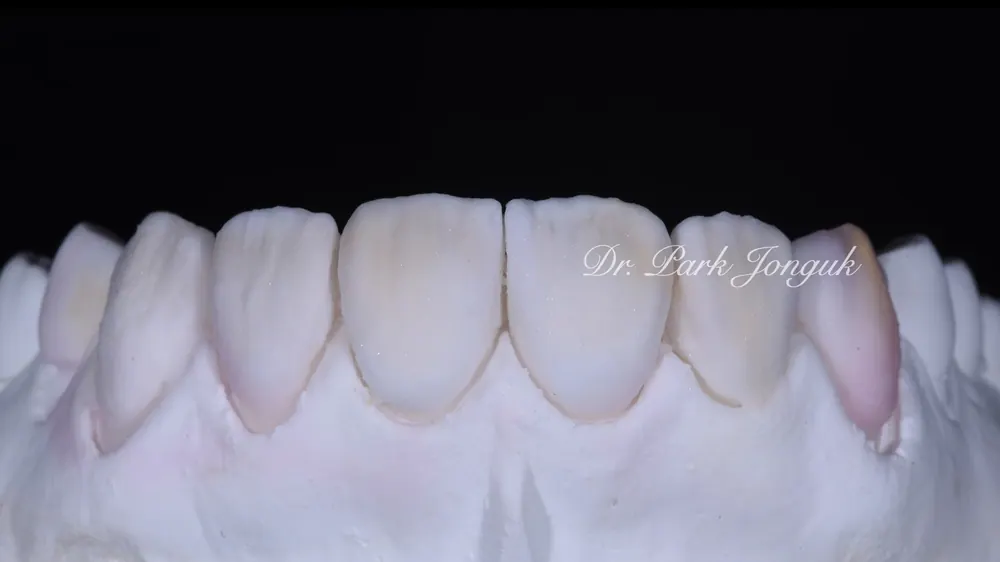
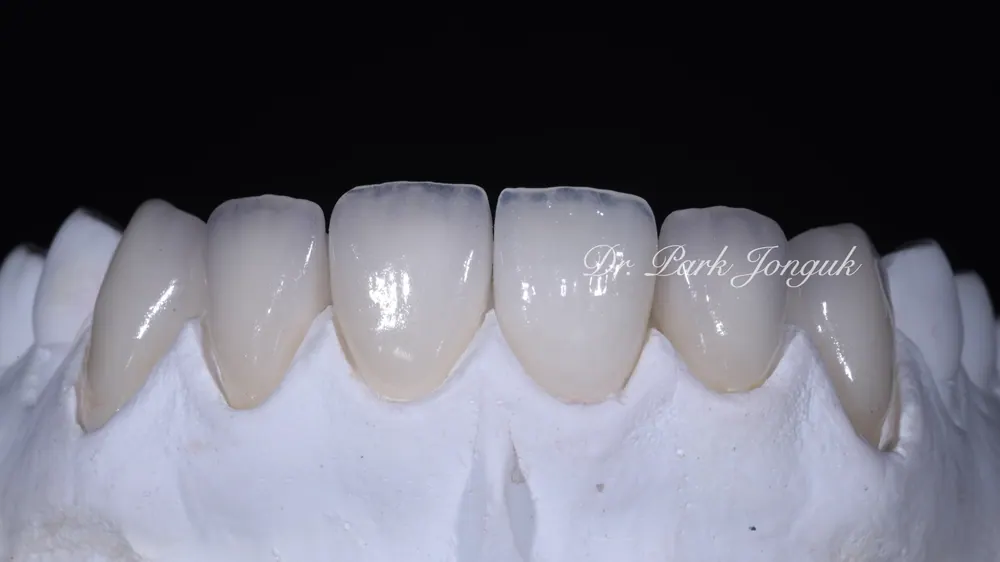
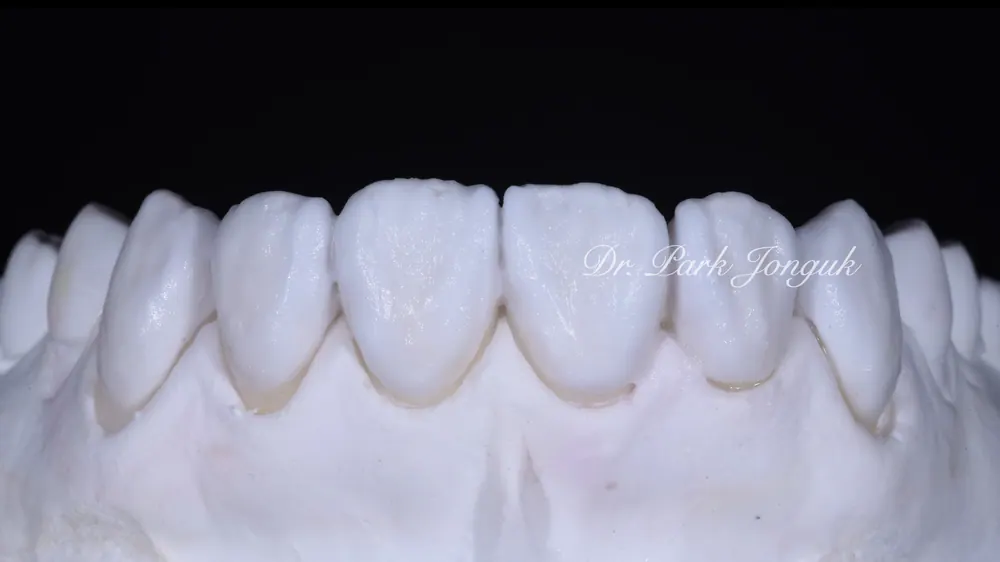
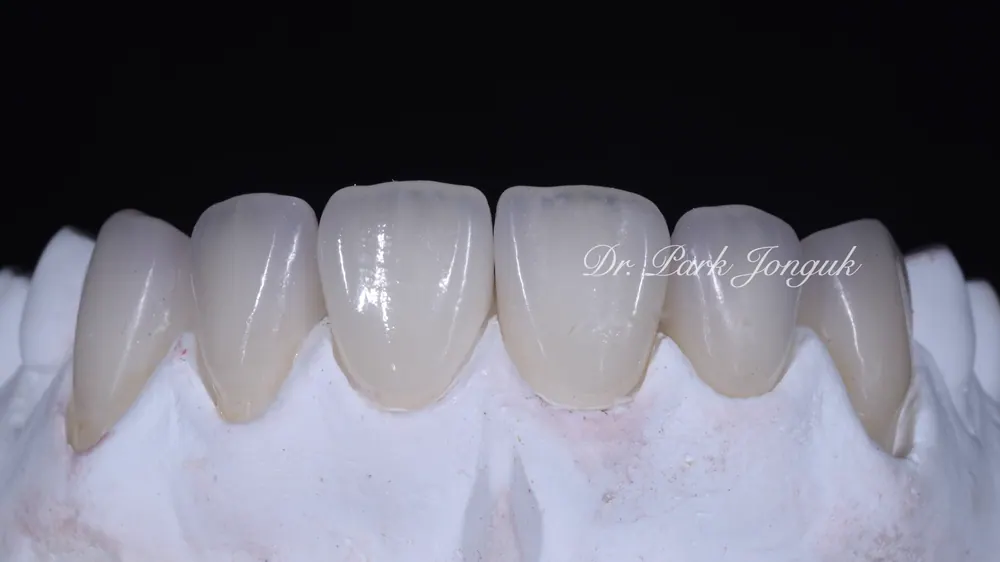
Multilayer veneers
are made through this kind of varied, complex process,
layering ceramic one layer at a time
to reproduce the various layers that make up a natural tooth.
Different ceramics, each with its own color and translucency,
are used for each layer.
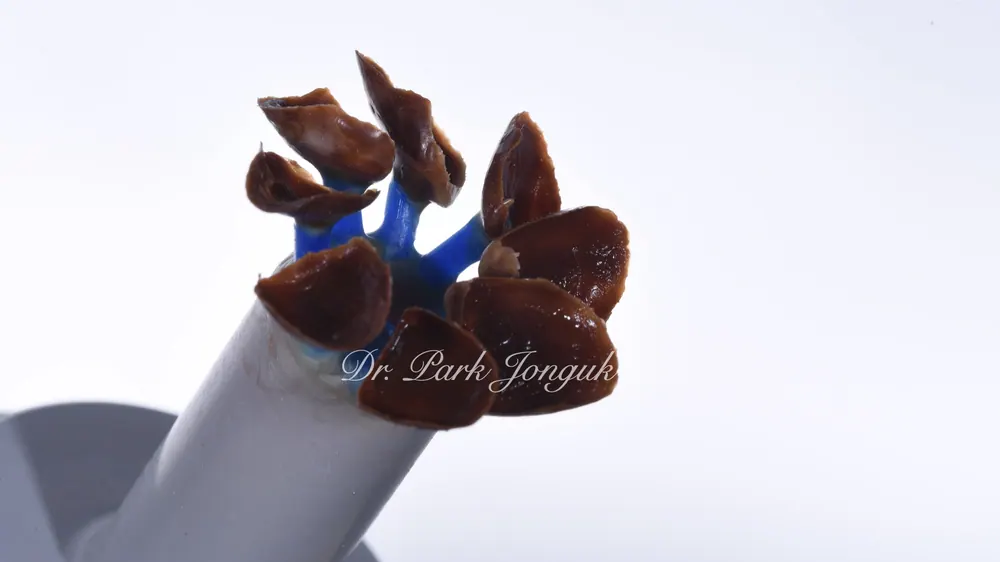
Single-layer veneers, on the other hand,
can be made quite simply.
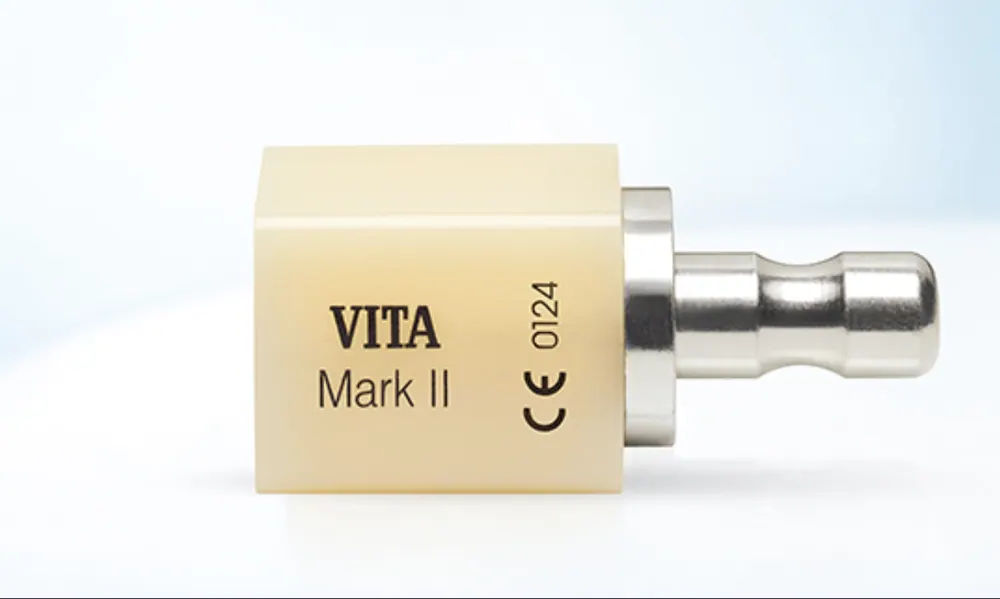
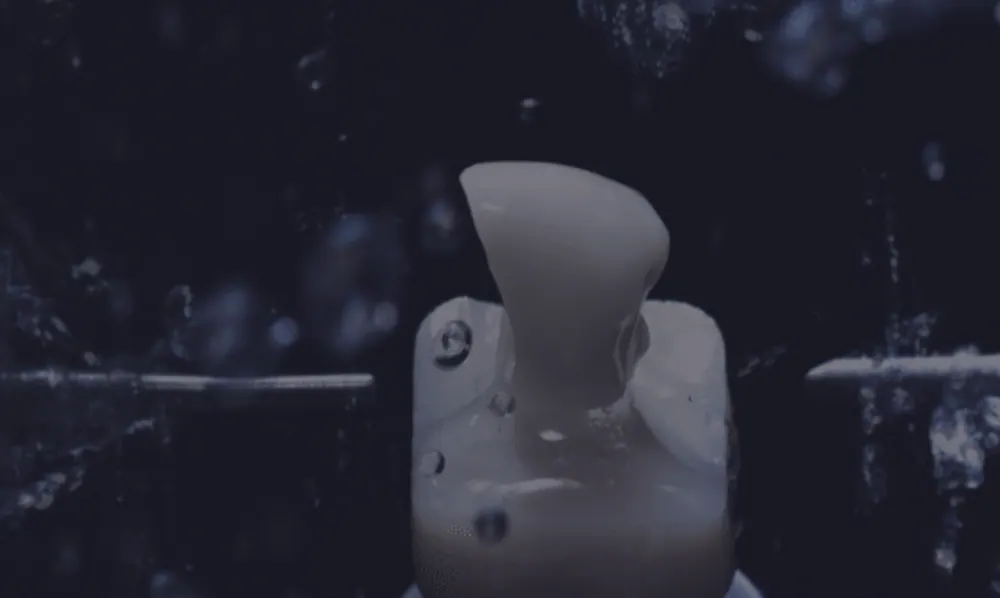
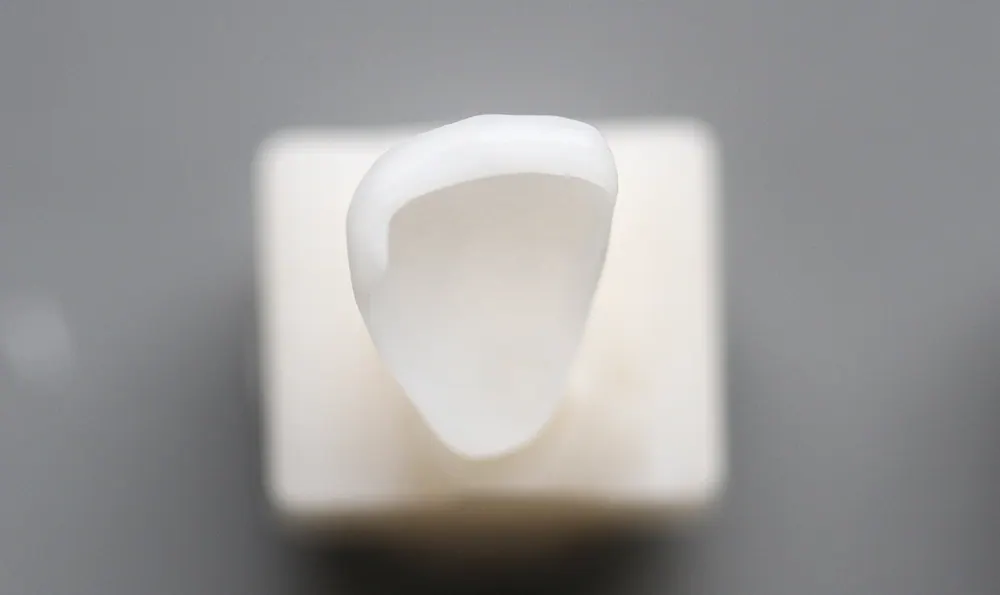
Once the design is completed by computer
and the ceramic block is placed into the milling machine,
the machine finishes milling the ceramic in about 15 minutes.
As I mentioned earlier, the result
falls quite short of capturing the characteristics of a natural tooth.
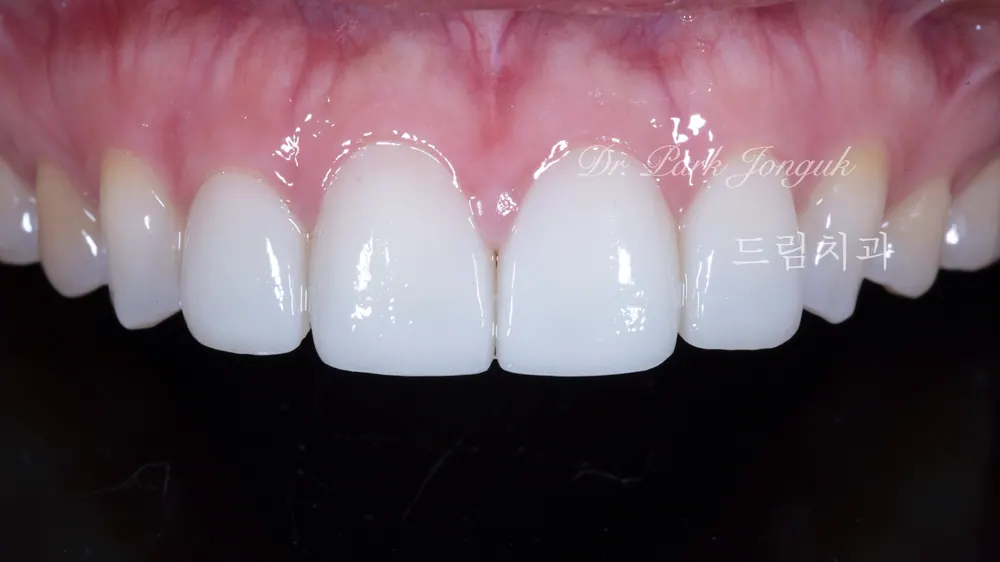
These days, a good number of patients
come in for redo treatment of these single-layer veneers.
Since this is a matter of personal preference,
it's hard to say flatly that one is better than the other.
Cosmetic surgery, too, once had a trend where an obviously "done" look was popular,
before eventually shifting toward the idea that natural and beautiful is the most beautiful of all —
and with veneers too, a natural, beautiful result is both the most beautiful and the longest-lasting.
The problem is that with cosmetic surgery or veneers alike,
achieving a natural result requires going through a fairly demanding process.
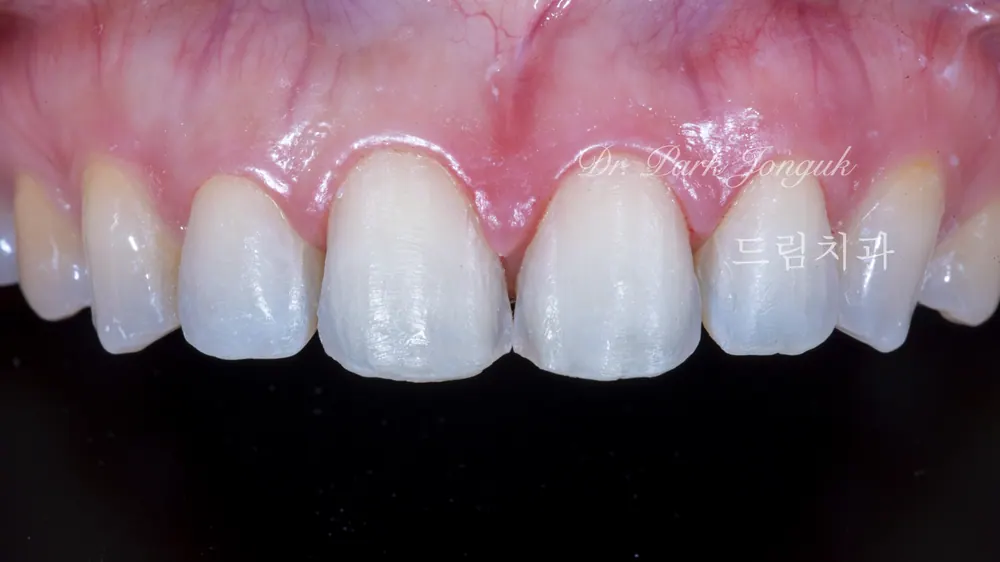
The veneers were removed.
What matters in removing a veneer
is minimizing damage to the tooth.
Using a laser-based veneer removal method
makes it possible to minimize damage to the tooth.
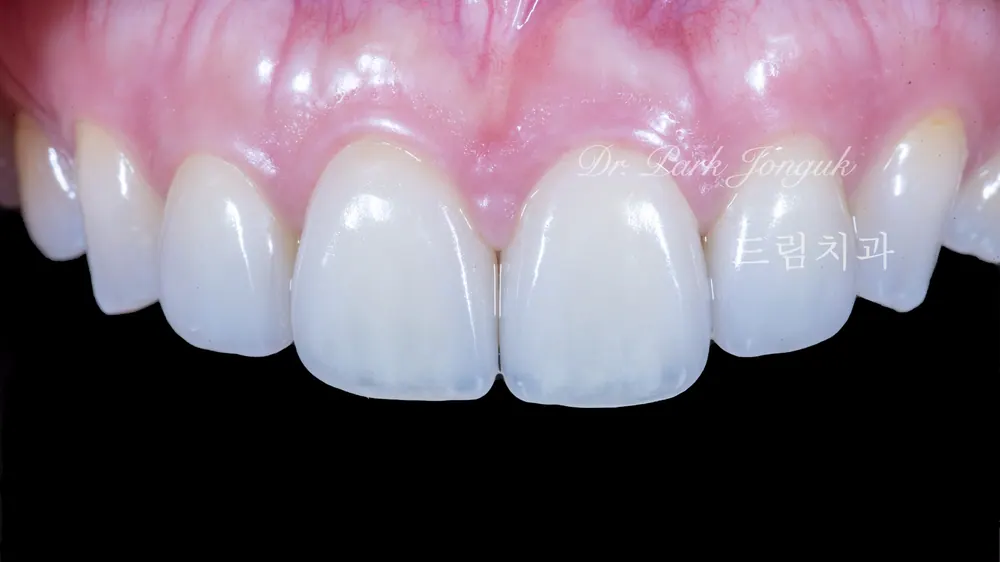
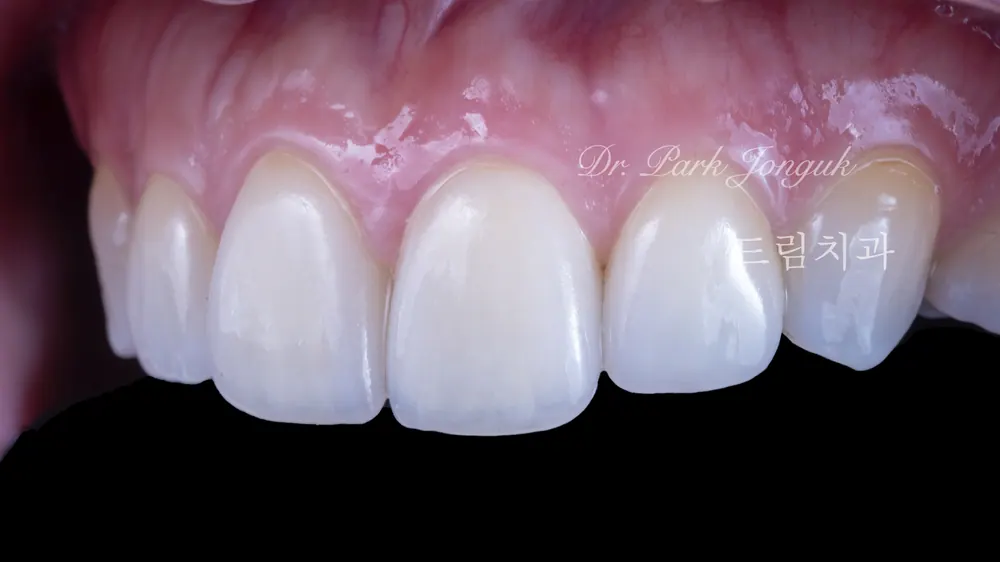
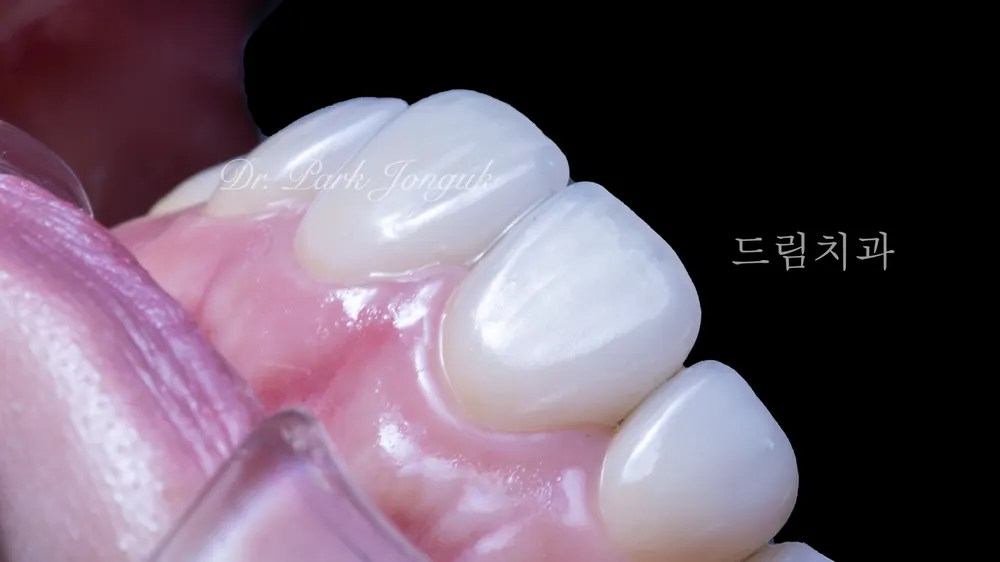
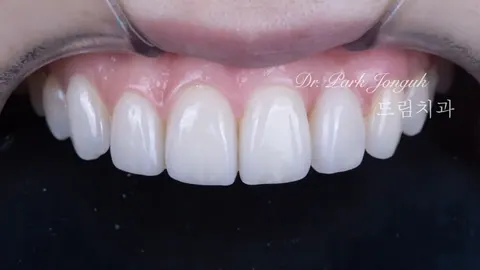
The veneer redo treatment has now been completed.
Both the color and the shape of the teeth
fully capture the feel of natural teeth.
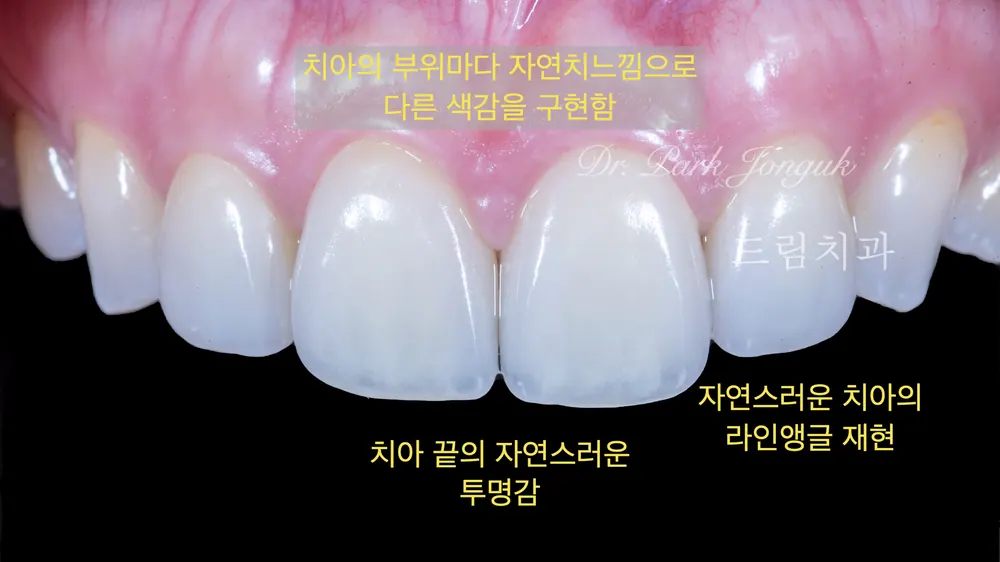
The characteristics of a natural tooth
translucency,
dimension,
and a variety of coloring —
these are what it consists of,
and all of this can only be achieved with a multilayer veneer.
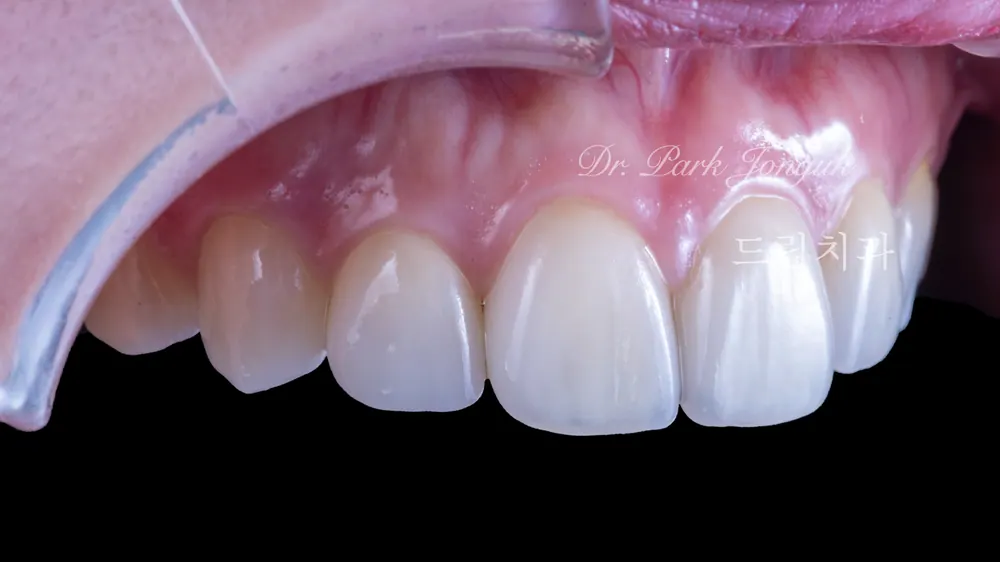
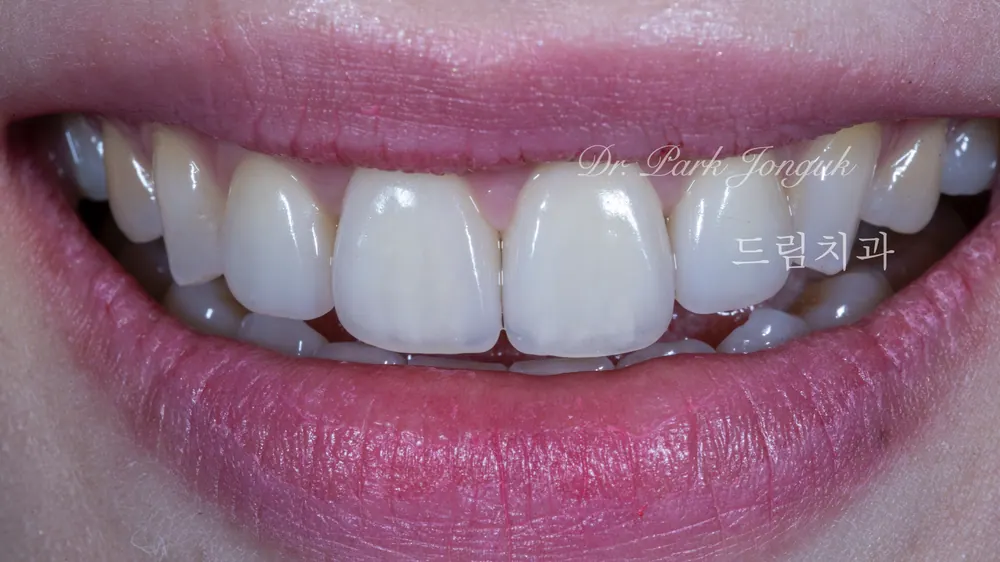
A natural veneer that goes beautifully
with a beautiful smile has now been completed.
Natural beauty.
Since 2006, Dream Dental Clinic
This article is a clinical note written by Dr. Park Jonguk of Dream Dental Clinic, Gangnam; the original was published on his blog. The photographs shown are real cases he treated. Results vary with each patient’s condition, and every procedure carries the possibility of individual variation and side effects.
Quick Consult
Request a Callback
Leave your number and we will call you back during clinic hours.
Request Received
We will contact you during clinic hours. For urgent matters, please call +82-2-3448-0028.