
How Long Do Veneers Last? 20 Years of Experience Tells You
Hello, I'm Park Jonguk, director of Dream Dental Clinic in Apgujeong.
Today I'd like to talk about veneer lifespan, something a lot of people are curious about.
"How long do veneers last?"
"Can I use them for life?"
"How should I take care of them?"
I'll share, honestly, what I've learned over 20 years of veneer treatment.
Veneer Lifespan, Told Honestly
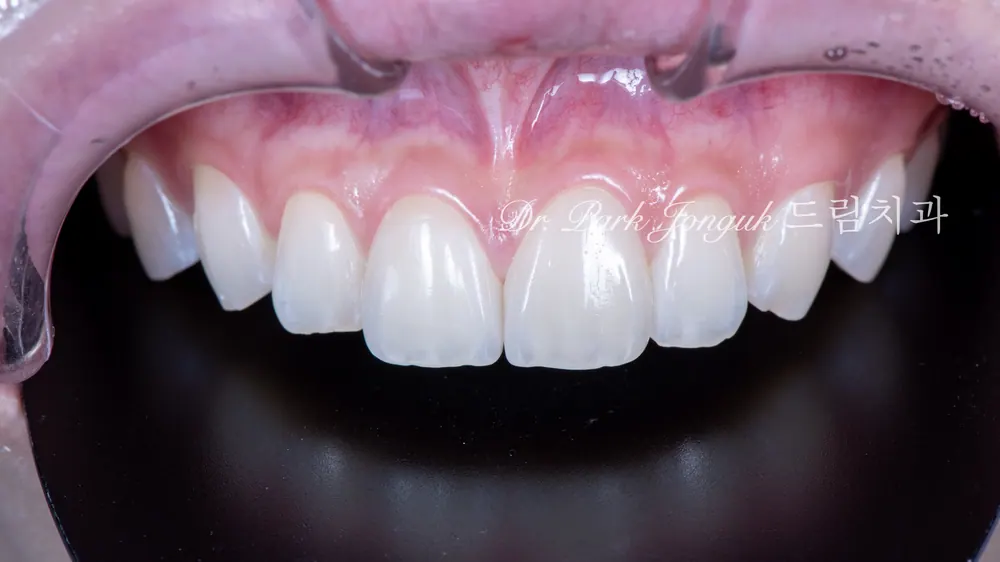
Average Lifespan
A well-made veneer can last 10 to 20 years or more.
Of course, it varies from person to person. Some patients keep using theirs unchanged for over 20 years, while others need a redo after just 10.
Factors That Determine Lifespan
Veneer lifespan is determined by several factors.
First, fabrication quality.
Veneers made with a highly precise method can last longer.
Veneers precisely crafted with the handmade build-up method last a long time.
Veneers quickly made with the same-day method may have a relatively shorter lifespan.
Second, the bonding process.
No matter how good the veneer is, if bonding is done incorrectly, it can come loose or develop margin problems.
Thorough moisture control and an accurate bonding protocol are important.
Third, the patient's habits. Grinding, clenching, and habits around hard foods all affect lifespan.
Fourth, maintenance. Regular checkups and proper oral care extend the lifespan.
Gum Care Is Key to Lifespan
Veneers Last Longer When the Gums Are Healthy
One of the most important factors in veneer lifespan is gum care.
Even if the veneer itself is sturdy, it can't be used for long if a problem develops with the gums.
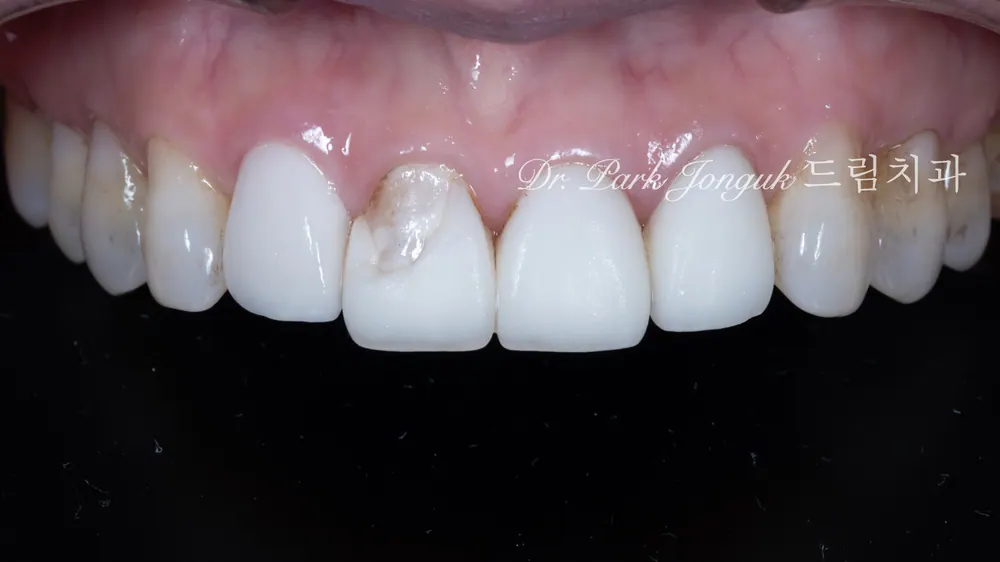
If the gums recede, the veneer's margin becomes exposed. If the gums become inflamed, the tooth itself can become loose.
Good maintenance keeps the gums strong. Please brush and floss consistently. Regular scaling is important too.
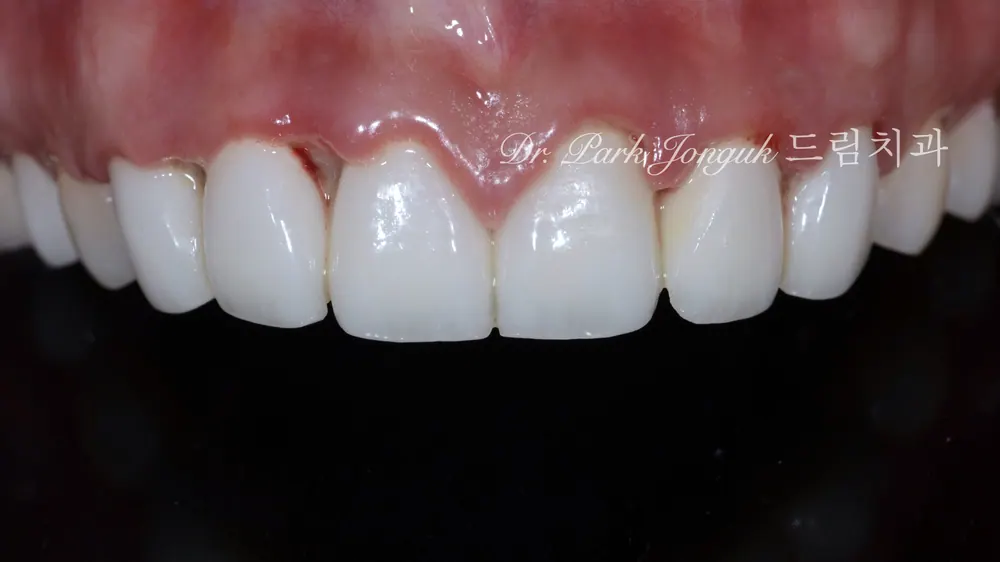
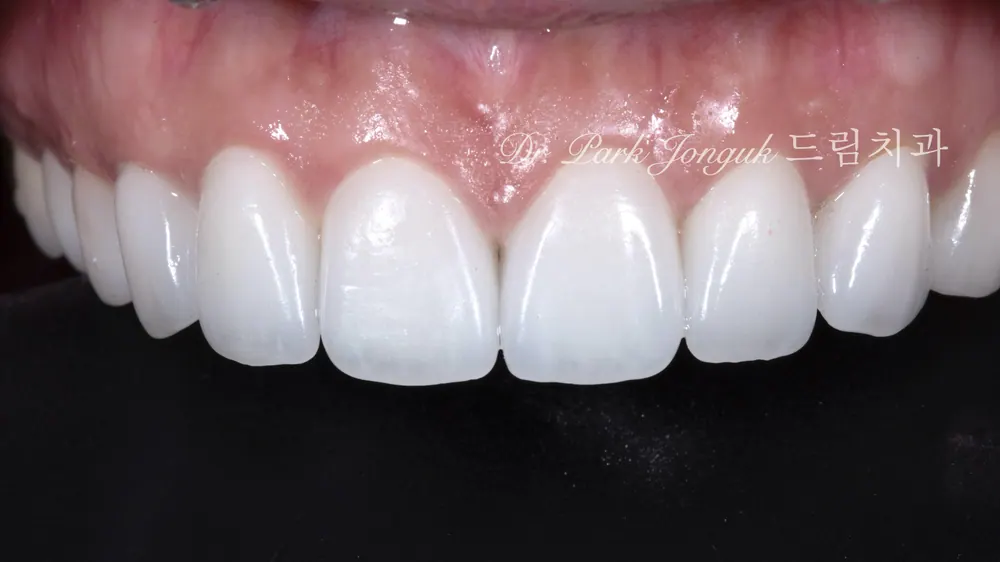
Excessive Reduction Causes Gum Inflammation
There's an important fact here.
Veneers made with excessive reduction are prone to gum inflammation.
Why is that? Cutting away too much of the tooth makes the veneer thicker.
A thick veneer doesn't sit naturally at the gumline.
Plaque tends to build up along the margin. That leads to gum inflammation.
Conversely, a veneer made with minimal or no reduction is thin. It sits naturally at the gumline.
Plaque has a harder time building up. The gums stay healthy.
This is another reason I emphasize minimal reduction. It matters not just for aesthetics but for long-term gum health as well.
Changes in Tooth Alignment Also Need to Be Managed
Teeth Keep Moving Throughout Life
Getting veneers doesn't fix the teeth permanently in place.
Teeth keep shifting slightly throughout life. As people age, the front teeth can gradually become somewhat misaligned.
This calls for extra caution especially in cases where veneers were placed after orthodontic treatment.
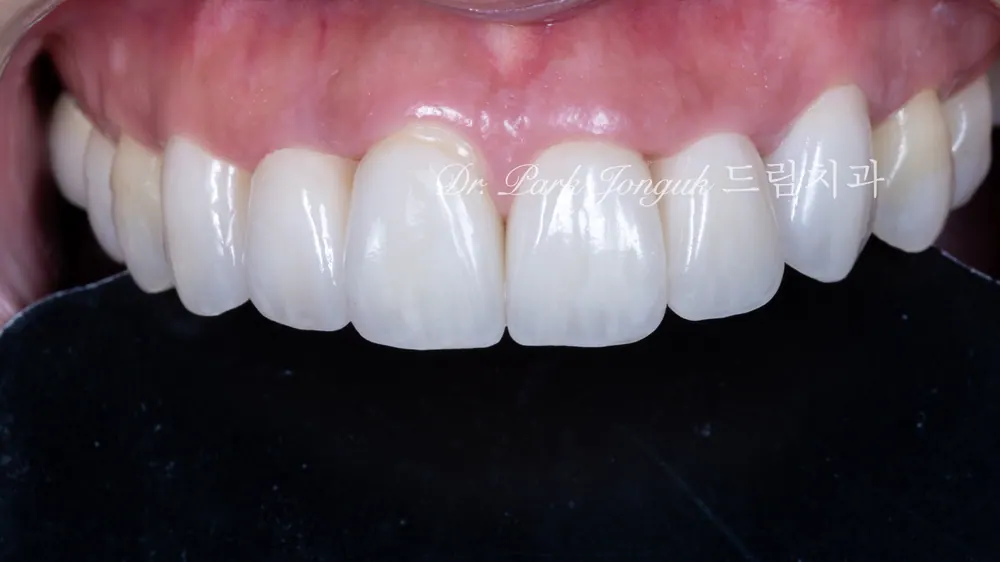
If the alignment shifts, gaps can appear between the veneers.
The contact points between veneers can go out of alignment. This can create an aesthetic problem.
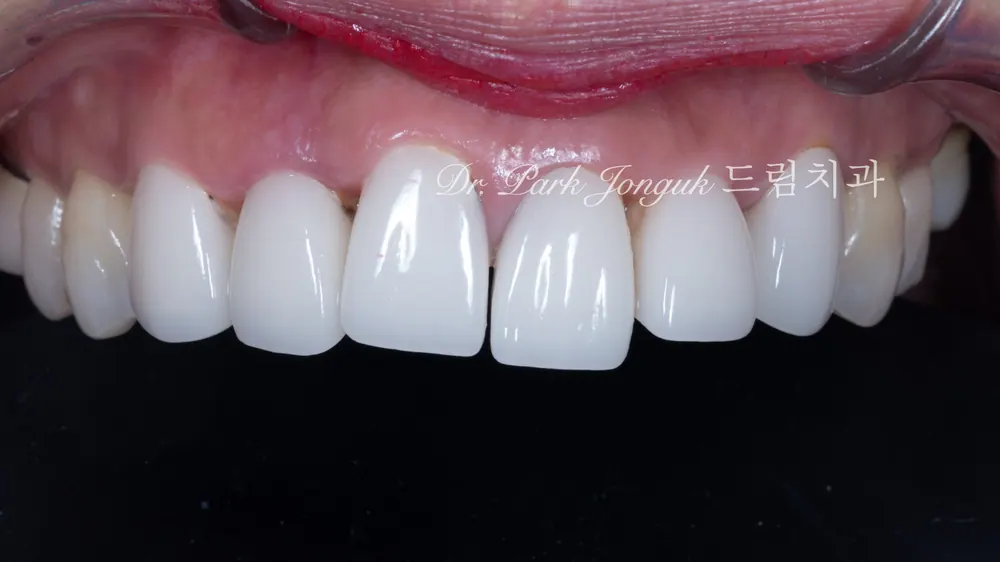
Regular Maintenance Matters
This is why regular maintenance visits are necessary.
Get a regular checkup once every six months to a year. If there's a sign the alignment might shift, it can be caught early.
If there's a sign of possible shifting, a retainer should be used.
A clear retainer or a fixed retainer can prevent the change in alignment.
Preventing it in advance means you can keep using the veneers for a long time without a redo.
Cases Where Veneers Get Damaged
Fracture
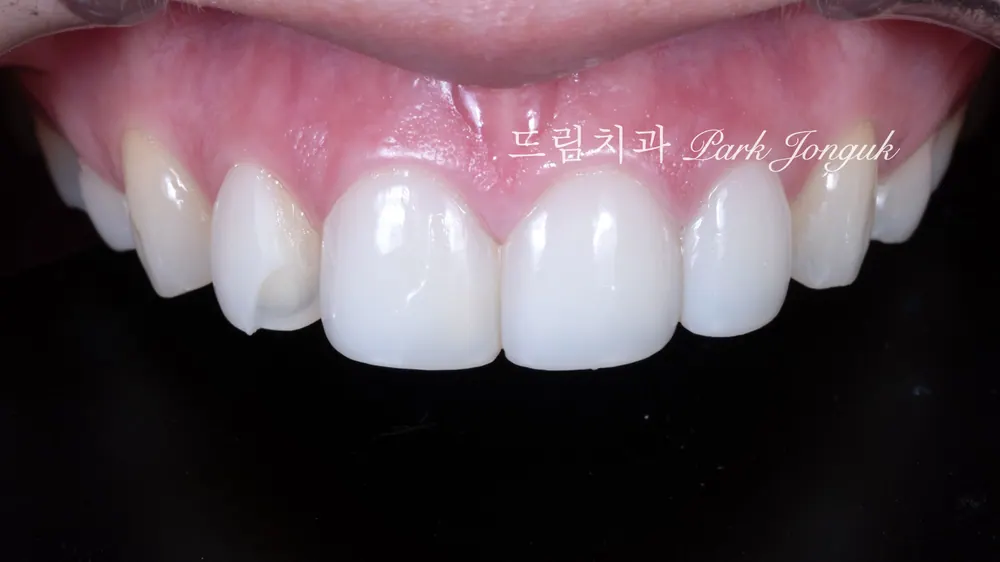
The most common problem is fracture.
It happens when biting into hard food with the front teeth.
Be careful with things like apples, cucumbers, and ice. If you grind your teeth heavily, it's a good idea to wear a mouthguard while sleeping.
Debonding
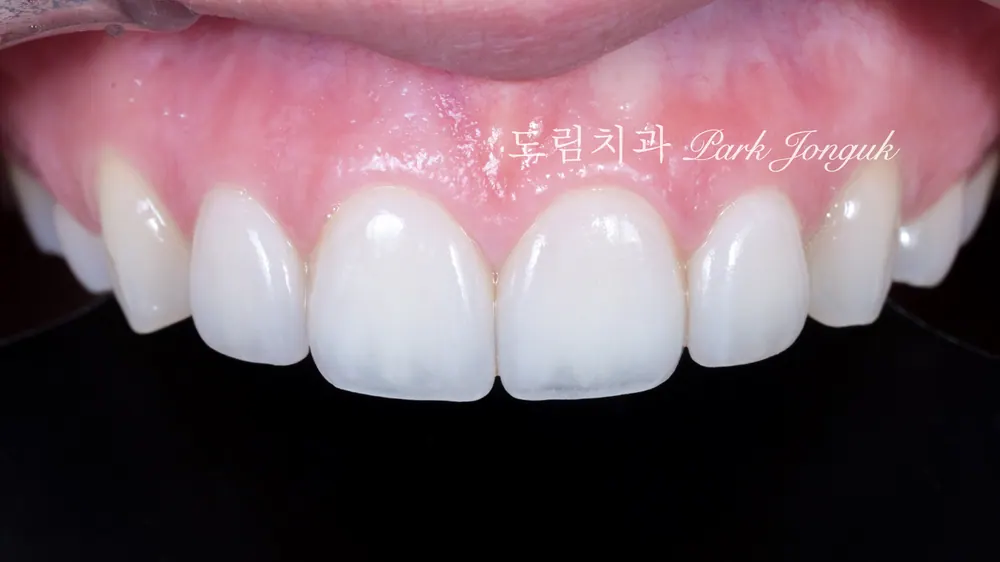
Sometimes a veneer comes off due to a bonding issue.
In most cases, it can be rebonded.
Just keep the veneer that fell off in a safe place and bring it in. If it isn't broken, it can be reattached.
Margin Discoloration
This is when the boundary between the veneer and the tooth becomes discolored.
It happens when moisture control wasn't done properly during bonding, or when micro-leakage develops over time.
If it's caught early through regular checkups, it can be resolved simply.
How to Care for Veneers So They Last
Daily Care
You can brush the way you normally would. There's no need to do anything special just because you have veneers.
Flossing is fine too — in fact, you should definitely floss.
Please pay close attention to gum care. Veneers last longer when the gums are healthy. Brush gently along the gumline.
It's best to avoid whitening toothpastes with strong abrasives. They can affect the surface's sheen.
Habits to Watch Out For
Don't bite into hard things with your front teeth.
Never chew on ice. Nail-biting should also be avoided.
If you grind your teeth, I recommend a nighttime mouthguard. We can make a custom one for you at Dream Dental Clinic.
Regular Checkups
Get a regular checkup once every six months to a year.
There are specific things checked at a regular checkup: the condition of the veneers is inspected, gum health is checked, and changes in alignment are reviewed. Even if a problem develops, catching it early makes it simple to resolve.
It's a good idea to also get a professional cleaning at your regular checkup. It removes surface staining on the veneers and helps maintain their sheen.
Some Veneers Really Do Last
A Real Case
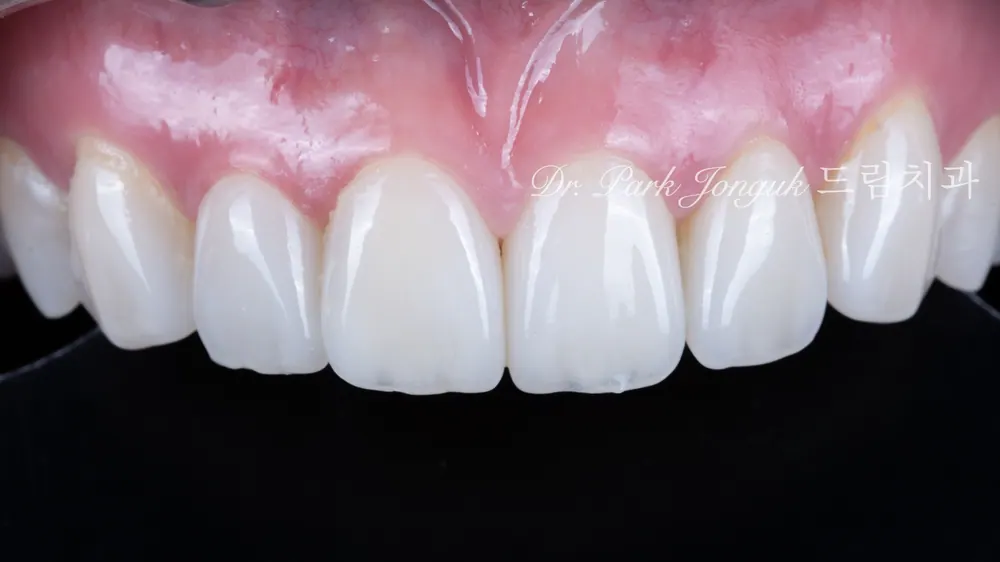
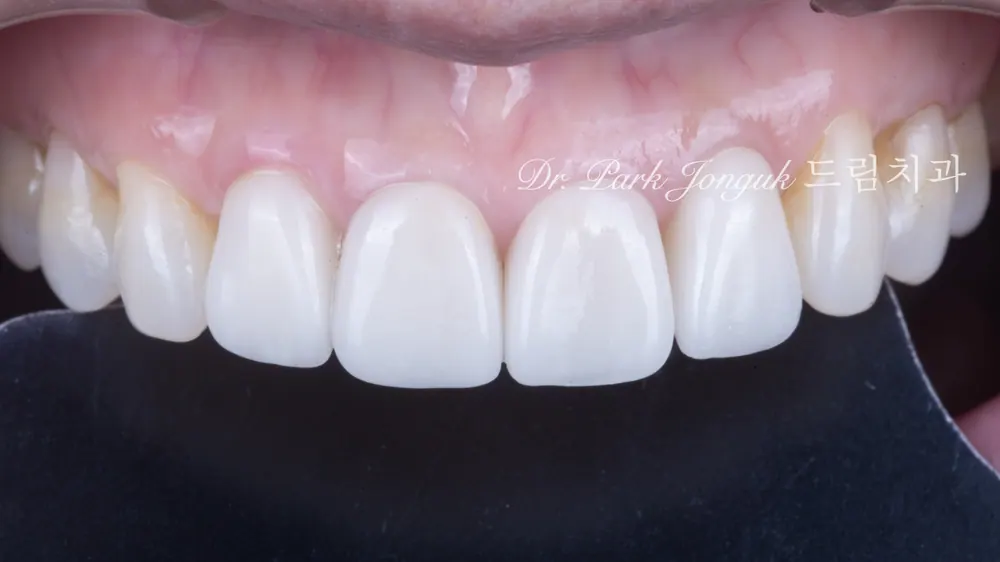
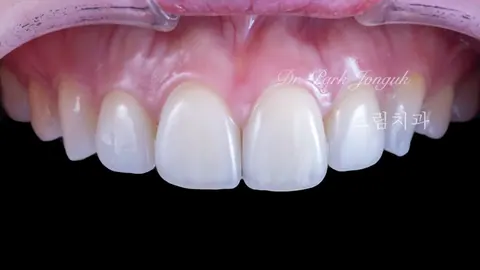
There are patients who had veneers done at Dream Dental Clinic 10 to 20 years ago. They're still using them well, just as they were originally made.
Why They Last
First, they were made well from the start. They were precisely crafted using the build-up method. Minimal reduction meant no undue burden on the gums.
Second, bonding was done thoroughly. The moisture control and bonding protocol were followed precisely.
Third, the patients themselves took good care of their teeth. They kept up consistent gum care. They never missed a regular checkup. And when a change in alignment appeared, they got a retainer.
When a Redo Is Needed
When Should You Consider a Redo?
When the fracture is severe and hard to repair
When margin discoloration has become severe
When the gums have receded and the margin is visible
When the alignment has shifted significantly
Or when you want a better aesthetic outcome.
A Redo Is Possible
Veneers can be redone. The existing veneer can be removed with a laser and a new one fabricated.
Because technology has advanced, the result of a redo is often even better than before.
Veneers vs. Natural Tooth Lifespan
Natural Teeth Don't Last Forever Either
In fact, natural teeth don't last a lifetime either. They get damaged by decay, fracture, and wear. As we age, the enamel wears down and discolors.
The Value of Veneers
With good care, veneers can also be used for a long time — 10 to 20 years or more, and some patients use theirs even longer.
During that time, you can live with confidence and beautiful teeth. That value can't be measured by lifespan alone.
Veneer Lifespan at Dream Dental Clinic
Why They Last So Long
We fabricate them precisely using the build-up method.
We protect gum health through minimal reduction.
We follow the bonding protocol thoroughly.
We manage care through a regular checkup system.
We recommend a retainer if a change in alignment appears.
Know-How from 20 Years of Experience
I know what kinds of problems arise in which kinds of cases.
I know that excessive reduction causes gum problems.
I know that changes in alignment create aesthetic problems.
We prevent these in advance, and respond quickly whenever a problem does arise.
Veneer lifespan isn't simply a matter of the material. It's the combined result of fabrication, bonding, and maintenance.
Frequently Asked Questions (Q&A)
Q1. Can veneers last a lifetime?
A. I can't guarantee they'll last a lifetime, but if they're well made and well cared for, they can last 10 to 20 years or more. In fact, there are patients at Dream Dental Clinic who had veneers done 20 years ago and are still using them well today. The key factors are the initial fabrication quality, preserving gum health through minimal reduction, accurate bonding, and consistent maintenance. Checking gum condition and alignment changes through regular checkups can help them last a long time.
Q2. Can the gums get worse after getting veneers?
A. Veneers made with excessive reduction are prone to gum inflammation. That's because a thick veneer doesn't sit naturally at the gumline, and plaque tends to build up along the margin. Conversely, a thin veneer made with minimal or no reduction is better for gum health. It's important to keep reduction minimal at the time of the initial treatment, and afterward the gums need to be maintained with consistent brushing, flossing, and regular scaling.
Q3. Can teeth shift out of alignment after getting veneers?
A. Yes — since teeth keep shifting slightly throughout life, the alignment can still shift even after getting veneers. This calls for extra caution especially in cases where veneers were placed after orthodontic treatment. That's why regular checkups matter. Getting checked once every six months to a year lets alignment changes be caught early. If there's a sign of possible shifting, it can be prevented with a clear or fixed retainer. Managing it in advance means you can keep using the veneers for a long time without needing a redo.
This article is based on the real clinical experience of Dr. Park Jonguk of Dream Dental Clinic, Apgujeong. He has practiced cosmetic dentistry for 20 years and has extensive experience with veneer lifespan and maintenance. He published Korea's first veneer textbook.
This article is a clinical note written by Dr. Park Jonguk of Dream Dental Clinic, Gangnam; the original was published on his blog. The photographs shown are real cases he treated. Results vary with each patient’s condition, and every procedure carries the possibility of individual variation and side effects.
Quick Consult
Request a Callback
Leave your number and we will call you back during clinic hours.
Request Received
We will contact you during clinic hours. For urgent matters, please call +82-2-3448-0028.