
Bunny Teeth Veneers, Naturally Transformed: A Real Front-Tooth Veneer Case
Hello. I have been practicing veneer treatment in Apgujeong, Gangnam for 20 years,
and I'm Park Jonguk, head doctor of Dream Dental Clinic. Today I'd like to introduce a bunny-teeth veneer case that many people struggle with.
"I was self-conscious every time I smiled because of my bunny teeth."
This patient's two front teeth stuck out like bunny teeth,
so she came to us for veneer treatment.
Because her front teeth looked especially prominent every time she smiled, she said she was always careful about having her picture taken,
and about laughing openly in front of other people.
In cases like this, both orthodontic treatment and veneer treatment are actually possible options.
But the patient had clear reasons for choosing veneers.
Why did she choose veneers instead of orthodontics?
The first reason was cost.
The patient said, "Even if I get orthodontic treatment, the shape of my teeth still won't be pretty, so I feel like I'd end up getting veneers anyway."
So rather than paying for both orthodontics and veneers, she judged it more reasonable to solve both the position and the shape of her teeth at once with veneers from the start.
The second reason was time. Orthodontic treatment takes at least a year or more.
Veneers, on the other hand, can be finished in two to three weeks. For a patient with a full-time job, the long orthodontic period was a major burden.
In Search of Natural-Looking Veneers
The biggest reason the patient came to our clinic was, above all, naturalness.
She said that when she looked at people around her who had gotten veneers, most of them looked awkward, artificial, dull, and off.
So she said she searched for a clinic known for natural-looking results and found us.
Hearing this made me feel an even greater sense of responsibility.
So as not to let the patient down, I diagnosed her case and planned her treatment with even greater care.
See What the Teeth Looked Like Before Treatment
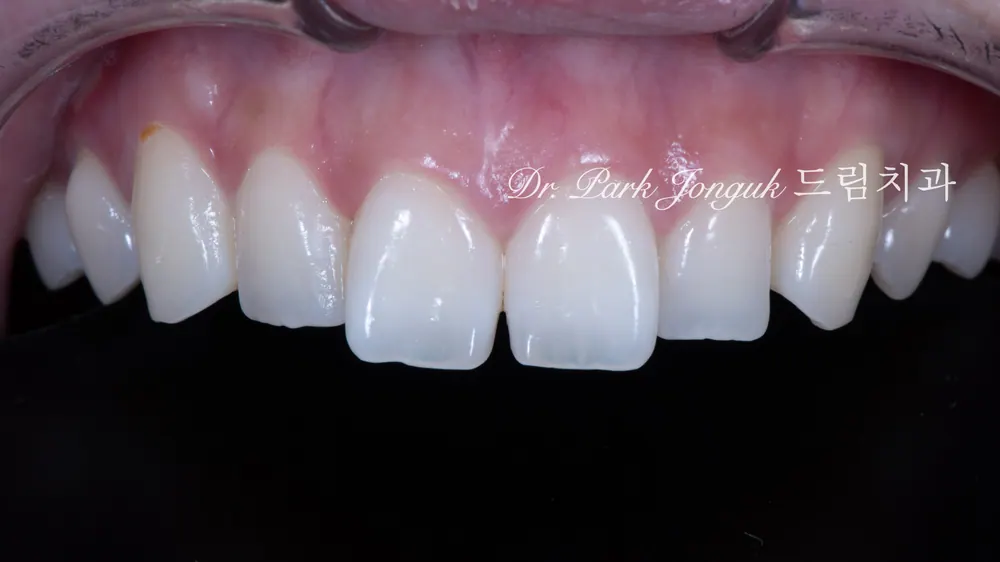
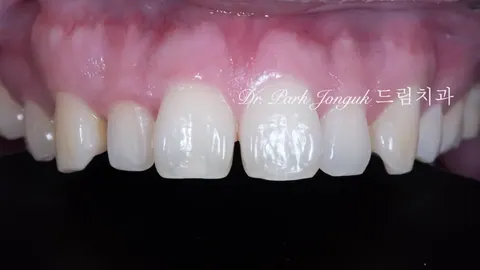
Photo 1 shows the teeth before treatment.
The two front teeth protrude forward and stand out noticeably compared to the other teeth.
With bunny teeth like this, it's not just a matter of position; the size, angle, and harmony with the surrounding teeth all have to be considered as well.
Precise Diagnosis Is the Key to Success
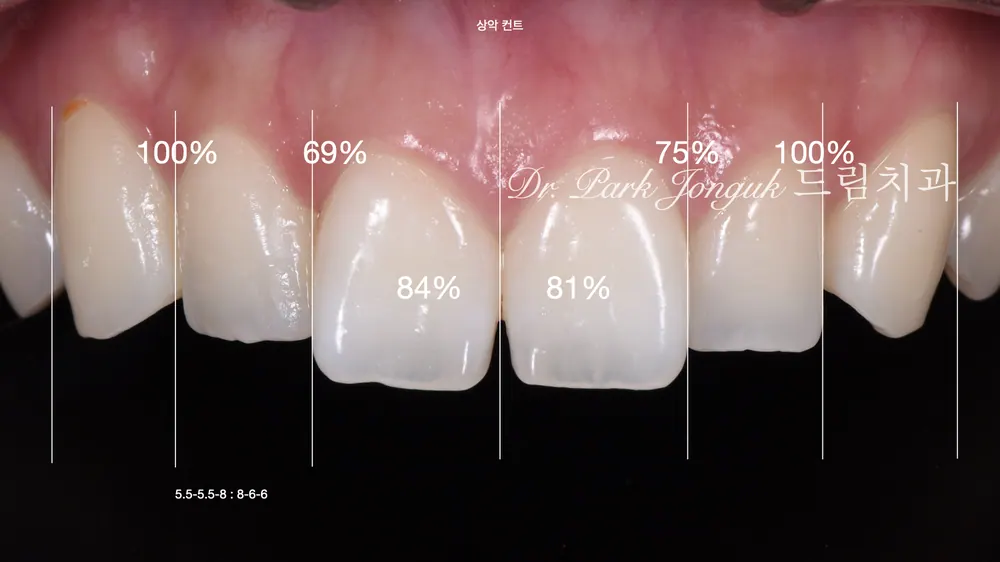
Photo 2 shows the diagnostic process.
I believe this diagnostic stage is the single most important part of bunny-teeth veneer treatment.
First, the size and proportions of the teeth are precisely measured.
What is the ideal ratio between the central incisor, lateral incisor, and canine,
and what tooth size suits the patient's face size — these are all calculated.
Next, harmony with the face is considered.
The relationship between the lip line and the teeth, the amount of tooth shown when smiling,
and whether the facial midline aligns with the dental midline are all carefully checked.
At this stage, even the amount of tooth reduction is decided.
How much reduction is needed to bring bunny-teeth-like protruding teeth back inward,
and whether the teeth can remain healthy even after that reduction, are both judged with great care.
Checking the Result in Advance with a Wax-Up
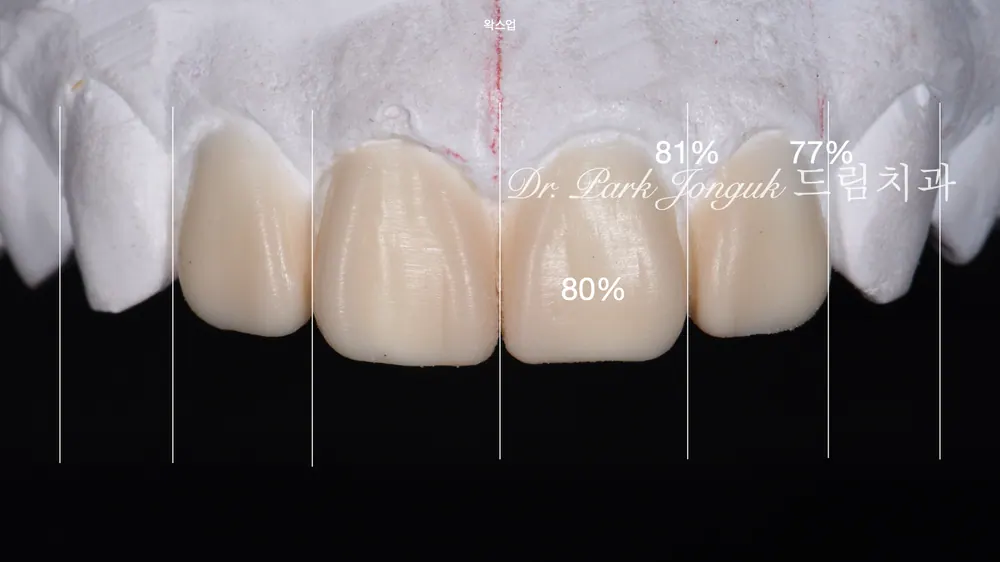
Photo 3 shows the result of the precise wax-up diagnosis.
This is the process of using the diagnostic results to create the final shape in advance on an actual model, using wax.
I showed the patient this wax-up model and explained, "This is what it will look like."
When she saw the model, she was reassured, saying, "This looks really natural and pretty."
A wax-up isn't simply for show.
Using this model as the standard, the teeth can be reduced precisely, and it also gives the dental technician an accurate guide to work from.
Doing veneers without a wax-up is like building a house without blueprints.
Precise Tooth Reduction
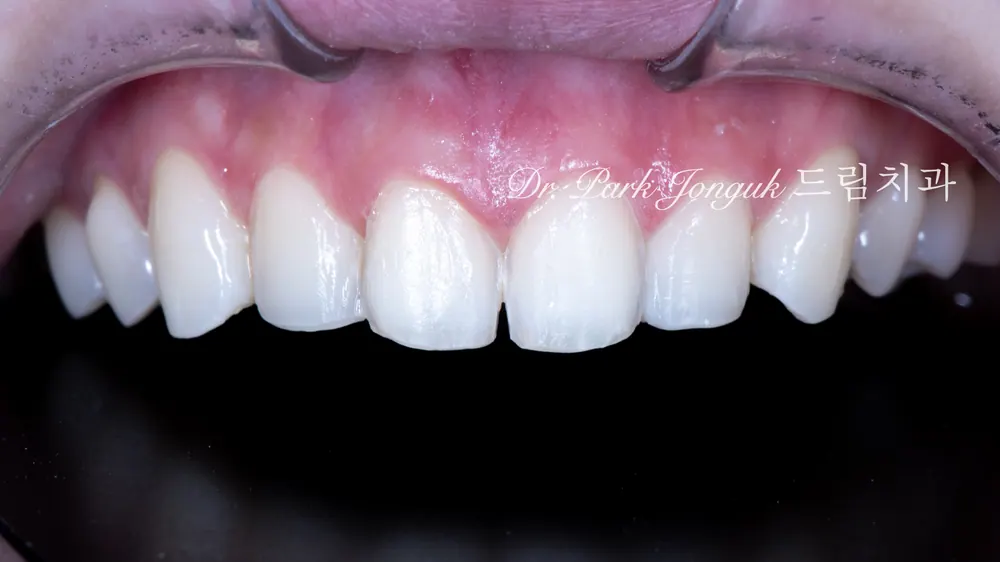
Photo 4 shows the teeth after reduction.
The teeth were reduced precisely according to the wax-up plan.
The parts that stuck out like bunny teeth were reduced a bit more,
while the surrounding teeth were reduced only minimally, to bring the whole arrangement into balance.
If too much is removed, the teeth become weaker,
and if too little is removed, the veneer becomes too thick and looks unnatural.
Getting this balance exactly right is what a skilled dentist's expertise comes down to.
The Result After Treatment: Truly Beautiful
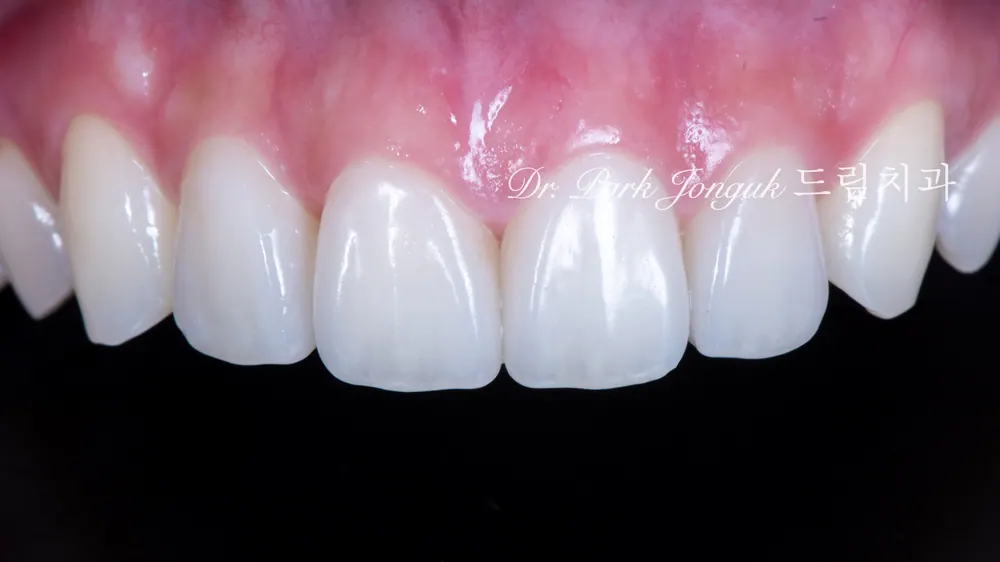
Photo 5 shows the front view after treatment.
What do you think? Doesn't it look wonderfully natural and beautiful?
The front teeth that used to stick out like bunny teeth have settled naturally into place,
and the proportions of the teeth are perfectly matched.
The size ratio between the central and lateral incisors is ideal, and everything is in harmony overall.
One point especially worth noting is the sense of dimension.
The tooth surfaces aren't flat; they have subtle curves and shading, giving them the lifelike feel of natural teeth.
This can only be achieved through the multilayer ceramic build-up technique.
And look at the translucency at the tips of the teeth.
Natural teeth become more translucent toward the tip, and even this detail has been perfectly reproduced.
Isn't that impressive? Details like this are what create a natural look.
It Looks Perfect from the Side, Too
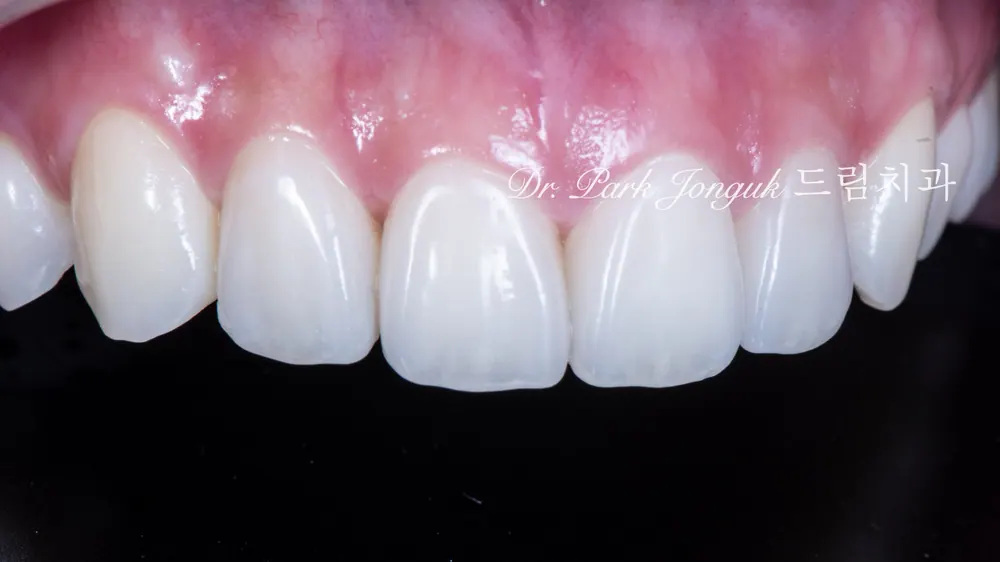
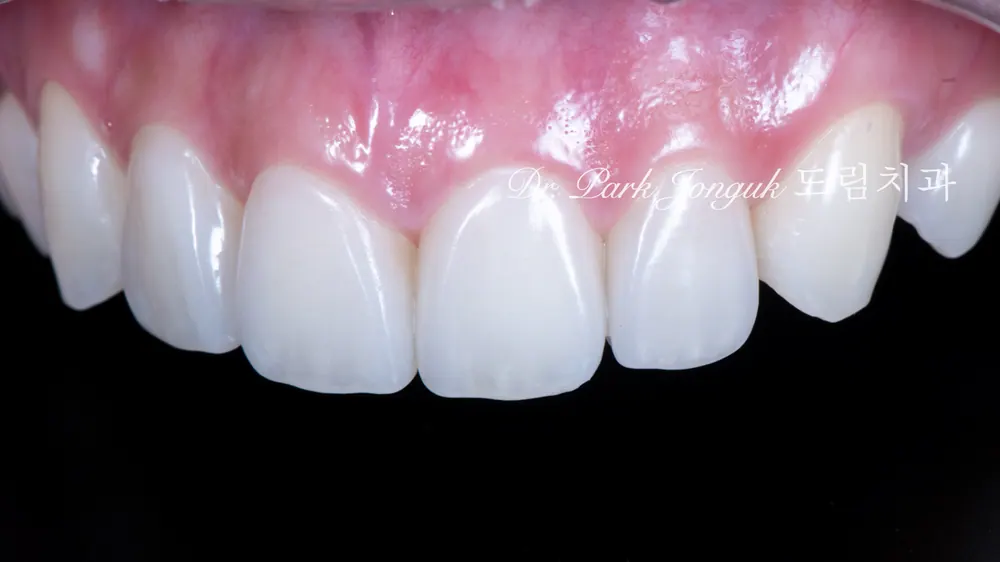
Photos 6 and 7 are the right- and left-side views.
You can see that the front teeth, which used to protrude like bunny teeth, now sit at a natural angle.
Even viewed from the side, the harmony with the lips is perfect.
The teeth aren't tucked in too far or pushed out too much; they sit in just the right position.
Even the Surface Texture, Perfectly Done
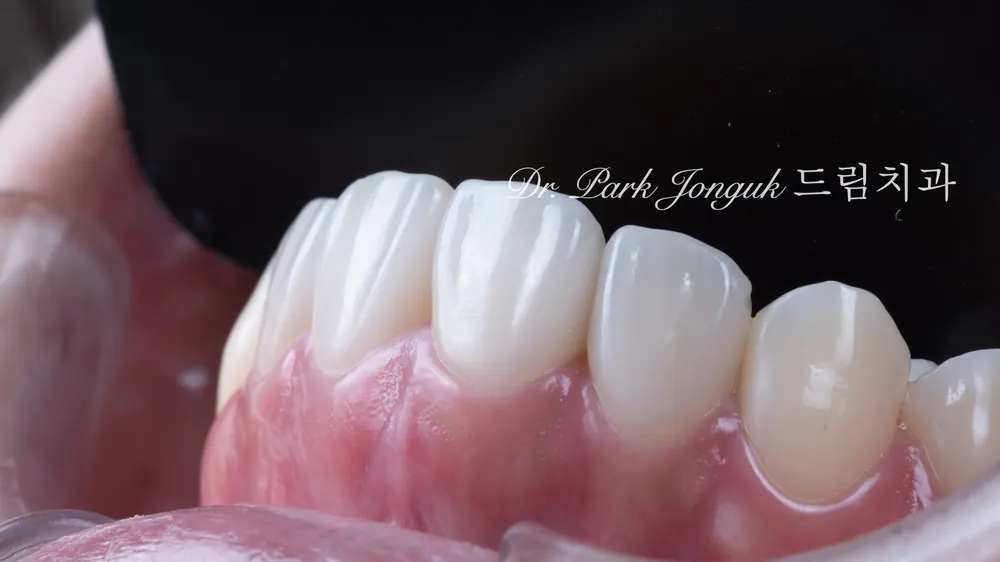
If you look closely at Photo 8, you can see that even the texture of the tooth surface has been rendered in detail.
Natural teeth aren't perfectly smooth; they have fine lines and undulations. This surface texture is what creates a natural reflection and shading when light hits the tooth.
We work closely with our dental technician to reproduce even these fine details. That's the secret to veneers that don't look like "veneers."
The Patient's Satisfaction Matters Most
When the patient looked in the mirror after treatment, she was truly delighted.
She said, "I think I can finally smile with confidence now. It really looks natural."
Someone who had to hold back her smile her whole life because of her bunny teeth
can now smile openly and with confidence.
That is the greatest reward I feel as a dentist.
Bunny-Teeth Veneers: Be Sure to Check These Points
There's something I really want to tell everyone who is struggling with bunny teeth.
First, check whether a precise diagnosis is included.
It should include facial analysis, measurement of tooth proportions, and a wax-up process.
Second, see whether the clinic pursues a natural look.
Check whether it pays attention to translucency, dimension, and surface texture, not just making the teeth white.
Third, check whether enough time is allowed for the process.
Getting it done accurately matters more than finishing quickly.
Fourth, ask to see real cases. Before-and-after photos of similar cases let you gauge the clinic's skill.
Bunny-teeth veneers aren't simply about covering the teeth.
They are a comprehensive art that takes position, angle, size, and color all into account.
With the know-how from 20 years of experience, I will help create a natural, beautiful smile for you.
Frequently Asked Questions (Q&A)
Q1. Do bunny teeth always have to be corrected with orthodontics?
A. No. Veneers can also improve them sufficiently.
In particular, if you also want to improve the shape of the teeth,
or if you want faster treatment, veneers may be the better choice.
Q2. Will veneers get rid of bunny teeth completely?
A. Yes, when treatment follows a precise diagnosis and plan, bunny teeth can be naturally improved.
However, in extremely severe cases, combining treatment with orthodontics may be necessary.
Q3. Do the teeth need to be reduced a lot?
A. It depends on the degree of the bunny teeth.
If the teeth protrude a great deal, more reduction is needed,
but treatment stays within a range that doesn't harm the health of the teeth.
Q4. Won't it be obvious that I got veneers?
A. Properly done veneers don't look obvious.
Through multilayer ceramic build-up, translucency, and surface texture reproduction, they can be made to look like natural teeth.
Q5. How much do Gangnam veneers cost?
A. It depends on the difficulty of the case, the number of teeth, and the materials used.
The exact cost is provided during a consultation after diagnosis.
Q6. How long do they last?
A. With proper care, they can often last 10 years or more.
Many of our patients have used theirs without problems for 15 or even 20 years.
This article is based on the real clinical experience of a dentist who has specialized in veneer treatment in Apgujeong, Gangnam for 20 years. He teaches veneer techniques to fellow dentists every month at Lamista Academy and has published Korea's first dedicated veneer textbook.
This article is a clinical note written by Dr. Park Jonguk of Dream Dental Clinic, Gangnam; the original was published on his blog. The photographs shown are real cases he treated. Results vary with each patient’s condition, and every procedure carries the possibility of individual variation and side effects.
![[Peg Lateral Veneers] From a Strong-Looking Impression to a Soft, Feminine Smile — The Esthetics of Front-Tooth Veneers](/column-media/224178565168/thumb.webp)
Quick Consult
Request a Callback
Leave your number and we will call you back during clinic hours.
Request Received
We will contact you during clinic hours. For urgent matters, please call +82-2-3448-0028.