
Anterior Laminate Veneer Revision Cases
Hello. I am Park Jonguk, DDS, MS, director of Dream Dental Clinic.
As time passes after anterior laminate veneer treatment, revision treatment is needed in many cases.
People usually think of a laminate veneer fracturing or debonding,
but if the original treatment was performed properly,
fracture and debonding are less common than many people expect.
Revision due to gum problems or changes in tooth alignment is more common.
This assumes, as mentioned earlier, that the original treatment was performed properly.
In other words, the diagnosis, tooth reduction, bonding,
and the rest of the treatment process must have been carried out correctly.
When treatment is performed well, the likelihood of debonding decreases substantially.
Today, we will review cases in which laminate veneers were revised for esthetic reasons.
Case 1
One type of revision case that has recently become much more common
is revision for esthetic problems.
Revision is usually performed after the veneers have been used for at least 5 years,
but among patients now visiting us for laminate veneer revision, a substantial number
received treatment only a few weeks or even just 2-3 days earlier
and request revision because they are very dissatisfied.
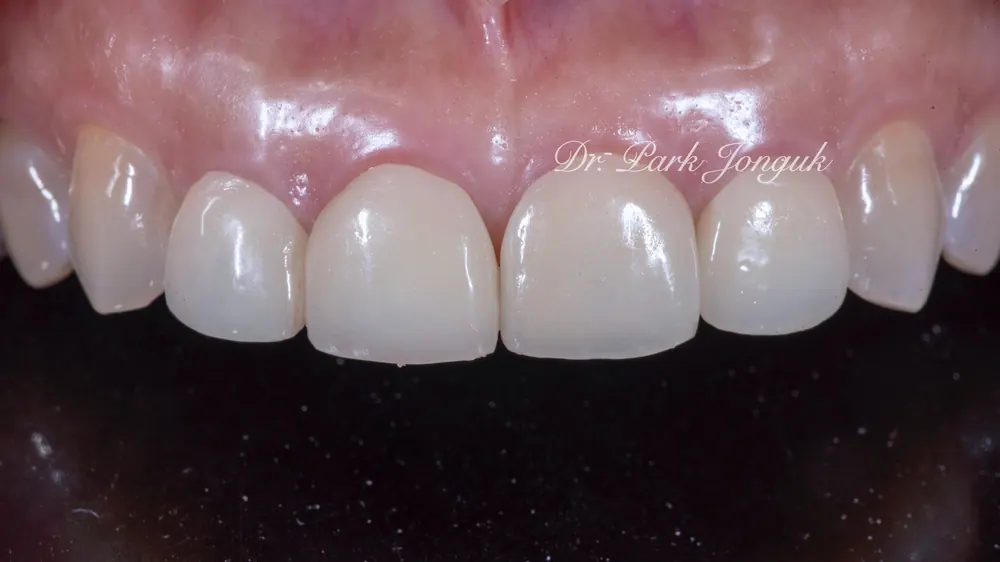
From an esthetic perspective,
this was an extremely serious case.
When I first saw the restorations, I thought they were provisional teeth.
The shape and color were both so problematic that the patient wanted revision treatment.
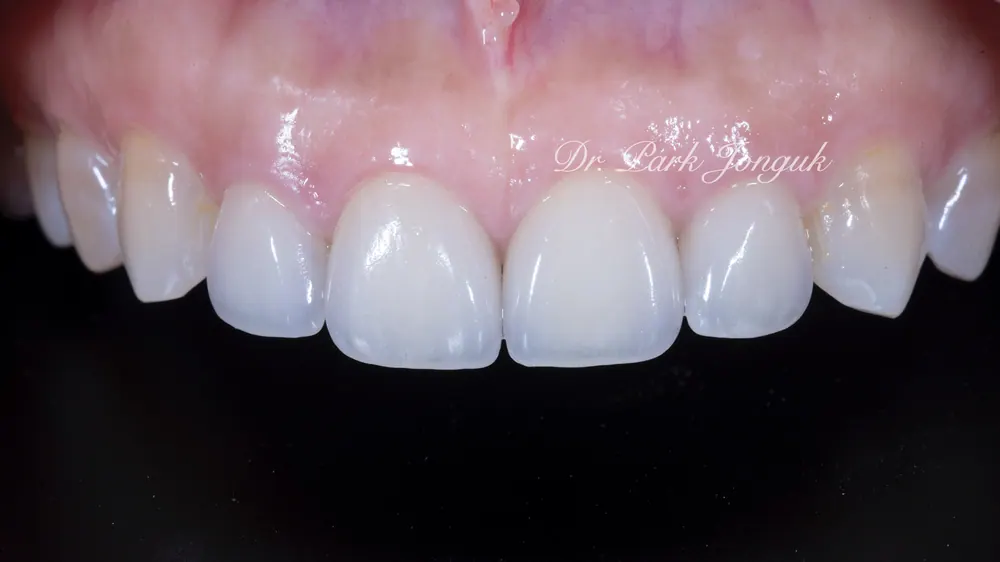
Our goal at Dream Dental Clinic is to make the treatment look
as much like natural teeth as possible.
We aim for the restorations to blend well with the other natural teeth
and to make other people
think that the patient's teeth are naturally attractive.
That is the treatment outcome we seek.
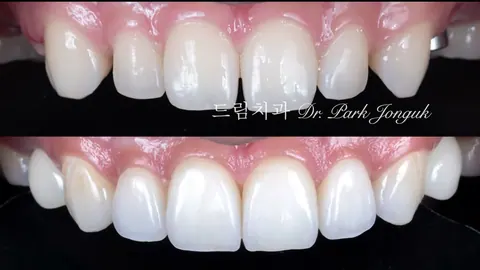
The before-and-after views show a striking difference.
Case 2
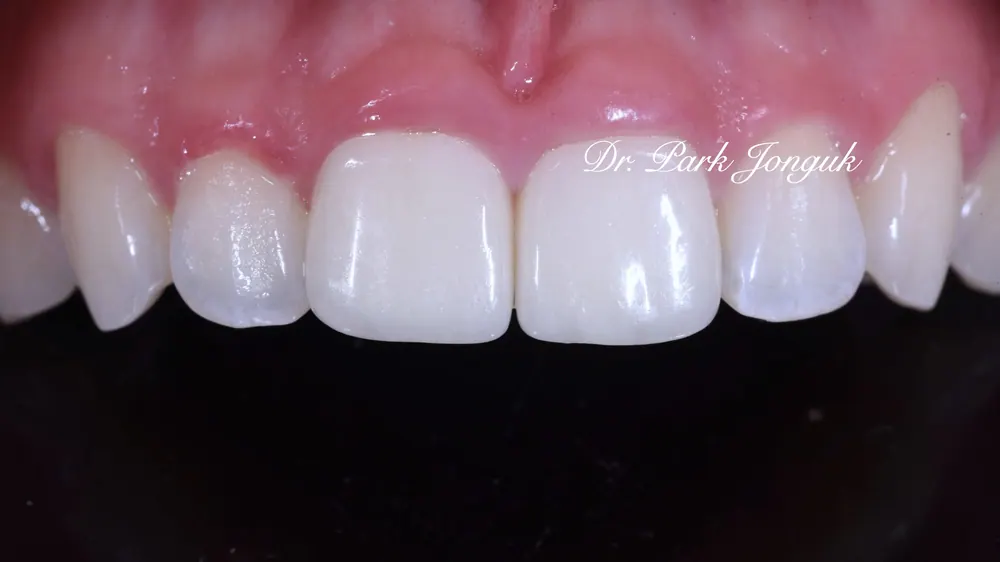
Teeth fundamentally
have appropriate proportions.
Each tooth has a width-to-height ratio,
and the proportions among teeth are also important.
In the photograph above, the two front teeth
have a square shape.
This creates considerable esthetic problems.
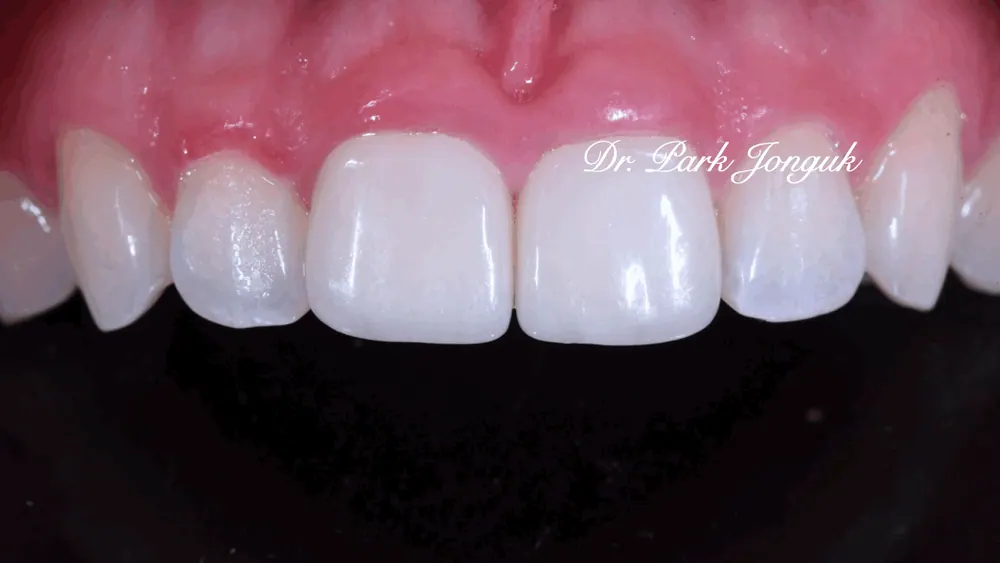
We then develop a treatment plan.
We study how to change the tooth proportions,
what design is needed to make those changes,
how to create a three-dimensional appearance in the teeth,
and various other factors.
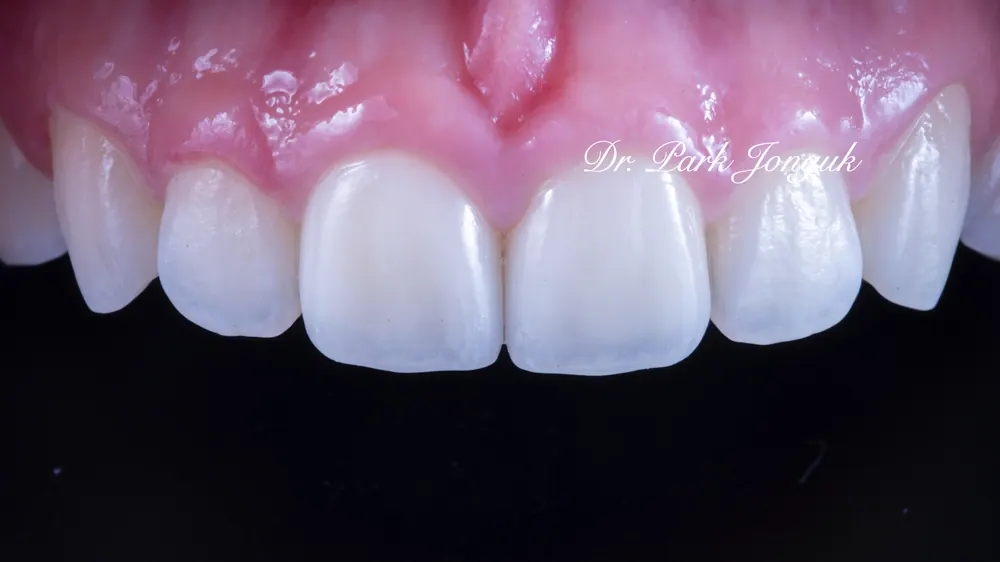
Treatment has been completed.
Beginning with the tooth color,
every aspect was designed to look natural.
Translucency at the incisal edges is also a characteristic of young natural teeth.
The tooth shape, color, and translucency
were all completed beautifully.
Case 3
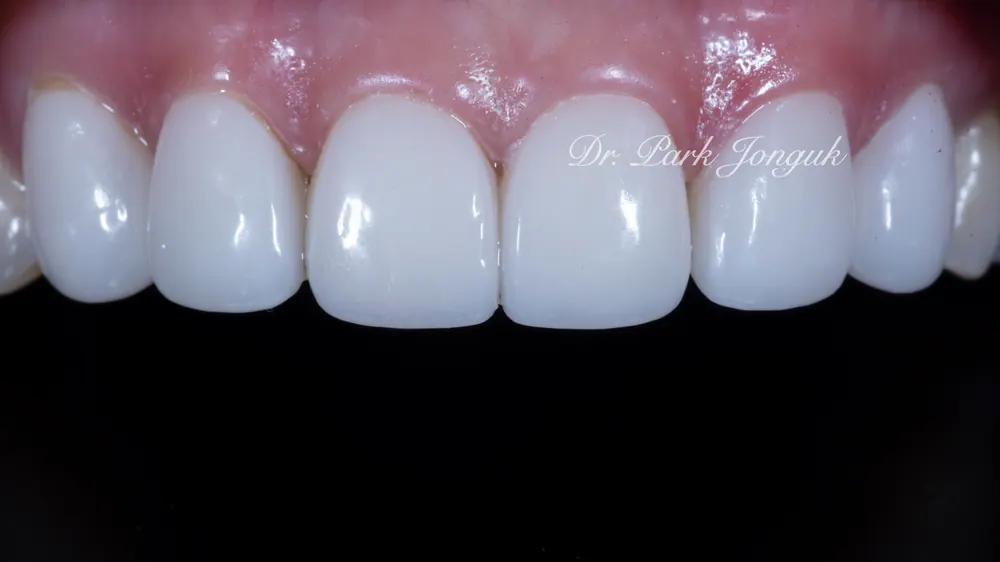
The patient had received laminate veneer treatment,
but the shape made the restorations look too conspicuous,
so the patient wanted revision treatment.
There was no natural form at all,
and the restorations were opaque and dull throughout,
making them look like pieces of xylitol gum stuck to the teeth.
The proportions among the teeth were also incorrect,
and the restorations did not harmonize well with the gums.
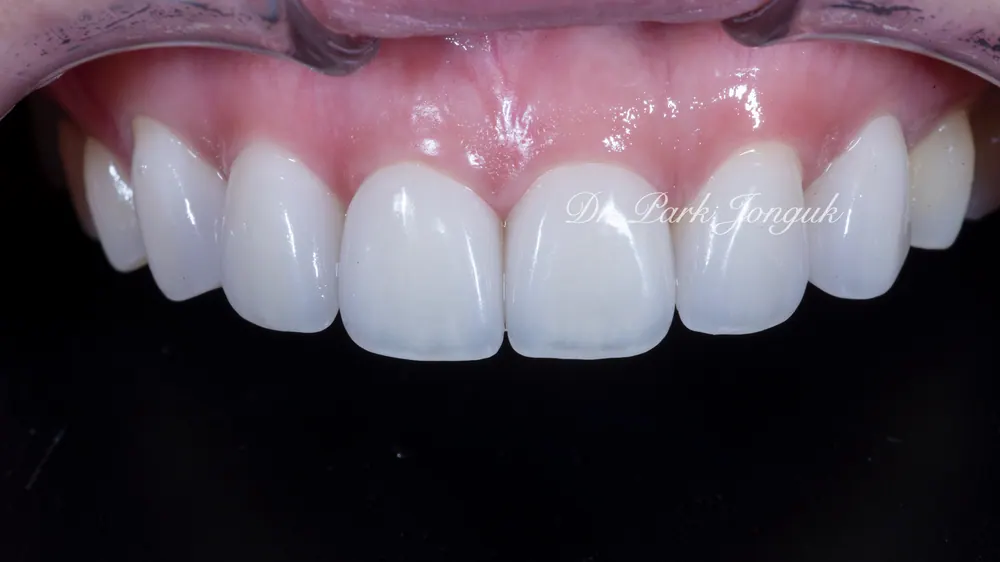
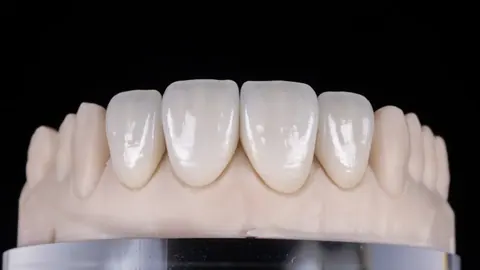
We reproduced the tooth shape and color,
as well as the translucency,
to express the beauty of natural teeth as fully as possible.
Teeth are not beautiful simply because they are white.
A natural range of colors must be included
to create teeth that look natural and beautiful.
Natural Beauty
Since 2006, Dream Dental Clinic
This article is a clinical note written by Dr. Park Jonguk of Dream Dental Clinic, Gangnam; the original was published on his blog. The photographs shown are real cases he treated. Results vary with each patient’s condition, and every procedure carries the possibility of individual variation and side effects.
Quick Consult
Request a Callback
Leave your number and we will call you back during clinic hours.
Request Received
We will contact you during clinic hours. For urgent matters, please call +82-2-3448-0028.