
No-Prep Front Teeth Veneers | How to Achieve a Natural Smile While Preserving Your Teeth
Do front teeth veneers always require shaving down your teeth?
No-prep veneers are a way to preserve as much of your natural tooth structure as possible while still achieving a natural-looking result.
Today, I'll walk you through a real no-prep front teeth veneer case that shows translucent, three-dimensional results.
There's one question that most people considering veneer treatment ask first.
👉 “Do I have to shave down a lot of tooth structure to get front teeth veneers?”
Everyone feels some anxiety about having their teeth shaved down.
Since the front teeth are directly tied to your smile,
many patients worry about even the slightest damage to them.
Amid these concerns, no-prep veneers have drawn a great deal of attention.
As the name suggests, no-prep veneers are
a treatment method in which little to no tooth structure is removed
before the ceramic veneer is bonded onto the tooth.
Because it helps preserve the natural tooth,
it's a strongly preferred option among patients.
But here's an important fact:
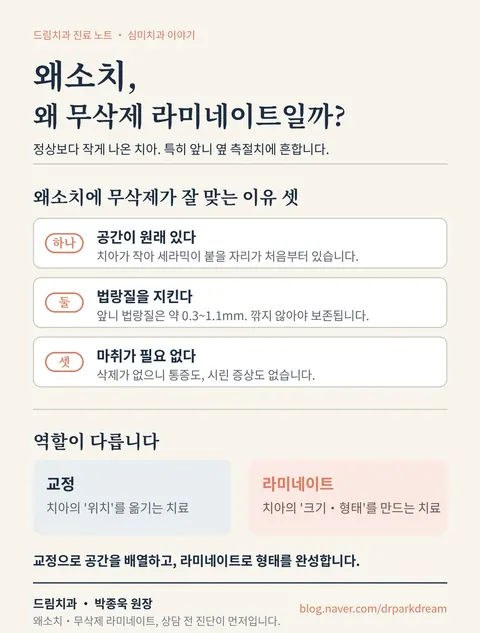
👉 No-prep veneers are not possible in every case.
A few conditions need to be met for no-prep veneers to be an option.
The teeth are naturally small or narrow
The teeth are relatively well-aligned
The teeth are slightly retroclined, angled inward (a so-called “inner bite”)
These conditions need to be met to avoid a result that looks thick or unnatural.
If no-prep veneers are forced onto a case that doesn't meet these conditions,
the front teeth can end up looking too thick, or
the border with the gums can look unnatural.
So what matters isn't the label “no-prep” itself, but
accurate diagnosis and design.
Over the past 20 years, I have handled a great many no-prep veneer cases,
and I also wrote Korea's first textbook to systematize veneer diagnosis.
In this article, through a real no-prep front teeth veneer case,
I'll show you how a natural, translucent smile
can be achieved while preserving the natural tooth.
Photo 1. Before treatment
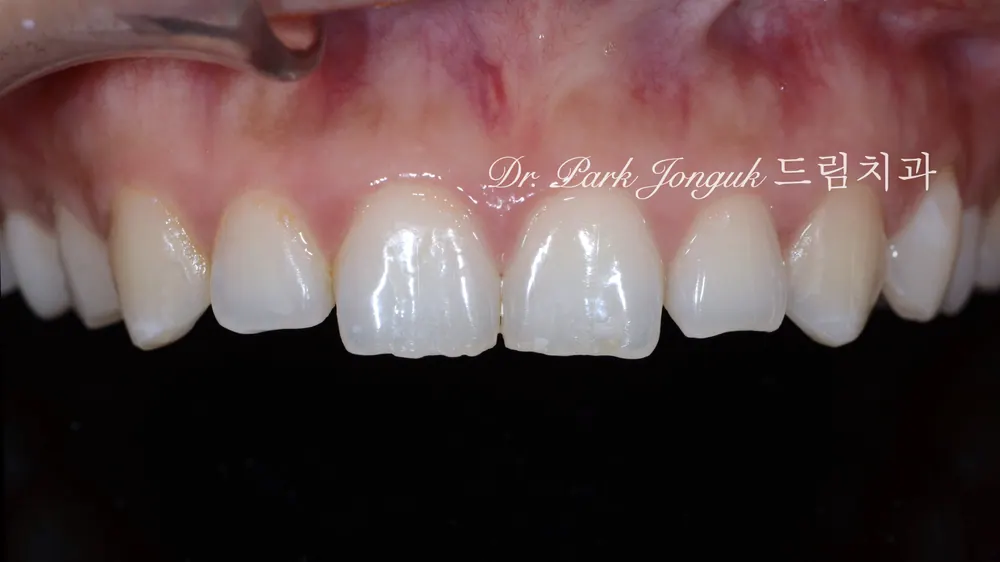
The patient's teeth were small and fairly well-aligned, but
the arrangement wasn't perfect due to a slightly retroclined, inward-angled bite.
The patient also wanted to improve the shape of the teeth, which wasn't very attractive,
and was especially set on getting no-prep veneers.
So after carrying out a precise diagnosis,
we planned the treatment without any tooth reduction.
Photos 2, 3, 4, 5. The veneer fabrication process
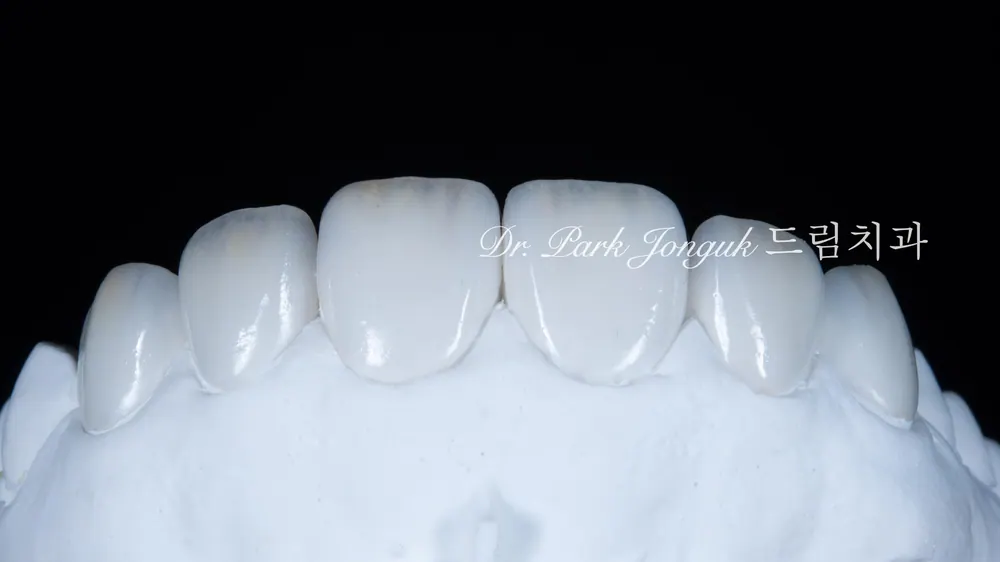
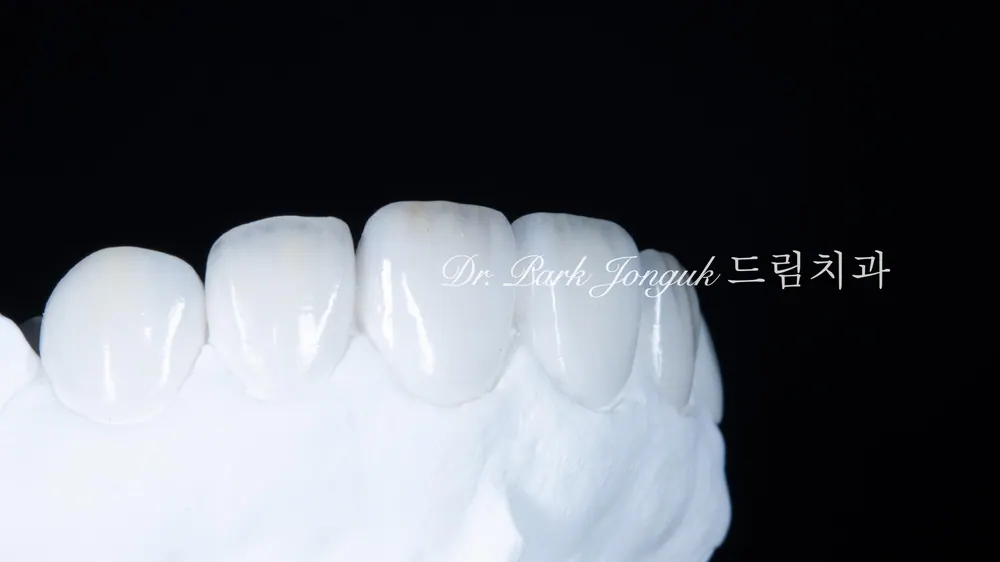
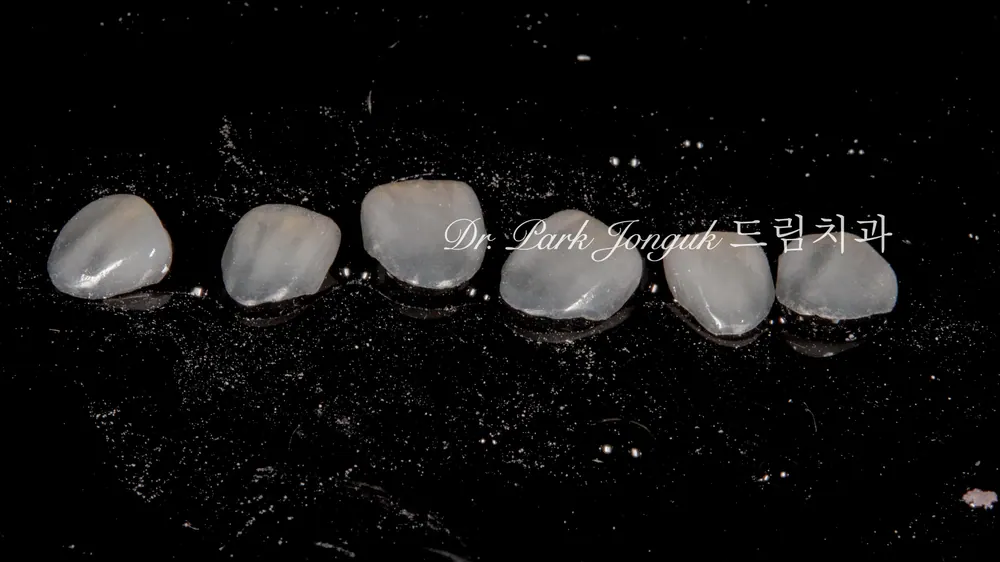
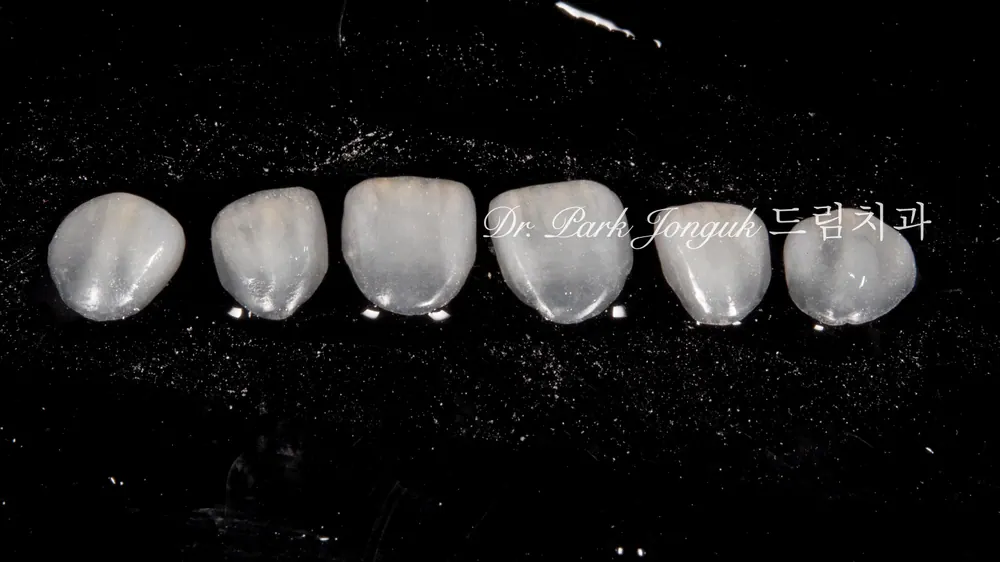
The veneers were made very thin, but
they still expressed the many characteristics of natural teeth.
A bright, beautiful shade,
translucency at the incisal edge,
and a natural sense of depth are all present.
These are exactly the details that characterize young, healthy teeth.
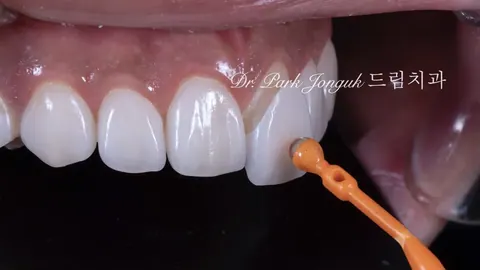
Photo 6. Veneer try-in on one side
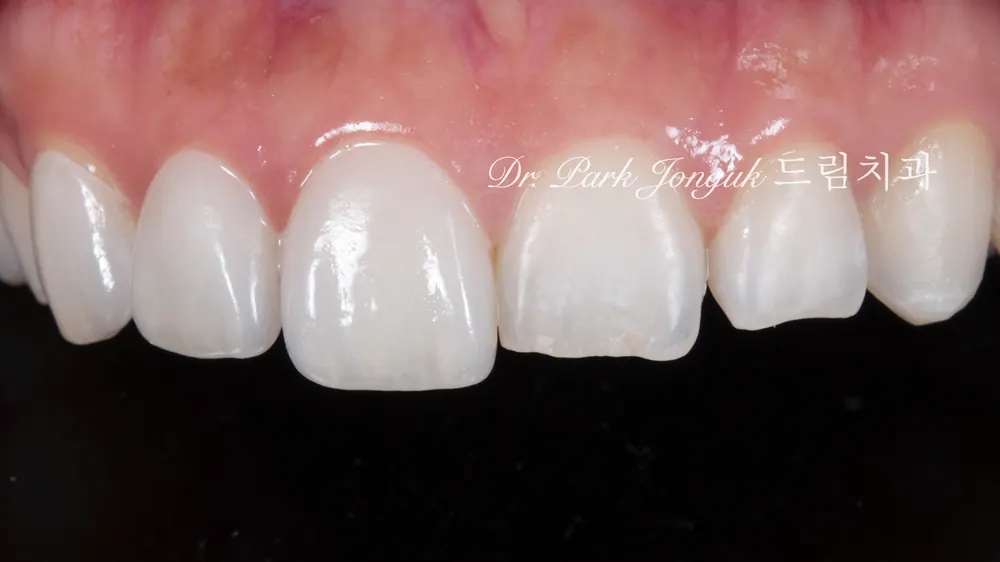
The veneer was placed on just one tooth for a try-in.
In this state, you can see the change in tooth shape and size.
Photo 7. Try-in seen from the side
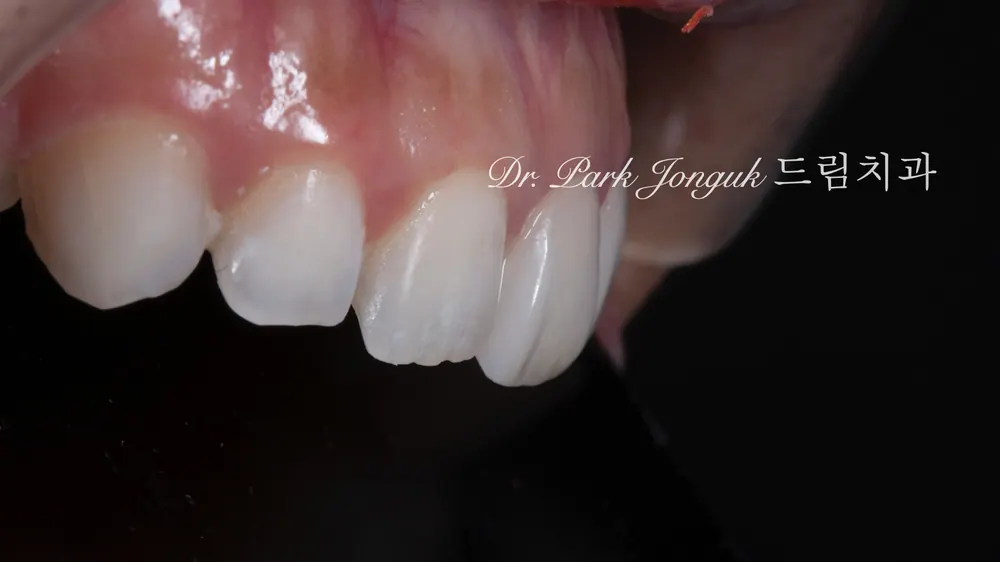
This is the veneer viewed from the side.
You can see that the retroclined, inward-angled shape of the front teeth has been corrected,
and the extremely thin veneer
naturally wraps around the side of the tooth as well.
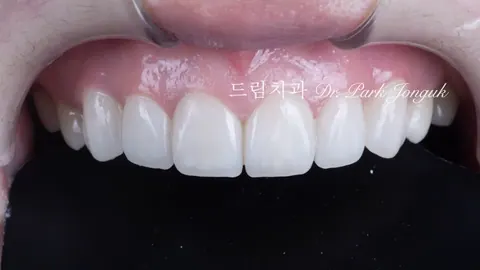
Photos 8, 9, 10. The final result after treatment
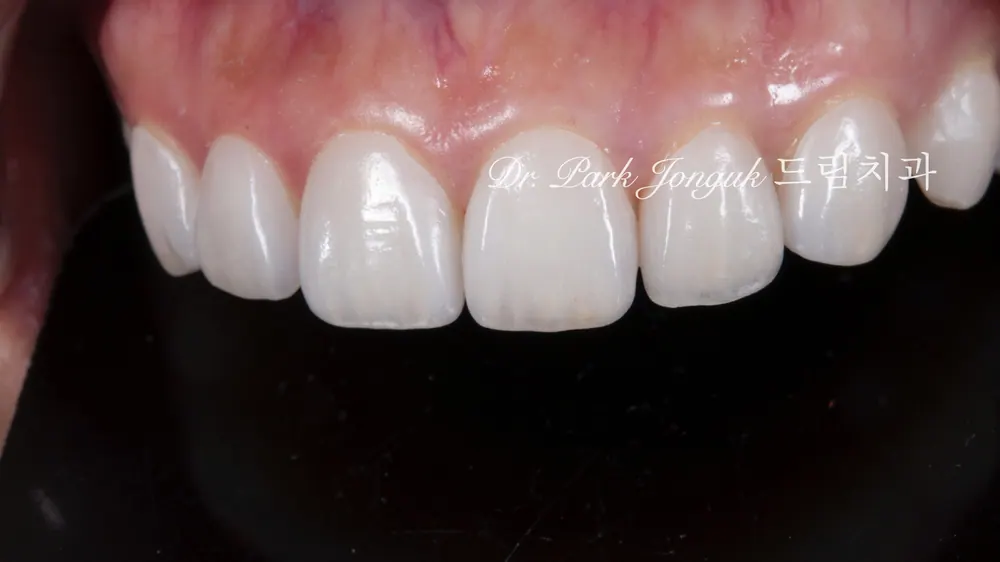
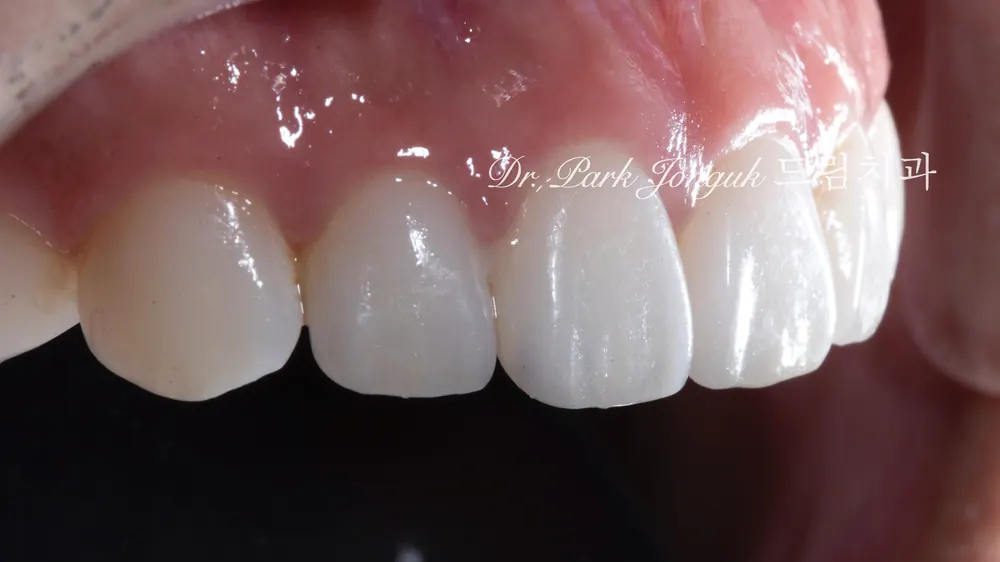
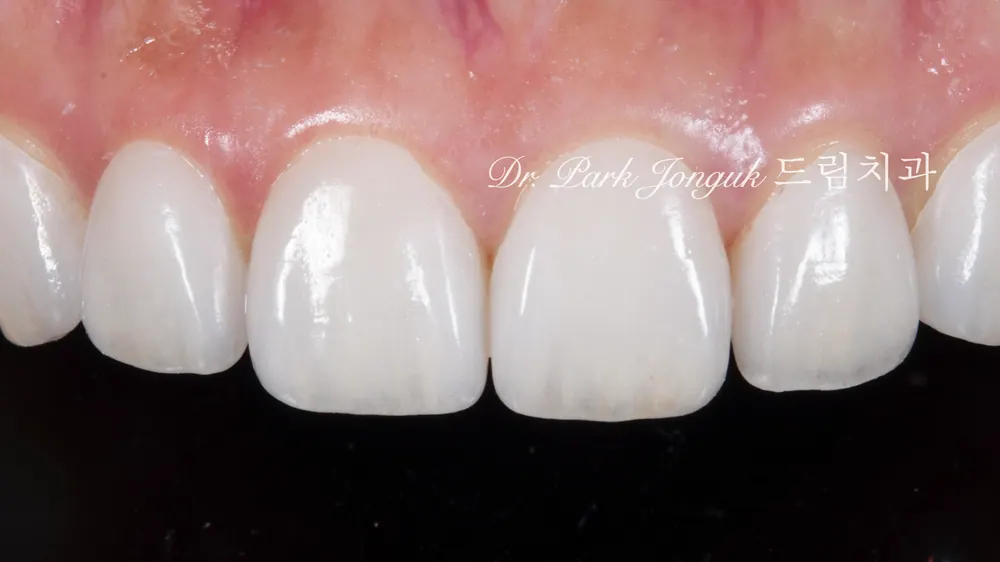
This is the final, seated result.
👉 Even though this was a no-prep veneer with zero tooth reduction,
the result came out remarkably translucent and natural.
This kind of translucency and dimensionality
can never be achieved with a same-day CAD/CAM approach.
It's a level of fine detail that's only possible
with a handmade, multilayer buildup technique.
No-prep veneers are a treatment that can achieve a natural, beautiful smile
while preserving as much of the natural tooth as possible.
But no-prep veneers aren't an option for every patient.
If it's forced onto a case without accurately diagnosing whether the conditions are met,
the result can end up thick and unnatural, or the border with the gums can look unnatural.
Even when the conditions aren't perfect, as in this case,
it's still entirely possible with a precise design of tooth size and proportion,
and can even produce an even more natural-looking result.
From the many cases I've handled over the past 20 years, one thing I can say with confidence is that
👉 the key to no-prep veneers lies in “diagnosis” and “experience.”
Before treatment, it's essential to go through a precise diagnosis
and build a treatment plan suited to you.
Q&A
Q1. Can anyone get no-prep veneers?
No. The teeth need to be small or well-aligned, or
positioned slightly inward, for no-prep veneers to be possible.
If those conditions aren't met, a minimal-prep veneer approach should be used instead.
Q2. Do no-prep veneers also cause tooth sensitivity?
In most cases, no. Because almost no tooth structure is removed,
the likelihood of sensitivity or needing root canal treatment is significantly reduced.
Q3. Can no-prep veneers still look natural?
Yes, they can.
Especially when made with a handmade, multilayer buildup technique,
the translucency and depth make them hard to distinguish from natural teeth.
Q4. How long do they last?
On average, they can often be used for around 10 to 20 years.
Regular checkups and good care habits have a major influence on how long they last.
Q5. If I'm unhappy with my existing veneers, can they be redone?
Yes. Using a laser removal technique,
they can be safely replaced while minimizing damage to the tooth.
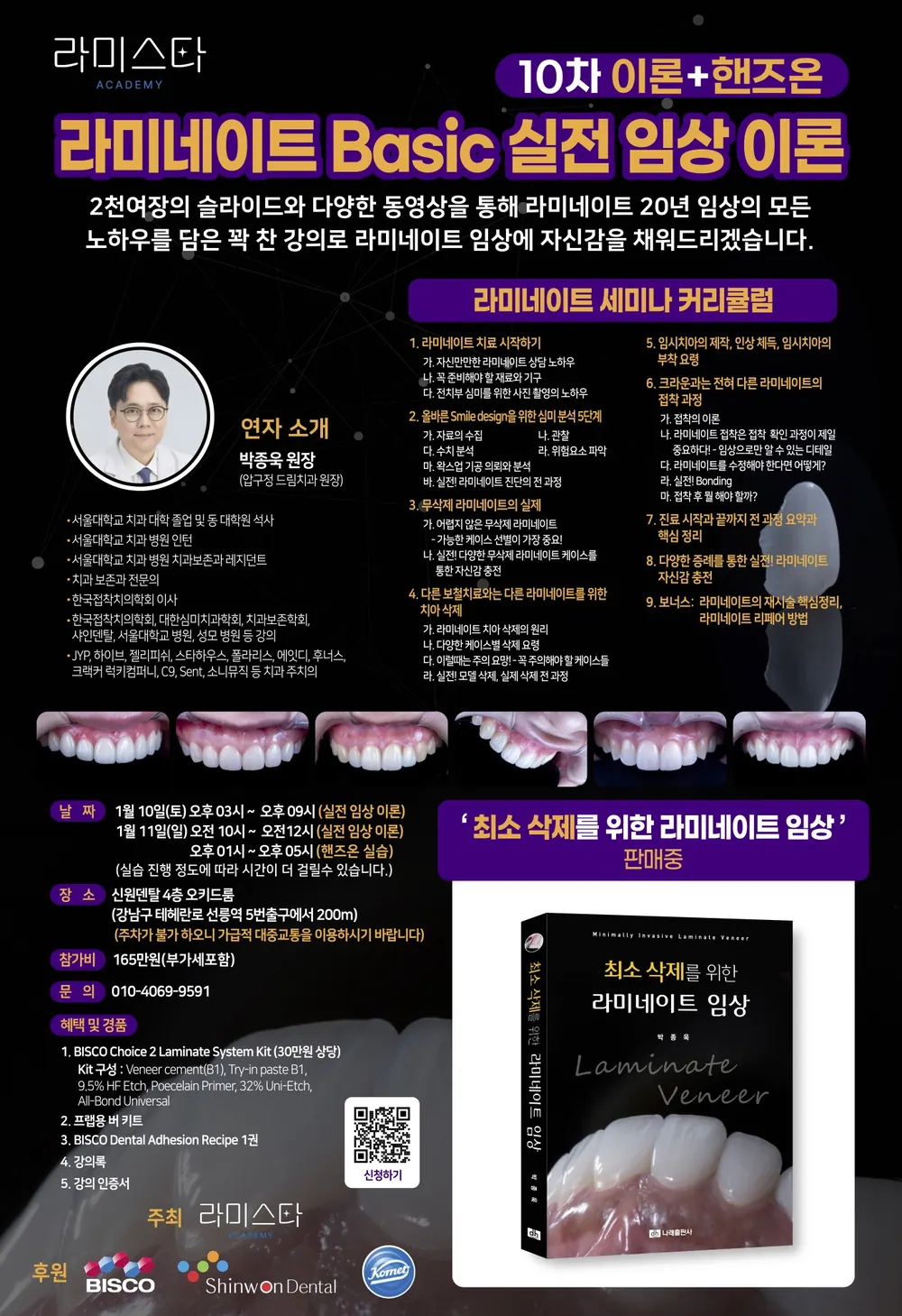
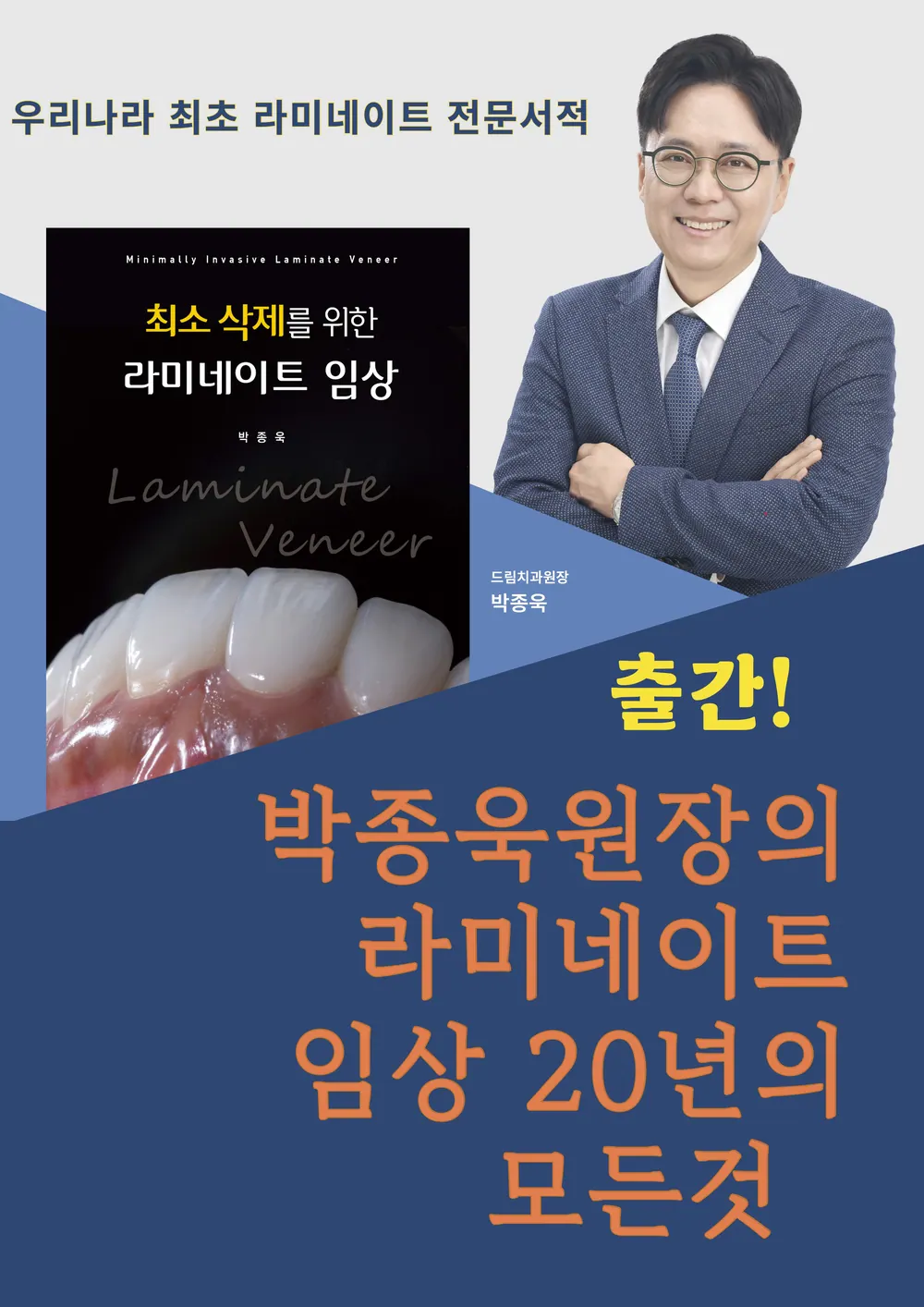
This article is a clinical note written by Dr. Park Jonguk of Dream Dental Clinic, Gangnam; the original was published on his blog. The photographs shown are real cases he treated. Results vary with each patient’s condition, and every procedure carries the possibility of individual variation and side effects.
Quick Consult
Request a Callback
Leave your number and we will call you back during clinic hours.
Request Received
We will contact you during clinic hours. For urgent matters, please call +82-2-3448-0028.