
Reviewing a Front Crown Retreatment Case
Hello. I am Park Jonguk, DDS, MS, director of Dream Dental Clinic in Apgujeong.
Tooth color is remarkably complex.
We often say that we want white teeth,
but truly white teeth do not exist in nature.
Tooth color varies by area, by tooth, and from person to person.
Some areas are translucent, others are opaque or yellow, and on close inspection there may even be orange or purple tones.
A great variety of colors are combined within each tooth.
Ceramic is the material that can most closely reproduce tooth color.
It is only by combining different ceramics rather than using a single ceramic
that the varied, rich colors, translucency, and depth of natural teeth can all be reproduced.
Crowns or laminate veneers made recently in just 1 day or 2-3 days
cannot reproduce this complex and varied character of natural teeth.
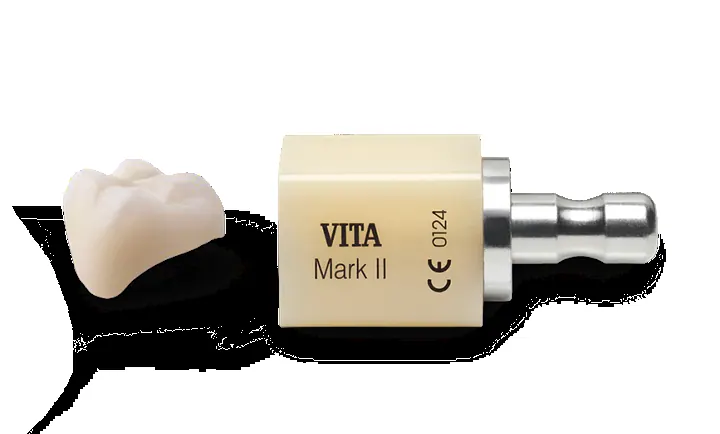
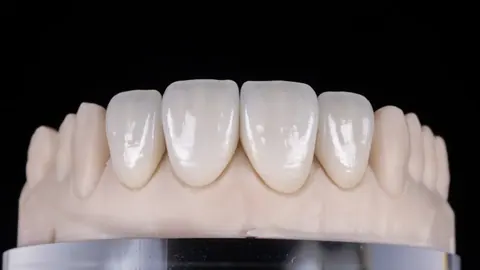
The method usually used to make restorations in just 1 day, often called a one-day method, uses ceramic blocks like the one shown above.
Some blocks contain multiple shades,
but most are monochromatic, so the result differs considerably from a natural tooth.
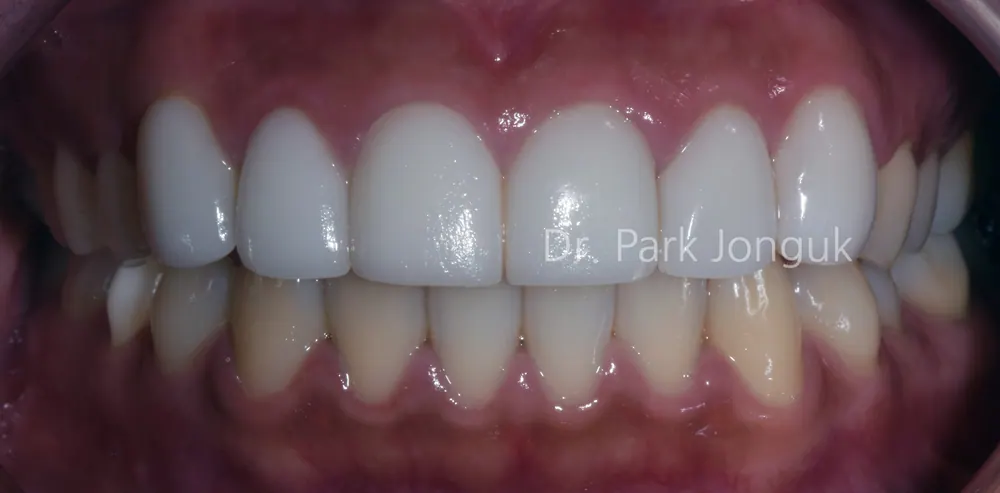
This is a typical result.
The restoration looks opaque and visually heavy rather than having the color of a natural tooth.
The problem is even more pronounced when only 1 or 2 teeth are treated this way.
Multiple layers of ceramic are needed to make the restoration blend with natural teeth.
These layers are built one at a time, which cannot be achieved by a machine milling the restoration in just 1 day.
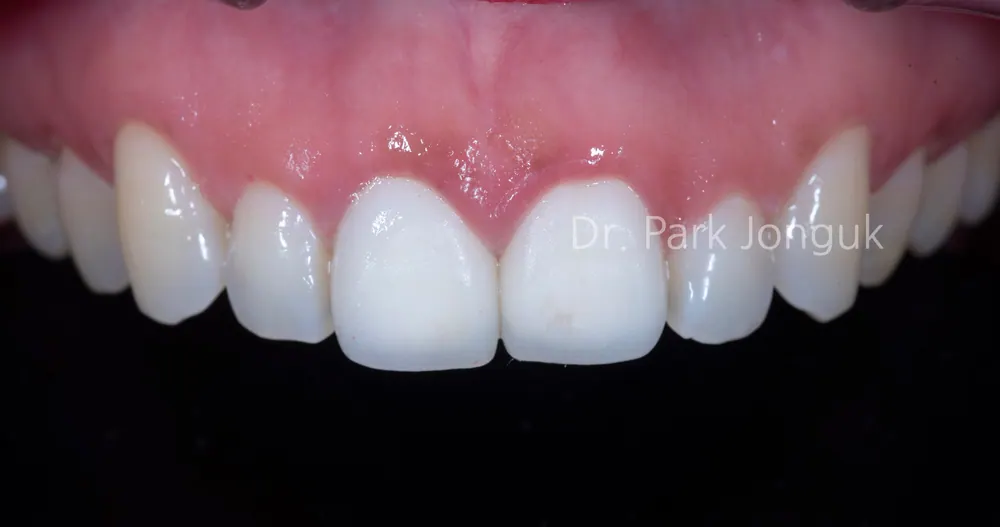
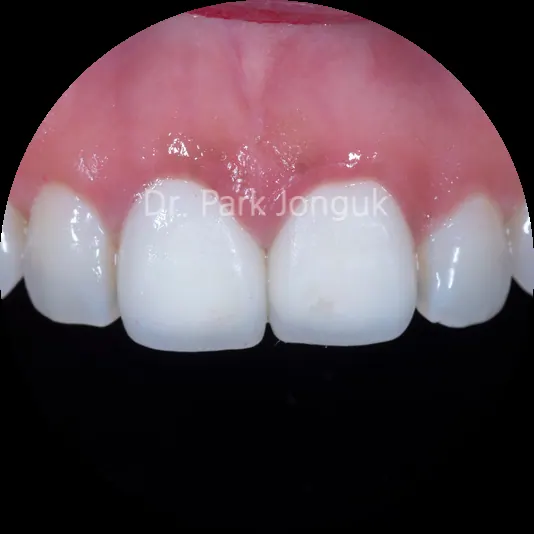
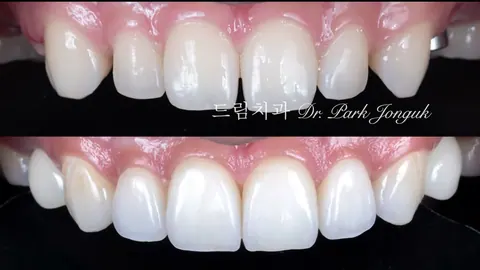
Only the 2 front teeth had all-ceramic crowns.
The shade and translucency of the 2 teeth differed considerably from the natural teeth.
Such differences can arise from the type of ceramic or the fabrication method.
A recent trend is the widespread use of a ceramic called zirconia.
Zirconia has strength approaching that of metal,
so it can be used extensively in areas vulnerable to fracture.
However, its lower translucency can be an esthetic limitation.
More translucent zirconias have recently become widely available,
but these tend to have lower strength, making them difficult to use for molars.
e.max ceramic has excellent translucency and is sufficiently strong for use on front teeth.
However, if the underlying tooth is discolored for any reason, e.max may be difficult to use.
The way these various materials are selected and processed
can make a substantial difference.
Because effective use of these ceramics depends heavily on expertise and experience,
there are still aspects that machine-based fabrication cannot yet reproduce.
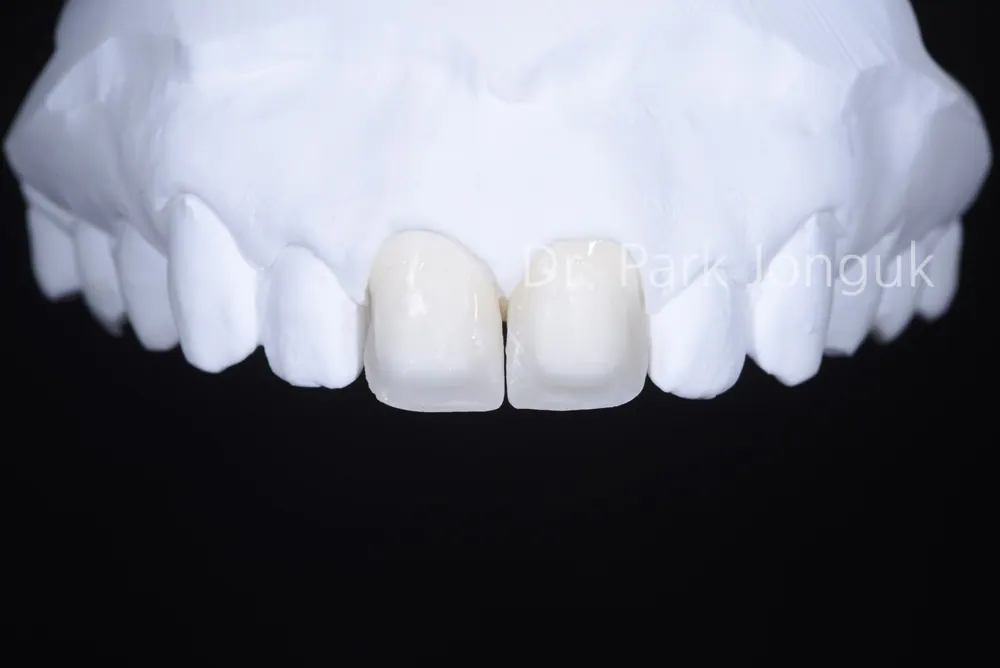
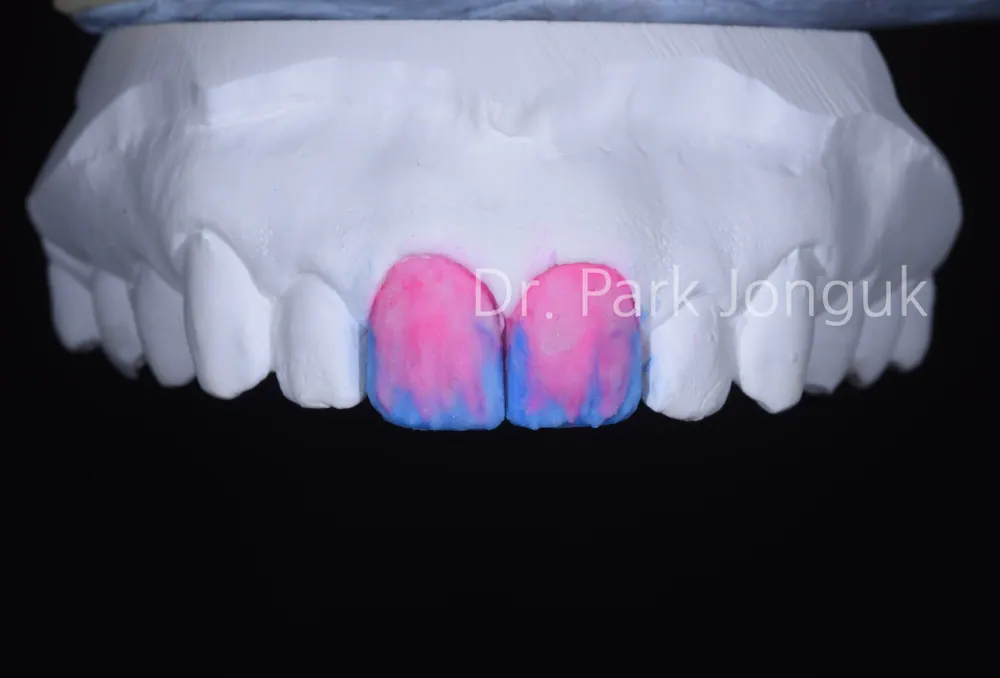
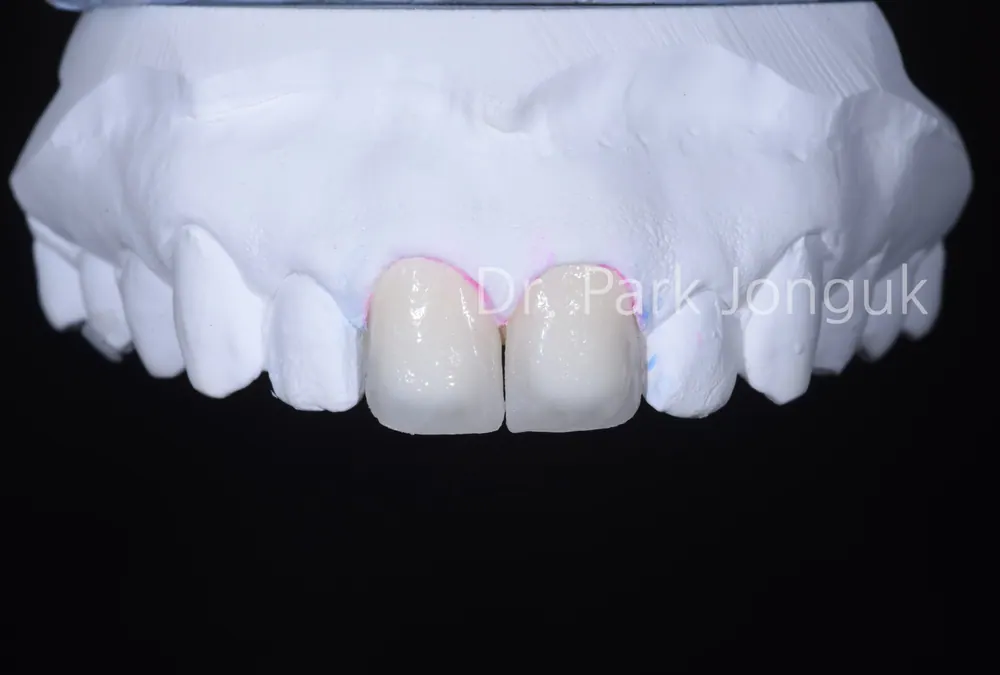
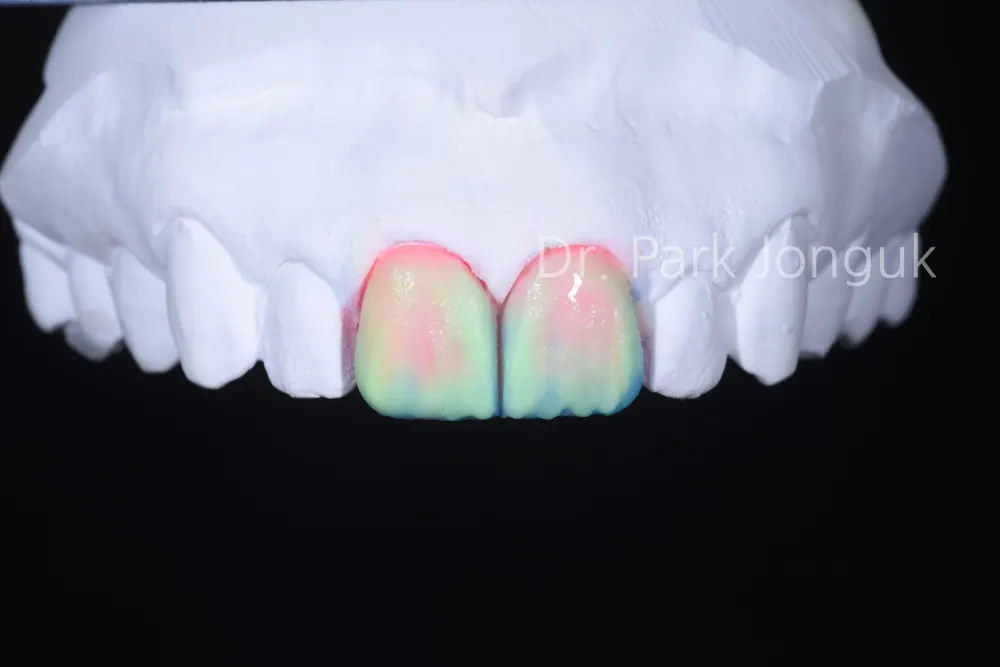
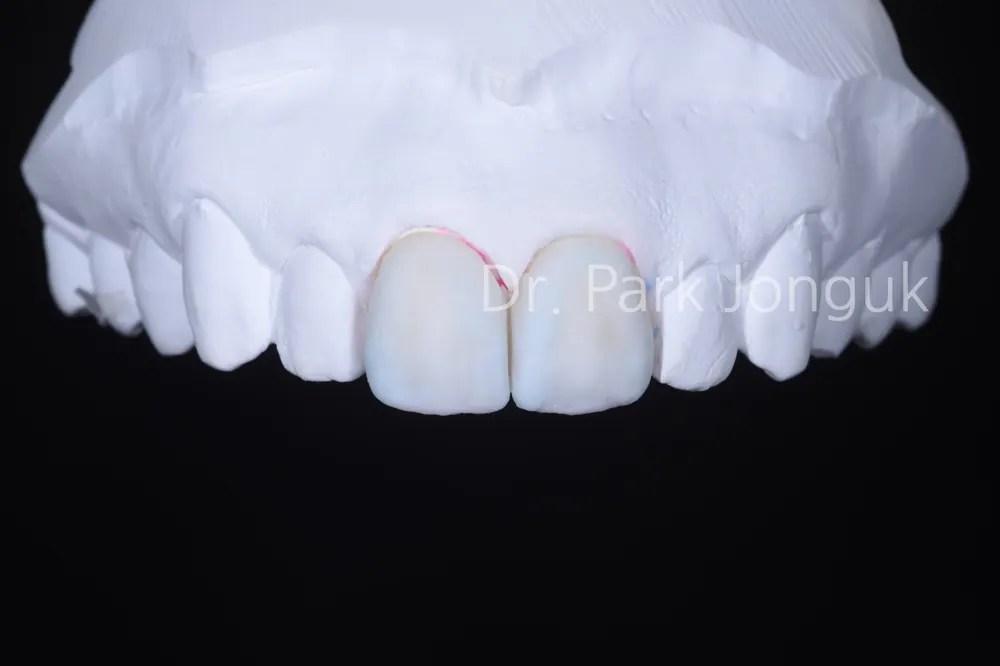
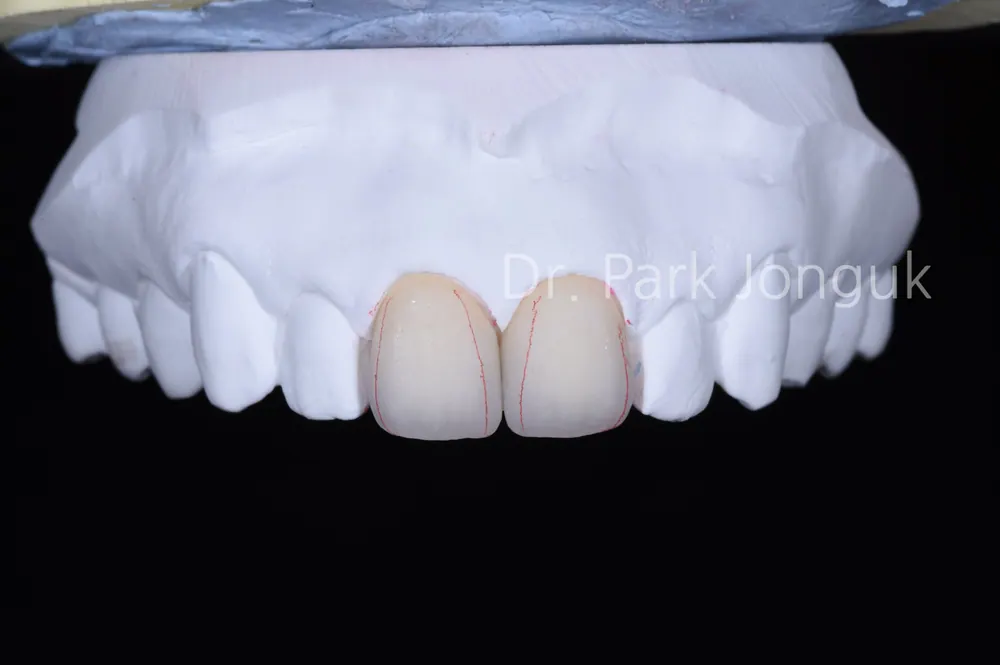
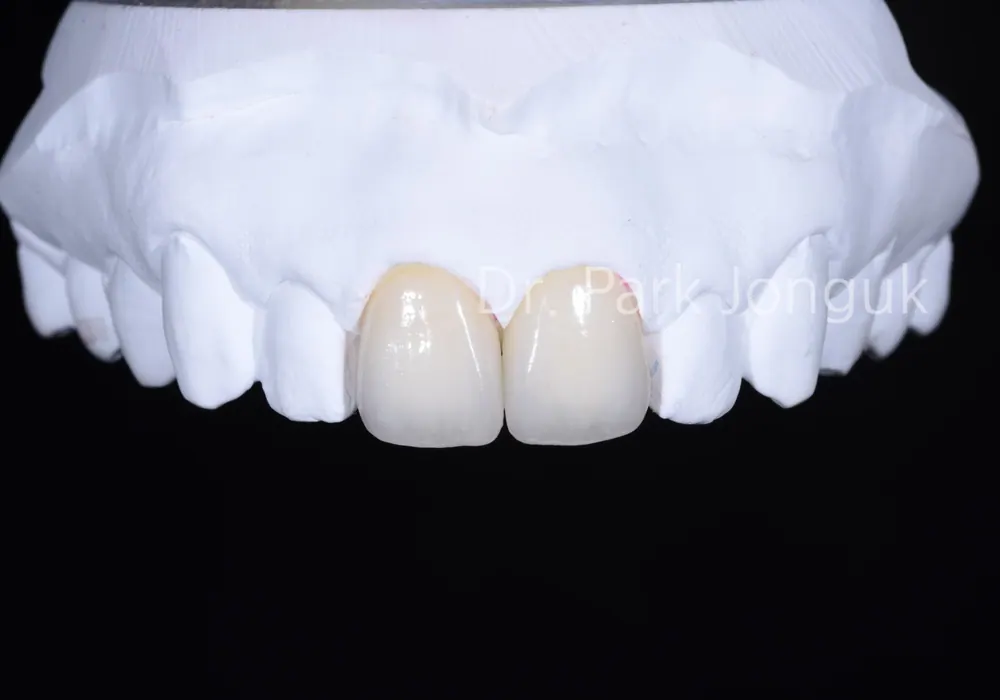
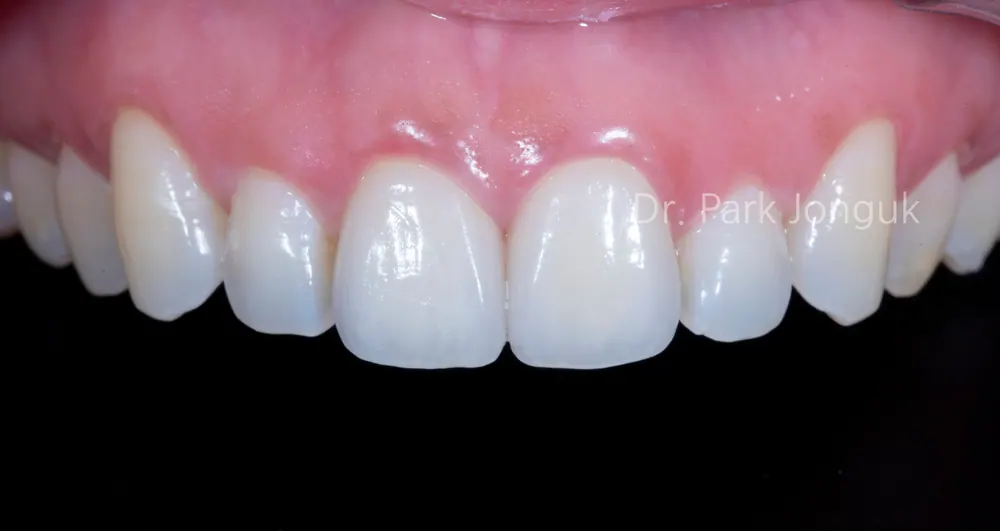
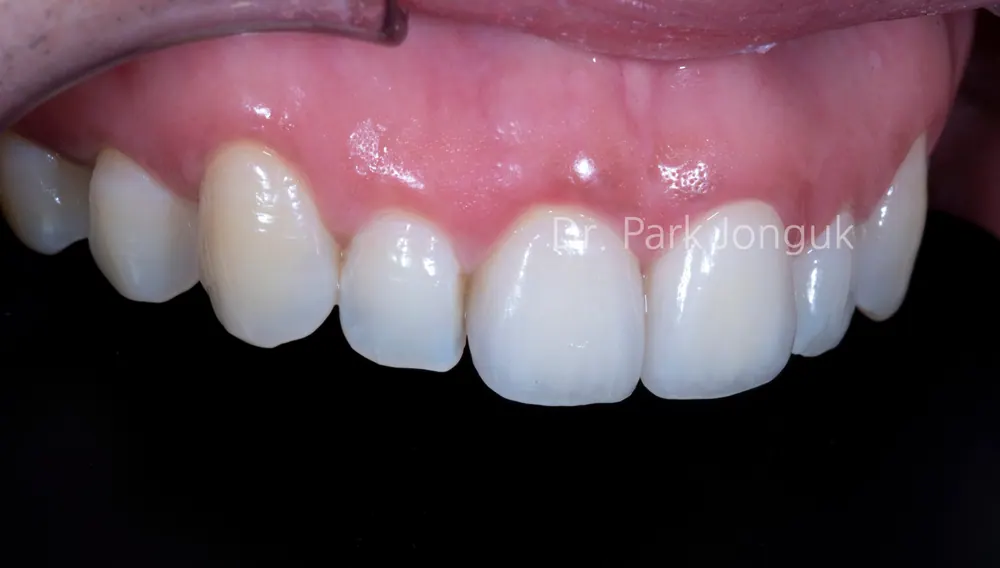
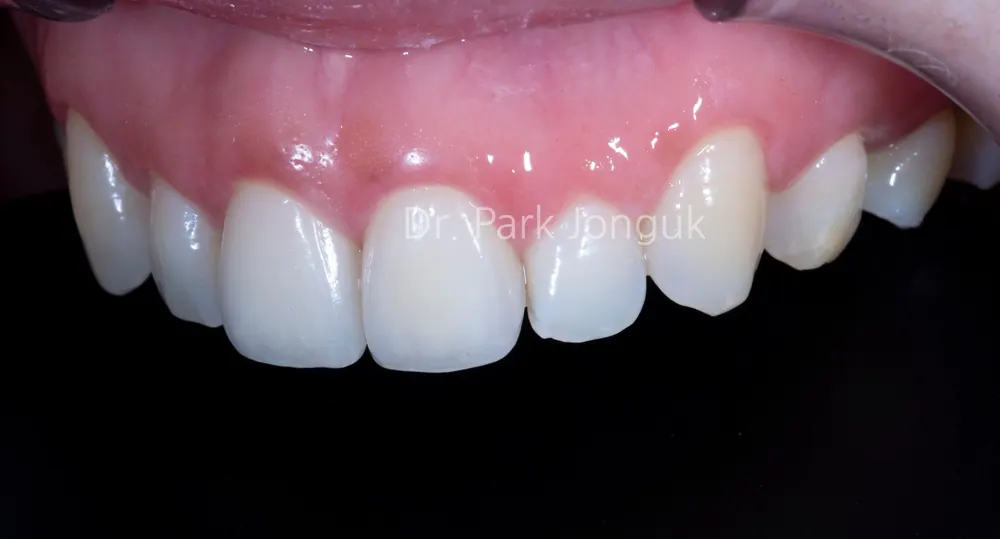
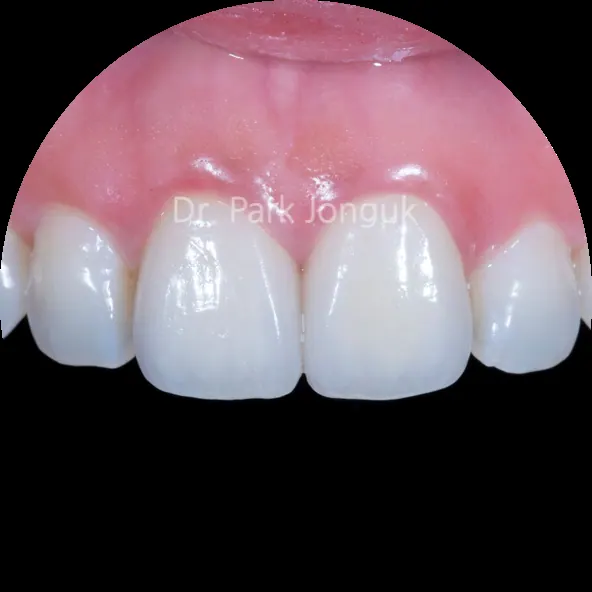
Treatment was completed with shape, shade, and translucency that were much closer to those of natural teeth.
The key is fabricating ceramic restorations that blend well with the natural teeth.
Among the various ceramics, it is important to decide which material to select,
which ceramics to layer over it to create a natural appearance,
and to apply substantial expertise throughout that process.
This article is a clinical note written by Dr. Park Jonguk of Dream Dental Clinic, Gangnam; the original was published on his blog. The photographs shown are real cases he treated. Results vary with each patient’s condition, and every procedure carries the possibility of individual variation and side effects.
Quick Consult
Request a Callback
Leave your number and we will call you back during clinic hours.
Request Received
We will contact you during clinic hours. For urgent matters, please call +82-2-3448-0028.